Free written scope consultation - allowances, timeline, and change-order rules on paper before a single trade is scheduled
Styles & brands we work with
- Kitchen remodeling
- Bathroom remodeling
- Home additions & ADU
- Roofing
- Windows & doors
- Driveway & pavers
- Fence
See the difference
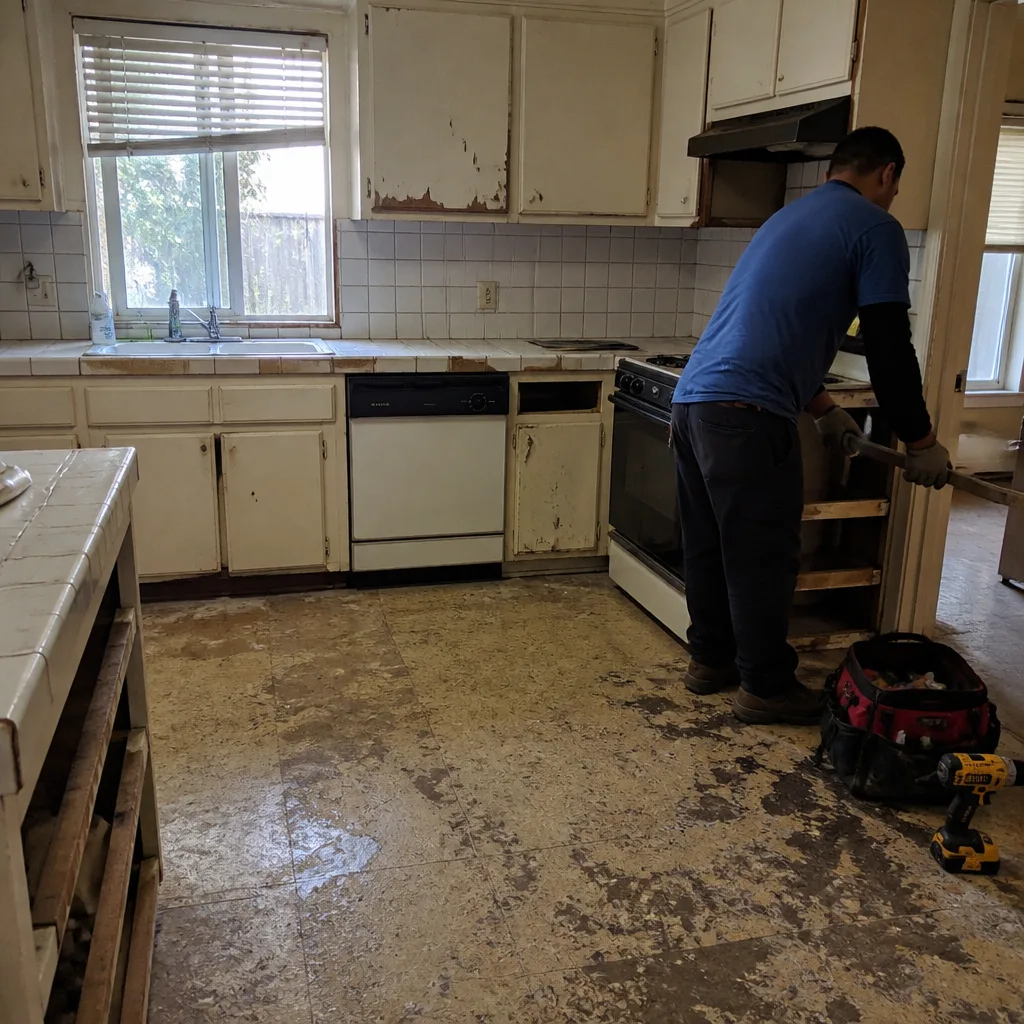 Before
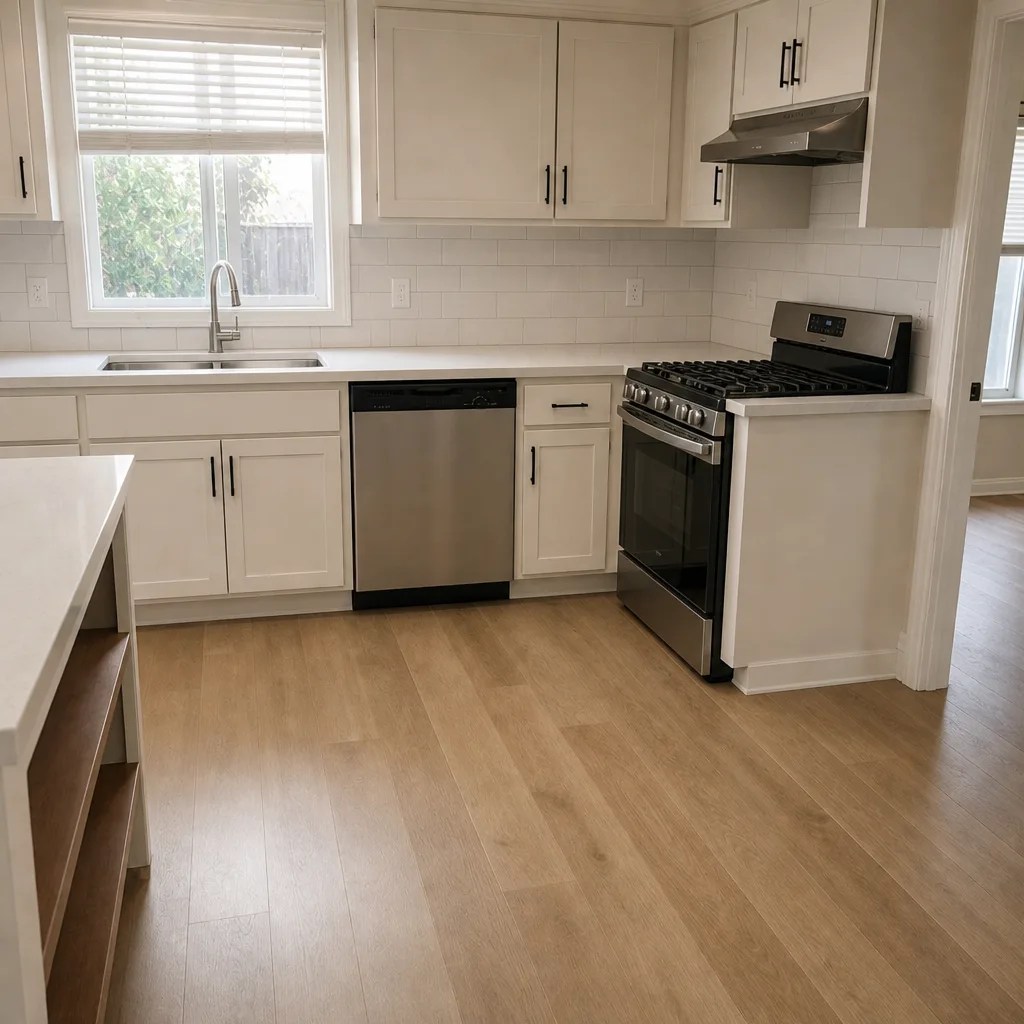 After
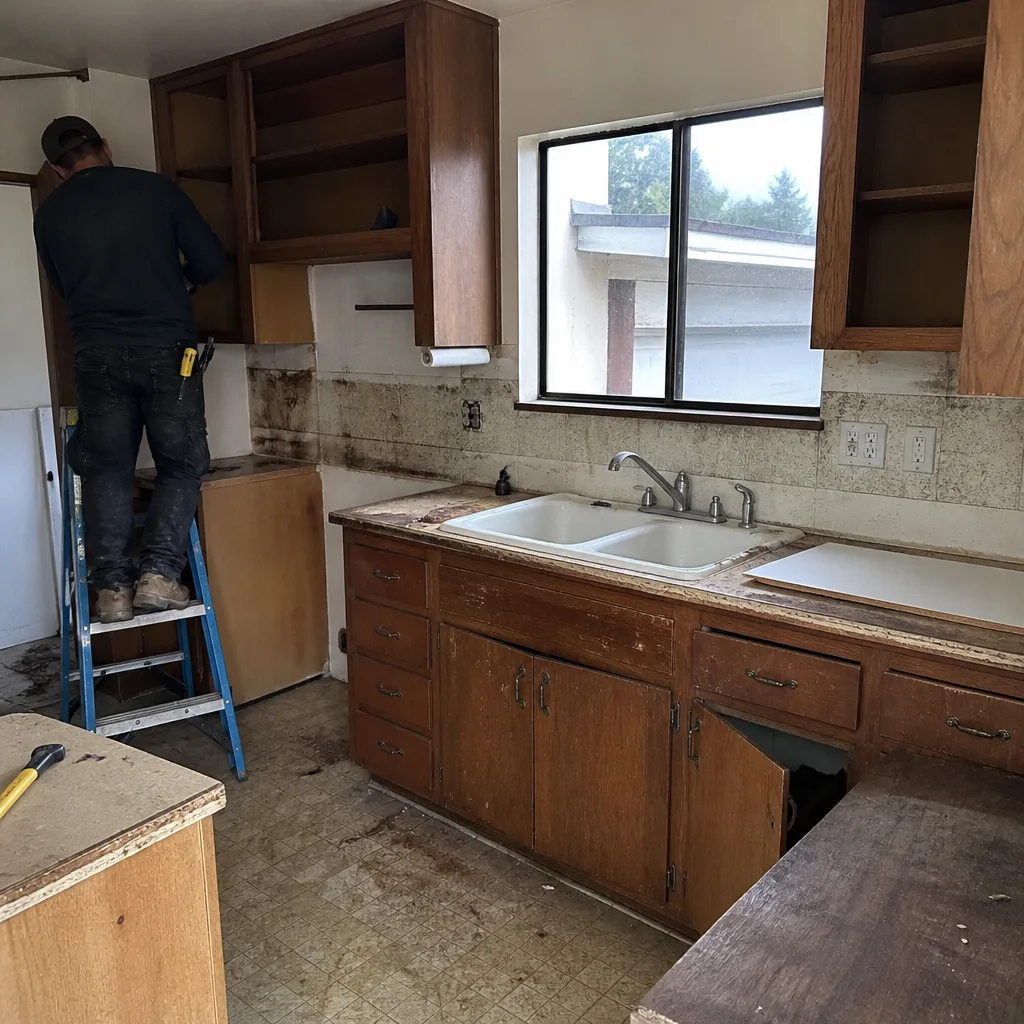 Before
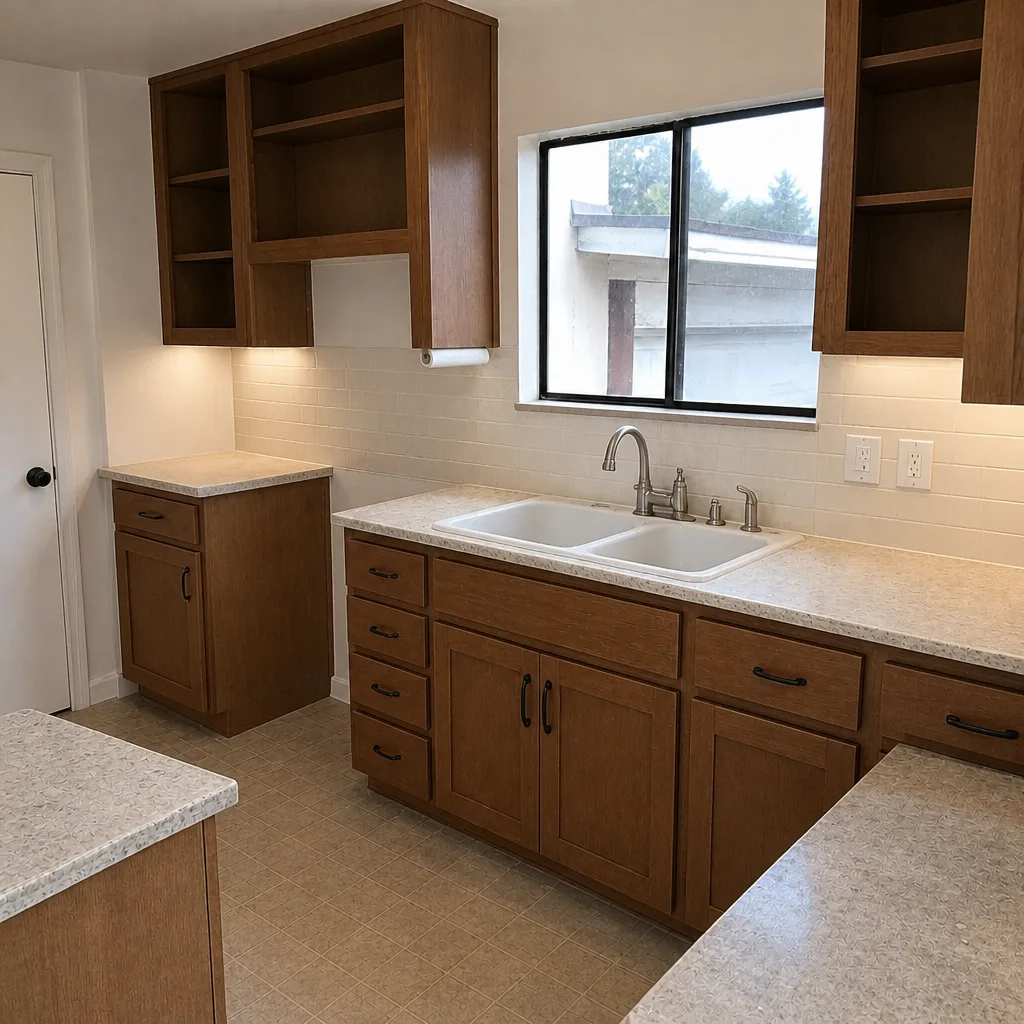 After
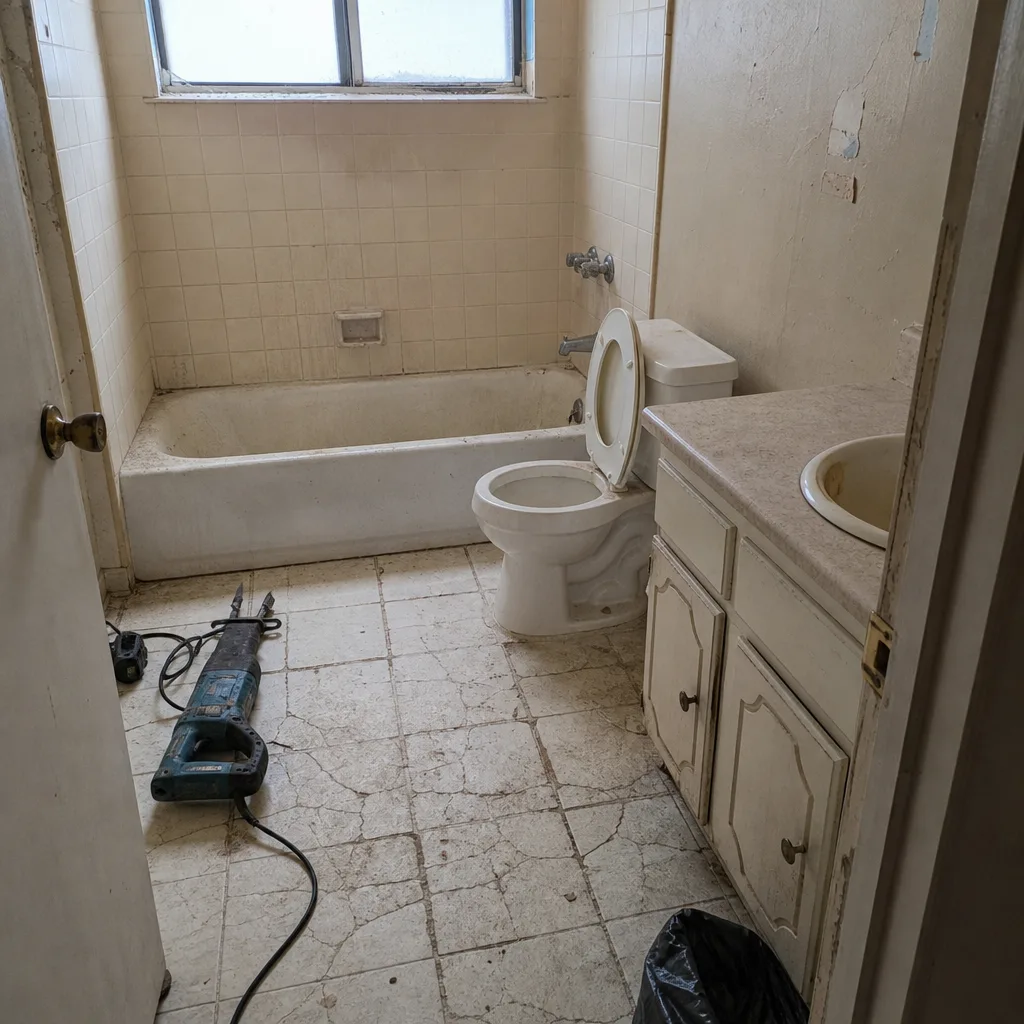 Before
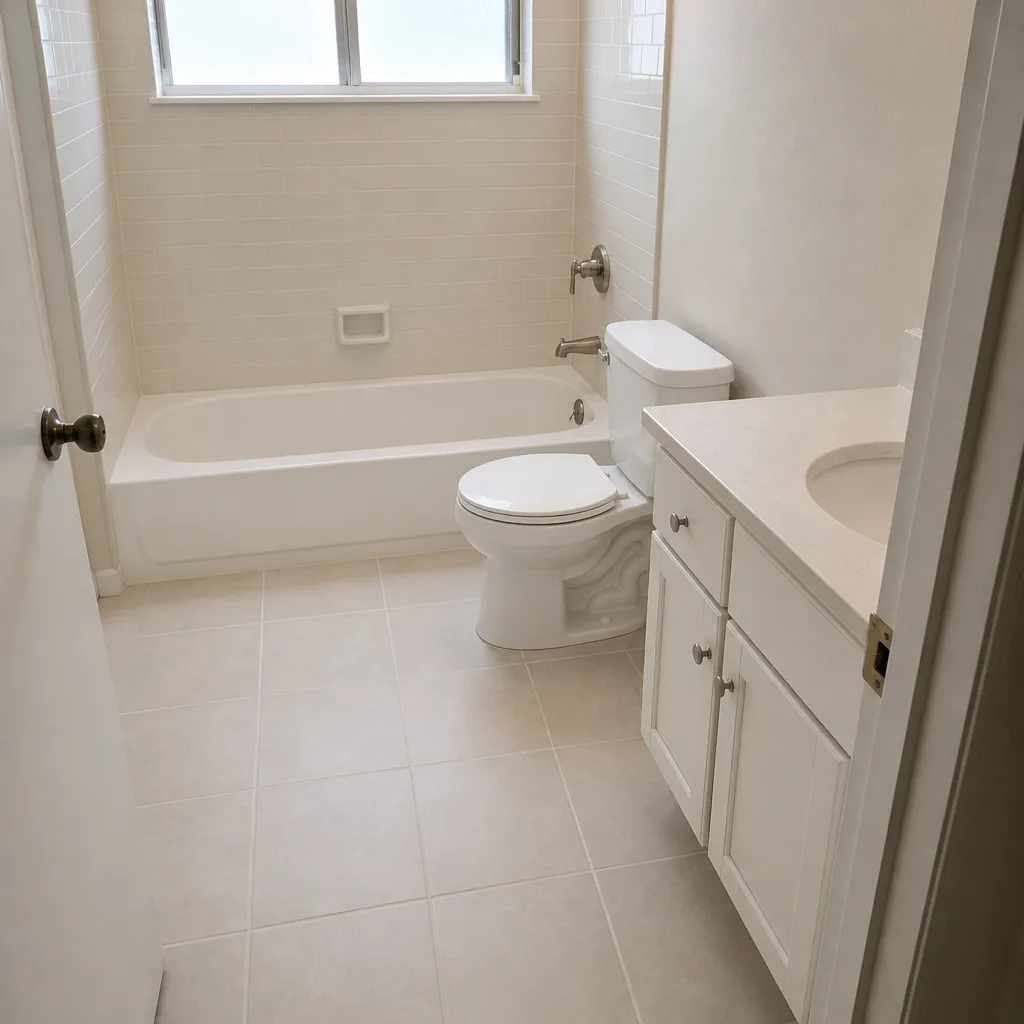 After
Home Addition vs ADU in Lake Forest, CA: Which One Actually Pays You Back?
Choose an ADU unless your only goal is more room for people you’ll never rent to. An ADU in Lake Forest adds a separate legal dwelling that generates income and appraises on its own; a room addition adds square footage you can’t rent and can’t legally split off. Run the resale and rental math and the ADU usually wins. Call (855) 532-8973 for a free, itemized comparison of both paths, with financing details on the table before you commit.
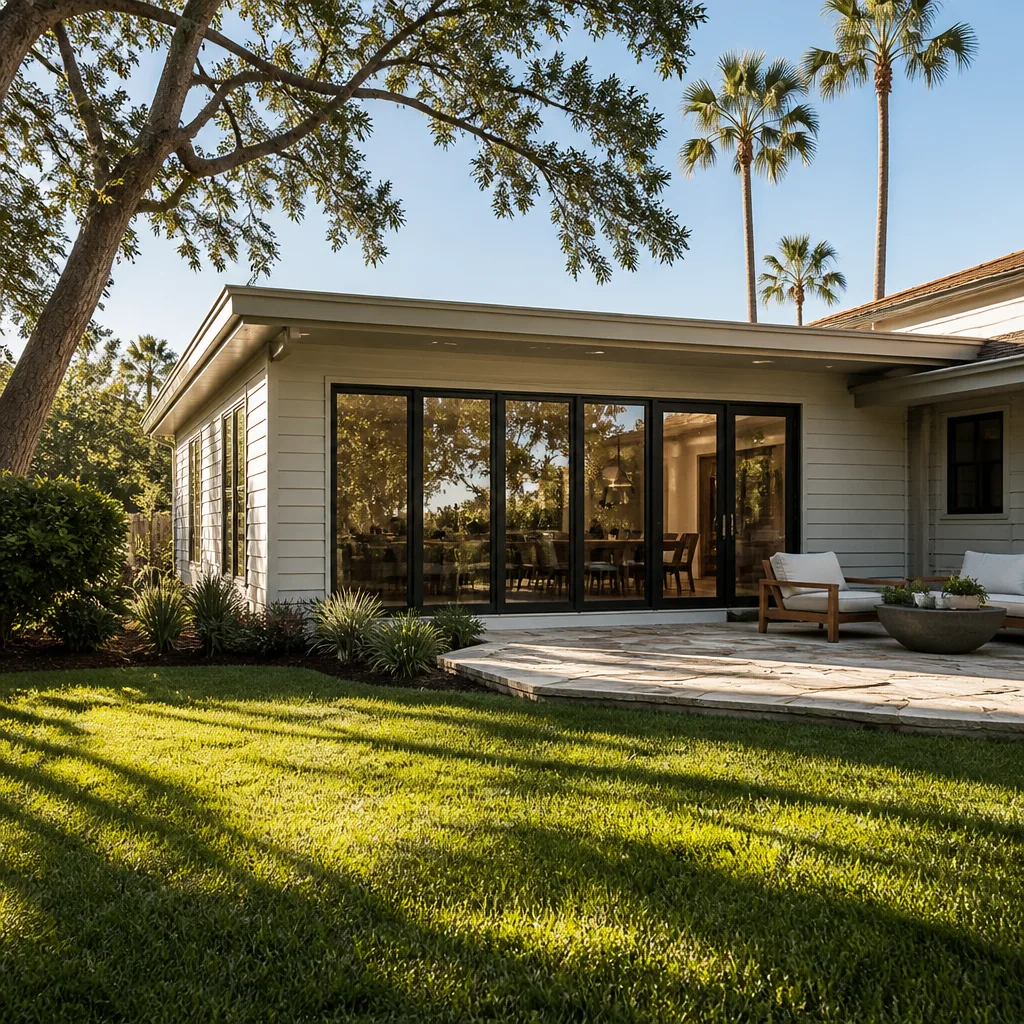
The Math That Decides It in Lake Forest
A room addition adds space. An ADU adds a revenue stream. In Lake Forest, where HOA fees commonly run $200 to $500 a month, being able to offset that cost with rent changes the entire financial case. That’s the part most comparison articles skip.
Here’s how the two paths diverge. A room addition is assessed as part of your primary home, so your property taxes rise on the full improved value and you get nothing back in cash flow. An ADU is also assessed, but a one-bedroom ADU in Lake Forest rents for roughly $1,800 to $2,200 a month. Do a little quick arithmetic: that rent covers the tax bump and the HOA fee with money left over, often putting the project cash-flow positive within two to three years. Run both numbers side by side and the difference is not close.
We’ve walked dozens of Lake Forest homeowners through this on-site, and the reaction is usually the same. They came in planning a second-story addition and walk out asking about a detached unit in the backyard. The honest answer depends on what you want the space to do, which is why we quote both separately instead of blending them into one confusing number.
Two Things Every Lake Forest Homeowner Should Know Before Comparing
1. The HOA review can eat the addition.
Most Lake Forest planned communities sit inside a strict architectural review committee. Additions over 1,000 square feet in most of these HOAs trigger a full ARC design review, and that review is picky. Drawings have to match the original tract home’s roofline and fenestration, which means your architect is essentially reverse-engineering a 1978-1995 design and getting it approved by a committee. It can add months.
ADUs are different. Units under 850 square feet get ministerial approval under state law, meaning the city can only apply objective standards and cannot impose discretionary design conditions. Fewer committees, fewer surprises. That’s a structural advantage an addition simply doesn’t have in Lake Forest.
2. Multigenerational living is a family decision, not just a build decision.
An addition keeps everyone under the same assessor’s parcel. That matters if you’re building for aging parents or an adult child and you want the property to stay intact. An ADU creates a separate legal dwelling, which is excellent for rental income but could complicate inheritance and estate planning. Talk to your estate attorney before you pour a foundation. This is the distinction almost no comparison article addresses, and it’s the one that changes plans most often.
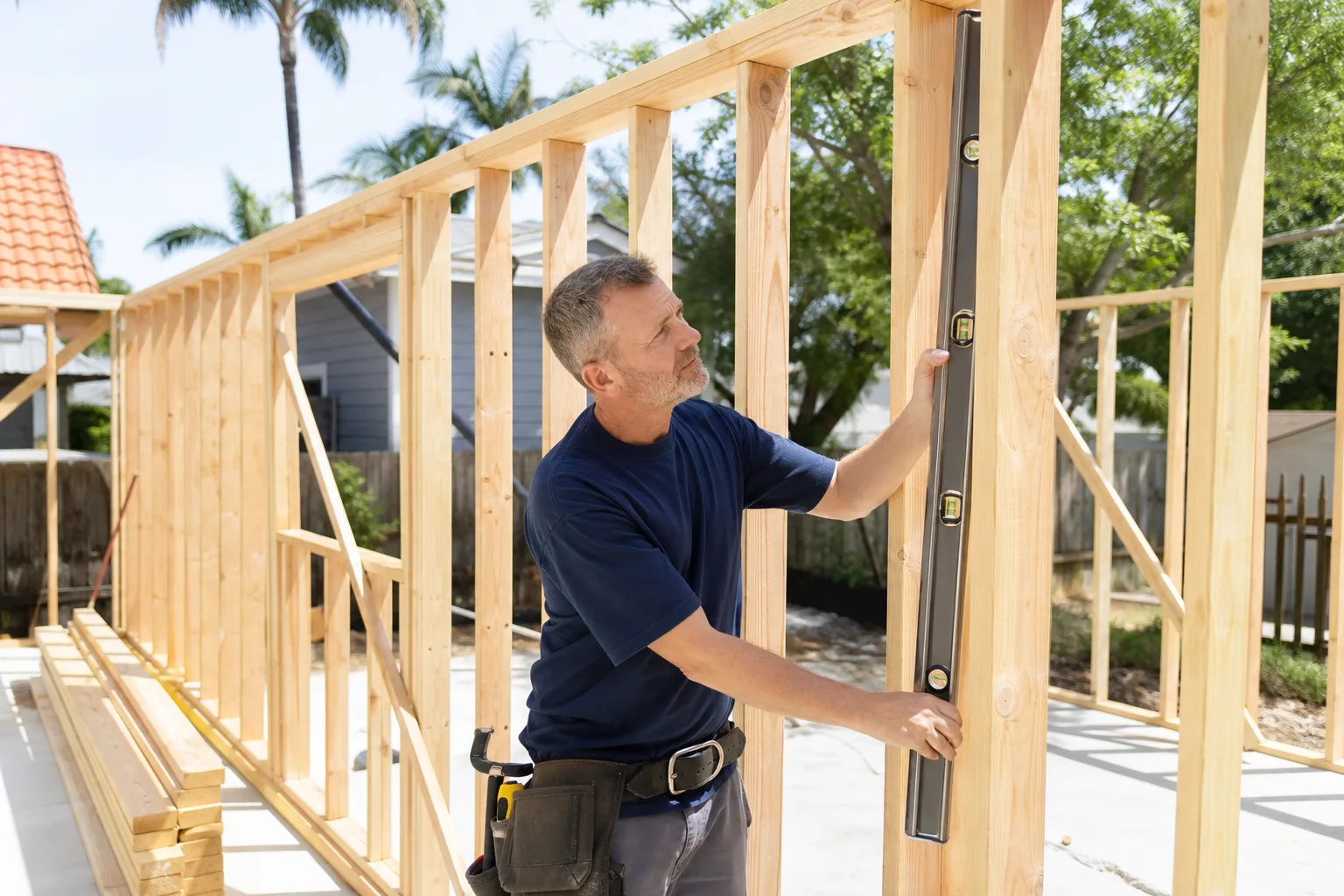
Side-by-Side: What Each Path Delivers
| Factor | Room Addition | ADU |
|---|---|---|
| Typical Lake Forest cost | $45,000-$130,000 | $90,000-$220,000 |
| Creates income | No | Yes ($1,800-$2,200/mo for 1BR) |
| HOA / ARC design review | Full review over 1,000 sq ft | Ministerial under 850 sq ft |
| Appraises separately | No | Yes, as its own unit |
| Cash-flow positive window | Never | Roughly 2-3 years |
| Best for | Same-household family, more living space | Rental income, separate dwelling, flexibility |
A garage conversion lands in the middle, running $30,000 to $80,000 and often qualifying as an ADU for far less than new construction. The catch is that a converted garage usually means you lose covered parking, and some Lake Forest HOAs require you keep at least one covered space. Check the CC&Rs before committing.
Garage Conversions, Hillside Lots, and What We Actually See
Lake Forest is a master-planned suburban city where most work happens in tightly regulated HOAs and on graded hillside lots, so contractors have to handle both strict architectural review and slope-specific engineering on the same project. The build-out ran from the 1970s through the 1990s, which means a huge share of projects are renovations, room additions, and ADUs on aging tract homes, not ground-up builds. Original plumbing, electrical, and roofing come up on almost every job in Lake Forest Keys and Foothill Ranch.
Portola Hills has its own wrinkle. Hillside lot coverage limits can restrict how large an addition gets before you trigger a slope stability review, and Santa Ana winds and graded slopes mean framers have to use extra wind uplift fasteners and erosion control that flatland tracts never need. But ADUs have a state-mandated minimum approval floor of 800 square feet regardless of lot coverage, so hillside homeowners can often build more square footage as an ADU than as a traditional addition. The hot, dry summers and mild, wet winters also push material choices toward fire-resistant siding and roofing; we lean on James Hardie for the siding and proper drainage detail for the winter rains.
Here’s the operator’s perspective on how we quote it. We provide separate, itemized estimates for both paths, not one blended number, so you can put the actual ten-year financial picture on paper before choosing. No-hassle upfront pricing means the number you see is the number you pay. Compare that against a contractor who hands you a single lump-sum bid and tells you to trust the math. You can’t. Not with this much money on the line.
What’s On the Table When You Build With Groundwork
Groundwork Construction Co. of Lake Forest has been in business since 2014. Our technicians bring up to 12 years of experience to every project, and they show up in uniform, background-checked, and ready to work.
- 730-Day Done Right Promise: if any part of the work isn’t done right, we make it right, in writing. One of the longest workmanship guarantees in residential construction.
- Live person, 24/7: calls get answered by a real human around the clock. No voicemail, no waiting until Monday.
- Upfront pricing, no surprises: itemized estimates on both the addition and the ADU path so you can compare apples to apples.
- 0% financing for 18 months and $1,000 off projects over $10,000, so the larger ADU number doesn’t have to block the decision.
- Trusted brands: Andersen and Therma-Tru on doors and windows, Barrette on fencing, all from a curated set of verified partners.
For the full scope of what we build, from the ground up through the finishes, see our Home Additions & ADU service page. The same team handles every trade, from foundation to finish line, backed in writing.
FAQs
A home addition is cheaper upfront, typically $45,000 to $130,000 versus $90,000 to $220,000 for an ADU, but the ADU usually costs less over ten years because the rent offsets the expense. A one-bedroom unit pulling $1,800 to $2,200 a month often turns cash-flow positive within two to three years. Call (855) 532-8973 for a side-by-side estimate with real ten-year numbers.
Not always. ADUs under 850 square feet get ministerial approval under state law, which limits the city to objective standards and blocks discretionary design conditions. Larger additions in Lake Forest HOAs usually trigger a full architectural review with roofline and fenestration matching. Call us and we’ll help you confirm what applies to your address.
Often yes, and bundling both onto one plan can reduce permitting hassle and site work, but each is drawn and assessed separately. It’s worth comparing a combined scope against building one and adding the second later. We’ll quote both scenarios so you can see the actual dollar difference.
It usually helps because an ADU is an independent assessable unit that appraises and can be financed on its own. That separate value is one reason lenders and buyers treat a permitted ADU differently than a room addition. If your goal is resale, get a licensed appraisal before finalizing plans.
Talk Through Your Options
If you’d rather have it looked at, Groundwork Construction Co. of Lake Forest offers a no-pressure assessment in Lake Forest. We’ll walk your lot, talk through the HOA restrictions for your community, and hand you two itemized estimates so the math is on paper. Call (855) 532-8973 for a free estimate and design consult.
Written by the team at Groundwork Construction Co. of Lake Forest, serving Lake Forest, CA.