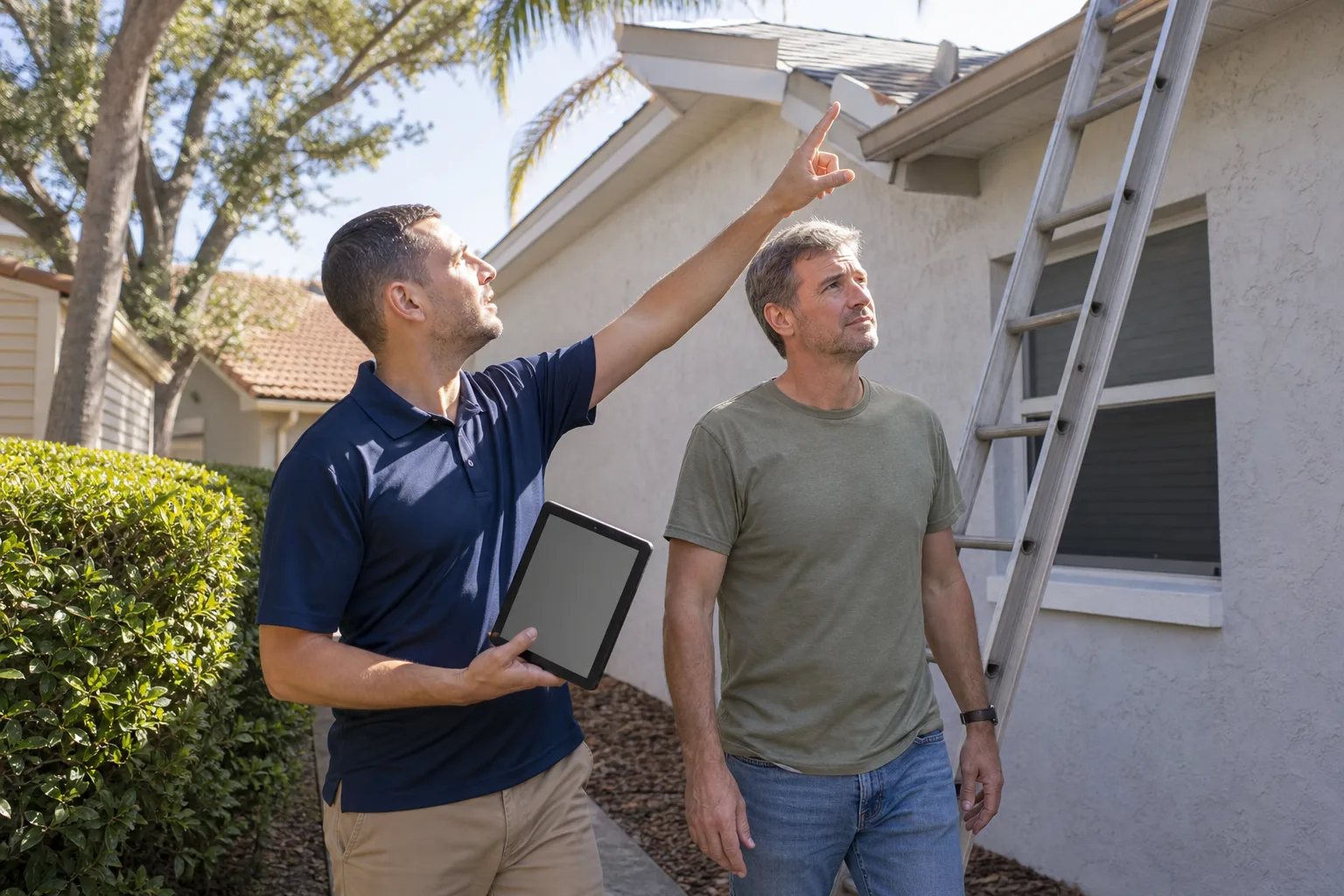
Free written scope consultation - allowances, timeline, and change-order rules on paper before a single trade is scheduled
Styles & brands we work with
- Kitchen remodeling
- Bathroom remodeling
- Home additions & ADU
- Roofing
- Windows & doors
- Driveway & pavers
- Fence
See the difference
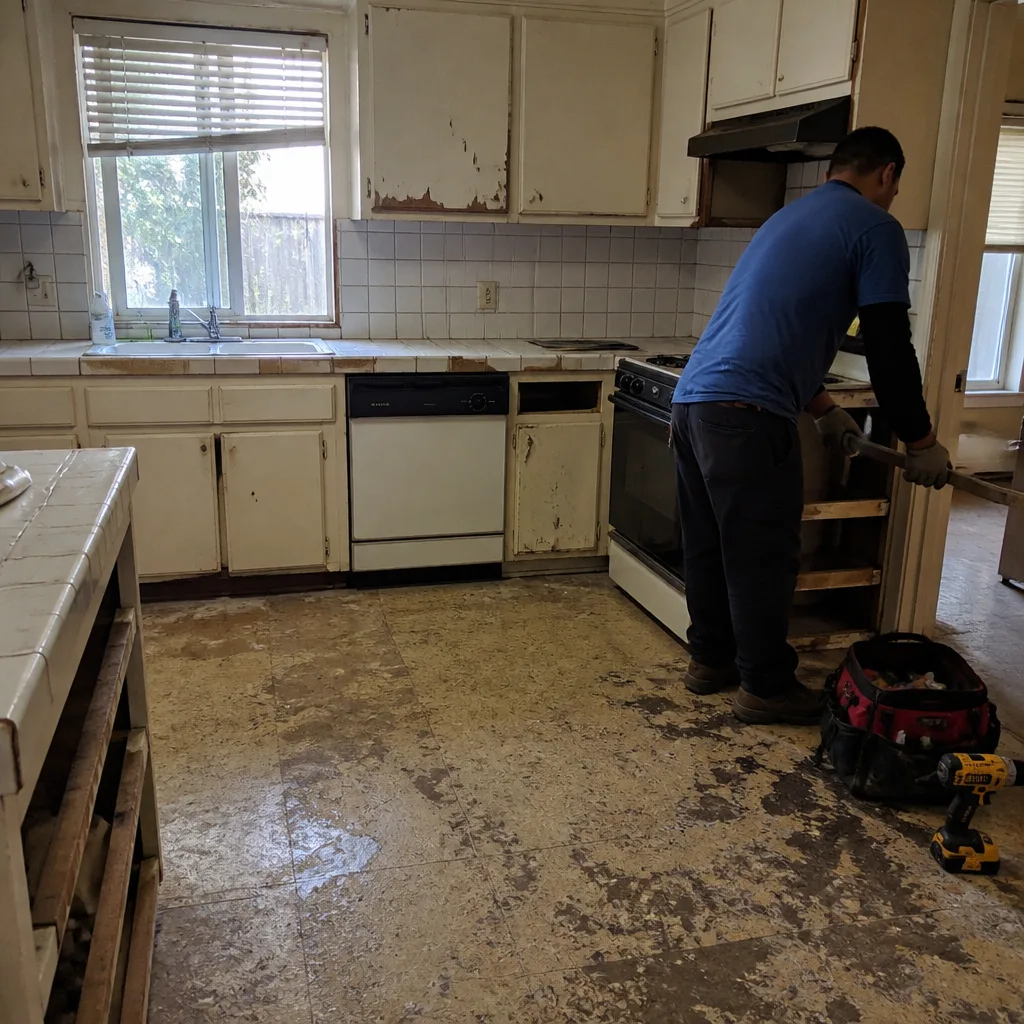 Before
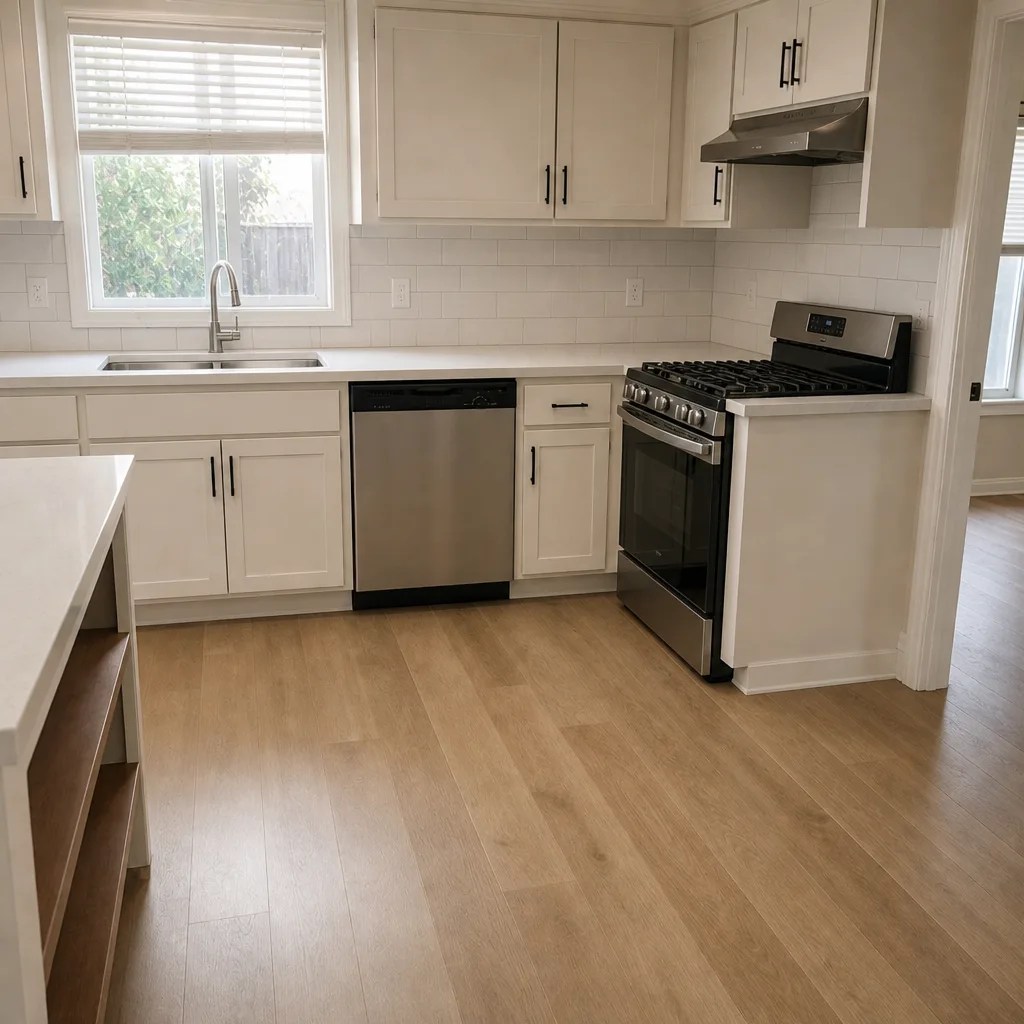 After
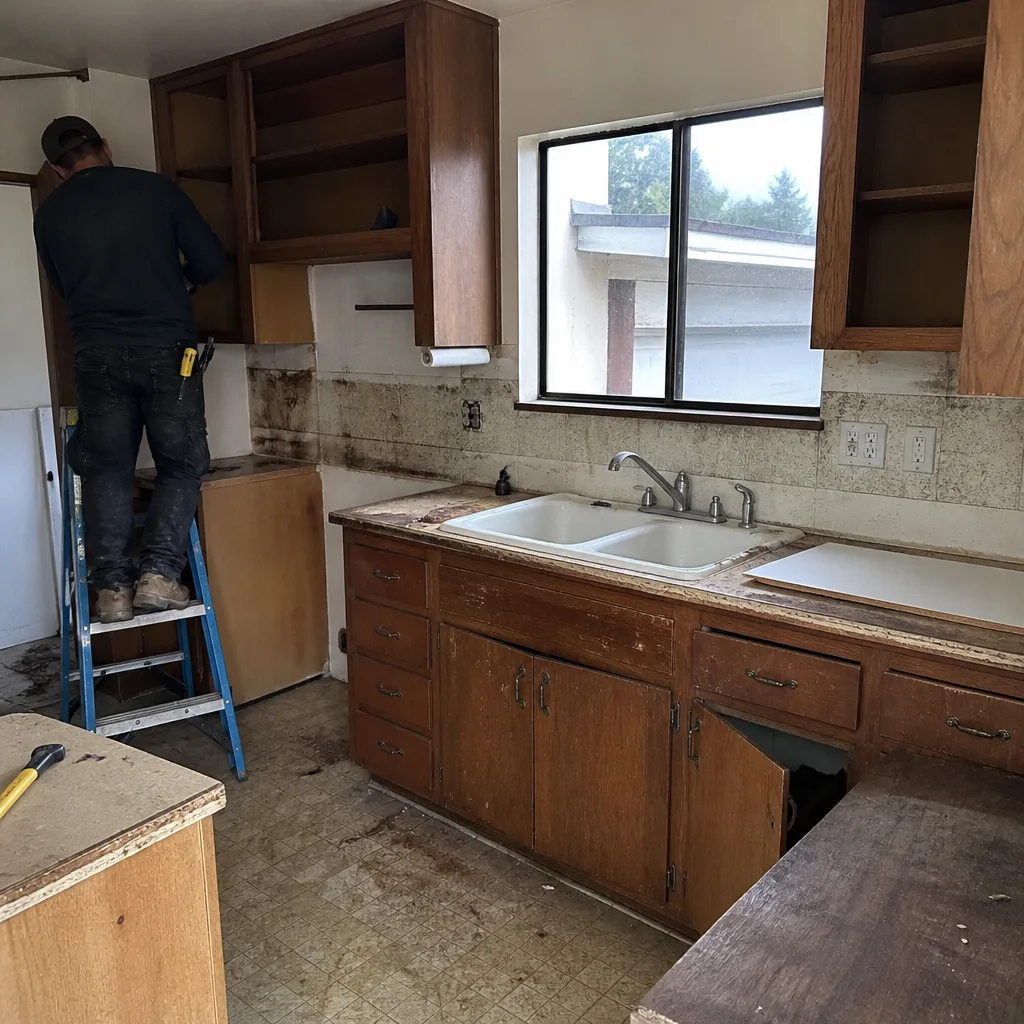 Before
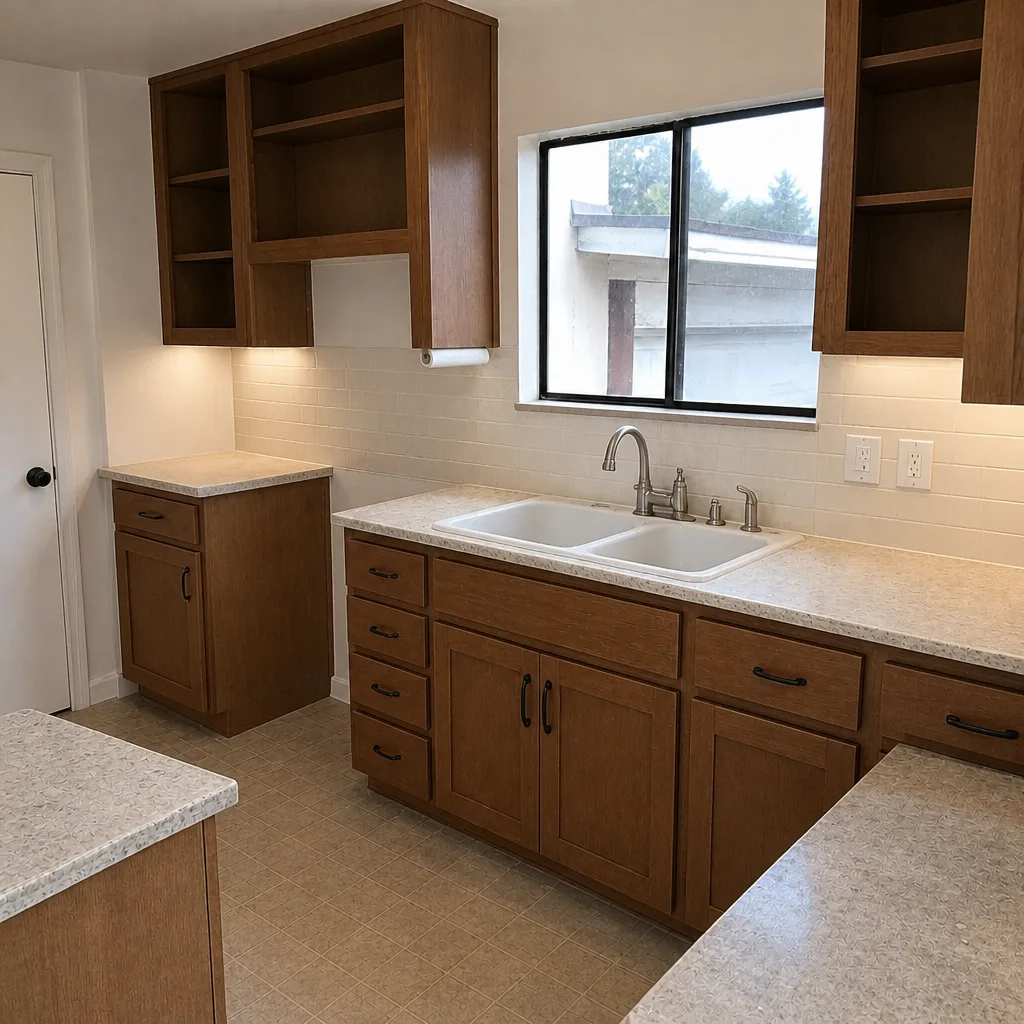 After
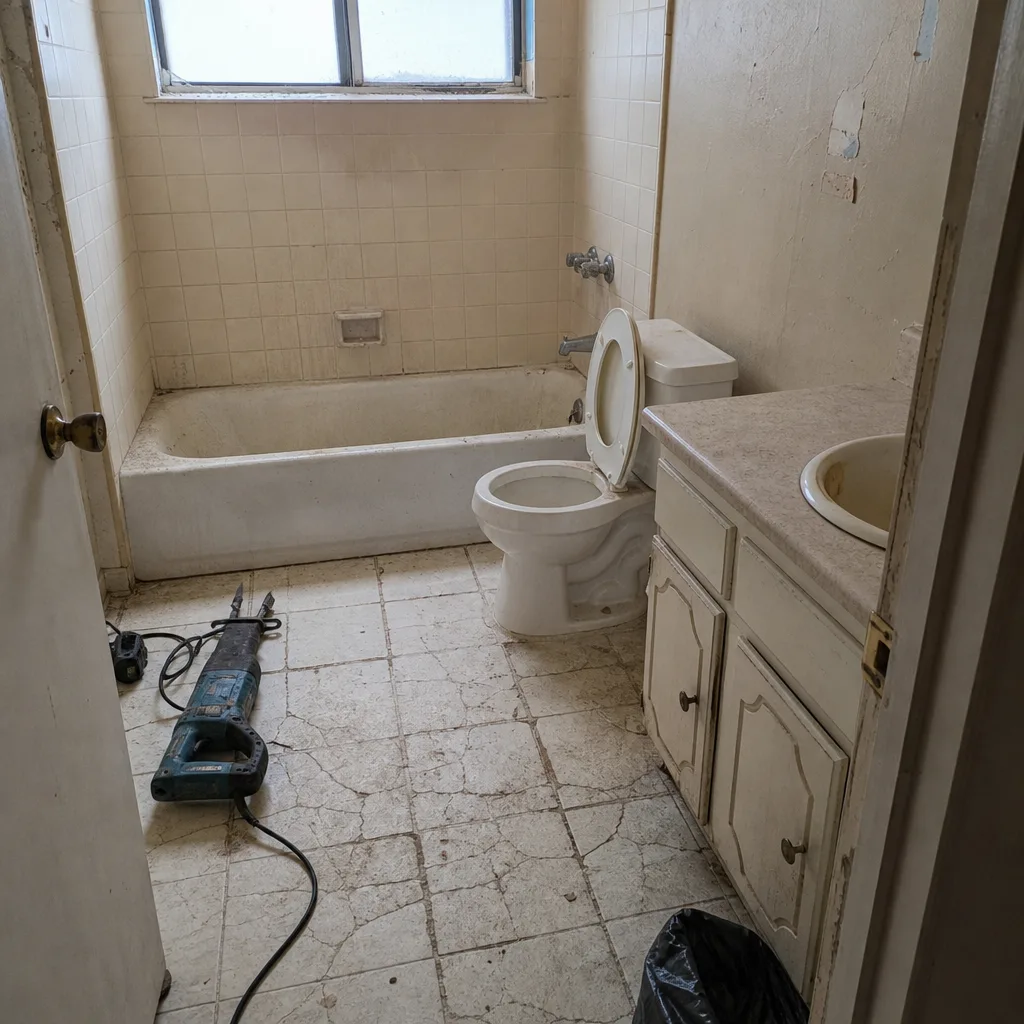 Before
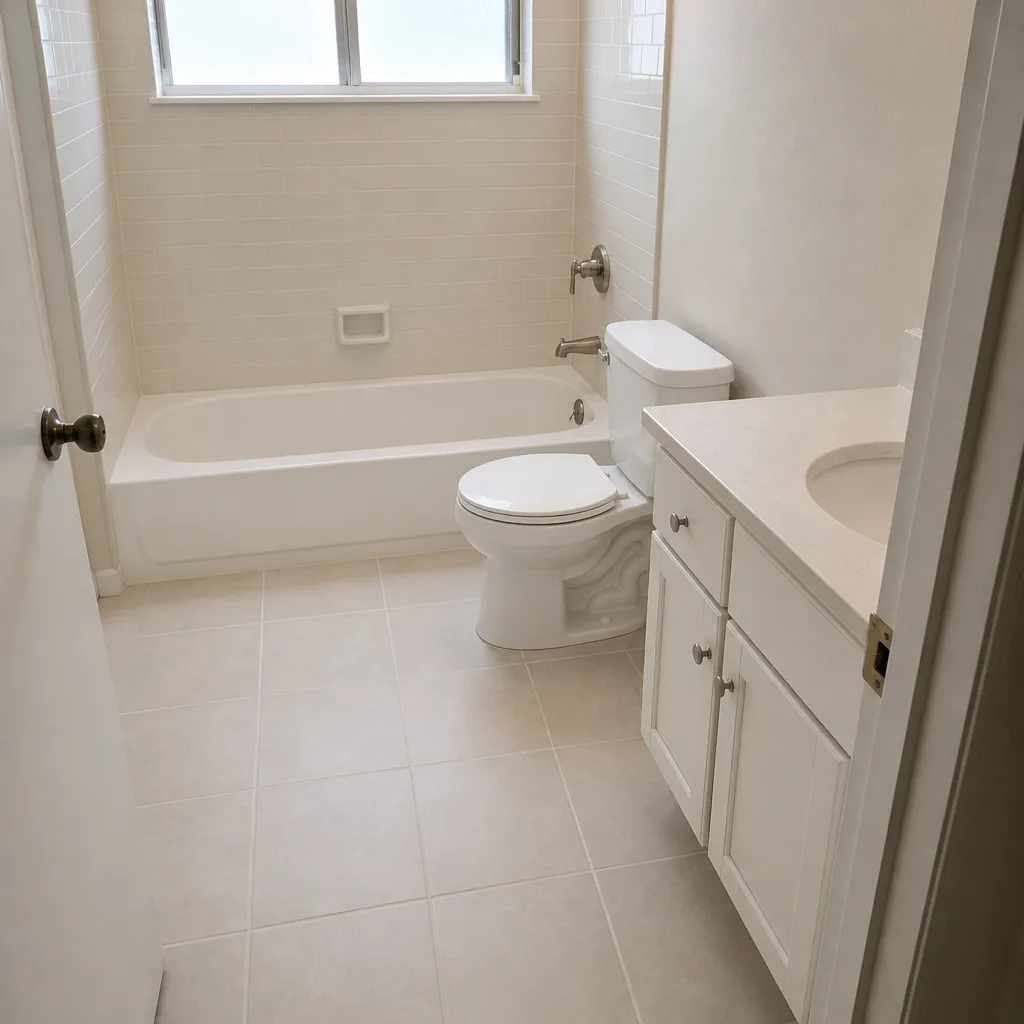 After
How Long Does a Roof Last in Lake Forest, CA? Real-World Lifespans, Not Spec-Sheet Numbers
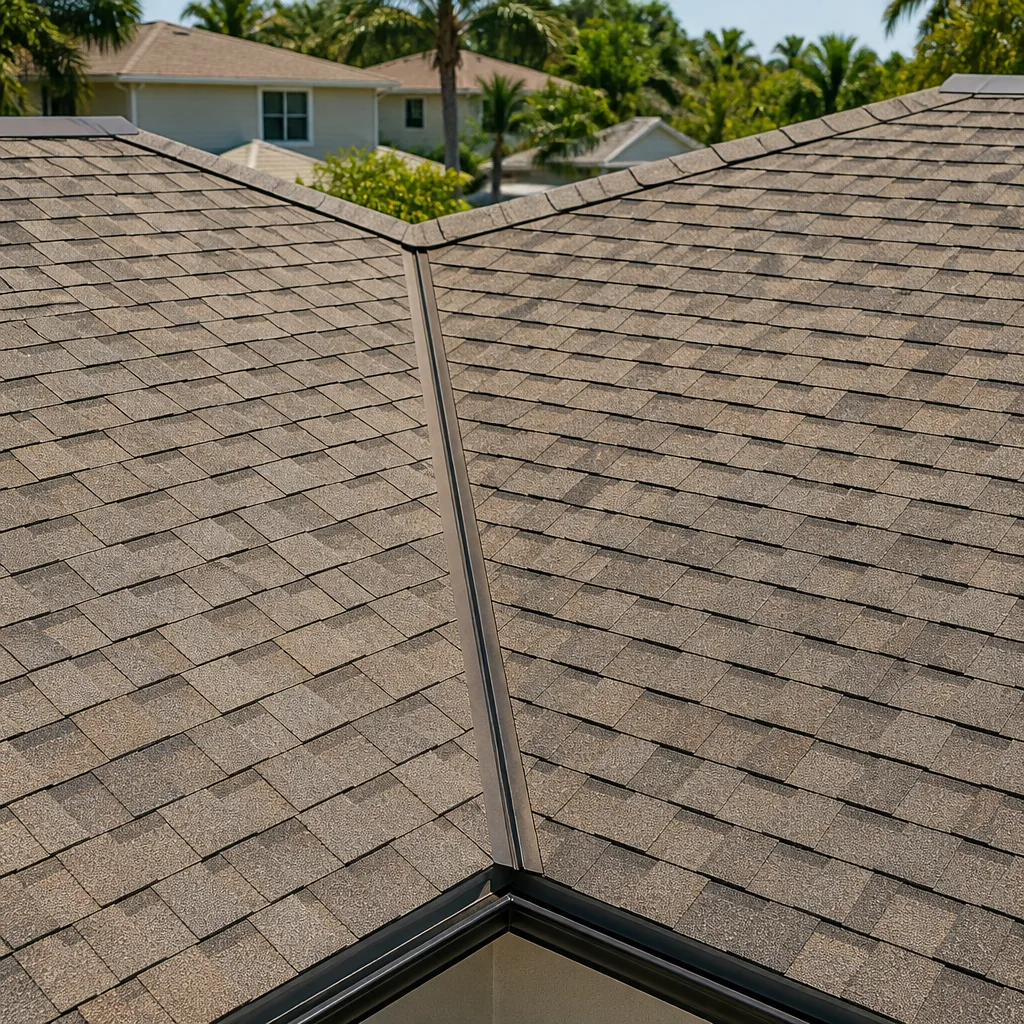
The short answer: a roof in Lake Forest lasts less time than the label on the bundle says. That “30-year” architectural shingle was rated under a testing standard developed for a Mid-Atlantic climate, and in inland Orange County it typically delivers 20 to 25 years in the field. Concrete tile can run 40 to 50 years, metal 50-plus, and 3-tab asphalt as little as 12 to 17. If your home was built in the 1990s and still wears its original roof, that gap is exactly why it’s failing now. Call (855) 532-8973 for a straight assessment.
Key Takeaways
- National lifespan ratings overstate performance in Lake Forest’s heat, UV load, and Santa Ana wind exposure.
- Roof orientation on hillside lots can trim 3 to 5 years off a projected lifespan.
- The material warranty is not the same thing as a workmanship guarantee.
- Simple maintenance before winter rains and after wind events adds real years.
Why the Number on the Spec Sheet Doesn’t Hold in Lake Forest
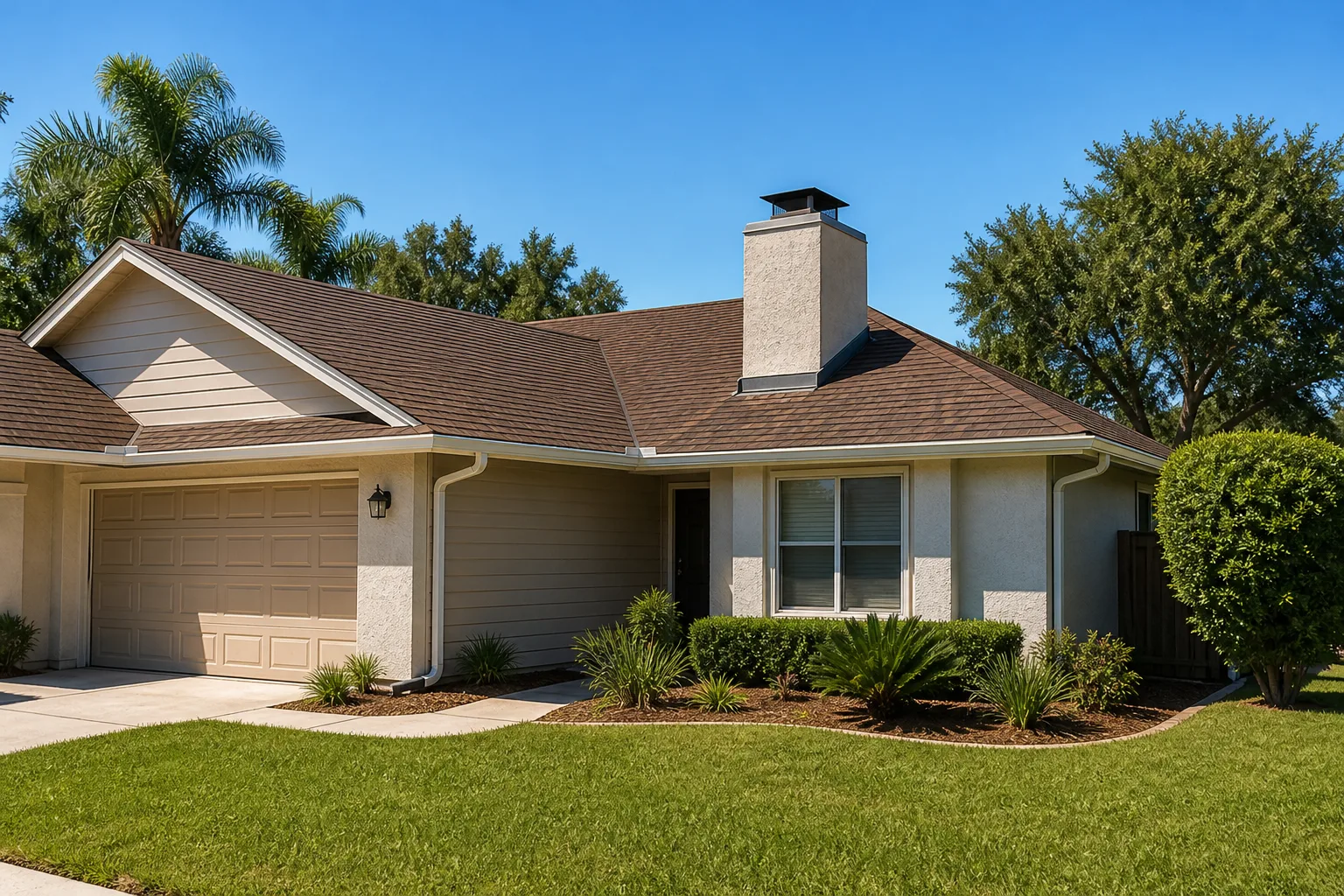
Most published roof lifespans come from accelerated aging tests run in conditions that look nothing like ours. Lake Forest sits in a semi-arid inland pocket of Orange County where the summer UV index ranks among the highest in the continental United States. Asphalt shingles degrade through oxidation, and UV drives that reaction faster here than on a coastal or East Coast test site. The granules that shield the asphalt wear away sooner, the mat dries and cracks, and the roof starts shedding granules into your gutters years before the rating suggests.
Then there’s wind. Santa Ana events push hard, sustained gusts across roof planes and create negative pressure that lifts and fatigues fasteners over time. On graded hillside lots, the effect is stronger and the fastening requirements change. In Portola Hills we routinely see roofs where the exposed slope has taken decades of afternoon sun and wind while the shaded slope still looks years younger. Same house, same install, two different clocks running.
That’s the honest local picture. It’s also why we calibrate every recommendation to the specific roof, not to a brochure.
Lake Forest-Adjusted Roof Lifespans by Material
Here’s how the major materials actually perform in Lake Forest’s climate, alongside the typical local cost to replace. These figures are field-calibrated, not national averages.
| Material | National rating | Lake Forest actual | Typical replacement cost |
|---|---|---|---|
| 3-tab asphalt | 20-25 years | 12-17 years | $8,000-$20,000 |
| Architectural asphalt | 30 years | 20-25 years | $8,000-$20,000 |
| Concrete tile | 50 years | 40-50 (but underlayment fails at 20-25) | Quoted per project |
| Metal | 50+ years | 50+ years | $15,000-$40,000 |
The concrete tile row deserves a note. The tile itself is genuinely long-lived. What fails first is the underlayment beneath it, and in Lake Forest’s heat that membrane often reaches the end of its life around 20 to 25 years. That’s why a tile roof that looks fine from the street can still be leaking into the attic. When a repair is in order, Roofing repair in Lake Forest runs $400-$1,800, while tile-specific repair lands at $600-$2,500. We only recommend a full replacement when the underlayment or deck tells us it’s time.
For fire resistance – a real concern with our dry summers and wind events – metal and concrete tile both offer strong protection. When it’s time to choose, we work with top-tier material brands like GAF and Owens Corning so you’re selecting on quality, not on whatever’s in stock.
Roof Orientation and Hillside Exposure: The 3-to-5-Year Difference
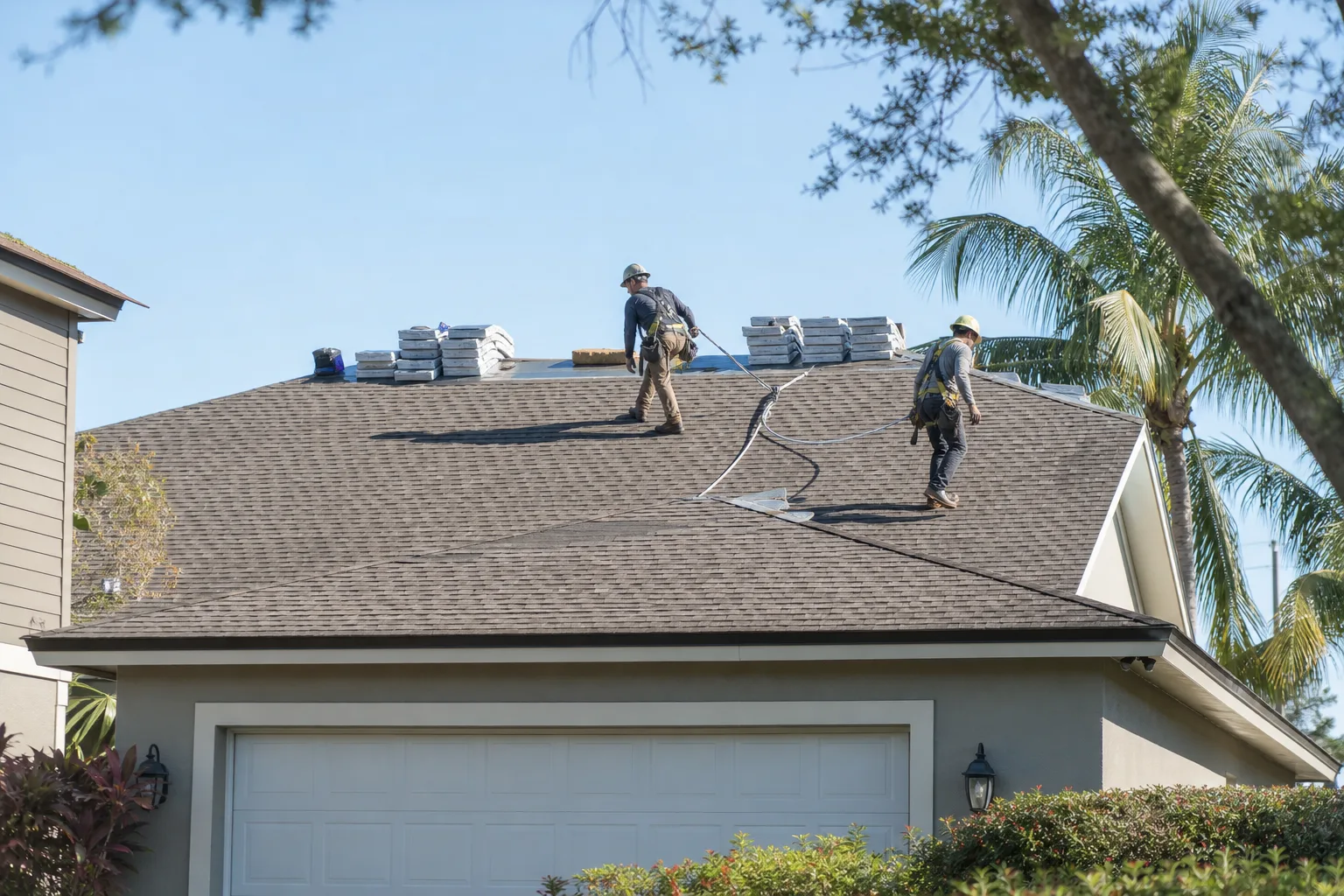
A south- or west-facing slope on a hillside lot in Portola Hills or Foothill Ranch takes far more direct afternoon sun than the same roof on a flat, tree-shaded tract. That orientation difference regularly subtracts 3 to 5 years from a projected lifespan. Wind uplift fastening matters more up there too; the graded slopes and Santa Ana exposure mean framers and roofers need extra fasteners and erosion control measures that flatland tracts don’t call for.
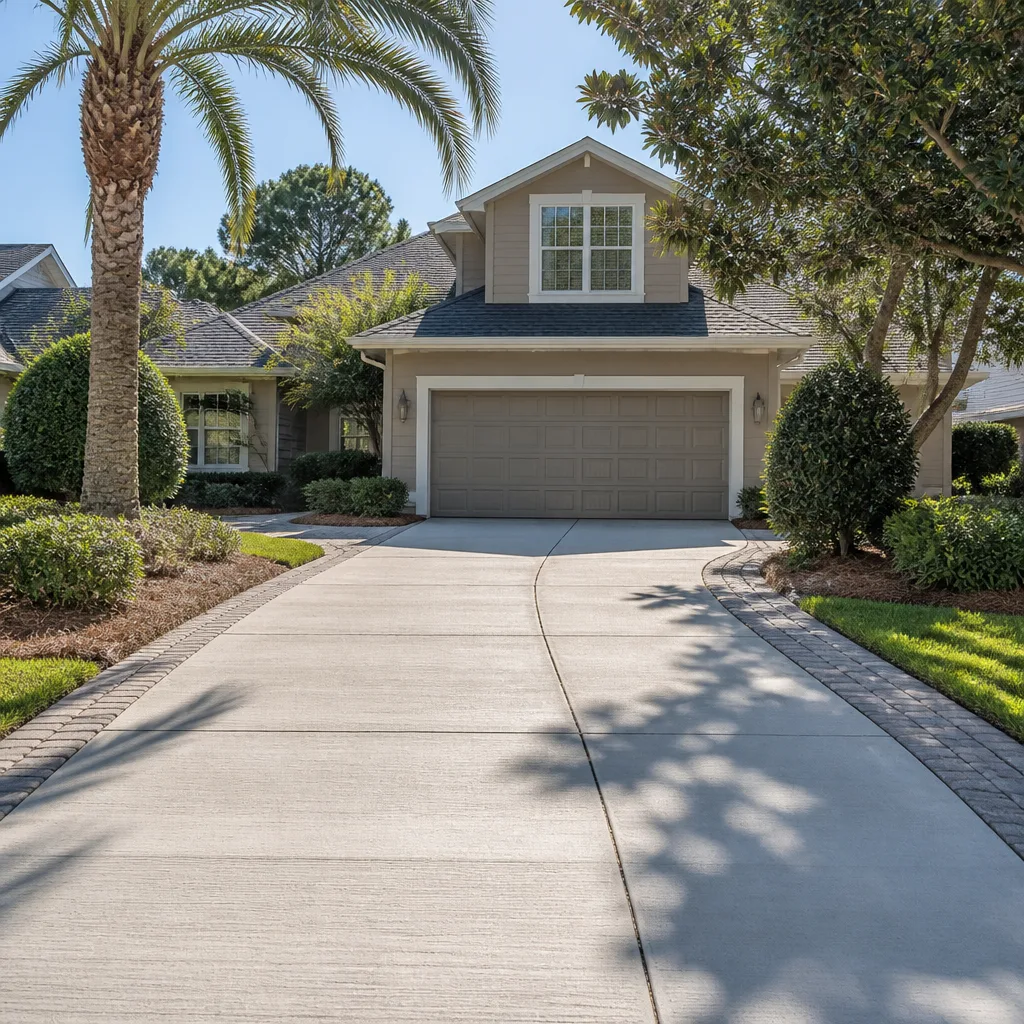
If you’re weighing a roof decision against a broader project, the same grade and slope logic shows up in driveway and hardscape work – our team handles that across the Lake Forest service area, so the recommendation stays consistent from roof to ground.
Warranty vs. Workmanship: Where Roofs Actually Fail Early
Most early roof failures don’t come from bad materials. They come from installation: underlayment lapped wrong, flashing that doesn’t shed water at a valley or chimney, fasteners set without the right pattern for the slope. The manufacturer warrants the material, not the labor. That distinction matters when something goes wrong in year three.
Every project we take on is covered by the 730-Day Done Right Promise – if it’s not done right, we make it right. Our technicians have up to 12 years of experience, and every one of them is background-checked and arrives in uniform. Calls are answered by a live person, 24/7, so a roof issue on a Sunday night doesn’t wait until Monday. Pricing is upfront: the number you see is the number you pay.
How to Add Years to a Lake Forest Roof
Maintenance is unglamorous and it works. Three habits make the biggest difference in our climate:
- Clear debris from valleys before winter rains. Leaves and grit dam water against the deck, and that’s where rot starts.
- Inspect flashing after Santa Ana events. Wind works loose the seals around chimneys, vents, and skylights first.
- Keep attic ventilation clear. Better airflow reduces the thermal load on the deck and slows the aging of the whole assembly.
Roof leaks that show up as a ceiling stain almost always started somewhere else in the system weeks earlier.
FAQs
A roof in Lake Forest typically lasts 20 to 25 years for architectural asphalt, 12 to 17 for 3-tab, 40 to 50 for concrete tile (with underlayment failing sooner), and 50-plus for metal. That’s shorter than national ratings because of our UV intensity and wind exposure. Call (855) 532-8973 if you want your specific roof assessed against these benchmarks.
Repair is cheaper when the damage is isolated – a flashing issue or a handful of damaged shingles – and a repair in Lake Forest runs $400-$1,800. Replacement wins when the underlayment or deck has aged out, since patching a failing system just pushes the next problem down the road. Replacing runs $8,000-$20,000. Call (855) 532-8973 for a free estimate that lays out both paths.
Those roofs were installed on homes built during Lake Forest’s rapid 1970s-to-1990s build-out, which means many are now 25 to 35 years old and their original shingles have simply outlived the local climate reality. If your roof went up in that era and hasn’t been replaced, it’s likely past its window. Call (855) 532-8973 to find out where yours stands.
Not always – a tile roof leak often traces to failed underlayment or a localized flashing gap, and tile repair runs $600-$2,500. A full assessment tells you whether the membrane is salvageable or has aged out. Because the tile itself often has decades left, the answer is rarely obvious from the surface. Call (855) 532-8973 for an honest read.
Get a Straight Answer on Your Roof’s Remaining Life
If you’d rather have it looked at, Groundwork Construction Co. of Lake Forest offers a no-pressure assessment in Lake Forest – call (855) 532-8973. Forty-two years of serving local communities and the 730-Day Done Right Promise mean the recommendation stands behind the work, not just the material.
Written by the team at Groundwork Construction Co. of Lake Forest, serving Lake Forest, CA.