Free written scope consultation - allowances, timeline, and change-order rules on paper before a single trade is scheduled
Styles & brands we work with
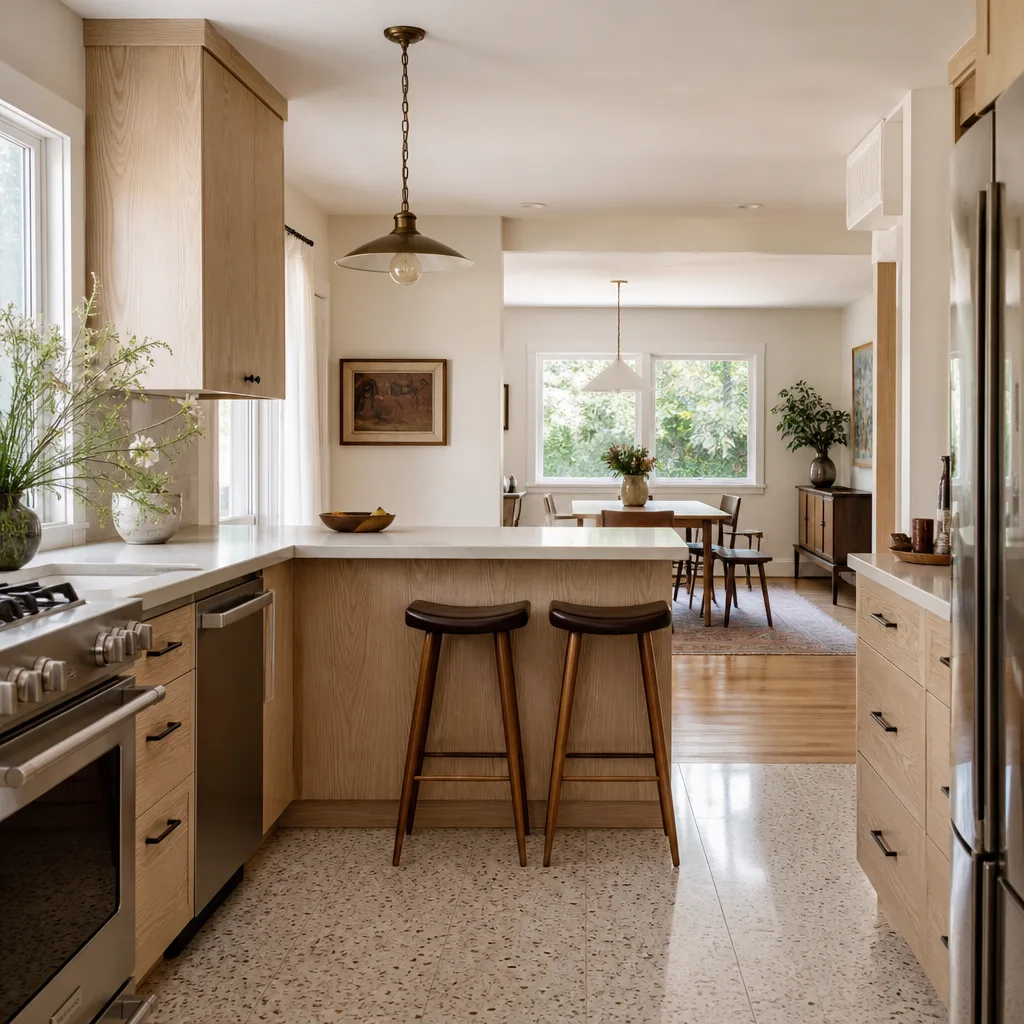
- Kitchen remodeling
- Bathroom remodeling
- Home additions & ADU
- Roofing
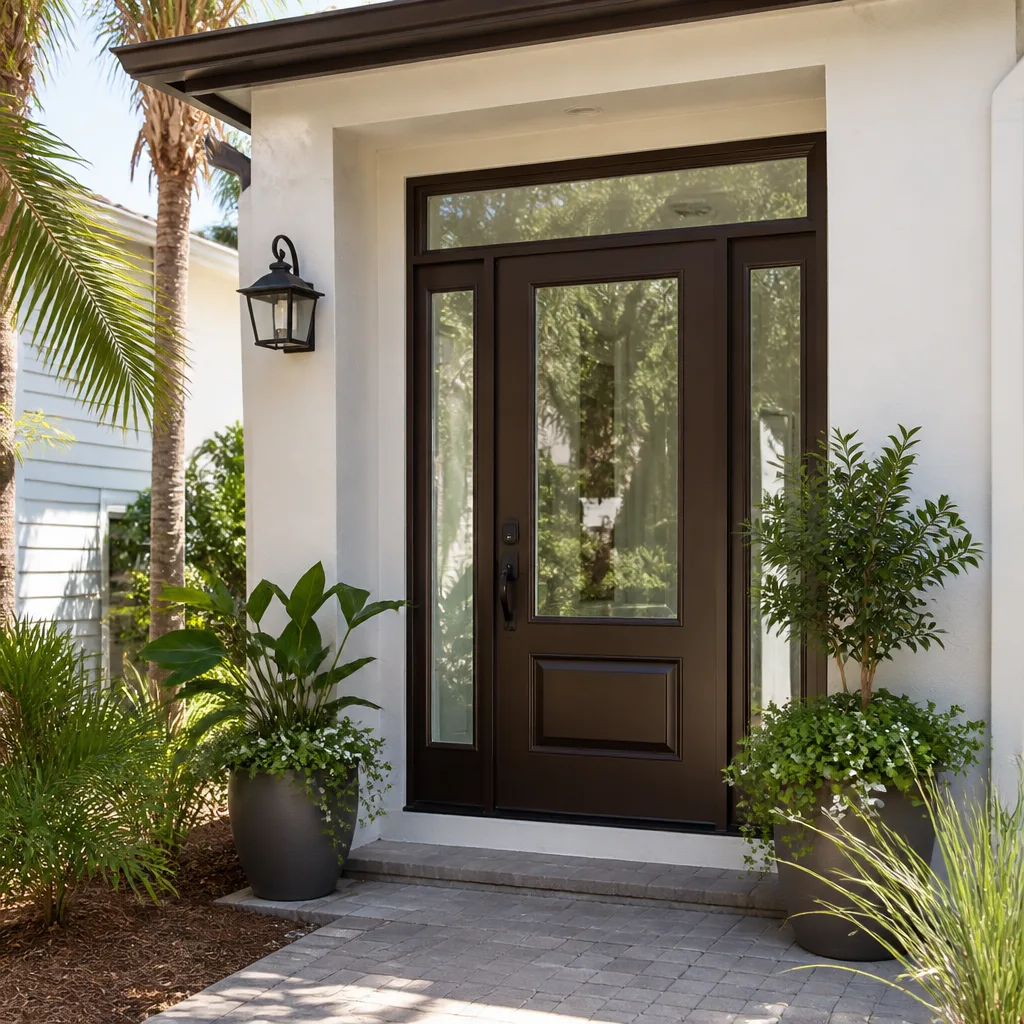
- Windows & doors
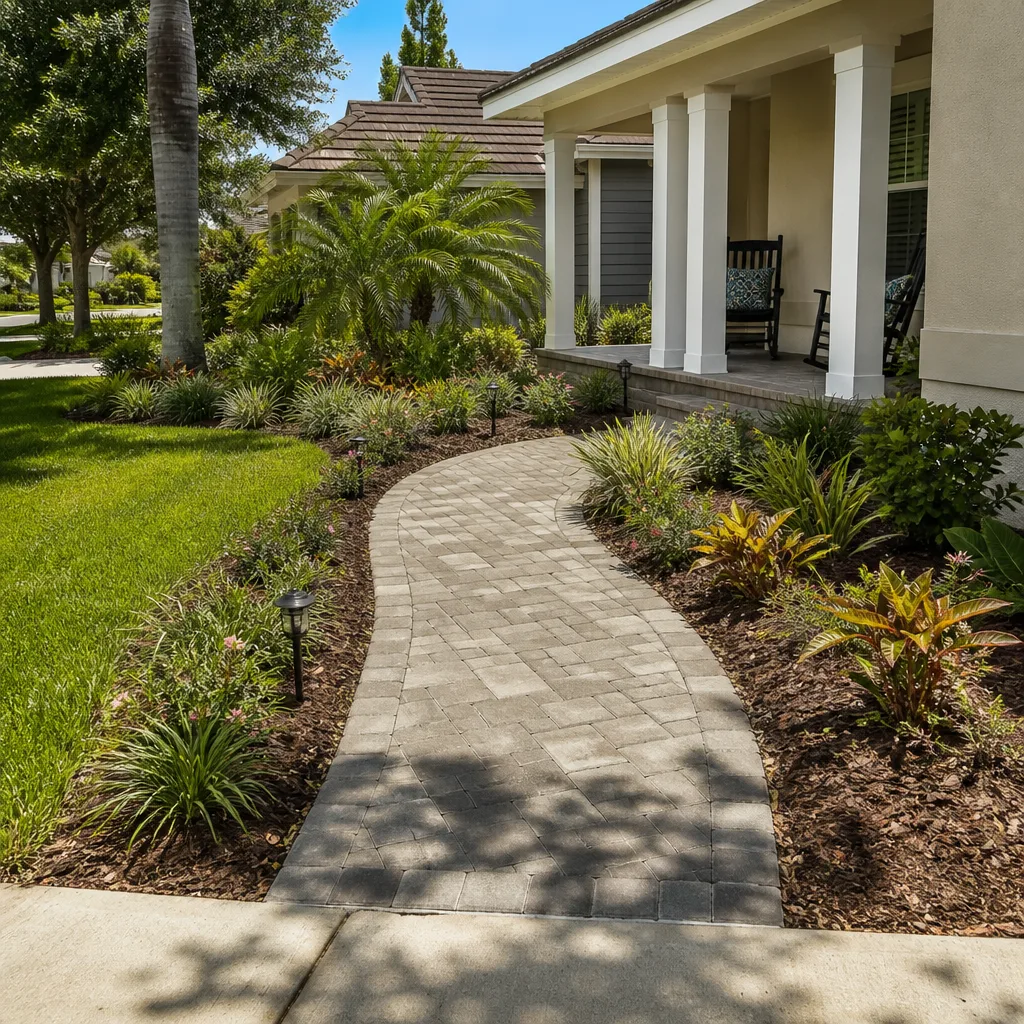
- Driveway & pavers
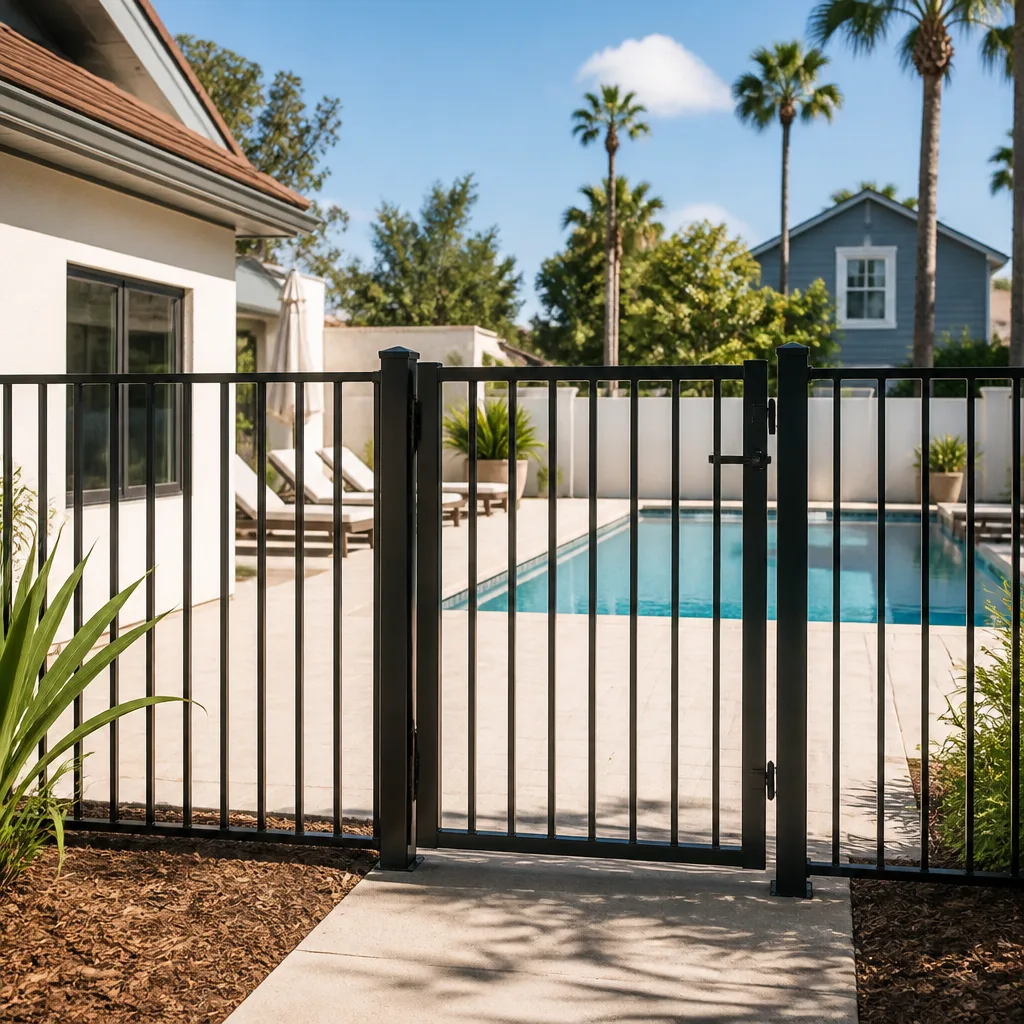
- Fence
See the difference
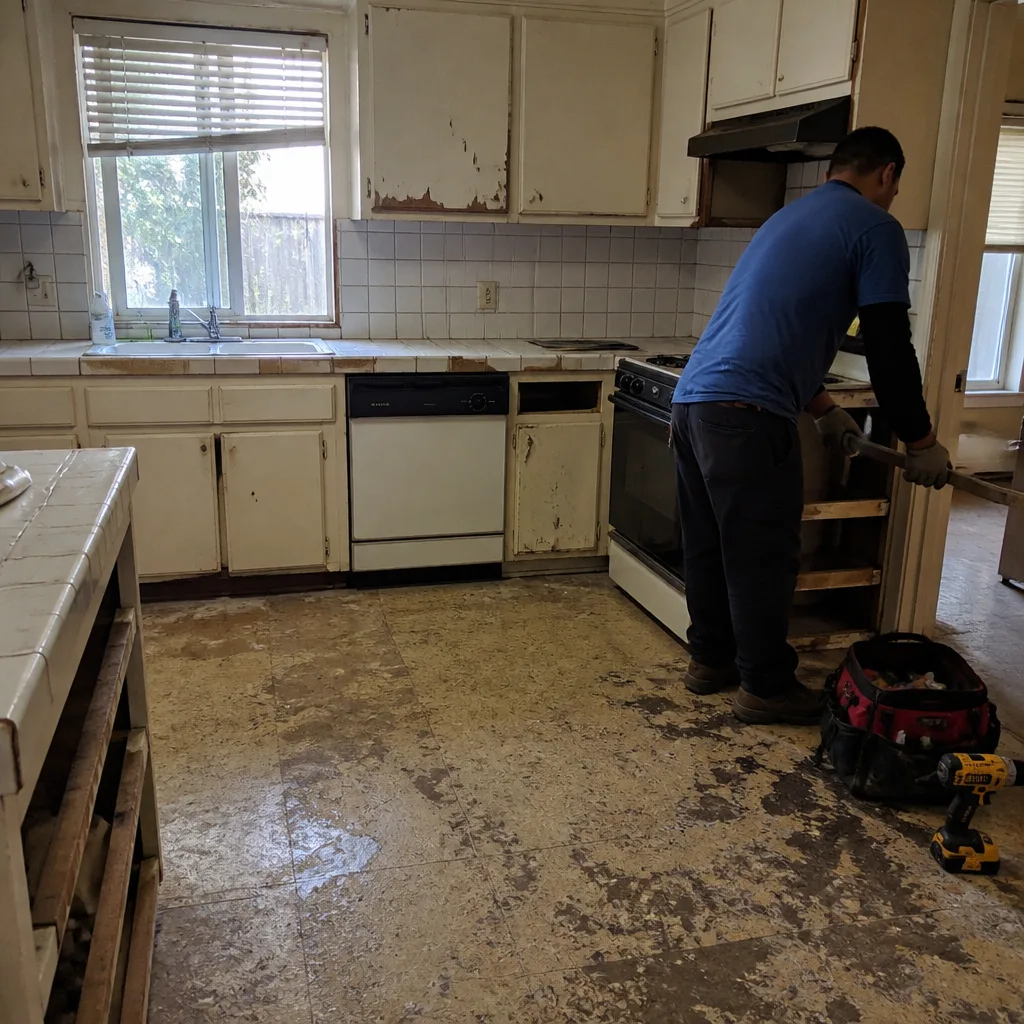 Before
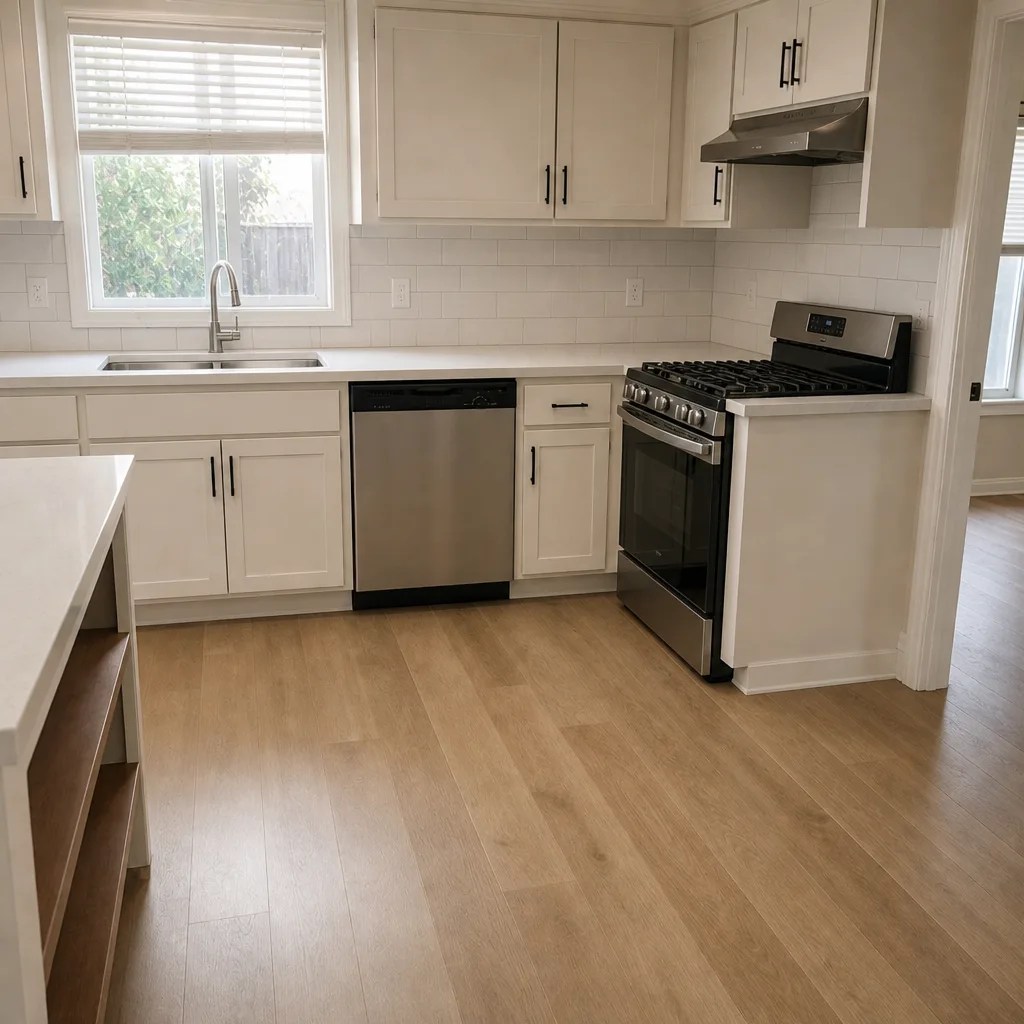 After
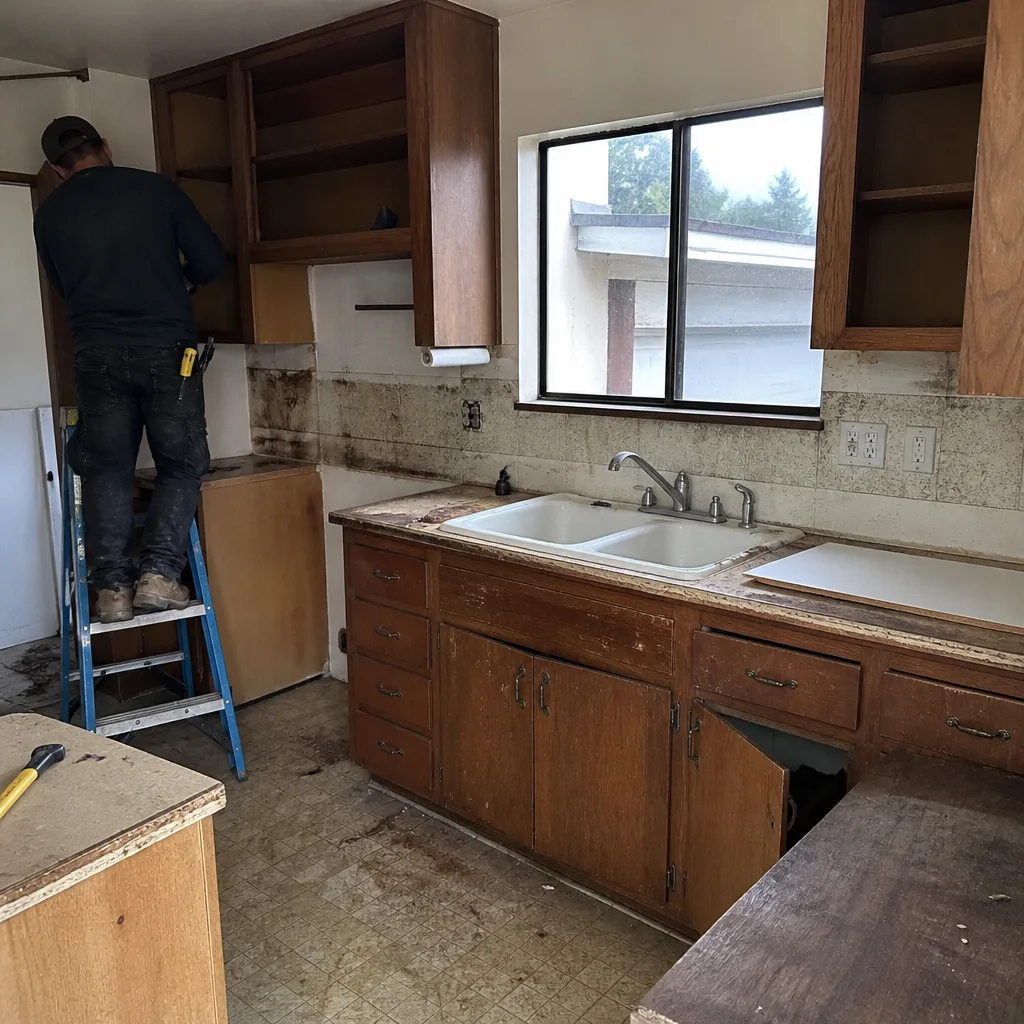 Before
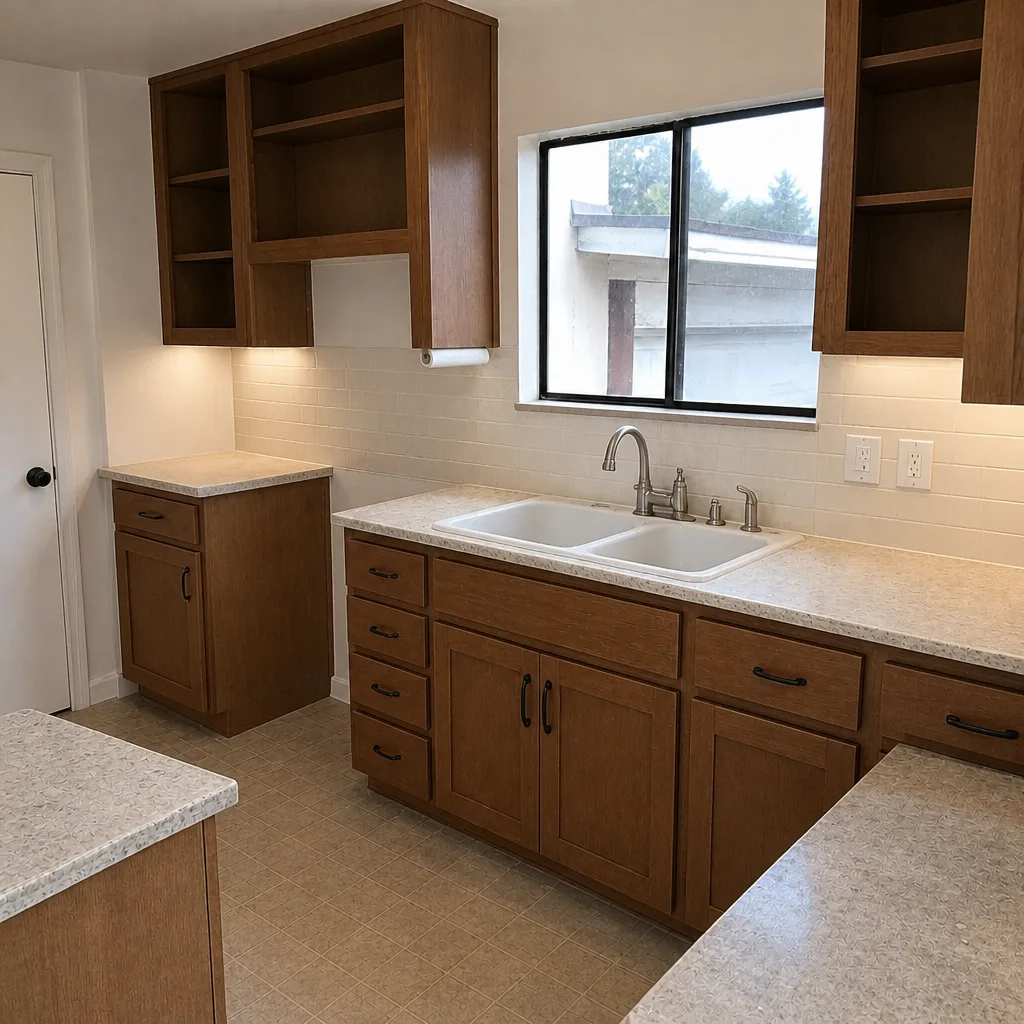 After
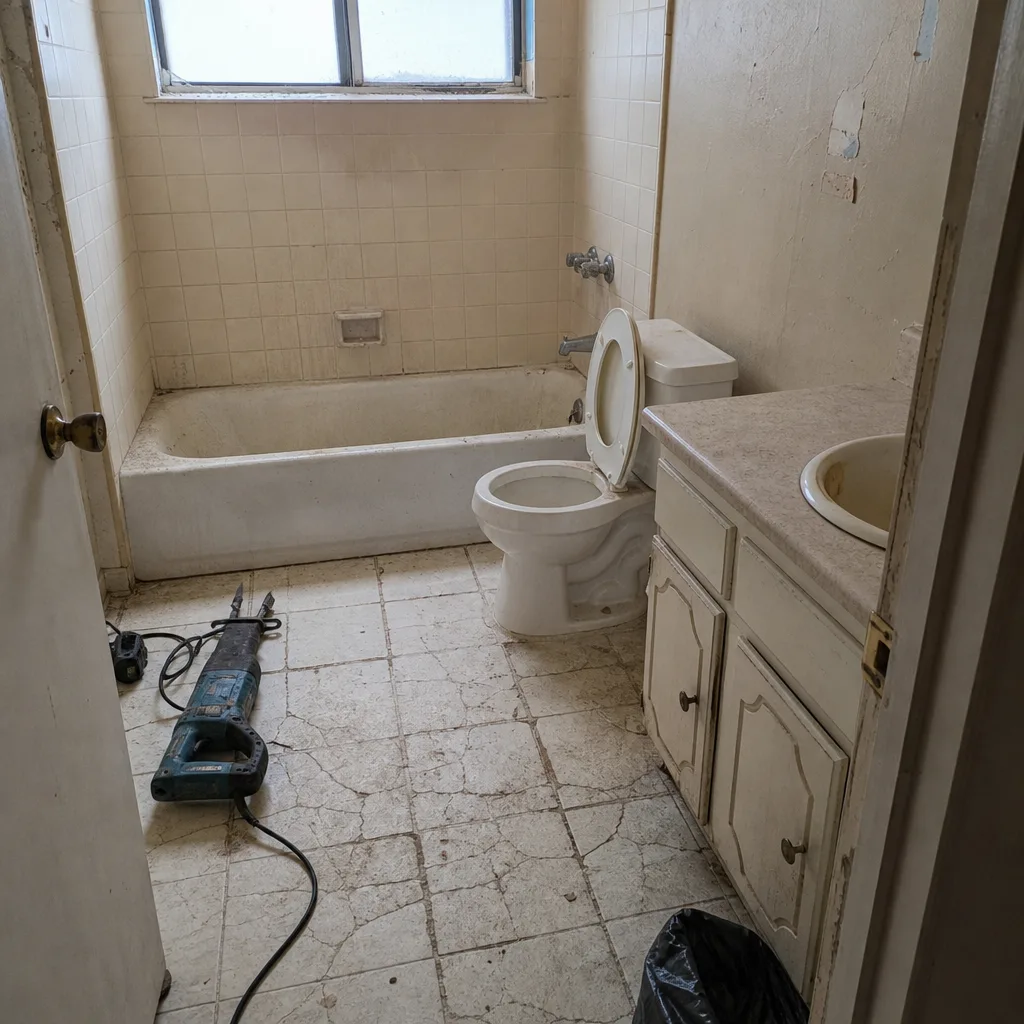 Before
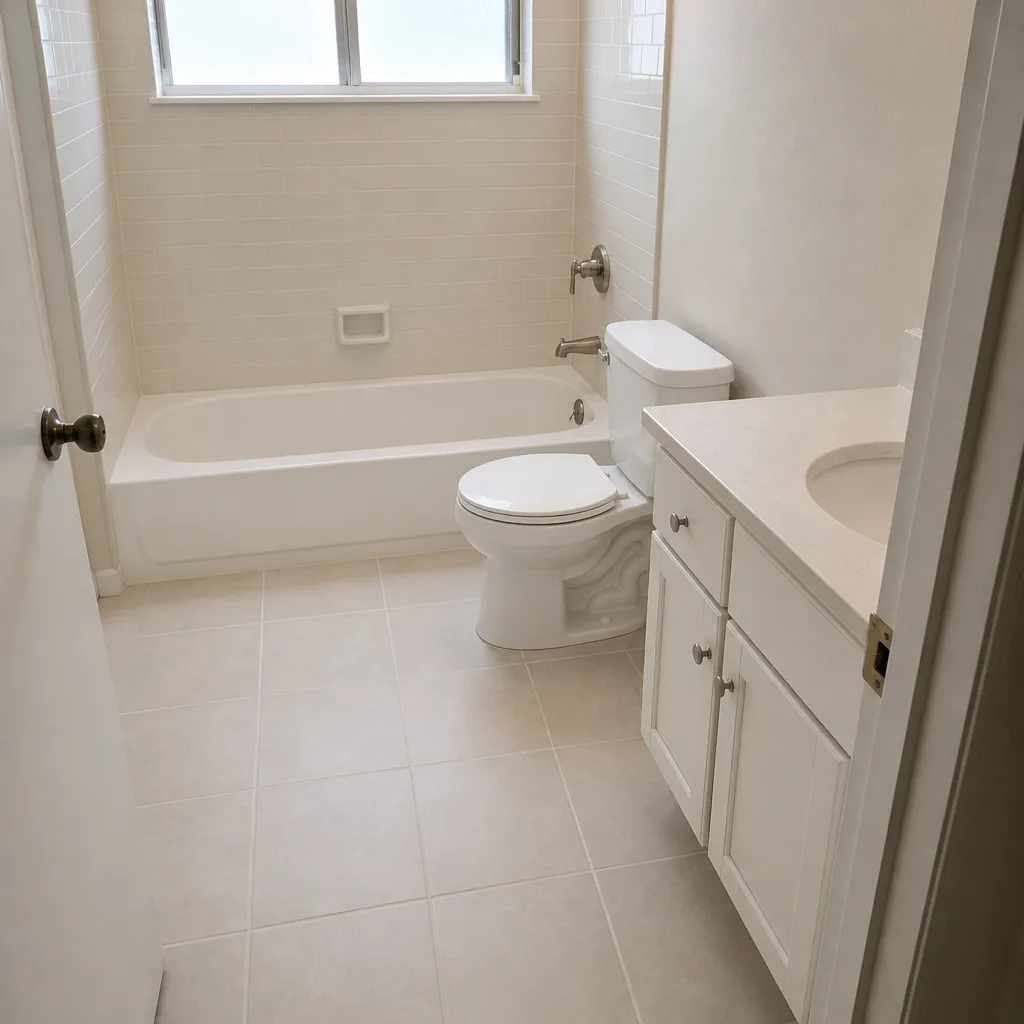 After
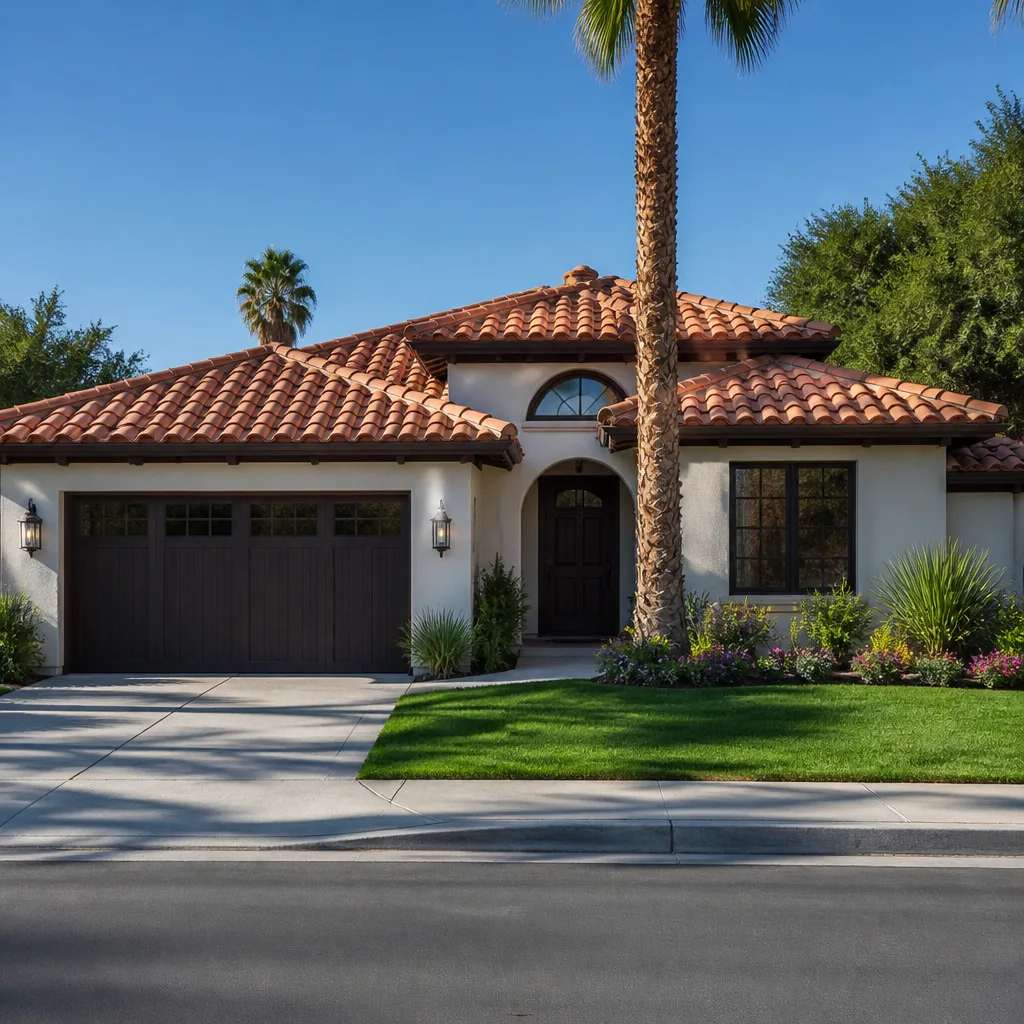
Clay vs Concrete Roof Tiles in Lake Forest, CA: Choose Clay Unless Your Framing Has Room for the Extra 300 Lbs per Square
For most Lake Forest homes, clay is the better long-term tile: it holds color longer in our inland heat, resists the calcium bloom that concrete develops, and shaves roughly 300 lbs per square off your roof. Choose concrete only when your framing is already beefed up or your budget can’t stretch to clay, because concrete tiles average 900-950 lbs per roofing square versus 600-650 for clay, and on aging tract framing that gap decides the project. Call (855) 532-8973 for a no-pressure assessment before you order a single tile.
That weight difference is the number everyone skips. A 1980s Foothill Ranch tract home was often framed for roughly 350 lbs per square of dead load. A concrete tile field can push past 900. Reaching for the heaviest-looking tile on the pallet without checking the deck is how reroof projects in Lake Forest turn into structural jobs after demolition. We start every tile conversation there.
The Dead-Load Question Nobody Asks Until Demo Day
Tile is a permanent load. It sits on your roof for 40 years and never gets lighter. So the real comparison isn’t color or curb appeal - it’s what your rafters can carry.
Run the math on a typical 1,500 sq ft Lake Forest roof and the spread gets serious: clay lands around 9,000-9,750 lbs of tile, concrete closer to 13,500-14,250. That’s a difference north of 4,000 lbs sitting on framing that may have been engineered in the 1970s or 1980s for a lighter assembly. On some older tract homes, switching to concrete without a structural review means rafter sistering, added purlins, or an engineered deck upgrade - real money that shows up as a change order if it wasn’t scoped upfront.
Clay’s lower weight isn’t a free pass, either. Even clay can require a structural sign-off on a home that’s had framing modified, a prior addition, or water damage. The responsible move is a deck evaluation before materials are ordered, not after.
Here’s where we differ from a lot of bids you’ll collect. Groundwork’s upfront pricing names the structural assessment cost on the line, so the number you see is the number you pay. Most contractors quote tile labor and materials and bury the deck evaluation as a surprise once the old roof is off. We’d rather tell you the truth on paper.
How Lake Forest’s Climate Treats Each Tile
Lake Forest sits in a semi-arid inland pocket of Orange County - hot, dry summers and mild but genuinely wet winters, with Santa Ana winds cutting through on a schedule. That climate is hard on concrete in a specific way: efflorescence, the white calcium bloom that leaches out of the tile surface. It shows up faster inland than it does a few miles toward the coast, and once it starts, no sealer fixes it permanently.
Clay fires denser and holds its color and surface through 30-plus years of that cycle with far less bloom. Concrete tile is a fine, serviceable roof - but in Lake Forest heat and winter rain, expect it to show its age sooner and to want more attention along the way.
The same climate does real work on fastening. Older mortar-set clay installations, common on homes built through the 1970s and 1980s, lose tiles in high-wind events - you’ve likely seen the aftermath on a hillside street in Portola Hills after a Santa Ana blow. Current code for new tile installs in Orange County calls for mechanical fastening: each field tile screwed or nailed to the batten, edge and ridge tiles set with the wind-uplift detail the engineer specifies. We don’t hand-set tile and call it done. Fasteners are cheap; a tile through a windshield isn’t.
When you’re ready to talk materials, our Roofing team walks the options tile by tile. Boral makes a clay-look profile that fits many of these homes, and IKO, Atlas, and Tamko cover the underlayment and accessory side of the assembly. We specify from brands we trust, not whatever’s on the yard that week.
Side-by-Side: Clay vs Concrete for a Lake Forest Roof
| Factor | Clay Tile | Concrete Tile |
|---|---|---|
| Weight per square | 600-650 lbs | 900-950 lbs |
| Extra load on a 1,500 sq ft roof | Baseline | ~4,000+ lbs more |
| Efflorescence risk (Lake Forest climate) | Low | Higher, appears sooner |
| Color retention over 30+ years | Strong - fired through-body | Fades and blooms earlier |
| Structural review needed | Sometimes | Often on pre-1990 tract framing |
| Typical installed cost | Premium of the two | Lower material cost |
Lake Forest roof replacement runs $8,000-$20,000 for the full job, and tile repair where you’re patching rather than replacing falls in the $600-$2,500 range. The tile you pick steers where in that band you land, and whether the framing line adds to it.
HOAs Decide More Than Your Taste Does
A large share of Lake Forest roofing decisions get made by an architectural review committee before a contractor ever touches the roof. Communities like Lake Forest Keys often specify tile profile, color, and sometimes the exact manufacturer to match original builder specs - and if you order the wrong profile, you’re paying to send it back.
Pull the original architectural standards before you buy a tile. Most HOAs keep them on file, and the review committee can confirm the approved profile in writing. We build HOA submittals into the schedule, and we’ve learned to photograph the current roof and match profiles against the standards so the review doesn’t bounce. This is also why a lot of the work here is renovation and update on aging tract homes rather than new ground-up builds - matching what’s already there matters more than chasing a trend.
What We Look At Before We Quote Tile
- Deck and framing capacity - dead-load math and, where it’s tight, an engineer’s sign-off before materials are ordered.
- Fastening spec - mechanical fastening for field, edge, and ridge tile, wind-uplift detail included.
- Underlayment and flashing - the layer that actually keeps winter rain out, regardless of which tile sits on top.
- HOA standards - profile and color confirmed in writing before the order goes out.
- Hillside conditions - on graded Portola Hills lots, wind uplift and erosion control get specified, not assumed.
Technicians on our jobs are background-checked and arrive in uniform, and our crews have up to 12 years of tile and roofing experience. Every tile project we take on is covered by the 730-Day Done Right Promise - if it’s not done right, we make it right. Calls come to a live person 24/7, and financing runs 0% for 18 months with $1,000 off projects over $10,000. That’s the Lake Forest service area we work in every week, and it’s the standard we hold to it.
FAQs
Clay is usually the better pick for a Lake Forest home because it’s roughly 300 lbs per square lighter, resists efflorescence in our semi-arid climate, and holds color longer over 30-plus years. Concrete is the right choice when your framing is already engineered for the extra load or your budget rules out clay. Call (855) 532-8973 - estimates are free, and we’ll tell you which side of that line your roof sits on.
Concrete averages 900-950 lbs per roofing square versus 600-650 for clay, so a 1,500 sq ft roof carries roughly 4,000+ lbs more with concrete. Your roof cares if the framing was designed in the 1970s-1990s for a lighter assembly - some tract homes need rafter sistering or an engineered deck upgrade. We scope that assessment upfront so it isn’t a surprise change order. Call (855) 532-8973 for an exact read on your framing.
Often, yes. Communities like Lake Forest Keys frequently specify tile profile and color to match the original builder standards, and some name the manufacturer. Pull those standards in writing before ordering materials so you don’t fail architectural review and eat a restocking fee. We handle the submittal as part of the job. Call (855) 532-8973 to get the process started.
New tile installs here call for mechanical fastening - each field tile screwed or nailed to the batten, with edge and ridge tiles set to the wind-uplift detail the engineer specifies. Older mortar-set installations without mechanical fasteners are the ones that shed tiles in high-wind events, especially on hillside streets. If your roof predates current fastening standards, it’s worth a look. Call (855) 532-8973 for a free inspection.
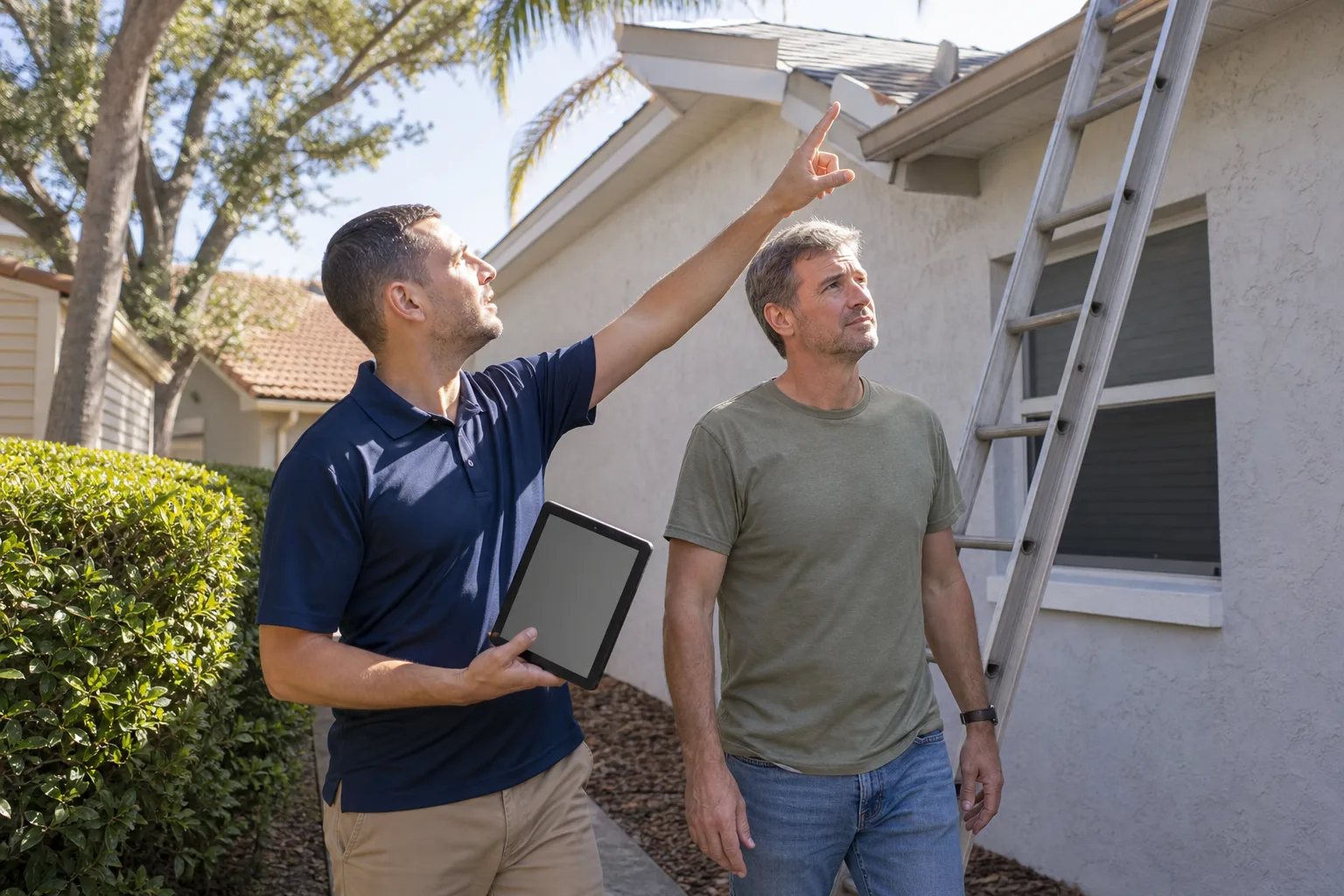
If you’d rather have it looked at, Groundwork Construction Co. of Lake Forest offers a no-pressure assessment in Lake Forest - call (855) 532-8973 and we’ll walk the roof, run the dead-load math, and give you the straight answer on clay versus concrete before anything gets ordered.
Written by the team at Groundwork Construction Co. of Lake Forest, serving Lake Forest, CA.