Free written scope consultation - allowances, timeline, and change-order rules on paper before a single trade is scheduled
Styles & brands we work with
- Kitchen remodeling
- Bathroom remodeling
- Home additions & ADU
- Roofing
- Windows & doors
- Driveway & pavers
- Fence
See the difference
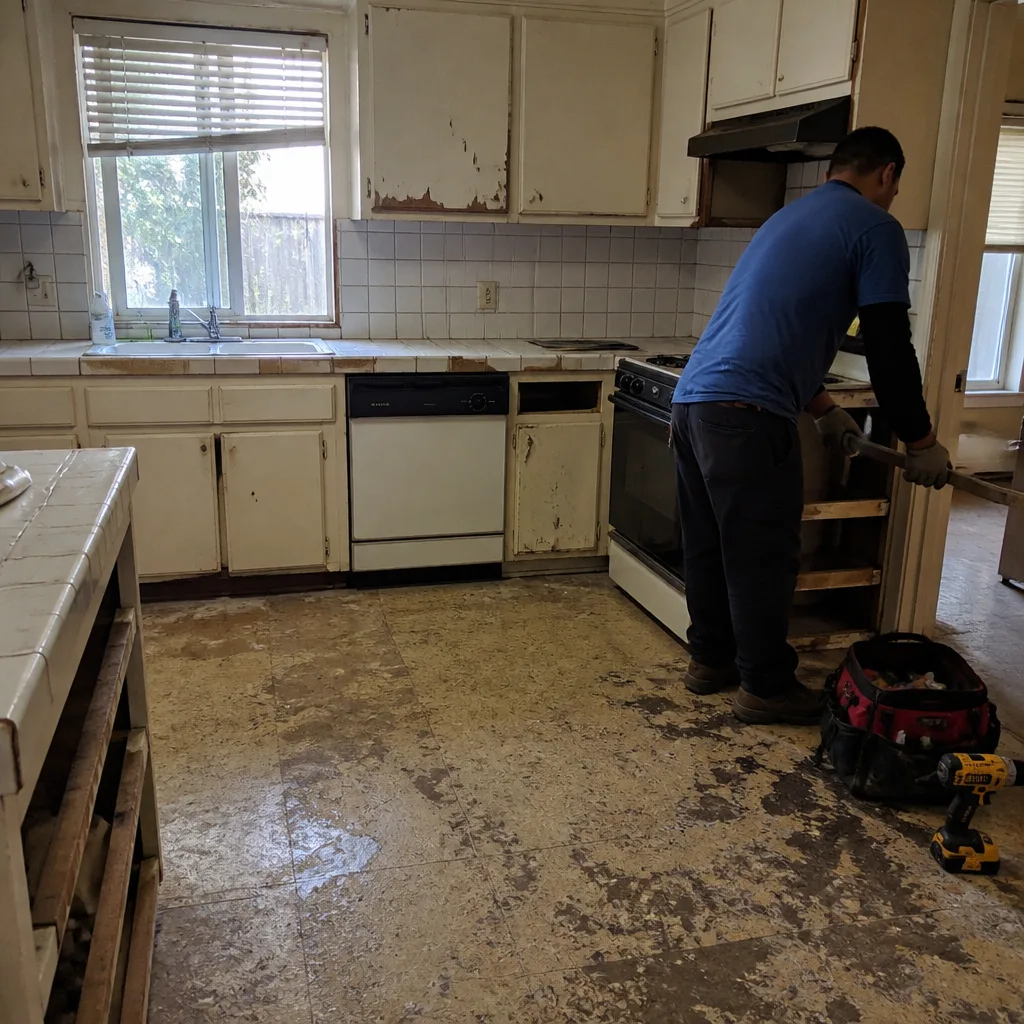 Before
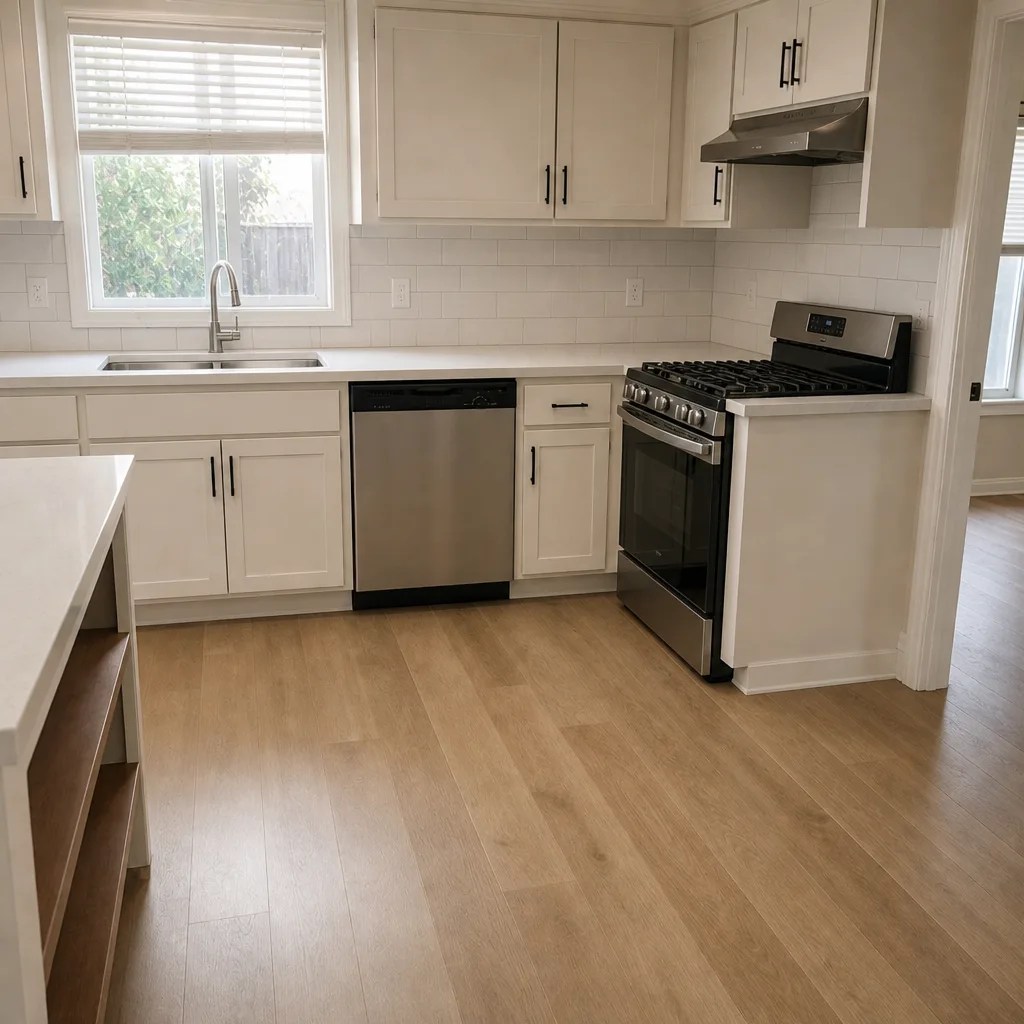 After
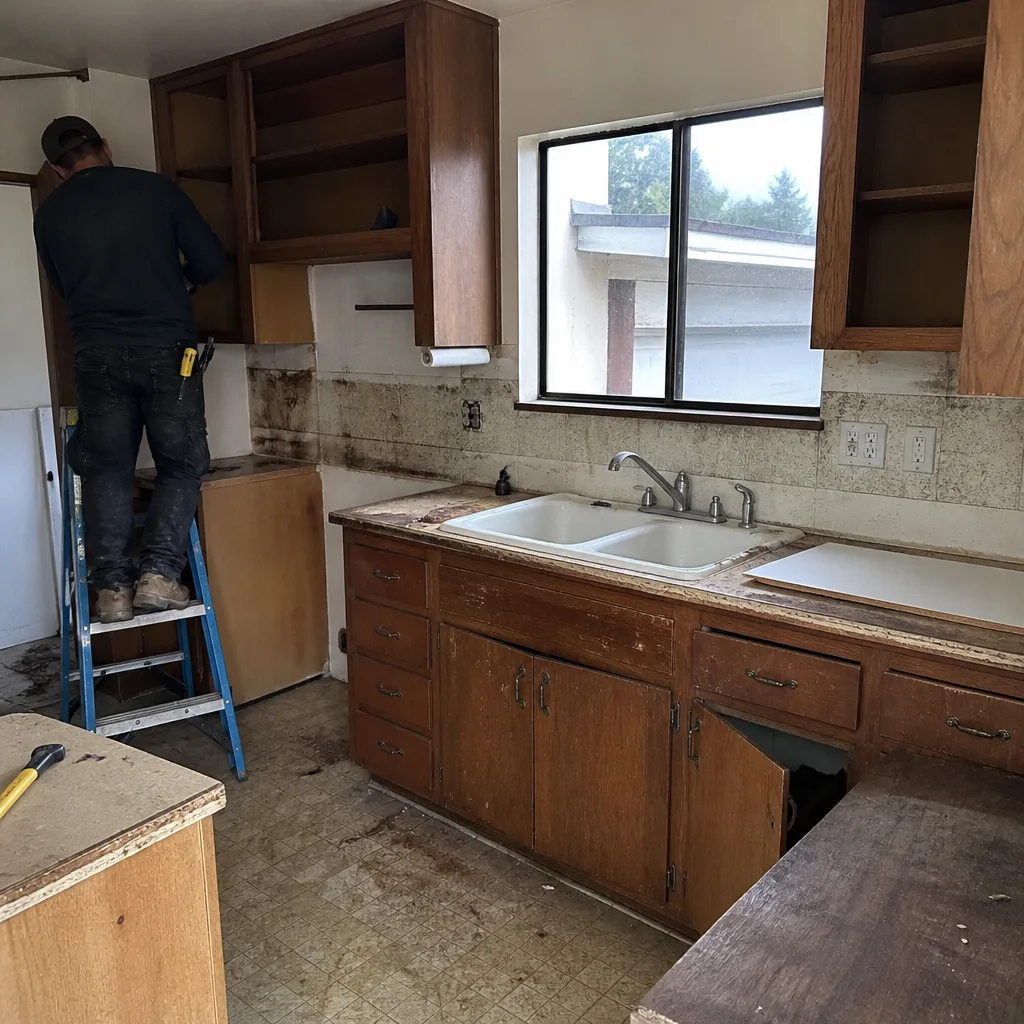 Before
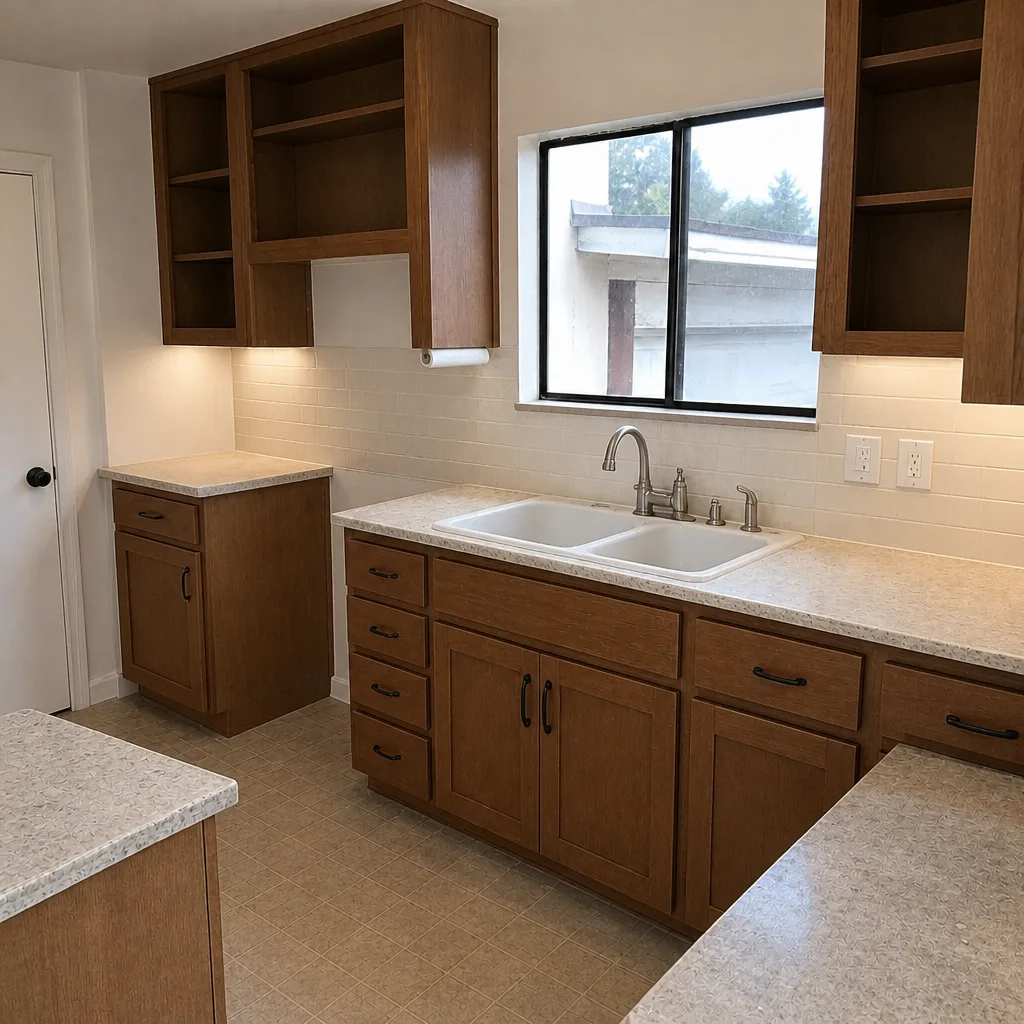 After
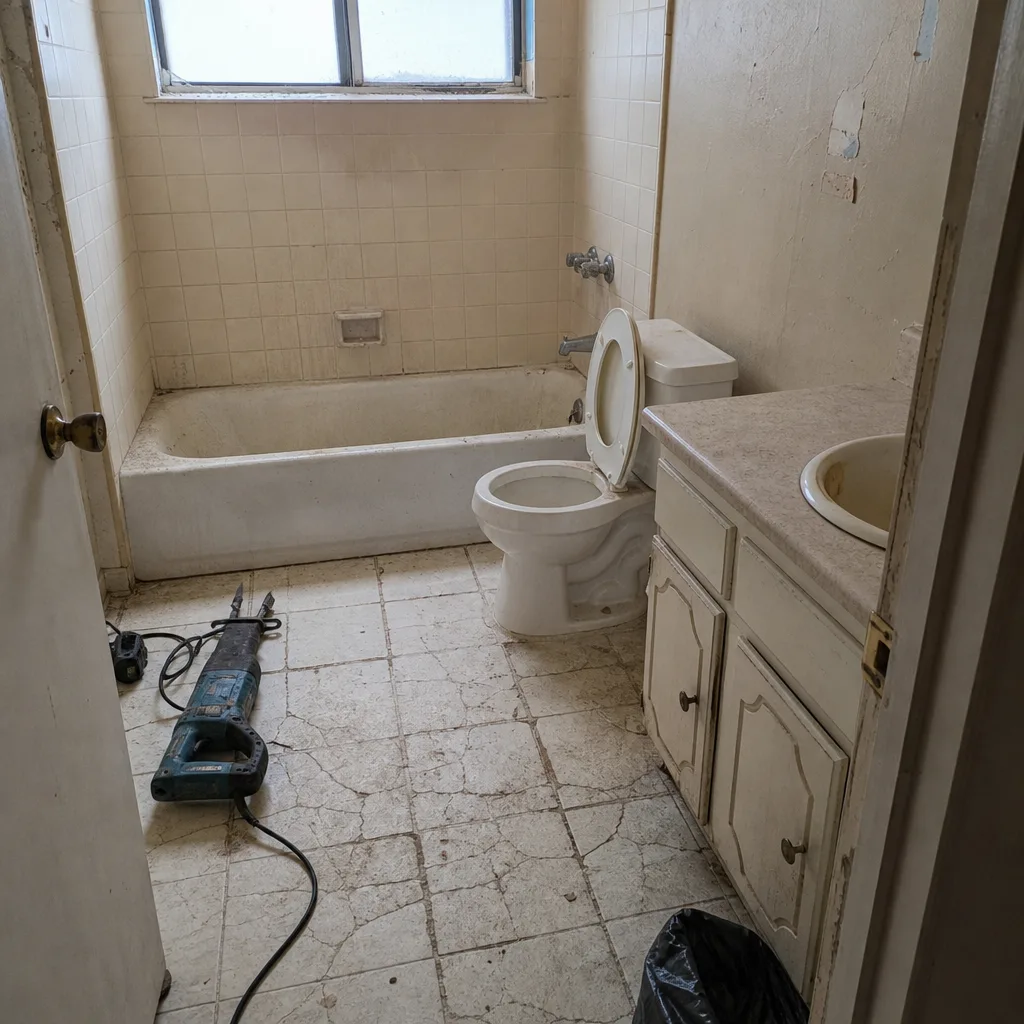 Before
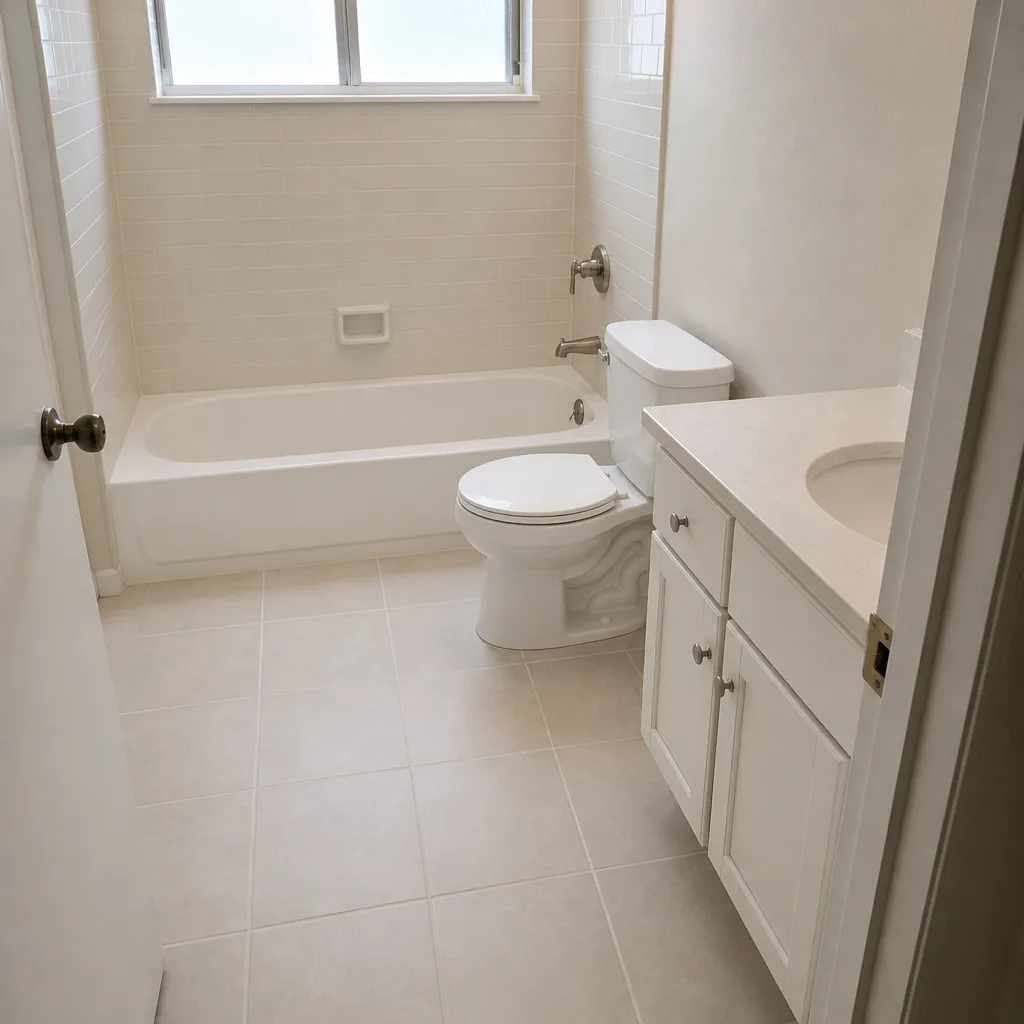 After
How Long Do Windows Last in Lake Forest, CA? The Honest Answer Is Shorter Than Most Guides Say
In Lake Forest, CA, expect vinyl windows to last roughly 15-18 years and fiberglass closer to 20-22 years before performance drops noticeably. That’s below the 20-25 year figures national guides quote, and the gap comes down to local conditions: 280+ sunny days a year, a high UV index, and Santa Ana wind events that work frames and seals harder than a coastal climate ever will. Original single-pane windows in the city’s older tract homes are already well past any service life. If you’re unsure where yours stand, call (855) 532-8973 and we’ll tell you straight.
Groundwork Construction Co. of Lake Forest handles windows and doors across Lake Forest, and the question we hear most is some version of “are mine done yet?” The answer almost never comes from the calendar alone. It comes from how the window is behaving in this particular climate.
Why Lake Forest Windows Age Faster Than the National Numbers
Most lifespan guides are written for a temperate, coastal average. Lake Forest doesn’t live there. The city sits in a semi-arid inland stretch of Orange County with hot, dry summers and mild, wet winters, and that pattern does two things to a window at once.
First, UV. All that sun hammers vinyl and painted frames, and it degrades the glazing seals on insulated glass units (IGUs) from the outside in. Second, wet-dry cycling moves stucco and the framing beneath it. Windows are set into that stucco, so every seasonal shift puts a little more stress on the seal between frame and wall. Add periodic Santa Ana winds and you get a climate that tests both the frame and the flashing around it.
There’s a housing-stock wrinkle too. Lake Forest built out hard from the 1970s through the 1990s, so a large share of homes in planned communities like Lake Forest Keys, Portola Hills, and Foothill Ranch still carry their builder-grade originals. A window installed in 1985 is now roughly 40 years old. At that age you’re not debating whether it’s near the end of its life, you’re looking at what’s already failed.
Lifespan by Material, Calibrated to Lake Forest Conditions
Here’s how the main window types hold up specifically in this market, and what tends to go first on each.
| Material | Realistic lifespan here | What fails first |
|---|---|---|
| Vinyl | 15-18 years | Frame chalk and yellowing under high UV; seal failure and fogging in the glass unit |
| Fiberglass | 20-22 years | Holds color and shape well; the IGU seal usually goes before the frame does |
| Wood-clad aluminum | 20-25 years | Cladding handles sun and wind; the wood core is vulnerable if water gets behind the flashing |
| Original builder-grade (1980s tract stock) | Already past service life | Frame corrosion, failed glazing compound, single-pane solar gain, fogged glass |
Notice that vinyl takes the biggest hit. It’s a fine material, but it doesn’t love sustained UV the way fiberglass and clad aluminum do. When we assess a Lake Forest home, the vinyl windows facing full afternoon sun are almost always the first to show chalky frames and hazy glass, often several years before the shaded ones on the same house.
Why Foggy Glass Shows Up Earlier Here: The Dual-Pane Seal Timeline
The haze or fog inside a double-pane window is the clearest failure signal, and it arrives earlier in Lake Forest than most homeowners expect. That’s because the seal that holds the argon gas inside an insulated glass unit doesn’t fail on a schedule. It fails from repeated expansion and contraction.
Lake Forest swings hard between summer night and summer afternoon, sometimes 30-40°F in a single day. Every one of those swings flexes the edge seal a little. Over enough seasons, the seal gives, the argon escapes, and moisture gets in. Once that happens the window stops insulating and starts fogging. A coastal market with flatter daily temperature curves stretches that same seal much further. Here, it’s a steady countdown.
One thing worth knowing before you call anyone: an IGU can often be replaced without replacing the whole window, provided the frame is still solid. That’s a real cost saver, and it’s part of why a proper assessment matters more than a blanket replacement quote.
What to Look For Before You Replace Anything
You don’t need a contractor to spot most of these. Walk the house on a hot afternoon and check each window for:
- Fog, haze, or condensation between the panes. That’s a failed seal, and it won’t clear up on its own.
- Frames that feel soft, chalky, or cracked when you press a thumbnail in. Chalking is UV damage on vinyl; softness can mean water has gotten behind the cladding.
- Daylight or drafts around the frame edge. A gap here usually points to failed flashing or caulk, not the window itself.
- Sticking, hard-to-latch sashes. In this climate that often means the frame has moved with the stucco rather than the glass failing.
- Condensation on the inside face in winter. With single-pane originals, that’s just physics; it’s the house telling you the glass has no insulating value left.
If a window shows one or two of these, it’s worth a closer look. If it shows fog plus a soft or corroded frame, the window is past repair.
Builder-Grade vs. Premium: The Warranty Difference That Actually Matters
The windows that filled Lake Forest tract homes in the 1980s and 90s were chosen for availability and cost, and their warranties reflect it: typically limited coverage measured in a handful of years, with plenty of exclusions for seal failure and labor. That’s the trap. The window fails at year 12 and the warranty expired at year 5.
When we install windows, we work with Andersen and Marvin lines whose manufacturer coverage runs meaningfully longer and covers the glass seal directly. But a manufacturer warranty only protects the product. It says nothing about whether the flashing around the frame was installed correctly, and that’s where most real-world window problems start.
That’s the gap the 730-Day Done Right Promise is built to close. If a seal or flashing problem tied to our installation shows up during that window, we make it right, no argument. It covers the workmanship side of your window during the exact period when most installation-related leaks and draft problems surface, and it hands off cleanly to the manufacturer warranty after that. Built to last, backed in writing, on both fronts. You can see the full scope of what falls under Windows & Doors on our service page.
What Window Replacement Costs in Lake Forest
Pricing depends on how many units, what material, and whether the frames are sound enough to keep. Here are the ranges we quote in this market, with upfront pricing so the number you see is the number you pay.
| Project | Typical range |
|---|---|
| Window replacement | $4,500-$15,000 |
| Impact window installation | $8,000-$25,000 |
A full-house replacement usually lands somewhere in that window replacement range, while a partial swap (a few fogged units, or one sunny-facing wall) comes in at the lower end. We also offer 0% financing for 18 months and $1,000 off projects over $10,000, which keeps a whole-house job from turning into a budget shock. Every estimate is free and comes with a design consult.
FAQs
Vinyl windows in Lake Forest typically last 15-18 years and fiberglass about 20-22 years, both shorter than the 20-25 year national average because of high UV exposure, big daily temperature swings, and Santa Ana winds. If your windows came with the house and the house is from the 1980s, they’re likely past their service life already. Call (855) 532-8973 for a free assessment and an exact read on yours.
Foggy glass means the seal on the insulated glass unit has failed and moisture has gotten between the panes. Yes, it can often be fixed by replacing just the glass unit rather than the whole window, as long as the frame is still solid. A quick inspection tells you which path makes sense. Call (855) 532-8973 and we’ll give you a straight answer, free.
Replace when the frame is soft, corroded, or chalky, or when you’re still on single-pane originals; repair when the frame is sound and only the glass unit has failed. In Lake Forest’s older tract homes, the frame is usually the deciding factor. Call (855) 532-8973 for a no-pressure look at both options.
Window replacement in Lake Forest runs $4,500-$15,000 for most homes, and impact window installation runs $8,000-$25,000. What you’ll pay depends on unit count, material, and whether the framing needs work. Call (855) 532-8973 for a free estimate, and ask about 0% financing for 18 months and $1,000 off projects over $10,000.
If you’d rather have it looked at, Groundwork Construction Co. of Lake Forest offers a no-pressure assessment in Lake Forest, with upfront pricing and a live person on the line any hour. Call (855) 532-8973 for a free estimate. You can also see the neighborhoods we cover on our Lake Forest service area page and start from our home page.
Written by the team at Groundwork Construction Co. of Lake Forest, serving Lake Forest, CA.