Free written scope consultation - allowances, timeline, and change-order rules on paper before a single trade is scheduled
Styles & brands we work with
- Kitchen remodeling
- Bathroom remodeling
- Home additions & ADU
- Roofing
- Windows & doors
- Driveway & pavers
- Fence
See the difference
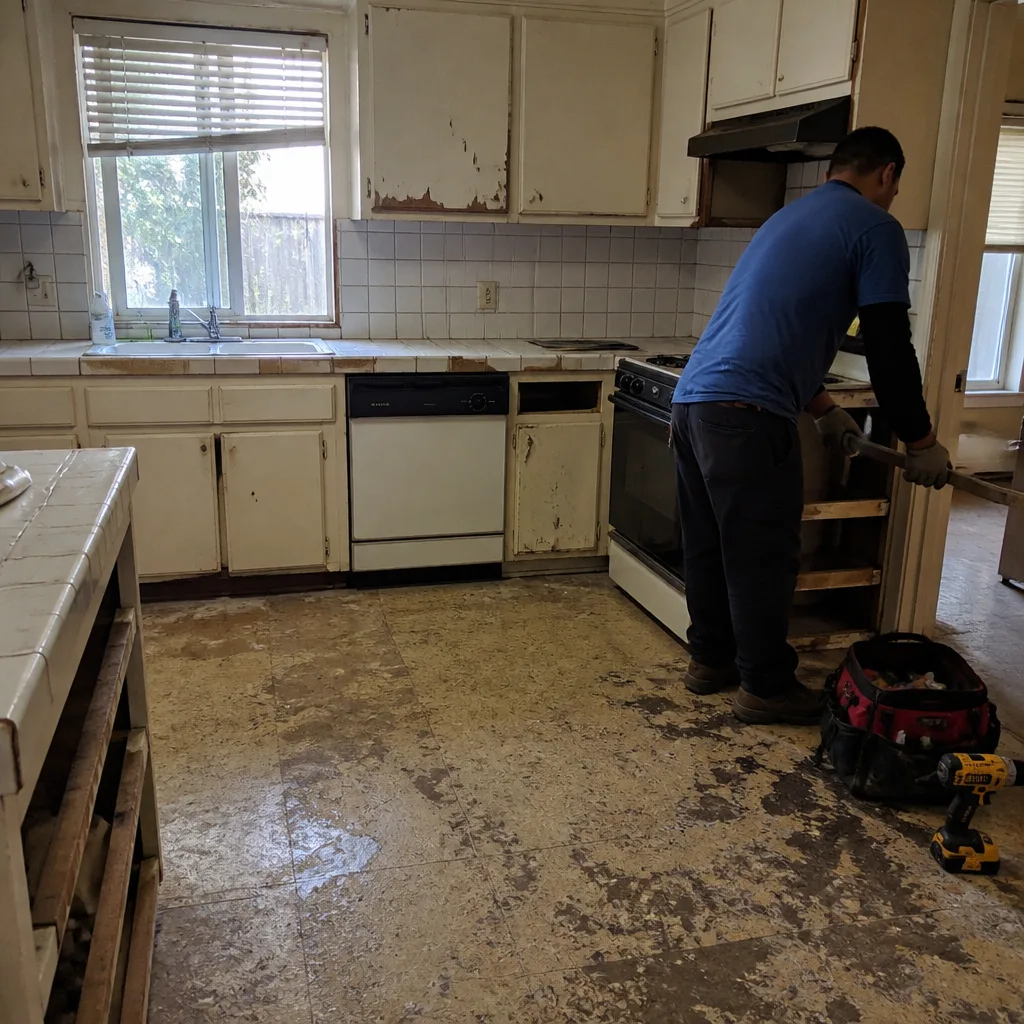 Before
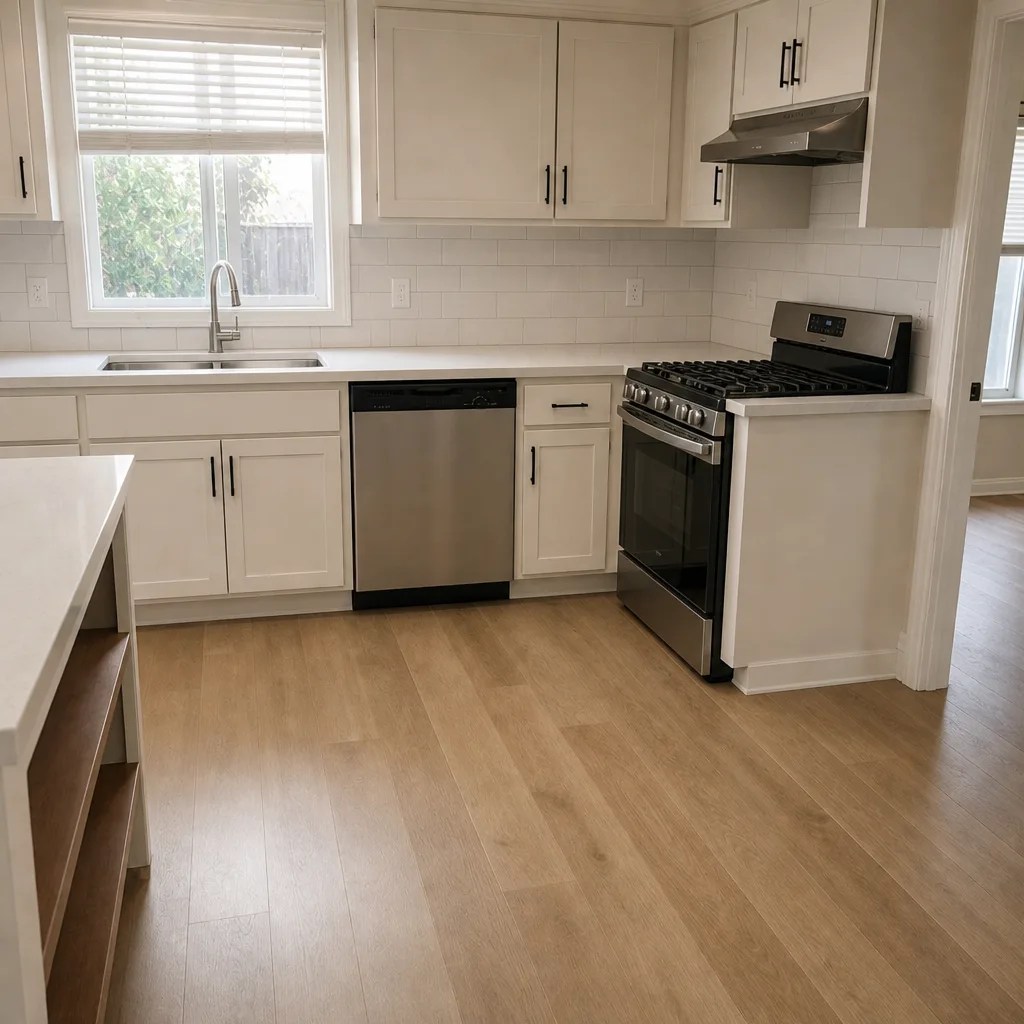 After
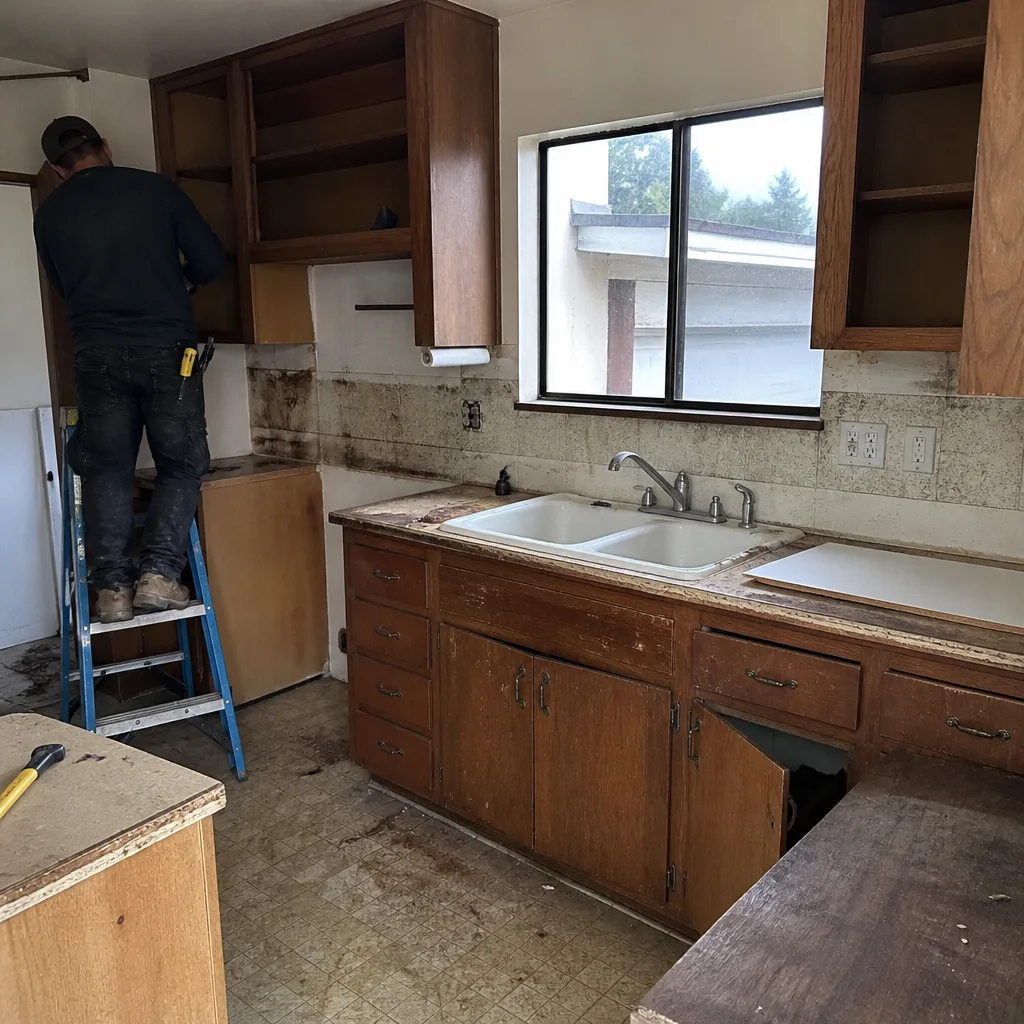 Before
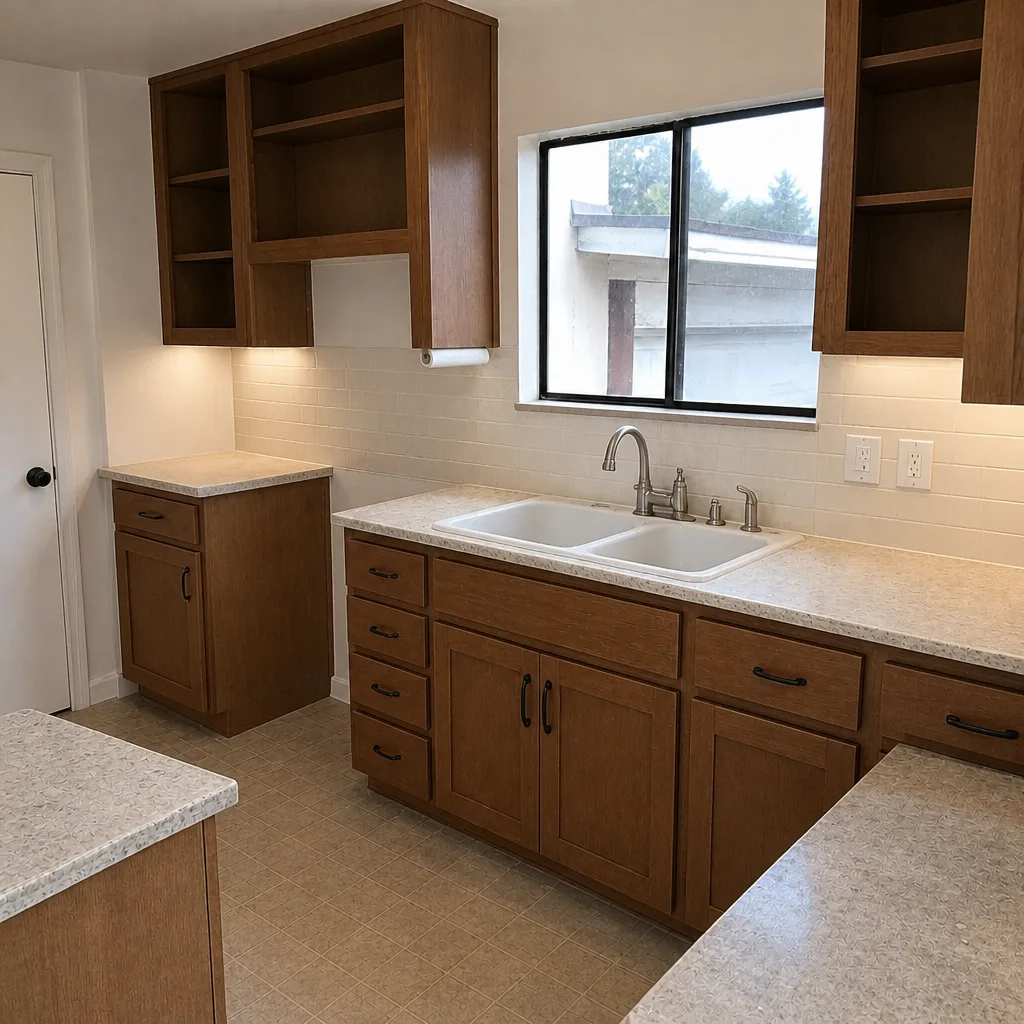 After
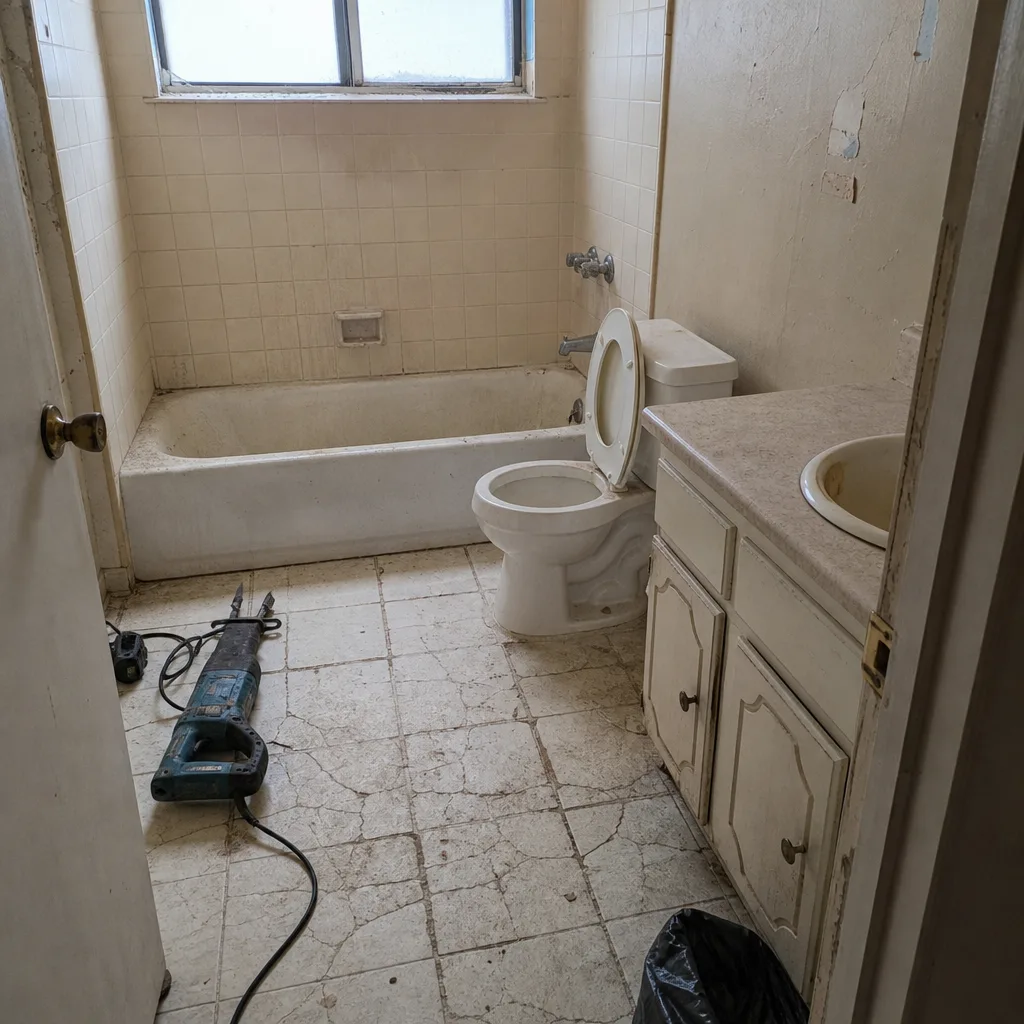 Before
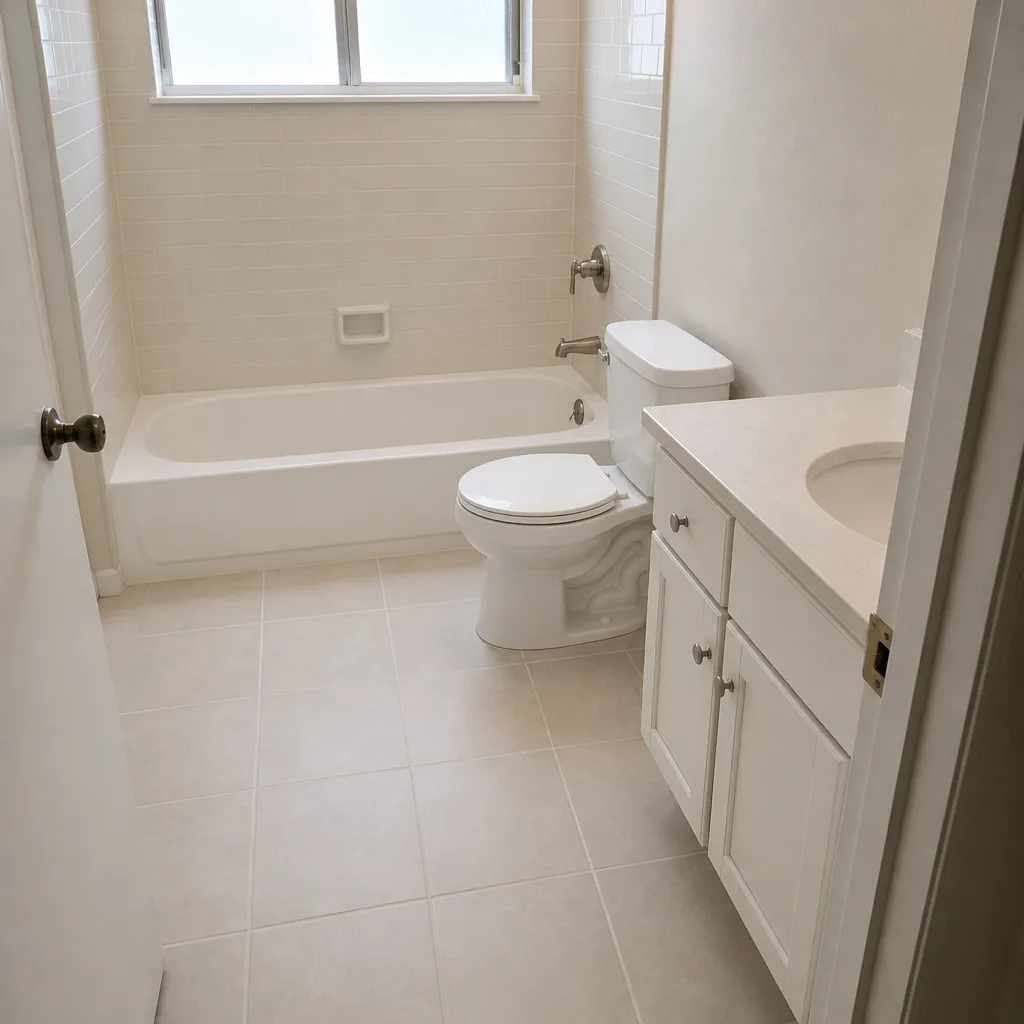 After
How Custom Windows Are Made for Lake Forest, CA Homes (and Why the Process Matters)
Custom windows are made by extruding a frame profile to the manufacturer’s engineering spec, fusion-welding the corners (or mechanically fastening them, depending on the brand), building an insulated glass unit with a spacer system and argon fill, and pre-installing hardware before the finished unit is tested and shipped to the exact rough-opening dimensions you ordered. In short: they’re built to your opening, not cut down from a stock size. For Lake Forest homeowners ordering custom units for non-standard openings in 1970s-1990s stucco tract homes, understanding that sequence explains why tolerances, lead times, and warranty terms differ so sharply from anything off the shelf. Call (855) 532-8973 with your opening dimensions and we’ll walk you through what’s actually buildable.
Key Takeaways
- Custom vinyl and fiberglass windows are manufactured to roughly ±1/8-inch tolerance against your rough opening, not to a nominal stock size.
- Corner construction (fusion weld vs. mechanical fastening) drives long-term air infiltration performance under Lake Forest’s thermal cycling.
- Premium custom units run 4-8 weeks. That window is when HOA review, permits, and site prep get done, not after delivery.
- Installation interface – setting, flashing, sealing – is where a perfect unit still fails. That’s the part the 730-Day Done Right Promise covers.
The Custom Window Manufacturing Sequence, Step by Step
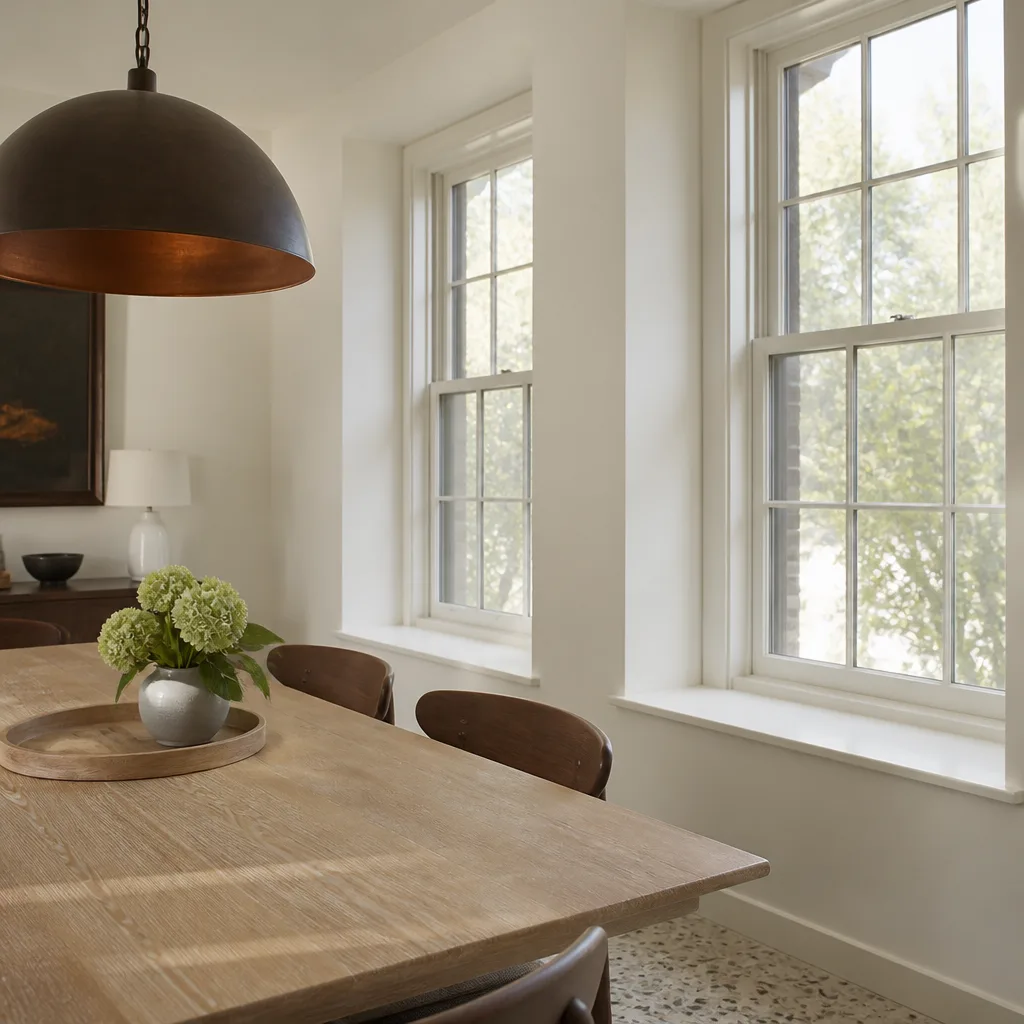
When you order a custom window for a non-standard opening in a Lake Forest tract home, you’re not ordering a modified shelf unit. You’re commissioning a made-to-spec structural assembly where the frame extrusion profile, corner-weld method, and glass unit spacer system are configured from scratch to your exact rough-opening dimensions. Here’s what actually happens between order and delivery.
Frame profile extrusion. Vinyl frames start as PVC compound pushed through a die that forms the hollow, multi-chambered profile you see in cross-section. Those internal chambers aren’t decoration – they create dead air space that slows heat transfer, which matters when a Lake Forest July afternoon sits above 95°F. Fiberglass takes a different route: pultrusion, where glass fiber roving is pulled through a resin bath and cured into a profile that expands and contracts at a rate closer to glass itself.
Corner assembly: fusion welding versus mechanical fastening. This is the single most consequential manufacturing choice in the whole build. Fusion welding melts the frame ends together under heat and pressure into one continuous piece of plastic, then the weld bead is cleaned. A properly welded corner is as strong as the profile itself and won’t open up over years of thermal cycling. Mechanical fastening screws or brackets corners together instead. It’s faster and cheaper, and on a unit facing full afternoon sun it’s a common source of air infiltration down the road. Ask which method is used before you sign.
Insulated glass unit (IGU) assembly. Two panes of glass, a spacer bar around the perimeter, desiccant inside the spacer to absorb residual moisture, primary and secondary sealant, and argon gas injected to displace the air between panes. Low-E coating is applied to a specific glass surface, not slathered everywhere. Cheap units use a metal spacer that conducts heat; better ones use a warm-edge spacer. It’s worth asking about both.
Hardware pre-installation and testing. Locking mechanisms, hinges, balance systems, and screens are installed at the factory, not on your driveway. The finished unit is checked for square, operation, and seal integrity before it’s crated and shipped.
Why ±1/8-Inch Tolerance Matters in a Lake Forest Stucco Opening
Custom windows are manufactured to about ±1/8-inch tolerance. To someone who hasn’t torn into a wall, that precision can sound excessive. Here it’s not, and here’s why: most Lake Forest windows going in today are replacements in openings cut when these tract homes went up between the 1970s and 1990s. Many of those rough openings have moved. Stucco in a semi-arid inland Orange County climate goes through hot, dry summers and mild, wet winters, and the wood framing around an opening can shrink, swell, or twist slightly across that swing. Periodic Santa Ana winds add more movement.
A stock window at a nominal size might leave a gap that your installer fills with more sealant than it should. A custom unit manufactured to your actual measured opening, verified after the stucco is trimmed back, fits snug against the framing so the flashing and sealant do their job. That’s the difference between a window that’s quiet and dry in year one and one that’s still quiet and dry in year five.
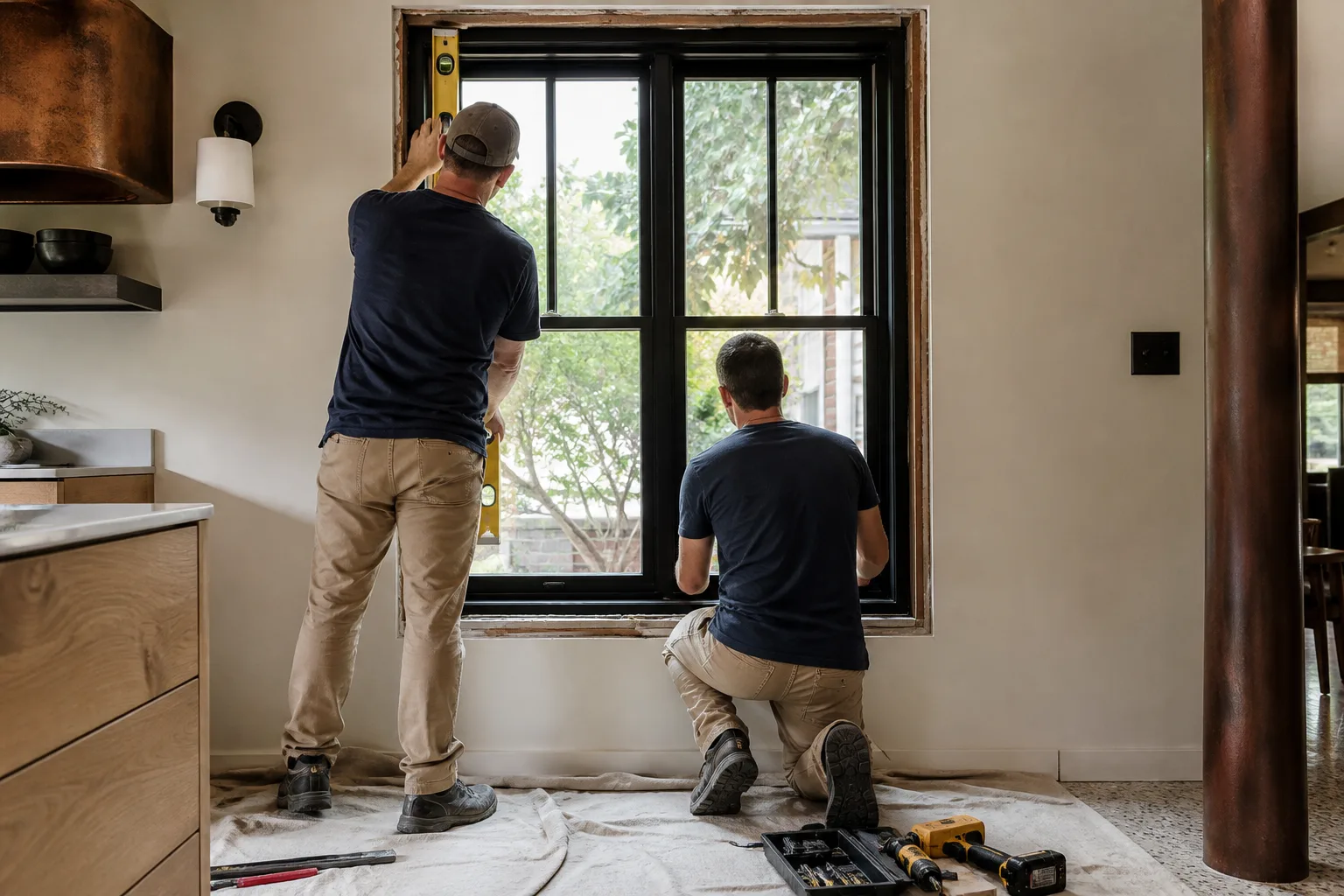
The practical takeaway: whoever measures should be the same party that installs. Our technicians, who have up to 12 years of experience, measure rough openings in Lake Forest homes with the wall opened up, not through tape and guesswork.
Andersen vs. Marvin: Two Different Custom Approaches
Andersen and Marvin are both brand partners we install, and both build excellent custom units, but their construction philosophies diverge in ways that matter under Lake Forest’s thermal cycling.
- Andersen’s fiberglass lines lean on pultruded fiberglass profiles that stay dimensionally stable under heat, with fusion-welded or engineered joinery depending on the series. For a west-facing Lake Forest wall taking the worst of summer sun, that stability is the selling point.
- Marvin’s wood-and-clad and fiberglass products emphasize precision joinery and a wide custom capability – odd shapes, arched tops, unusual proportions that are common when fitting into stucco openings that aren’t perfectly square. Their corner construction and frame detailing are built for long service life in variable climates.
Neither brand is “better” in the abstract. The right one depends on which opening you’re filling, which direction it faces, and whether you’re matching existing window sightlines across the front of a Portola Hills home. We carry brand options like Andersen and Marvin specifically so the choice is driven by your house, not by what’s sitting in a warehouse.
What the Lead Time Actually Looks Like (and How It Gets Used)
Custom windows from premium manufacturers run 4 to 8 weeks from order to delivery. That’s not a delay to apologize for – it’s the manufacturing sequence above running its course. The mistake homeowners make is treating those weeks as dead time.
For a Lake Forest project, the clock starts at order and the work that fills it is real. HOA architectural review is a genuine item here: Lake Forest is a master-planned city where much of the housing sits in tightly regulated HOAs, and exterior window changes often need design approval before a permit is even filed. Permit pulls take time in the city’s queue. Site prep – trimming back stucco, inspecting framing, verifying the rough opening after everything is exposed – gets scheduled. When the units land, they go straight into a prepared opening instead of a construction site still figuring itself out.
That sequencing is the whole reason to bring in one contractor for windows, finish carpentry, and any adjacent stucco or door work. From foundation to finish line, the job stays coordinated. If you’d rather compare notes on an adjacent project, our home page and our Windows & Doors service outline what we handle, and our Lake Forest service area page covers the neighborhoods we work in.
What Custom Window Installation Typically Runs in Lake Forest
Pricing depends on opening count, brand, and glass package, but here are the ranges we work from consistently:
| Scope | Typical Range |
|---|---|
| Window replacement (standard scale) | $4,500-$15,000 |
| Impact window installation | $8,000-$25,000 |
| Roof repair (if flashing work is involved) | $400-$1,800 |
Upfront pricing, no surprises – the number you see is the number you pay. If the project runs past $10,000, our standing $1,000 off promotion applies, and 0% financing for 18 months is available on qualifying projects.
Where Custom Windows Still Fail: The Installation Interface
Here’s the honest part. A custom window manufactured to ±1/8-inch tolerance can still fail if it’s set wrong. The frame, the glass, and the hardware are only as good as the seal between the window and your wall – and that seal is installation work, not manufacturing work. Setting the unit plumb and square, integrating the flashing into the stucco assembly, sealing the perimeter correctly, and backing the whole thing with a warranty is where a lot of contractors quietly fall short.
That’s why every window project we complete is covered by the 730-Day Done Right Promise. If it’s not done right, we make it right. For custom windows specifically, that guarantee covers the interface between the unit and your home – the flashing, setting, and sealing work that actually keeps water and air out. It’s one of the longest workmanship guarantees in the residential construction space, and it’s written down, not promised verbally. Our calls are answered by a live person 24/7, and our technicians are background-checked and arrive in uniform on every job.
FAQs
Yes. Custom windows are manufactured to your measured actual dimensions, not a nominal stock size, so an out-of-square opening can be accommodated – the manufacturer builds to the tolerance you specify, roughly ±1/8-inch. The key is measuring with the stucco trimmed back and the framing exposed so the true opening is known before the order goes in. If you’re unsure whether your opening qualifies, call (855) 532-8973 and we’ll walk through it with you.
Expect 4 to 8 weeks from order to delivery for premium custom units. That timeframe covers frame extrusion, corner assembly, glass unit fabrication, hardware installation, and quality checks. HOA architectural review and city permit pulls run in parallel during that window so nothing is wasted. A free project estimate and design consult will get your exact lead time pinned down before you commit.
Repair is almost always cheaper for a single failed component – a broken pane, a bad balance, a failed lock. Custom replacement makes more sense when the frame is compromised or the opening was never properly fitted to begin with. For a single window in fair condition, repair can run well under what a custom unit costs. Call (855) 532-8973 and we’ll give you an honest read on which path makes sense, with an upfront price either way.
Because they’re manufactured to your specific rough opening with a fusion-welded or engineered corner, a specified spacer system, and argon-filled glass packages chosen for your climate zone – none of which a stock unit offers. For a Lake Forest home, that precision is what makes the install interface reliable over time. Call (855) 532-8973 to compare options across both brands, and if your project qualifies over $10,000, the $1,000 off promotion and 0% financing for 18 months apply.
If you’d rather have it looked at, Groundwork Construction Co. of Lake Forest offers a no-pressure assessment in Lake Forest – call (855) 532-8973. We’ll measure to the actual opening, talk through brand options, and put the pricing in writing before any work begins.
Written by the team at Groundwork Construction Co. of Lake Forest, serving Lake Forest, CA.