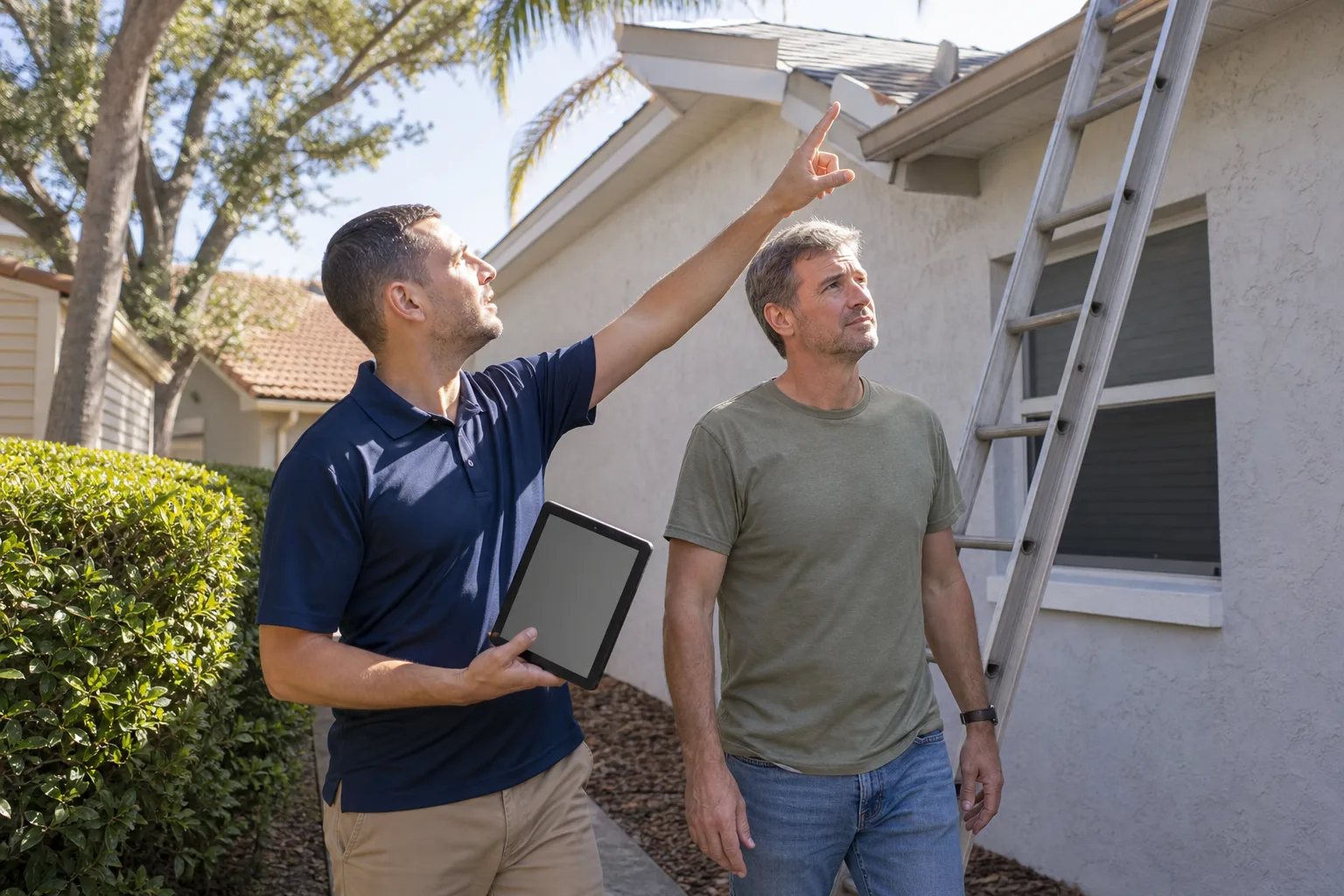
Free written scope consultation - allowances, timeline, and change-order rules on paper before a single trade is scheduled
Styles & brands we work with
- Kitchen remodeling
- Bathroom remodeling
- Home additions & ADU
- Roofing
- Windows & doors
- Driveway & pavers
- Fence
See the difference
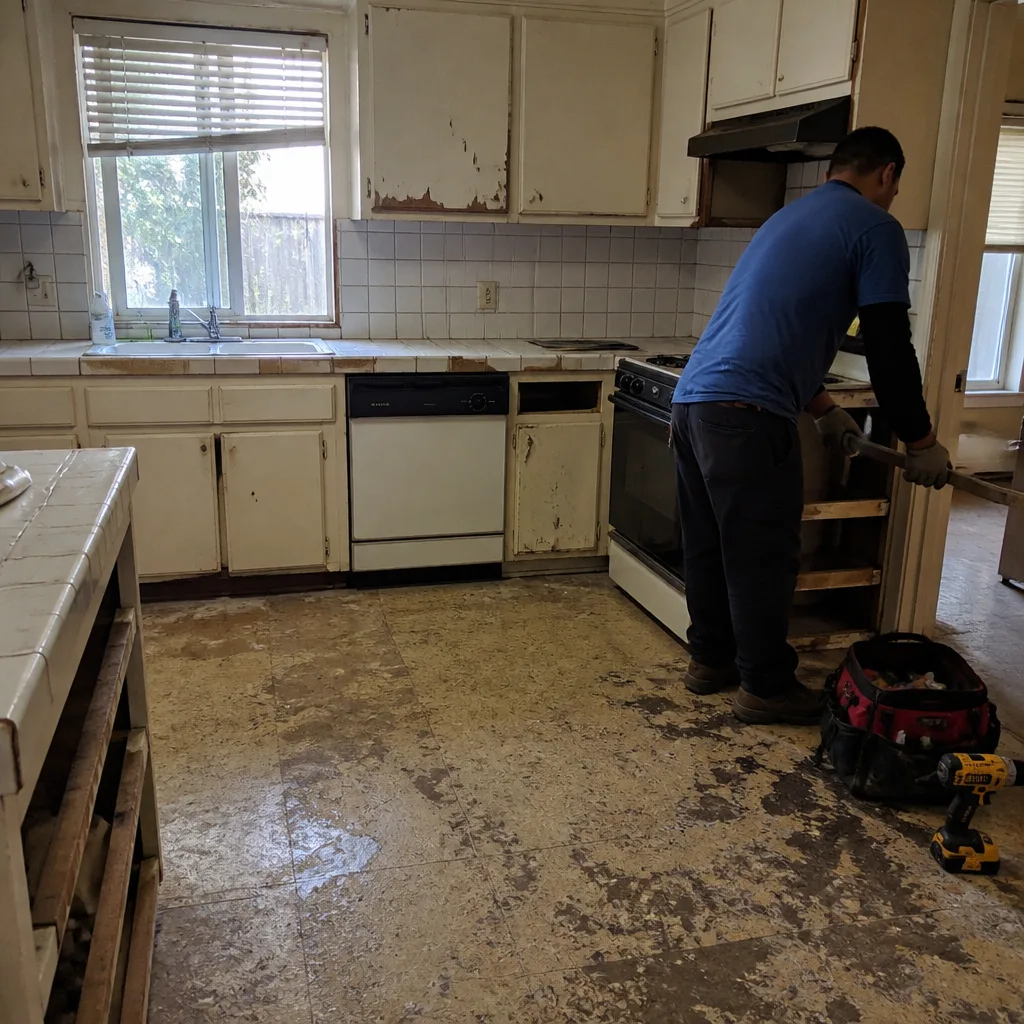 Before
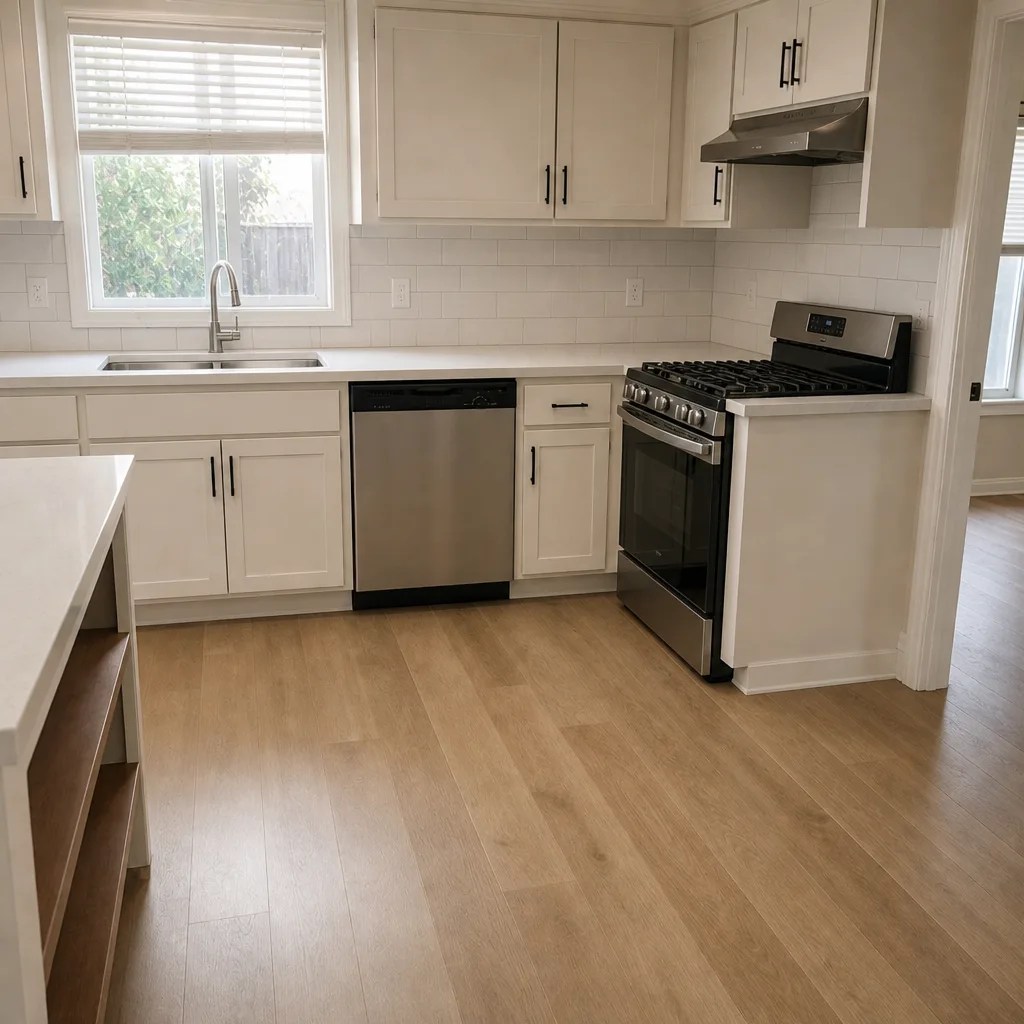 After
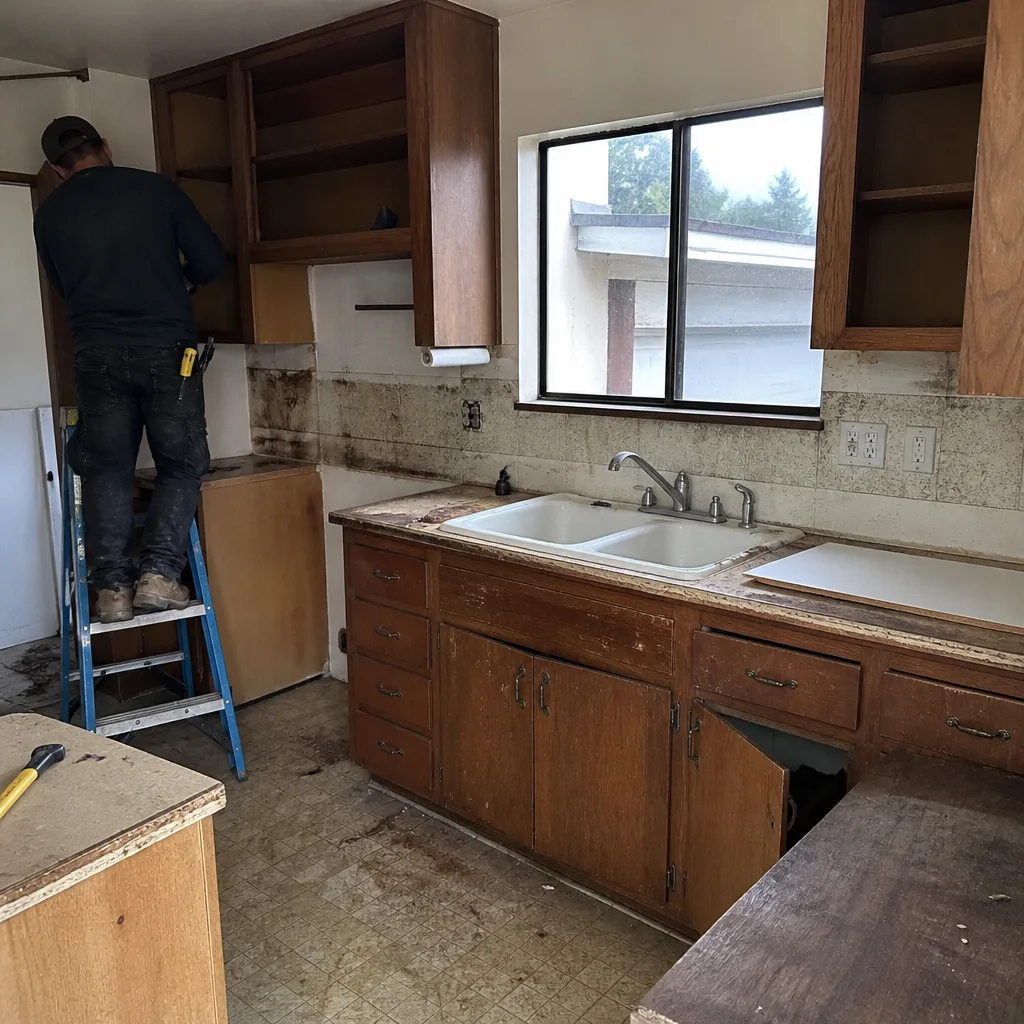 Before
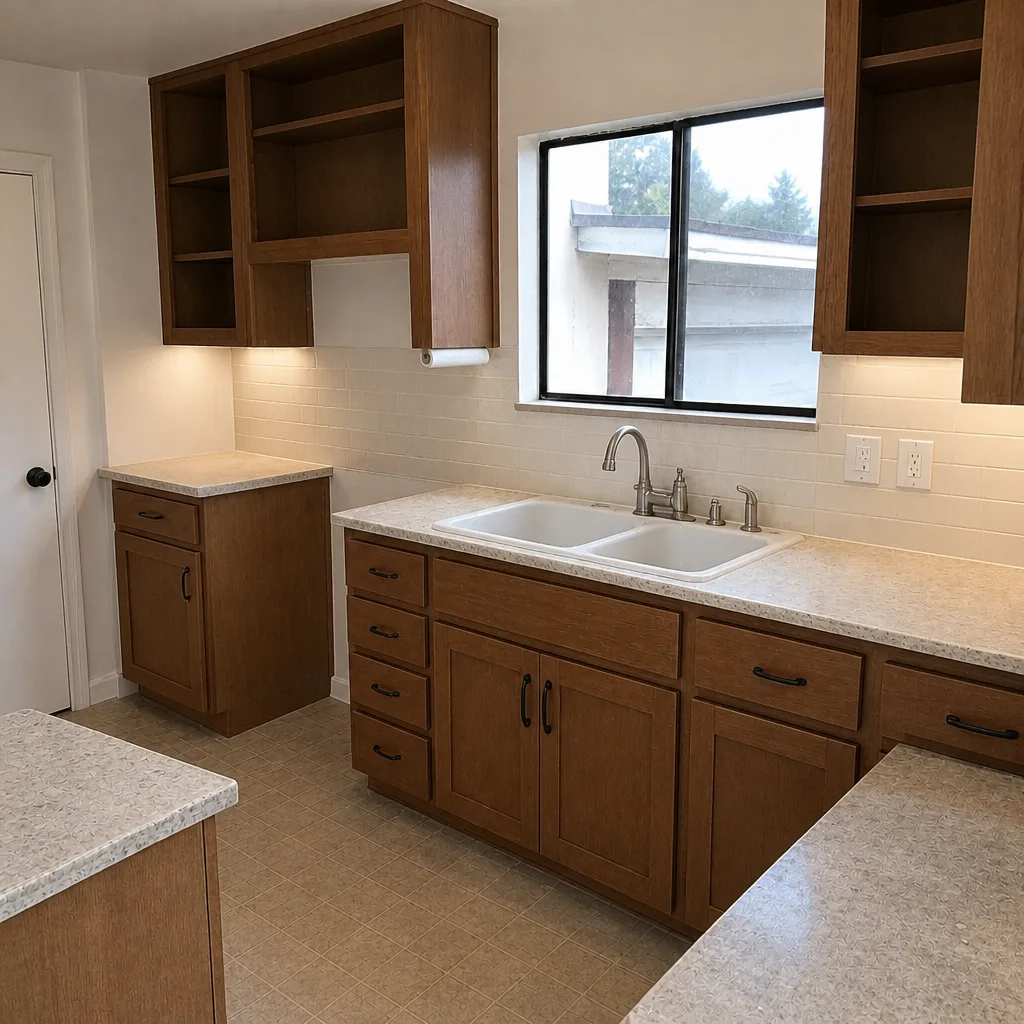 After
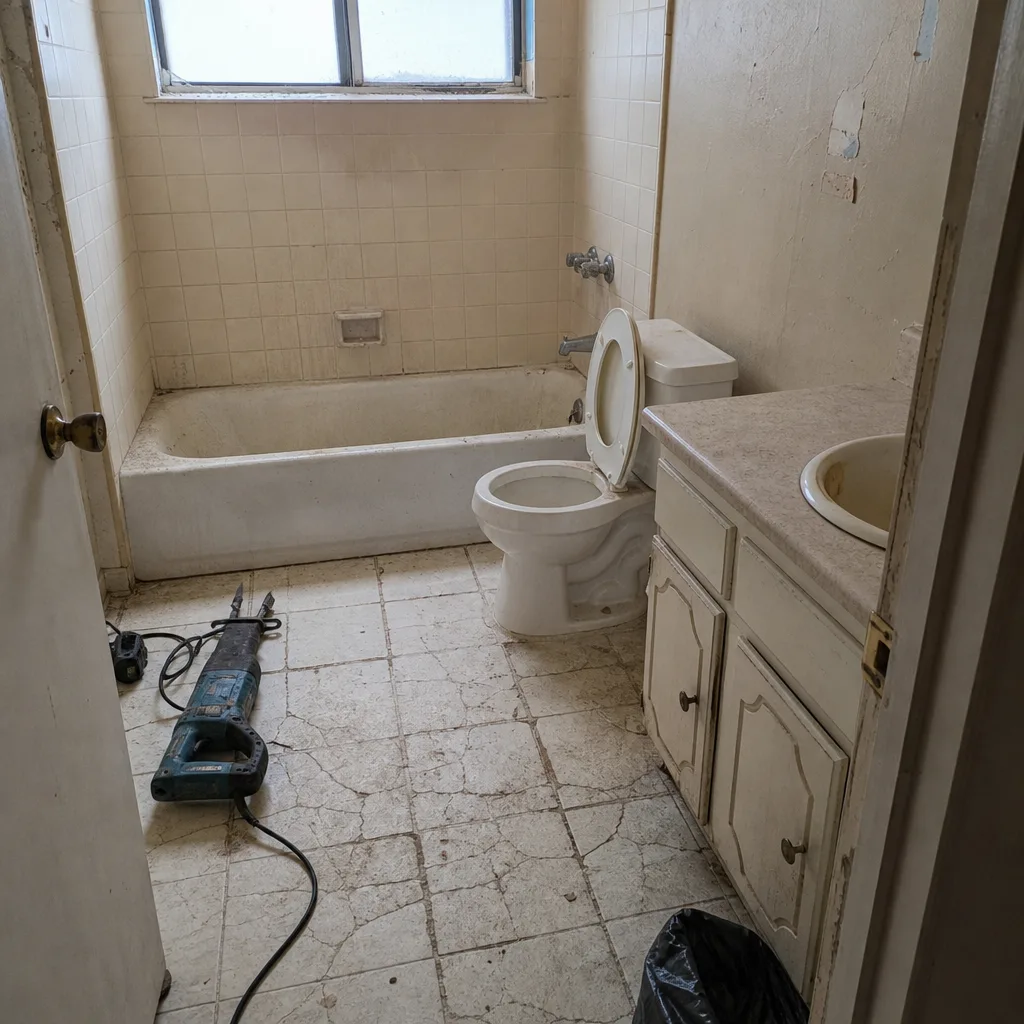 Before
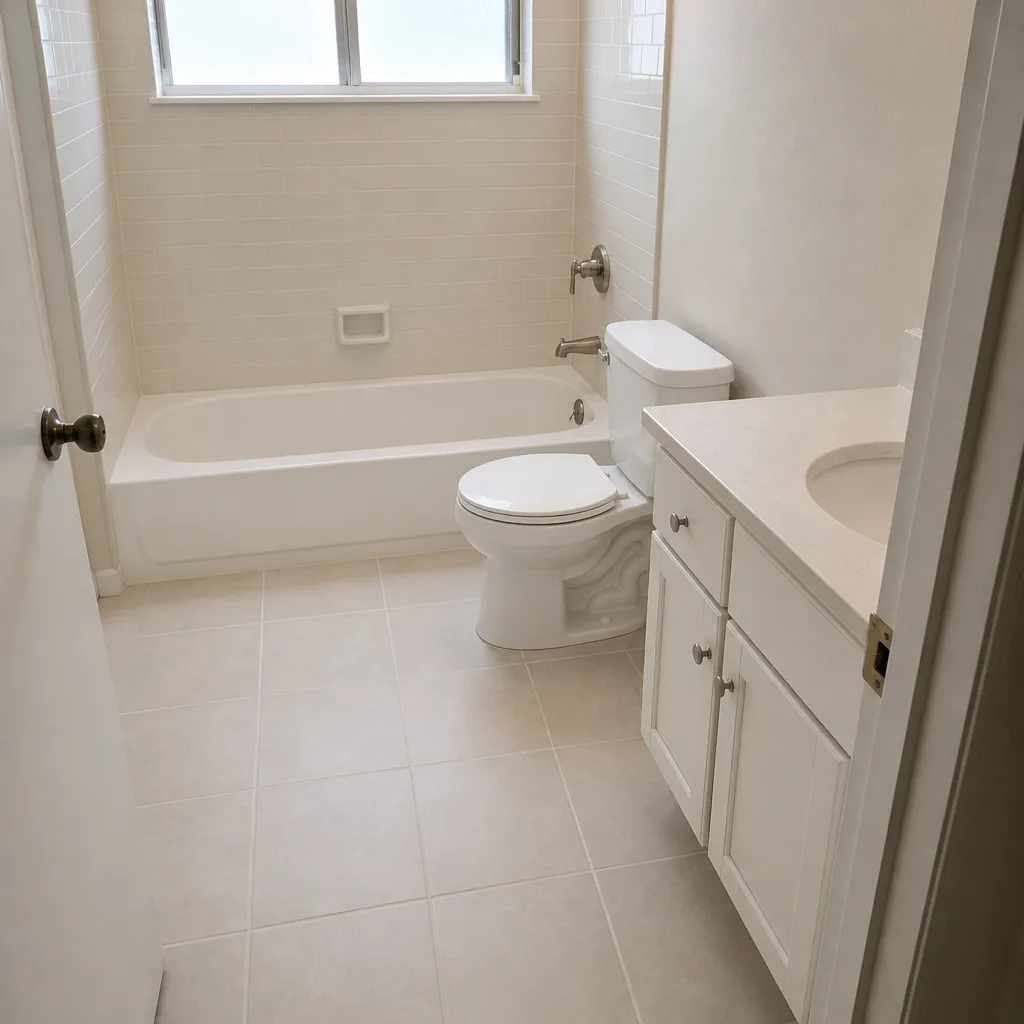 After
Window Design Pressure Ratings in Lake Forest, CA: What That DP Number Actually Means for Your Home
A window’s design pressure (DP) rating is the wind load, in pounds per square foot, that the window is engineered to withstand in both directions – pushed inward by wind and pulled outward by suction – without failing. In Lake Forest, the number matters more than most homeowners realize: a DP-30 window meets California’s minimum, but a Santa Ana wind event funneling through Portola Hills at 70+ mph exposes an exposed hillside wall to loads that a code-minimum window wasn’t sized for. Getting this right starts with knowing your elevation, your exposure, and your direction.
If you want a real number for your home rather than a showroom guess, call (855) 532-8973 – we’ll walk your lot and tell you what your walls actually need.
Key Takeaways
- DP ratings are tested in two directions: positive pressure (wind pushing in) and negative pressure (suction pulling out). Suction is what fails windows on hillside lots.
- Lake Forest’s graded slopes in Portola Hills and Foothill Ranch accelerate wind locally, so two homes two miles apart can need different DP ratings.
- DP rating, impact resistance, and air/water infiltration are three separate specifications. HOAs often regulate aesthetics; they rarely set structural performance.
- Installation can void a tested rating. Flashing, anchoring, and rough-opening tolerances are part of the system, not an afterthought.
Why a DP-30 Window Isn’t Automatically Enough on a Lake Forest Hillside
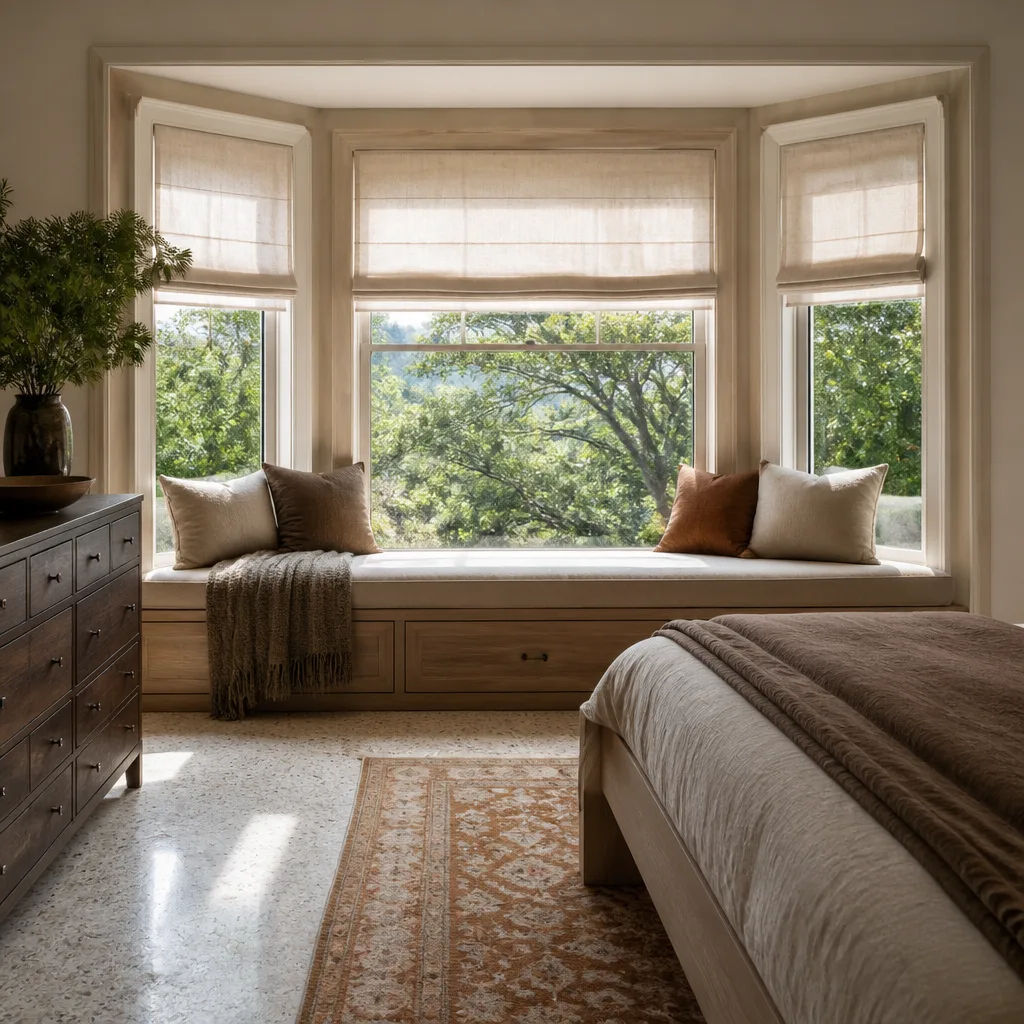
California’s building code sets DP-30 as the floor for most residential windows in this region. That number is a minimum, not a recommendation, and it assumes typical exposure. Lake Forest is not typical exposure everywhere. In master-planned communities like Portola Hills, homes sit on graded slopes where the terrain itself compresses and accelerates wind. During a Santa Ana event, a ridgeline house can see dynamic pressure meaningfully higher than a flatland neighbor a short drive away in Lake Forest Keys.
Here’s the part most window salespeople skip: wind doesn’t just push. On an exposed downhill-facing wall, suction on the leeward side is often the load that actually separates glass from frame. A window rated for DP-30 positive pressure may have a lower tested negative-pressure figure, and that outward number is the one your hillside elevation stresses hardest. When we assess a home in Lake Forest, we look at which walls face the prevailing Santa Ana corridor before we ever quote a product.
The practical takeaway: ask for the tested DP rating in both directions, not just the headline number. A window that publishes DP-40 positive and DP-30 negative is not the same product as one rated DP-35 both ways, even if a brochure flattens them into one figure.
DP Rating vs. Impact Resistance vs. Water Infiltration: Three Numbers, Three Jobs
Homeowners conflate these constantly, and Lake Forest HOAs make it worse by regulating what a window looks like while leaving the performance specification to you. The architectural review committee in a planned Lake Forest community may approve a frame color and grid pattern, then hand the structural decision entirely back to the homeowner. That’s where the confusion starts.
- Design pressure (DP): structural wind load capacity. Tests the whole assembly – frame, sash, glazing – against positive and negative pressure.
- Impact resistance: resistance to debris strikes, typically rated under separate impact standards. Relevant to wildfire-zone glazing decisions as much as coastal storm codes.
- Air and water infiltration: how much air leaks through and whether water penetrates under simulated wind-driven rain. Critical for Lake Forest’s wet winters, especially on wind-exposed elevations.
A window can carry a strong DP rating and still be a poor fit if its water infiltration rating doesn’t hold up against the driven rain that hits these foothill elevations. When we specify a product through Windows & Doors, we’re matching all three specs to the wall, not just picking the highest DP number on the sheet.
Why We Insist on Product-Level Tested Ratings from Andersen and Marvin
Andersen and Marvin publish third-party-tested DP ratings at the product level – specific to the exact unit, glazing package, and size – rather than certifying only a frame profile and letting the homeowner assume the rest. That distinction matters when you’re trying to verify a claim. A tested, product-level number is something you can check. A manufacturer’s general statement about a “system” is not.
We install these lines because they let us hand a Lake Forest homeowner a verifiable figure, and because the assemblies are engineered to hold their ratings once the install follows the manufacturer’s protocol. Premium materials and a documented install are what make a wind rating real. That’s the front half of Built to last, backed in writing.
How Installation Can Void a Perfectly Rated Window
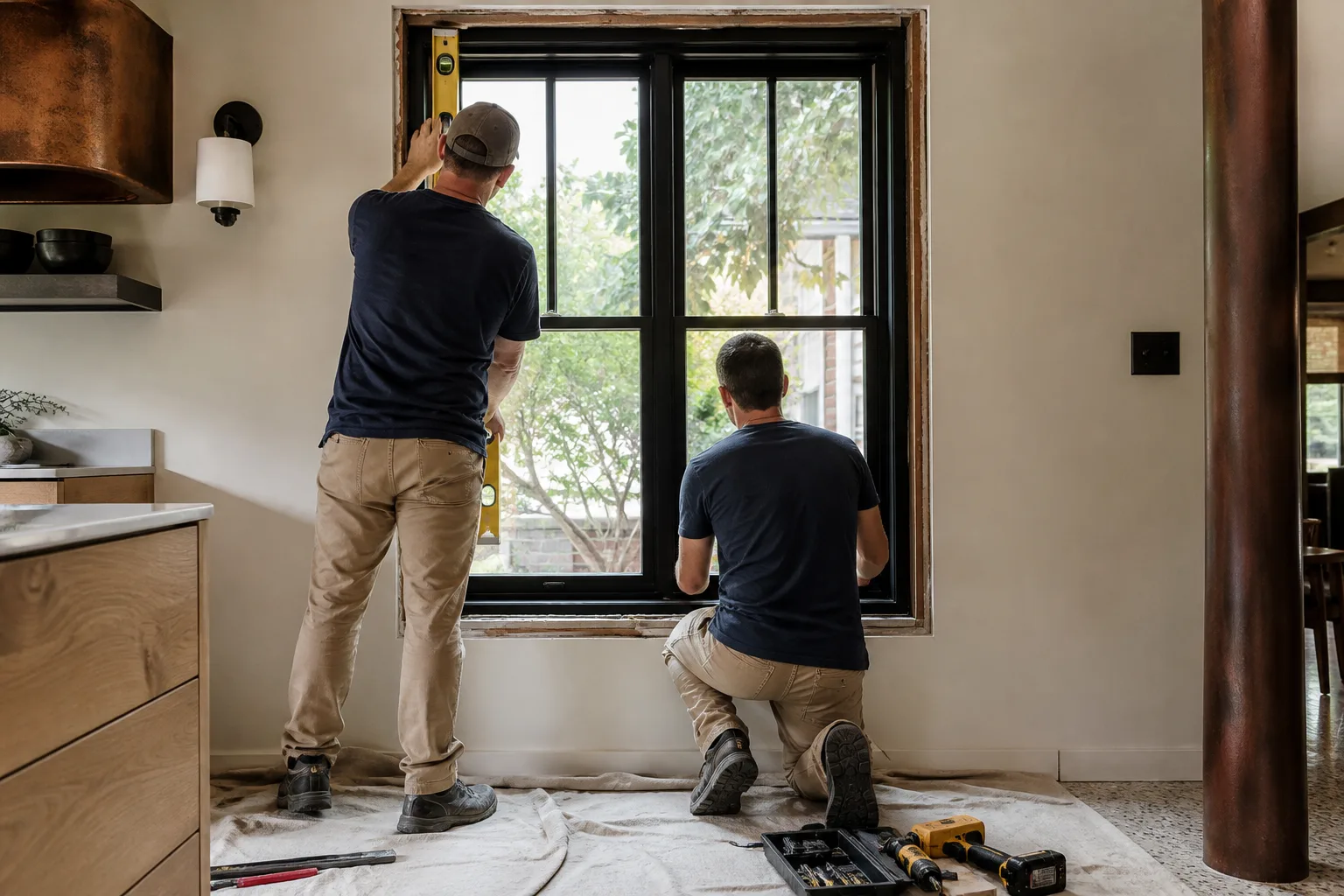
This is the part that doesn’t show up in a spec sheet, and it’s where a lot of Lake Forest re-window jobs go wrong. A tested DP rating assumes the window is installed the way the manufacturer’s protocol requires: correct flashing, correct anchoring at the specified spacing, and a rough opening within tolerance. Break any of those and the rated assembly no longer exists – you have a window with a good label and a weak seal.
On hillside lots, the stakes climb. Rough-opening tolerances that are forgivable on a flat inland tract become the source of air and water intrusion when the wall is taking suction during a wind event. Our installers are background-checked, arrive in uniform, and follow manufacturer installation protocols to the letter – not because we’re rigid, but because the DP rating depends on it. Every install is covered by the 730-Day Done Right Promise: if it’s not done right, we make it right. That’s the guarantee doing the work the spec sheet can’t.
The full-scope picture matters here too. Lake Forest’s housing stock is dominated by 1970s through 1990s tract homes and planned communities, many on original framing and flashing that weren’t detailed for today’s window assemblies. Our technicians have up to 12 years of experience and know when a rough opening needs reframing before a new unit goes in – a step a straight swap would skip. It’s the same foundation-to-finishline thinking that shows up in every Lake Forest service area project we take on.
What Window Specification and Installation Runs in Lake Forest
Pricing depends on the DP rating you actually need, the number of openings, and how much rough-opening work the assembly requires. These ranges reflect the Lake Forest market:
| Scope | Typical Range |
|---|---|
| Standard window replacement (whole-home or multi-unit) | $4,500-$15,000 |
| Impact-rated / high-DP window installation | $8,000-$25,000 |
Upfront pricing, no surprises – the number you see is the number you pay. Larger projects over $10,000 qualify for $1,000 off, and 0% financing for 18 months is available to make a full re-window plan manageable.
FAQs
A DP rating measures the wind load, in pounds per square foot, that a window assembly can withstand in both positive (inward) and negative (outward suction) directions without structural failure. In Lake Forest’s hillside neighborhoods, the negative-pressure figure is often the one that limits a window’s performance, so ask for both numbers, not the single headline figure.
Often yes. Graded slopes in Portola Hills and Foothill Ranch accelerate wind locally, so an exposed hillside wall can see higher dynamic pressure than a flatland home nearby. The right number depends on your elevation, wall orientation, and exposure – which is why we assess the lot before quoting. Call (855) 532-8973 for a free assessment and an exact figure.
Yes. Flashing, anchoring, and rough-opening tolerances are part of the tested assembly, so a break in any of them voids the rated performance even if the window itself is correctly specified. That’s why manufacturer installation protocols are non-negotiable on our jobs, and why every install sits behind the 730-Day Done Right Promise.
Impact-rated, high-DP window installation in Lake Forest typically runs $8,000-$25,000, depending on window count and rough-opening work. Standard replacement runs $4,500-$15,000. Call (855) 532-8973 for a free estimate – pricing is upfront and the number you see is the number you pay.
Get Your Wind Rating Right the First Time
A DP rating is only as good as the assessment behind it and the install that carries it. If you’d rather have someone walk your Lake Forest property and tell you the truth about your exposure, Groundwork Construction Co. of Lake Forest offers a no-pressure assessment – call (855) 532-8973 for a free estimate. Live person, 24/7.
Written by the team at Groundwork Construction Co. of Lake Forest, serving Lake Forest, CA.