Free written scope consultation - allowances, timeline, and change-order rules on paper before a single trade is scheduled
Styles & brands we work with
- Kitchen remodeling
- Bathroom remodeling
- Home additions & ADU
- Roofing
- Windows & doors
- Driveway & pavers
- Fence
See the difference
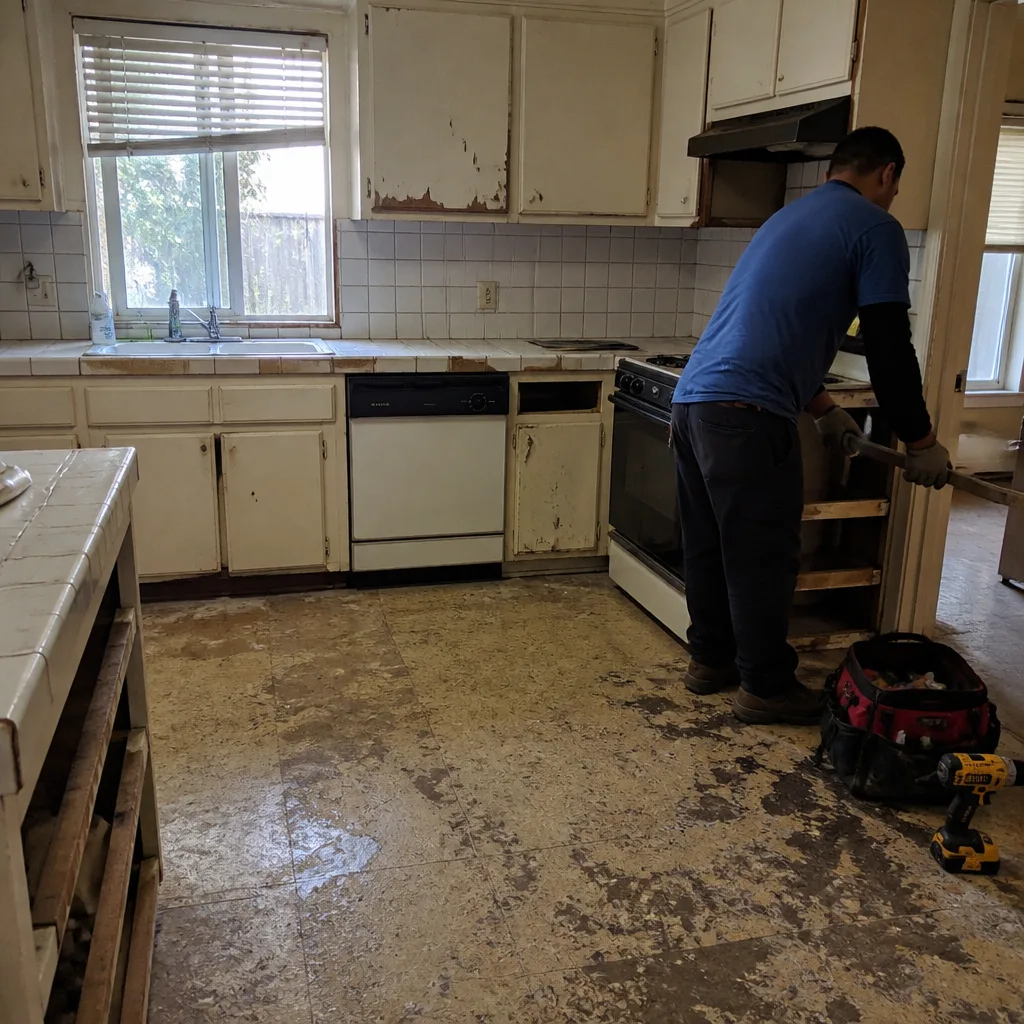 Before
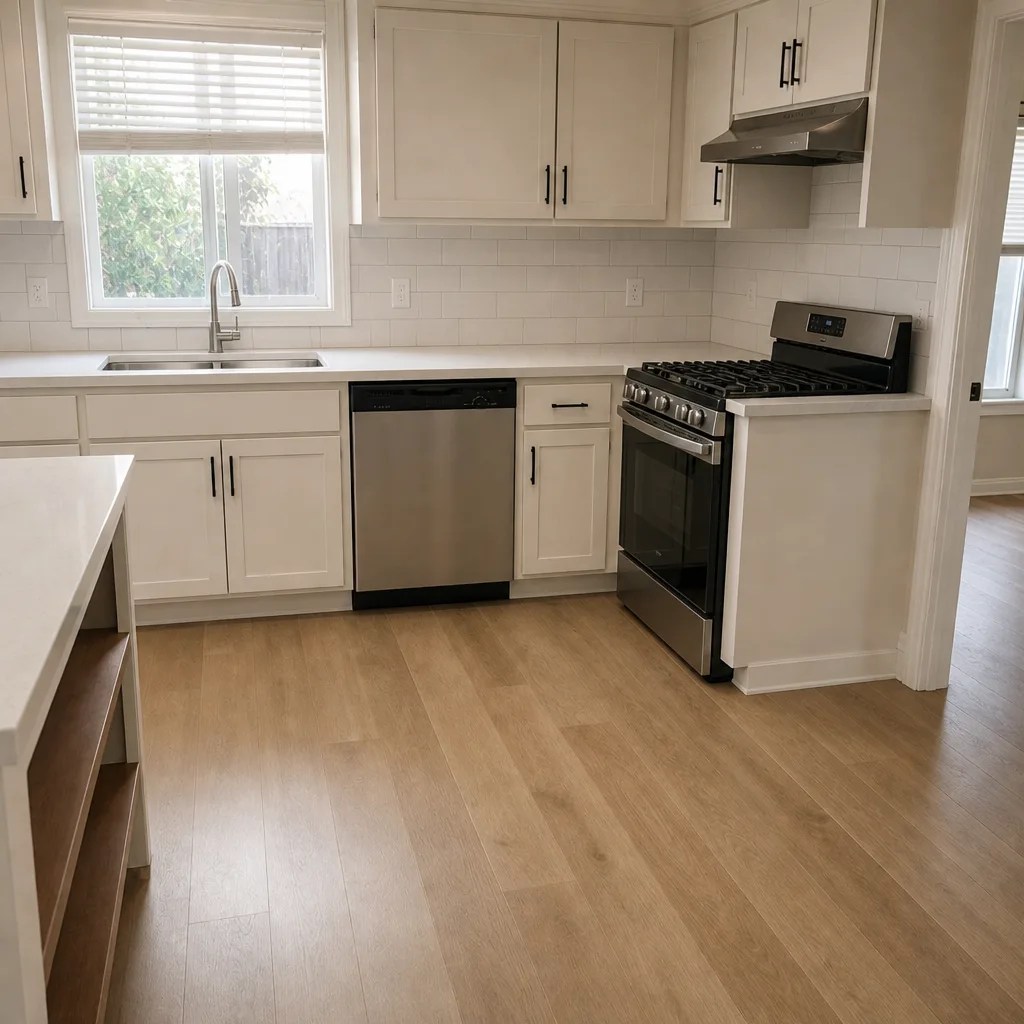 After
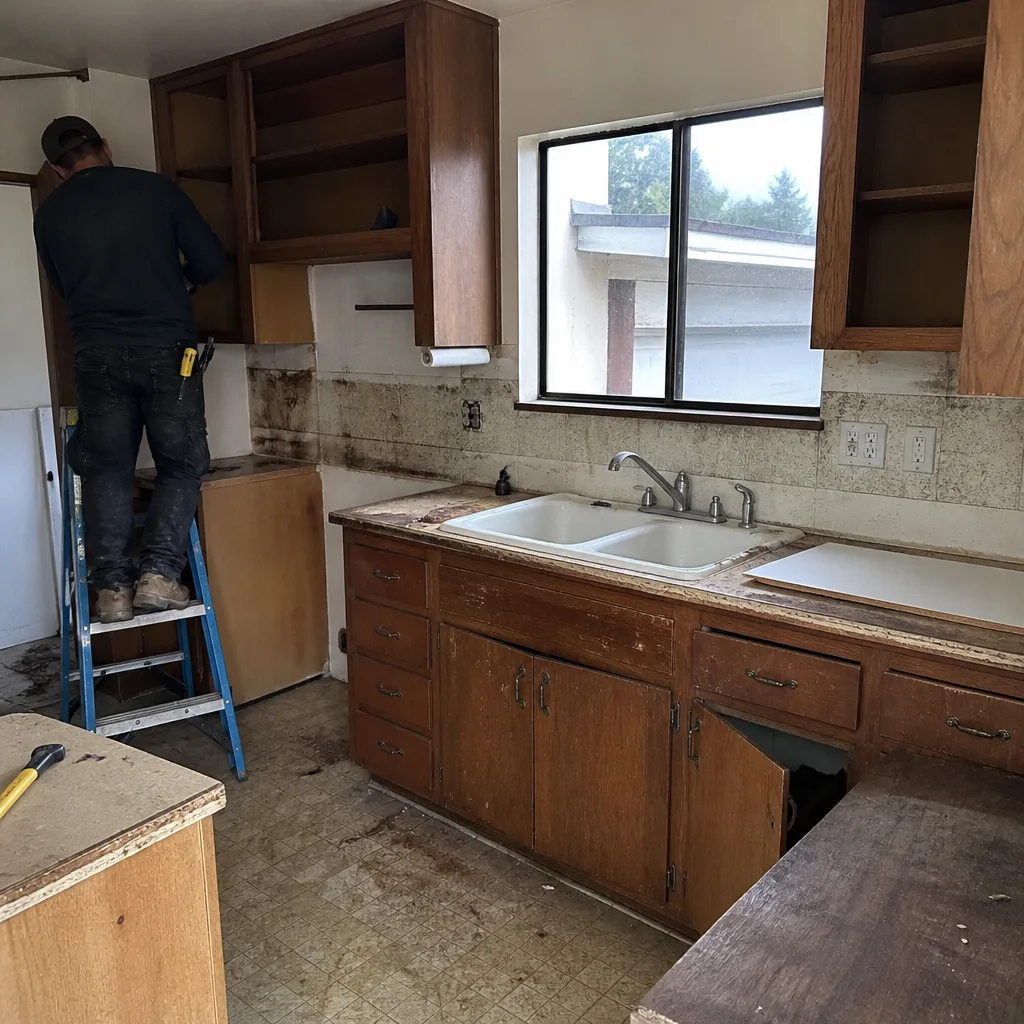 Before
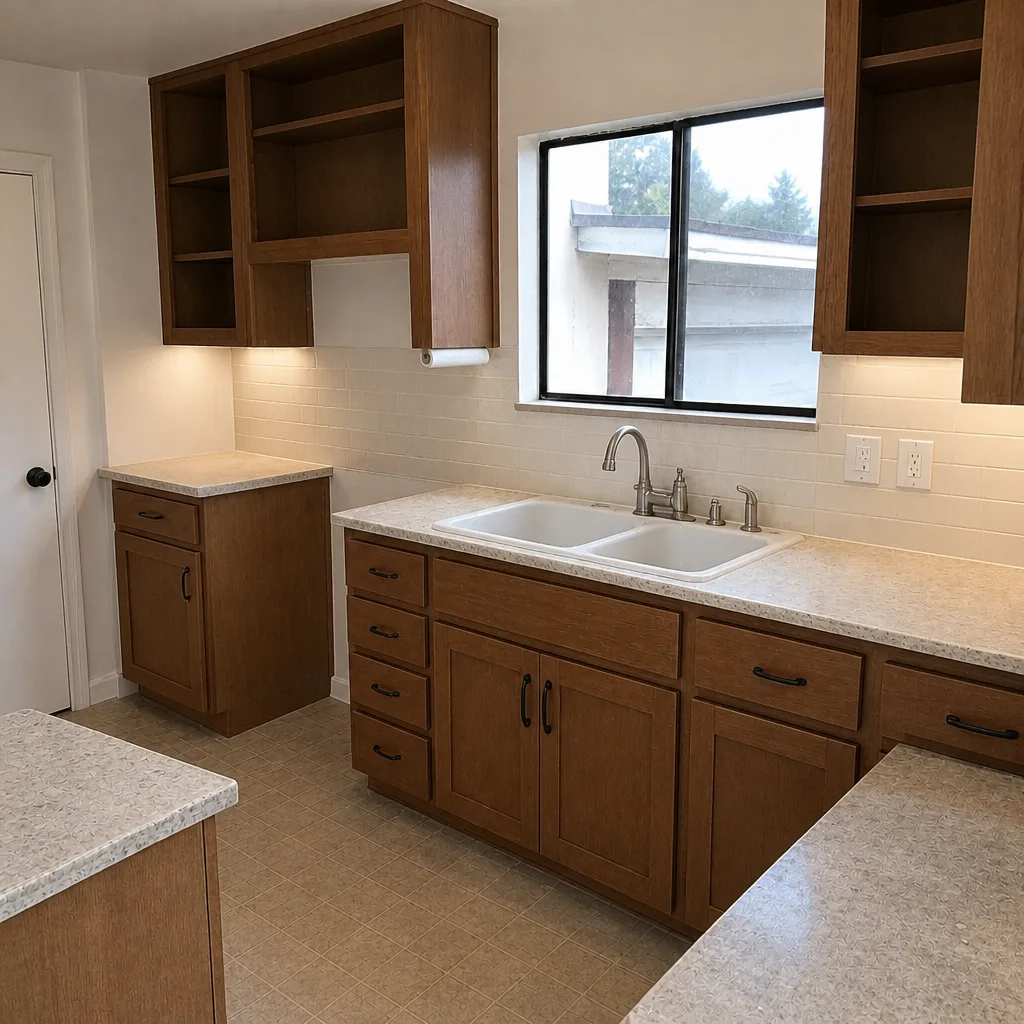 After
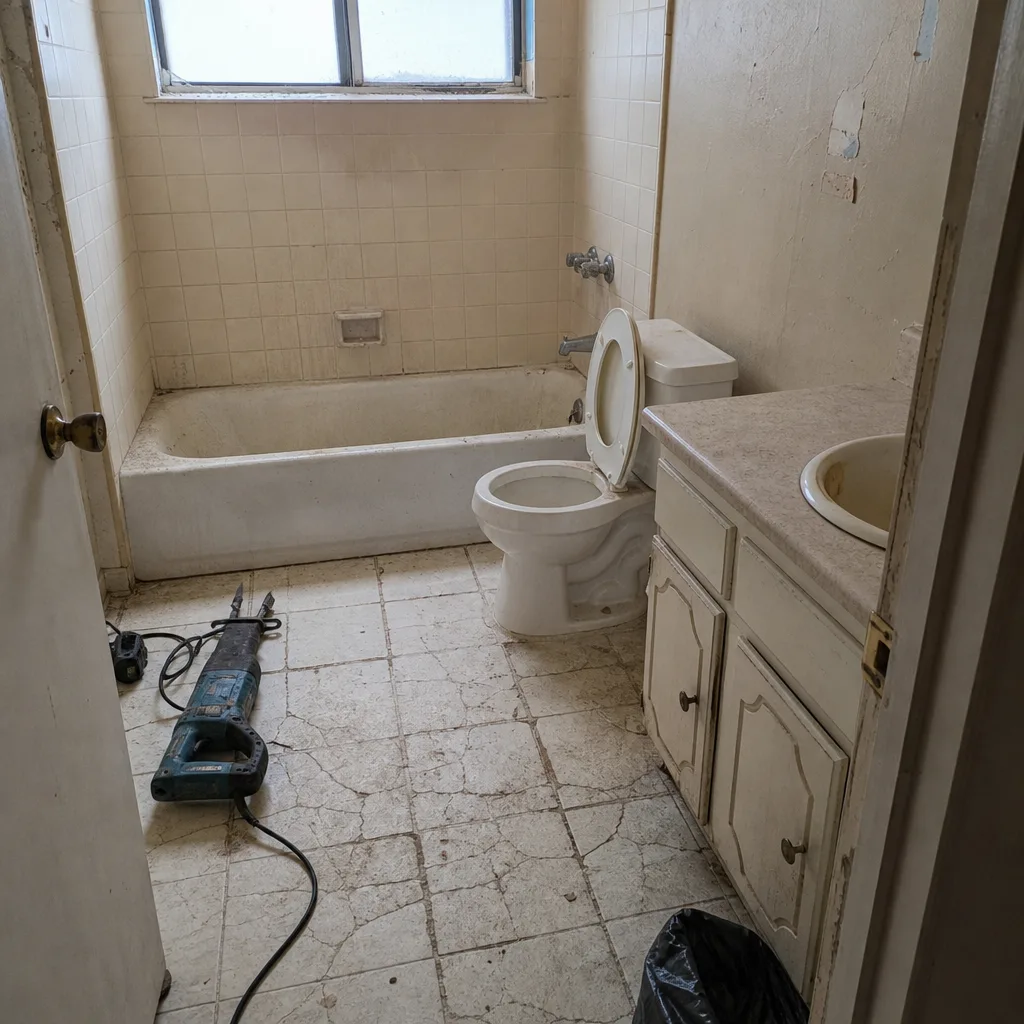 Before
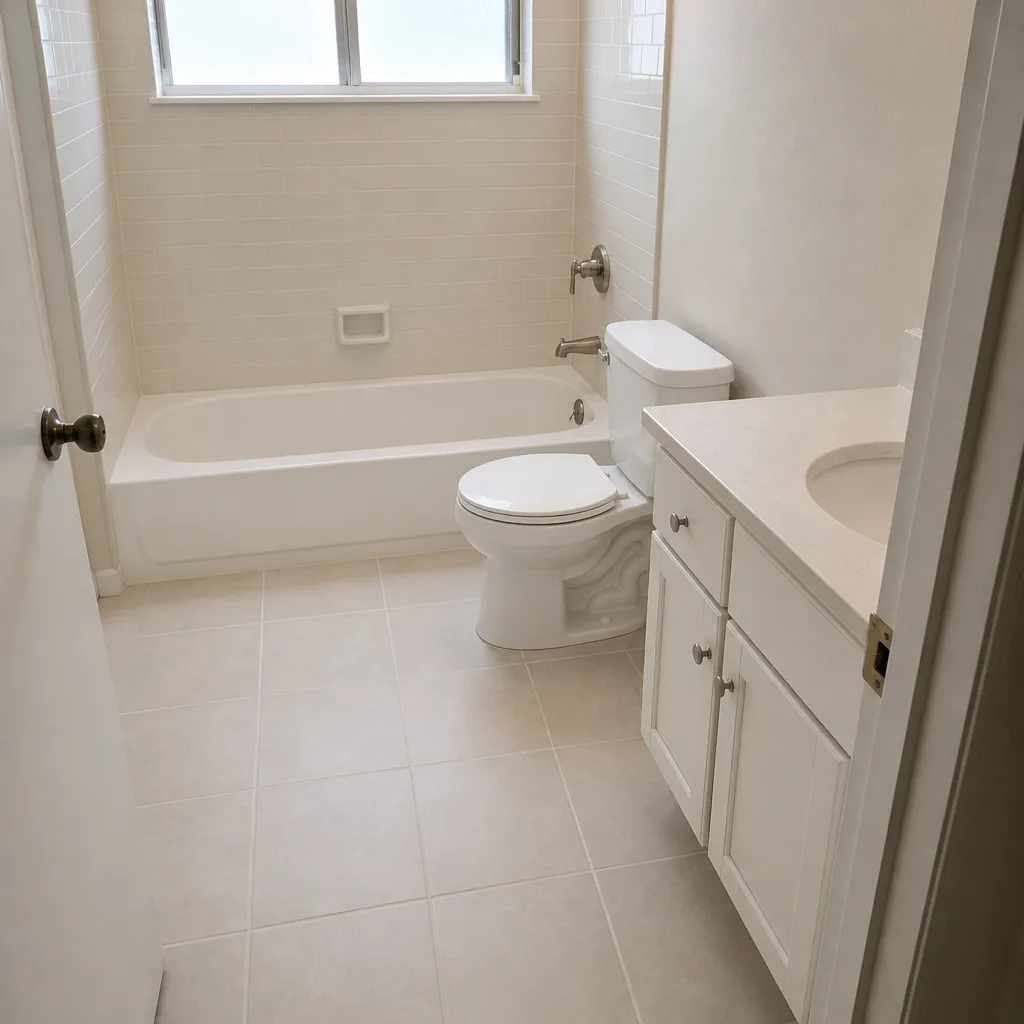 After
How Long Does a Paver Driveway Last in Lake Forest, CA?
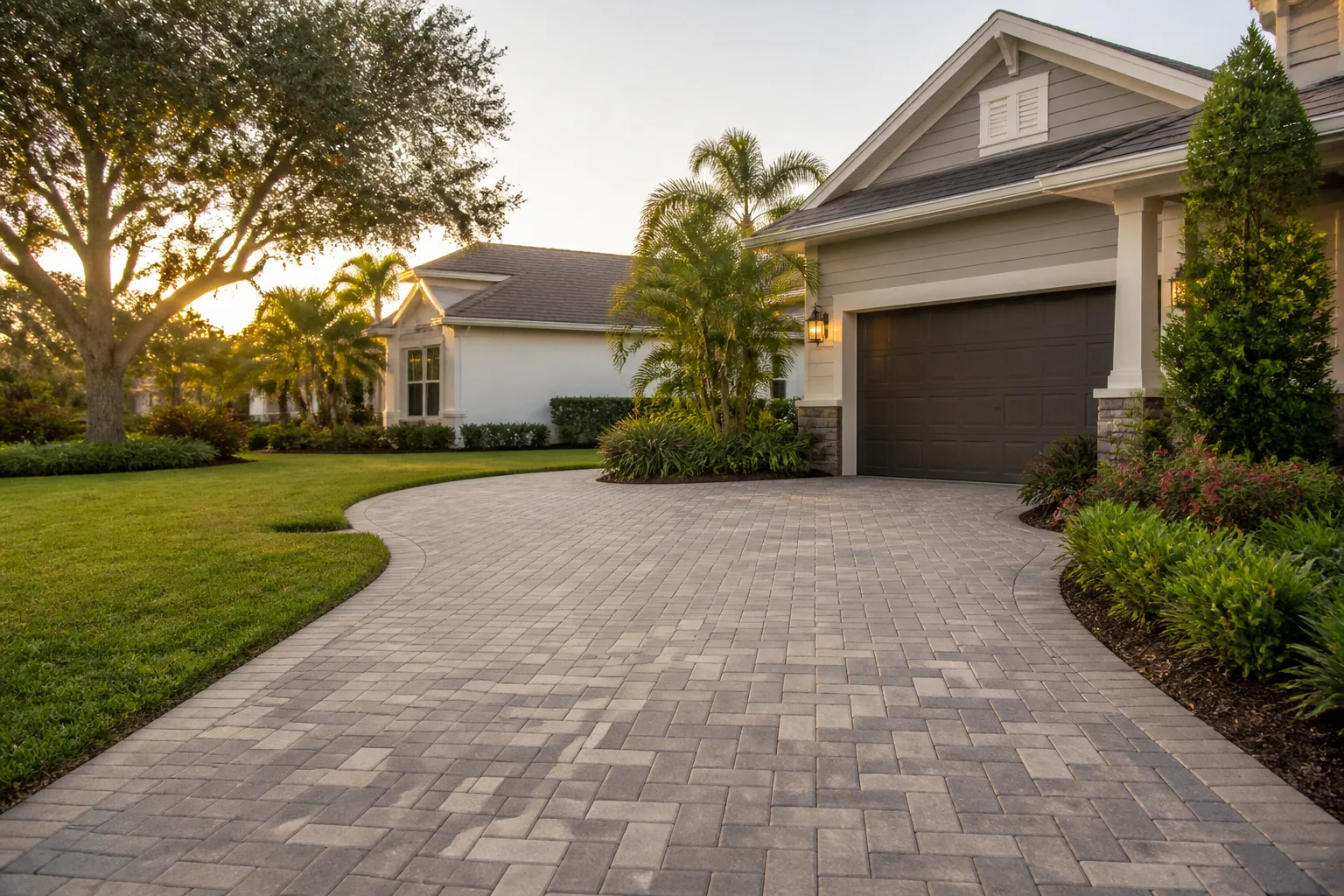
The paver surface itself can last 50 years or more; the base system underneath it usually lasts 10 to 25 years. The number that actually matters for your Lake Forest driveway is the second one, because pavers don’t fail, the base does. A quality concrete or natural stone paver won’t wear out from driving or weather in your lifetime. What gives out is the compacted aggregate holding those pavers in place, and in Lake Forest’s wet winters on sloped lots, that base takes a beating every rainy season. Get the drainage right on day one and you’re parking on this driveway in 30 years. Get it wrong and you’ll be resetting rocking pavers in year eight. If you want a straight assessment of what you’re working with, call (855) 532-8973.
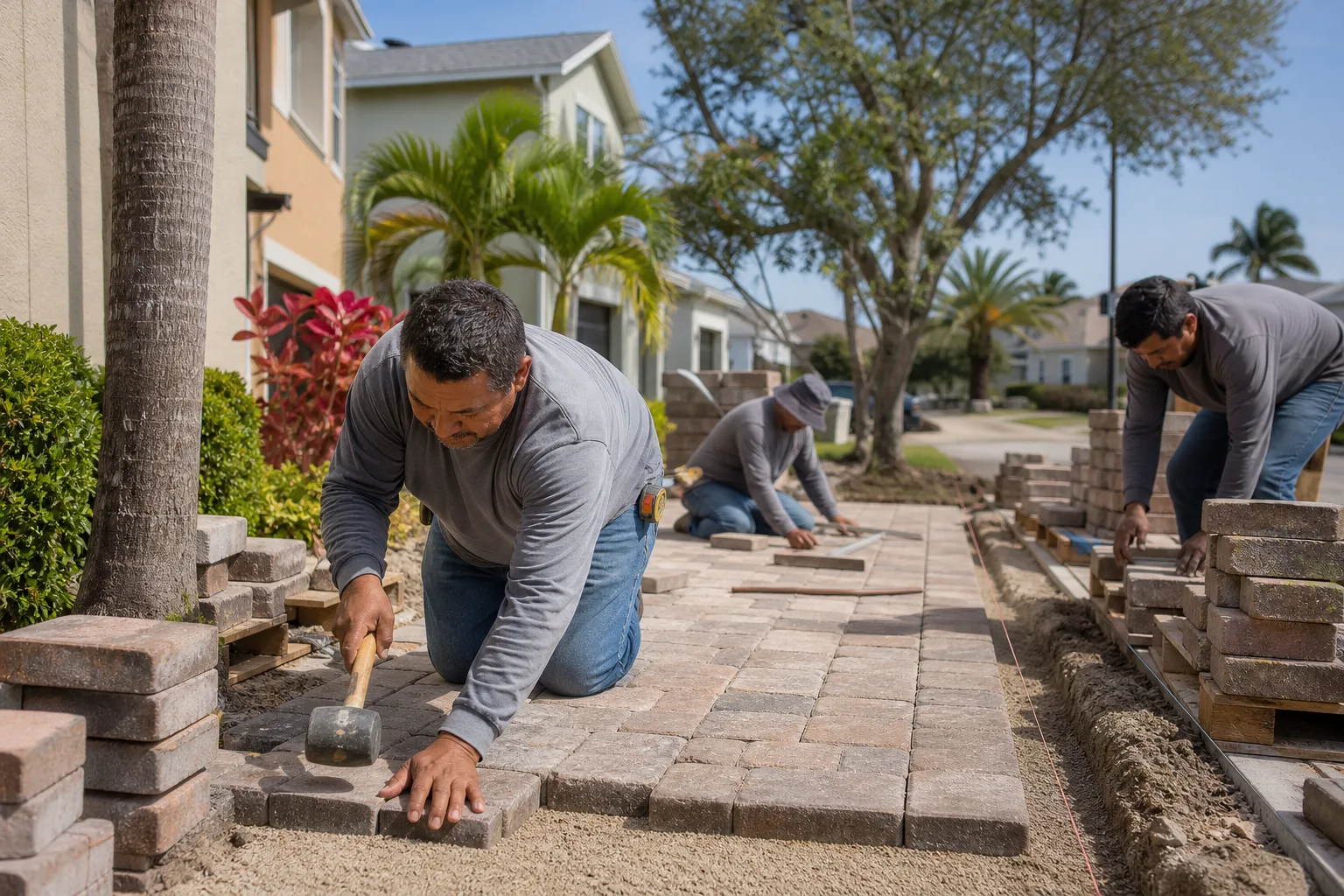
Why the Base Fails First in Lake Forest Winters
Lake Forest sits in a semi-arid inland pocket of Orange County. Summers bake the ground. Winters bring concentrated rain that has to go somewhere. On flat ground, water pools and slowly percolates. On a sloped lot in Portola Hills or Foothill Ranch, water gains direction and speed as it runs downhill, and it carries energy with it.
Here’s what that does to a driveway base. Underneath the pavers sits a compacted layer of crushed aggregate, and underneath that sits the native soil, which in much of Lake Forest is a clay-loam mix. Clay-loam doesn’t drain well. When winter rains saturate it, the soil swells and softens. Base aggregate migrates into that soft layer, or gets pushed sideways. The pavers above lose their support, settle unevenly, and start rocking. This is the dominant failure mode in Lake Forest, and it has almost nothing to do with the pavers themselves.
We’ve seen this play out on graded hillside lots where the driveway runs along a slope, channeling runoff toward the garage or the street. Without engineered drainage (a proper slope, a channel drain, or a French drain along the low edge), that water sits in the base and does its damage season after season. A driveway that looks fine in September can show its first settlement lines by February.
Surface Lifespan vs. Base Lifespan
Homeowners conflate these two constantly, and it leads to real surprise. They buy pavers rated for decades, then assume the whole driveway carries that warranty. It doesn’t.
| Component | Typical Lifespan in Lake Forest | What Drives Failure |
|---|---|---|
| Paver surface (quality concrete or natural stone) | 50+ years | Mostly cosmetic: fading, staining, chipping from heavy loads |
| Base system (aggregate + compaction) | 10-25 years | Drainage, base depth, soil type, slope |
| Joint sand | 3-5 years per application | Winter rain washout, lack of reapplication |
| Edge restraint | 10-20 years | Roots, freeze-thaw, settling, vehicle strikes |
The base lifespan is the variable you actually control at installation. A base dug to proper depth (typically 6 to 8 inches of compacted aggregate for a residential driveway), compacted in lifts, with drainage graded correctly, is what buys you the higher end of that range. A thin base over uncompacted clay-loam is what puts you at the low end, no matter how good the pavers look on top. If you want the full picture of what goes into a proper installation, the Driveway & Pavers page breaks down the build.
How Maintenance Stretches the Lifespan
Base system longevity isn’t set in stone at installation. Three simple maintenance habits add real years, and none of them are expensive if you catch them early.
- Polymeric joint sand reapplication every 3 to 5 years. The sand locks the pavers together and keeps water from washing straight down into the base. Once it erodes, water goes where it shouldn’t. In Lake Forest’s wet winters, check it each spring.
- Edge restraint inspection every year. The edge restraint is the border holding the outer pavers in place. If it shifts, the whole field starts to migrate. A quick look each spring catches it before it spreads.
- Re-level settled sections before they compound. One rocking paver is a cheap fix. A field of displaced pavers is a rebuild. Catch settlement in its first season and you reset a small section instead of replacing the base.
None of this requires special skill. Inspecting your edge and joints after the rainy season is something any homeowner can do, and it tells you when to call. The earlier you spot the problem, the smaller the repair.
Pavers vs. Concrete and Asphalt in Lake Forest’s Climate
Lake Forest’s hot dry summers and mild wet winters create a specific stress cycle: expansion in the heat, contraction in the cool, and moisture intrusion between the two. Concrete slabs handle this poorly. You get hairline cracks that open up, and once water gets into a crack and a cool night freezes it, that crack widens. Asphalt is more flexible but degrades in heat and needs resealing every few years.
Pavers handle thermal movement better because the joints between them act as expansion points. There’s no monolithic slab to crack. When one paver does fail (a chipped corner, a stain that won’t come out), you pull that single unit and replace it. You don’t repour a whole section. That repairability is what makes pavers cost-effective long-term, even though a full paver driveway installation in Lake Forest runs $7,000 to $18,000, and concrete driveway installation runs $4,500 to $12,000. The higher upfront cost pays back through repairs you don’t have to make and a surface that doesn’t need resurfacing in year fifteen. Asphalt paving runs $3,500 to $9,000, but it’s the shortest-lifespan option of the three.
Material choice matters too. Premium concrete pavers and natural stone units from established manufacturers hold up better than low-cost alternatives that spall and fade early. We work with Belgard and other top-tier paver brands so the surface layer is genuinely built to outlast the base it sits on.
Where the 730-Day Done Right Promise Fits
Installation defects reveal themselves in the first two years. That’s the highest-risk window of a paver driveway’s life, and it’s exactly the window most installation warranties don’t cover well. A poorly compacted base won’t show settlement in month one. It shows in the first real rainy season, or the second.
Groundwork Construction Co. of Lake Forest backs every paver project with our 730-Day Done Right Promise. If base settlement or joint failure shows up in those first two years, we make it right. That’s one of the longest workmanship guarantees in the residential construction space, and it covers the period when shortcuts become visible. Our technicians have up to 12 years of experience, they’re background-checked, and they arrive in uniform. If you’re weighing this project against other exterior work, you can see how pavers compare to a concrete driveway in Lake Forest or browse our full range of home services from foundation to finish line.
FAQs
The paver surface lasts 50 years or more, but the base system typically lasts 10 to 25 years depending on base depth, drainage, and soil conditions. In Lake Forest’s clay-loam soil on sloped lots, that base lifespan is the number that drives replacement timing. A properly built base with good drainage gets you toward the high end. Call (855) 532-8973 for a no-pressure assessment of your current driveway.
Water has reached the base and the aggregate underneath has shifted or migrated into softened soil. Lake Forest’s winter rains saturate the clay-loam sub-base, and on sloped lots the runoff carries real directional force. The fix depends on how far the settlement has spread: a small section can be reset, a larger failure may need base repair. Call (855) 532-8973 for a free estimate and we’ll tell you which it is.
Repair is almost always cheaper when you catch it early, often far less than the $7,000 to $18,000 range for full paver driveway installation in Lake Forest. A single settled section reset before the displacement compounds costs a fraction of a rebuild. Replace when base failure is widespread or the drainage was never right to begin with. Call (855) 532-8973 and we’ll give you an honest read before you commit to either.
In most cases, yes, and timing it before the winter rains is smart. Base repair and re-leveling are best done in dry conditions so compaction and drainage work can be verified. Lake Forest’s dry season gives a window to correct drainage before the ground saturates again. Call (855) 532-8973 to schedule an assessment.
Get Your Driveway Evaluated Before the Next Wet Season
If you’d rather have it looked at, Groundwork Construction Co. of Lake Forest offers a no-pressure assessment in Lake Forest - call (855) 532-8973. We’ll check the base, the joints, the edge restraint, and the drainage, then tell you honestly whether you’re looking at maintenance or repair. Upfront pricing, live person 24/7, and estimates are free.
Written by the team at Groundwork Construction Co. of Lake Forest, serving Lake Forest, CA.