Free written scope consultation - allowances, timeline, and change-order rules on paper before a single trade is scheduled
Styles & brands we work with
- Kitchen remodeling
- Bathroom remodeling
- Home additions & ADU
- Roofing
- Windows & doors
- Driveway & pavers
- Fence
See the difference
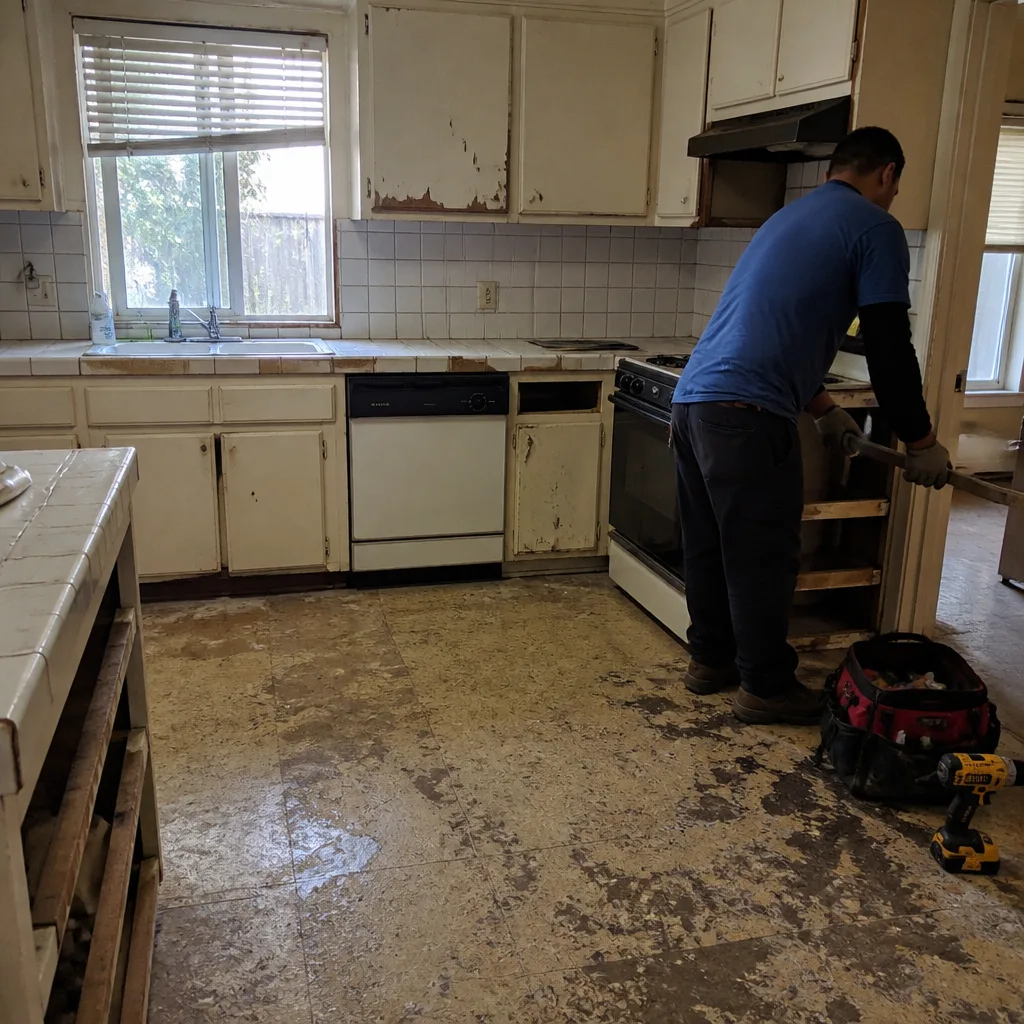 Before
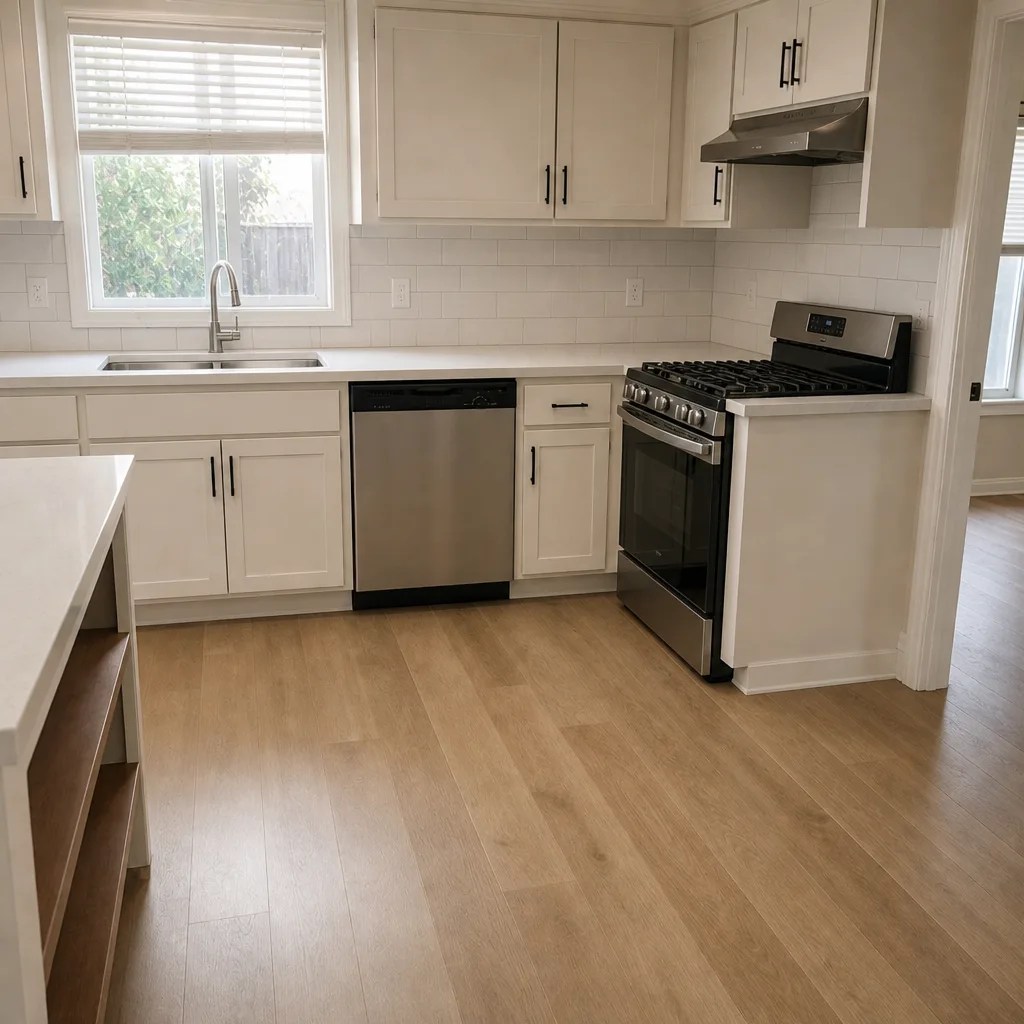 After
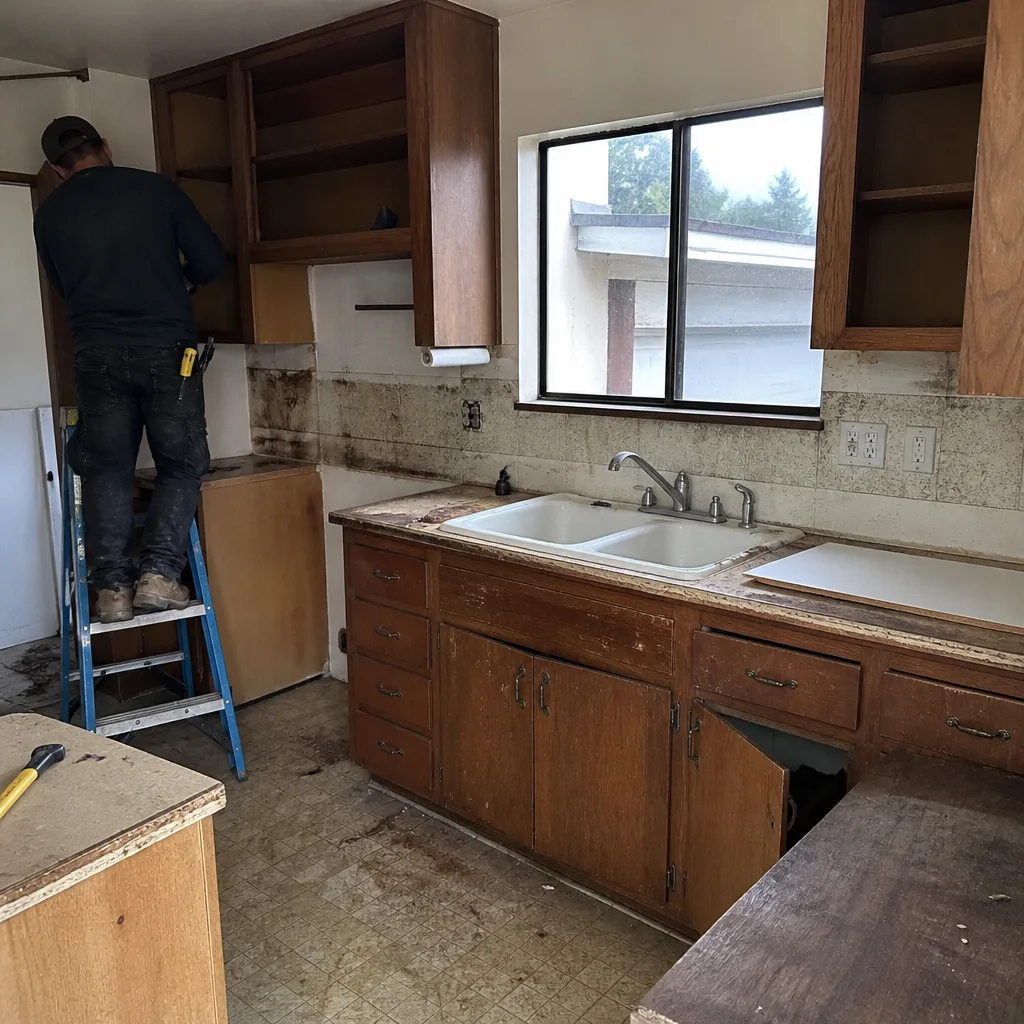 Before
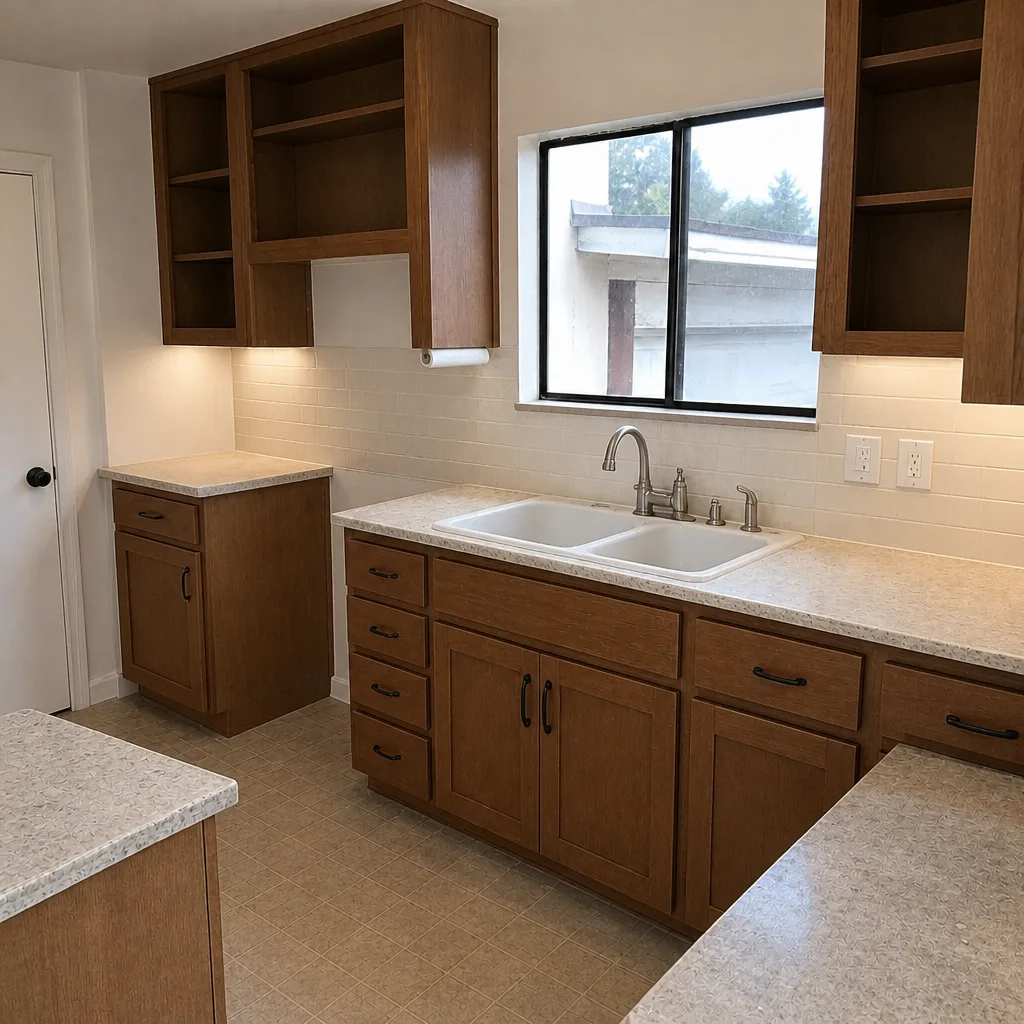 After
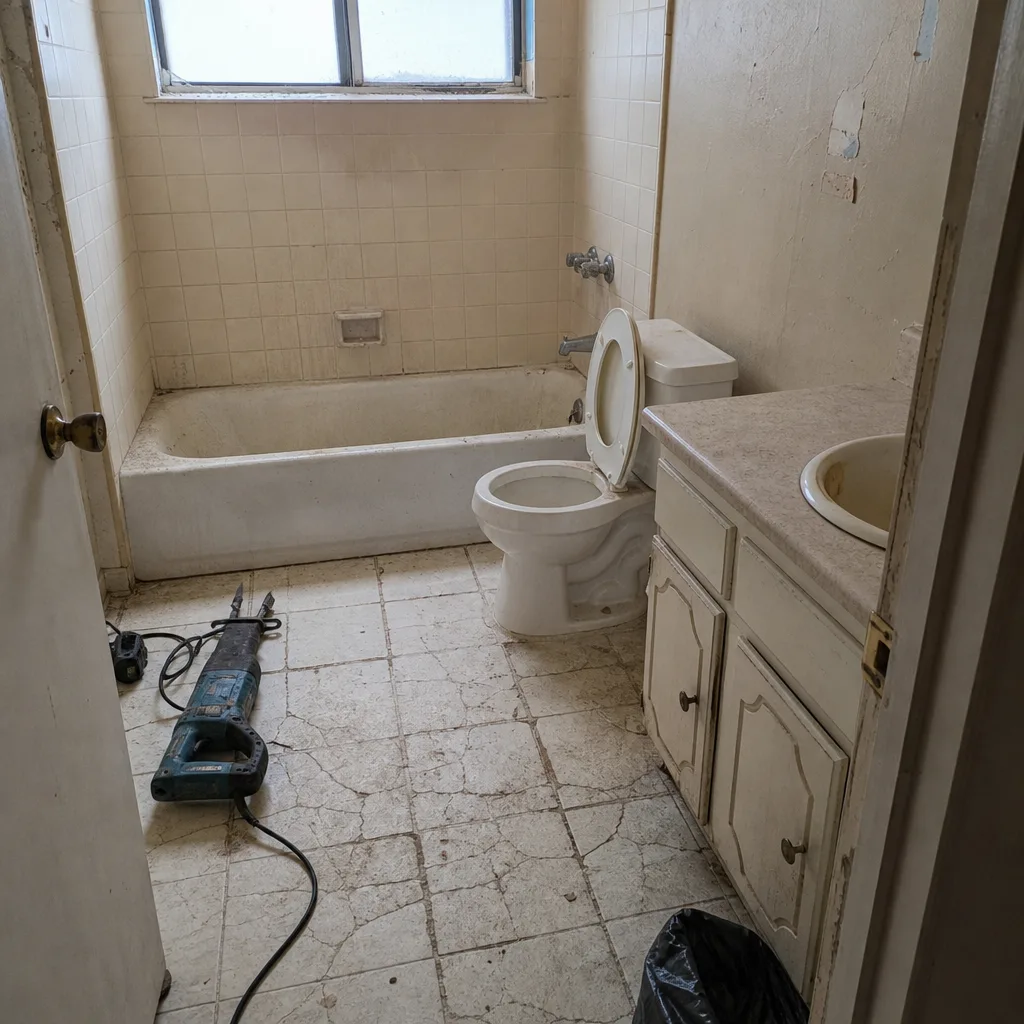 Before
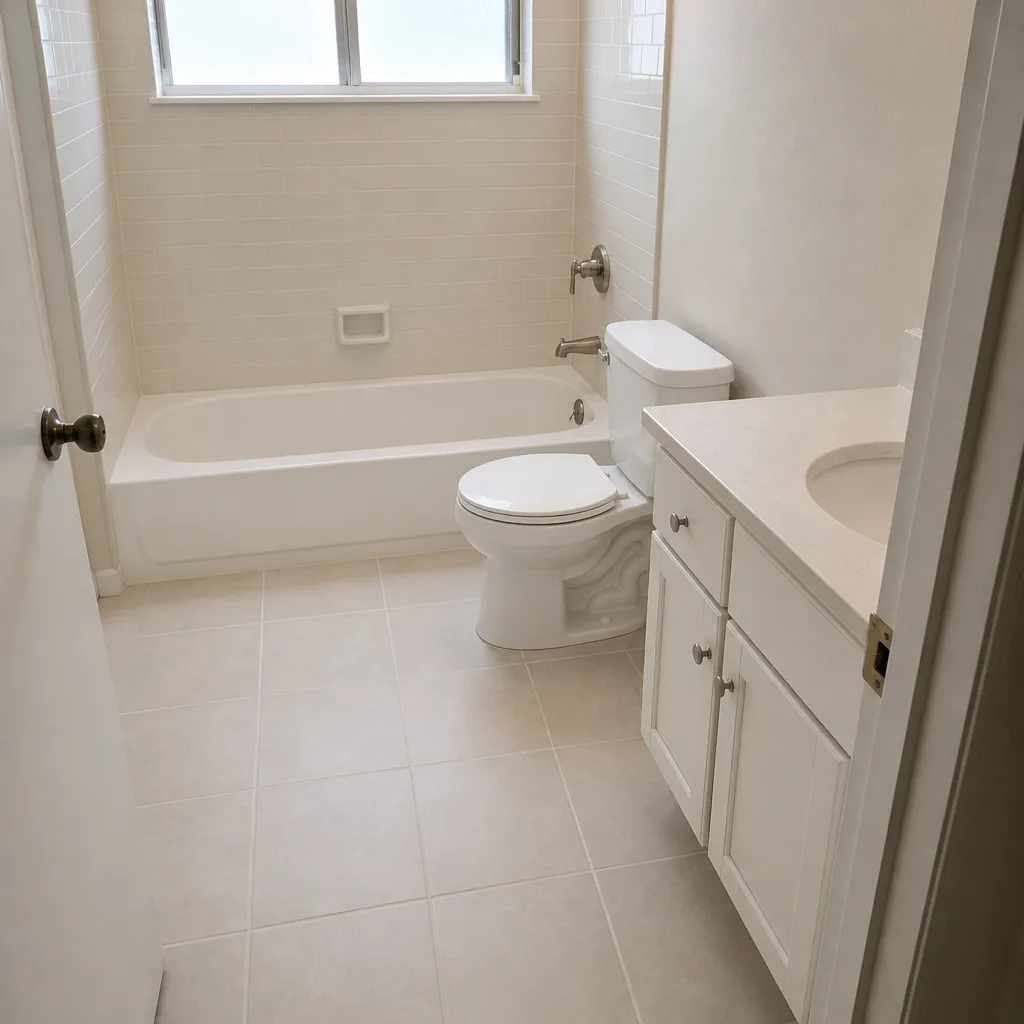 After
How Thick Should a Concrete Driveway Be in Lake Forest, CA? Five to Six Inches With Rebar, Not Four With Mesh
For most Lake Forest driveways, the right answer is 5 to 6 inches of concrete over a compacted base, reinforced with properly chaired rebar rather than wire mesh. The four-inch figure you see quoted everywhere is a national floor for flat lots and light cars. Lake Forest driveways slope, the soils move with the seasons, and the vehicles parked on them are frequently full-size trucks and SUVs. If you want the thickness settled for your specific driveway, call (855) 532-8973 and we’ll walk the site before anyone quotes a number.
Here’s the problem we see over and over. A homeowner in Foothill Ranch or Portola Hills gets a bid for a four-inch slab, takes it because the price looks reasonable, and two or three winters later is looking at a crack running out from the expansion joint or a spalled upslope edge. The concrete didn’t fail because it was bad concrete. It failed because four inches wasn’t enough for that site.
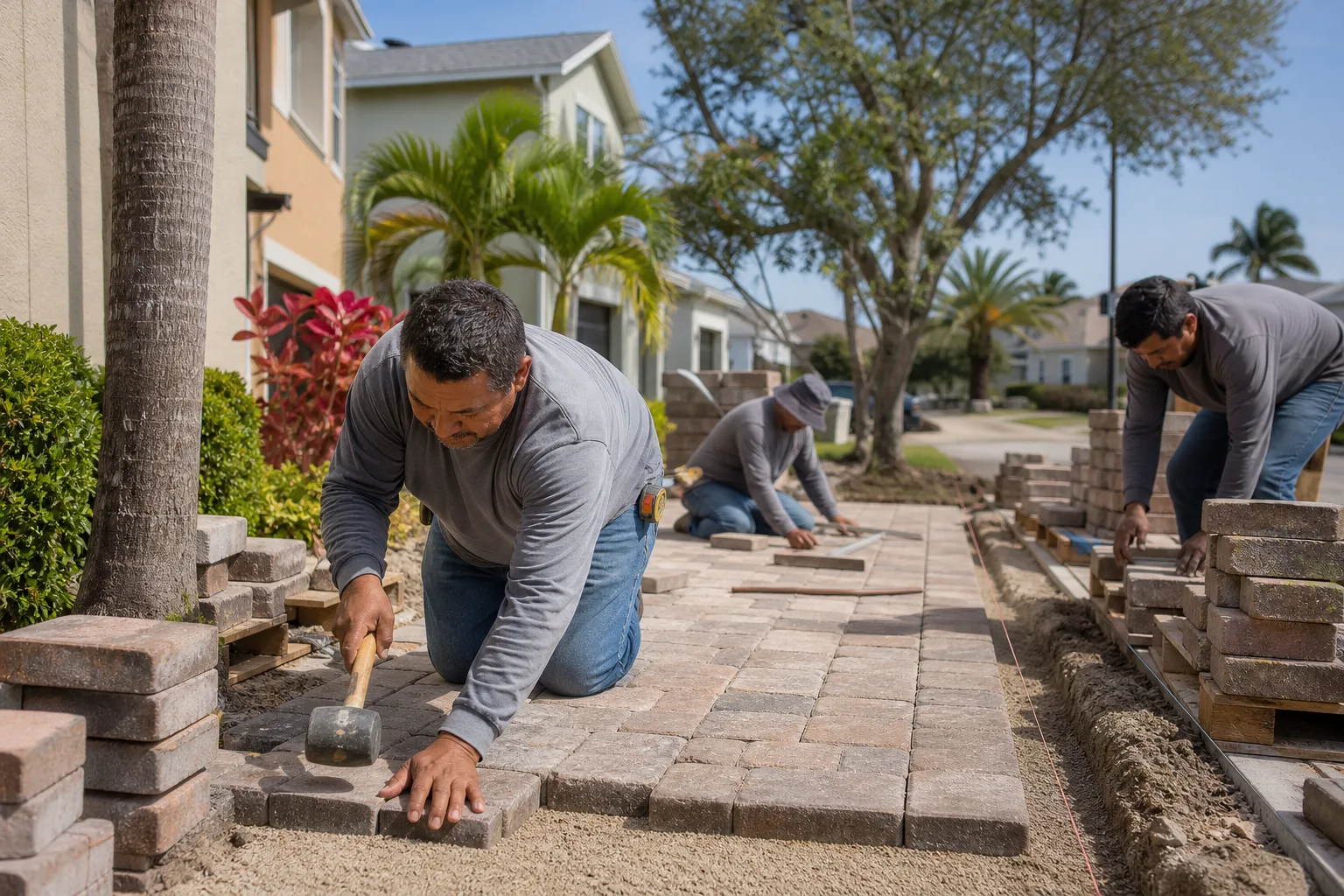
Why the Standard Four-Inch Answer Falls Short Here
Concrete is strong in compression and weak in tension. When the ground under it moves, the slab has to resist forces it can’t handle on its own, and that’s when cracks open. In Lake Forest, three conditions stack up to create more of that movement than a flat, stable lot would see.
The soil moves. A lot of Lake Forest sits on clay-influenced soils that swell when they’re saturated and shrink back as they dry. Our wet winters fill that clay up, our long dry summers pull the moisture out, and the slab goes along for the ride every cycle. Thin slabs fatigue at the joints and edges first. Five to six inches with correct rebar spacing has enough mass and tensile reinforcement to absorb the cyclic movement that a four-inch mesh slab can’t.
The driveway slopes. Graded driveways carry longitudinal shear stress that flat ones never see. The thinner the slab, the more vulnerable that upslope edge is when a loaded truck rolls onto it. Hillside lots around Portola Hills make this worse, and the Santa Ana winds that dry everything out in fall only tighten the wet-dry swing that drives soil movement in the first place.
The vehicles are heavy. Two-vehicle households with a pickup and a full-size SUV parked nose to tail put a steady load on the same slab every day. Four inches is fine for a compact car on flat ground. It’s marginal for 6,000 pounds of truck on a grade.
Rebar vs. Wire Mesh: What Actually Happens in the Pour
This is where a lot of driveways quietly lose their reinforcement. Wire mesh is supposed to sit in the middle of the slab, where it does the most good. In practice, crews walk on it, dump concrete on it, and rake it around, and the mesh ends up resting on the sub-base at the bottom of the pour. Reinforcement at the bottom of a slab does almost nothing for the tensile stress at the top. The homeowner paid for mesh and got a slab that behaves like unreinforced concrete.
Chaired rebar stays where it’s placed. We set it on bar chairs so it holds its position through the pour, and that placement is what genuinely extends slab life when the ground underneath is cycling. A four-inch slab with mesh that sank is worse than no reinforcement at all in some cases, because it creates a false sense of security.
- Slab thickness: 4 inches only for flat, light-duty, well-drained sites; 5 to 6 inches for sloped Lake Forest driveways and heavy-vehicle households.
- Reinforcement: #3 or #4 rebar on chairs at the correct spacing, never mesh laid on the base.
- Base prep: compacted aggregate base compacted in lifts, because thickness means nothing over soft ground.
- Control joints: cut to a depth of a quarter of the slab thickness, spaced so the slab cracks where you planned it to.
Curing: Why Thicker Slabs Cure Stronger in a Lake Forest Summer
Concrete doesn’t dry to strength. It cures, which means it needs moisture to keep the chemical reaction going. A thin slab loses its moisture fast, especially in July and August heat and wind, and it cures weak even if someone sprayed a surface treatment on it. A thicker slab holds moisture deeper and longer, which matters enormously here.
This is the part most bids never mention. Thickness buys you two things at once: more mass to resist load and movement, and more retained moisture during the critical first days of curing. When we specify thickness, we’re thinking about both.
What a Properly Spec’d Driveway Costs in Lake Forest
Thickness and reinforcement change the number, and we quote them before pricing so the figure you see reflects your site, not the cheapest slab someone can pour. Here’s what Lake Forest homeowners typically see:
| Scope | Typical Lake Forest Range |
|---|---|
| Concrete driveway installation | $4,500 – $12,000 |
| Driveway replacement | $5,000 – $14,000 |
| Paver driveway installation | $7,000 – $18,000 |
| Driveway sealing | $250 – $700 |
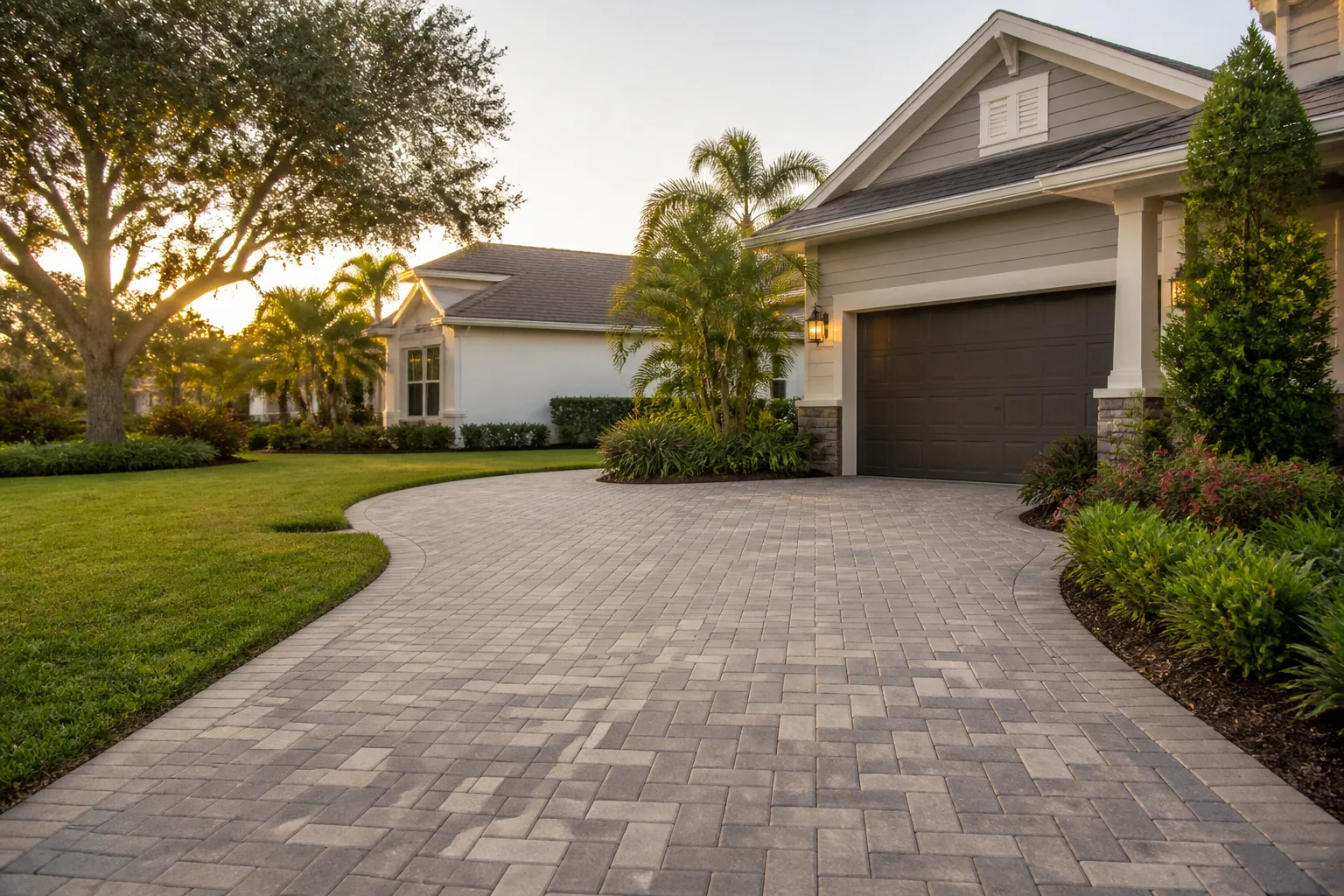
If you’re weighing poured concrete against pavers and pavers fit your site better, our Driveway & Pavers service covers that side of the decision. The thickness question still applies to the base either way.
How Groundwork Construction Co. of Lake Forest Specs Your Slab
We look at slope, the soil conditions on your lot, and the vehicles that will actually park there before we quote, so the thickness you’re paying for is the thickness your driveway needs. From foundation to finish line, every project is covered by our 730-Day Done Right Promise: if it’s not done right, we make it right. We use verified material partners like Quikrete for the mix, and our technicians have up to 12 years of experience. Calls are answered by a live person, 24/7, and technicians arrive background-checked and in uniform. Upfront pricing means the number you see is the number you pay, and 0% financing for 18 months plus $1,000 off projects over $10,000 takes the sting out of a full replacement.
Common Local Scenarios Where Thickness Decides the Outcome
A two-truck driveway on a Portola Hills grade. Sloped, heavy load, and a clay base that cycles. This is a five-to-six-inch slab with chaired rebar, full stop. Four inches cracks at the upslope edge within a few seasons.
An older tract home in Foothill Ranch. The original driveway is likely from the 1980s or 1990s. The slab may have shifted from soil movement over decades. Sometimes the best move is a full replacement specced for today’s vehicles rather than patching a slab that’s already failing.
An HOA community in Lake Forest Keys. Tight regulation on hardscape appearance and drainage. Thickness and drainage planning have to satisfy the architectural review as well as the engineering, and a proper pour specs both from the start.
FAQs
Five to six inches with rebar is the right spec for heavy trucks and SUVs, especially on a sloped driveway. Four inches is light-duty only. If you park a full-size truck or SUV on your Lake Forest driveway every day, plan for the thicker slab.
Four inches is generally the minimum, not the standard, for a Lake Forest driveway. Our clay-influenced soils move with wet-dry cycles, many driveways slope, and vehicles here run heavy. That combination pushes the right answer to five or six inches with chaired rebar. Call (855) 532-8973 for a free estimate on your specific site.
Yes, rebar on chairs is more reliable than wire mesh because it stays in the middle of the slab where it does the most good. Mesh frequently ends up at the bottom of the pour and adds little tensile strength. Properly chaired rebar genuinely extends slab life.
Thicker slabs hold moisture longer during curing, which is critical in Lake Forest’s hot, dry summers. A thin slab loses moisture too fast and cures weak even with surface treatments. Thickness improves both load resistance and cure strength.
Get Your Driveway Specced Right the First Time
If you’d rather have it looked at, Groundwork Construction Co. of Lake Forest offers a no-pressure assessment in Lake Forest. We’ll check your slope, soil, and vehicle load and tell you exactly how thick your driveway should be, with an upfront price to match. Call (855) 532-8973 for a free estimate, and browse our full home services for everything we cover.
Written by the team at Groundwork Construction Co. of Lake Forest, serving Lake Forest, CA.