
Free written scope consultation - allowances, timeline, and change-order rules on paper before a single trade is scheduled
Styles & brands we work with
- Kitchen remodeling
- Bathroom remodeling
- Home additions & ADU
- Roofing
- Windows & doors
- Driveway & pavers
- Fence
See the difference
 Before
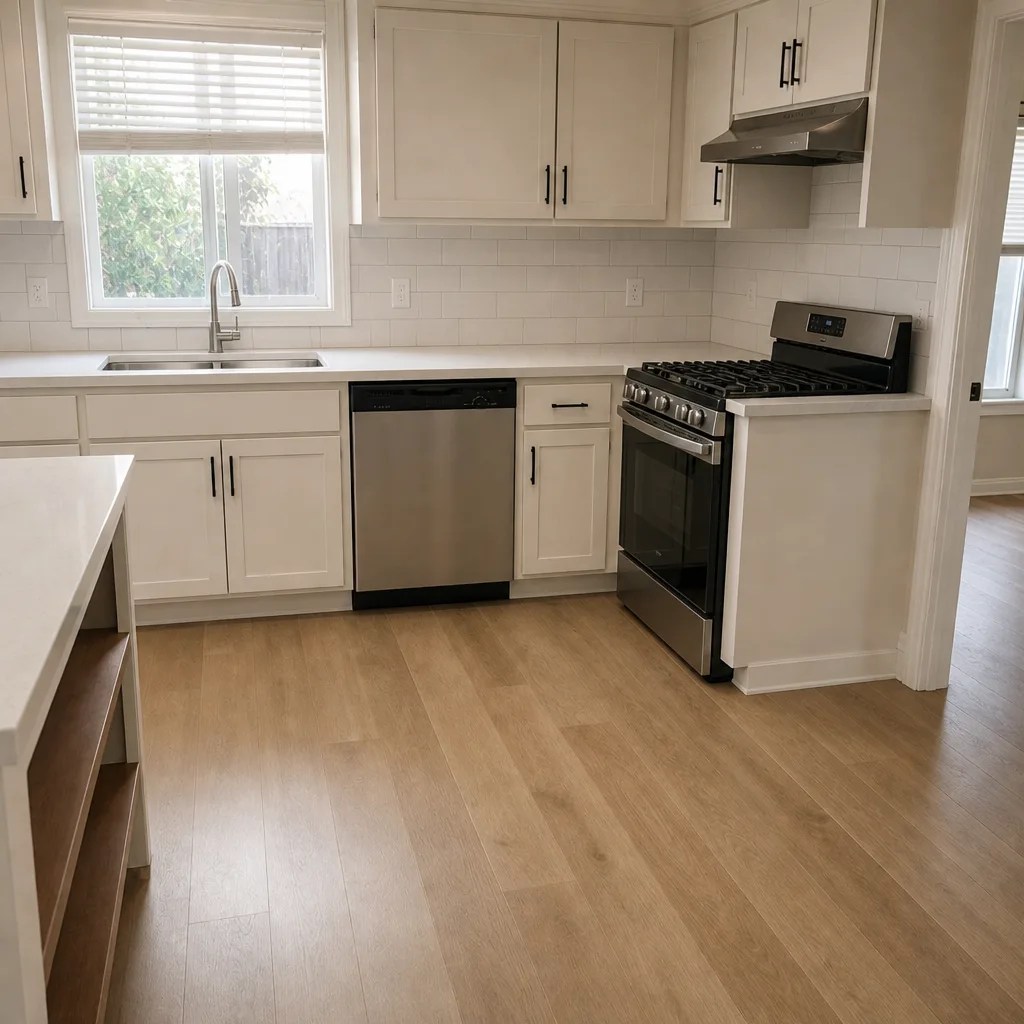 After
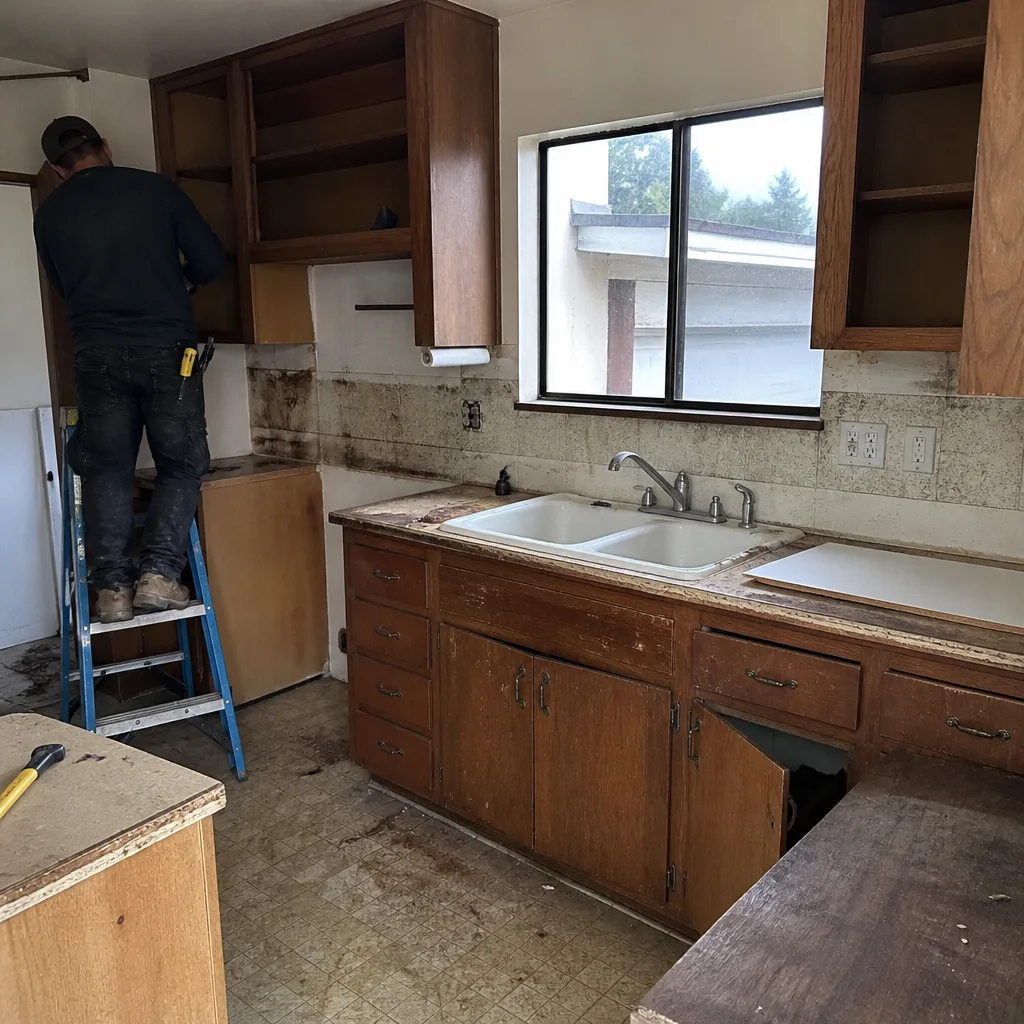 Before
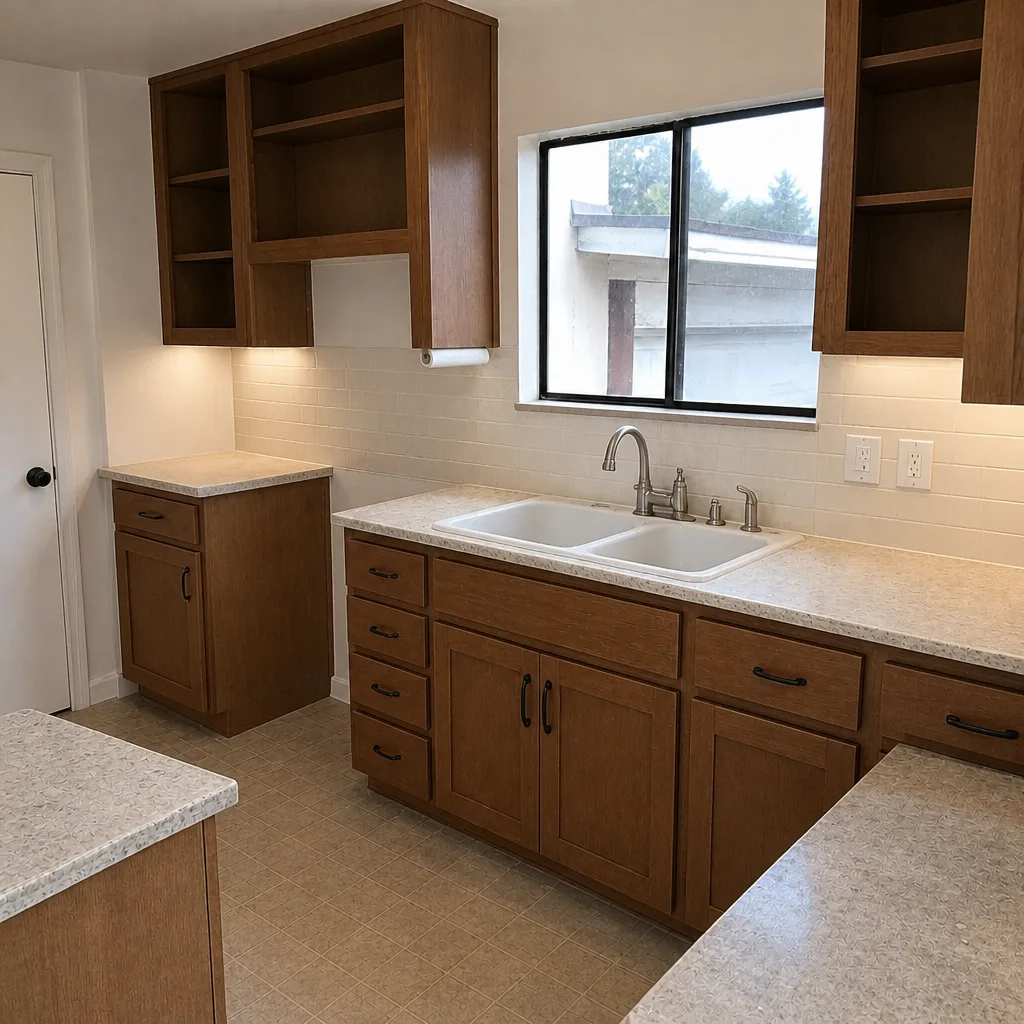 After
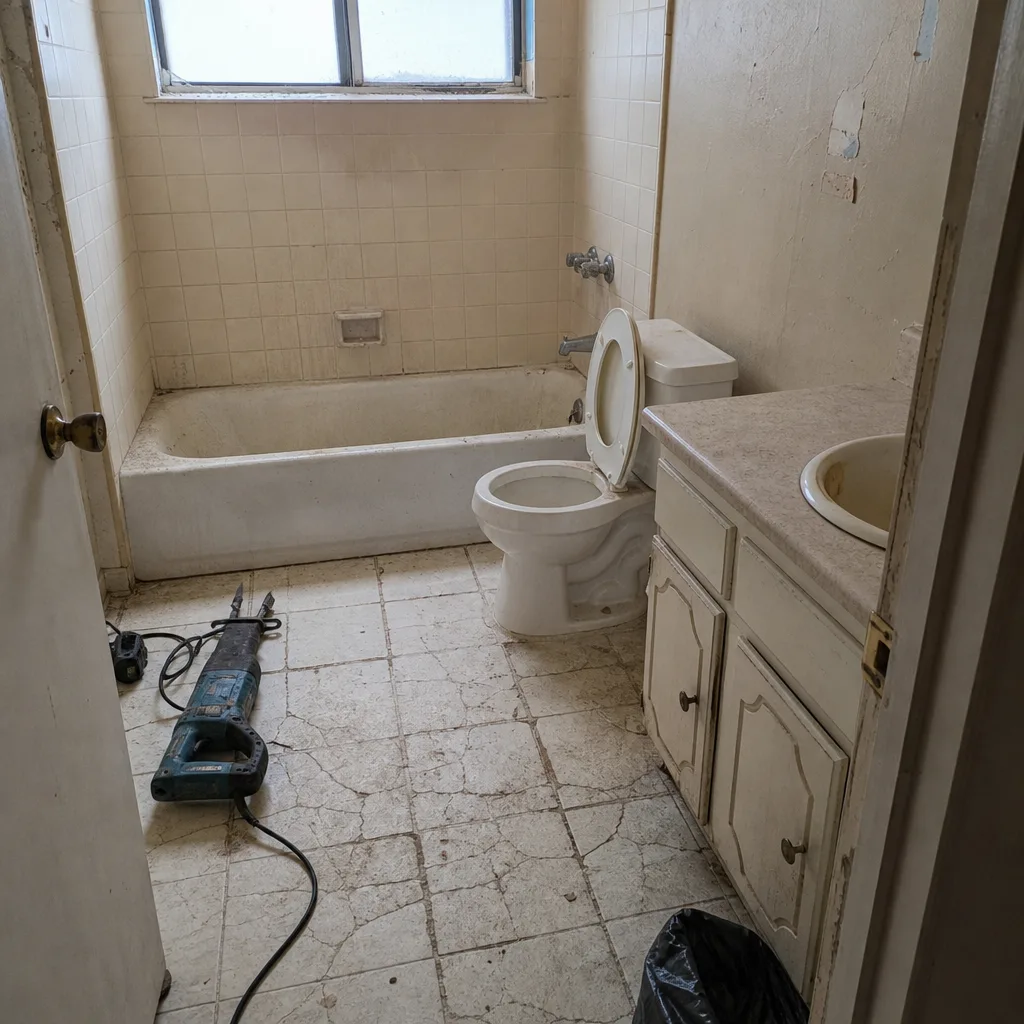 Before
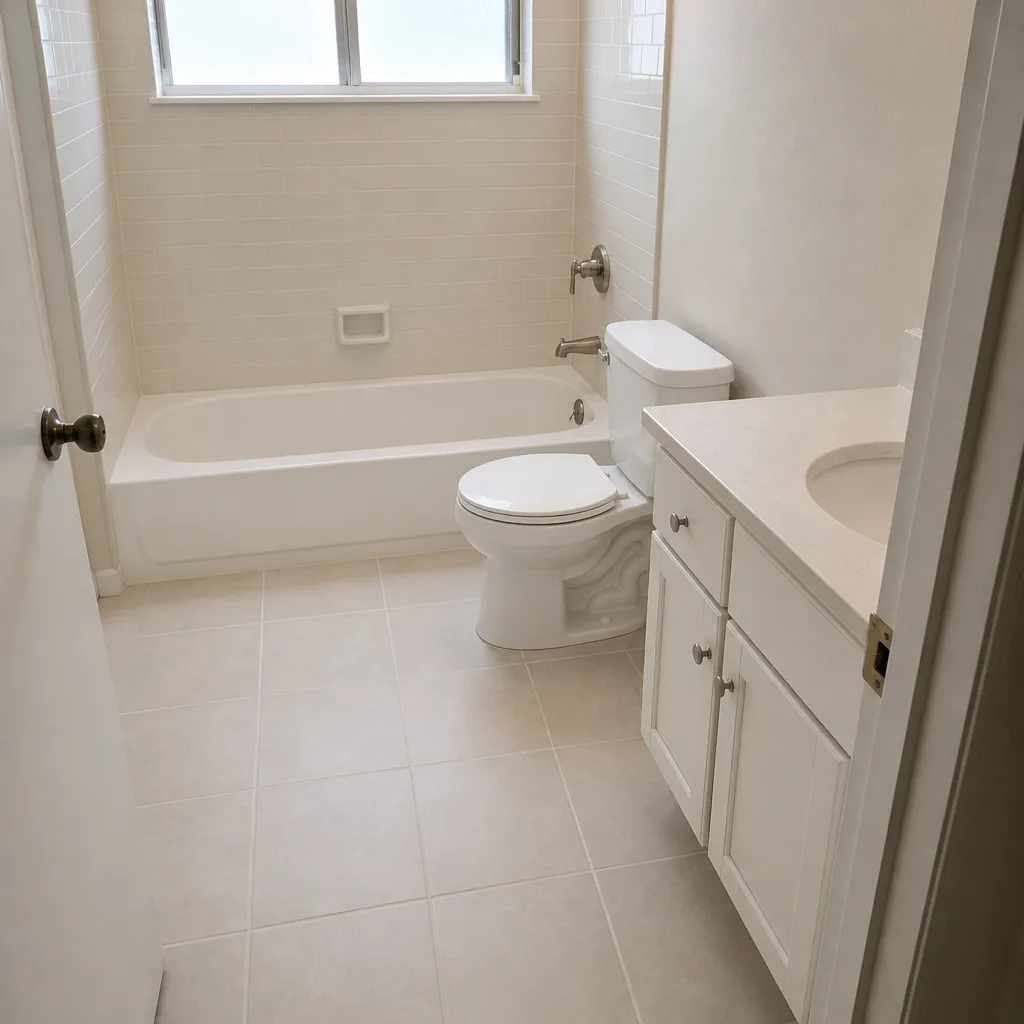 After
How Long Before You Can Drive on New Concrete in Lake Forest, CA?
The short answer: stay off new concrete with vehicles for at least 7 days, and keep anything heavy off the edges and corners for the full 28-day cure. In Lake Forest’s summer heat, that first week stretches longer than most homeowners expect. A slab can feel rock-hard underfoot in 48 hours and still be far short of the strength it needs to carry a car. If you need a pour scheduled or a slab assessed, call (855) 532-8973 for a free estimate.
Why Lake Forest Heat Makes New Concrete Fool You
Concrete poured on a 98°F August afternoon in Foothill Ranch can look ready to drive on by day four. The surface is dry, the color has gone pale, and a thumbnail barely scratches it. None of that tells you what’s happening inside the slab.
Here’s the part most homeowners never hear. Concrete doesn’t harden by drying out. It hardens through hydration, a chemical reaction between cement and water that happens on its own schedule no matter how hot the air is. High heat and low humidity pull moisture off the surface fast, which speeds up the top quarter-inch of the slab while the middle and bottom cure at their normal pace. You end up with a stiff crust over a slab that’s still green underneath. Drive a 4,000-pound SUV onto that and the weight travels straight through the crust into soft concrete below. Tire impressions, edge spalling, and hairline cracks show up within a few weeks, usually right where the slab meets the driveway apron.
Lake Forest sits in that semi-arid inland Orange County pocket where summer afternoons routinely run 15 to 20 degrees hotter than the coast. Santa Ana winds make it worse by stripping moisture off fresh concrete in hours. That’s why a pour in Portola Hills or Lake Forest Keys needs a different curing plan than the same pour in a coastal city.
What “Ready to Drive On” Actually Means in Strength Terms
Residential driveways and slabs should hit roughly 3,000 PSI before a vehicle loads them. Standard-cure concrete reaches that mark at about 7 days under moderate conditions. It keeps gaining strength for weeks after, topping out near its design strength around the 28-day mark.
Here’s a rough guide to the timeline we hand homeowners at project closeout:
| Milestone | Typical Timing | What It Means |
|---|---|---|
| Foot traffic | 24-48 hours | Walking on it is fine; keep pets and kids off for the first day. |
| Light vehicle load | 7 days minimum | Passenger cars and light trucks, straight in and out, no turning the wheel while stopped. |
| Full structural load | 28 days | Heavy trucks, RVs, tight turns, and edge parking. |
| Final design color | 28-30 days | Stamped or colored concrete keeps lightening as it cures. |
Those numbers assume standard conditions and proper curing. In a Lake Forest heat wave, with no curing compound applied and no misting, a slab can feel drivable at day five while sitting closer to 2,000 PSI. That’s a slab you’ll be repairing inside a year.
The Curing Protocol That Decides Your Timeline
Curing compound is the quiet hero here. It’s a spray-on membrane that slows surface evaporation so the whole slab dries at a more even rate. A contractor who skips it on a hot day, or sprays it thin, is handing you a slab that looks ready early and fails early.
The hot-weather routine we use in Lake Forest looks like this:
- Cure and seal within hours of finishing – not the next morning. Surface moisture loss in the first six hours is what determines long-term strength.
- Mist the surface during the first 24 hours when temps push past 95°F. Light fogging, never pooling water.
- Keep sun off the slab with shade cloth or damp burlap on the hottest pours, especially on west-facing driveways that bake all afternoon.
- Skip the temptation to speed-cure with wet-downs after day two. That’s when controlled curing matters more than rapid cooling.
Concrete poured under those conditions reaches 3,000 PSI on schedule and holds its color better. Poured without them, it can take 10 to 14 days to get to the same strength, and the surface will show it.
The Edge Problem Nobody Warns You About
Slab edges and corners are the last areas to reach full structural strength. Water evaporates from three sides at an edge instead of one, so those zones stay weaker longer. A 28-day-old slab can be perfectly strong in the middle and still vulnerable at the apron where it meets the garage floor.
That’s why we tell Lake Forest homeowners to hold off on tight turns and edge parking for the full 28 days even after the field of the slab is drivable. Back straight in and pull straight out for the first month. No U-turns in the driveway, no parking a wheel on the edge. In hillside neighborhoods around Portola Hills and Foothill Ranch, where driveways often slope and cars sit at an angle, this matters more than on a flat tract driveway. Gravity works the edge harder.
Hairline cracking along an edge poured on graded slope isn’t a defect every time. But it becomes one fast if you load that edge before it’s ready, and repairs to a cracked edge never blend invisibly.
Where the Timeline Connects to the Rest of Your Project
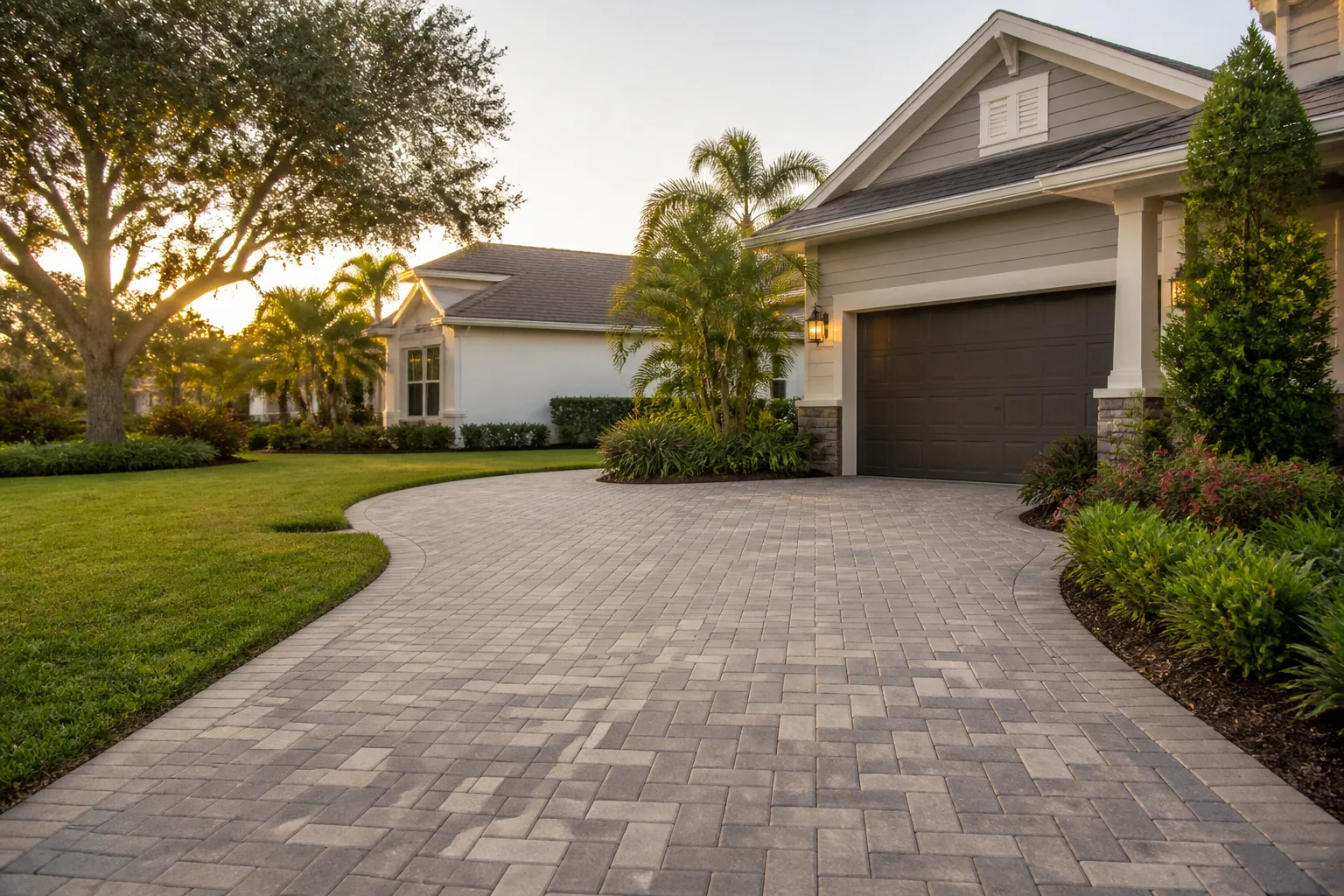
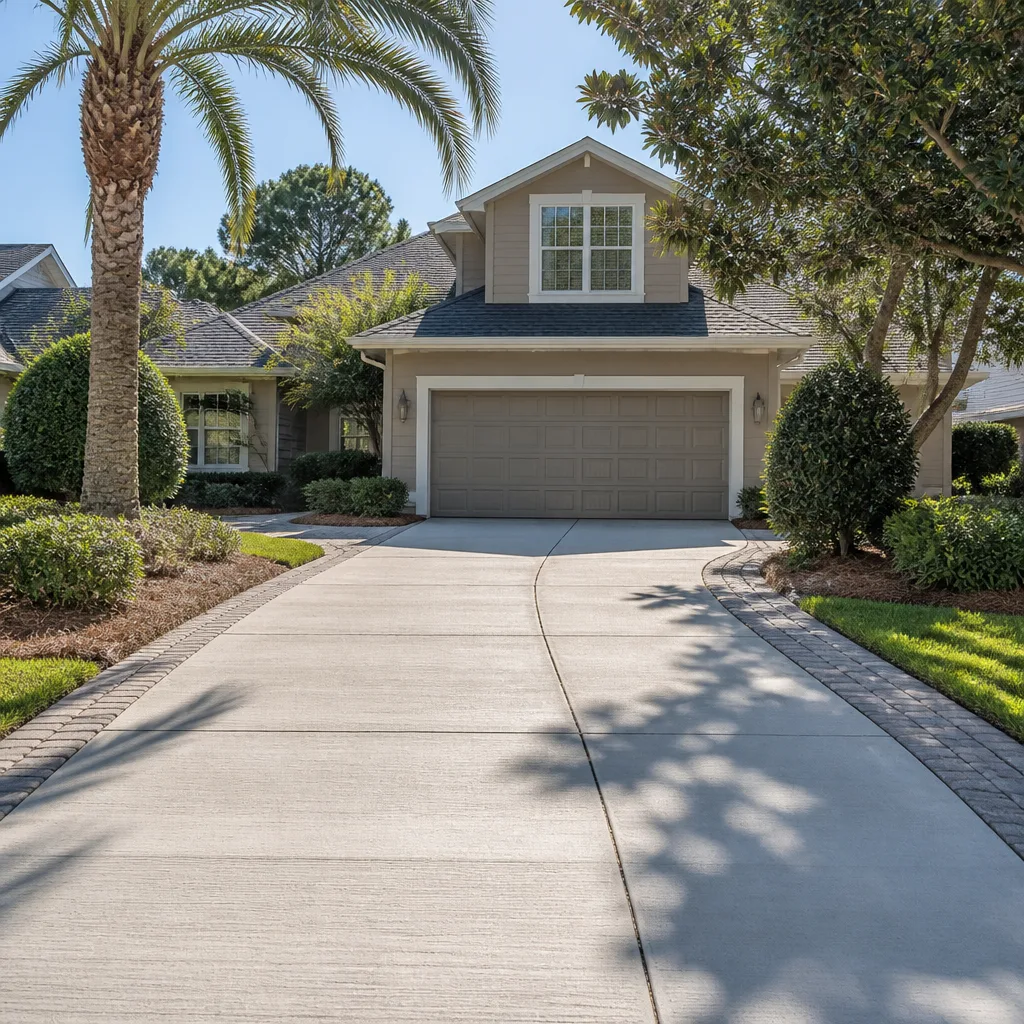
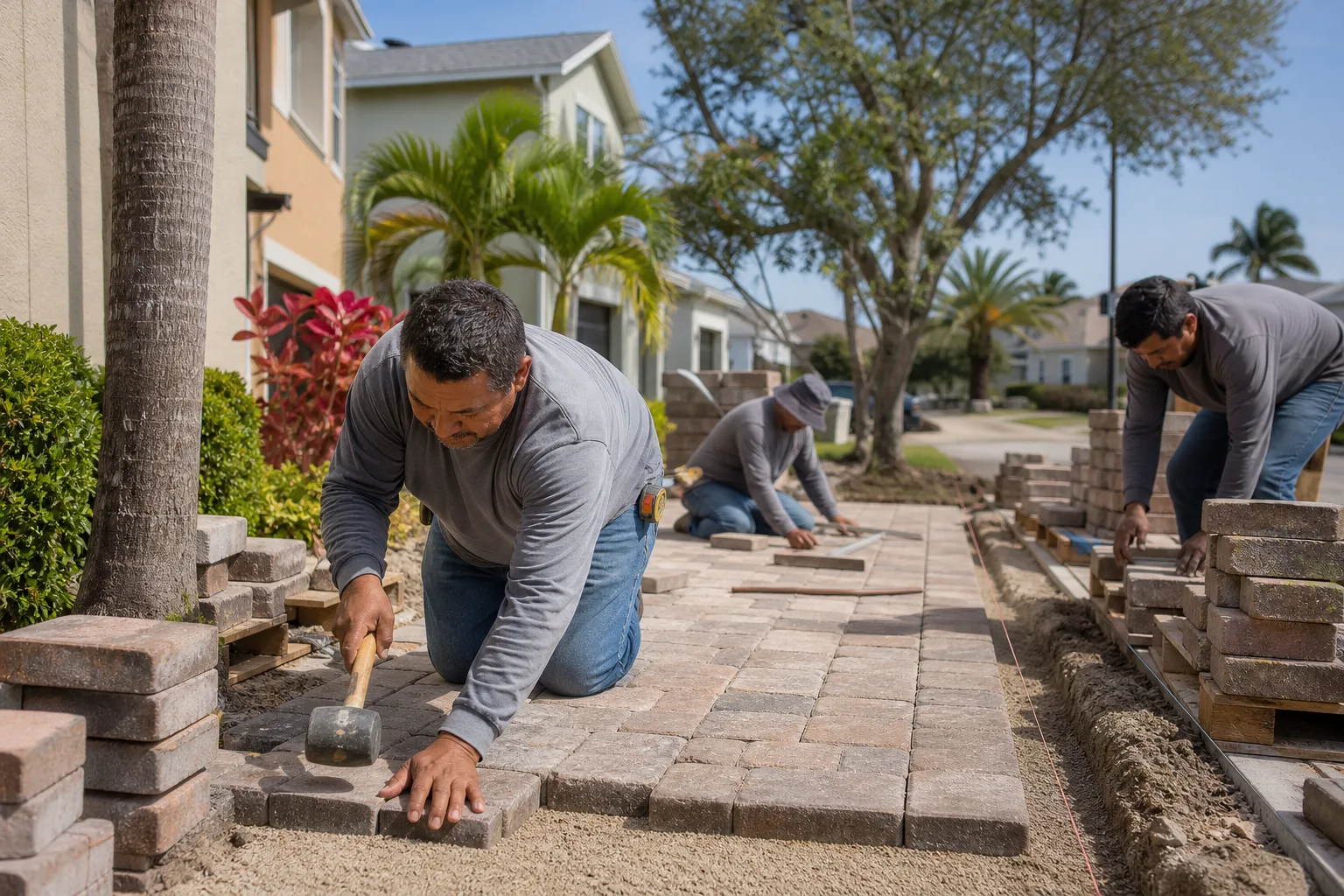
If you’re planning a new driveway, pour timing is one piece of a bigger schedule. We plan pours for mornings when the forecast gives us a full day under 90°F, when possible. On a Driveway & Pavers project, that means a concrete driveway in Lake Forest typically runs $4,500 to $12,000, with the curing window built into the schedule rather than treated as an afterthought. Paver driveways sit in a similar range at $7,000 to $18,000 and don’t have the same cure wait once they’re set. Sealing a new driveway adds $250 to $700 and should wait at least 28 days.
Concrete work is only one reason Lake Forest homeowners call us. Aging 1970s and 1990s tract homes in Lake Forest Keys and Portola Hills often need the whole envelope addressed – roofing, Driveway & Pavers in Lake Forest, windows, and additions all at once. Learn more about how we work and how we handle projects from foundation to finish line.
What We Hand You at Closeout
No vague “give it a week.” Every Groundwork Construction Co. of Lake Forest driveway project closes with a written timeline: your foot traffic date, your light vehicle date, your full load date, and when to expect final color on stamped or colored concrete. Concrete is the one part of a home you can permanently damage by being eager. A homeowner deserves to know the exact date they can pull the car in.
Our technicians have up to 12 years of experience on residential pours, and every project is covered by our 730-Day Done Right Promise. If concrete we poured cracks or spalls because of how it was finished or cured, we make it right. Calls are answered by a live person around the clock, and every job starts with upfront pricing so the number you hear is the number you pay.
FAQs
Five days is too soon for a vehicle on most new residential concrete. At five days a slab may only be at 70 percent of its target strength, and heavy vehicles can leave permanent tire impressions and edge cracks that show up within weeks. Wait the full 7 days minimum, and longer if the pour happened during a Lake Forest heat wave without proper curing compound.
Because the surface cures faster than the interior in hot, dry weather. Lake Forest summers pull moisture off the top faster than the internal hydration reaction can proceed, so the top stiffens while the middle and edges stay greener. That’s a curing problem, not a mixing problem, and it’s fixable with the right compound and misting protocol from the start.
Concrete reaches roughly 70 percent of its design strength at 7 days and near full strength at 28. Vehicle loading can happen at 7 days because that’s when the slab clears 3,000 PSI, but edges, corners, and the full design durability aren’t there until the 28-day mark. Tight turns and edge parking should wait the full month.
A concrete driveway installation in Lake Forest typically runs $4,500 to $12,000 depending on square footage, slope, and whether you need demolition of an old slab first. A full driveway replacement runs $5,000 to $14,000. Call (855) 532-8973 for an exact quote – estimates and design consults are free.
If you’d rather have your pour or your curing plan looked at by someone who’s done it a thousand times in this climate, Groundwork Construction Co. of Lake Forest offers a no-pressure assessment in Lake Forest – call (855) 532-8973. We’ll tell you exactly when your concrete is ready for the car, and we’ll put it in writing.
Written by the team at Groundwork Construction Co. of Lake Forest, serving Lake Forest, CA.