Free written scope consultation - allowances, timeline, and change-order rules on paper before a single trade is scheduled
Styles & brands we work with
- Kitchen remodeling
- Bathroom remodeling
- Home additions & ADU
- Roofing
- Windows & doors
- Driveway & pavers
- Fence
See the difference
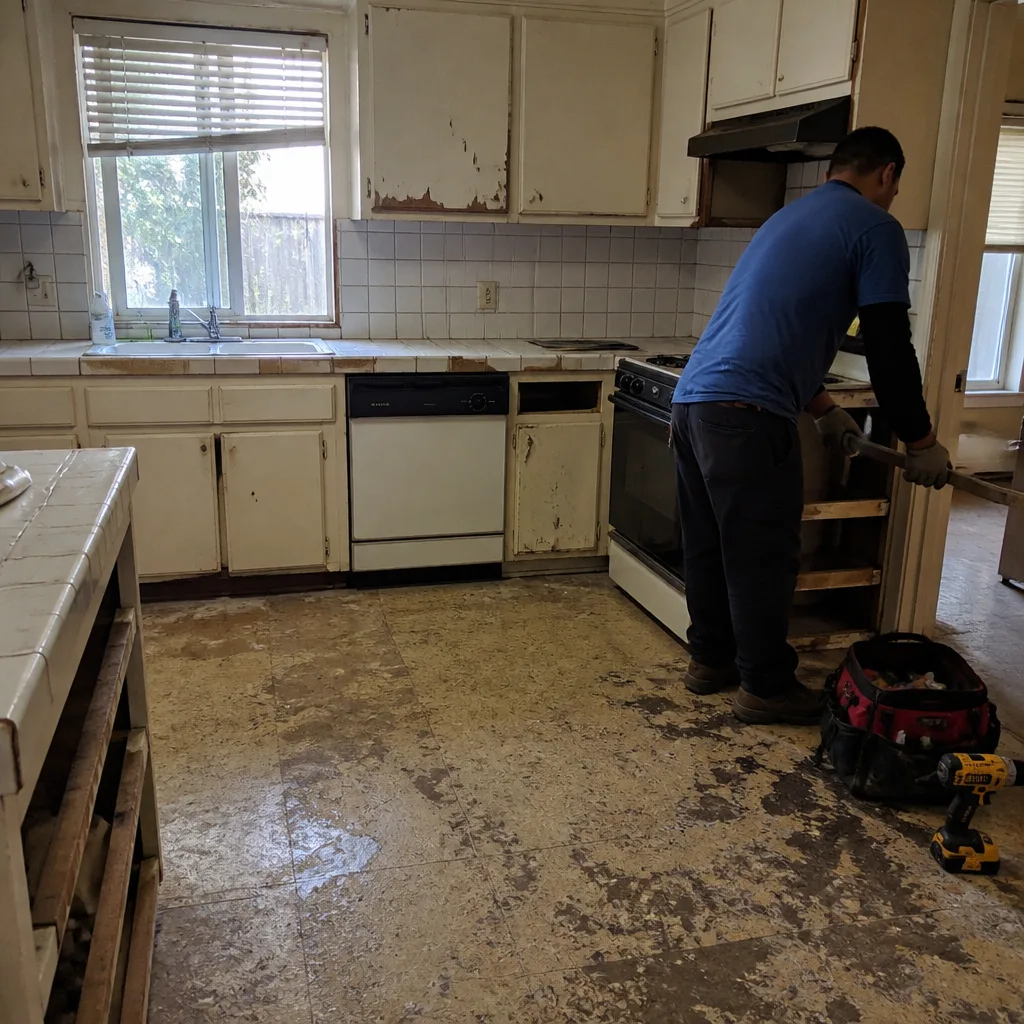 Before
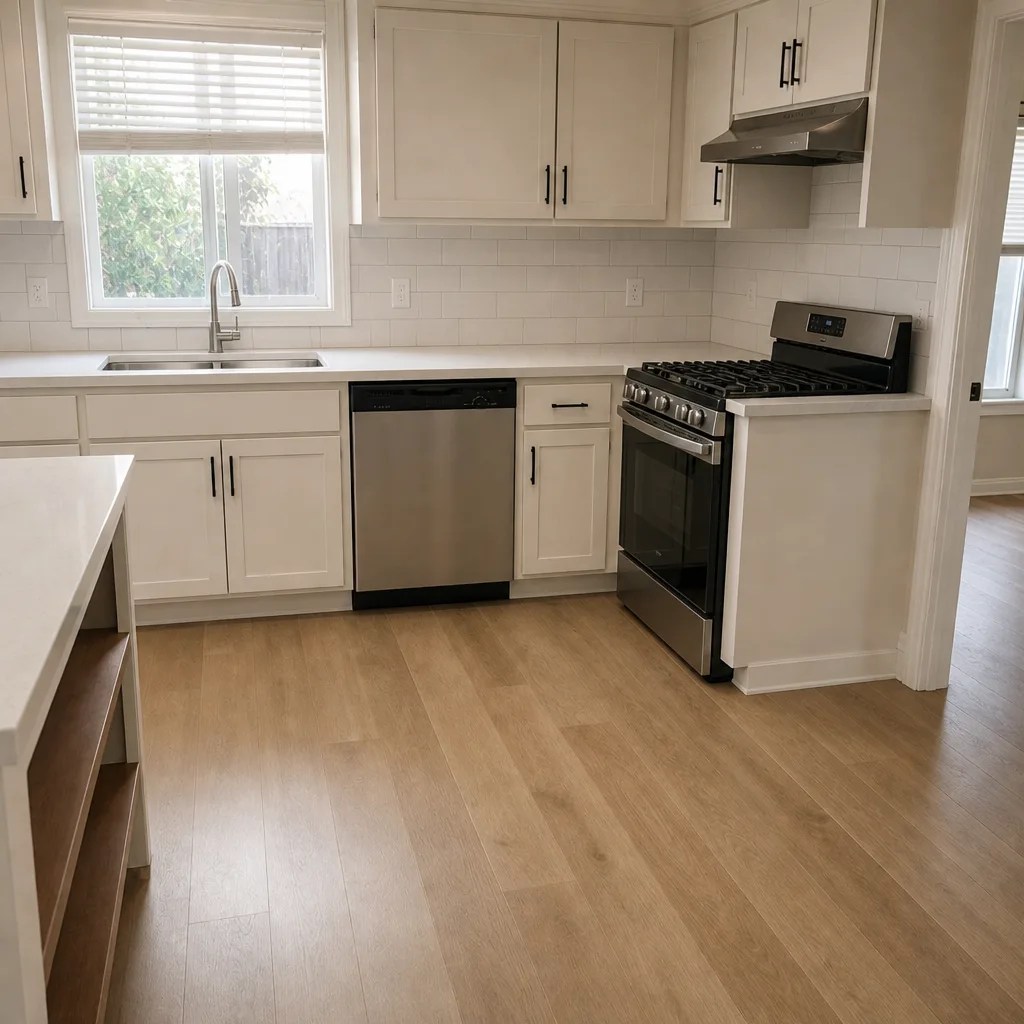 After
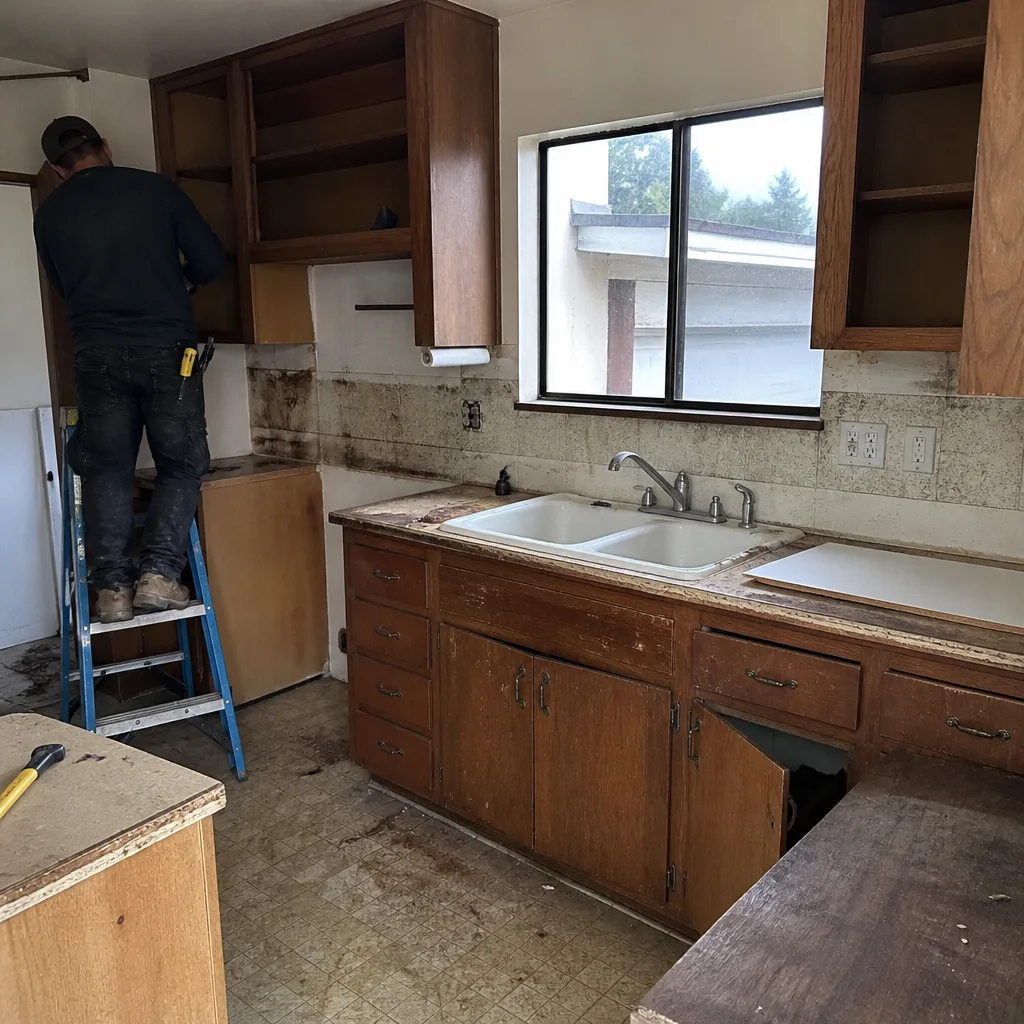 Before
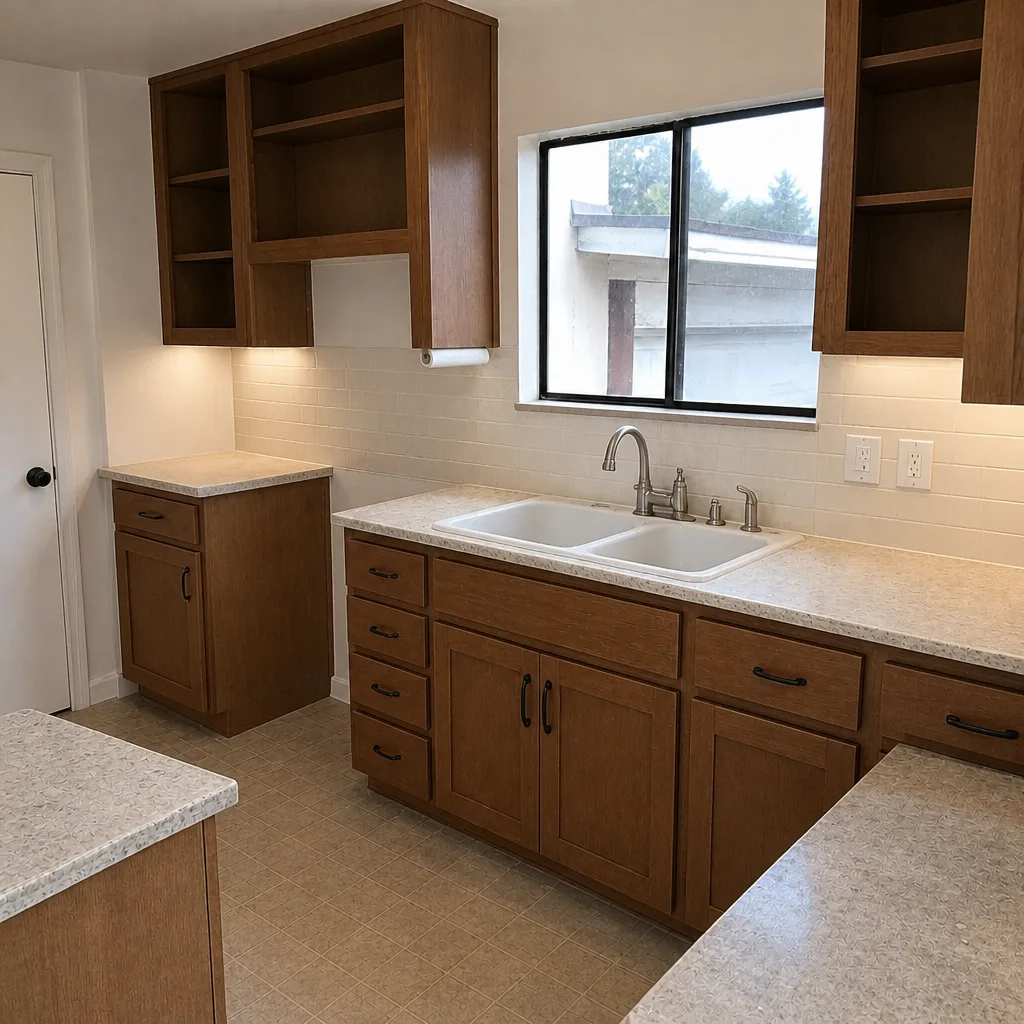 After
 Before
 After
Aluminum vs Wrought Iron Fence in Lake Forest, CA: Which One Actually Holds Up?
For most Lake Forest homeowners, aluminum is the better fence choice; pick wrought iron only if you want the real forged-metal look and you’re willing to fund surface treatment every few years. Here’s the part that surprises people: in this semi-arid inland Orange County climate, iron posts start rusting at the buried base within three to five years, and once that corrosion takes hold underground, no amount of repainting stops it. Aluminum delivers the same ornamental silhouette without the hidden maintenance debt. Call (855) 532-8973 and we’ll walk your property line with you before anyone quotes a number.
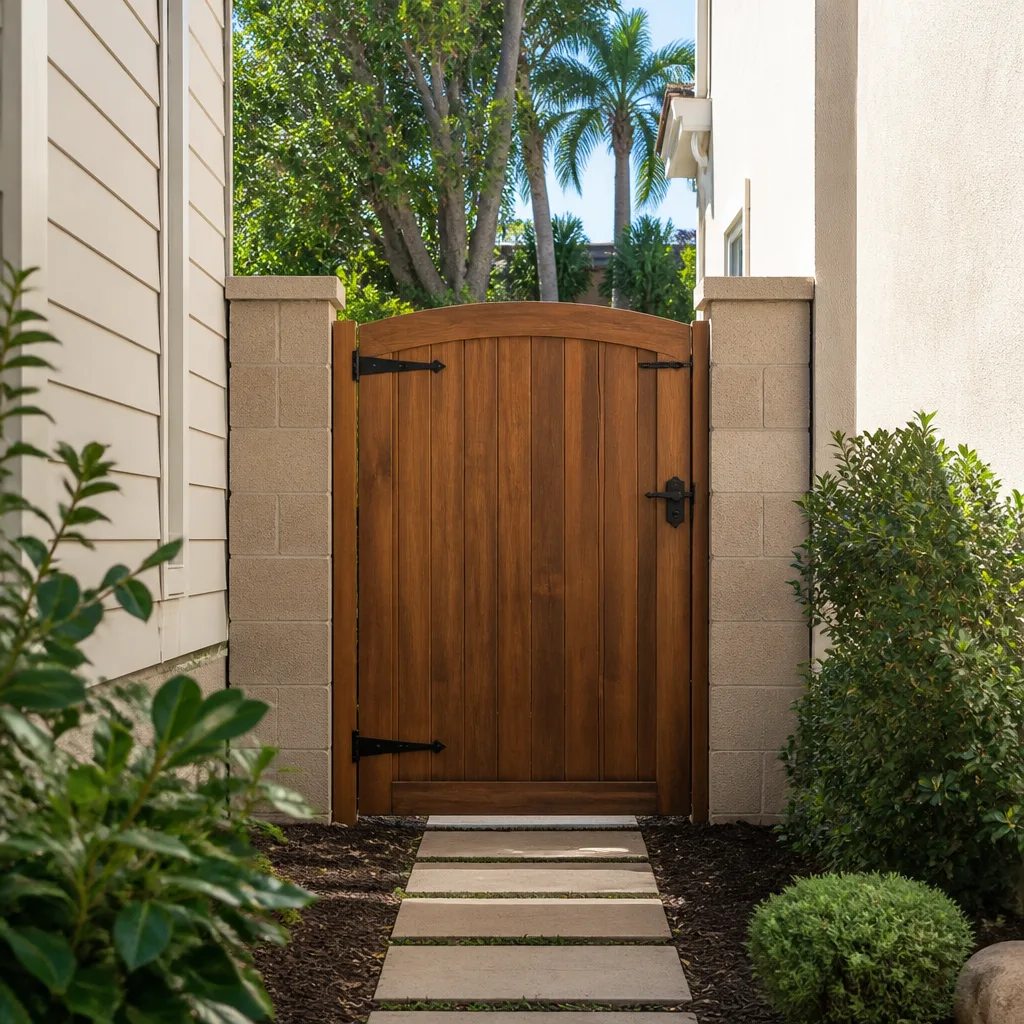
Why Iron Rusts Faster Here Than Almost Anywhere Else
Wrought iron and steel fence posts don’t fail at the pretty part. They fail where the metal disappears into the ground. That soil-to-air transition is a galvanic corrosion zone. Moisture and oxygen meet the bare metal there, and the electrochemistry that eats steel gets a running start.
Lake Forest’s climate supercharges that cycle. Winter rains soak the soil around the footer for weeks. Then summer heat bakes it bone dry. Wet, dry, wet, dry. Each swing drives corrosion deeper into the post base. A coastal town with steady humidity doesn’t create the same aggressive pattern, and a flat, wetter climate doesn’t desiccate the soil the way our summers do. Our inland swing between saturated and parched is the worst of both.
So what does that look like on a real property? A wrought iron run along a graded slope in Portola Hills, or in a Lake Forest Keys courtyard, looks solid for a couple of seasons. Then you notice bubbling paint at the base of a post. Underneath, the metal is already pitting from the inside out. Every three to five years you’re paying for surface prep and repainting. Every year a homeowner should be checking those post bases, and almost nobody does until a panel starts leaning.
Weight, Slopes, and What Iron Really Costs to Set
Here’s the factor most comparison articles skip. On flat ground, a heavy iron panel and a light aluminum panel need similar footings. On a graded slope, they don’t. Lake Forest has plenty of hillside lots, and heavier iron panels throw more lateral load against posts set into that grade. That means deeper footings, more concrete, and more engineering to keep the fence plumb over time. The material itself is only part of the bill. The foundation work behind it is the other part.
Aluminum panels weigh roughly half what comparable iron sections do. On the same slope profile, that lighter load lets us set posts with less excavation and less concrete, and the fence stays straight. The installed cost difference is real. Typical aluminum fence installation in Lake Forest runs $4,000-$10,000 depending on run length, height, gate count and slope. A wrought iron install of similar height and length usually lands $3,500-$9,000 for the base fence, before you factor in the heavier footing work on a hill and the repainting cycle that starts a few years later.
Do Lake Forest HOAs Actually Require Wrought Iron?
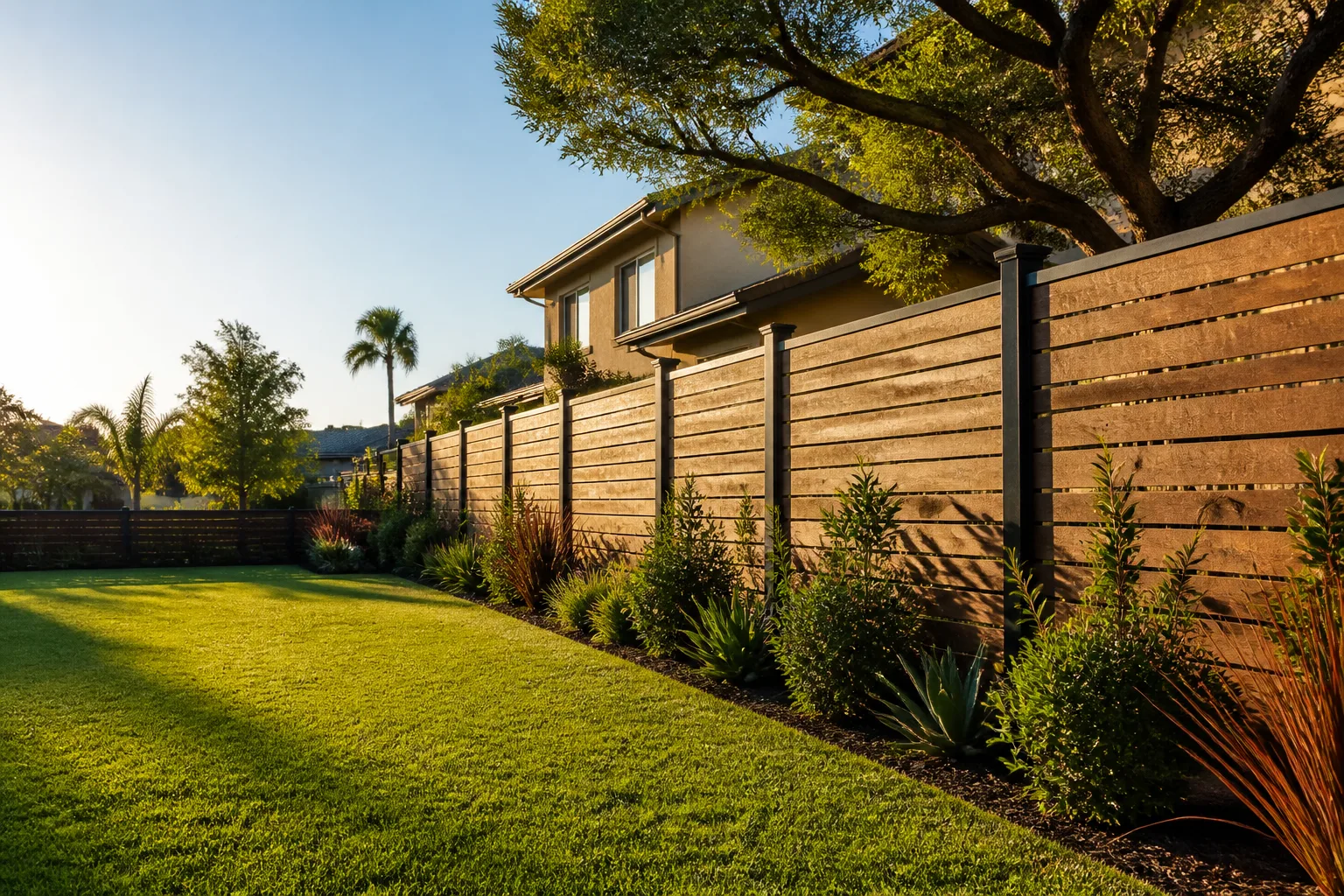
No, and this is where a lot of homeowners get stuck before they even get a quote. Lake Forest is a master-planned suburban city, and most fence work happens inside HOAs with strict architectural review. Those design guidelines typically describe the look: decorative vertical pickets, a specific height, a specific color, sometimes a matched gate style. What they usually don’t do is name the material. When the guideline says “ornamental iron-style fencing,” aluminum that matches the profile and the color satisfies the review just as well as forged iron.
Always read your own CC&Rs and submit to your architectural committee before you buy anything. But if you’re assuming your HOA requires iron, check the actual wording. Most of the time it specifies the aesthetic and leaves the metallurgy to you. Brands like Bufftech and ActiveYards give us aluminum profiles that read as clean and decorative as traditional iron, at a fraction of the weight.
Twenty-Year Cost of Ownership: The Honest Numbers
Purchase price is the easy number to compare. The number that matters is what each fence costs you across two decades. Aluminum’s powder-coat finish typically holds 15-20 years without repainting in this climate. Wrought iron needs surface treatment every three to five years, plus that annual post-base inspection, and it may still need post repair or replacement if water gets into a compromised footer.
| Cost factor | Aluminum | Wrought iron |
|---|---|---|
| Typical installed range (Lake Forest) | $4,000-$10,000 | $3,500-$9,000 base, more on slopes |
| Repaint / surface treatment | None needed for 15-20 years | Every 3-5 years |
| Annual post-base inspection | Optional visual check | Recommended to catch rust early |
| Slope footing cost | Lower (lighter panels) | Higher (deeper footings, more concrete) |
| Rust risk at buried base | Minimal (powder-coated, rust-resistant) | High after 3-5 years in this climate |
| HOA aesthetic match | Matches most ornamental profiles | Matches by definition |
Run the repainting and inspection costs across twenty years on a long iron run and the “cheaper” material usually stops being cheaper. The maintenance savings on aluminum tend to close the gap and then some, especially on a hillside lot.
Quick decision guide
- Choose aluminum if you want the ornamental look, a hillside lot, an HOA that specifies style rather than material, and you’d rather not think about repainting.
- Choose wrought iron if you specifically want genuine forged metal, the property is flat, and you’re prepared to budget for surface treatment every few years and to inspect post bases annually.
- Either material deserves footings engineered for your slope, not a one-size footing plan copied from a flat lot.
How We Choose a Fence Material for Your Property
Groundwork Construction Co. of Lake Forest recommends materials based on what holds up in the specific installation environment, not what’s fastest to quote. A flat backyard in Foothill Ranch and a graded slope in Portola Hills are two different engineering problems. We look at the grade, the soil, the HOA wording, and how you actually use the space before we put a material in front of you. That recommendation gets backed by our 730-Day Done Right Promise: if it’s not right, we make it right. A two-year workmanship guarantee forces a material call we can stand behind. You can see how we approach the full range of fencing on our Fence Installation page, and if you’re still mapping out the property, our home base has the rest of what we do.
For homeowners weighing adjacent projects, we also handle Fence Installation in Lake Forest as a focused service, along with the broader improvements that often come up alongside a fence line. If your project touches the rest of the property, we cover it from foundation to finish line, and we answer the phone with a live person, 24/7.
Aluminum vs Wrought Iron Fence FAQs
Aluminum is the better fit for most Lake Forest properties because it resists the rust cycle that hits buried iron posts during our wet-winter, dry-summer swing, and it costs less to keep up over 20 years. Wrought iron wins only when you specifically want forged metal and accept the repainting and post-base inspections. Call (855) 532-8973 for a free estimate on either material.
Aluminum fence installation in Lake Forest typically runs $4,000-$10,000, while a comparable wrought iron install usually starts around $3,500-$9,000 for the base fence and climbs on sloped lots where heavier panels need deeper footings. Those are installed ranges, not the whole story across 20 years of ownership. Call (855) 532-8973 for an exact quote on your property line.
Corrosion typically shows up at the buried post base within three to five years here, because winter rains saturate the soil around the footer and summer heat dries it out, creating an aggressive wet-dry cycle. Surface rust can be managed with repainting every few years, but rust that starts at the base is much harder to stop. An aluminum fence sidesteps that whole problem. Call (855) 532-8973 and we’ll assess your slope and layout.
In most cases yes, because HOA design guidelines usually specify the ornamental look (picket style, height, color) rather than the material itself, so a matching aluminum profile satisfies the review. You should still confirm the exact wording in your CC&Rs and submit for approval before ordering. Call (855) 532-8973 and we’ll help you match a profile to your guidelines.
If you’d rather have it looked at, Groundwork Construction Co. of Lake Forest offers a no-pressure assessment in Lake Forest. We’ll walk the grade, read the HOA language with you, and give you upfront pricing with no surprises. Calls are answered by a live person 24/7, and most estimates are free. Ring (855) 532-8973 to get started.
Written by the team at Groundwork Construction Co. of Lake Forest, serving Lake Forest, CA.