Free written scope consultation - allowances, timeline, and change-order rules on paper before a single trade is scheduled
Styles & brands we work with
- Kitchen remodeling
- Bathroom remodeling
- Home additions & ADU
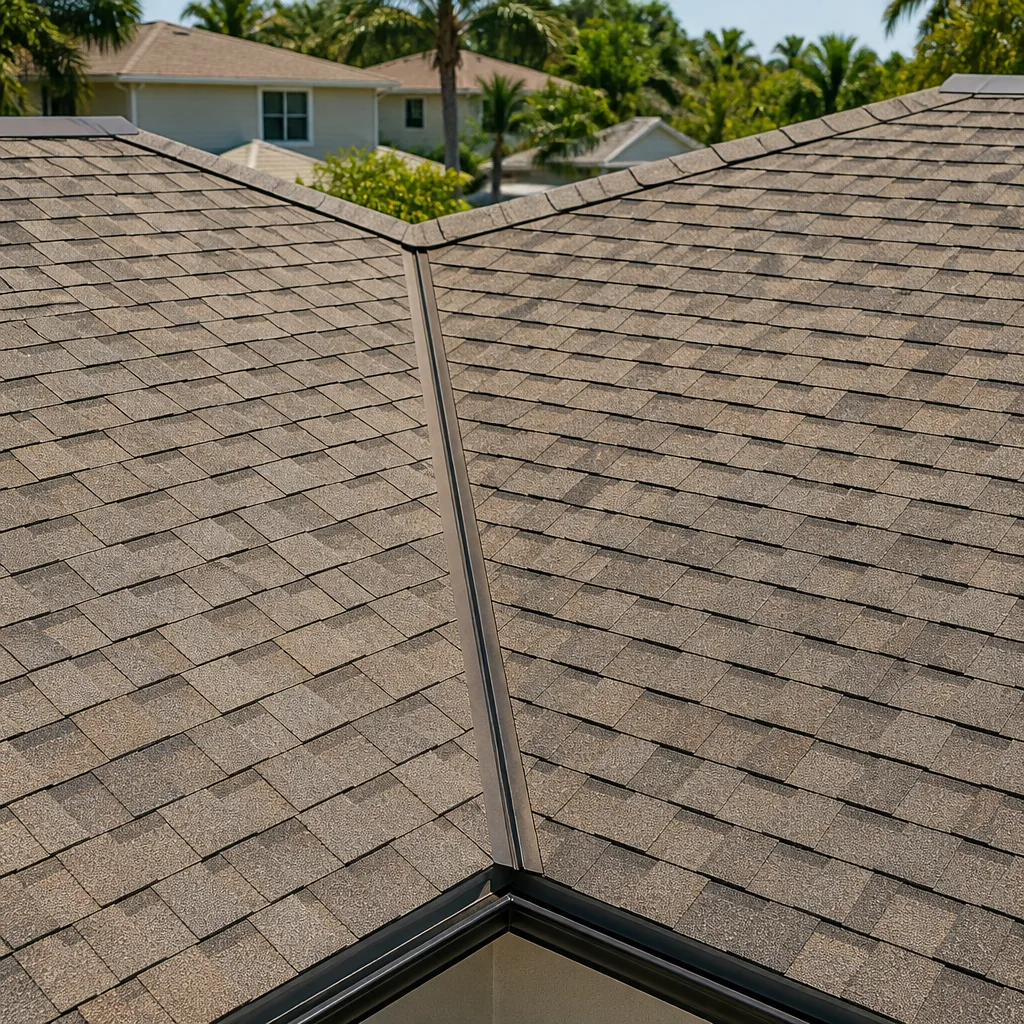
- Roofing
- Windows & doors
- Driveway & pavers
- Fence
See the difference
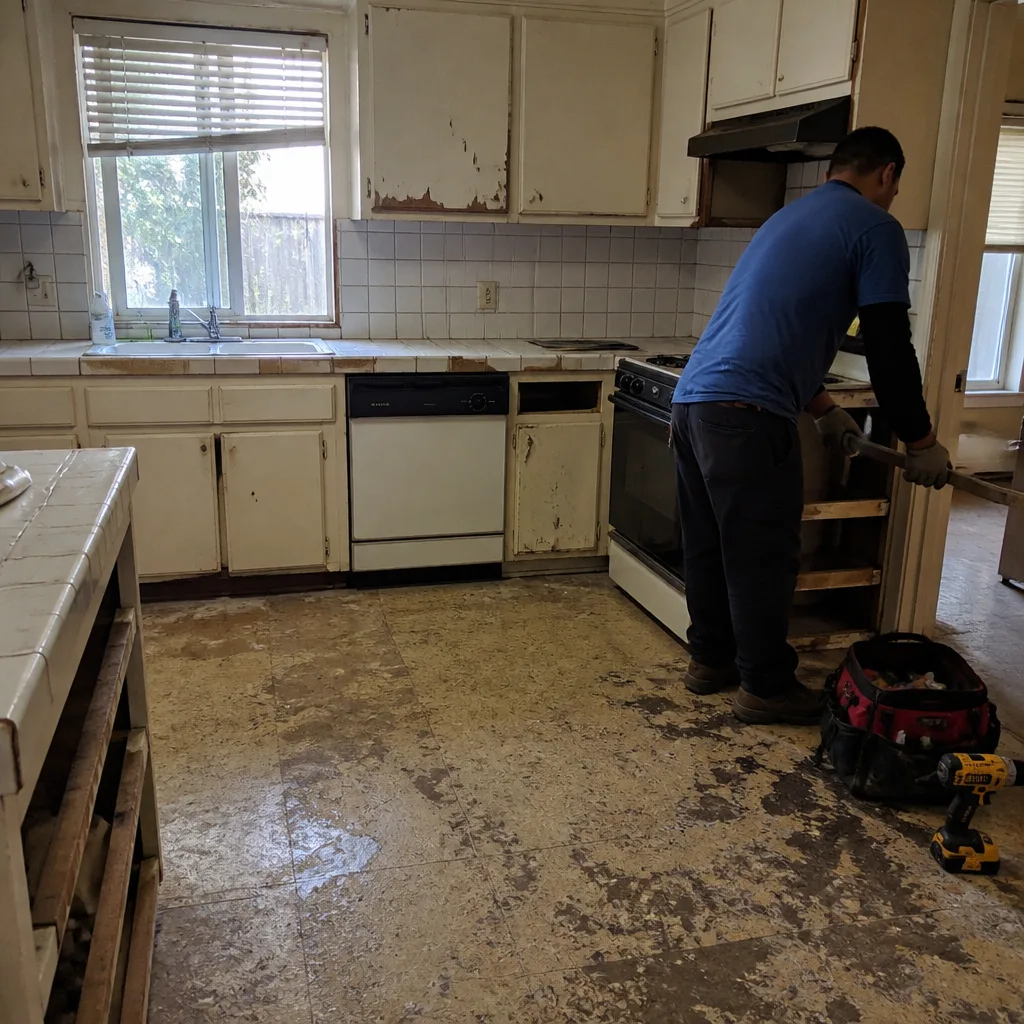 Before
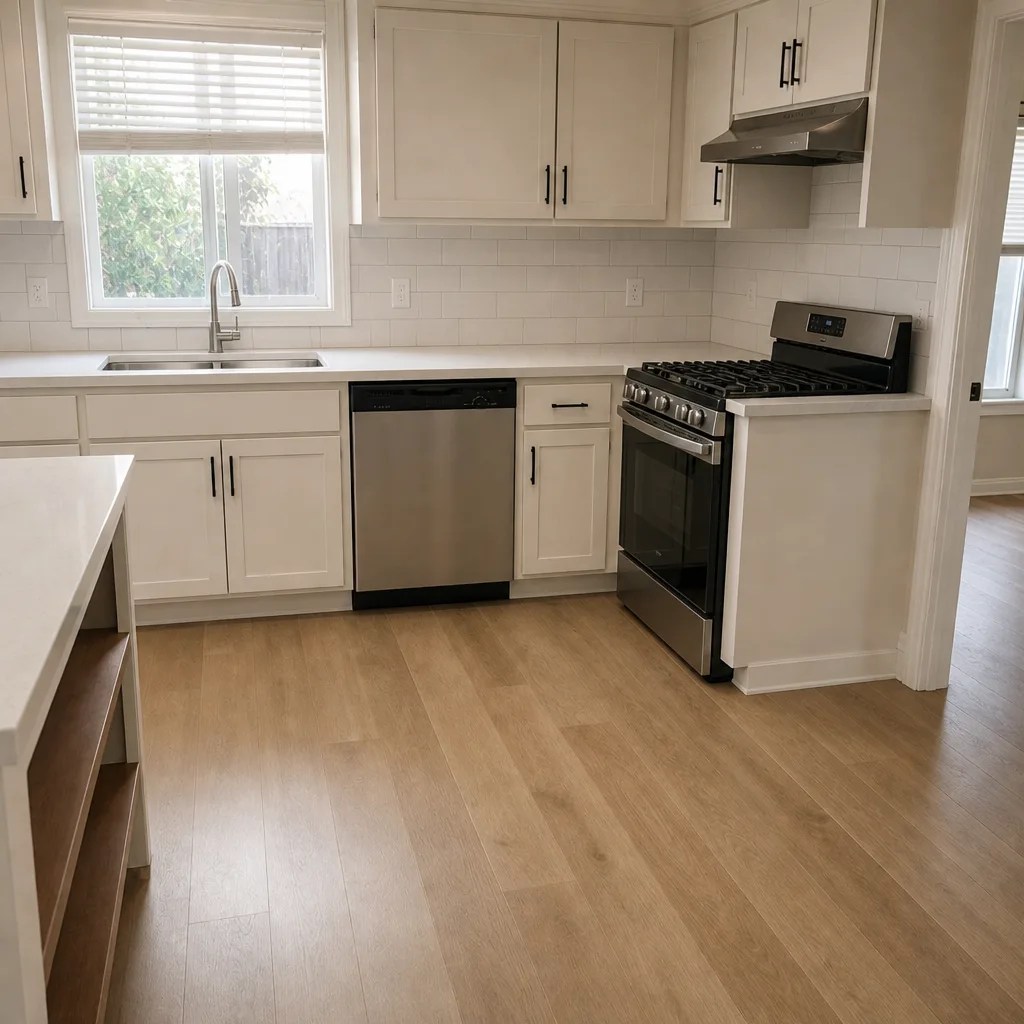 After
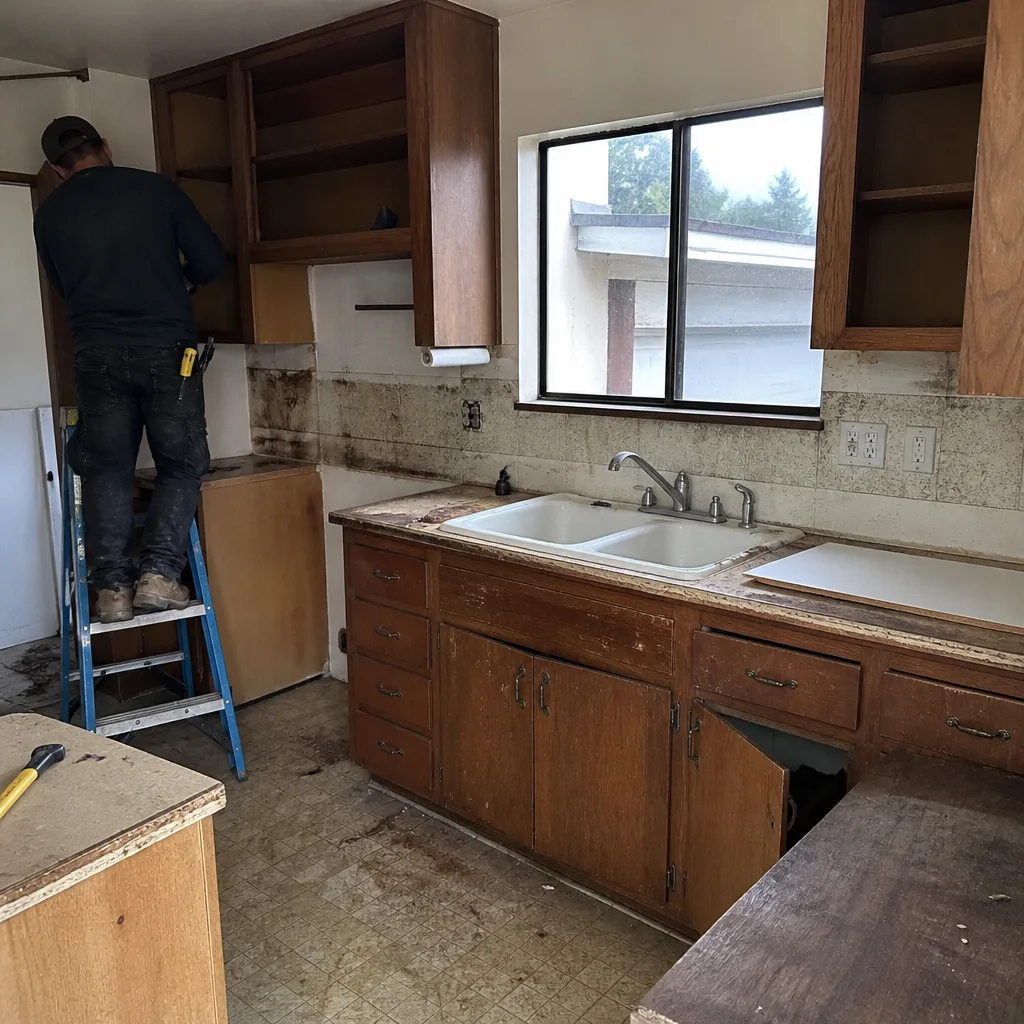 Before
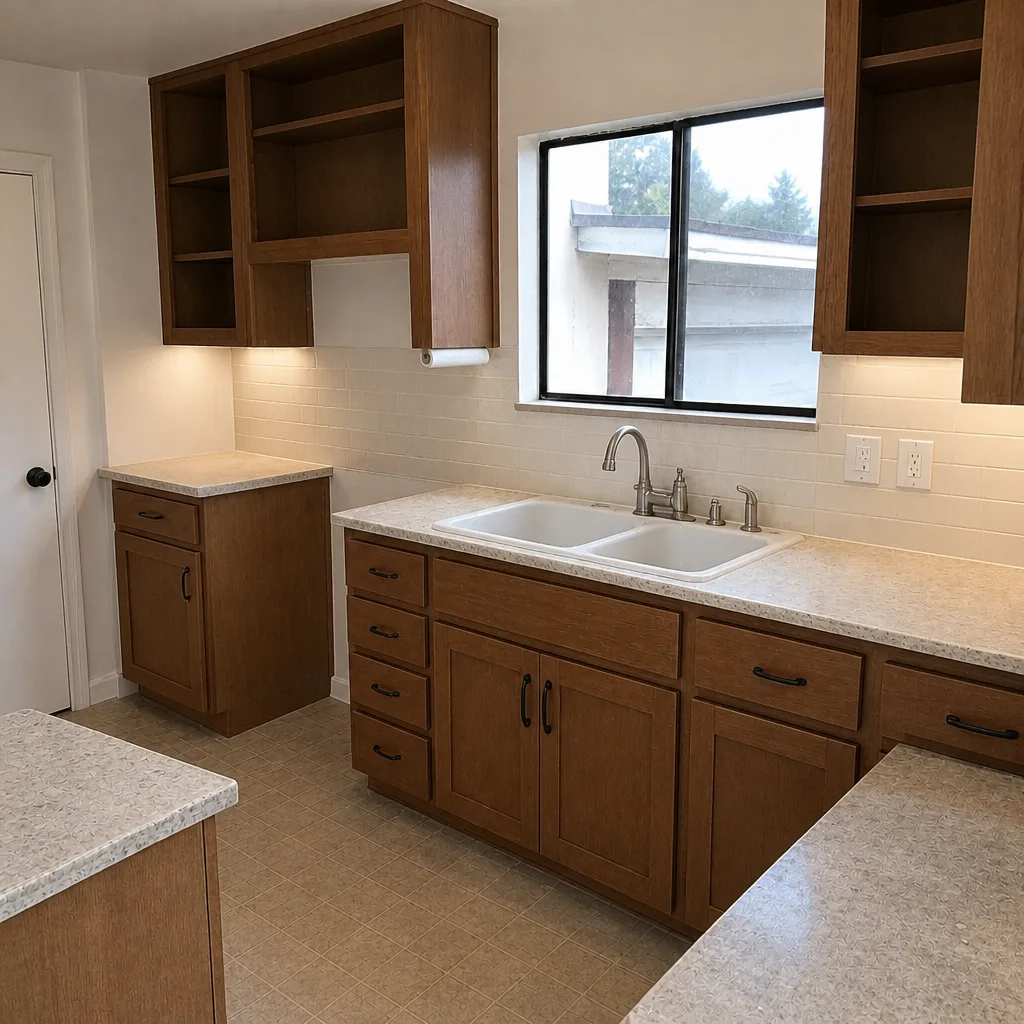 After
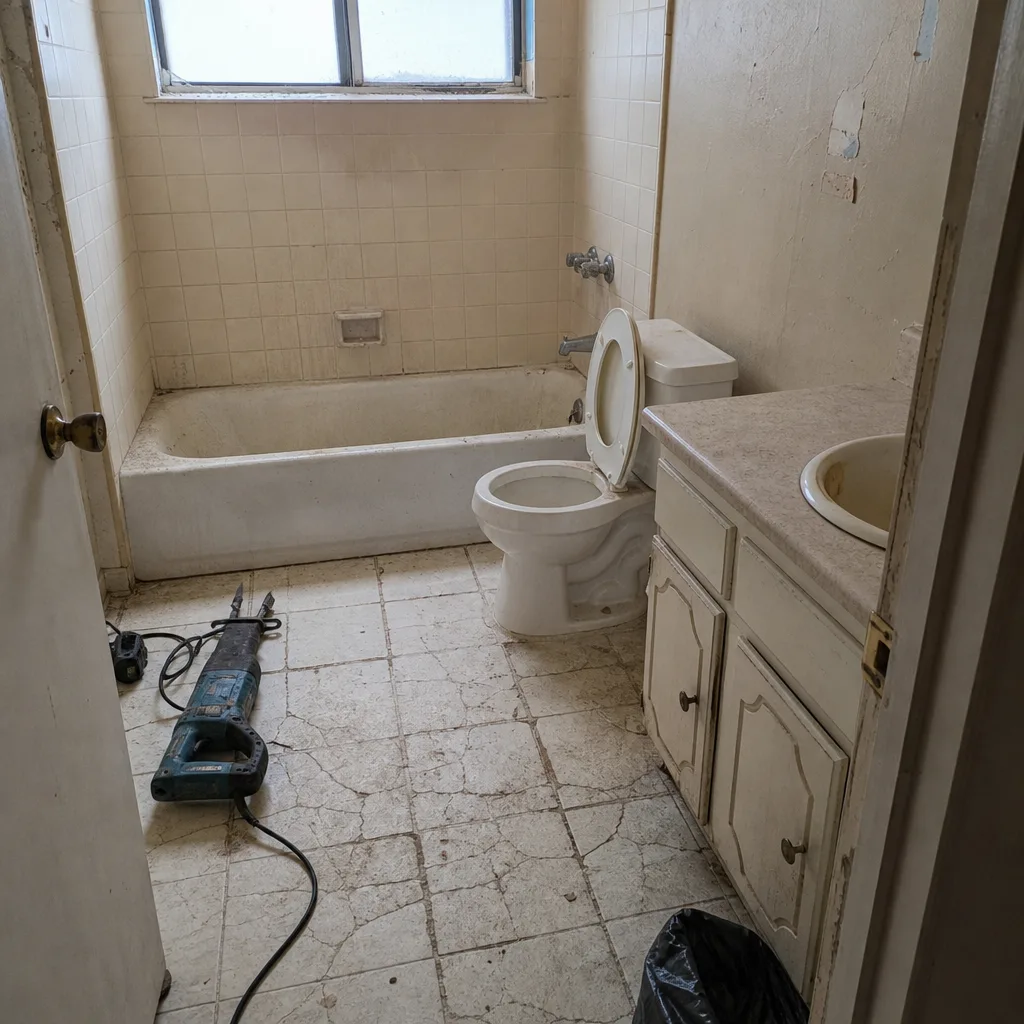 Before
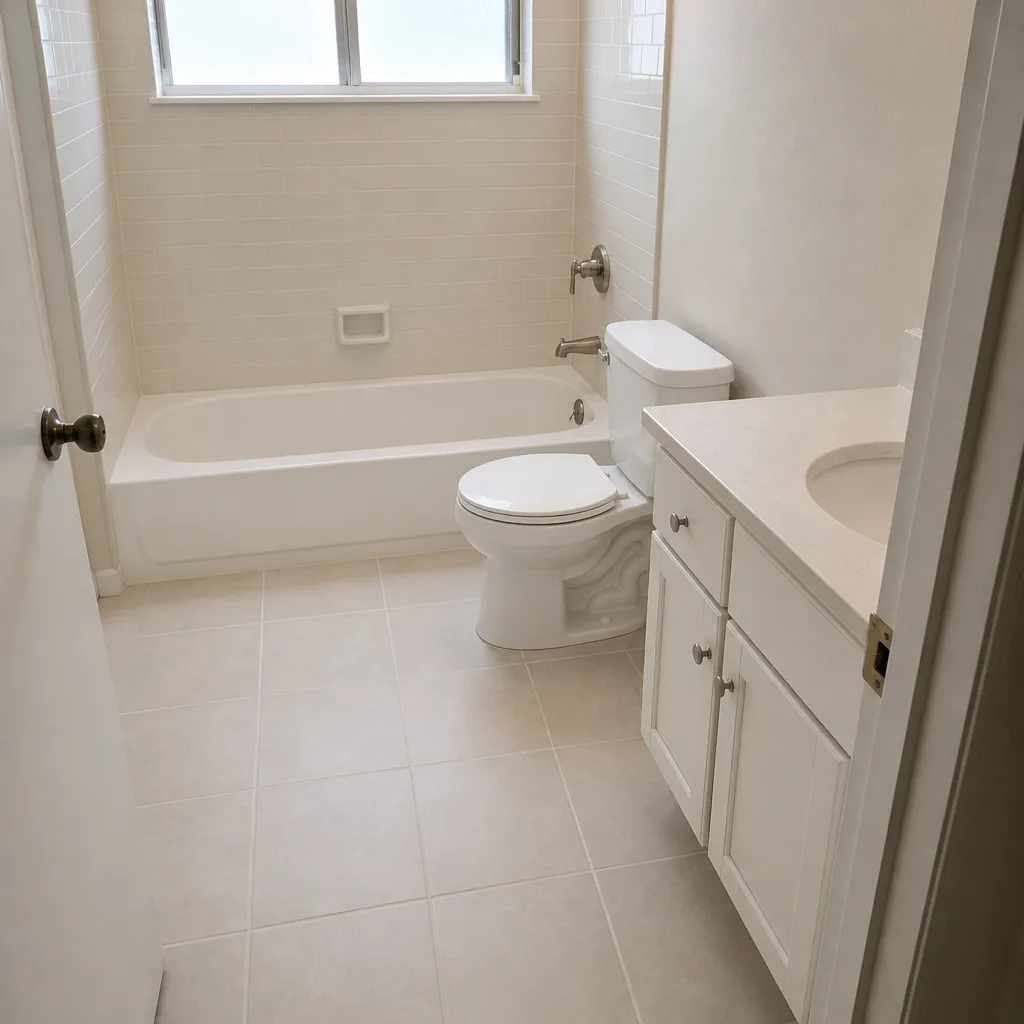 After
Attached vs Detached ADU in Lake Forest, CA: Choose Detached on Flat Lots, Choose Attached on Hillside Slopes
For most Lake Forest homeowners, the answer comes down to your lot, not your taste. Choose detached if your parcel is flat or gently sloped and you want maximum privacy and separation. Choose attached if you’re building on a hillside lot in Portola Hills or similar graded tracts, where the grading, soils report, and engineered drainage a detached unit requires can add $25,000-$40,000 before a single wall goes up. Detached units aren’t simpler or cheaper on Lake Forest slopes. They’re neither. For a straight answer on your specific parcel, call (855) 532-8973 and we’ll walk the lot with you.
Here’s the part nobody quotes you until the grading plan comes back: on a Portola Hills lot with a 15% grade, the pre-construction engineering for a detached ADU is a project of its own. Attached ADUs tie into your existing foundation system and skip most of that. That single fact flips the conventional advice you’ll read on almost every other comparison page.
Key Takeaways
- Detached ADUs on graded Lake Forest lots add $15,000-$40,000 in pre-construction costs (grading permit, soils report, engineered drainage) before foundation permits are issued.
- Attached ADUs in 1970s-1990s tract homes usually need a 100-amp to 200-amp electrical upgrade, which serves the whole house and raises overall home value.
- Detached units give HOAs a fully freestanding exterior to scrutinize. Attached units share a wall and roofline, cutting ARC compliance checkpoints.
- Trenching for a detached unit’s utility run costs more in Lake Forest’s rocky hillside soils than in valley cities, a cost almost never quoted upfront.
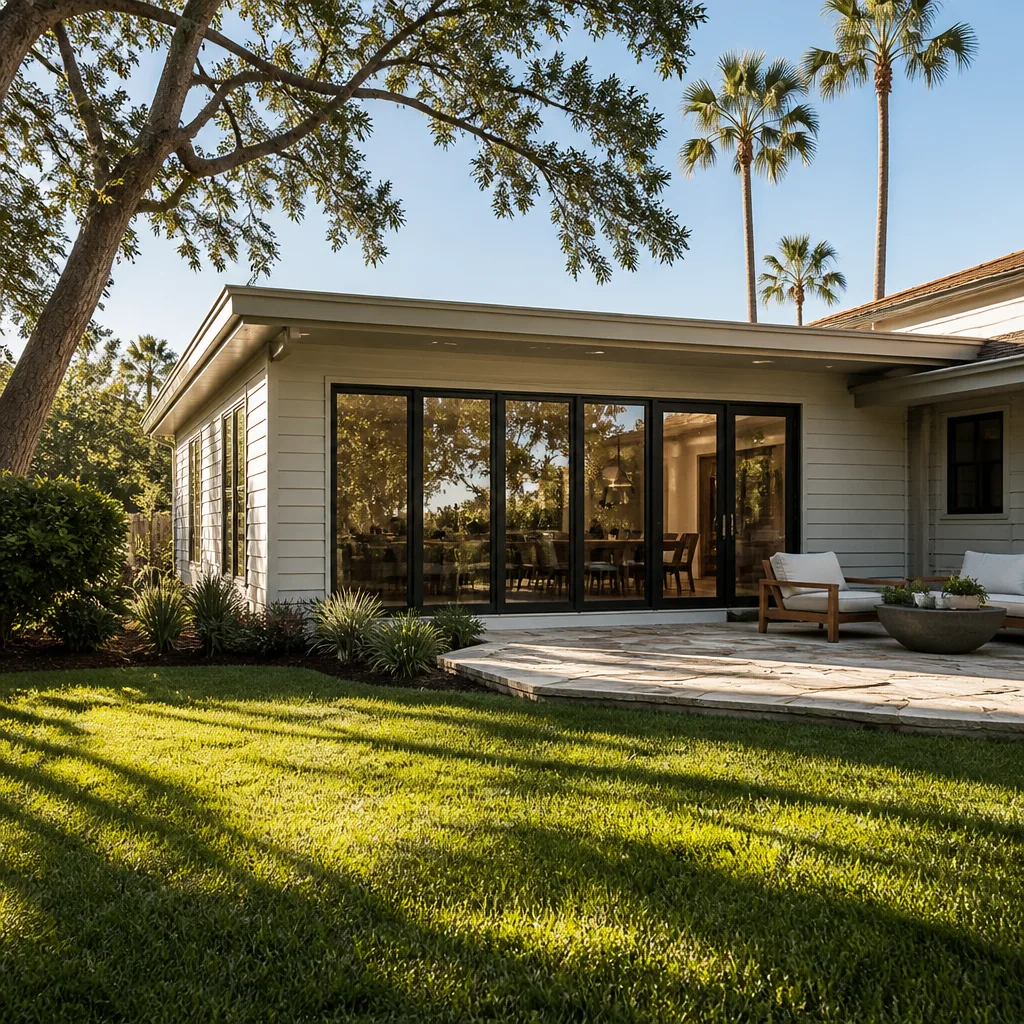
Why lot geometry decides this in Lake Forest
Lake Forest was built out fast, mostly from the 1970s through the 1990s, and a large share of that build happened on graded hillside parcels in planned communities like Portola Hills and Foothill Ranch. The flat-lot playbook you’ll find in national ADU guides doesn’t map cleanly onto that terrain. A detached ADU on a graded lot needs a grading permit, a soils report, and an engineered drainage plan before you can pull a foundation permit. That sequence alone drives the $15,000-$40,000 pre-construction number, and it’s the reason a “cheaper” detached build often pencils out higher than an attached one on the same lot.
Attached projects don’t dodge every cost, but they avoid the ones that scale with slope. Your existing foundation carries part of the load, the roofline ties in, and the drainage you already have generally handles the addition. The trade-off is tighter integration work: matching existing framing, extending the roof structure cleanly, and coordinating electrical and mechanical with the primary home.
What to compare before you commit to a design
Run every attached-vs-detached decision through the same five checkpoints. On a Lake Forest lot, two of them almost always decide the outcome.
- Lot grade and drainage. Above roughly 10-15% grade, detached units trigger grading and drainage engineering. That’s the cost that flips the math.
- Electrical capacity. A second kitchen and HVAC load typically requires upgrading a 1970s-1990s 100-amp panel to 200-amp service. Do the upgrade and the whole house benefits, not just the ADU.
- HOA architectural review. Detached units expose every exterior surface (roofing, siding, window profile, paint) to ARC review. Attached units share a wall and roofline, which reduces the checkpoints.
- Utility trenching. Detached units need a new utility run across the yard. In Lake Forest’s rocky hillside soils, trenching runs higher than in flatland cities.
- Privacy and noise separation. Attached units share structural walls that transmit sound. Detached units eliminate that. Weigh this against the trenching and grading costs above.
Fire resilience deserves its own line because Lake Forest sits in a semi-arid inland climate prone to Santa Ana winds. Detached ADUs benefit from Class A fire-rated roofing (GAF Timberline HDZ or equivalent) and fiber cement siding. We spec those by default through our brand partnerships, so it’s not an upgrade upsell. It’s the baseline.
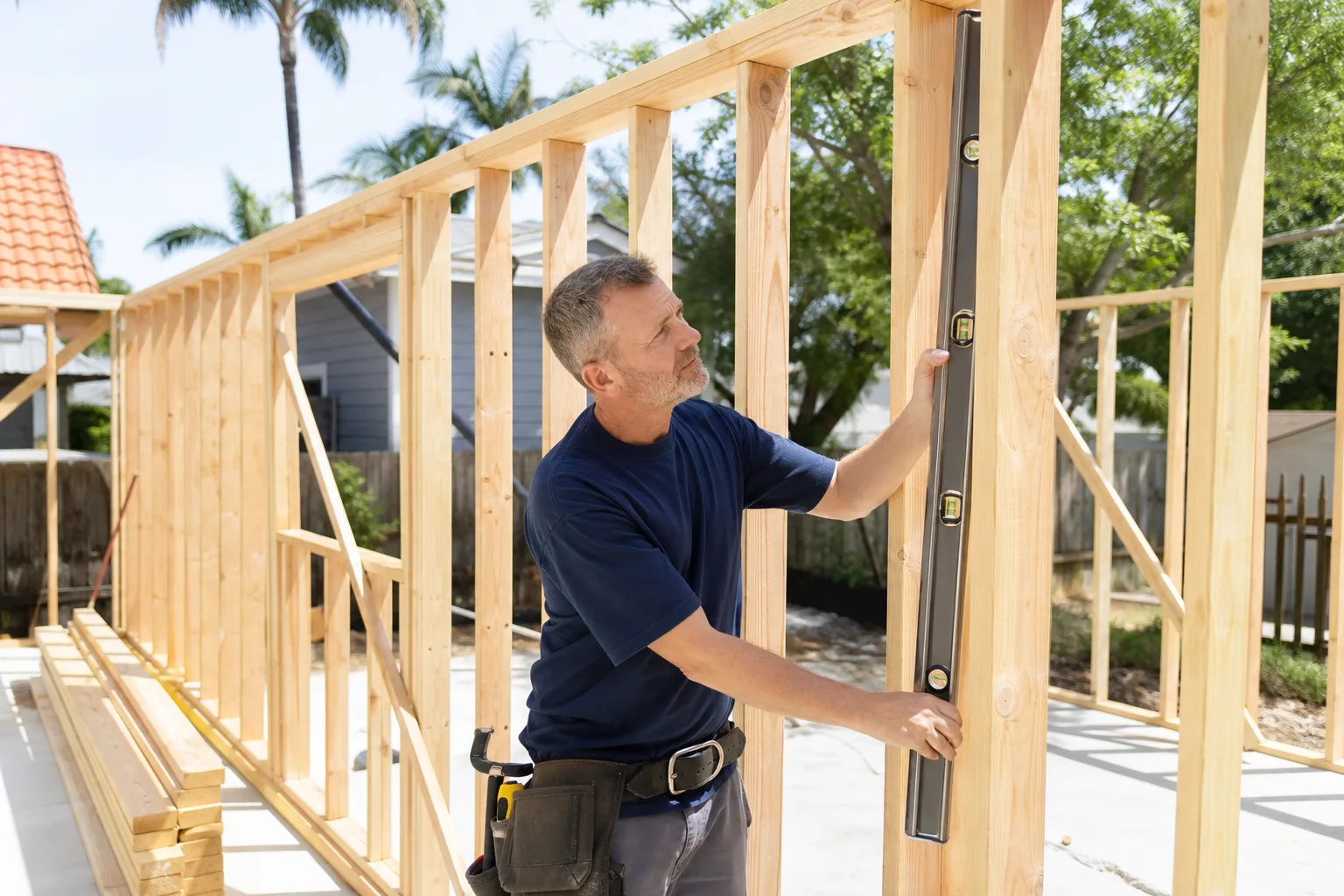
Side-by-side: attached vs detached ADU on a Lake Forest lot
| Factor | Attached ADU | Detached ADU |
|---|---|---|
| Grading and drainage engineering | Rarely triggered | Required on hillside lots: $15,000-$40,000 pre-construction |
| Foundation | Ties into existing system | New foundation, plus soils report on graded lots |
| Electrical upgrade | Usually 100-amp to 200-amp (benefits whole house) | Usually 100-amp to 200-amp |
| HOA / ARC review points | Fewer (shared wall and roofline) | More (every exterior surface exposed) |
| Utility trenching | Not needed | Required; higher cost in rocky hillside soils |
| Sound and privacy | Shared structural walls, some transmission | Full separation |
| Typical build range in Lake Forest | $45,000-$130,000 | $90,000-$220,000 (higher on graded lots) |
Those cost ranges are what we see in this market, not national averages. The low end of the attached range fits a garage conversion or a modest attached addition. The high end of the detached range reflects hillside grading, new utilities, and full exterior package. Your lot, foundation, and HOA guidelines set where in the range you land. Our Home Additions & ADU service page breaks the design and build phases down further if you want the deeper view.
Which one actually fits your Lake Forest property?
Attached wins on value for most hillside and tract-home parcels. The electrical upgrade serves the whole house, the foundation tie-in cuts cost, and you skip grading entirely. The value lift is real and broad, not limited to the ADU square footage.
Detached wins when your lot is flat, your HOA allows it, and separation matters to you. A rented ADU with no shared walls is a different asset than a shared-wall unit. On a flat parcel, detached also skips most of the grading engineering that drives hillside costs.
Beyond the ADU itself, the property improvements that make an ADU pencil out often overlap with other work. Fire-rated roofing and fiber cement siding carry over to the main house. Windows upgrade in step with the new unit. Driveway and paver access to a detached ADU is worth planning early so it doesn’t become a change order. We’re happy to map the whole property, so the ADU and the surrounding upgrades get priced as one project.
How much does an ADU cost in Lake Forest?
An attached ADU in Lake Forest typically runs $45,000-$130,000, and a detached ADU runs $90,000-$220,000, with hillside lots landing in the upper part of that range once grading and engineered drainage are quoted. A garage conversion to living space is often the lowest-cost path at $30,000-$80,000, and it sidesteps grading entirely. Build costs are the number most homeowners anchor on, but the engineering and electrical costs can move a project several tens of thousands in either direction depending on the lot. We quote these as line items with upfront pricing, so the number you see is the number you pay. Call (855) 532-8973 for a free estimate on your property.
FAQs
On flat or gently sloped lots, yes. On hillside parcels in Portola Hills and similar graded tracts, no. Detached ADUs on graded lots require a grading permit, a soils report, and an engineered drainage plan before foundation permits are issued, and that sequence adds $15,000-$40,000 in pre-construction costs. Attached units tie into the existing foundation and skip most of it. Call (855) 532-8973 to find out which side of that line your lot falls on.
Usually, yes. Most Lake Forest tract homes built from the 1970s through the 1990s carry a 100-amp panel, and a second kitchen plus HVAC generally requires 200-amp service. The upgrade also serves the primary house, so its value stretches beyond the ADU. We handle the panel upgrade as part of the project scope. Call (855) 532-8973 for a free estimate that prices it in.
It can, but plan on more scrutiny. A detached unit is fully freestanding, so every exterior surface (roofing material, siding, window profile, and paint) must match the primary home in most Lake Forest planned communities. Attached units share a wall and roofline, which reduces the number of ARC review checkpoints. We’ve coordinated plenty of HOA submissions, and we’ll flag the compliance items before design starts. Call (855) 532-8973 for a free design consultation.
A detached ADU on a hillside lot can reach $220,000 once grading, trenching, and full exterior package are included. We offer 0% financing for 18 months and $1,000 off projects over $10,000 to make the timing workable. Every project is backed by our 730-Day Done Right Promise, which covers workmanship for longer than most contractors stay in touch. Call (855) 532-8973 to lock in a free estimate.
Get a straight answer on your Lake Forest lot
If you’d rather have it looked at, Groundwork Construction Co. of Lake Forest offers a no-pressure assessment in Lake Forest. We’ll walk the grade, check your panel, and tell you whether attached or detached makes more financial sense on your specific parcel. Call (855) 532-8973 and a real person answers, day or night.
Written by the team at Groundwork Construction Co. of Lake Forest, serving Lake Forest, CA.