
5 Mistakes to Avoid With Home Additions & ADU
The most expensive ADU mistake in Lake Forest isn’t a construction error. It’s signing an architectural contract before anyone confirms your lot’s utility capacity, which can turn a fully designed, fully permitted accessory dwelling unit into a project you can’t afford to actually build. The second most expensive mistake? Skipping a soils report on a hillside lot where the ground moves more than the plans assume. Most of the costly mistakes homeowners make with additions and ADUs happen before a single permit is filed. Get the sequence right and the build goes smoothly. Get it wrong and you’re paying for redraws while your timeline bleeds out.
Mistake #1: Designing Before a Soils Report
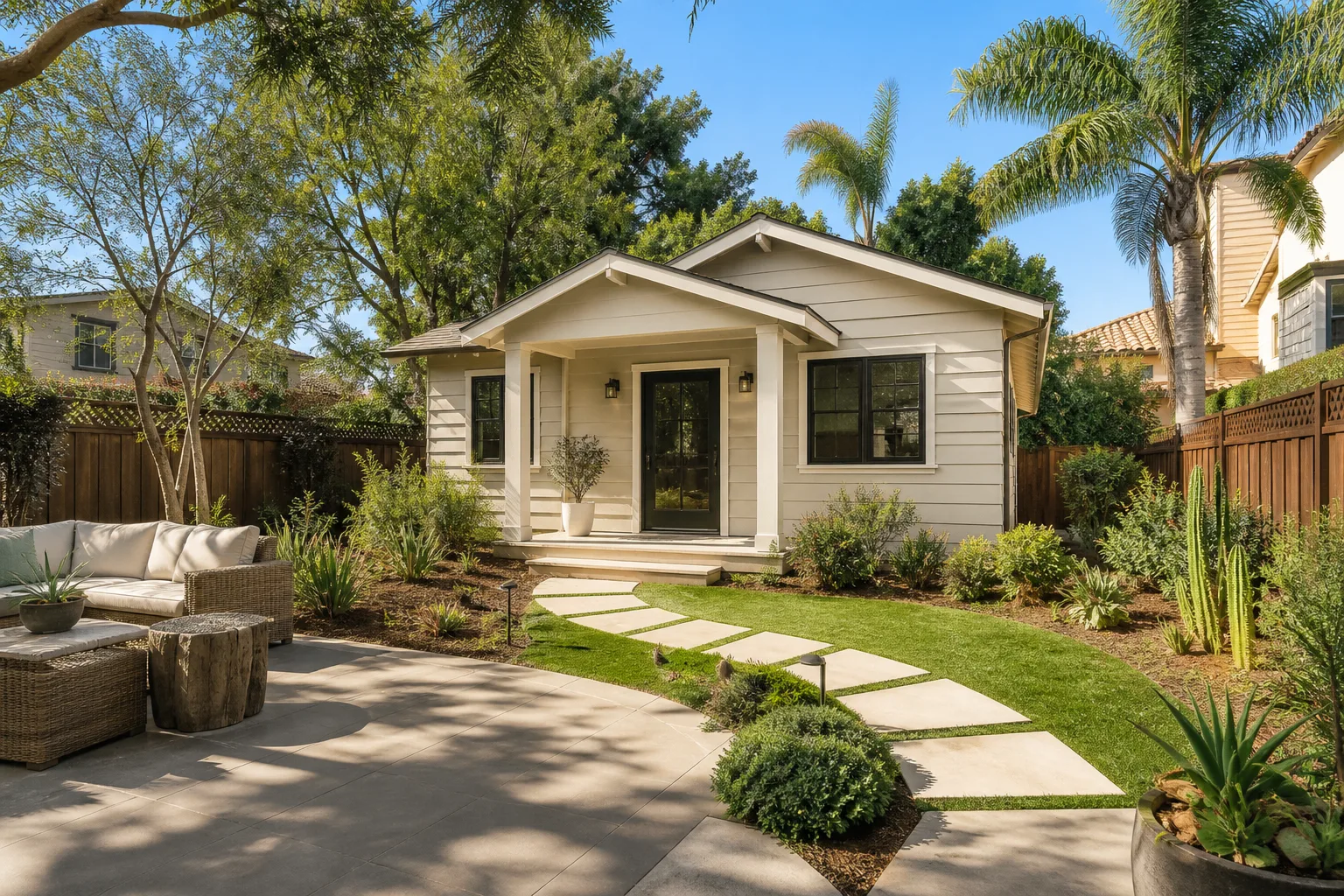
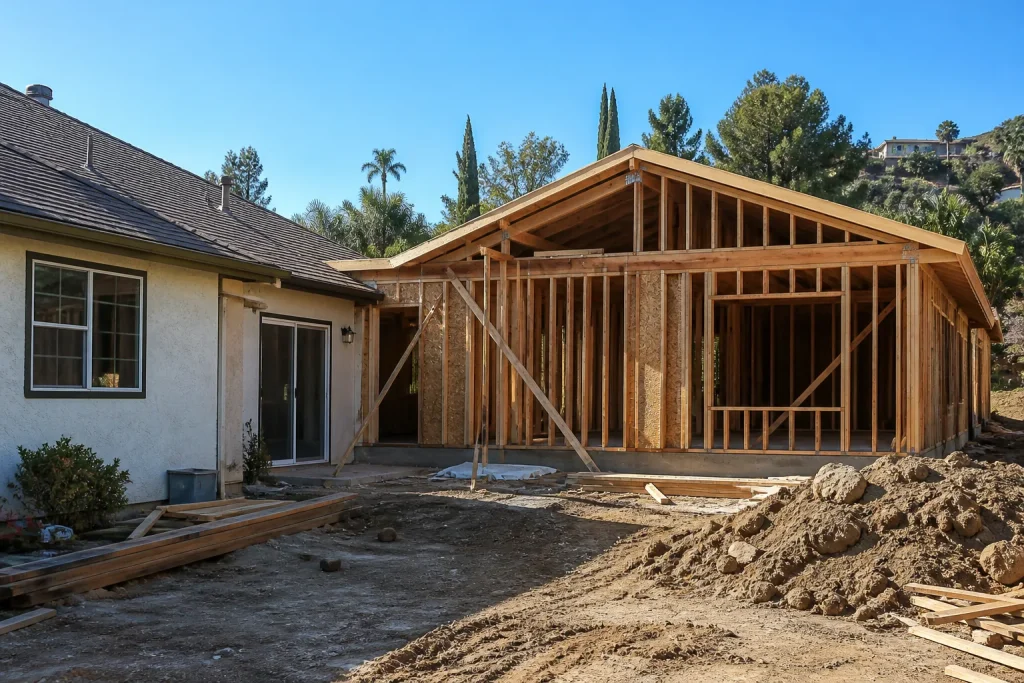
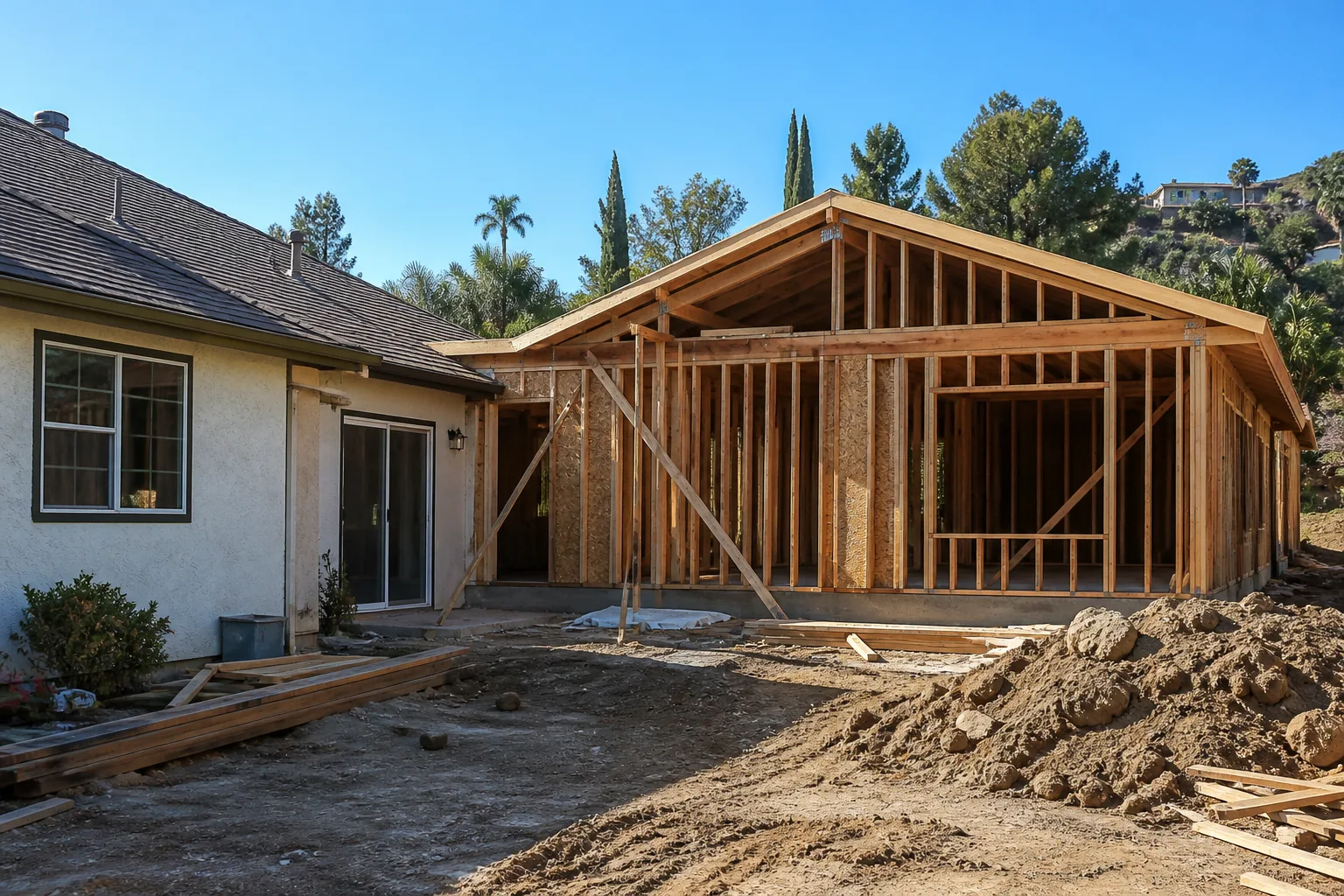
Lake Forest sits on some of the most varied terrain in Orange County. Lots in Baker Ranch and Portola Hills can shift from flat and sandy to steep and clay-heavy within a few hundred feet. We’ve watched homeowners spend $8,000 to $15,000 on architectural plans for a 600-square-foot addition, only to find out during the first site visit that the soil underneath won’t support the foundation the plans call for. That means a redesign, a new structural engineer, and six weeks gone.
A geotechnical soils report typically runs $2,500 to $5,000 in this market, and it’s the cheapest money you’ll spend on the entire project. It tells your engineer exactly what kind of footing your addition needs, whether you’ll hit expansive clay that swells with the winter rain, and whether groundwater sits closer to the surface than expected. On sloped properties near Whiting Ranch, we’ve seen soils work drive foundation costs up 30% over a flat-lot estimate. That’s not a reason to avoid building. It’s a reason to know before you design.
Get the soils report first. Hand it to your architect. Then start drawing.
Mistake #2: Underestimating the Permit Timeline
In Lake Forest, a typical addition or ADU permit runs four to eight months from submittal to approval. That’s the real number. Homeowners who budget for “a few weeks” end up frustrated and, worse, start negotiating with contractors before they even have entitlements in hand. That’s backward.
Why the delay? The city requires plan check reviews across multiple departments, and any plan that touches grading, drainage, or utility connections may also involve the local water district and fire authority. If your lot is in a hillside overlay zone, expect additional geotechnical review. If your ADU will be rented separately, expect questions about parking and access.
The right sequence looks like this:
- Soils report and survey first. Two to four weeks.
- Architectural design second. Four to eight weeks, depending on complexity.
- Permit submittal and plan check third. Four to eight months.
- Contractor bid and contract fourth, once you have approved plans in hand.
Negotiating contractor pricing on a design that hasn’t been through plan check is a recipe for change orders later. Every revision the city requires after you’ve signed a contract becomes a negotiation, and you’re on the wrong side of it. Secure entitlements first, then bid.
Mistake #3: Hiring a Contractor Who Doesn’t Specialize in Permitted Additions
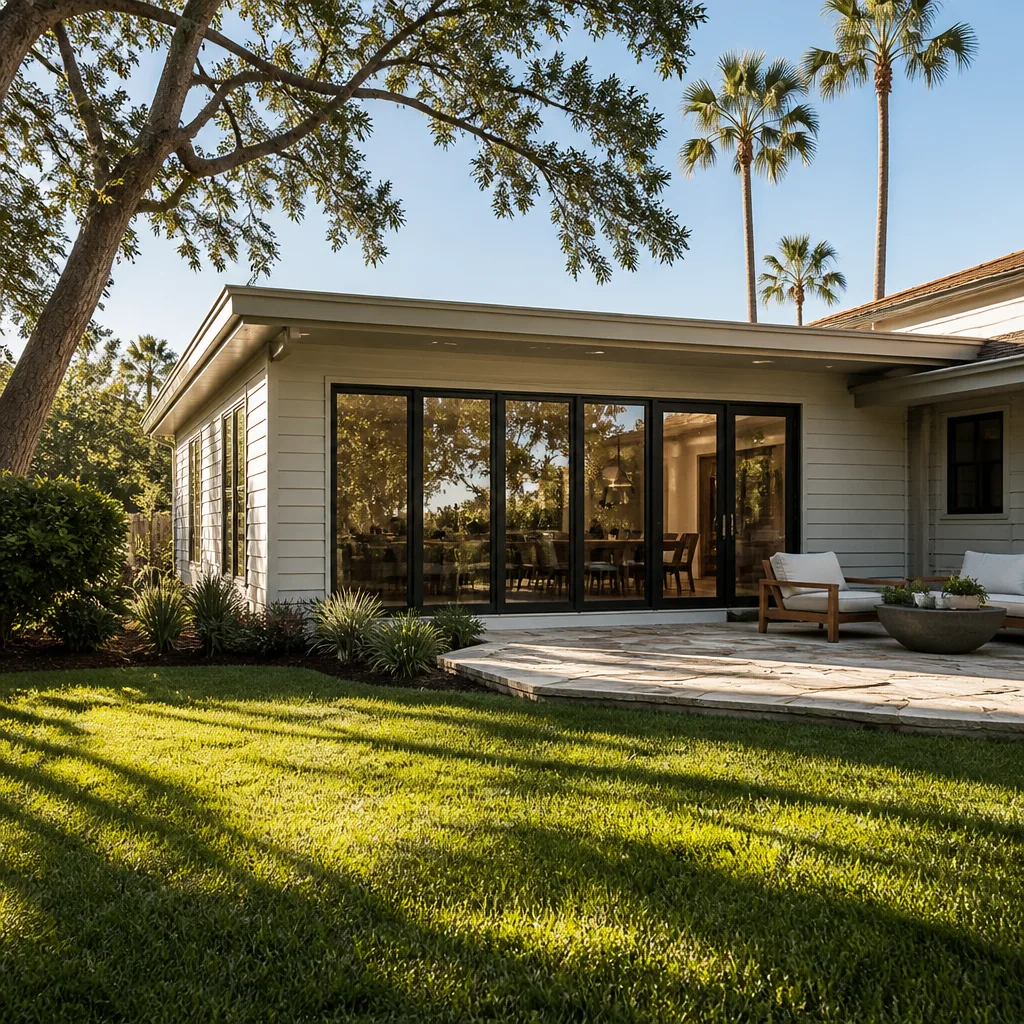
Not every general contractor handles permitted additions well. Many do great work on kitchens and bathrooms but have never navigated a full plan check on a structural addition. The gap shows up during inspections, and it shows up in the failure rate. When the city inspector walks a framing or foundation inspection and finds the work doesn’t match the approved plans, the correction cycle can add weeks and thousands of dollars.
We’ve walked into jobs in Foothill Ranch where a previous contractor had passed framing but failed the shear nailing inspection twice because the crews weren’t reading the structural plans carefully. The homeowner was three months in and still hadn’t seen drywall. Our technicians have up to 12 years of experience on permitted work, and that matters most on the inspections that require a licensed professional’s sign-off.
When you interview contractors, ask specifically: How many permitted additions have you completed in the last 24 months? Can we talk to a client whose project went through plan check in the last year? What’s your process when the city requests revisions? The answers tell you everything.
Mistake #4: Not Locking in Materials Before Construction Starts
The single biggest cause of budget overruns on additions and ADUs is change order inflation. It’s almost never the framing. It’s the fixtures. Homeowners who don’t finalize selections before the first nail goes in end up making decisions under pressure while the framing crew is standing around waiting for a plumbing rough-in that depends on a bathtub that hasn’t been selected yet.
The math is ugly. An unfinalized kitchen or bath can easily add 15% to 25% to your finishing budget in change orders alone, and every week of delay adds overhead costs, timeline extensions, and compounding decisions. In our experience, homeowners who lock in every finish before construction starts save both money and stress.
Our brand partners give you a real head start on locking in choices early. Schluter shower systems, Toto fixtures, and Grohe plumbing rough-ins are all things we specify and install routinely, which means less back-and-forth with the supply house when you’re trying to confirm exact model numbers. Make the decisions before the permits are even approved. Build a selection binder. Choose tile, fixtures, door hardware, paint colors, cabinet pulls, and lighting before you sign a construction contract. Your future self will thank you.
Mistake #5: Failing to Plan for Temporary Living Arrangements
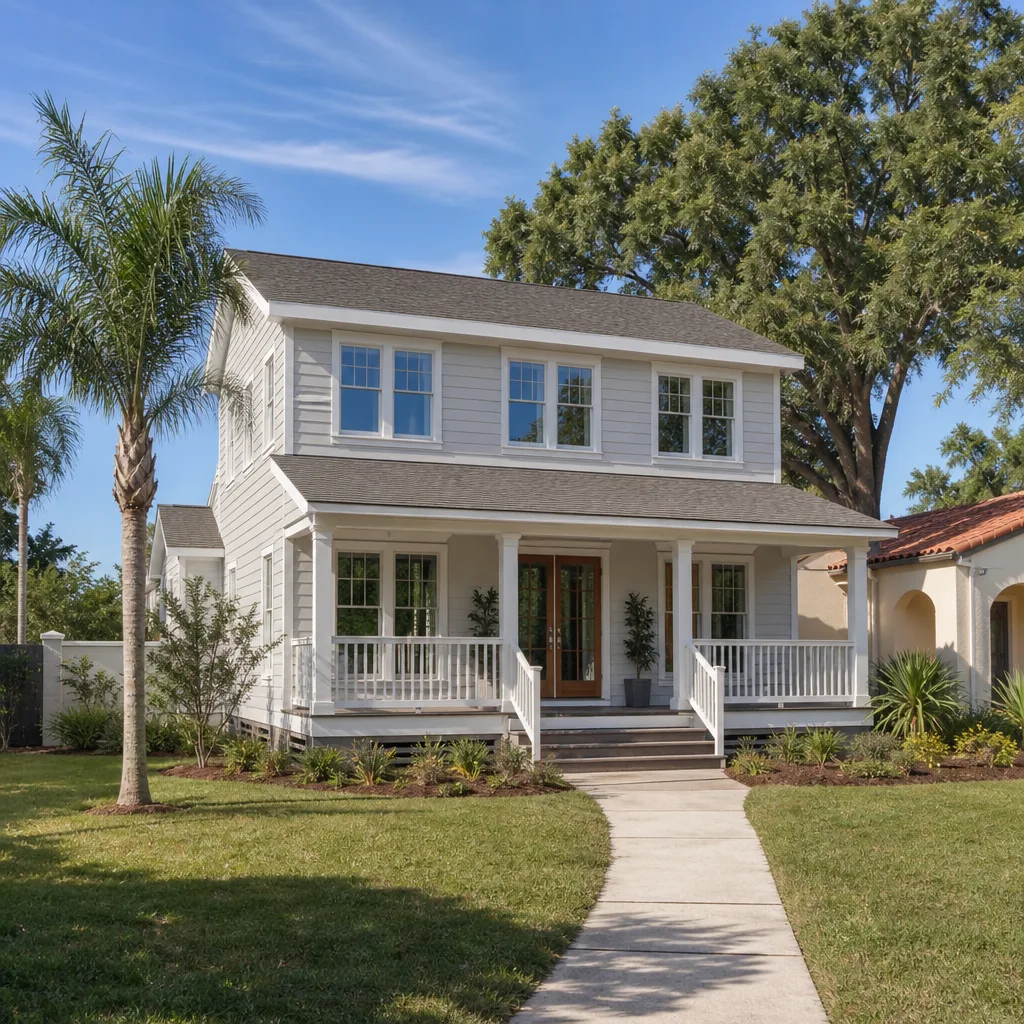
Homeowners rarely account for what it actually costs to live through an addition. If your stackable washer and dryer are in a room that’s getting demolished, or the only full bathroom is on the wrong side of the wall being built, you’re looking at real disruption. Plan for it. Most additions in Lake Forest take four to seven months of active construction. If your project includes a kitchen or primary bath in the construction zone, add another 8 to 12 weeks of inconvenience.
The costs add up:
- Temporary housing: $3,000 to $8,000 per month if you leave the house during major work, depending on your rental needs.
- Meal delivery and dining out: $400 to $900 per month through the kitchen-construction phase.
- Storage unit: $200 to $400 per month to move furniture out of the construction zone.
- Lost rental income: $2,000 to $3,200 per month if your ADU project delays an existing tenant’s stay or pushes your move-in date.
Block the budget in your opening estimate. Homeowners who line up temporary kitchen arrangements, storage, and a clear exit plan before construction starts get to make calm decisions. Those who don’t scramble at the worst possible moments and end up paying retail-plus on short notice. Call (855) 532-8973 if you’d rather talk through how this works with someone who’s walked homeowners through it before.
When to Call a Pro
If your addition touches the foundation, structural framing, the electrical panel, or the plumbing rough-in, it’s not a DIY job. Permits, structural calculations, and inspections on these systems are all things a licensed pro handles. The mistakes above are specific to Lake Forest’s terrain, permitting, and cost realities, and they get worse when the project is large. If you’re planning an addition or ADU and want to avoid them, our team at Groundwork Construction Co. of Lake Forest brings the sequence and the inspections experience to keep the project on track. Projects over $10,000 also qualify for $1,000 off, and we offer 0% financing for 18 months to make the numbers work.
Related services in Lake Forest: Home Additions & ADU in Lake Forest and Groundwork Construction Co. of Lake Forest home. If you’re also considering exterior work alongside your addition, we handle Driveway & Pavers in Lake Forest and Fence Installation in Lake Forest.
The Bottom Line
The five mistakes that sink home additions and ADUs in Lake Forest are almost all made before a single permit is filed. Skipped soils reports, underestimated permits, contractors without permitted-addition experience, unfinalized selections, and no plan for temporary living costs turn a smart investment into an over-budget ordeal. Every one of them is preventable with the right sequence. If you’re in Lake Forest and planning a project, Groundwork Construction Co. of Lake Forest offers free estimates, a 730-Day Done Right Promise on all workmanship, and upfront pricing – call (855) 532-8973 to schedule yours.
Frequently Asked Questions
A detached ADU in Lake Forest typically runs $180,000 to $320,000 depending on size, site conditions, and finishes. A garage conversion can come in at $90,000 to $140,000. Soils conditions, utility trenching distance, and finish selections drive most of the variance. Call (855) 532-8973 for an exact number based on your lot.
Expect four to eight months from submittal to approval for a typical addition or ADU. Plan check, grading review, and structural plan review all run on their own timelines, and hillside or utility-heavy lots take longer. Eash phase adds weeks if the plans need revisions. Call (855) 532-8973 and we’ll walk you through what to expect on your lot.
Yes, get the soils report first. It’s a $2,500 to $5,000 investment that prevents the far more expensive scenario of a full redesign. In Lake Forest, expansive clay and steep slopes are common, and the report tells your engineer exactly what foundation system the site needs before any architectural work starts. Call (855) 532-8973 for a free site consultation.
Not if you finalize all selections before construction starts and lock in a fixed-price contract with a defined scope. Change orders are the main driver of budget overruns, and most change orders come from undecided materials and fixtures. When selections are locked and the contract is transparent, upfront pricing holds. Call (855) 532-8973 for a written line-item estimate – free, with no obligation.
Written by the team at Groundwork Construction Co. of Lake Forest.
Need Construction Help?
Call Groundwork Construction Co. of Lake Forest - licensed & insured, here with fast after-hours help in Lake Forest.
(855) 532-8973