Last updated November 18, 2026




Free written scope consultation - allowances, timeline, and change-order rules on paper before a single trade is scheduled
Driveway & Pavers Maintenance Checklist for Lake Forest Homeowners
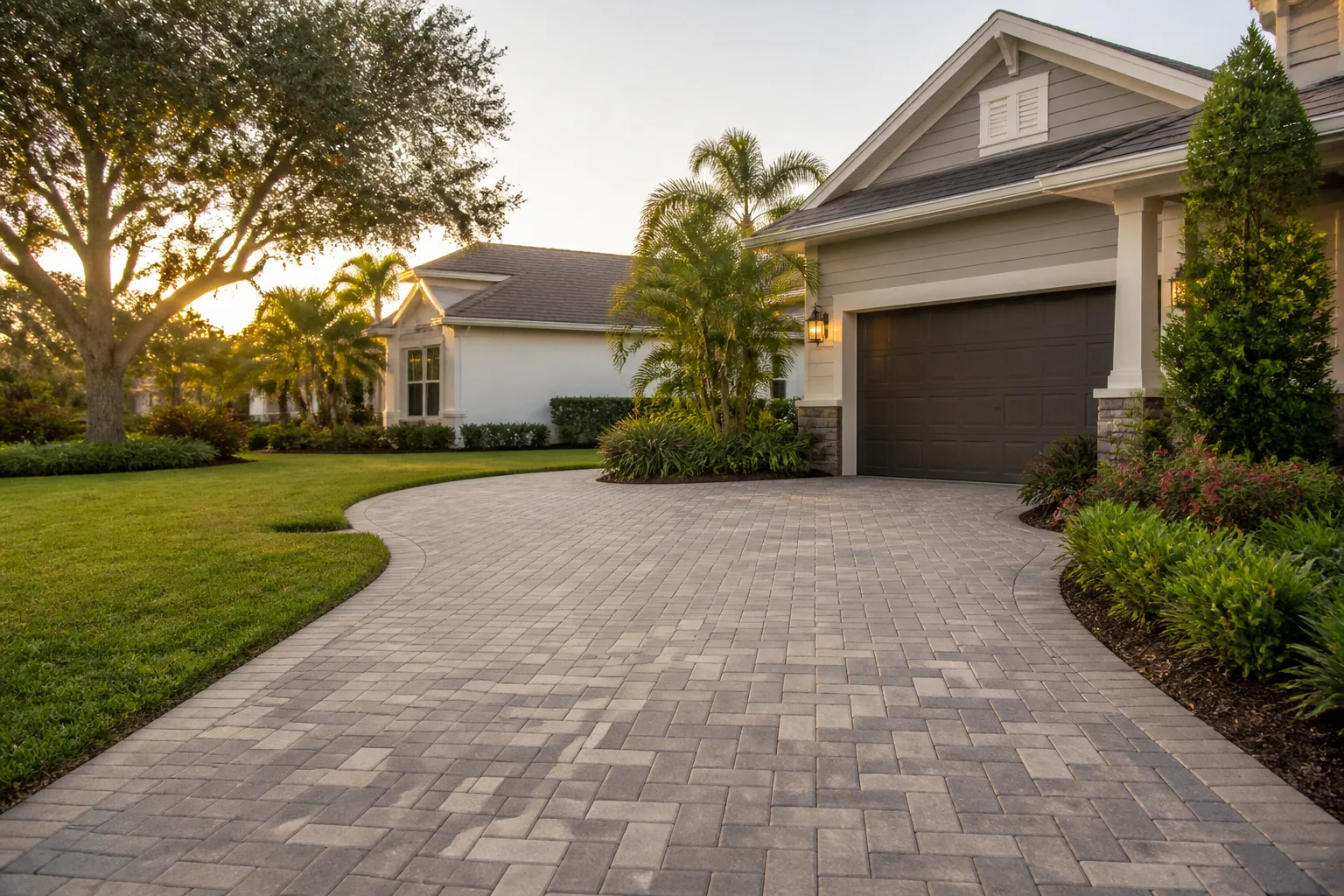
A paver driveway in Lake Forest without UV-stable sealer will show visible color fade within 18 months. Most homeowners don’t find out until the damage is already set in, because the fade starts slowly and the pavers still look “fine” from the street. We’ve walked dozens of driveways in Foothill Ranch and Portola Hills where an unsealed, unrefilled surface lost its joint sand to one Santa Ana wind season and started shifting at the edges the following spring. This guide covers the tasks that actually protect a driveway in Lake Forest’s specific climate, in the order they matter, season by season.
Quick Answer
Protect a Lake Forest driveway with four tasks: refill joint sand twice a year (spring and fall), apply a UV-stable sealer in spring or fall but never in direct summer sun, pull weeds the week they appear rather than after they root, and rinse off alkaline dust before it cures into efflorescence. Skip any of these and pavers in Lake Forest’s dry, windy, sun-baked conditions fail years earlier than they should. The three tasks that almost always get skipped – fall joint sand refill, UV-stable sealer, and prompt weed pulling – are the exact ones that cause the most premature failure here.
Styles & brands we work with
- Kitchen remodeling
- Bathroom remodeling
- Home additions & ADU
- Roofing
- Windows & doors
- Driveway & pavers
- Fence
Table of Contents
- Why Lake Forest Driveways Wear Differently
- Spring Checklist: Sand, Weeds, and the First Inspection
- Summer Checklist: What to Do and What to Skip
- Fall Checklist: Refill Before the Rains
- Winter Checklist: Rain, Salt, and Efflorescence
- The Sealing Schedule That Actually Works
- Weeds Common to Orange County Paver Joints
- Spotting Efflorescence Before It Becomes Structural
- If Your Driveway Is Concrete, Not Pavers
Why Lake Forest Driveways Wear Differently
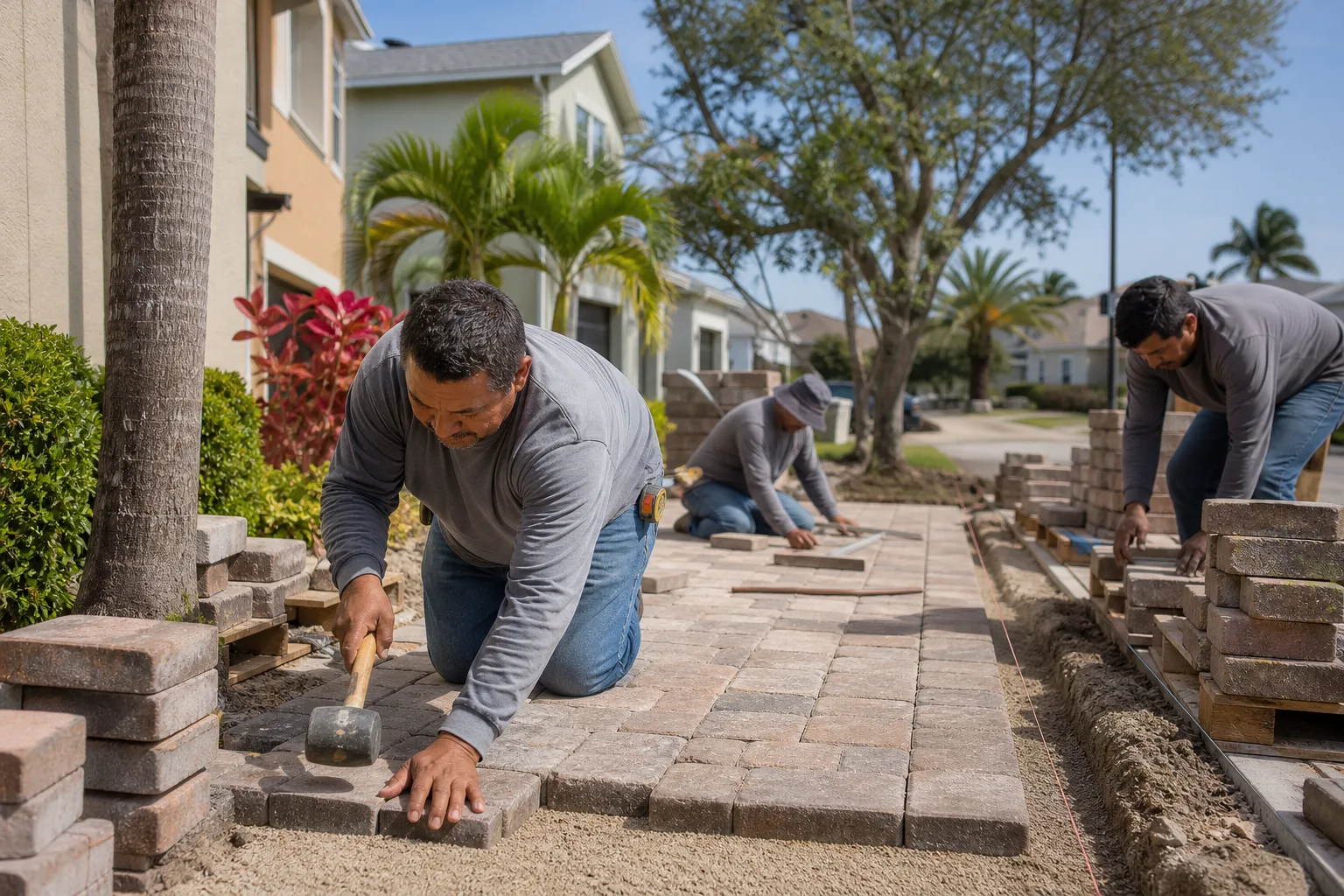
Lake Forest sits in a specific pocket of Orange County where three conditions stack up against hardscape. The city runs hot and dry for most of the year, with summer highs routinely in the 90s and long stretches of unbroken sun. UV exposure in this part of Southern California is intense enough that non-UV-stable sealers break down in a single season. The Santa Ana winds arrive in fall and winter, sweeping down from the canyons and carrying fine grit and dust across every exposed surface in the city. And when rain does come, it comes hard and fast – a handful of heavy storms rather than a gentle spread – so anything that has loosened over the dry months gets tested in a hurry.
That combination produces a deterioration pattern you won’t find in most generic maintenance advice. Joint sand erodes twice as fast on wind-exposed driveways. Sealers that aren’t rated for UV fail visibly. And Lake Forest’s alkaline soil – common across the foothills from Portola Hills up toward Whiting Ranch – pushes mineral salts up through paver joints, which shows as a white haze long before it shows as a structural problem. Timing your maintenance around these three forces is the whole game. The season-by-season checklists below are calibrated to Lake Forest’s actual climate, not a generic national schedule.
Spring Checklist: Sand, Weeds, and the First Inspection
Spring in Lake Forest is your reset window. The winter rains are done, the ground is still cool, and the pavers haven’t yet been baked by summer sun. This is when you set up a driveway for the year ahead.
- Walk the full surface and note any sunken or rocking pavers. Press down with your foot on each one. A paver that rocks means the bedding sand underneath has shifted, and it needs resetting before it cracks under a car tire.
- Refill joint sand where it’s dropped below the chamfer. Use a fine polymeric joint sand that packs well in a dry climate. Sweep it in, then work it into the joints with a light plate compactor or by hand.
- Pull weeds immediately. The week they appear, not the week after. Spring is when Orange County’s warm-season weeds germinate fast, and a weed left for two weeks will push roots through a joint.
- Inspect the edges and restraint system. Edging holds the whole field in place. If a section of edge restraint has worked loose, everything behind it starts spreading. This is a repair, not a cosmetic issue.
- Schedule your sealer for a cool, dry window. Spring is ideal – see the sealing section below for the exact reasons.
We usually tell homeowners in Lake Forest that the spring walk-around takes 20 minutes and prevents most of what we get called out to fix by fall. If your spring checklist turns up rocking pavers or failed edge restraint across more than a small patch, that’s real base damage and it’s worth a professional look – see our Driveway & Pavers in Lake Forest page for what a proper repair involves.
Summer Checklist: What to Do and What to Skip

Summer is when most Lake Forest driveway damage gets done – not by weather, but by well-meaning maintenance. Here’s what to do, and more importantly, what to leave alone.
- Do not seal in direct summer sun. This is the single most common Lake Forest mistake. Sealer applied to pavers heated by 95-degree afternoon sun skins over before it cures, trapping moisture underneath. The result is a cloudy, patchy finish that looks worse than no sealer at all – and the trapped moisture can lift the surface over the following months.
- Do pull weeds as they appear. Hot, dry weather actually slows new germination, so summer weed pulling is light work – but the weeds that are already there will bolt quickly.
- Do rinse off grit and dust after wind events. A quick rinse prevents the fine grit from settling into joints and accelerating erosion.
- Do inspect for efflorescence blooms after the first hot stretch. Heat draws moisture up through pavers, and alkaline salts come with it. Catching the white haze early makes it a simple wash, not a deep treatment.
- Don’t pressure-wash at high pressure on a hot surface. High pressure strips joint sand, and a hot surface makes the stripping worse. If you need to clean, use low pressure and a cool morning.
If you’ve got a paved driveway that was installed a few summers back and it’s already looking washed out, that’s a sign the original job was either sealed with the wrong product or not sealed at all. Our team can assess the surface and tell you honestly whether it needs a re-seal, a deep clean, or a rebuild – and if a rebuild is the answer, Groundwork Construction Co. of Lake Forest home is where to start the conversation.
Fall Checklist: Refill Before the Rains
Fall is the most important maintenance window in Lake Forest, and it’s the one almost everyone skips. Here’s why: the Santa Ana winds arrive in fall, and they carry fine grit down from the hills. That grit acts like sandpaper on your joints. By the time the first big rain comes, every wind-abraded joint is wide open, and the rain washes out whatever sand was left.
- Refill joint sand before the first rain event. This is the second of your two annual refills (spring and fall). Use the same fine polymeric joint sand.
- Clear debris from the channels. Leaf litter and grit trapped in low spots hold moisture against the surface and cause staining.
- Check drainage. Make sure the driveway slopes away from the garage and that water doesn’t pool anywhere. In Lake Forest, the hard winter rains test drainage fast – any low spot will show up as a puddle within one storm.
- Inspect for frost damage. Our winters don’t get hard freezes, but the occasional cold snap on a wet surface can cause hairline surface cracks in older concrete and in pavers near their end of life. Note them now and plan repairs in spring.
- Seal in a cool, dry fall window if you didn’t seal in spring. Fall is often the better window because afternoon temperatures drop into a range where UV-stable sealer cures evenly.
Fall is also when we get the most calls about joint sand. Homeowners in Lake Forest see sand washing down the storm drain after the first rain and realize the joints have been wide open all year. If that’s what you’re seeing, the fix is straightforward – but it’s worth doing correctly, with the right sand and the right edge restraint intact.
Winter Checklist: Rain, Salt, and Efflorescence
Winter in Lake Forest is short and wet, and it’s when the effects of skipped fall maintenance show up. If you’ve done the fall refill, winter is mostly inspection. If you skipped it, winter is catch-up.
- After each storm, check for sand washout at low points. Sweep away grit and refill any joints that have opened up. Don’t wait for spring.
- Watch for efflorescence after rain. Winter’s wet-dry cycles pull alkaline salts out of Lake Forest’s soil and drive them to the surface. White haze after a rain is the first sign – see the efflorescence section below for how to handle it.
- Avoid deicing salt entirely. Salt can damage both concrete and paver surfaces, and it does more harm than good on a Lake Forest driveway that only sees a handful of frost mornings a year. Use a stiff broom and a little sand for traction instead.
- Clear the edges. Rain carries grit to the edges of the driveway, and grit trapped against the edge restraint holds moisture and can push the edging out of line over several seasons.
- Schedule your spring walk-around now. Winter is the right time to book spring sealing and any base repairs – before the spring rush.
Winter is also when we hear from homeowners whose fence and gate posts sit along the driveway, because wet ground and heavy wind load test both at once. If your gate posts are pulling lean, that’s a separate repair – our Fence Installation in Lake Forest page covers it.
The Sealing Schedule That Actually Works
The re-seal schedule that works in Lake Forest isn’t annual, and it isn’t yearly-on-the-same-date. It’s a two-year cycle, applied in the right temperature window, with the right product. Here’s the breakdown.
- Product: UV-stable penetrating or film-forming sealer rated for exterior pavers. This is non-negotiable in our climate. A sealer without UV stability will fade out within 18 months of UV exposure in Lake Forest. Expect to pay more for a UV-stable product – it’s the difference between a sealer that lasts two years and one that fails in one.
- Timing: spring (March-May) or fall (September-October). These are the windows when overnight temperatures stay above sealer manufacturer minimums and daytime temperatures stay below the range where the sealer skins over before curing.
- Avoid: June, July, August, and any day above 85 degrees. In a Lake Forest summer, mid-day surface temperatures on a sunny driveway can exceed 130 degrees. Sealer applied at that temperature skins immediately and traps moisture. Skip summer entirely.
- Application: two thin coats, not one thick coat. One thick coat traps moisture and takes days to cure. Two thin coats, applied in the cooler morning, cure evenly and build a lasting film.
- Check before you re-seal: does the sealer still bead water? If water beads on the surface after a rain, the sealer is still working. If it soaks in immediately, it’s time. Don’t re-seal on a fixed calendar – check first.
A proper two-coat UV-stable seal on a Lake Forest paver driveway should last two to three years before it needs refreshing, depending on sun exposure and foot traffic. A driveway facing full south with no shade will go through sealer faster than a shaded one. Our team can tell you which window makes sense for your specific surface – call (855) 532-8973 for a free estimate and we’ll walk the driveway with you.
See the difference
 Before
 After
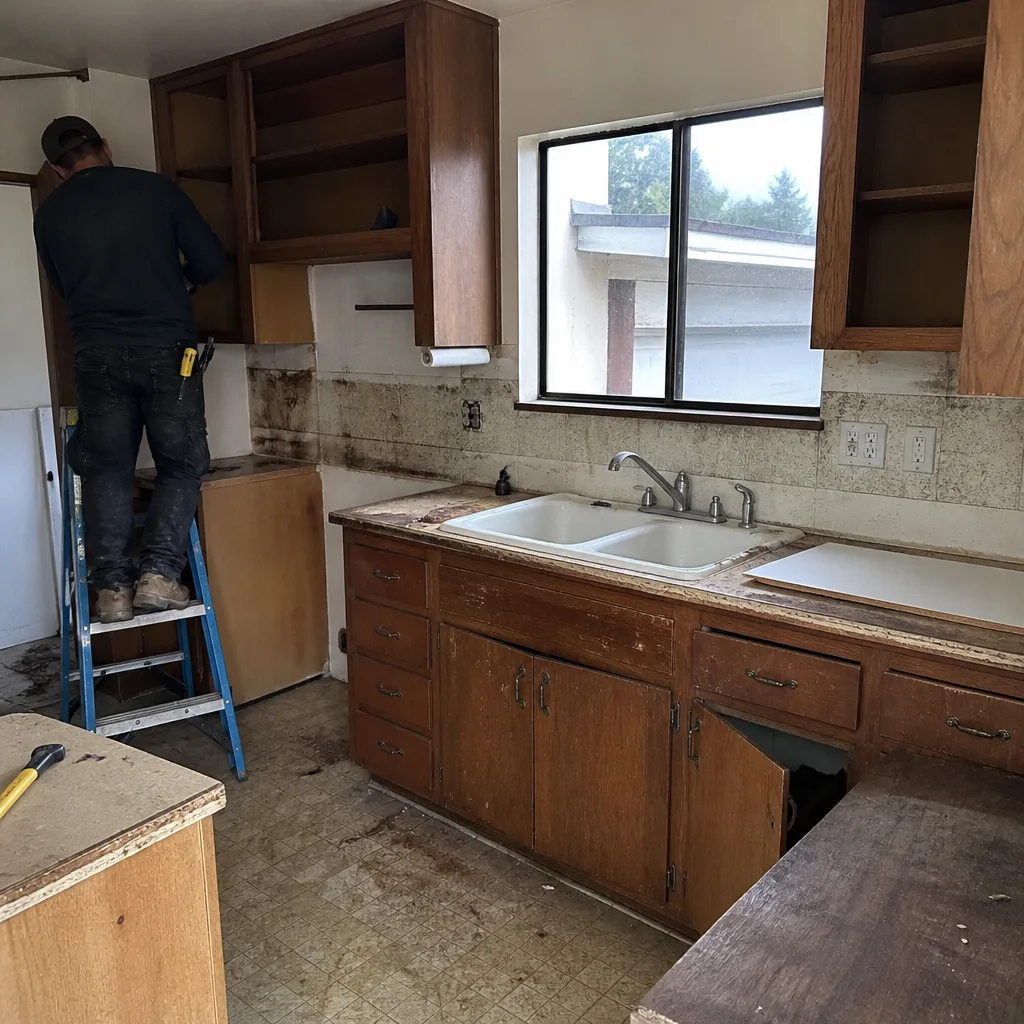 Before
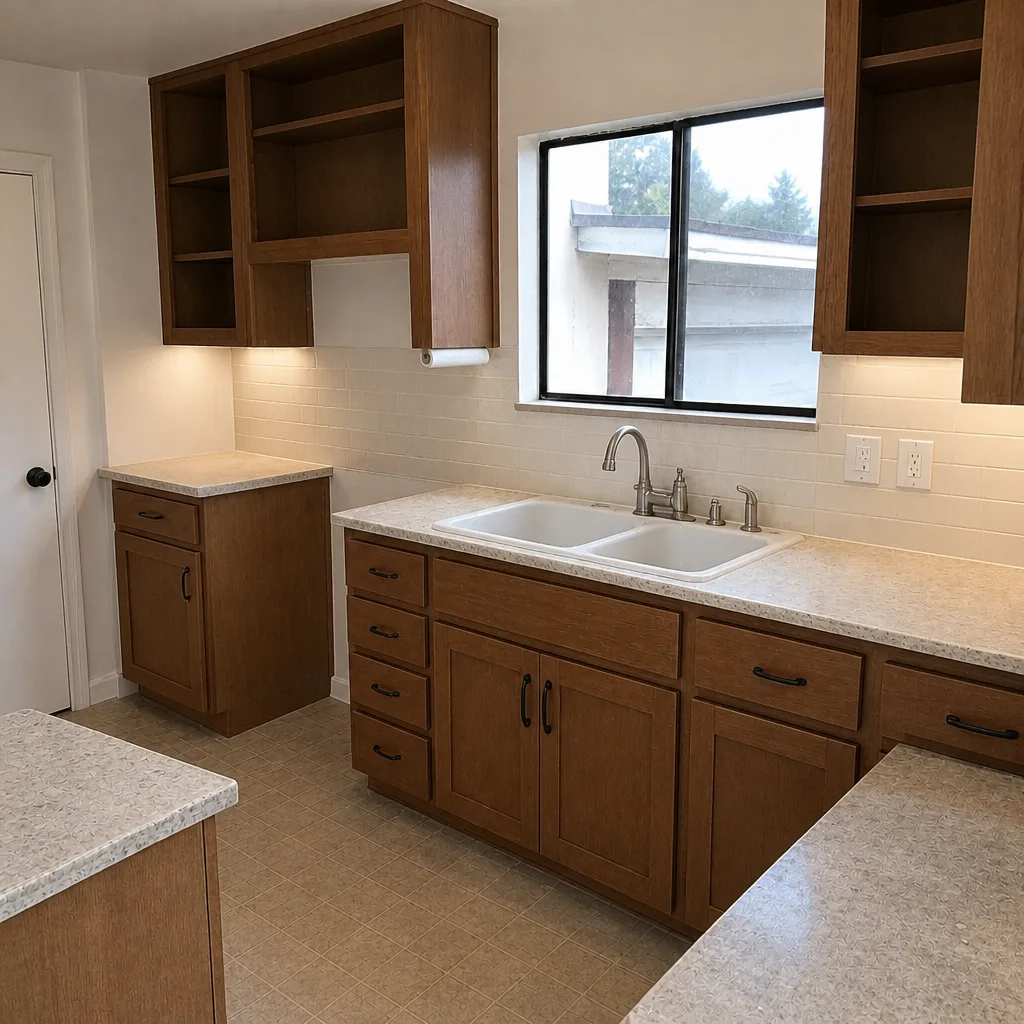 After
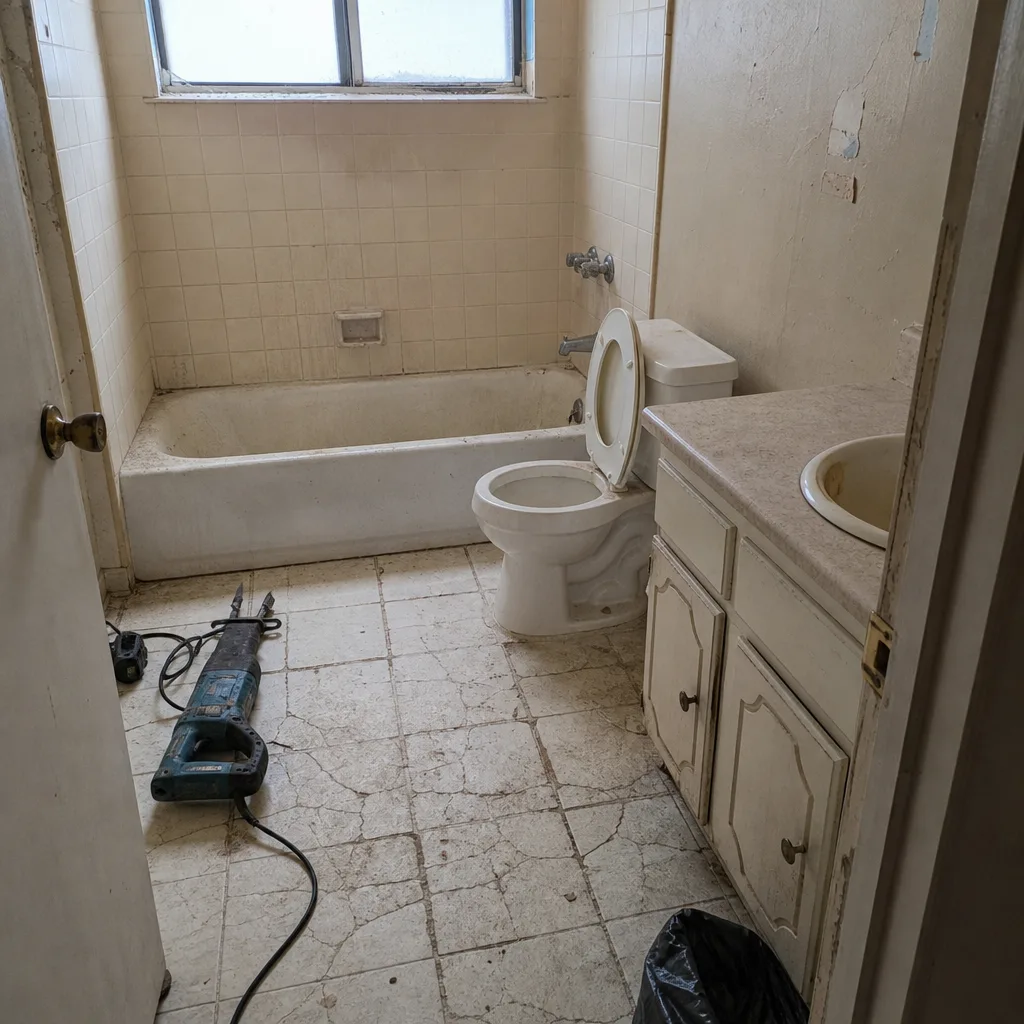 Before
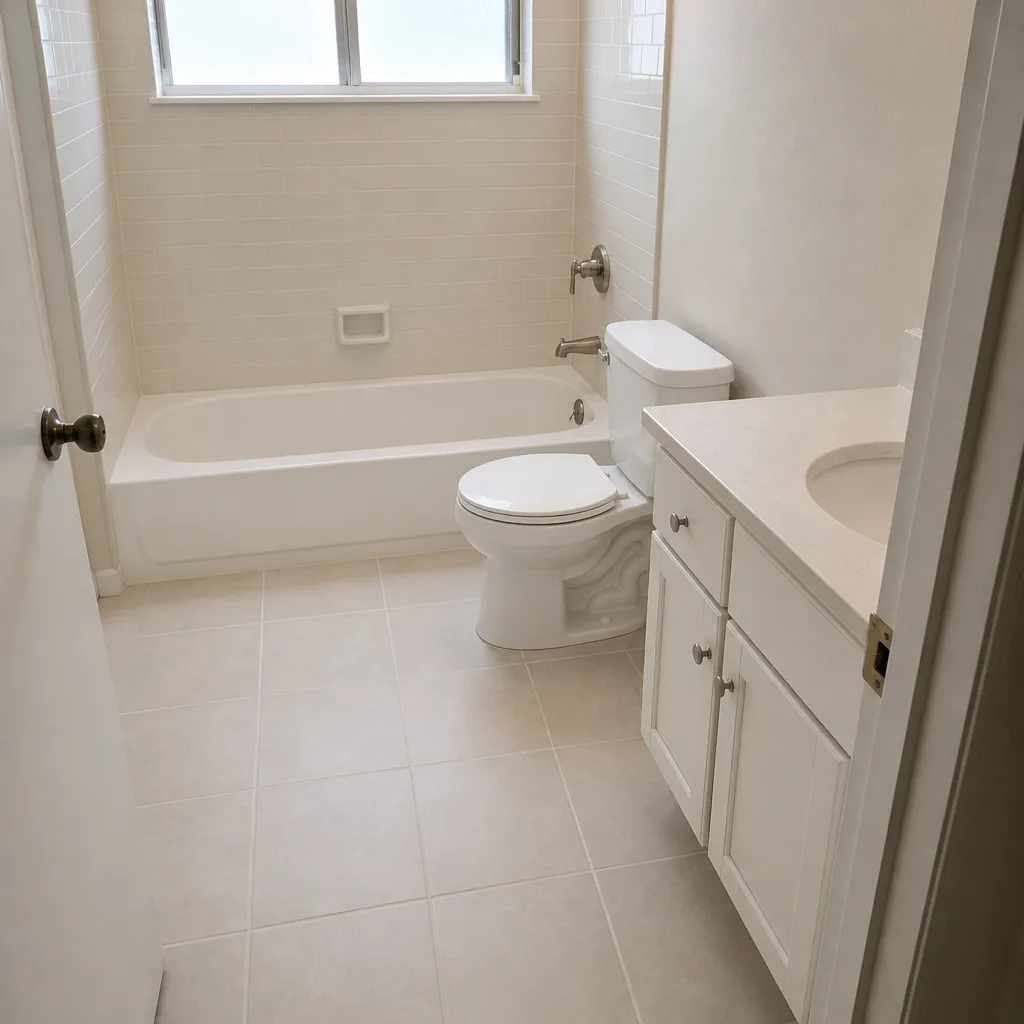 After
Weeds Common to Orange County Paver Joints
Weeds in paver joints aren’t just ugly – they physically open the joints. A weed pushes roots through a joint, heaving the sand out and widening the gap, which invites grit, water, and more weeds. In Lake Forest’s dry, hot conditions, three weed types cause most of the problem.
- Crabgrass. The summer aggressor. It germinates in warm soil and spreads fast, and its roots are strong enough to widen a joint within weeks. Pull it whole – if you break the root, it comes back within a week.
- Spotted spurge. This low, mat-forming weed loves compacted, hot soil and is common in Orange County. It spreads flat across the surface and roots at every node. Pull it early, before it sets seed – one plant can produce thousands of seeds.
- Oxalis (wood sorrel). The winter aggressor. It germinates with cool wet weather and spreads by both seed and small bulbs, which means pulling the top doesn’t kill it. You’ll often need to dig it out completely or treat it with a targeted herbicide rated for paver surfaces.
How to address weeds without damaging the surface: pull by hand when the ground is damp (after a rain in winter, after a light morning watering in summer), use a weeding tool that hooks under the root, and never use a high-pressure washer or metal scraper on a paver joint – both strip joint sand and loosen the pavers. A dedicated paver-joint herbicide, applied carefully and in the right season, is the only chemical route we recommend. If weeds are coming back in the same spots every season, the joint sand isn’t the issue – the joints are too wide, which means the driveway needs a re-sand and possibly a re-seal.
Spotting Efflorescence Before It Becomes Structural
Efflorescence is the white, chalky haze you sometimes see on pavers or concrete after a rain. It’s mineral salt drawn to the surface as moisture moves through the material and evaporates. In most of Lake Forest, the underlying cause is alkaline soil – the foothill soil across the city runs toward the alkaline side, and that drives salts up through pavers when the ground is wet.
Efflorescence alone isn’t structural damage. It’s a cosmetic signal. Here’s the distinction that matters:
- Haze that brushes off or washes away after a dry spell: cosmetic efflorescence. Treat with a dedicated efflorescence cleaner and add a sealer to reduce moisture movement through the pavers.
- Haze that keeps coming back regardless of weather: chronic moisture movement. Something is letting water into the base – often a failed joint sand or a broken irrigation line underneath.
- Haze plus loosening pavers or a soft spot: this is the structural stage. The base is being attacked by moisture and salts, and the pavers will start to lift. This needs investigation, not another wash.
Efflorescence that shows up on the same section of driveway season after season is the one that worries us. It almost always means moisture is being fed from somewhere beneath the surface – a leaking line, a poorly graded base, or a low spot that holds water against the pavers. Our team can trace it and tell you whether it’s a wash-and-seal fix or a repair underneath. Lake Forest homeowners should also look for the same haze on any concrete patio or walk adjacent to the driveway – if it appears there at the same time, it points to soil, not the surface.
If Your Driveway Is Concrete, Not Pavers
Most of the guide above is specific to pavers, but plenty of Lake Forest driveways are poured concrete. The maintenance schedule is simpler but the failure modes are different, and three items matter most.
- Crack sealing every two to three years. Fill any crack wider than a credit card before winter rain. A hairline crack in summer becomes a heave and a spall after one wet winter. Use a flexible polyurethane crack sealant rated for exterior concrete.
- Never salt. Concrete in our climate doesn’t need it, and salt accelerates surface scaling. Use sand for traction on the rare frost morning.
- Watch for spalling at the edges. The Lake Forest dry-then-wet cycle works on concrete edges the same way it works on pavers. If a concrete driveway has spalled edges and a crack running through a control joint that has widened noticeably, that’s usually a sign the base has failed and the driveway is at the end of its life.
We replace a fair number of Lake Forest concrete driveways with paver systems, and in most cases the concrete isn’t failing because of bad concrete – it’s failing because the base underneath it never accounted for the city’s soil and drainage. If you’re weighing replacement, our Driveway & Pavers in Lake Forest page covers what a paver system involves. Pavers are usually the better long-term answer in Lake Forest because a single damaged paver can be lifted and replaced without ripping out the whole surface. If you’re also considering a larger project – a new covered entry, a garage expansion, or an ADU that changes the driveway layout – our Home Additions & ADU in Lake Forest team can plan the hardscape and the structure together.
Common Mistakes to Avoid
- Sealing in direct summer sun. The single most common Lake Forest mistake, and the one that causes visible clouding within a season. The sealer skins before it cures and traps moisture.
- Skipping the fall joint sand refill. If you only do one refill a year, most homeowners do it in spring and skip fall. Fall is the one that protects the driveway through the Santa Ana wind season and the winter rains – the exact window when the joints are most exposed.
- Using non-UV-stable sealer. It costs less and it fails in 18 months in our climate. A paver driveway sealed with a non-UV product in Lake Forest will visibly fade faster than an unsealed one.
- Pressure-washing paver joints at high pressure. This strips the joint sand and loosens the pavers. Low pressure and a cool morning, always.
- Deicing with salt. Salt damages both pavers and concrete, and Lake Forest barely sees a hard freeze. Use sand for traction.
- Ignoring efflorescence that keeps coming back. A recurring white haze means water is being fed into the base from somewhere. Keep washing it and it becomes a structural repair.
- Letting weeds root. A weed left for two weeks pushes roots through the joint and widens it. Pull weeds the week they appear – the same day if you can.
- Deferring rocking pavers until spring. A rocking paver means the base has shifted. Every freeze and rain cycle makes it worse, and eventually the paver cracks. Fix them the month you notice them.
When to Call a Professional
Most of the checklist above is homeowner work. A few things aren’t. Call a professional when pavers rock underfoot across more than a small patch (that’s base failure, not topcoat), when edge restraint has pulled loose and the field is spreading, when efflorescence keeps returning to the same section regardless of season, when a sealer has clouded or peeled and needs to be stripped, or when the driveway needs to be replaced rather than maintained. If your driveway was installed by someone else and you’re not sure what sealer or joint sand is on it, a professional assessment is worth the call. Groundwork Construction Co. of Lake Forest offers free estimates in Lake Forest – call (855) 532-8973. We’ll walk the driveway, tell you what’s actually going on, and put the number in writing upfront. All work is covered by our 730-Day Done Right Promise, which means if the repair or replacement isn’t done right, we make it right. Our technicians have up to 12 years of experience with paver systems and concrete in Southern California climates.
Frequently Asked Questions
Twice a year – once in spring and once in fall. Lake Forest’s Santa Ana winds strip joint sand faster than most climates, and the fall refill is the one that protects the driveway through the windy season and the winter rains. If you only refill once, do it in fall.
No – skip June, July, and August entirely. In direct Lake Forest summer sun, driveway surface temperatures can exceed 130 degrees, and sealer applied at that heat skins over before it cures, trapping moisture underneath. Seal in spring (March-May) or fall (September-October) instead, and never on a day above 85 degrees.
That white haze is efflorescence – mineral salt drawn to the surface by moisture moving through the pavers. In Lake Forest it’s usually driven by alkaline soil. If it wipes off and doesn’t return quickly, it’s cosmetic. If it keeps returning to the same section, moisture is being fed into the base and it needs a professional look.
Crabgrass and spotted spurge in summer, oxalis (wood sorrel) in winter. All three push roots through joints and widen them. Pull them by hand when the ground is damp, and never use high-pressure washing or metal scrapers, which strip the joint sand.
Re-sanding and sealing a paver driveway in Lake Forest typically runs $1.50 to $3.50 per square foot for the re-sand and $1.00 to $2.50 per square foot for a UV-stable sealer, depending on surface condition and access. A leaking irrigation line or failed base underneath adds real cost. Call (855) 532-8973 for an exact quote on your driveway – estimates are free and the number is written upfront.
Yes, concrete can show the same white haze, and the cause is usually the same – alkaline soil and moisture. On concrete, efflorescence is often a sign that hairline cracks are letting water into the slab. Check your control joints and seal any crack wider than a credit card before the winter rains.
The Bottom Line
Lake Forest driveways fail on a predictable schedule, and the schedule is set by three forces: UV exposure, Santa Ana wind grit, and alkaline soil pushed by winter rain. The three tasks that protect against those forces – fall joint sand refill, UV-stable sealer applied in a cool window, and prompt weed pulling – are the ones most homeowners skip. Do all three, and your driveway will hold up for years longer than the one down the street. Skip them, and you’ll meet the same failure pattern in 18 months that we see across Portola Hills and Foothill Ranch every spring. If any of this looks past your spring checklist, or you’d rather not do the work yourself, call Groundwork Construction Co. of Lake Forest at (855) 532-8973 for a free estimate. Upfront pricing, the number you see is the number you pay, and every job backed by our 730-Day Done Right Promise. From foundation to finish line, we handle the whole scope – driveway, pavers, and everything that touches them.
Written by the team at Groundwork Construction Co. of Lake Forest.