Last updated November 18, 2026


Free written scope consultation - allowances, timeline, and change-order rules on paper before a single trade is scheduled
How Long Does Fence Installation Take? Timelines and What to Expect
A 150-foot wood fence can take one day to install and three weeks to actually finish. The difference is everything that happens before the crew shows up: the permit sitting in a county queue, the 811 ticket nobody warned you about, the caliche layer four inches under your lawn that turns post holes into a jackhammer job. We’ve watched homeowners plan a weekend fence project in Lake Forest and then discover a three-week timeline they never budgeted for. That’s not a sales problem. It’s a planning problem. This guide maps the real timeline phase by phase, so you can plan around truth instead of a salesperson’s optimism.
Quick Answer
The physical installation of a residential fence usually takes one to three days for standard wood or chain-link and three to six days for vinyl, wrought iron, or fences on sloped ground. But the full project, from signed contract to usable fence, typically runs two to six weeks in Lake Forest once you account for permits, 811 utility marking, HOA approval, material lead times, and concrete cure. Plan on four weeks as a realistic middle estimate, and longer if your property sits on a grade or you’re in an HOA with a design review committee.
Styles & brands we work with
- Kitchen remodeling
- Bathroom remodeling
- Home additions & ADU
- Roofing
- Windows & doors
- Driveway & pavers
- Fence
Table of Contents
- The Real Fence Timeline: Phase by Phase
- Installation Timelines by Fence Type
- The Pre-Installation Phase Most Contractors Skip
- Lake Forest Soil, Caliche, and Slope Grades
- Concrete Cure Time and Inland Weather Delays
- Red Flags That a Quoted Timeline Is Unrealistic
- Common Mistakes to Avoid
- When to Call a Professional
The Real Fence Timeline: Phase by Phase
Here’s how a residential fence project actually moves from handshake to hardware, with realistic day ranges for each phase. Notice how much of the calendar is consumed before anyone touches a shovel.
- Contract and deposit (1 – 3 days). You sign a written scope with a line-item price. A contractor who quotes over the phone without site measurements is guessing, and their timeline will be a guess too.
- HOA design review, if applicable (7 – 30 days). Many Lake Forest communities, particularly in the planned neighborhoods off Portola Parkway and Bake Parkway, require architectural committee approval for fence height, material, and color. This is the single most common hidden delay.
- Permit application and issuance (5 – 15 business days). Orange County jurisdictions typically process residential fence permits in one to three weeks, longer if your property line or height requires a variance.
- 811 utility marking (2 – 3 business days minimum, by law). Underground Service Alert must be notified before any digging. This is not optional and cannot be compressed.
- Material ordering and delivery (3 – 10 days). Standard wood and chain-link usually ship fast. Custom vinyl profiles, wrought iron panels, and any back-ordered color can stretch weeks.
- Installation (1 – 6 days depending on type and terrain). Post setting, panel hanging, gate hanging, and cleanup.
- Concrete cure and inspection (2 – 7 days). Posts must cure before the fence is fully load-bearing. Final inspection, where required, follows cure.
Stack those phases and you can see why a two-week promise on a Lake Forest project is a red flag. The only way to hit two weeks is to skip steps, and the steps you can skip are the ones that protect your property line and your utility lines.
Installation Timelines by Fence Type
The material you choose changes the labor curve more than most homeowners expect. Here are honest day ranges for the physical build, assuming straightforward terrain and materials already on site.
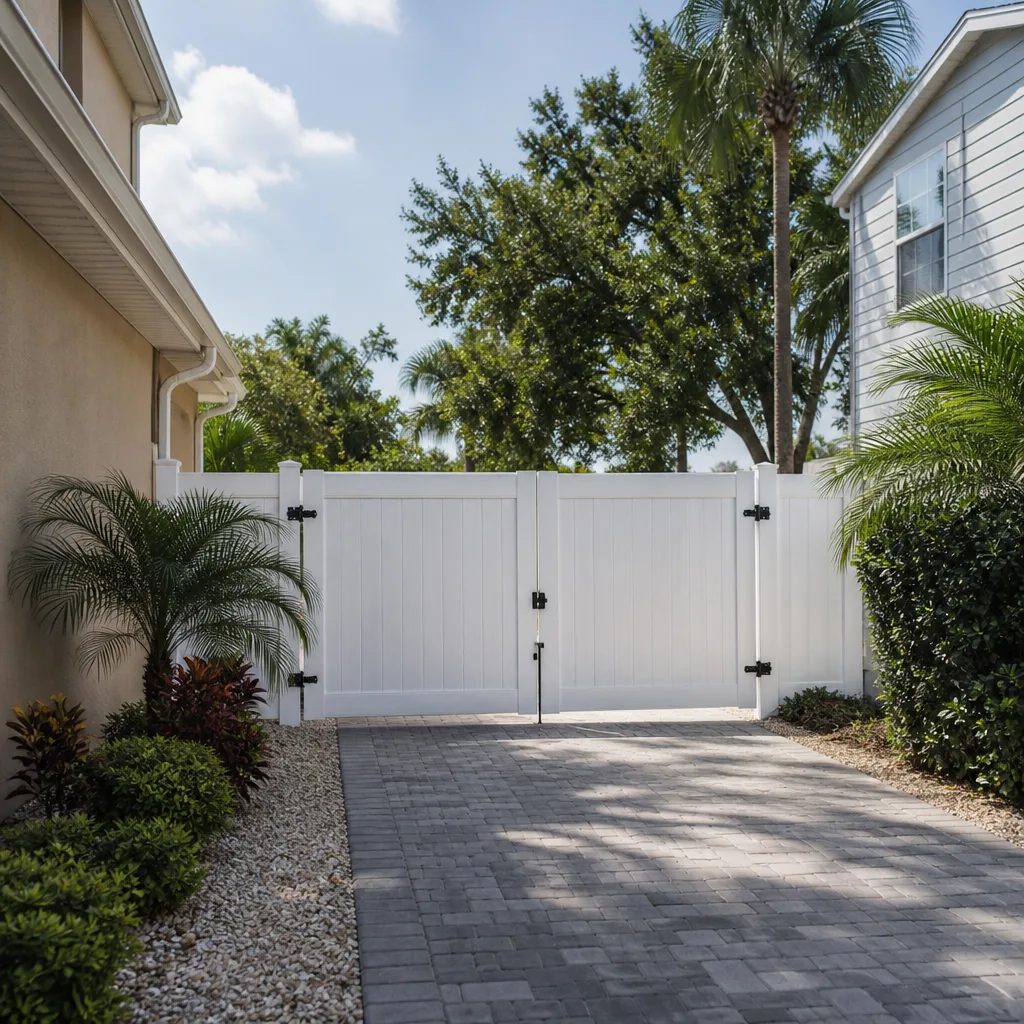
- Chain-link: 1 – 2 days for 150 linear feet. The fastest option. Posts set quickly, mesh rolls out fast. If you need a fence up before a dog arrives or a pool goes in, this is the realistic choice.
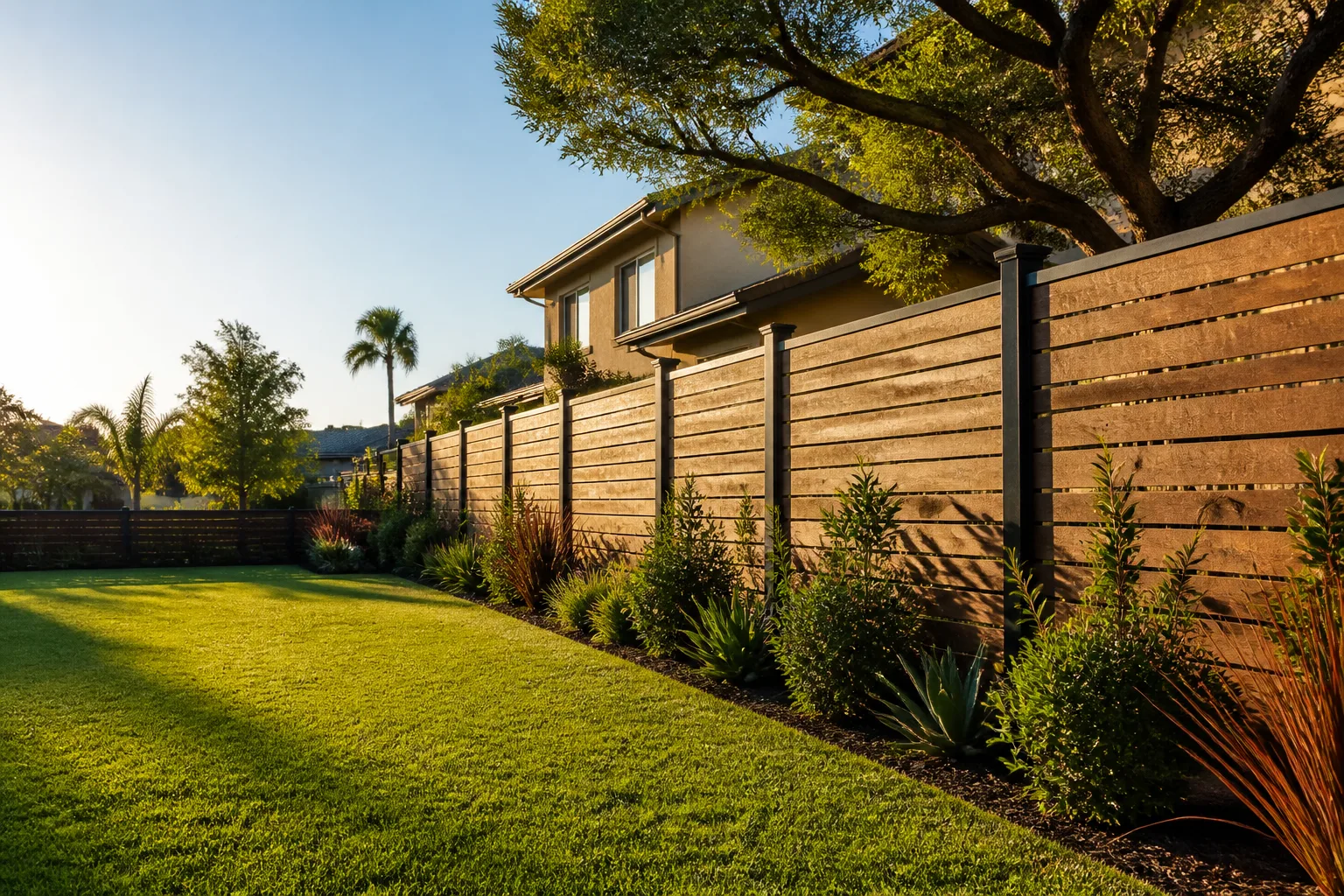
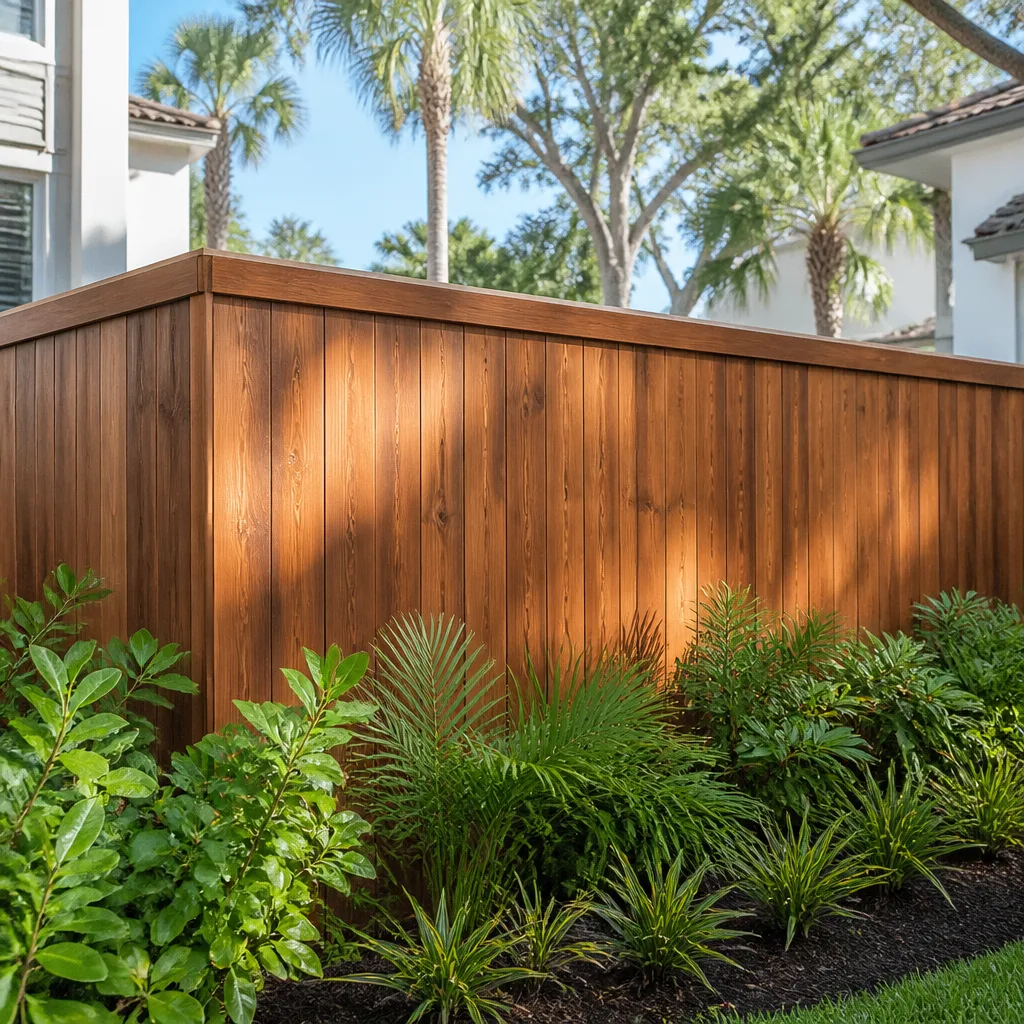
- Standard wood (dog-ear or flat-top, 6 feet): 2 – 3 days. Post holes, concrete, stringers, pickets. Add a day if the run includes multiple gates.
- Vinyl: 3 – 4 days. Panels are prefabricated but heavier and less forgiving on grade. Posts need consistent depth and level, which slows the build.
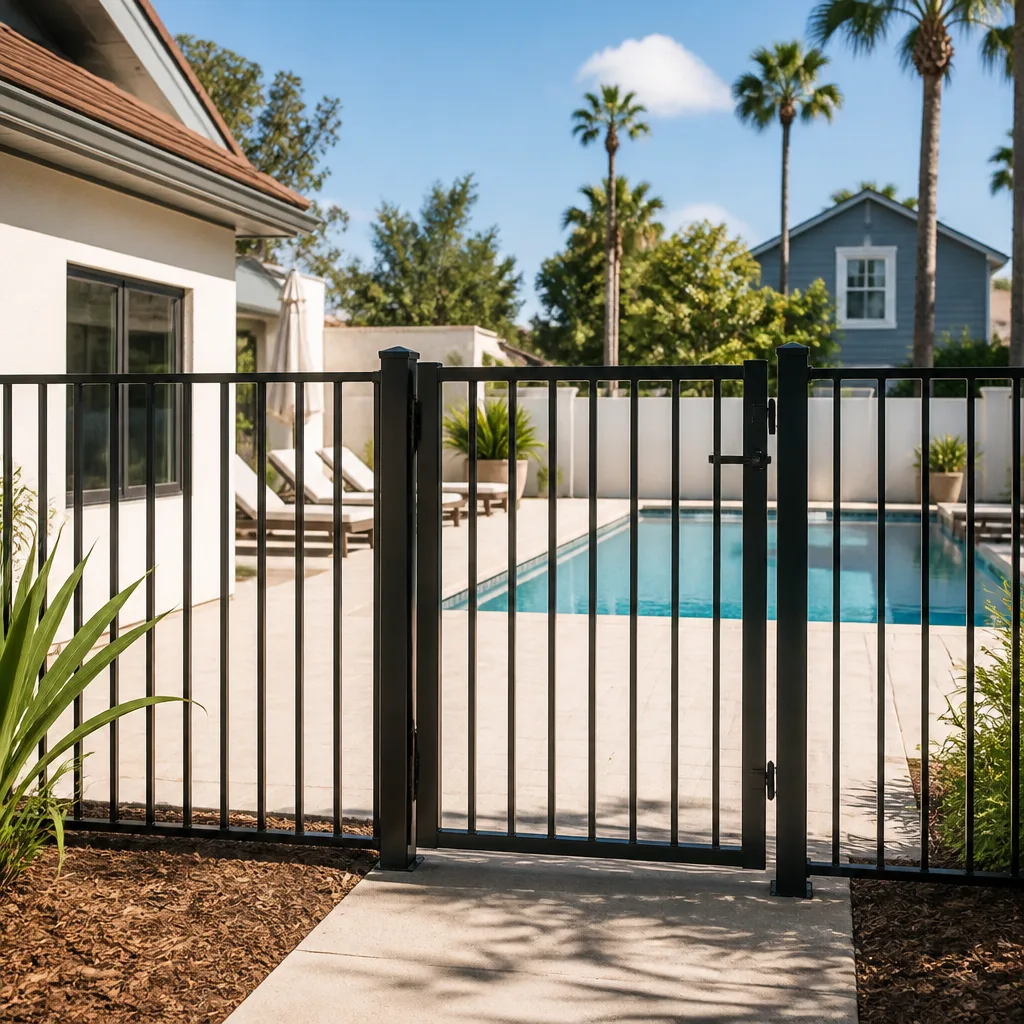
- Wrought iron or ornamental steel: 3 – 6 days. Heavier posts, welding or bolted connections, and precise alignment demands. Custom fabrication before delivery adds to the calendar, not the installation.
- Masonry or block wall: 5 – 10+ days. This is a different trade entirely, with curing times between courses and often a longer permit scope.
Those are installation-only numbers. The full project timeline from contract to usable fence is what matters for planning, and that number sits two to six weeks out. If you want to understand how a specific material fits your property line and gate needs, our Fence Installation in Lake Forest page lays out the options against local conditions.
The Pre-Installation Phase Most Contractors Skip
This is where timelines go wrong. The fence itself is rarely the problem. The problem is the sequence before it, and too many quotes quietly ignore it.
811 Utility Marking Is Required by California Law
California law requires you to call 811 (Underground Service Alert) at least two working days before any excavation, and that includes fence post holes. The service is free, but the clock is not negotiable. Utility companies have two business days to mark their lines, and if they mark late, your dig day moves. A contractor who says “we don’t bother with 811 for a fence” is telling you they’ll risk a gas line or a fiber optic conduit to save two days. That conversation should end the bid.
Permit Timelines in Orange County
Not every fence in Lake Forest needs a permit. Generally, a fence at or under standard height on a single-family lot with no special conditions falls under exempt work. But fences over the local height limit, fences on a corner lot where sight lines matter, and retaining walls integrated into a fence line often do require permits and sometimes a survey. The permit pull itself runs one to three weeks in most Orange County jurisdictions, and a variance can extend that meaningfully. Budget that time honestly.
HOA Approval Windows
Planned communities in Lake Forest frequently have architectural committees that meet monthly or twice monthly. Miss the submission deadline and you wait another cycle. The approval itself is usually quick once you’re on the agenda; the waiting for the meeting is what eats the calendar. This is often the largest single variable in a Lake Forest project and the one most homeowners discover last.
Key Takeaways
- 811 marking is legally required and adds a minimum of two business days.
- HOA architectural review can add two to four weeks in planned Lake Forest communities.
- Permits add one to three weeks where required.
- The build itself is usually one to six days depending on material and terrain.
Lake Forest Soil, Caliche, and Slope Grades
If you’ve ever tried to dig a planting hole in inland South Orange County and hit a layer that stops a shovel dead, you’ve met caliche. It’s a cemented calcium carbonate layer that forms in arid and semi-arid soils, and it shows up across Lake Forest and the surrounding foothill neighborhoods. For fence work, caliche is the difference between a post hole that goes in with a digging bar and one that needs a powered auger or a jackhammer.
What that means for your timeline:
- Straightforward soil: a post hole every 6 to 8 feet sets in minutes. 150 linear feet of fence might take two days.
- Caliche layer encountered: each hole can take four to six times longer. The same 150-foot run can stretch to four or five days.
- Sloped ground: stepped panels, deeper posts on the low side, and careful string-lining add time. A yard with a 10-foot grade change is a different project than a flat lot.
Lake Forest has plenty of both. The older neighborhoods closer to the lake sit on gentler ground, while the hillside properties toward the eastern edge of the city present steeper grades and more rock. We’ve seen a straightforward replacement fence on flat ground go in over a weekend and an identical-length fence on a slope stretch past a week. A contractor who quotes both projects the same number of days hasn’t looked at the ground.
This matters beyond the fence, by the way. The same rocky conditions that slow fence posts also affect drainage and hardscape, which is why our Driveway & Pavers in Lake Forest work starts with the same soil assessment.
Concrete Cure Time and Inland Weather Delays
Your fence is “done” when the last panel is hung. It’s usable when the concrete holding the posts has cured enough to take a load. Those are two different dates, and the gap matters more in inland Southern California than most people realize.
Standard concrete reaches meaningful strength in about 24 to 48 hours in warm weather, and full design strength over roughly 28 days. In practical terms for a fence:
- 24 hours: you can attach panels and hang gates, but don’t lean heavy weight against the posts.
- 3 to 7 days: posts are stable enough for normal use. Avoid ramming a car into a gate post for a while.
- Warm, dry weather speeds cure. Lake Forest summers can push surface temperatures high enough that fresh concrete needs light moisture management on very hot days.
- Rain or cool nights slow cure. Inland SoCal rarely deals with prolonged cold, but a wet winter week can push a cure schedule out by days.
Wind is the other factor. Santa Ana conditions can make hanging large vinyl panels or long picket runs awkward and unsafe until the posts are set. A good crew watches the forecast before scheduling panel day, not after.
Red Flags That a Quoted Timeline Is Unrealistic
When a contractor quotes you a fence timeline, you’re entitled to ask what’s inside it. Here’s what to watch for.
- “Two weeks, start to finish” on a project that needs permits or HOA approval. If the quote doesn’t mention permits, HOA, or 811, the timeline is fiction.
- No 811 mention at all. Legally required, commercially standard. Its absence is a trust problem, not a scheduling one.
- No concrete cure allowance. A crew that hangs gates the same afternoon the posts get set is cutting a corner that will show up later as a sagging gate.
- Same-day measurement to contract to dig. Skip a site visit and you skip the soil assessment that would have added days to the honest timeline.
- No written schedule at all. A verbal timeline is not a commitment. A written one, with allowance for permits and marking, is.
Accountability lives in the contract, not the conversation. Ask for the schedule in writing, ask what happens if the permit takes longer than quoted, and ask who calls 811 and when. A contractor with nothing to hide will answer all three without flinching. Groundwork backs its work with the 730-Day Done Right Promise: if it isn’t done right, we make it right, and that promise covers workmanship on the schedule you agreed to in writing.
Common Mistakes to Avoid
- Starting with the build date instead of the approval date. Too many Lake Forest homeowners lock in a fence company before checking HOA and permit timelines. Those two steps should be running in parallel with your contractor search, not after it.
- Assuming 811 is the contractor’s problem alone. It’s a shared responsibility. Confirm in writing who calls, when, and what the dig date is once the marks are in. Gas and water lines under a driveway or side yard are not theoretical.
- Treating slope and soil as a minor detail. A quote that doesn’t reflect your specific grade or caliche risk will get “adjusted” once the digging starts. Get the terrain baked into the number upfront.
- Ordering custom materials before the permit clears. A back-ordered vinyl color plus a pending variance is a double delay. Sequence matters.
- Leaving the gate on the concrete cure critical path. Gates are the heaviest load on any post. Give the concrete the days it needs and the gate will swing true for years.
- Ignoring the property line survey. In tight Lake Forest lots, a fence in the wrong place is a legal problem that will reorder your entire timeline. Know where the line is before anyone digs.
- Accepting a verbal timeline. Get dates, responsibilities, and weather contingencies into the signed scope. The written version is the only one that holds up.
When to Call a Professional
Some fence work is genuinely a homeowner project. A short replacement run on flat ground with good soil and no permit can be done on a weekend. But call a professional when any of the following is true: your property line is in dispute, your fence will sit on or near a slope, you hit caliche while digging, the project needs a permit or HOA approval, or you want a gate that will swing true for a decade. Those are the conditions that turn a weekend into a month, and they’re where experience earns its keep.
Groundwork Construction Co. of Lake Forest offers free estimates in Lake Forest and the surrounding communities, with upfront pricing and no surprises. Call (855) 532-8973 to schedule yours, and we’ll walk your property, check the ground, and give you a timeline that accounts for the whole project, not just the days the crew is on site. Our technicians have up to 12 years of experience, and they’re background-checked and arrive in uniform. You’ll get a written schedule that includes permits, marking, cure time, and inspections, so you can plan around truth.
For projects beyond the fence line, we also handle Home Additions & ADU in Lake Forest and the full range of home improvement work. From foundation to finish line, it’s one contractor and one accountable number. Start at the Groundwork Construction Co. of Lake Forest home page and see how it all fits together.
See the difference
 Before
 After
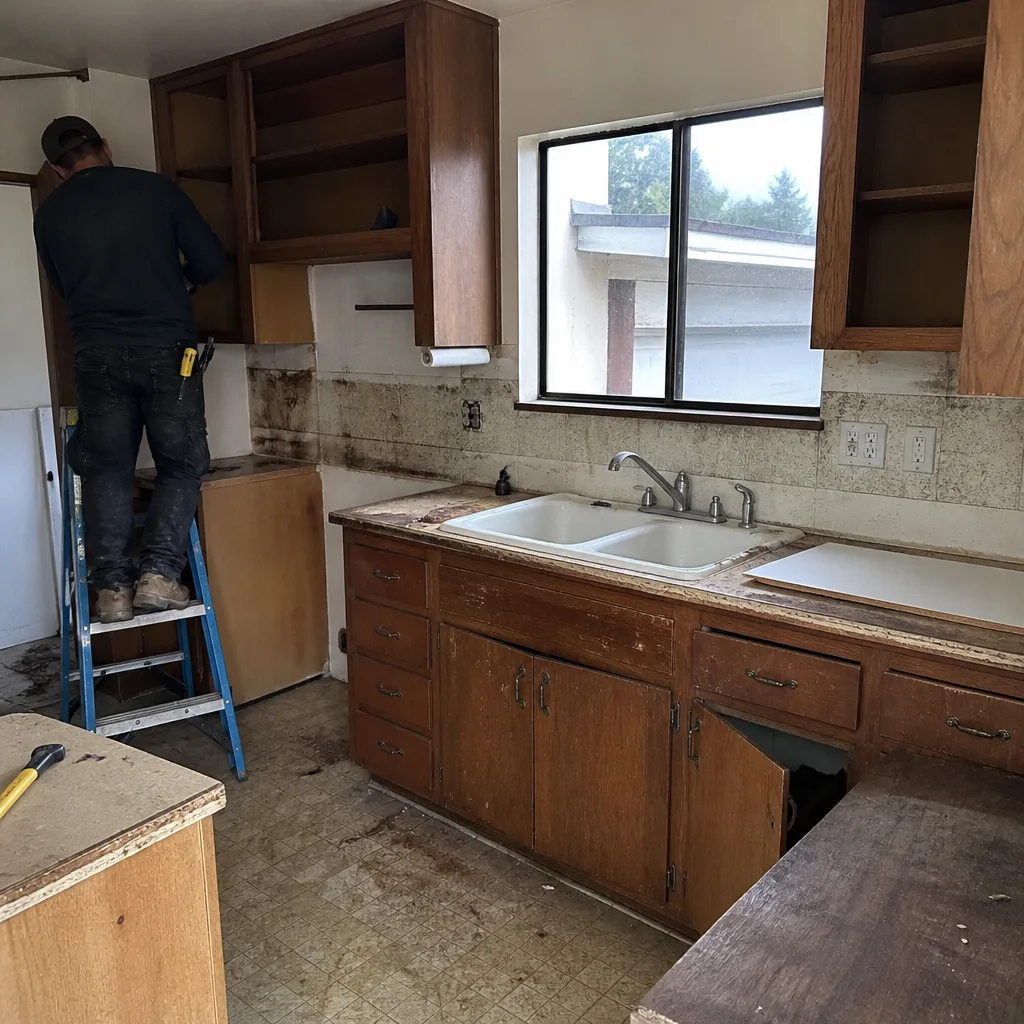 Before
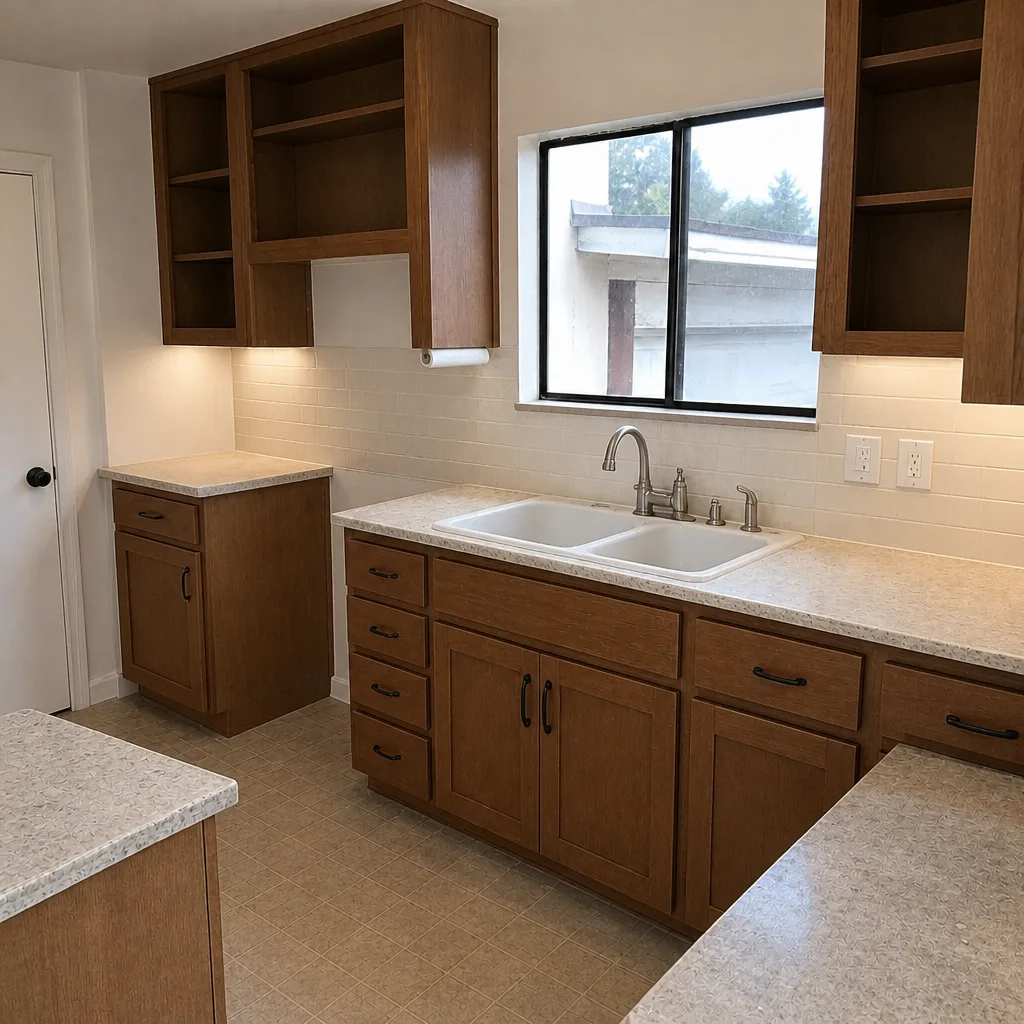 After
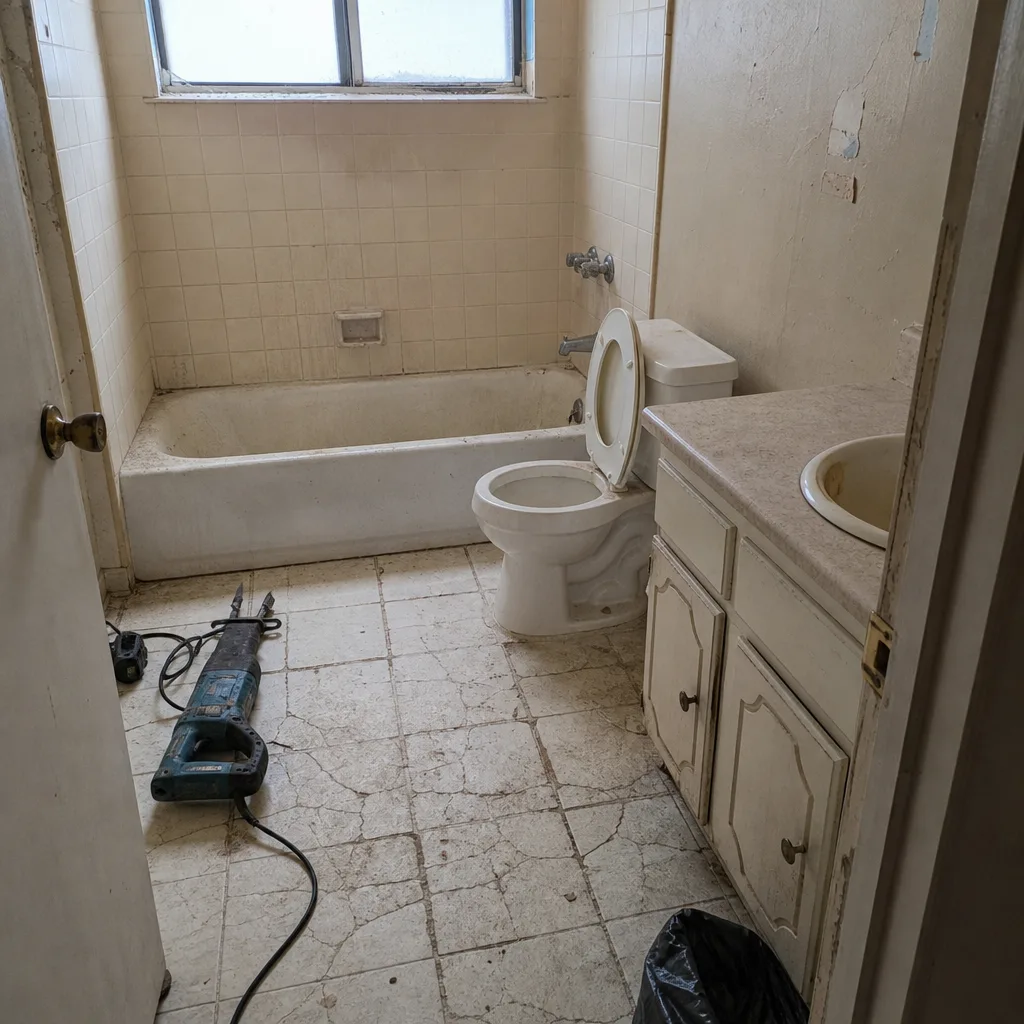 Before
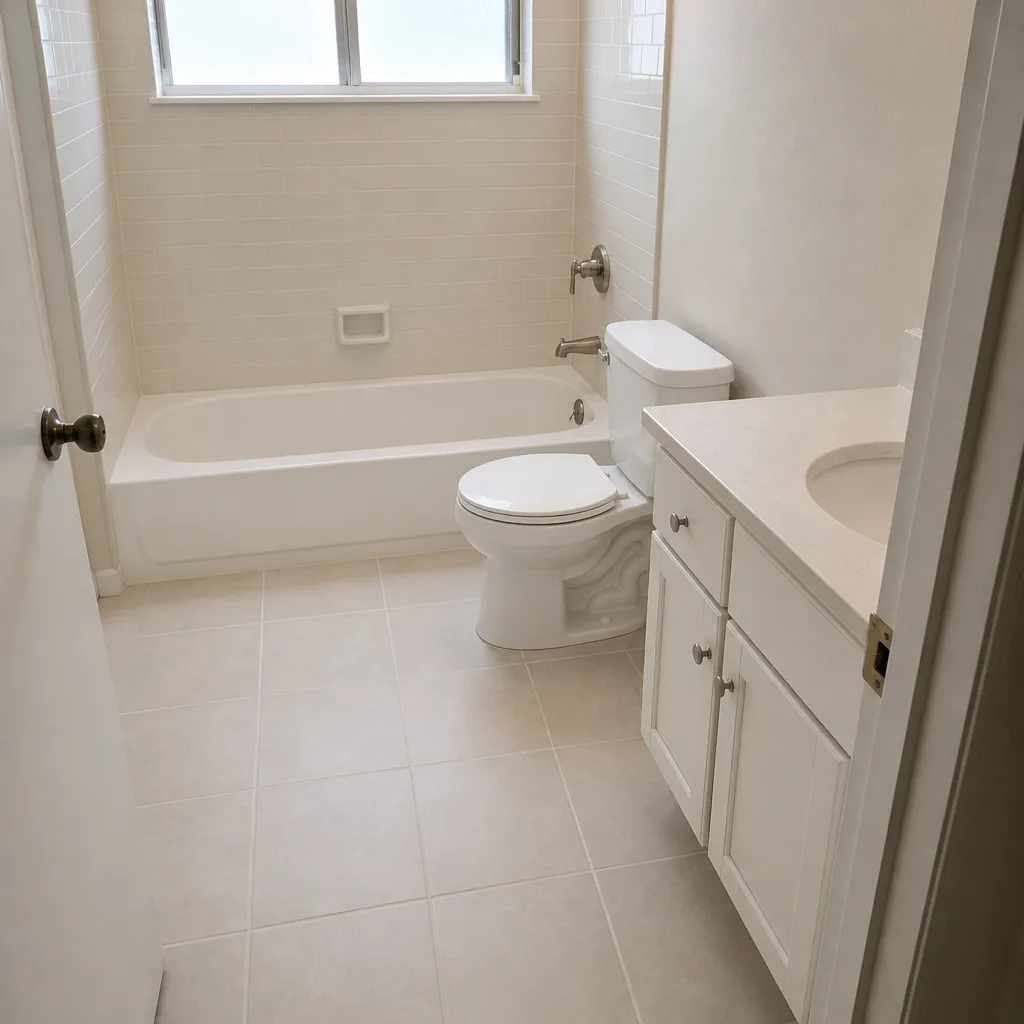 After
Frequently Asked Questions
The full project usually runs two to six weeks in Lake Forest: one to six days of actual installation, plus one to three weeks for permits if required, one to four weeks for HOA approval in planned communities, two to three business days for 811 utility marking, and a few days of concrete cure. A four-week planning number is realistic for most properties. Call (855) 532-8973 for an exact quote, and estimates are free.
It shouldn’t, and with a written line-item quote it won’t. The two things that cause legitimate adjustments are a property line surprise or unexpected underground conditions, and both should be identified during the site walk before you sign. Ask for upfront pricing with no surprises, in writing, and you’ll have a fixed number you can budget against. Call (855) 532-8973 to schedule a free estimate.
Yes. Where a fence requires a permit, the permit is part of the scope, and inspections are passed before the job is signed off. In Lake Forest the permit picture varies by lot, height, and corner placement, so the first step is confirming whether your project needs one. We handle that determination during the estimate. Call (855) 532-8973 to get started.
Installation alone is usually one to three days for wood and chain-link, three to four days for vinyl, and three to six days for wrought iron or sloped properties. Caliche layers in Lake Forest can double the time spent on post holes. Concrete cure adds another two to seven days before the fence is fully load-bearing. Call (855) 532-8973 for a timeline built around your specific soil and grade.
Partially. Panels can be hung once posts cure for 24 to 48 hours, but gates and heavy loads should wait three to seven days for the concrete to reach working strength. Full design strength comes at roughly 28 days. A crew that lets you swing a gate open on the same day it sets the post is skipping the cure, and it will show up later. Call (855) 532-8973 to plan your project with cure time built in.
Probably because it’s a different project. Slope, caliche, HOA approval, and permit status vary from lot to lot, even on the same street in Lake Forest. A flat replacement on straightforward soil can go in over a weekend, while a sloped hillside property with a pending HOA review can take a month. The honest comparison is the scope of your project, not the neighbor’s calendar. Call (855) 532-8973 for an estimate that reflects your actual conditions.
The Bottom Line
Fence installation itself is fast: one to six days depending on material and terrain. The full project is not, and pretending otherwise is where timelines blow up. In Lake Forest, plan for two to six weeks once you factor in permits, HOA approval, 811 utility marking, soil conditions, and concrete cure. Caliche and slope will stretch the build. Planned-community review will stretch the calendar before it. Get the schedule in writing, confirm who handles 811 and permits, and hold the timeline accountable. Groundwork Construction Co. of Lake Forest offers free estimates, upfront pricing, and the 730-Day Done Right Promise on the work. Call (855) 532-8973 to schedule your free estimate and start planning around truth.
Written by the team at Groundwork Construction Co. of Lake Forest.