Free written scope consultation - allowances, timeline, and change-order rules on paper before a single trade is scheduled
Styles & brands we work with
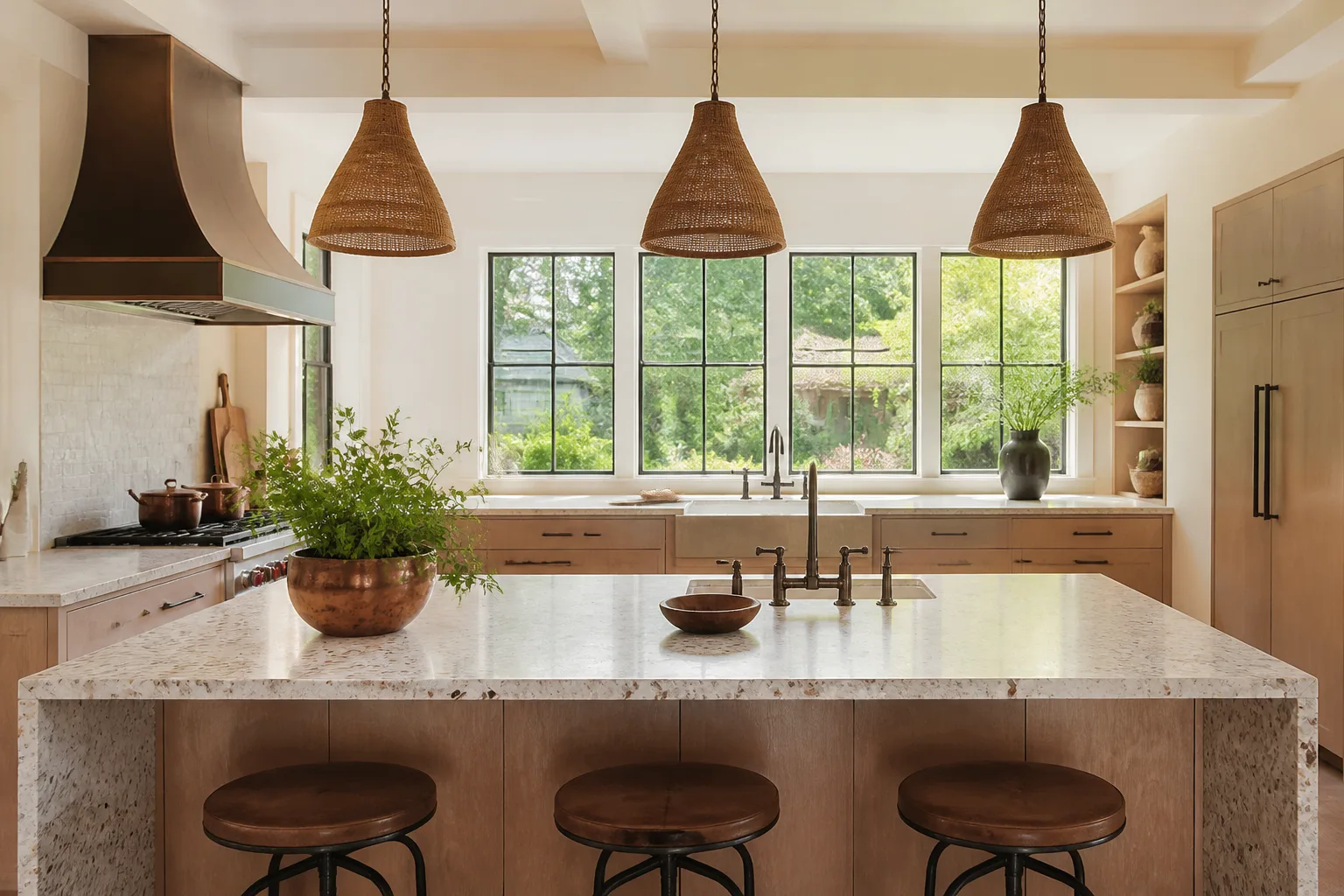
- Kitchen remodeling
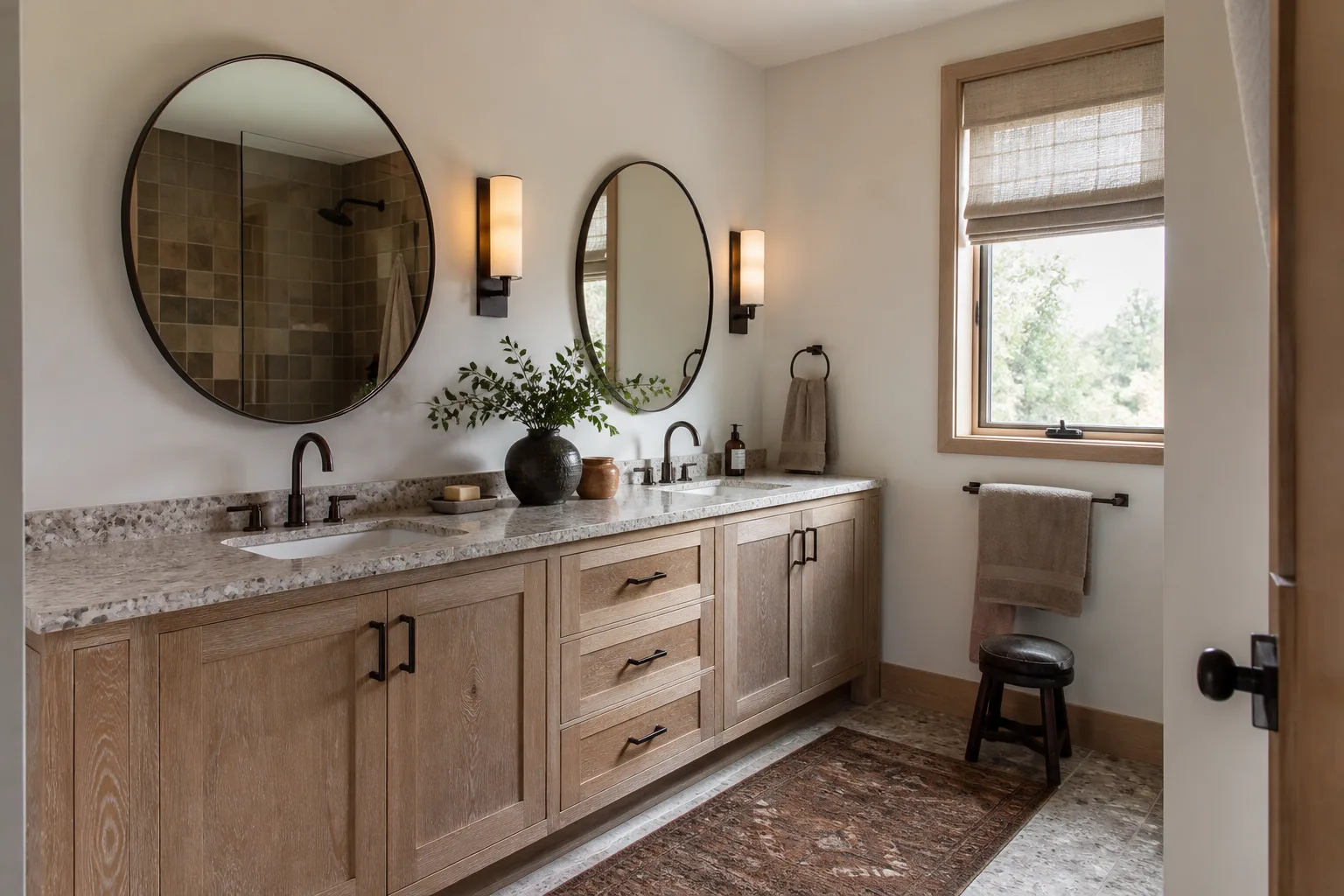
- Bathroom remodeling
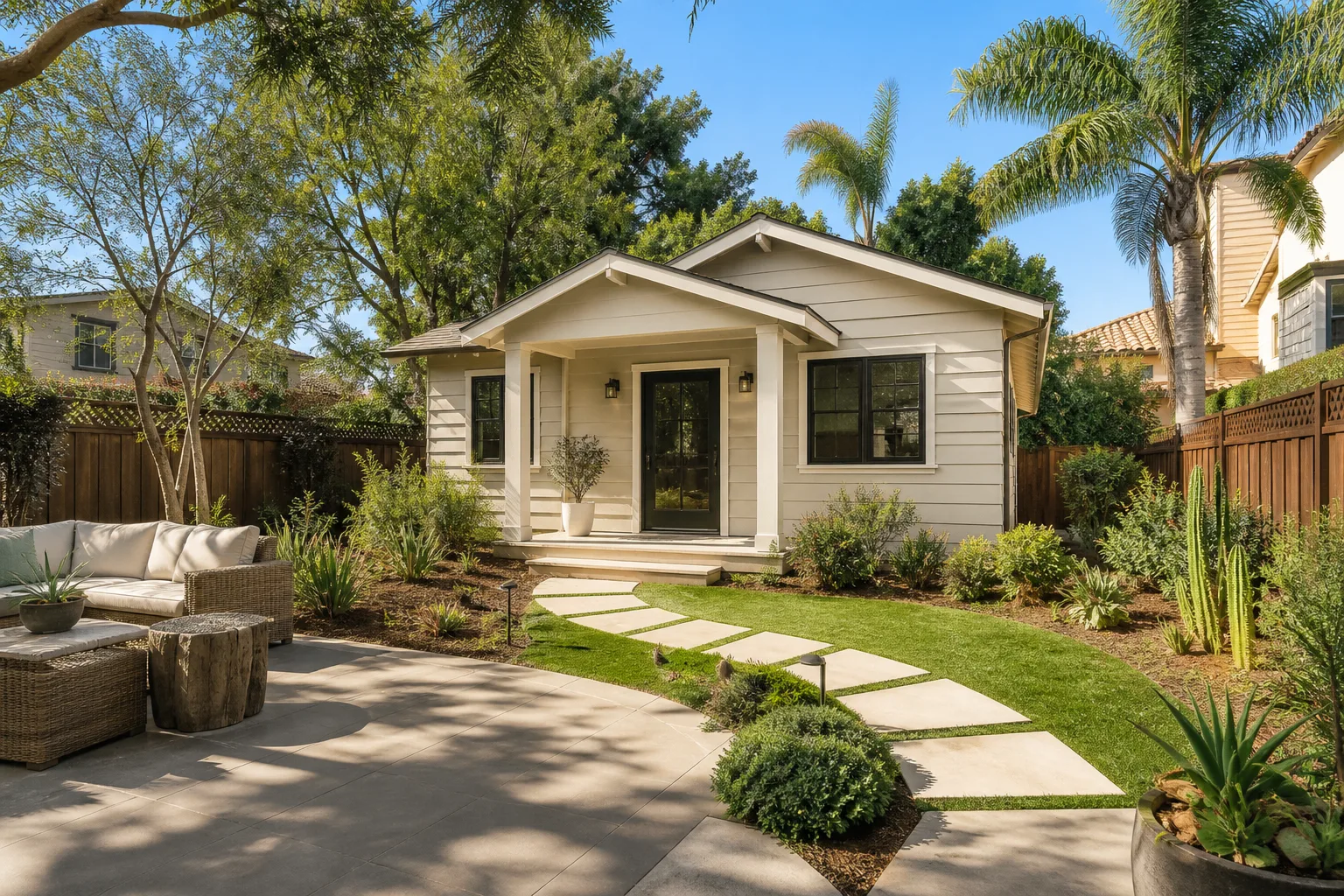
- Home additions & ADU
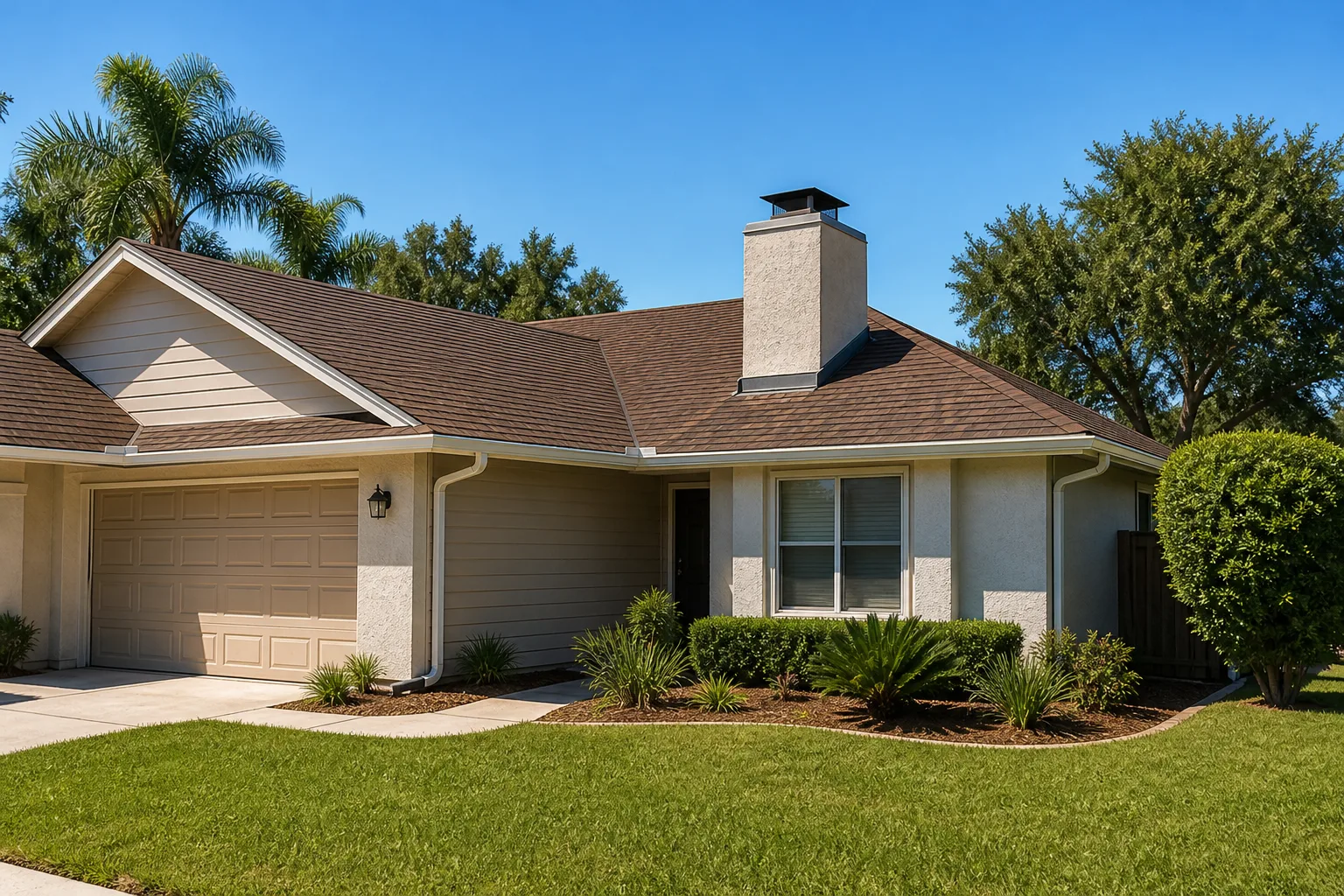
- Roofing
- Windows & doors
- Driveway & pavers
- Fence
See the difference
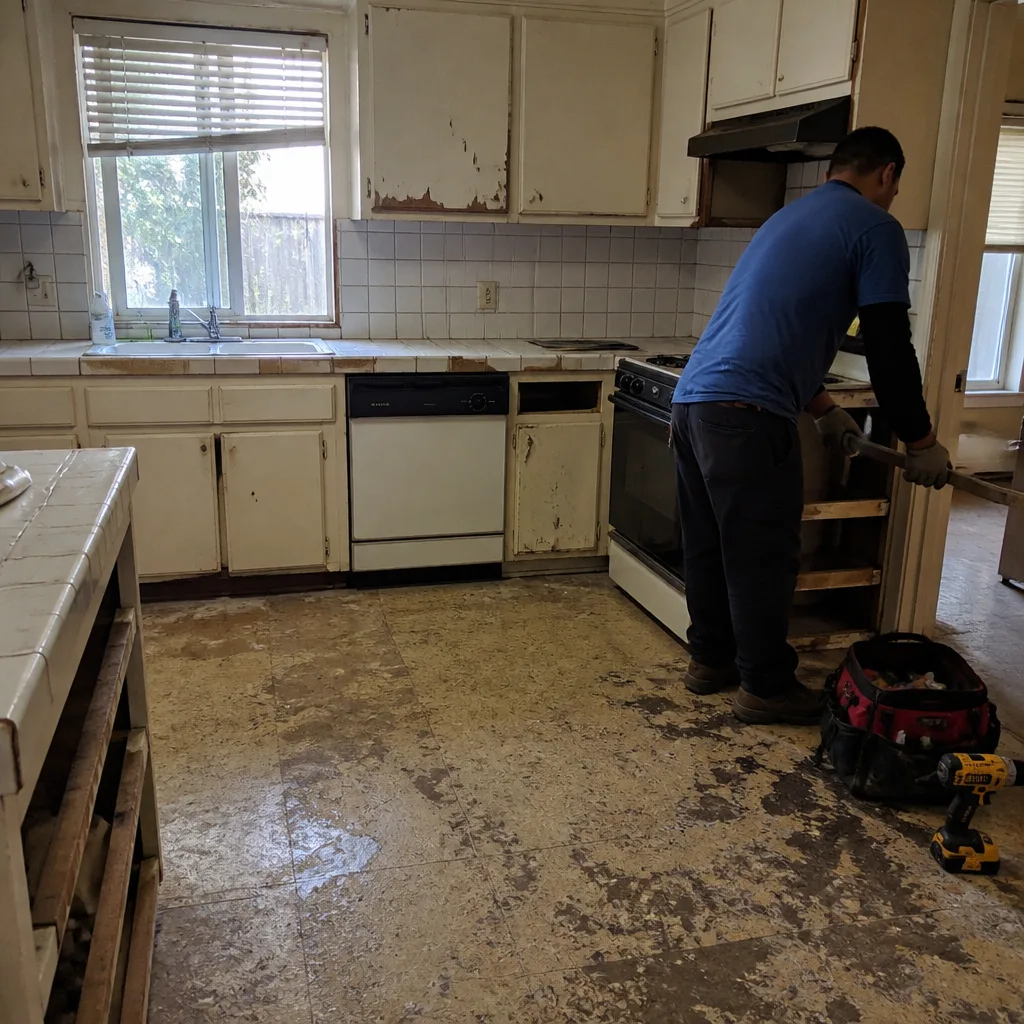 Before
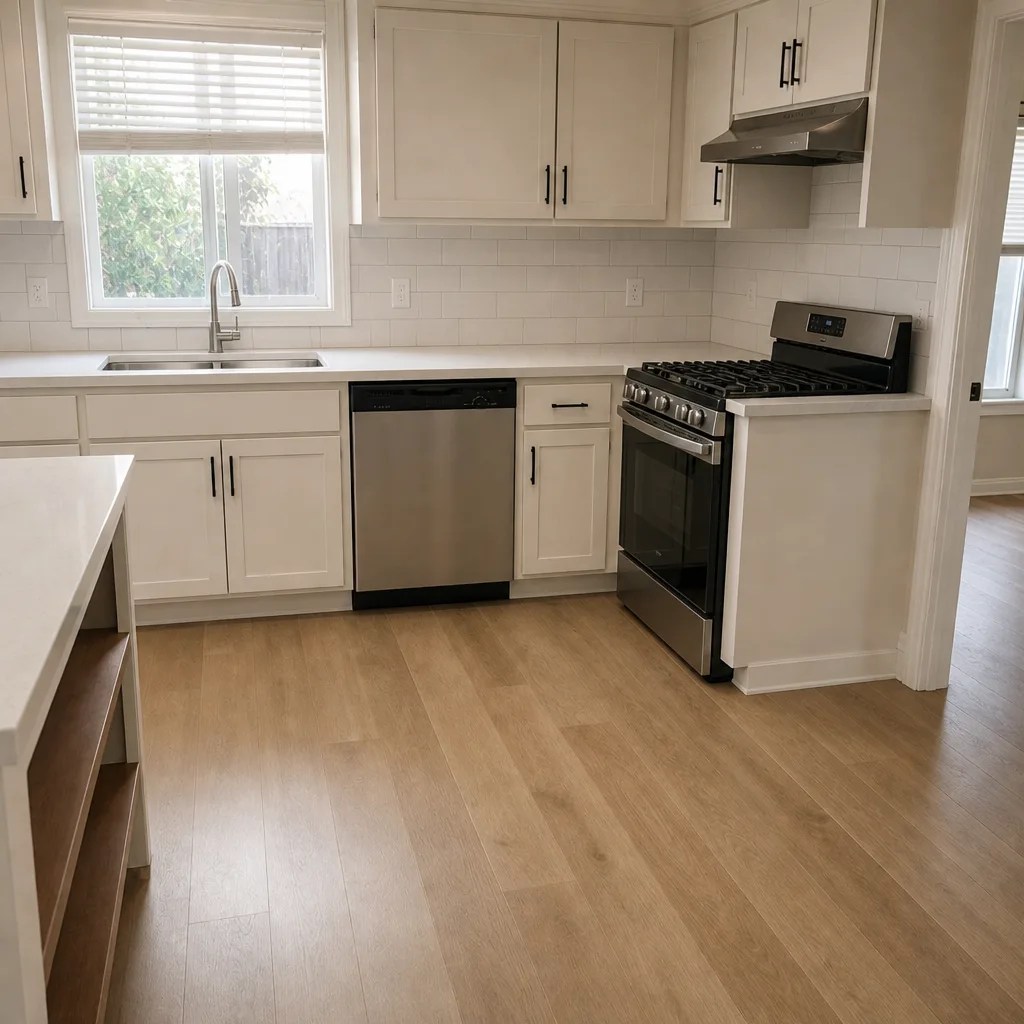 After
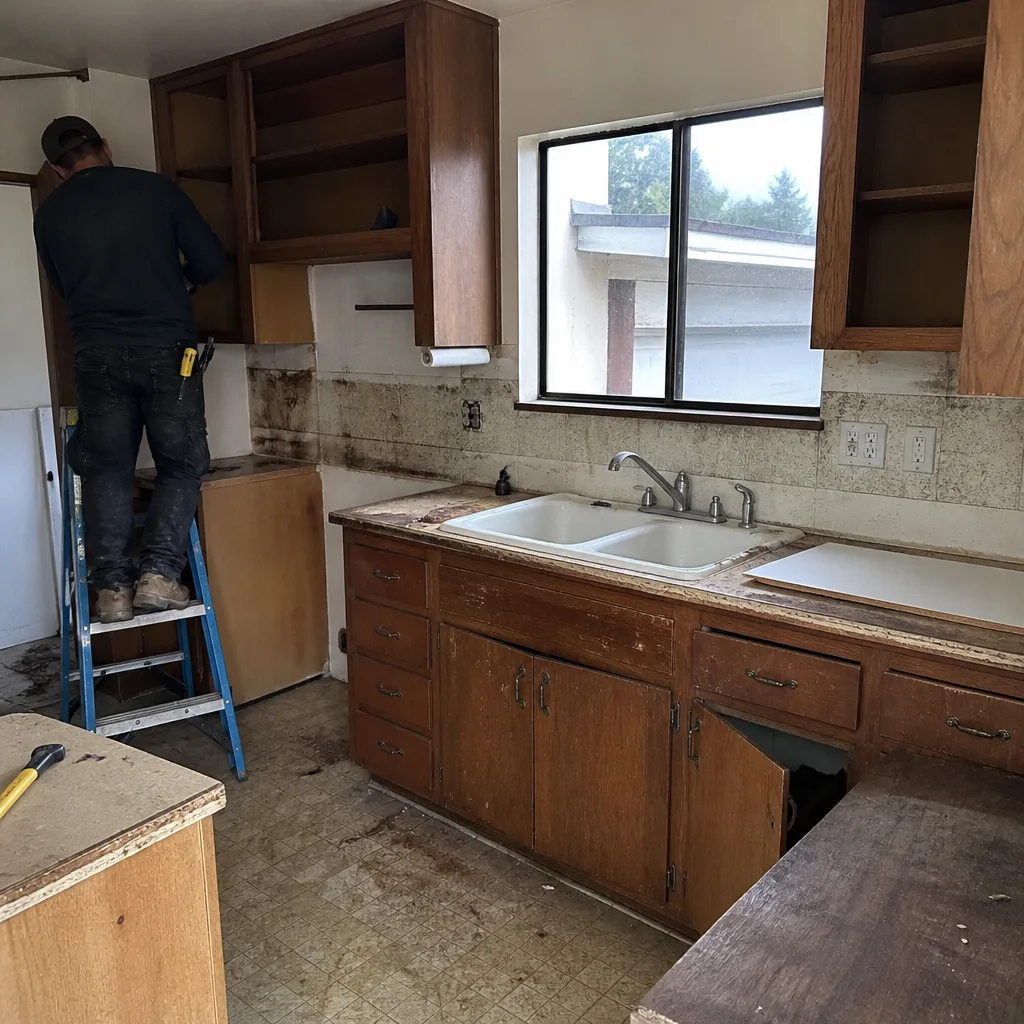 Before
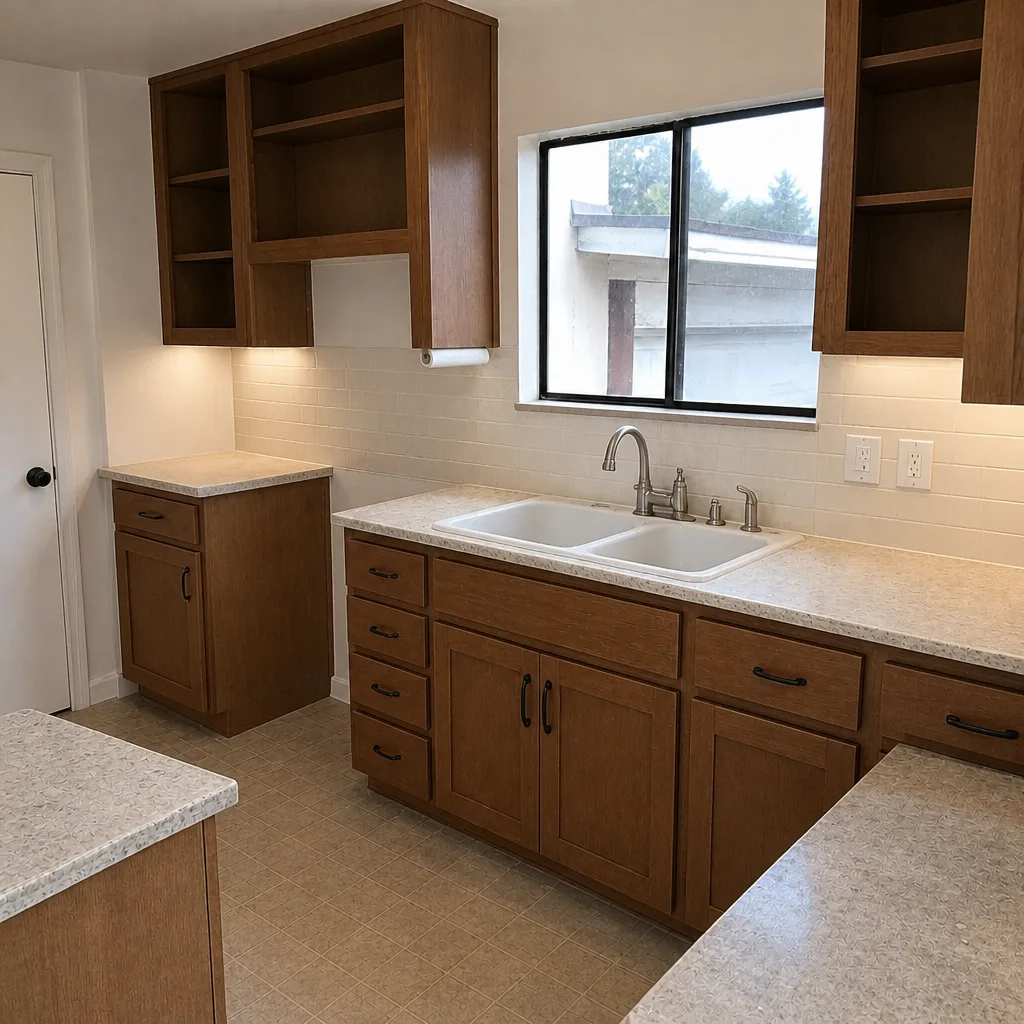 After
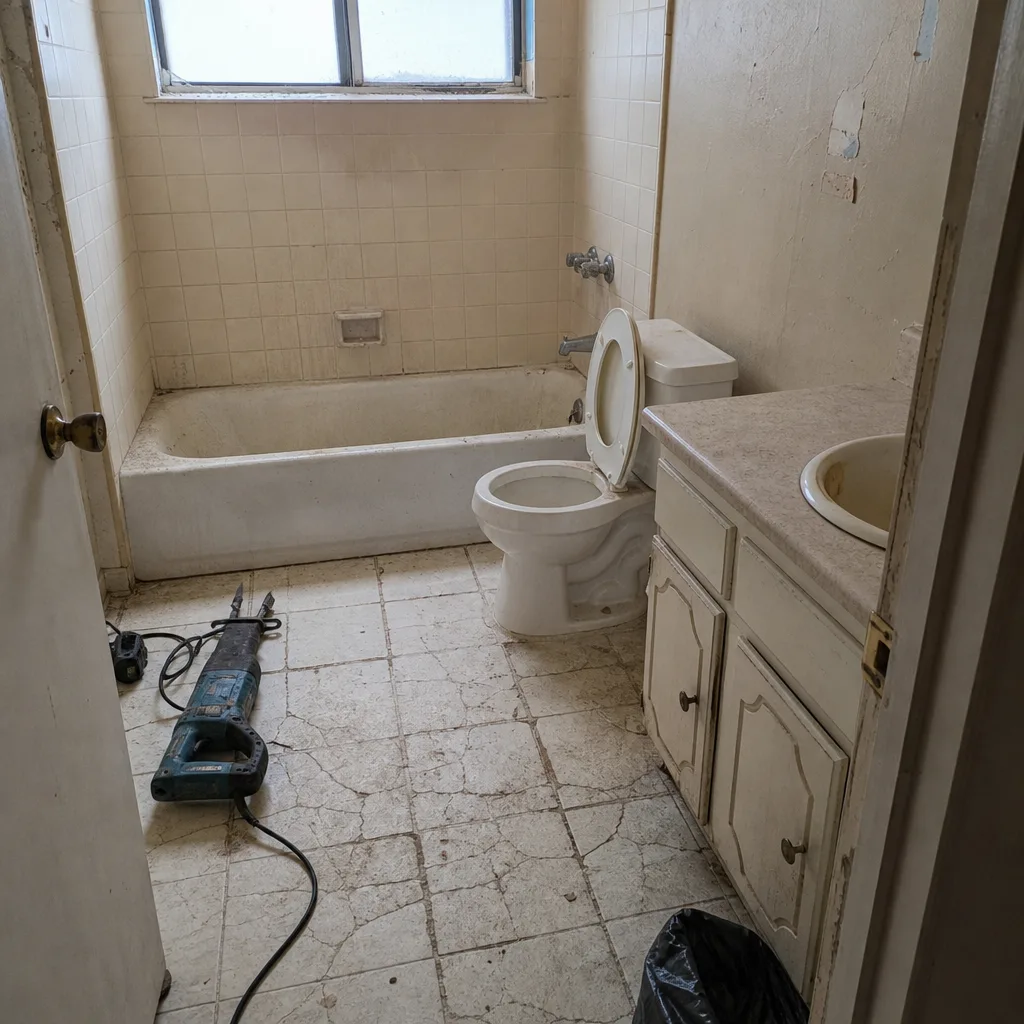 Before
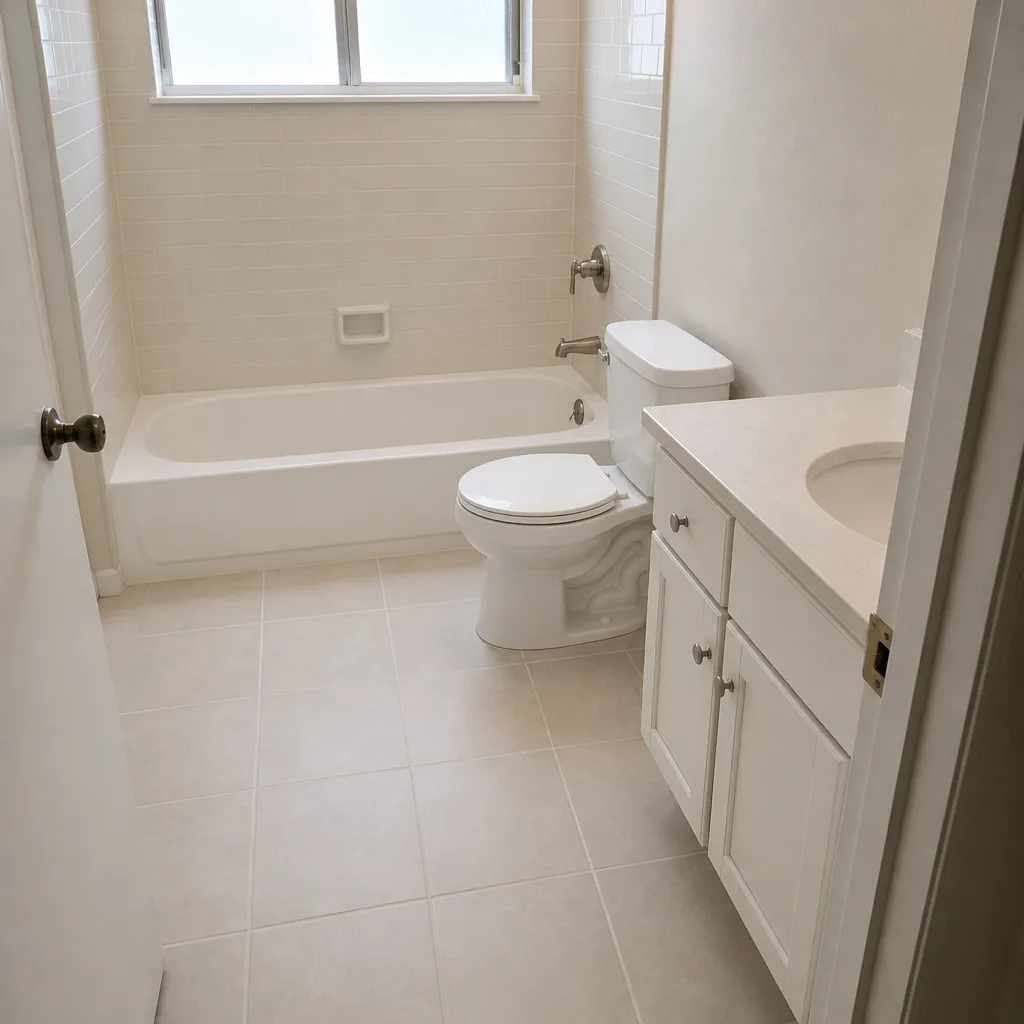 After
Chain Link vs Wood Fence in Lake Forest, CA: The Honest Answer for HOA and Hillside Lots
For most Lake Forest homeowners, choose wood (or a compliant alternative like vinyl or aluminum) over chain link, because your HOA’s CC&Rs almost certainly prohibit chain link in residential side and rear yards anyway. Choose chain link only if you’re on a non-HOA lot, or you’re fencing a side-yard utility run, dog run, or open-space buffer where privacy isn’t the goal. That single distinction decides the comparison before cost even enters the conversation. If you want a site assessment that includes HOA compliance review before anything gets quoted, call Groundwork Construction Co. of Lake Forest at (855) 532-8973.
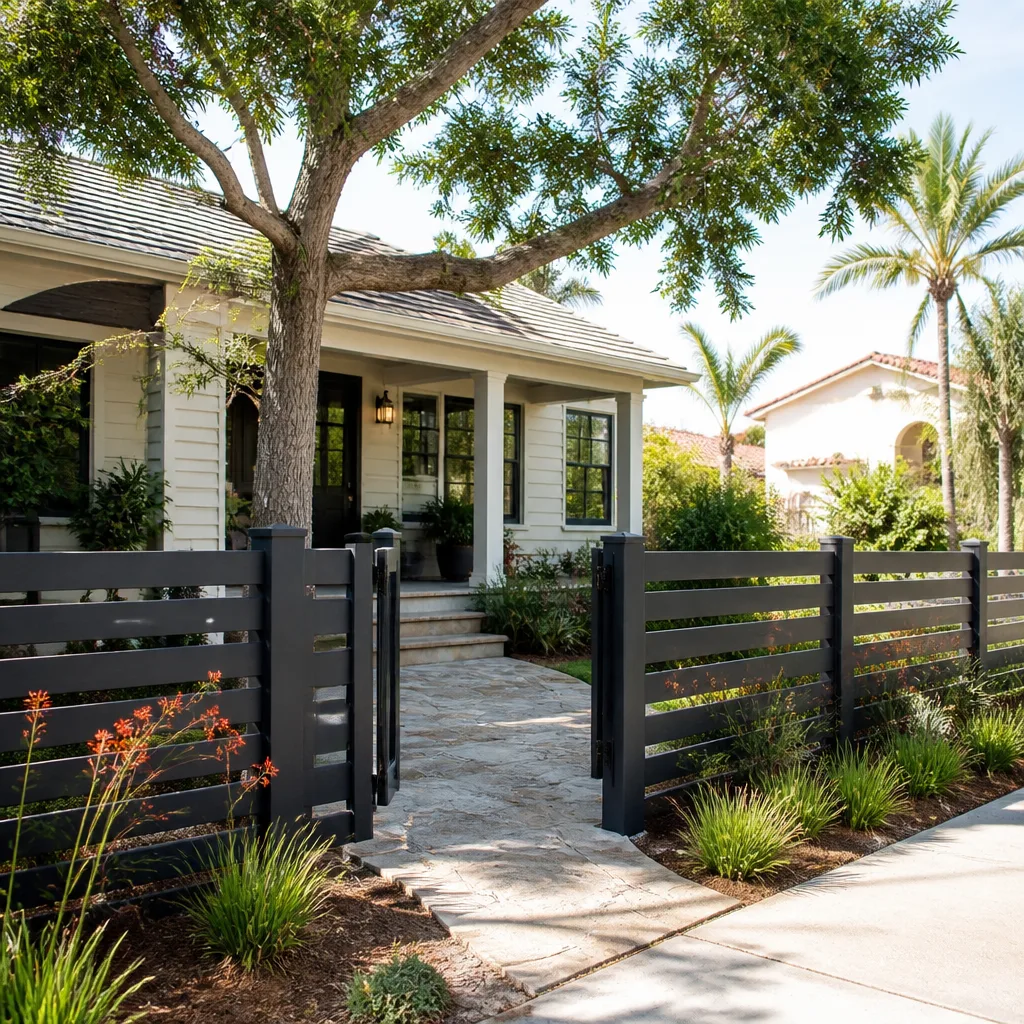
Why the Comparison Is Already Decided on Most Lake Forest Lots
Lake Forest was built out as a master-planned city, and the bulk of its residential neighborhoods came with recorded CC&Rs and architectural review committees. In Portola Hills, Foothill Ranch, and Lake Forest Keys, those documents typically bar chain link fencing in visible residential yards. A homeowner can spend a weekend comparing gauge and coating and wind load, then submit an architectural request and get denied – not because chain link is bad, but because it was never on the approved list.
That’s why we segment the question before we quote anything. There are two audiences here, and they need different answers:
- HOA-governed homeowners in Lake Forest’s planned communities: the real choice is between compliant wood and compliant alternatives – vinyl, aluminum, or a wood-and-steel hybrid. Chain link is off the table for side and rear yards.
- Non-HOA and utility applications: side-yard service enclosures, dog runs, equipment screening, and open-space buffers along the ridge lots in Portola Hills, where chain link’s permeability and low profile actually make sense.
Knowing which bucket you’re in takes about ten minutes with your CC&Rs and a site walk. Guessing wrong costs a deposit and a denied submittal. Our Fence Installation in Lake Forest work starts with that compliance check, so nobody gets quoted a fence they legally can’t build.
Where Chain Link Actually Wins – and Where It Doesn’t Hold Up Here
For the non-HOA and utility jobs, chain link has real advantages in Lake Forest’s specific conditions. The galvanized fabric doesn’t absorb moisture the way wood does, it doesn’t care about UV, and its permeability means Santa Ana wind gusts pass through instead of loading a solid panel. On a graded slope lot, that matters.
But the savings shrink once you account for what the material doesn’t eliminate. Chain link on a graded lot needs the same post-depth engineering and concrete footings as wood – the labor and excavation are nearly identical. What you save is material, not installation. And galvanized posts sitting in soil that stays damp through our wet winters will corrode over time, particularly at the ground line, so you’re trading a staining-and-sealing maintenance cycle for a rust-and-tension cycle. Neither is free.
Privacy is the other divider. Chain link gives you none. In a Lake Forest backyard that backs onto a greenbelt or a neighbor’s second-story addition, an open fence is a real quality-of-life loss, and no amount of cost savings fixes it.
Fire Risk and the Portola Hills Factor
This is the part most comparison articles skip. In hillside neighborhoods like Portola Hills, lots adjacent to open space sit in a wildland-urban interface zone. A wood fence there should use a fire-resistant species or a fire-retardant treatment, and it should be detailed so it doesn’t act as a continuous fuel path straight to the structure. Chain link presents no additional fuel load – that’s a legitimate point in its favor on a ridge lot.
But “no fuel load” isn’t the same as “fire protection.” Chain link doesn’t stop embers or radiant heat; it just doesn’t add to the problem. The fire-hardening decision belongs to the roof, siding, and defensible space, not the fence line alone. When we walk a Portola Hills property, we look at the fence in that context rather than treating it as an isolated purchase.
What Does a Fence Cost in Lake Forest?
Material choice moves the number, but HOA compliance, slope, and engineered footings move it more. These are the ranges we work with in Lake Forest for a typical residential run:
| Option | Installed Range | Best For |
|---|---|---|
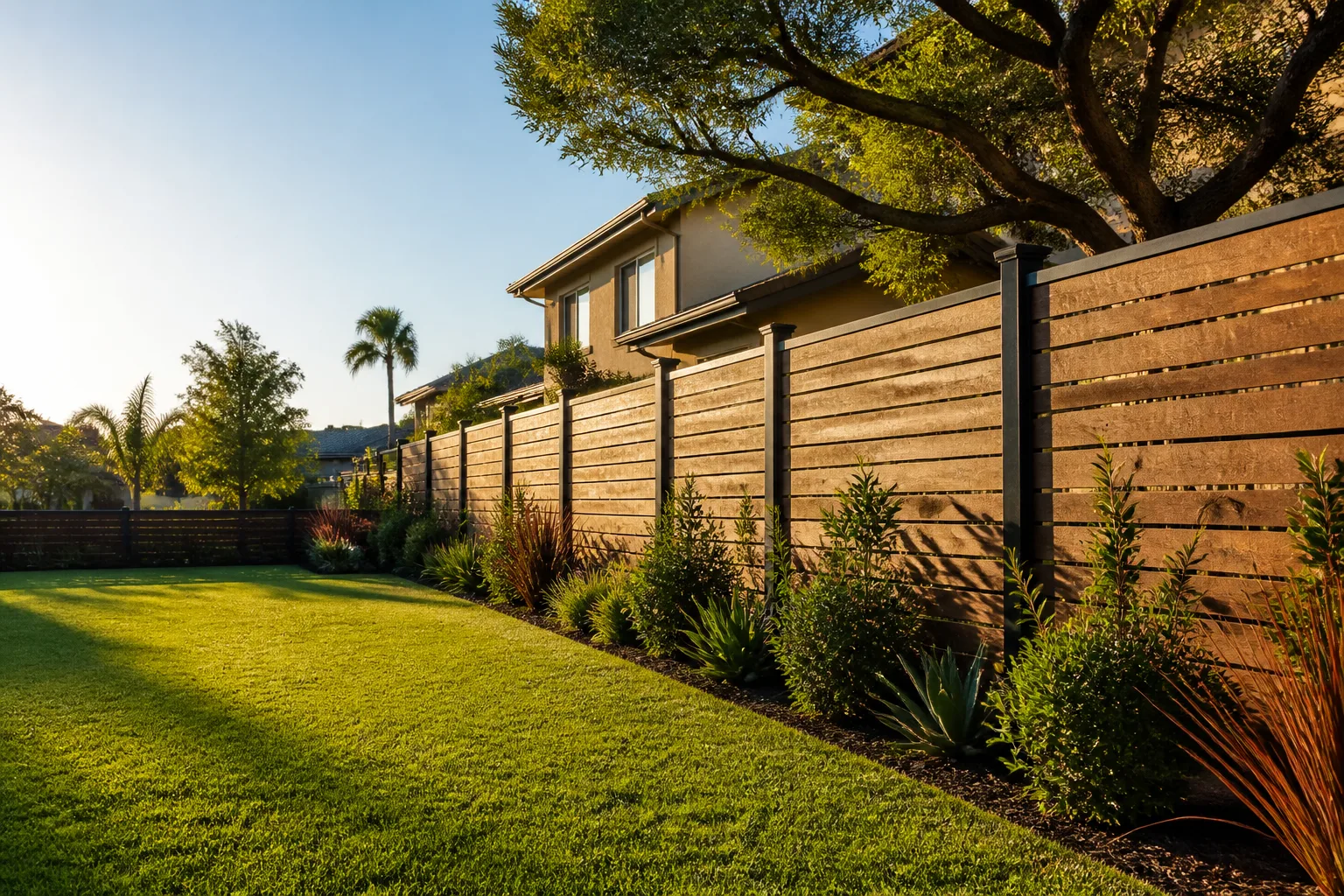
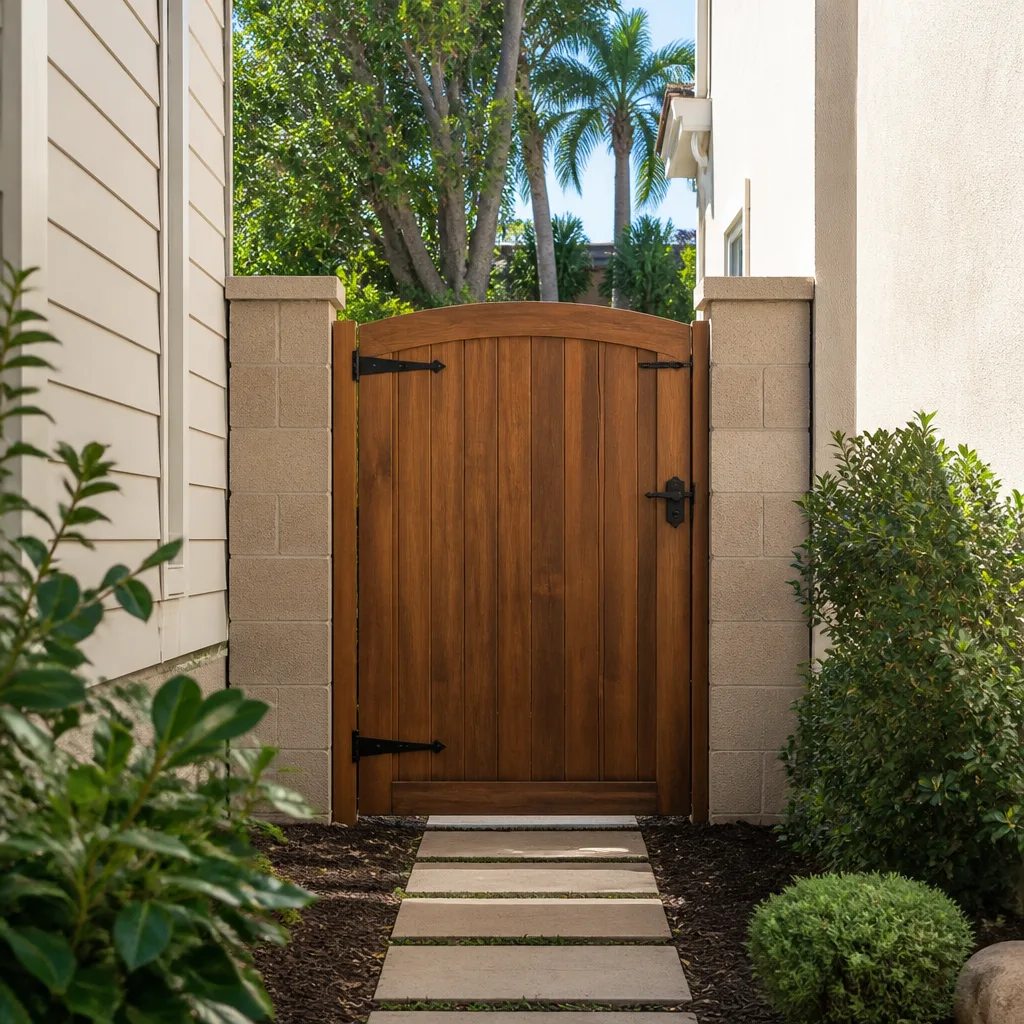
| Wood fence | $3,500-$9,000 | HOA side and rear yards, privacy |
| Vinyl fence | $3,500-$9,000 | HOA-compliant, low maintenance |
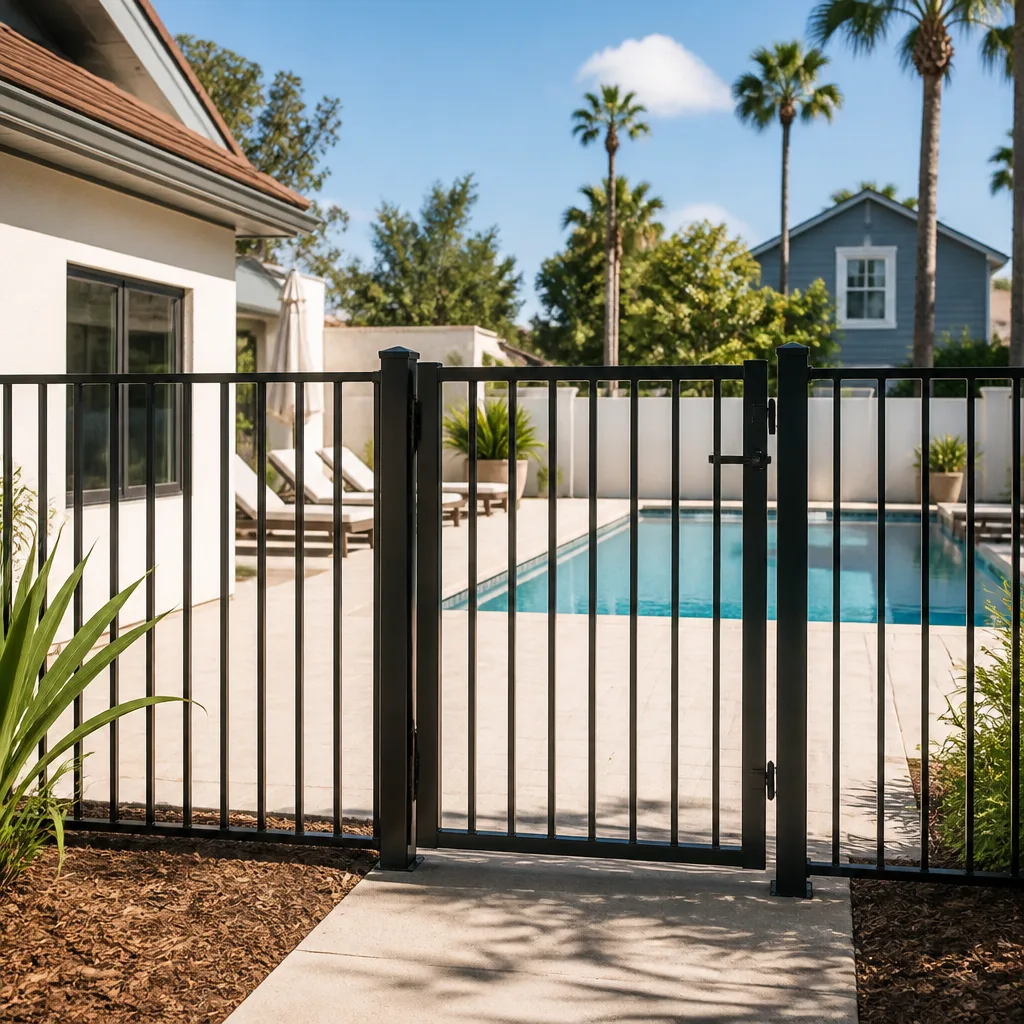
| Aluminum fence | $4,000-$10,000 | HOA-compliant, view-friendly, pool code |
| Chain link (non-HOA / utility) | Priced per linear foot on site visit | Dog runs, service enclosures, buffers |
Notice that compliant wood, vinyl, and aluminum land in the same $3,500-$9,000 band for most Lake Forest yards – which is exactly why the chain link savings argument doesn’t carry much weight once HOA constraints and slope engineering are part of the picture. Upfront pricing means the number we quote is the number you pay, and it’s backed by the 730-Day Done Right Promise if anything about the workmanship falls short.
How to Decide Without Guessing
Start with three checks, in this order:
- Pull your CC&Rs and architectural rules. Confirm whether chain link is permitted in your yard, and what the approved materials, heights, and colors are.
- Look at your lot. Slope, drainage, and wind exposure drive the engineering cost more than the panel does. A graded lot in the hills is a different job than a flat tract lot.
- Decide what the fence is for. Privacy and screening point to wood, vinyl, or aluminum. Containment and utility point to chain link – if your HOA allows it.
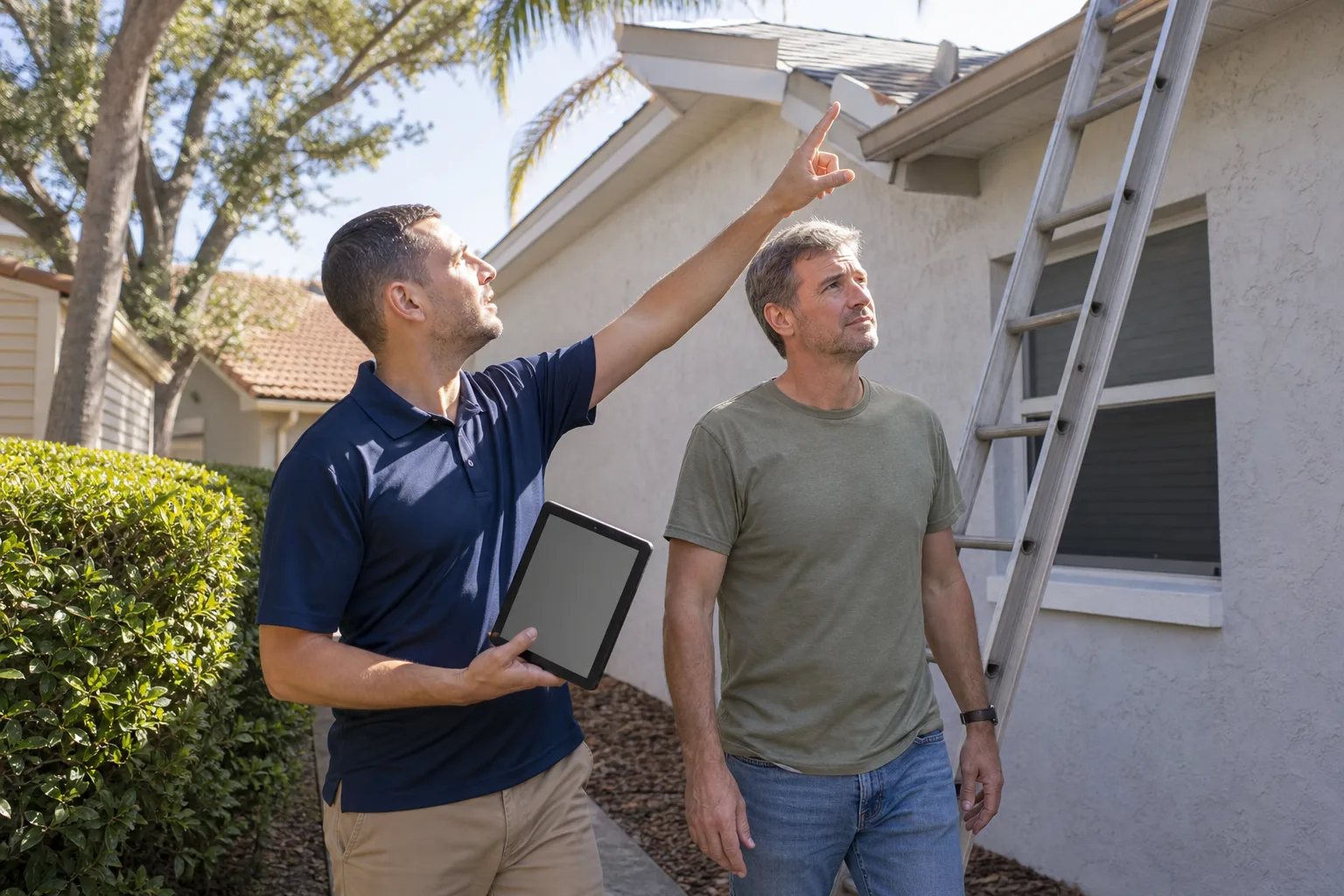
Background-checked, uniformed technicians do the on-site assessment, and it includes the HOA compliance review before any proposal is issued. Our technicians bring up to 12 years of experience to that walk. Where the project calls for glazing on a pool enclosure or a screened patio, we work with partners like ES Windows and Mr-Glass for the glass components; the fence itself comes from trusted material suppliers across our network. The result is a proposal that accounts for what you can actually build, not just what you asked about.
If chain link turns out to be off the table for your lot, we’ll tell you that up front, and we’ll price the compliant options side by side so the choice is clear. That’s the whole point of a site assessment done properly. You can see how our broader Fence Installation process works, and from there we’ll scope the Lake Forest run to your property line.
FAQs
In most Lake Forest residential communities, no – if you live in an HOA-governed neighborhood like Portola Hills, Foothill Ranch, or Lake Forest Keys, the CC&Rs typically prohibit chain link in side and rear yards. Check your architectural rules first. If your lot is non-HOA or the fence is a utility application, chain link is usually viable. Call (855) 532-8973 for a site assessment that includes the compliance review.
On material cost alone, yes – but the gap shrinks fast once installation is priced. On a graded Lake Forest lot, chain link needs the same post-depth engineering and concrete footings as wood, so you save on material, not labor. In HOA zones you can’t install chain link anyway, so the comparison is moot. Call (855) 532-8973 for an upfront quote on the materials your lot actually permits.
Chain link handles Santa Ana wind loads better because the permeable fabric lets gusts pass through, and it adds no fuel load on a wildland-adjacent lot. But it offers no fire protection. In Portola Hills, a wood fence should use a fire-resistant species or treatment and be detailed to avoid creating a continuous fuel path. We assess the fence alongside your other fire-hardening needs. Call (855) 532-8973 to schedule.
Most residential fence runs are completed in a single visit, though HOA architectural approval can add time before work begins – which is why we check compliance before quoting. Slope, engineered footings, and material availability are the other variables. Call (855) 532-8973 and we’ll give you a realistic timeline for your lot.
Let’s Look at Your Lot Before You Decide
If you’d rather have it looked at, Groundwork Construction Co. of Lake Forest offers a no-pressure assessment in Lake Forest – call (855) 532-8973. We’ll check your HOA rules, walk the slope, and price the compliant options so you’re choosing between materials you can actually install, backed by the 730-Day Done Right Promise and upfront pricing with 0% financing for 18 months.
Written by the team at Groundwork Construction Co. of Lake Forest, serving Lake Forest, CA.