Free written scope consultation - allowances, timeline, and change-order rules on paper before a single trade is scheduled
Styles & brands we work with
- Kitchen remodeling
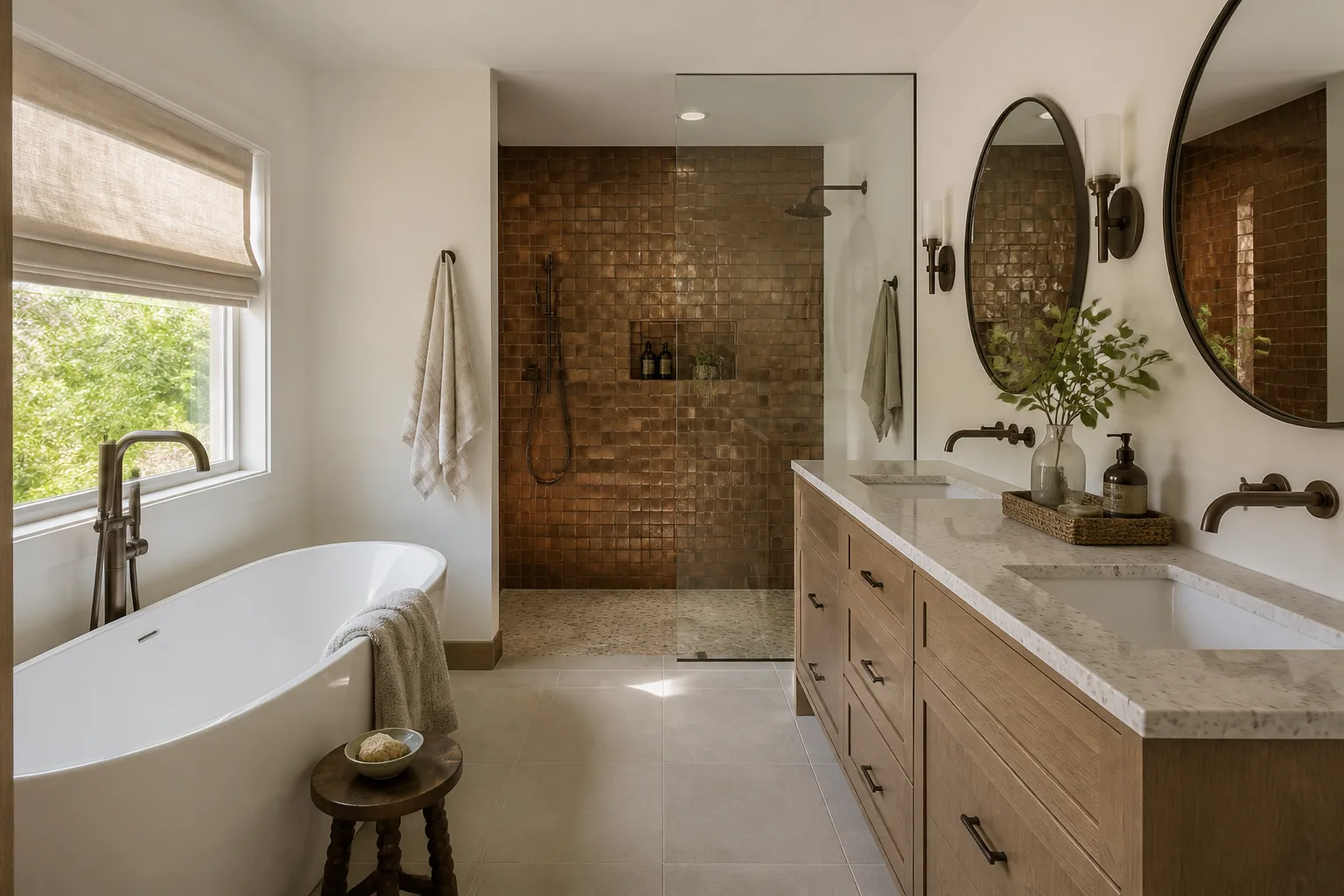
- Bathroom remodeling
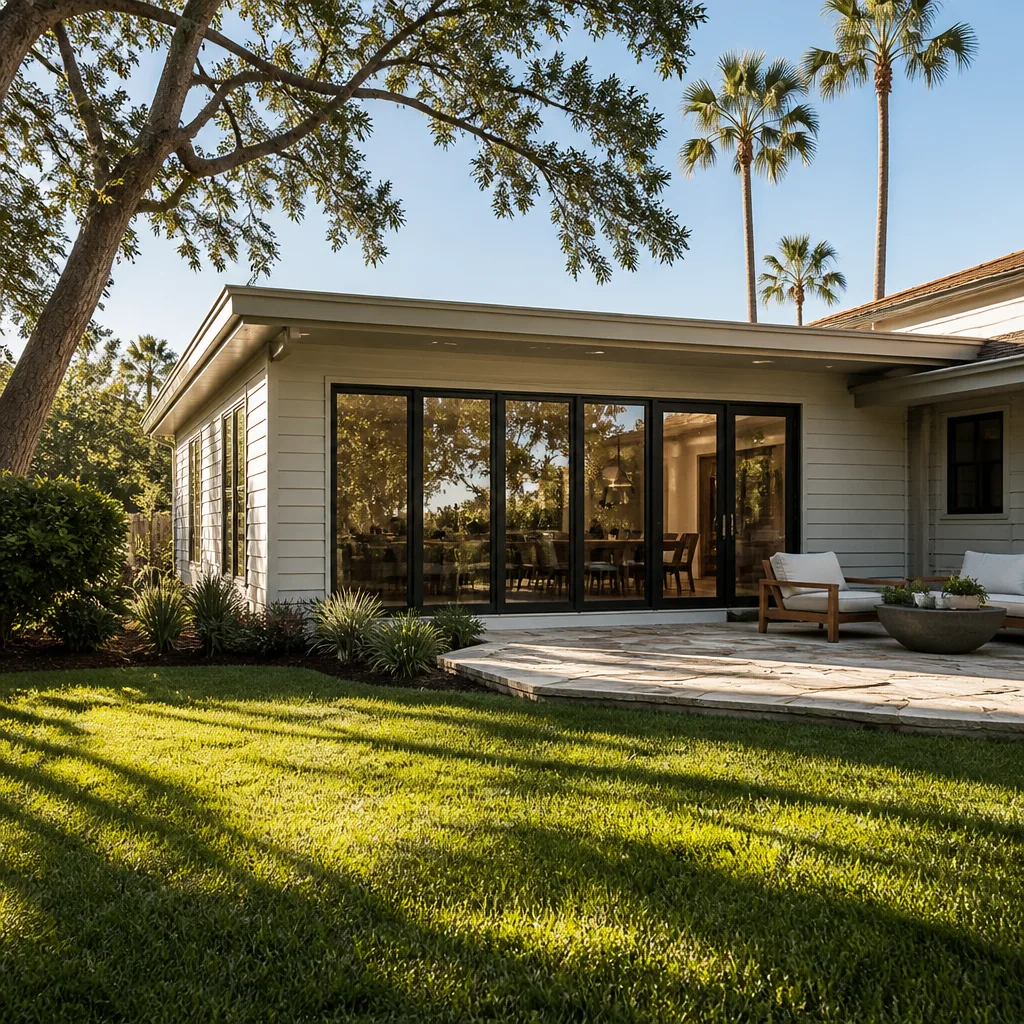
- Home additions & ADU
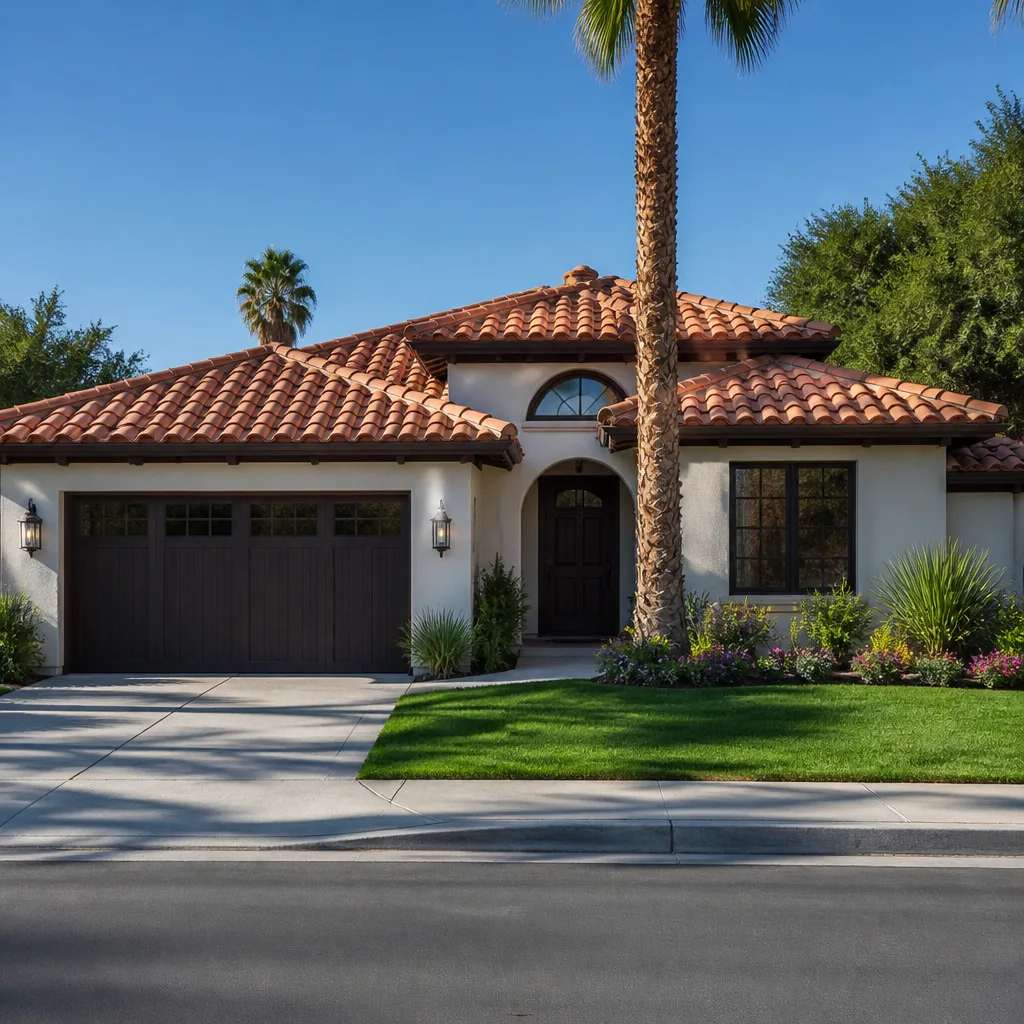
- Roofing
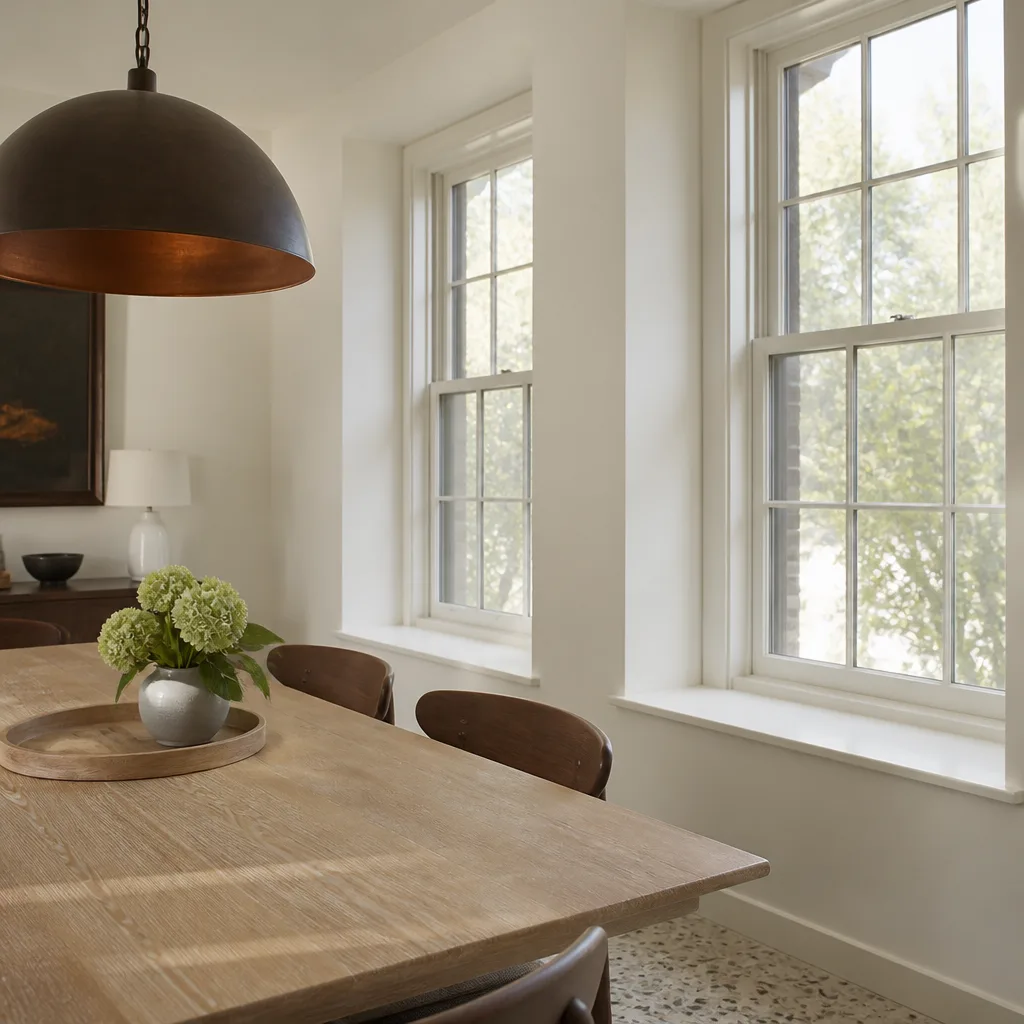
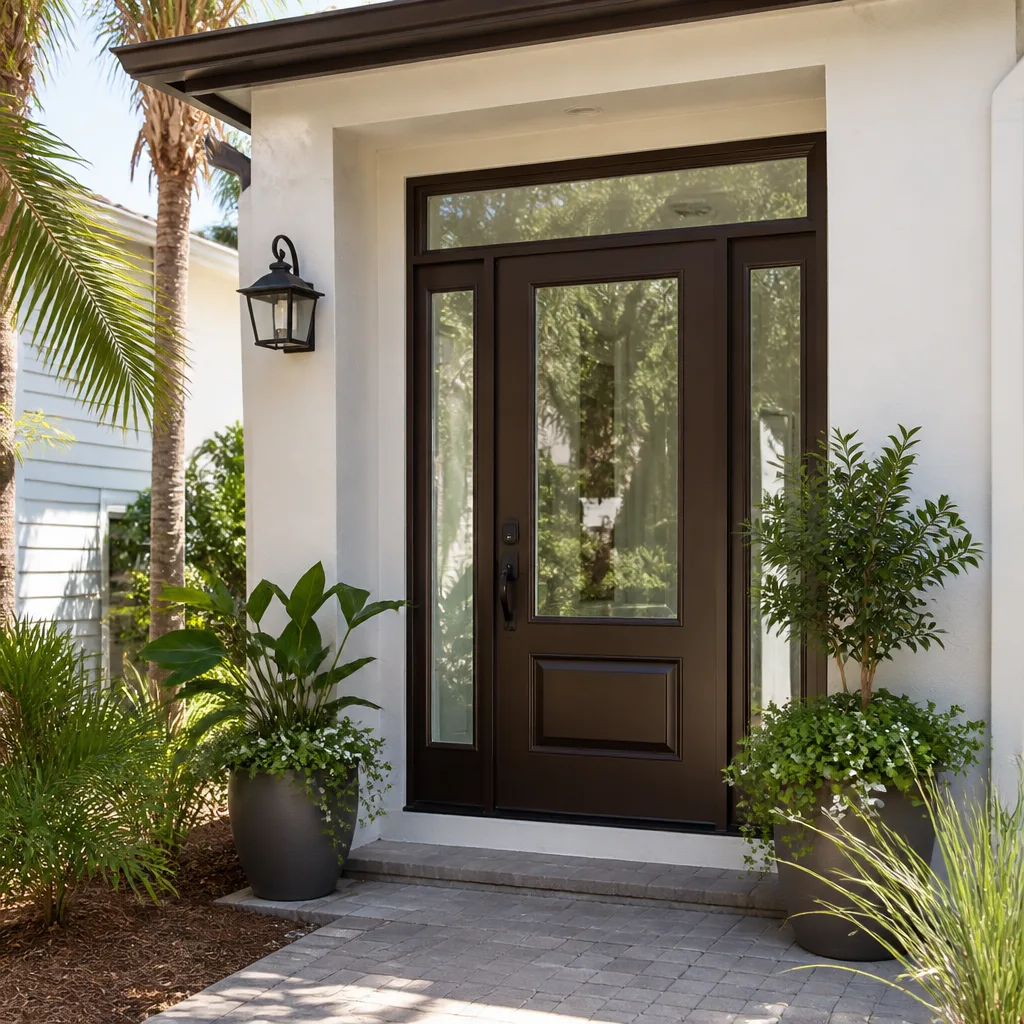
- Windows & doors
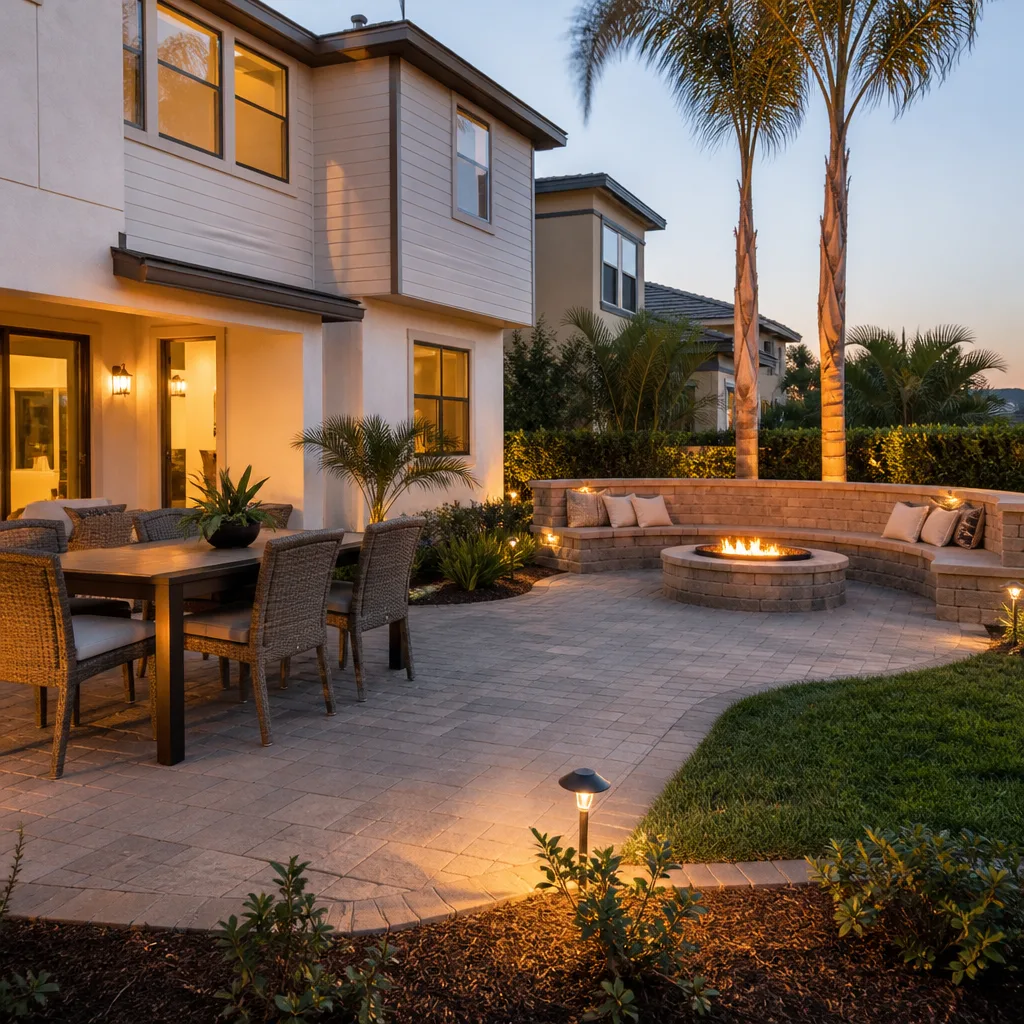
- Driveway & pavers
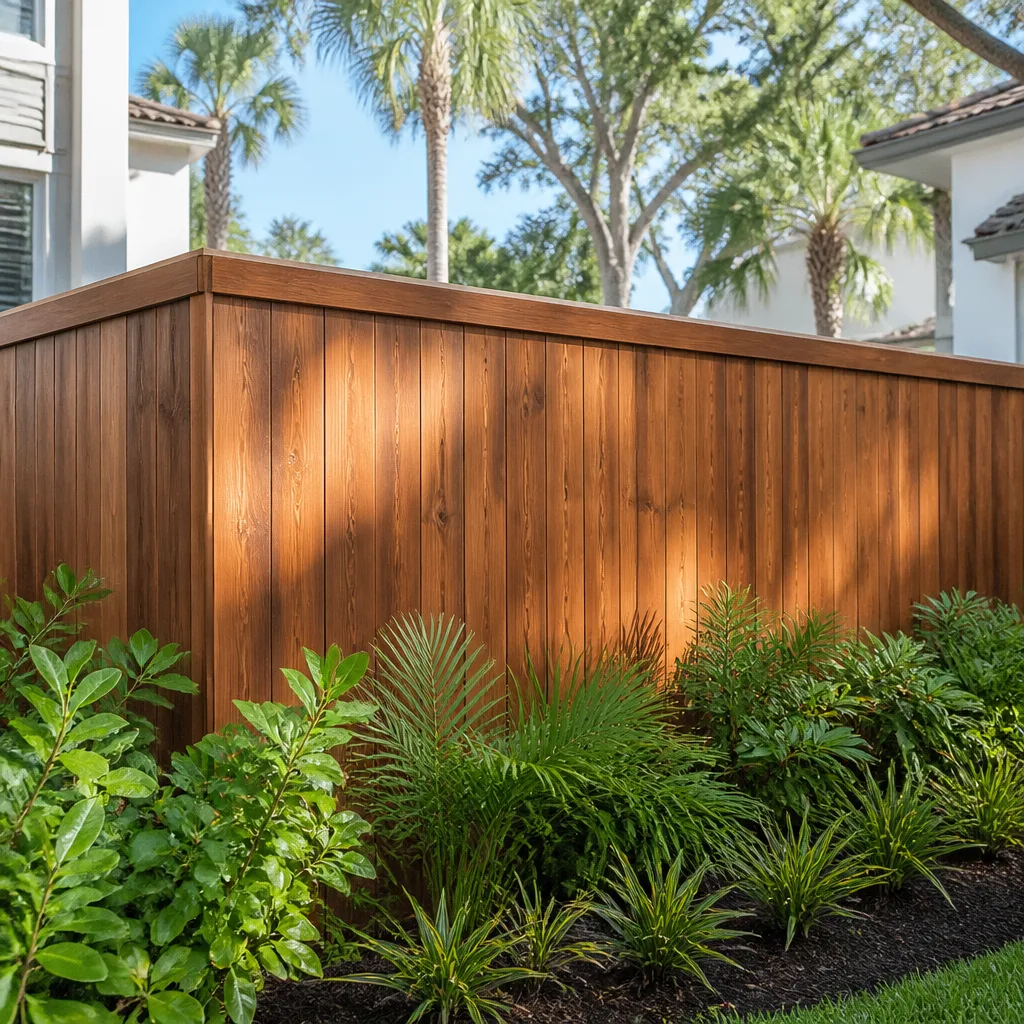
- Fence
See the difference
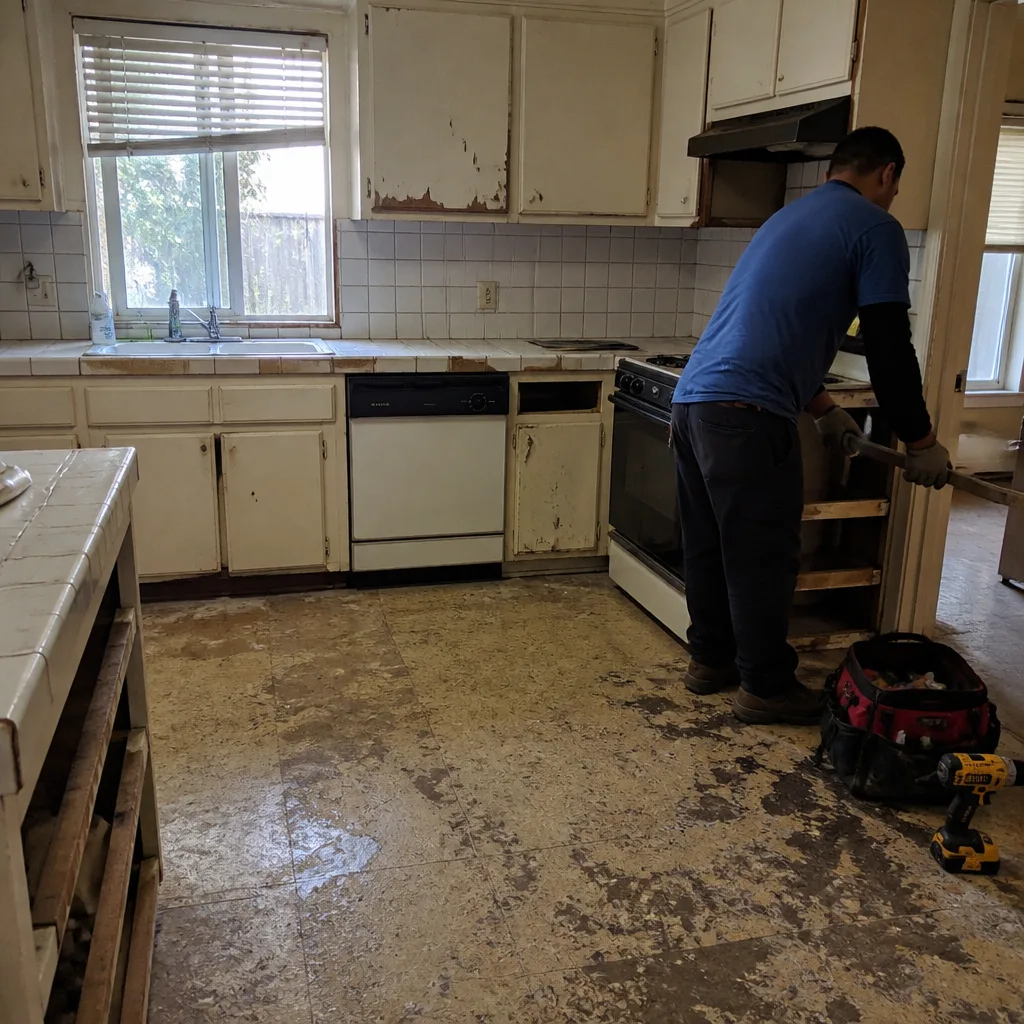 Before
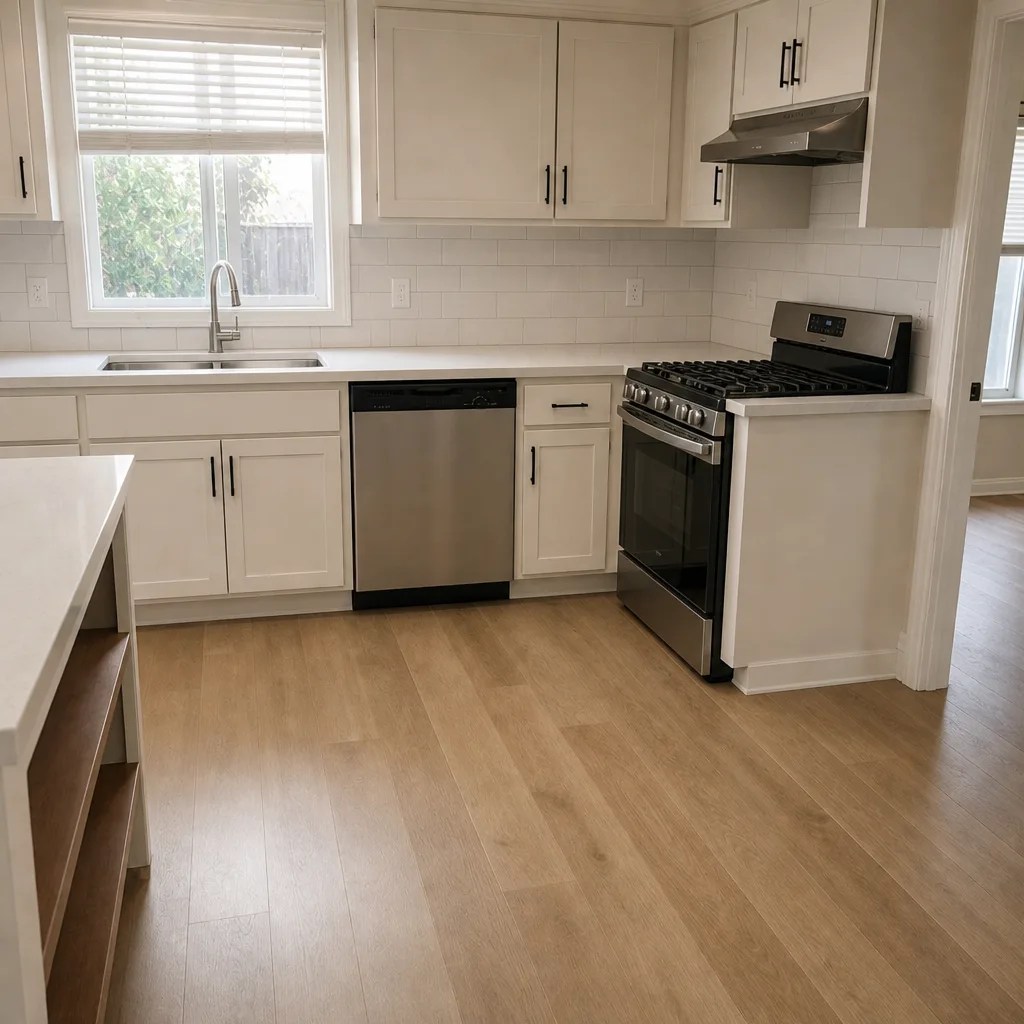 After
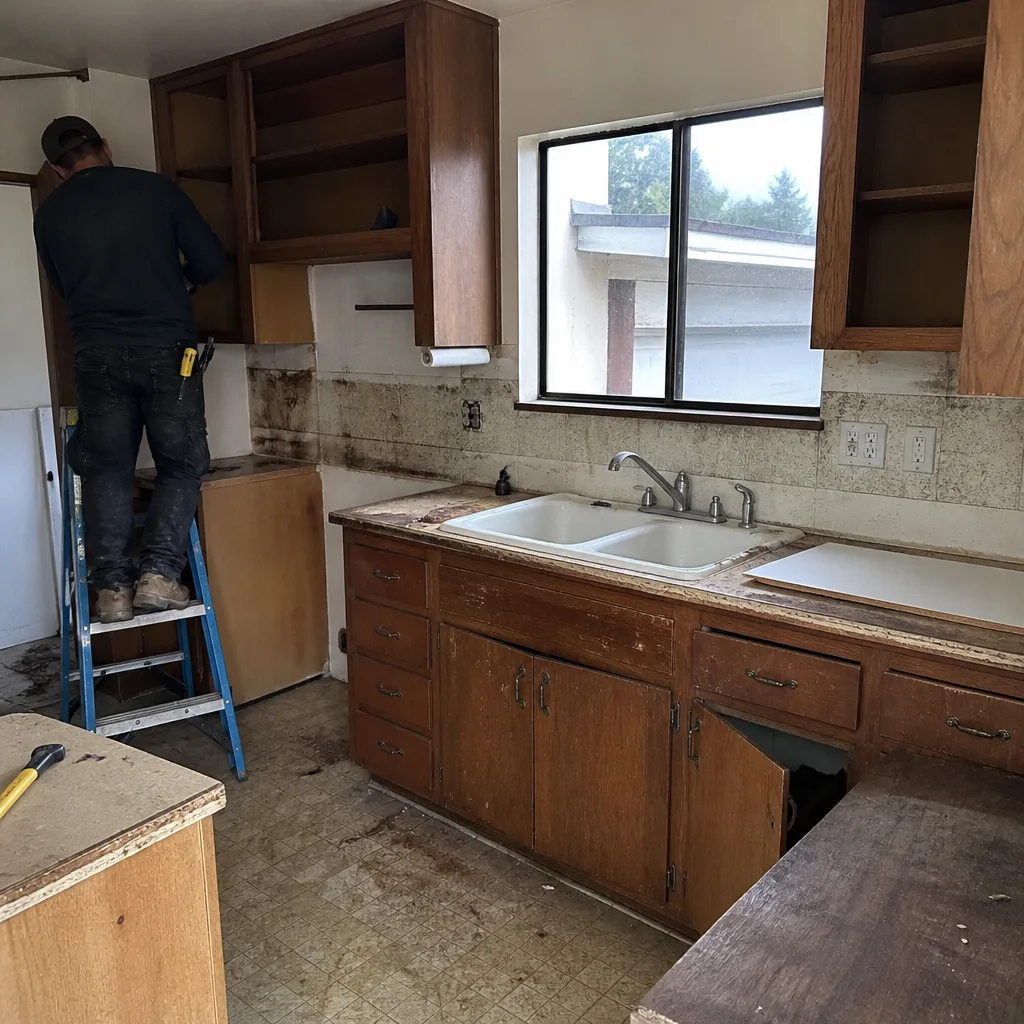 Before
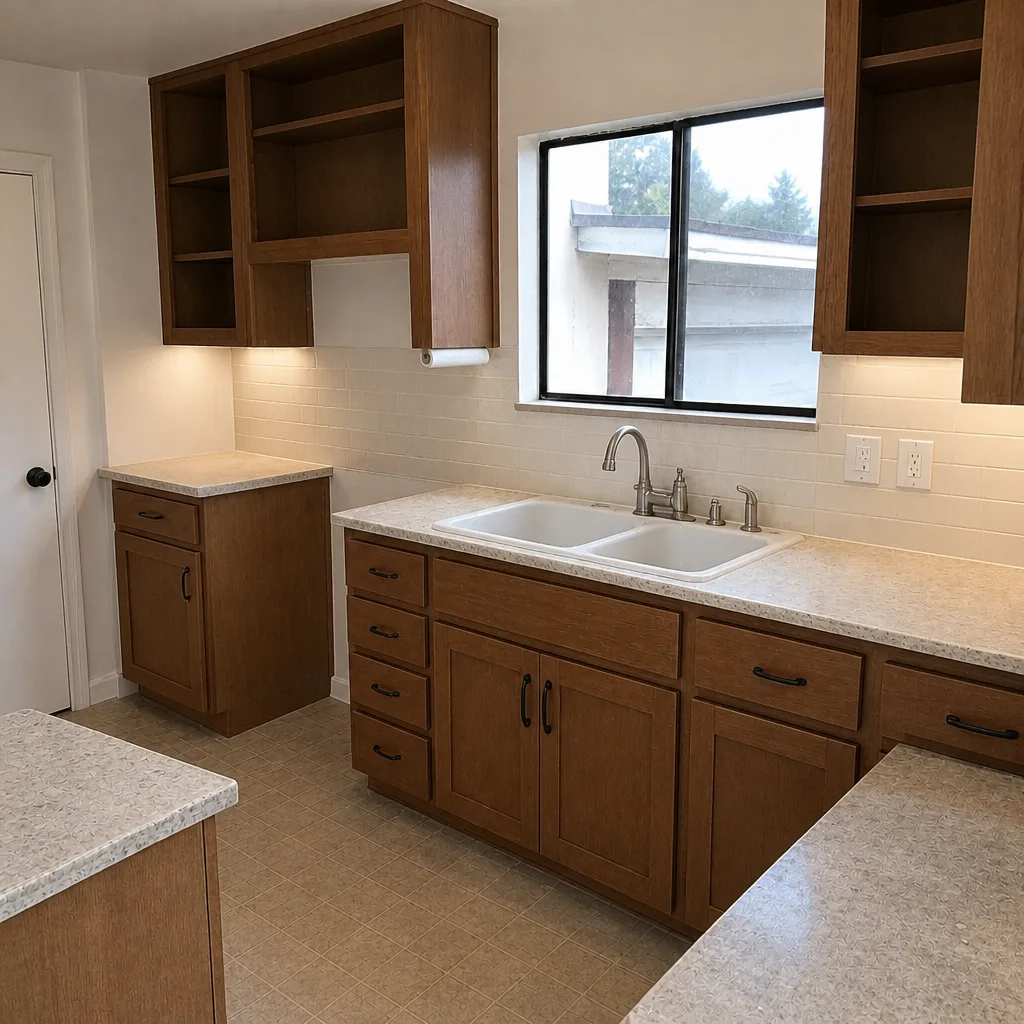 After
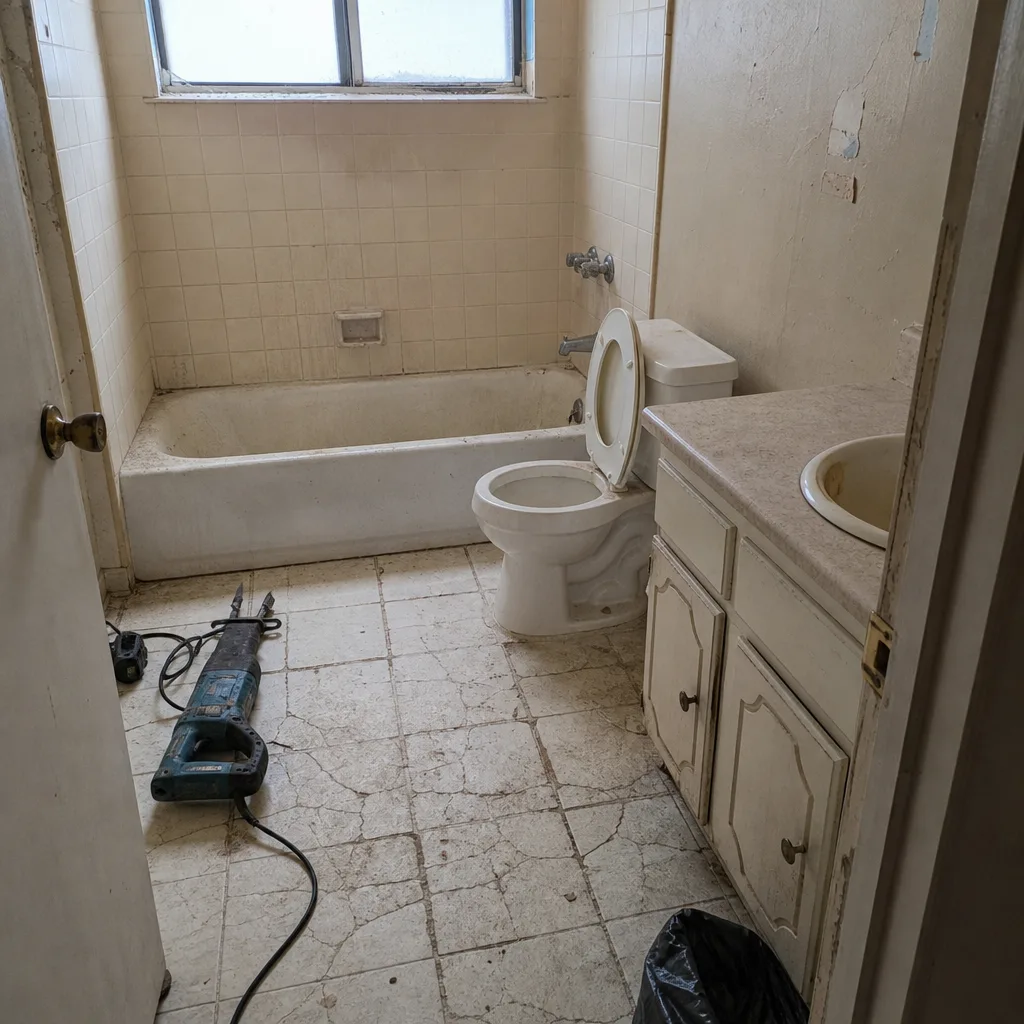 Before
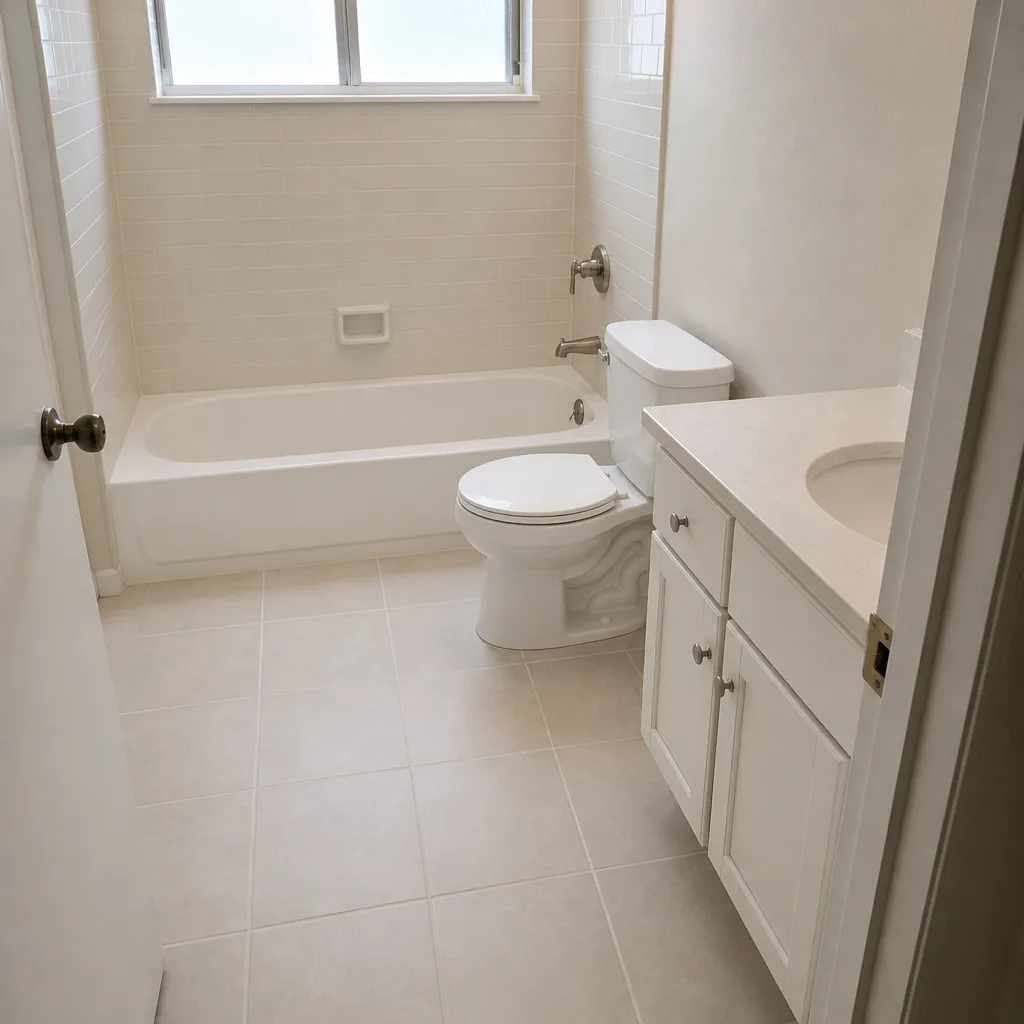 After
Do New Windows Save Energy in Lake Forest, CA? Yes – But the Math Is Different Here
Yes, new windows save energy in Lake Forest, but the savings come almost entirely from cooling, not heating. If you’ve read a window-buying guide built for the Midwest or Northeast, it was optimizing for the wrong season. In Lake Forest, a west-facing bedroom can drive more electricity demand in one July afternoon than a comparable room uses for heat across the mild winter. That flips which window ratings matter most and changes what payback actually looks like. Below is the framework we use with homeowners, built around Southern California Edison rates, local sun exposure, and California Title 24 rather than national averages. When you’re ready to price it, call (855) 532-8973.
Key Takeaways
- Solar heat gain coefficient (SHGC) matters more than U-factor in Lake Forest’s cooling-dominant climate.
- Reducing peak-hour solar gain cuts the most expensive kilowatt-hours on an SCE tiered bill.
- Replacement windows in a permitted remodel must meet Title 24 SHGC and U-factor minimums.
- Energy-only payback runs roughly 12-18 years; the fuller value is comfort, code compliance, and resale.
- Typical Lake Forest window replacement runs $4,500-$15,000; impact-rated units run $8,000-$25,000.
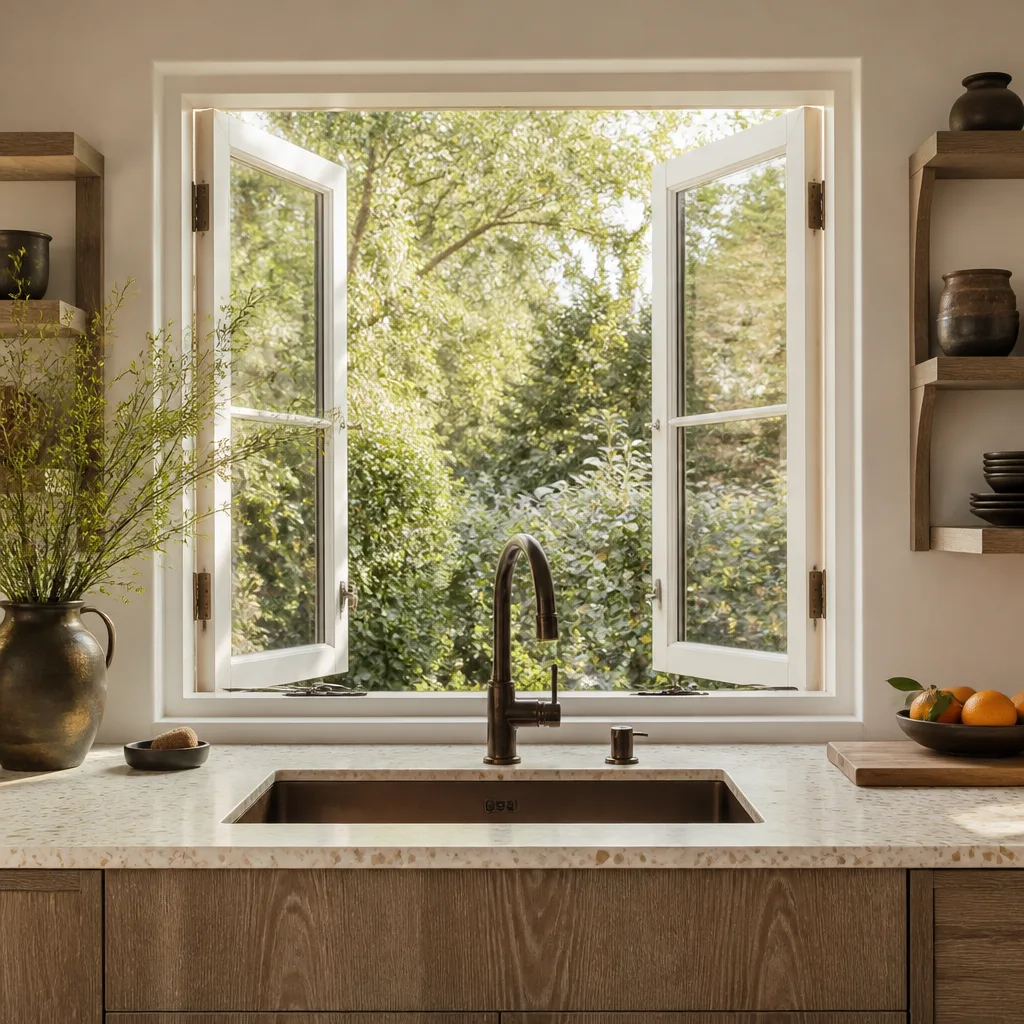
Why SHGC – Not U-Factor – Is the Number That Matters in Lake Forest
Windows are rated on two headline metrics. U-factor measures how fast heat escapes, and it dominates the conversation in cold climates. SHGC (solar heat gain coefficient) measures how much of the sun’s heat a window lets inside. In a heating climate you want a high SHGC to capture free warmth. In Lake Forest, that free warmth is a liability from May through October.
Picture a west-facing bedroom in Portola Hills or Foothill Ranch. That wall takes direct afternoon sun – the harshest window of the day – from roughly 3 p.m. to sunset. The glass behaves like a space heater switched on by the sun. Your air conditioner isn’t fighting the outdoor temperature; it’s fighting the radiant heat pouring through that one pane. A window rated at SHGC 0.50 lets half that solar energy inside. Drop it to 0.25 and you’ve cut the load on that window roughly in half. It’s the single most direct lever a Lake Forest homeowner has over summer cooling cost.
What SHGC improvements look like on a west-facing room
On an unshaded west wall, solar gain is concentrated in late afternoon, exactly when outdoor temperatures peak. Replacing a builder-grade 1980s or 1990s single-pane or early dual-pane window with a low-SHGC unit meaningfully reduces the heat entering the room, which means the AC runs less during the hours it costs the most. That’s the whole story: same room, same thermostat setpoint, less heat to remove. You’ll notice it as a cooler room in July before you ever notice it on a bill.
How SCE’s Tiered Rates Make Window SHGC a Bill-Level Decision
Lake Forest homes on Southern California Edison’s tiered rate plans pay more per kilowatt-hour as usage climbs past baseline. That means the marginal kWh – the electricity you use on the hottest afternoons – costs more than the first kWh of the month. Cutting solar heat gain doesn’t just trim usage; it trims usage from the most expensive tiers, and it does it during the peak hours that drive the highest charges.
This is where the national savings calculators go wrong. They take an average electric rate and multiply. In Lake Forest, the relevant number is the top-tier, peak-hour rate, because that’s the block air conditioning pushes you into. A window upgrade that removes a late-afternoon cooling load subtracts from that expensive block, not the cheap one at the bottom of the bill. Run the numbers against your own SCE rate schedule, not a national average, and the value of a low-SHGC window on a west or south wall looks considerably better than a generic guide suggests.
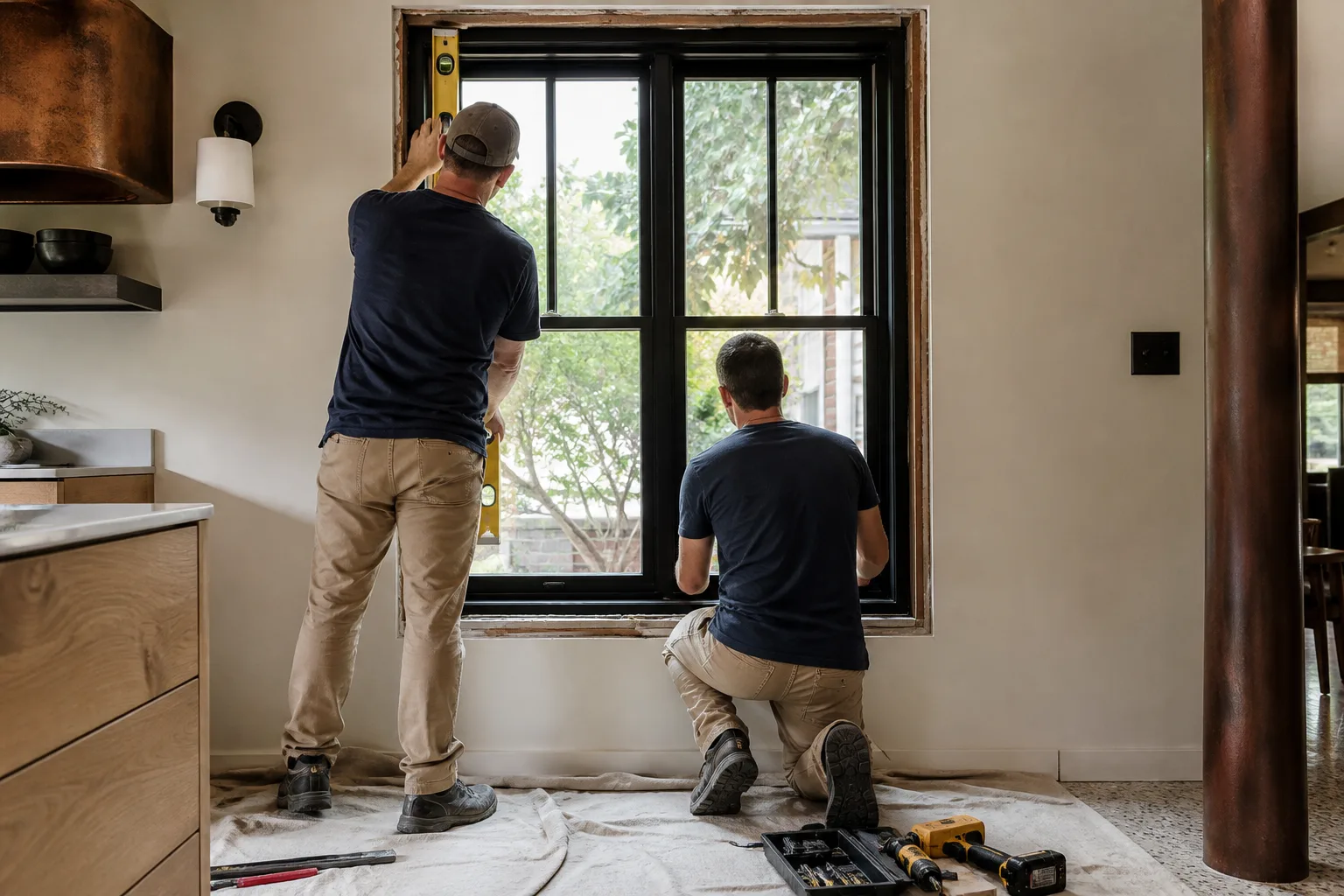
Title 24 Means You’re Getting a Performance Floor, Not Just a Bonus
Energy savings from new windows in Lake Forest aren’t optional if the work happens inside a permitted remodel. California’s Title 24 energy code sets maximum SHGC and U-factor values for replacement windows in permitted residential work. Your contractor pulls the permit, and the windows installed have to meet those minimums – a code-required performance floor, not an upgrade you hope for. That’s good news: it means a permitted Lake Forest window job can’t legally land you with glass that performs worse than the code target for our climate zone.
The practical effect for the homeowner is simple. Ask what SHGC and U-factor the specified windows carry, and confirm they satisfy Title 24 for the climate zone. A permit-driven job forces that conversation. An unpermitted swap often skips it, and you can end up with a window that meets no local standard at all. Because Lake Forest is heavily master-planned, many replacements also run through HOA architectural review, which affects what the window looks like from the street and how windows get specified.
How to Read an NFRC Label for Lake Forest Exposures
Every window we install carries an NFRC-certified rating, and the label is the document that tells you how the glass will perform. Here’s what to look for, and how to aim it at our sun.
- West and south walls: prioritize the lowest SHGC you can get while keeping visible light transmission reasonable. These exposures carry the most solar load.
- East walls: morning sun is real but shorter; a moderate SHGC works well.
- North walls: least solar gain, so here the U-factor and visible light matter more than SHGC.
- Whole-house balance: one rating across every window is a compromise. Specify per exposure and you get cooling control where it counts.
We carry Andersen and Marvin lines, both of which publish NFRC-certified ratings on each unit, so you can compare exactly where the numbers land before you commit. For a full look at what we install, see our Windows & Doors page. The goal is not the “best” window in the abstract – it’s the right glass for the wall it lives on.
Are New Windows Really Worth It, or Just a Comfort Upgrade?
Honestly: on energy savings alone, most Lake Forest window replacements pay back in roughly 12 to 18 years. That’s real, and on a cooling-dominant bill with expensive peak tiers it’s not nothing – but it isn’t a one-year windfall, and any contractor who tells you otherwise is selling. The fair way to judge the investment is to add up what the whole job delivers, because windows do more than cut a bill.
| What you’re buying | What it does for you |
|---|---|
| Energy savings | Lower summer cooling load, concentrated in peak SCE tiers; roughly 12-18 year payback |
| Comfort | A west-facing room that stays usable in August without cranking the AC |
| Code compliance | Title 24 minimums met and inspected on permitted work |
| Resale value | Updated, code-compliant windows are a documented plus at appraisal and inspection |
Add in the end of foggy weeping glass, drafts, and street noise from a 1970s or 1990s tract window and the case firms up. When energy savings, comfort, code compliance, and resale all point the same direction, the upgrade earns its keep. Here are the current Lake Forest ranges so you can budget against real numbers:
- Window replacement: $4,500-$15,000
- Impact window installation: $8,000-$25,000
Those are standard replacement and impact-rated ranges for our market. The variable that moves the number most is exposure count and glass spec – a whole-house job specced per exposure costs more than picking one rating for every window, and performs better too. Upfront pricing means the number we quote is the number you pay, and the 730-Day Done Right Promise stands behind the install. Our technicians have up to 12 years of experience, and you can see our broader work across the Lake Forest service area.
FAQs
Yes, but principally in summer cooling, not winter heating. In our cooling-dominant climate, the biggest savings come from a lower SHGC that blocks solar heat on west and south walls, so the AC runs less during the hours SCE charges most.
SHGC, in Lake Forest. U-factor governs heat loss and matters most in heating climates; here the cooling load from solar gain dominates, so the number that moves your bill is SHGC, especially on west- and south-facing glass.
Standard window replacement runs about $4,500-$15,000, and impact-rated installation runs $8,000-$25,000. The exact figure depends on how many windows, which exposures you’re speccing, and the glass rating. Call (855) 532-8973 for a free estimate – we’ll run it against your walls, not a national average.
Yes. Permitted replacement work must meet Title 24 SHGC and U-factor minimums, and for Lake Forest’s planned communities we account for HOA architectural review on the street-facing look. We put the spec in writing so both are covered.
If you’d rather have it looked at, Groundwork Construction Co. of Lake Forest offers a no-pressure assessment in Lake Forest, with upfront pricing and our 730-Day Done Right Promise behind every install. Call (855) 532-8973 to schedule.
Written by the team at Groundwork Construction Co. of Lake Forest, serving Lake Forest, CA.