Free written scope consultation - allowances, timeline, and change-order rules on paper before a single trade is scheduled
Styles & brands we work with
- Kitchen remodeling
- Bathroom remodeling
- Home additions & ADU
- Roofing
- Windows & doors
- Driveway & pavers
- Fence
See the difference
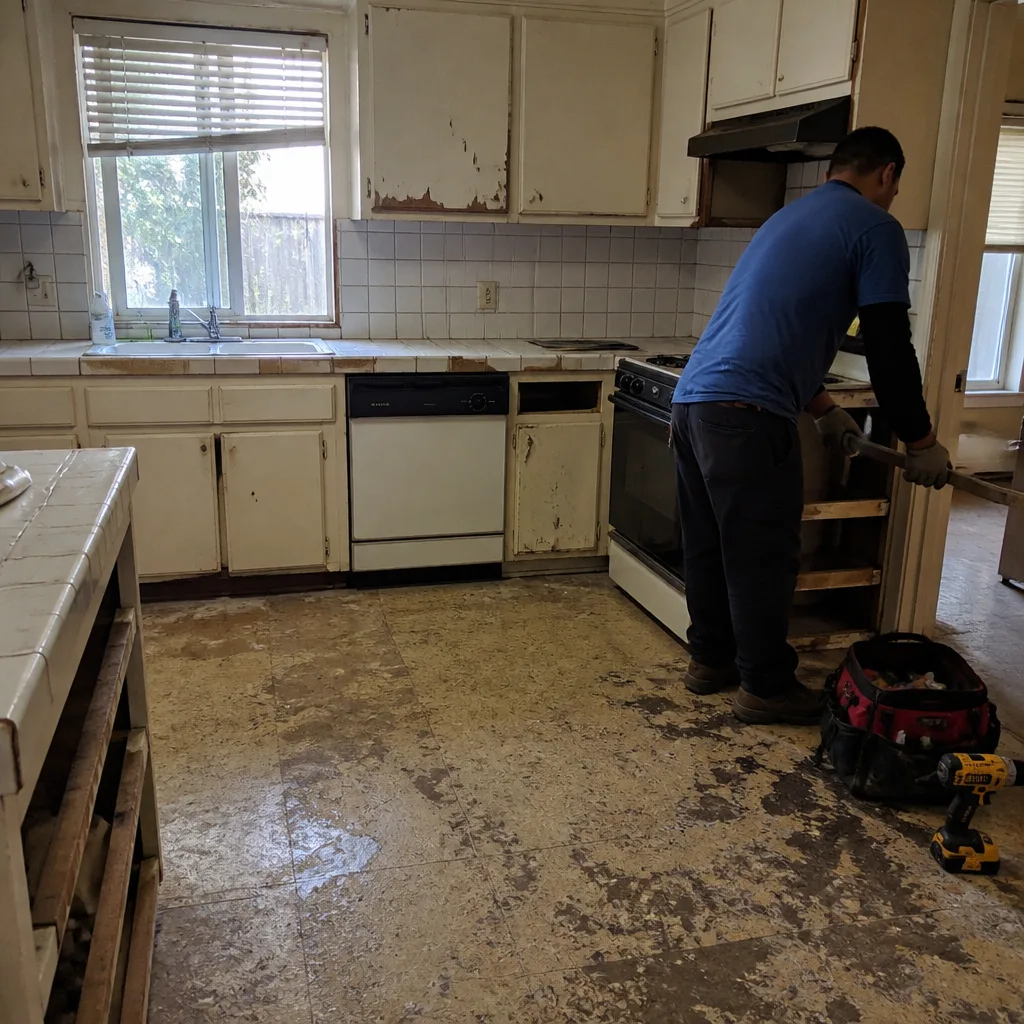 Before
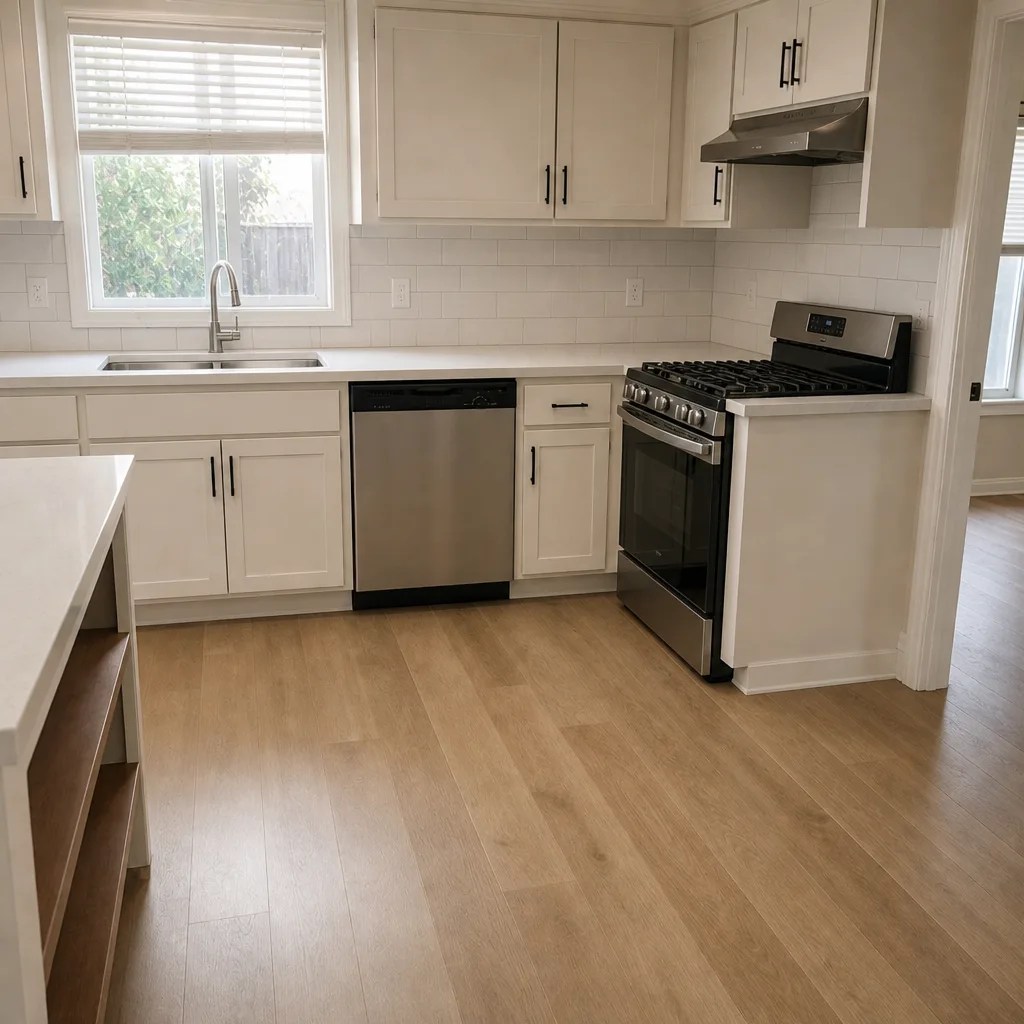 After
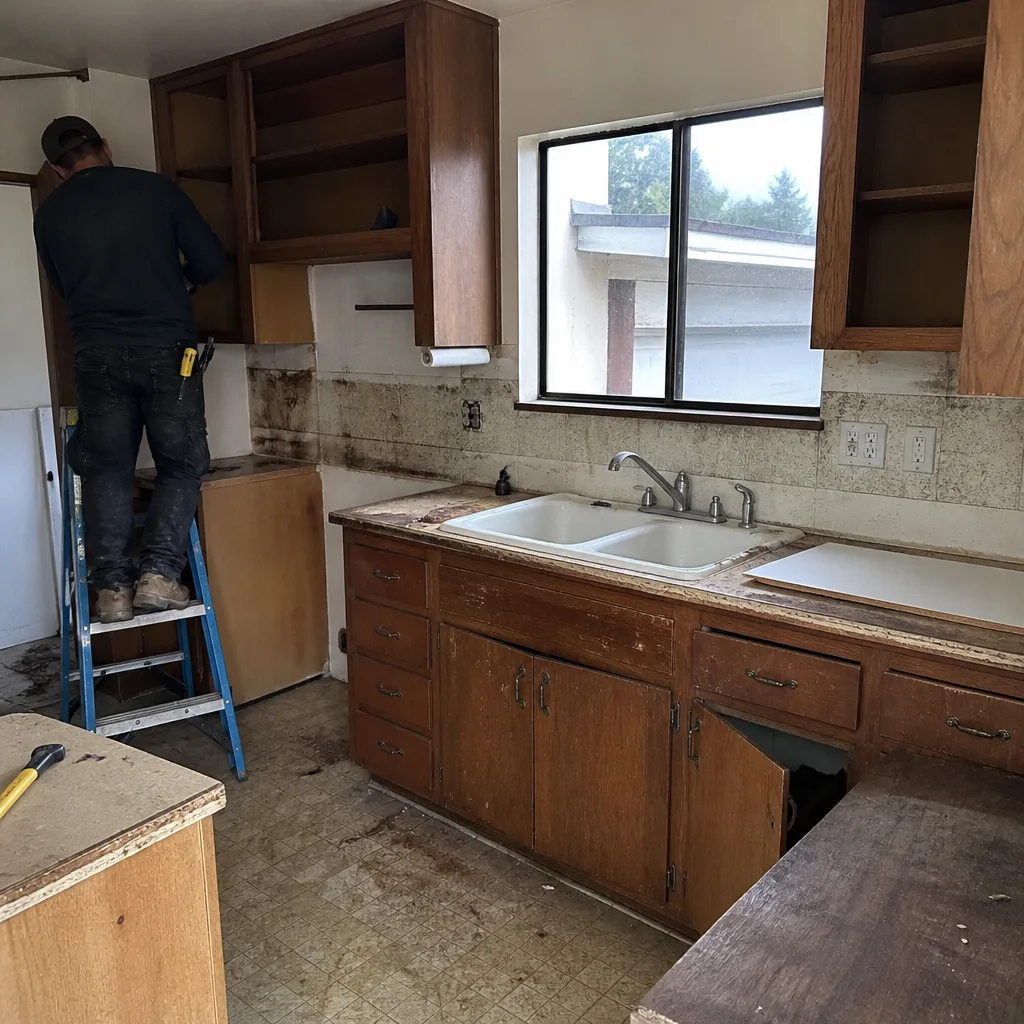 Before
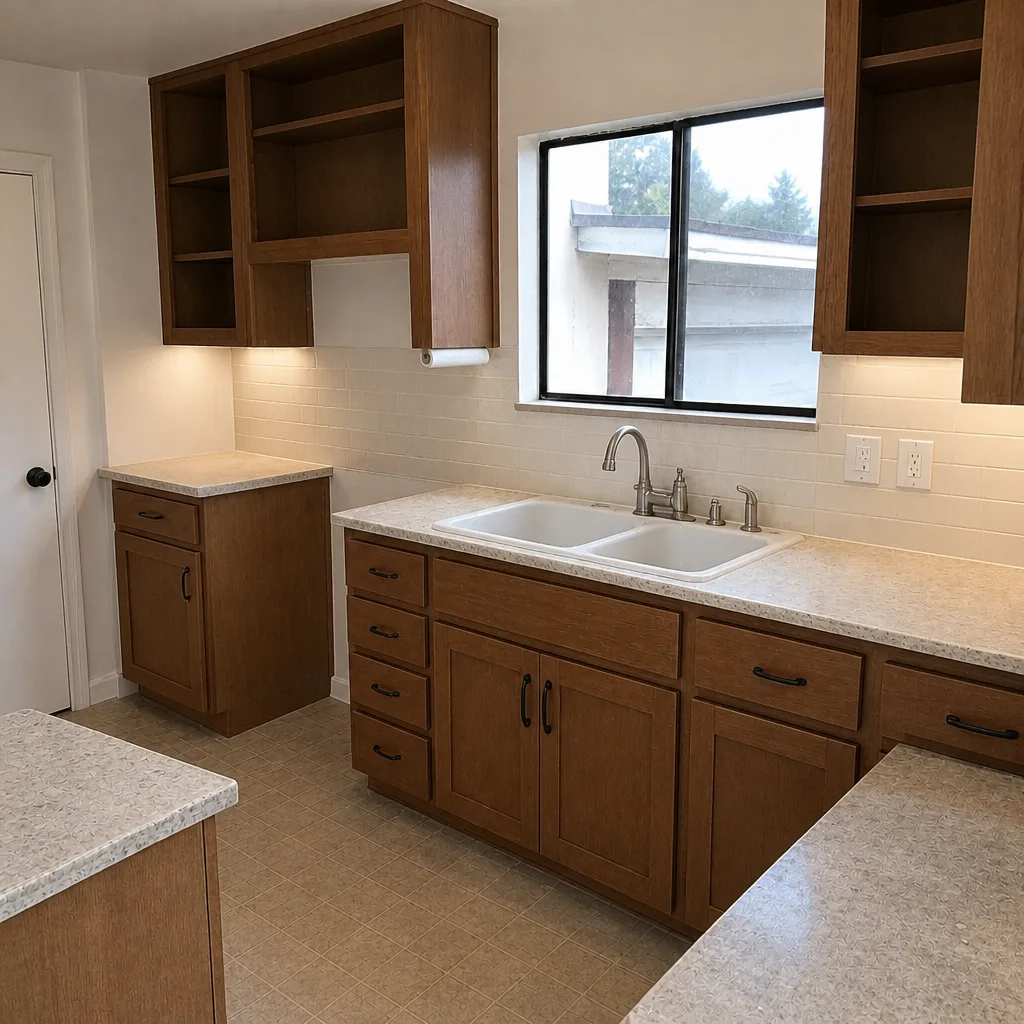 After
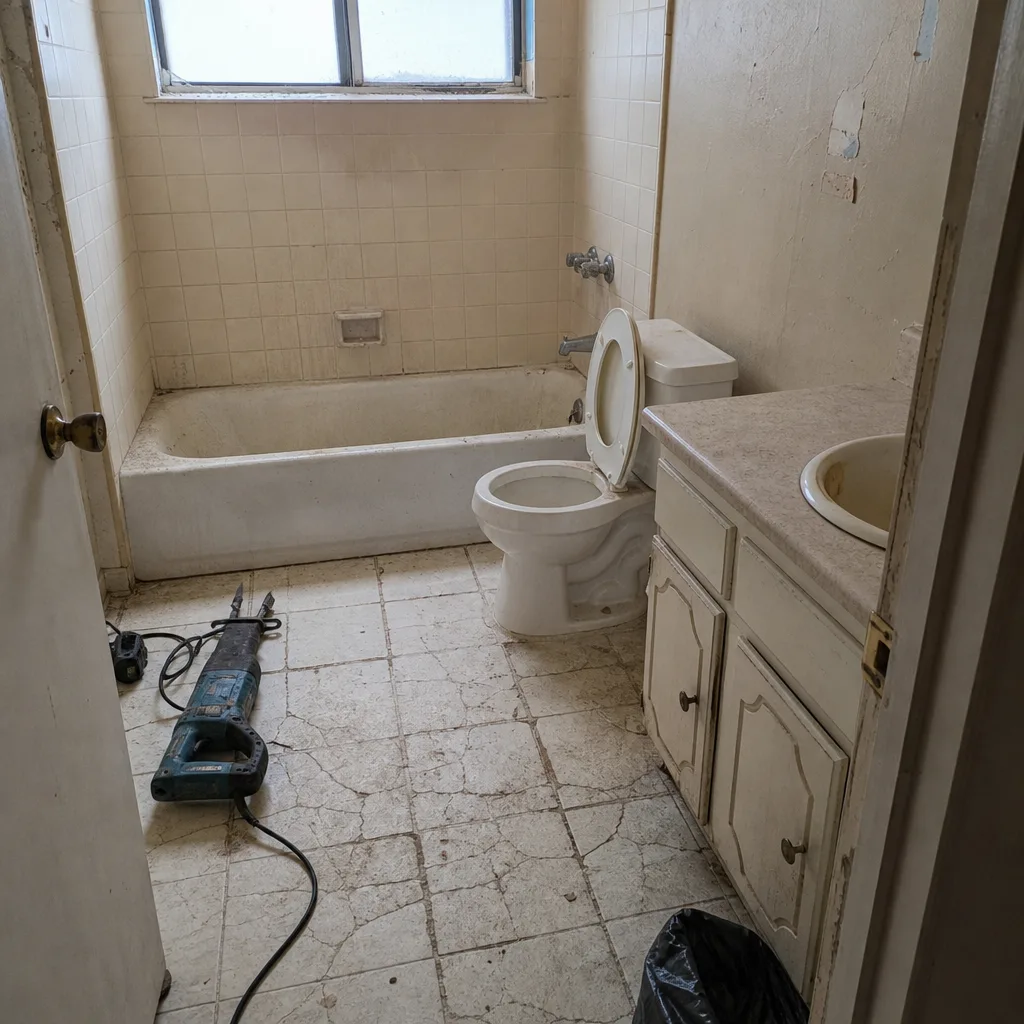 Before
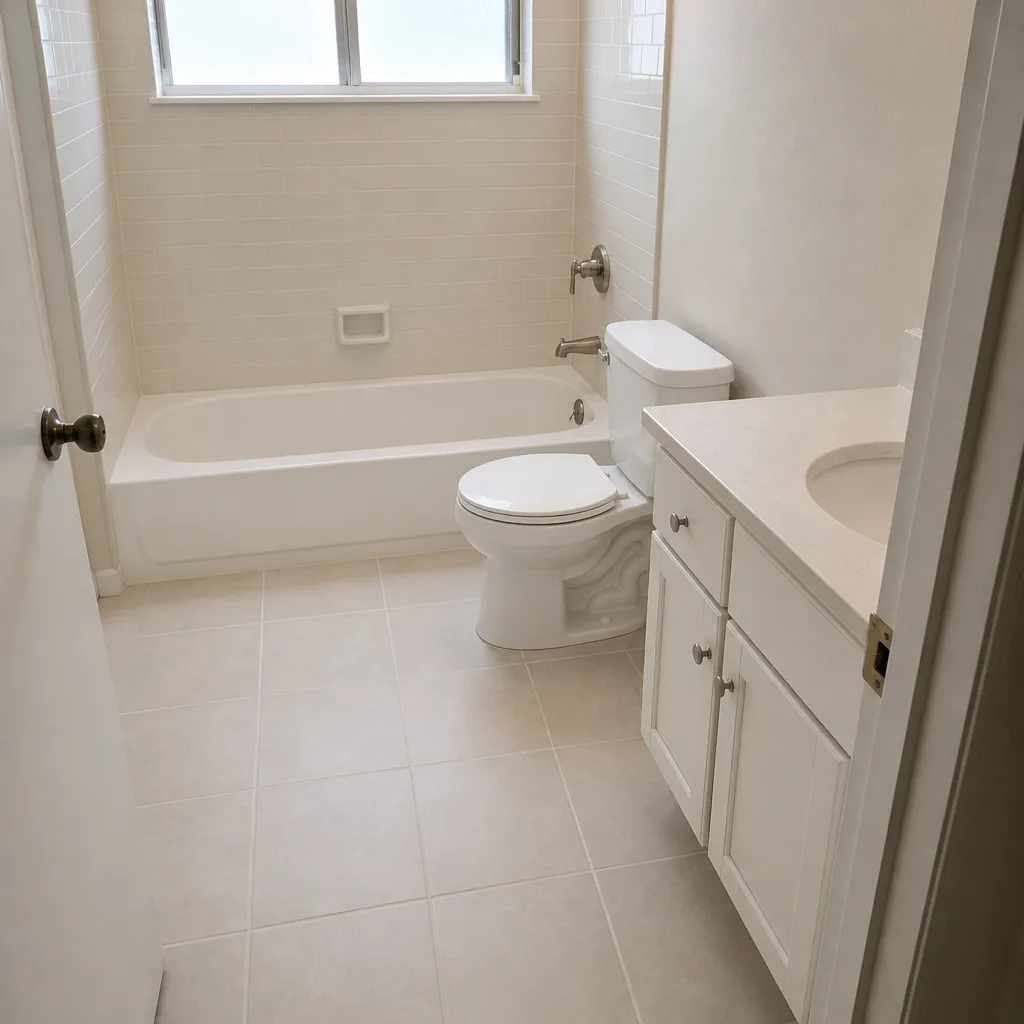 After
Double Hung vs Casement Windows in Lake Forest, CA: Which One Actually Cools Your House?
Choose casement windows on any elevation where ventilation and energy bills matter, and keep double-hung units on street-facing walls if your HOA pattern book requires the original profile. That’s the short answer for most Lake Forest homeowners. The longer answer is a ventilation question, not a style question. A double-hung window open halfway gives you roughly 50% of the frame area as airflow. A casement cranked fully open gives you nearly 100%, and in Lake Forest summers that gap shows up on your electricity bill. Call (855) 532-8973 if you want a straight read on which makes sense for your floor plan.
Lake Forest is a master-planned suburban city built out mostly between the 1970s and 1990s, and that history shapes every window decision here. Original double-hung profiles sit on a lot of street-facing elevations in Lake Forest Keys and Foothill Ranch, and the HOA pattern books often require them to stay. So casement usually lands as a rear or side-yard upgrade, not a whole-house swap. That’s less a limitation than a strategy: put the ventilating windows where the breeze enters, not where the review board looks.
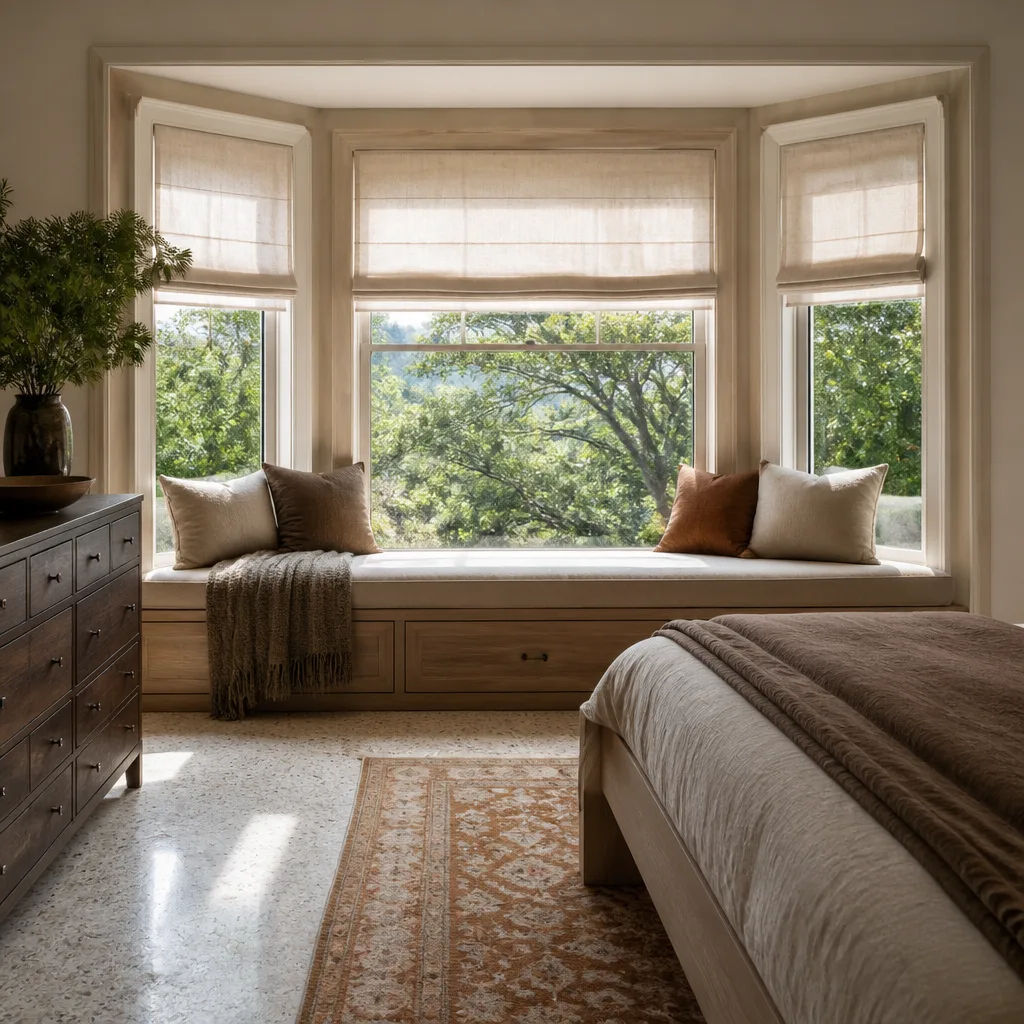
Why the Airflow Math Matters More Here Than Anywhere Coastal
Lake Forest sits inland, semi-arid, with summer highs that routinely push past 95°F. The dominant breeze arrives from the west in the late afternoon, exactly when the house has stored the most heat. How you capture that breeze determines how hard your air conditioner works until sunset.
A double-hung sash raises and lowers. Half the opening is glass sitting behind glass, so the effective free area in the frame drops to about half of what you see. A casement swings its whole sash out on a crank, and the panel becomes a small vertical fin that catches moving air and redirects it into the room. That wind-scoop effect is the point. Double-hungs pass air; casements gather and steer it. On a still day neither does much, but on a typical June afternoon in Foothill Ranch, one strategy moves roughly twice the air of the other through the same rough opening.
Stack that across six or eight windows on the west and south walls and the difference in comfort is real before the thermostat ever moves. It also shows up later: less run time on the AC unit, lower cooling load, and a house that flushes out heat in the evening instead of holding it.
What Actually Determines Net Free Area
- Sash travel: a double-hung open half its height exposes about half the frame. Fully open top and bottom, a single-hung still only exposes one operable panel.
- Casement swing: fully open, the sash clears nearly the entire frame opening.
- Direction: a casement can be angled to scoop the prevailing westerly. A double-hung can’t direct anything.
- Screen drag: both lose air to insect screens, so the frame-area difference is what survives the comparison.
What to Look For When You’re Comparing the Two
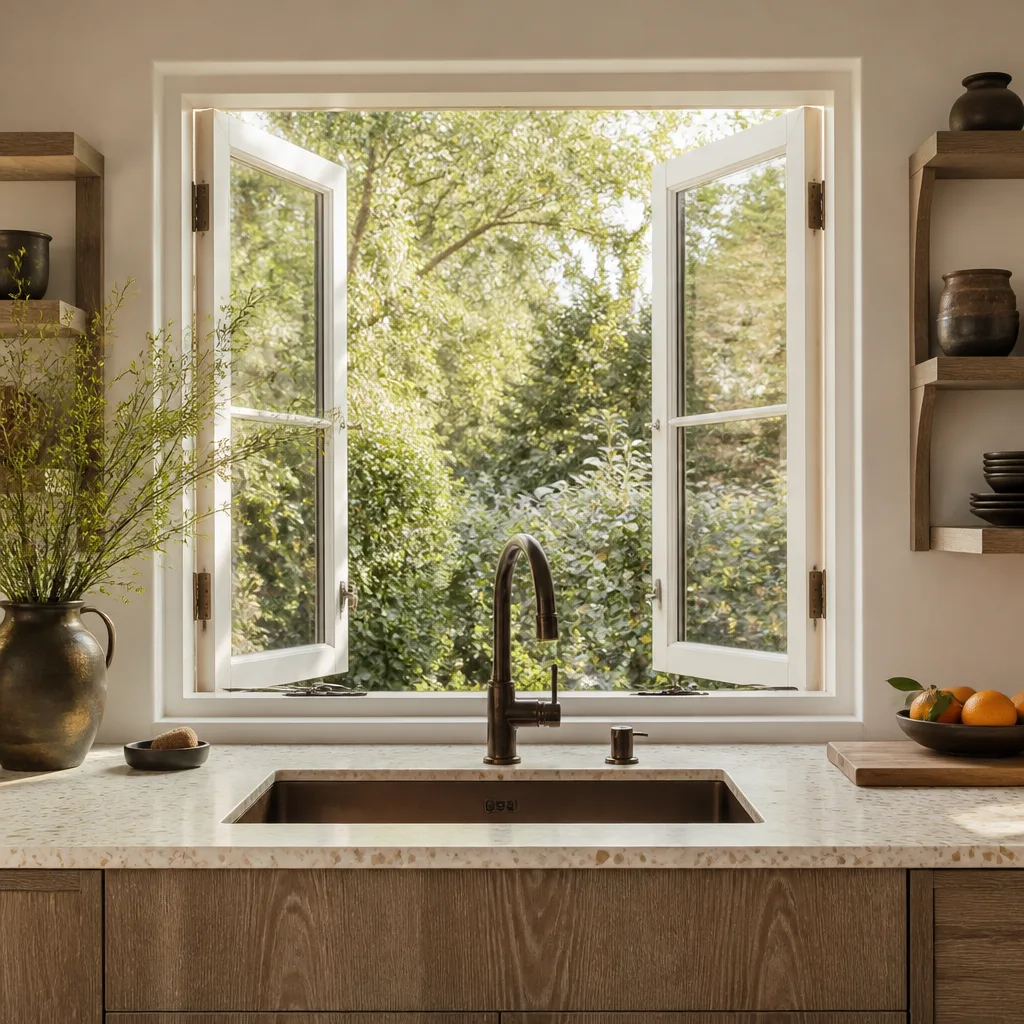
Start with where the window sits. Street-facing elevation under HOA review? Match the existing double-hung profile. Rear or side wall facing the afternoon breeze? Casement earns its keep. Bedrooms usually want the scoop. Kitchens and bathrooms often want the simple, safe operation of a slider or double-hung because there’s no furniture in the swing path.
Then look at hardware, because casement hardware is where quality separates fast. A cheap crank assembly and single-point lock will feel loose within a couple of seasons. Andersen and Marvin both offer casement units with multi-point locking hardware that holds up to wind uplift requirements, which matters on hillside lots in Portola Hills where Santa Ana winds and graded slopes push loads that flatland tracts never see. Not every brand’s casement clears that bar. We work with those two brands for exactly this reason, and pairing the right unit with the right anchoring is part of what our Windows & Doors team handles on every install.
Our technicians have up to 12 years of experience setting windows in Lake Forest’s housing stock, and they’ll tell you plainly when a casement is the wrong call for a specific wall. That’s the honest version of the comparison.
Side-by-Side Comparison
| Factor | Double-Hung | Casement |
|---|---|---|
| Net free area (fully open) | ~50% of frame | ~95-100% of frame |
| Airflow direction | Passive, no scoop | Directs prevailing breeze inward |
| HOA compatibility | Matches many original tract profiles | Often restricted on street elevations |
| Hillside wind uplift | Moderate with standard locks | Strong with multi-point hardware |
| Maintenance point | Sash balance, weatherstripping | Crank hardware, seal, frame |
| Best placement | Front elevations, small openings | Rear/side walls, bedrooms, west-facing rooms |
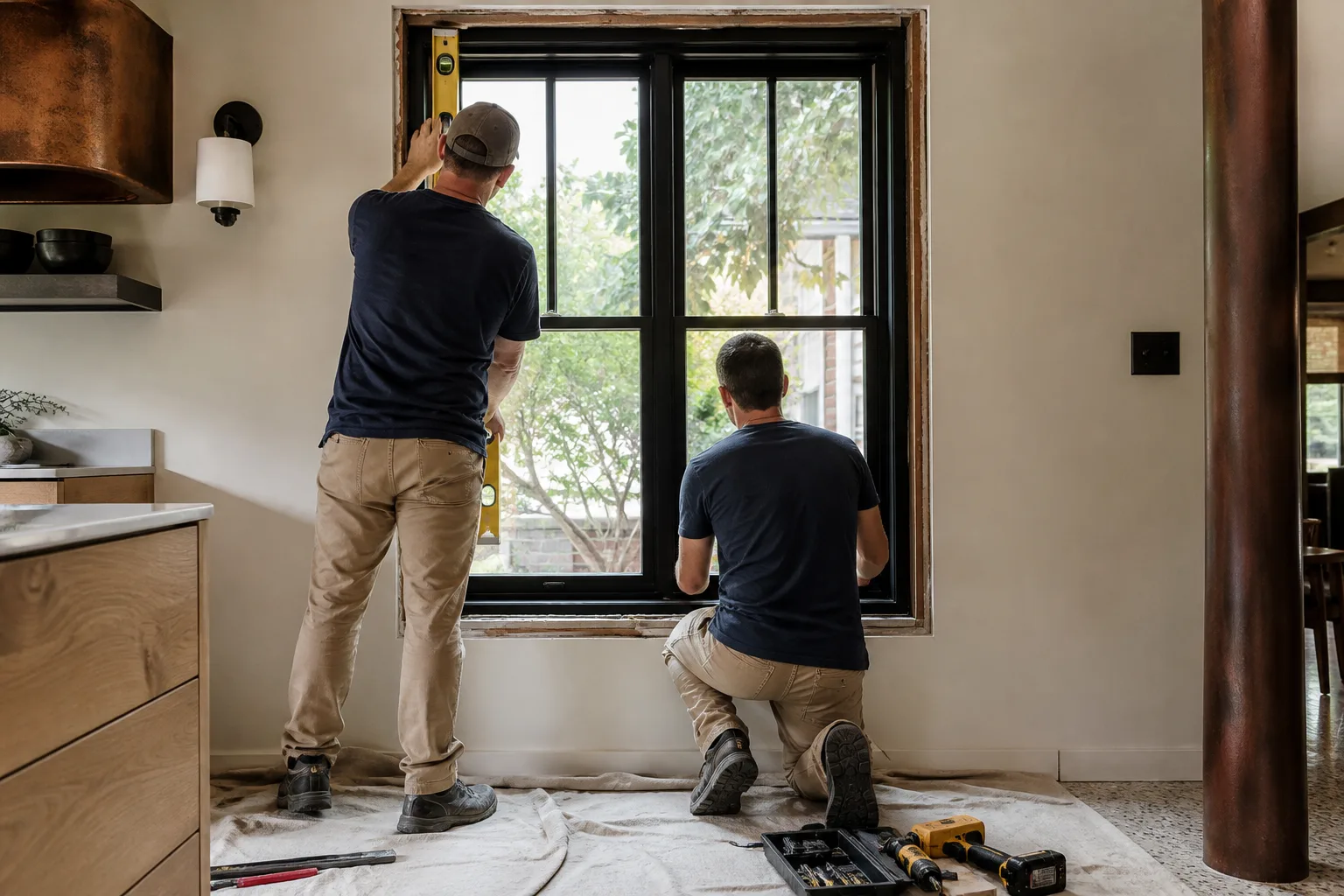
Can You Mix Both on One House?
Yes, and most Lake Forest projects should. A mixed plan is usually the smartest move: keep double-hung profiles on the street elevation to satisfy the architectural review, then switch the rear and side walls to casement where the breeze and the cooling load actually live. You get the ventilation gain without fighting the HOA.
Mixing styles also lets you budget sensibly. A window replacement in Lake Forest typically runs $4,500-$15,000 depending on count and unit grade. Impact window installation, which some hillside and fire-zone-adjacent owners ask about after a hot, dry summer, runs $8,000-$25,000. If you only convert the high-value walls, you spend less and feel the difference sooner.
This is also where the 730-Day Done Right Promise earns its keep in a way that’s specific to casements. Crank hardware and the weatherstripping seal are the most common failure points within the first two years of a casement install. If a crank turns sloppy or a seal starts leaking air, we make it right under the guarantee. No fine print, no argument. Built to last, backed in writing.
How Much Does Casement vs Double-Hung Cost in Lake Forest?
Casement units usually cost a bit more per opening than double-hung because of the crank and lock hardware, but the gap narrows when you factor in the wind-uplift-rated multi-point hardware you’d want on a Portola Hills hillside lot anyway. Here’s how the local numbers land:
| Project | Lake Forest Range |
|---|---|
| Window replacement (whole or partial) | $4,500-$15,000 |
| Impact window installation | $8,000-$25,000 |
| Casement premium per opening (vs. double-hung) | ~10-20% more in unit cost |
Pricing is always upfront, and we honor 0% financing for 18 months plus $1,000 off projects over $10,000. The number you see is the number you pay.
FAQs
For ventilation and cooling load, yes. A casement open fully exposes nearly the entire frame area to airflow and directs the afternoon westerly breeze into the room, while a double-hung open halfway gives you roughly half the frame area and no direction. In a city where summer highs top 95°F, that difference lowers AC run time. Call (855) 532-8973 for a free estimate on your plan.
Often only on rear and side elevations. Many Lake Forest tract homes have original double-hung profiles that the HOA pattern book requires on street-facing walls, so casement is typically a rear or side-yard upgrade rather than a whole-house swap. We’ll review your community’s design guidelines before ordering anything.
Crank hardware and weatherstripping seals are the most common failure points within about two years of a casement install, and hillside wind uplift in Portola Hills puts extra stress on the lock side. That’s why multi-point locking hardware from a brand like Andersen or Marvin matters, and why our 730-Day Done Right Promise covers crank, seal, and frame integrity. Call (855) 532-8973 to talk through your specific walls.
Yes, and it’s usually the right call. We keep double-hung profiles where the HOA requires them on street elevations and put casements on the west and rear walls where the breeze and cooling load are highest, so you get the ventilation gain without a compliance fight. Estimates are free.
Get a Straight Answer on Your Windows
If you’d rather have it looked at, Groundwork Construction Co. of Lake Forest offers a no-pressure assessment in Lake Forest – call (855) 532-8973. We’ll walk your elevations, check the HOA requirements, and tell you exactly where casement pays off and where double-hung stays. Our team connects you with background-checked, uniformed technicians, and the Lake Forest service area is where we do this work every week.
Written by the team at Groundwork Construction Co. of Lake Forest, serving Lake Forest, CA.