Free written scope consultation - allowances, timeline, and change-order rules on paper before a single trade is scheduled
Styles & brands we work with
- Kitchen remodeling
- Bathroom remodeling
- Home additions & ADU
- Roofing
- Windows & doors
- Driveway & pavers
- Fence
See the difference
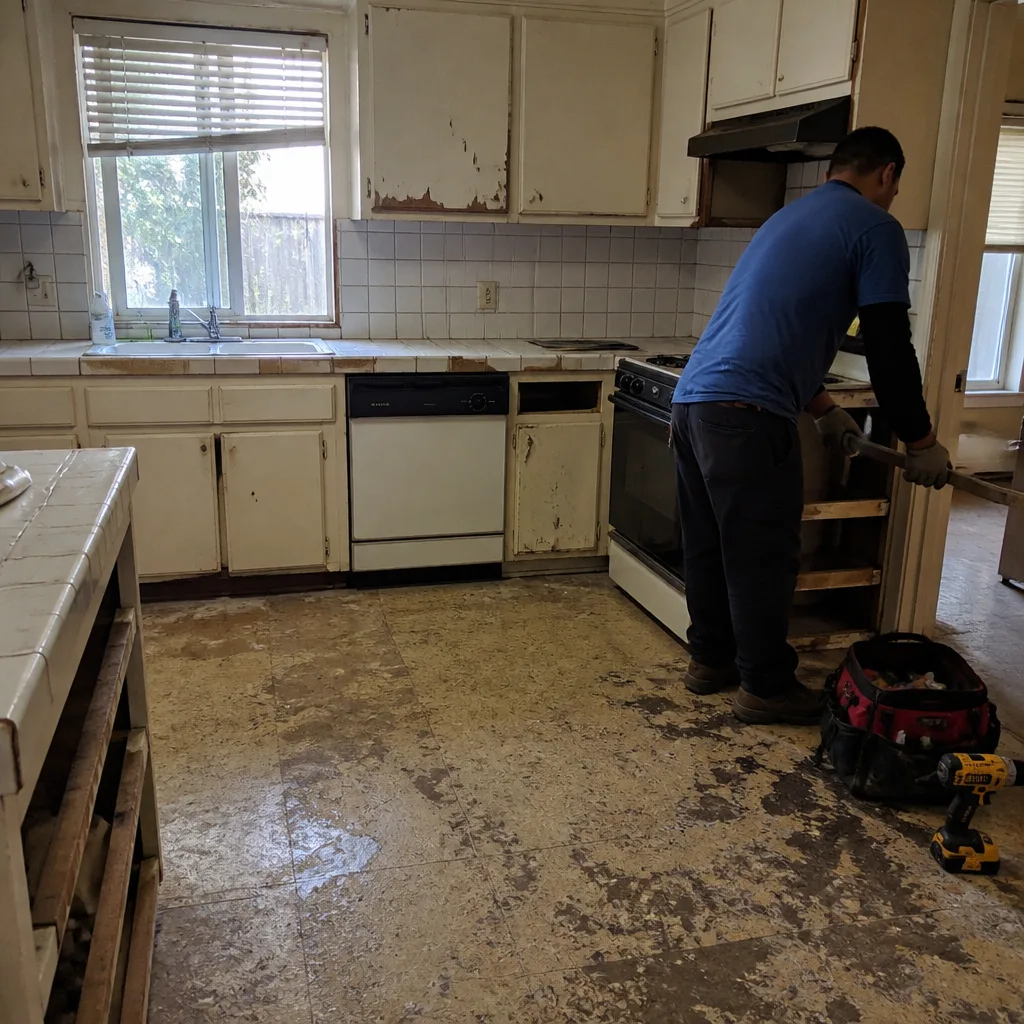 Before
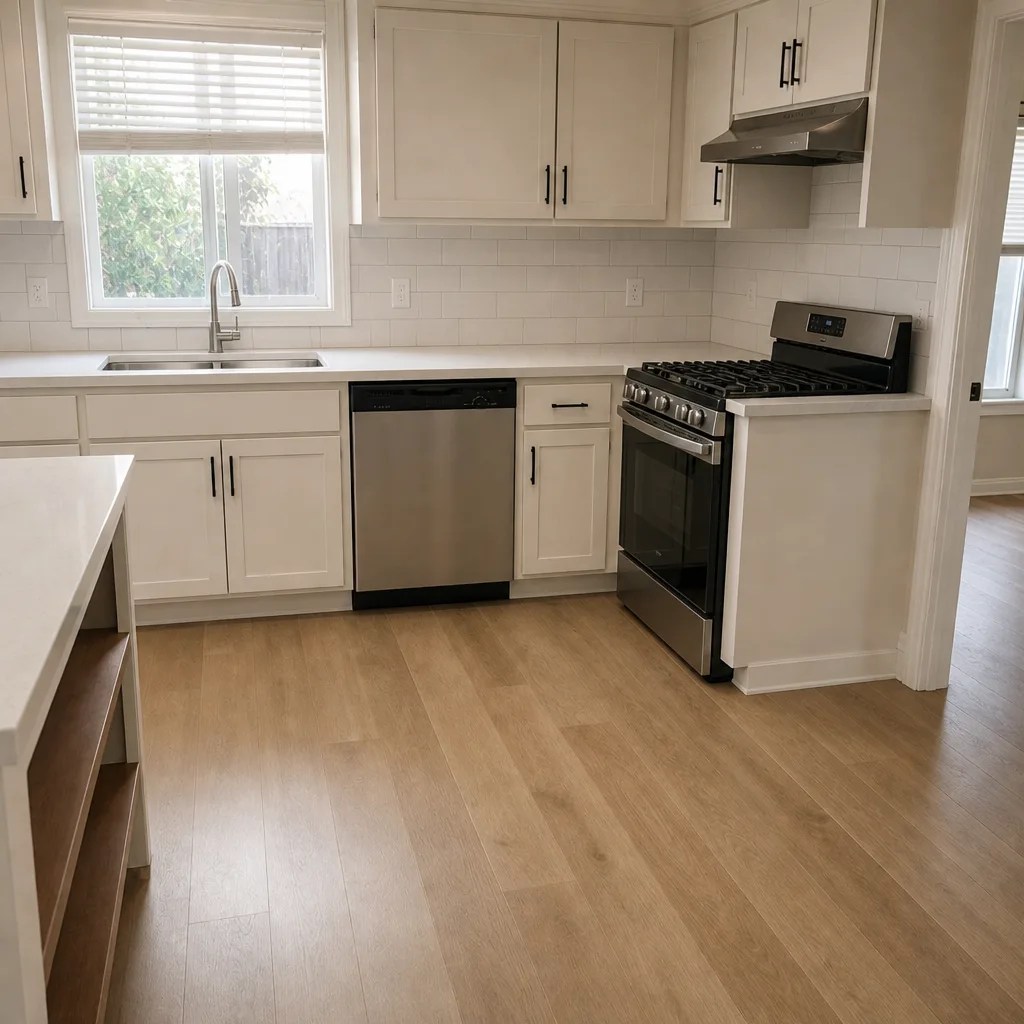 After
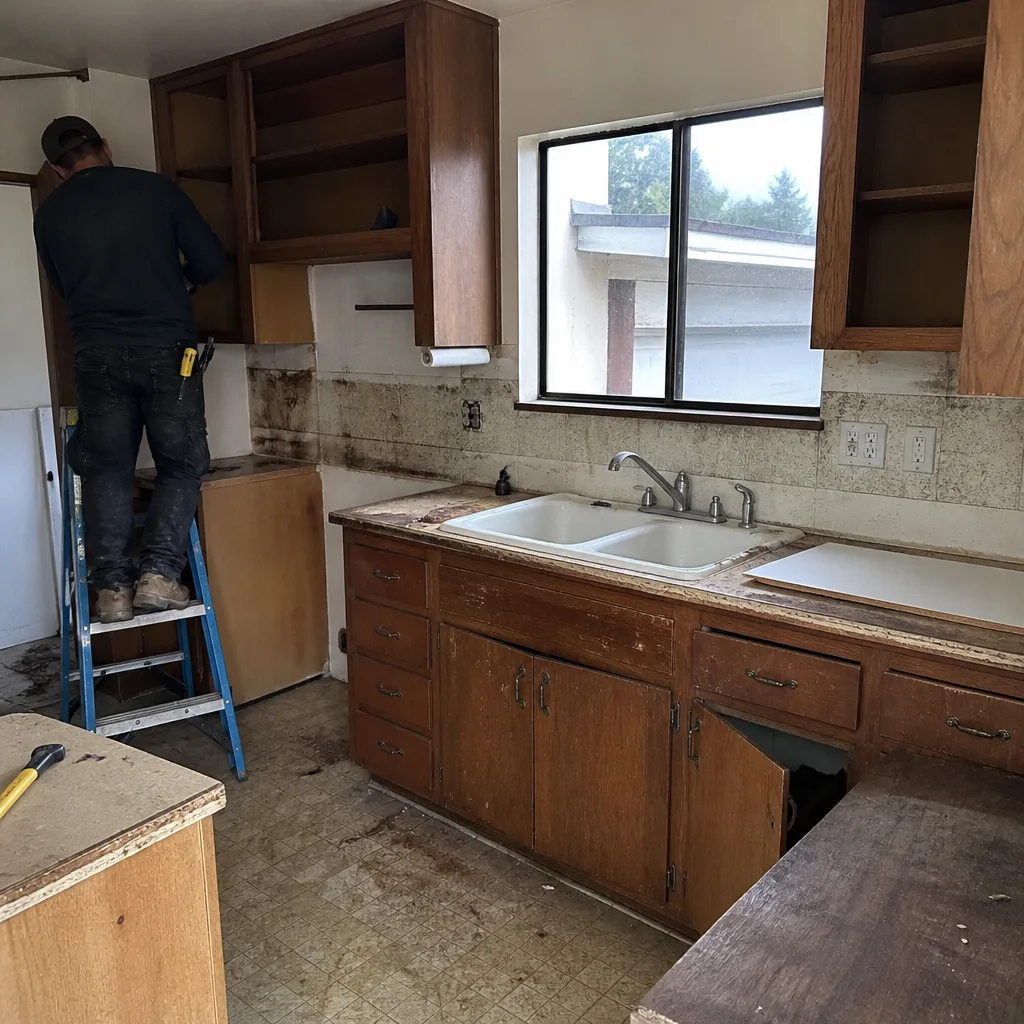 Before
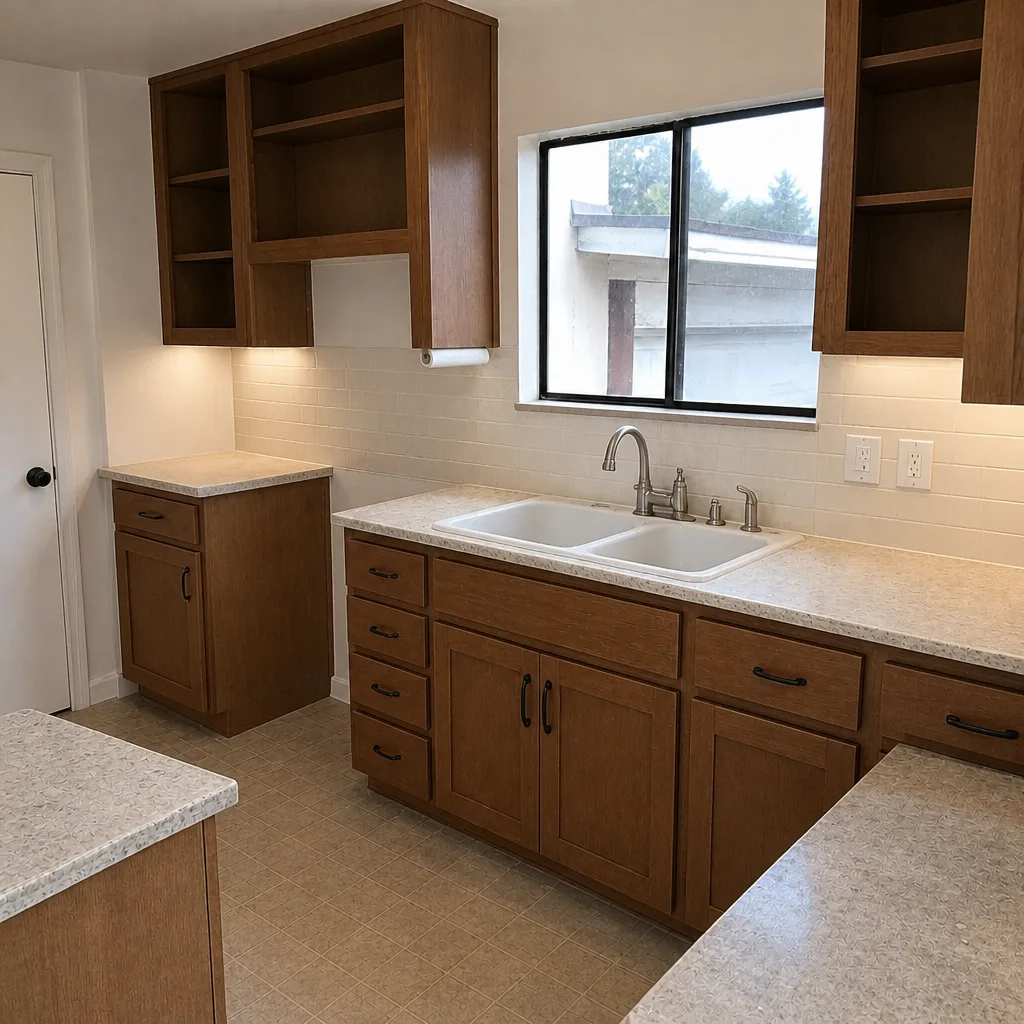 After
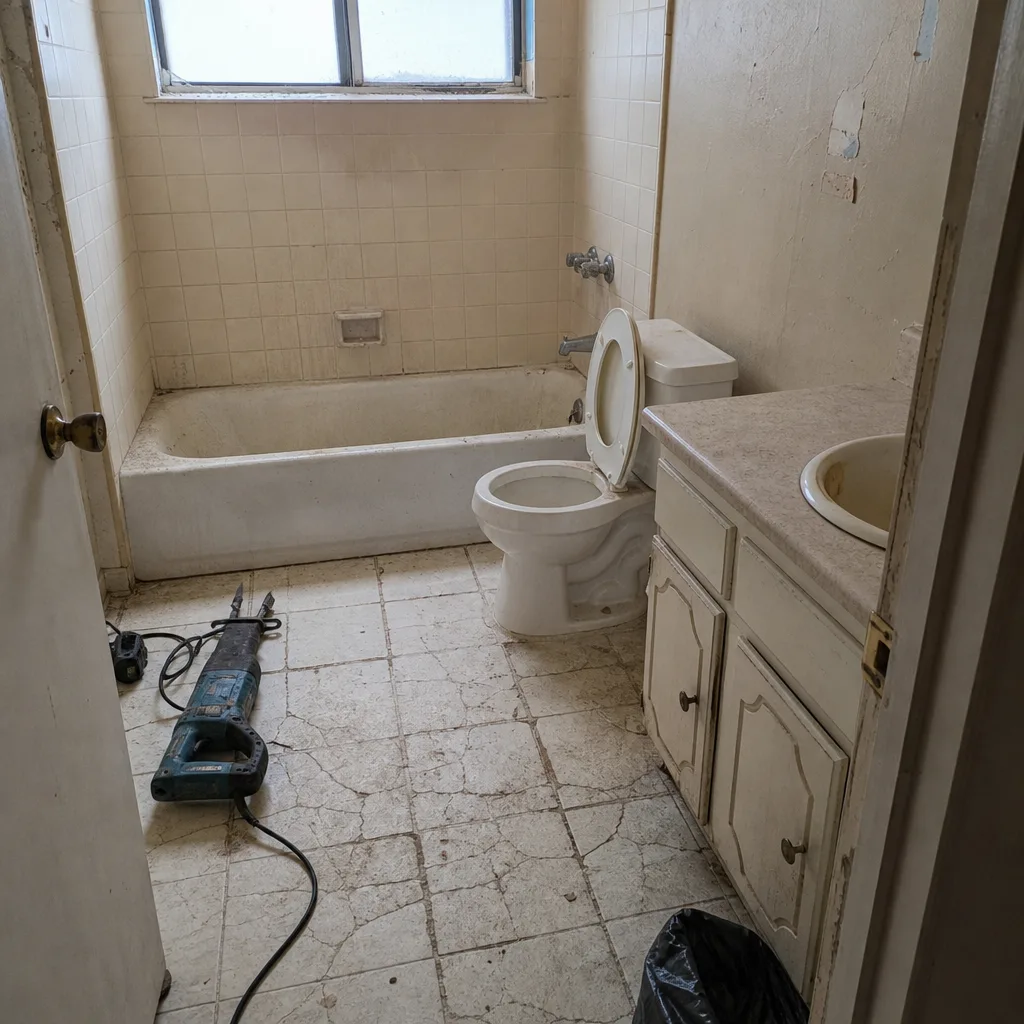 Before
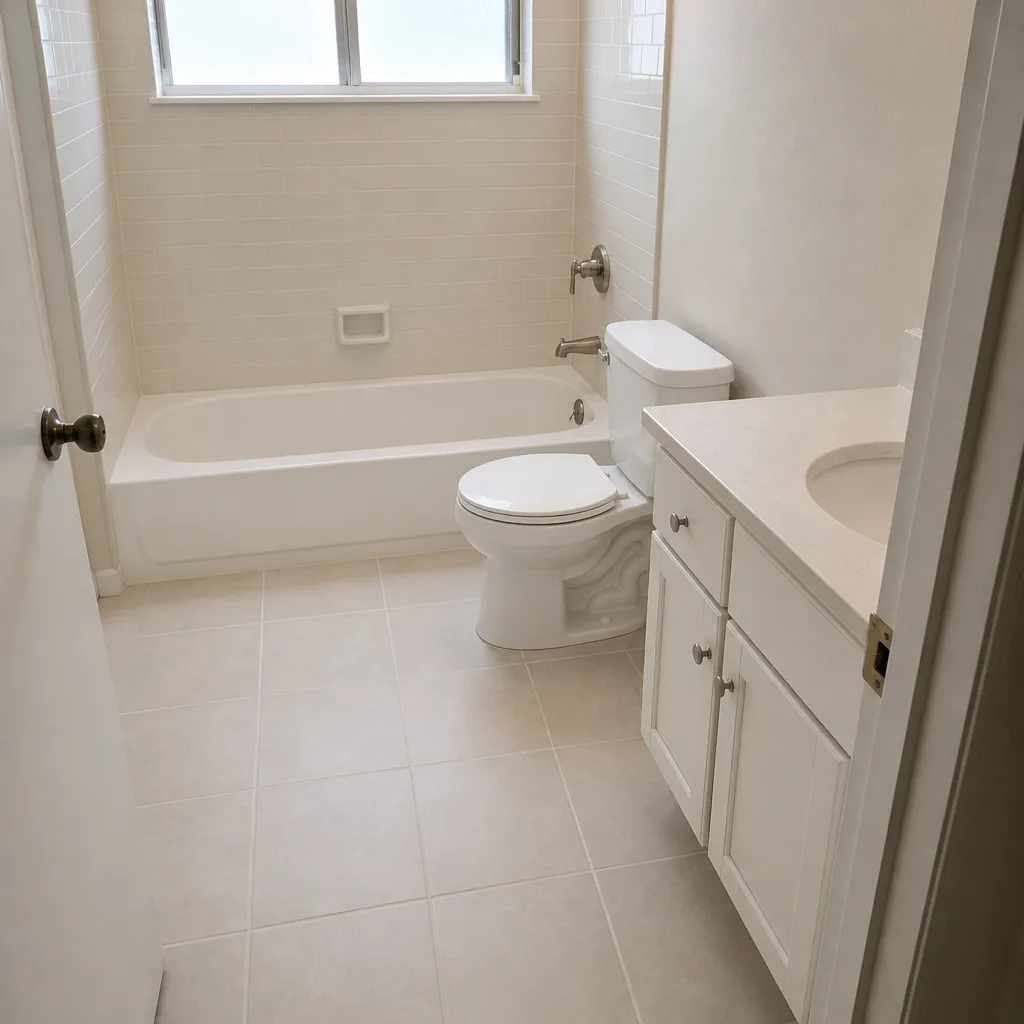 After
How Long Does a Wood Fence Last in Lake Forest, CA?
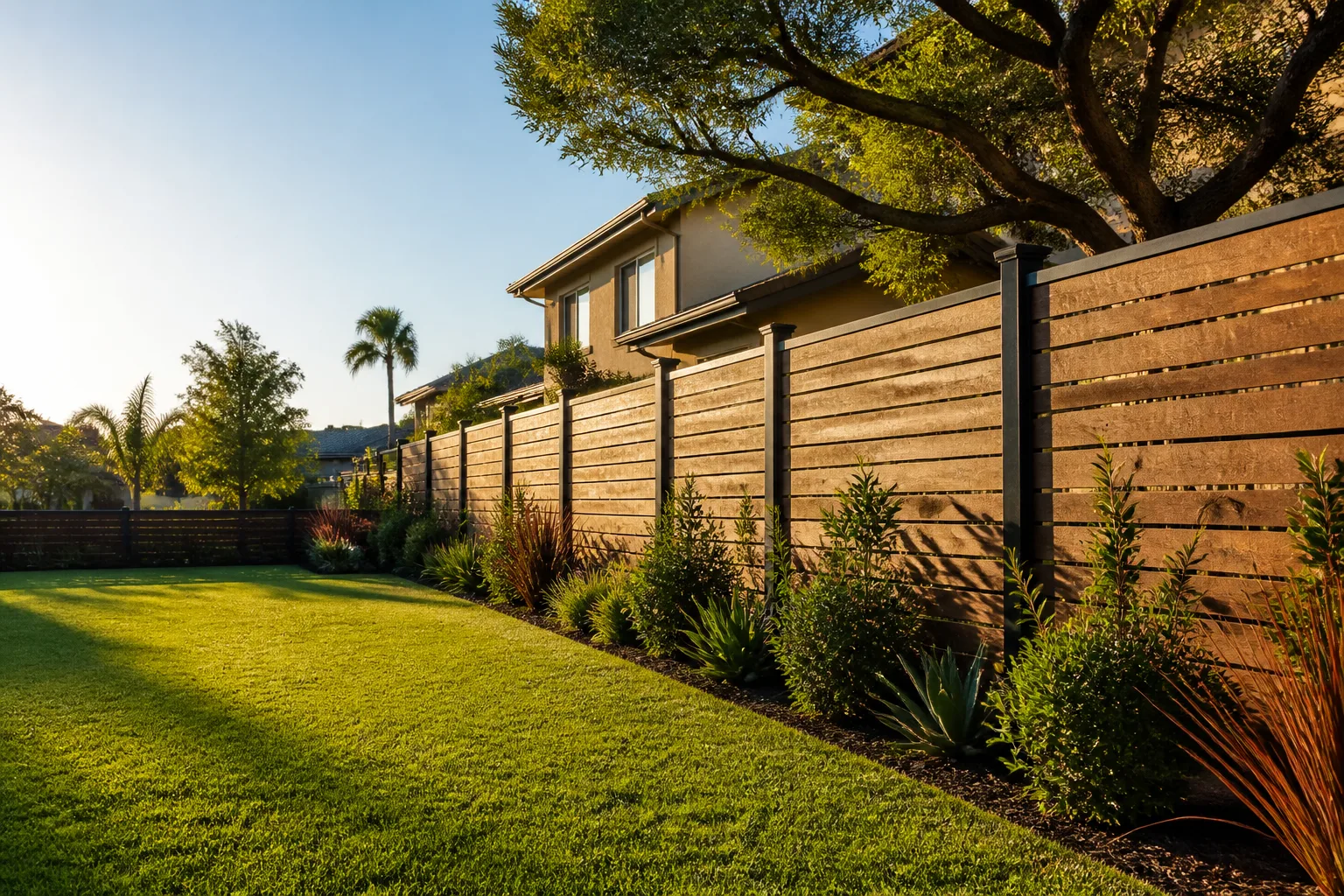
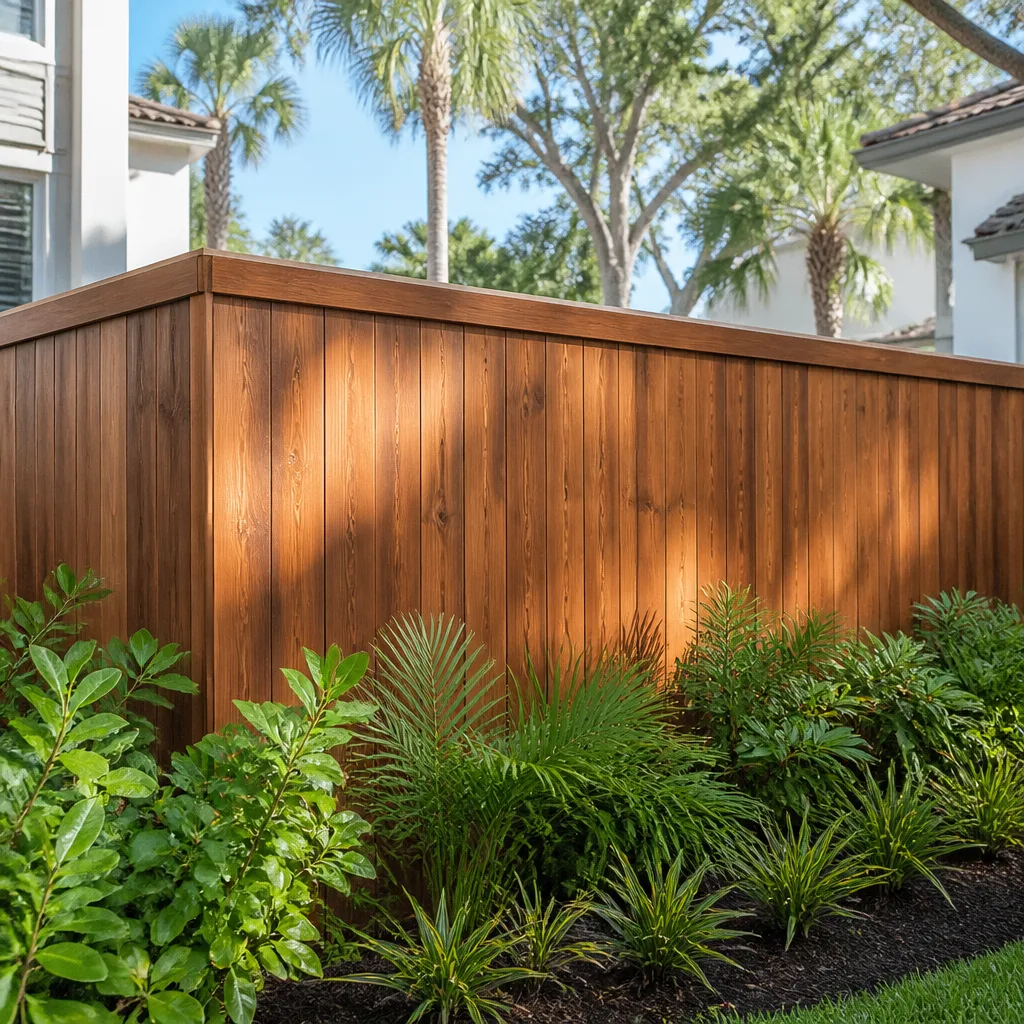
A wood fence in Lake Forest typically lasts 10-14 years for pressure-treated pine, 15-20 years for cedar, and 18-25 years for redwood, assuming the posts were set correctly and the wood gets stained on a real schedule. The 15-20 year figure you see quoted everywhere is a national average. It doesn’t account for 280+ sunny days a year, or post bases that flip between bone-dry in August and saturated in February. Want a straight answer on the fence you already have? Call (855) 532-8973 and we’ll tell you what we see.
Here’s the short version of why Lake Forest wood ages on a different clock than the rest of the country.
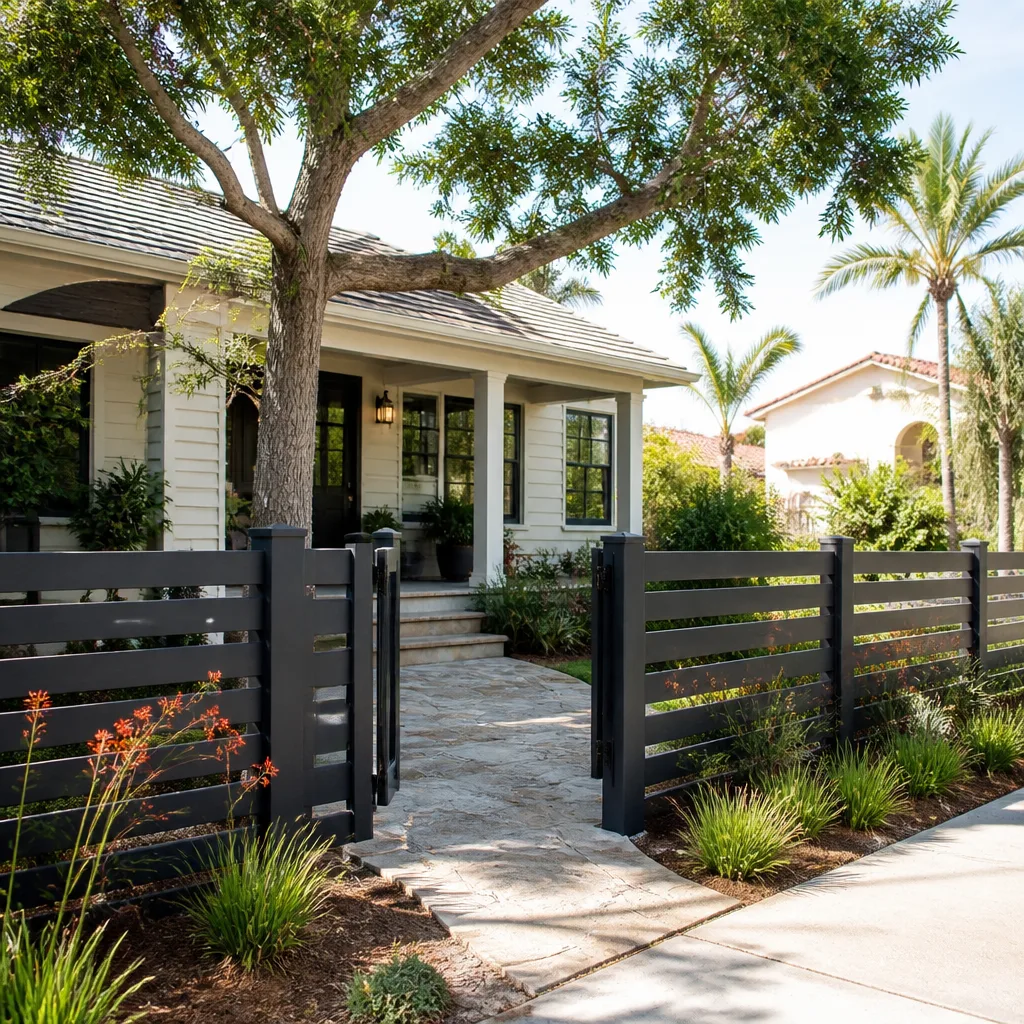
What actually wears out a wood fence in Lake Forest’s semi-arid climate?
The degradation happens in cycles, and the cycles don’t all come from the same season. That’s what separates Lake Forest from a wetter climate or a coastal one.
- Summer UV load. Inland Orange County heat bleaches and surface-checks the wood. Sun-facing rails and pickets dry faster than the shaded side of the same fence, so one fence can age unevenly. You’ll see cupping and a grayed surface on south- and west-facing runs first.
- Fall Santa Ana winds. These push laterally against the fence line for hours at a stretch. Underbuilt posts – and plenty of Lake Forest fences have them – start to lean or loosen in the ground before the wood itself has failed.
- Winter rain on post bases. This is the part that fools people. The soil around a post base swings from dry to saturated and back to dry again over a few months. That wet-dry cycling at the ground line is the inland equivalent of freeze-thaw. It pulls moisture into the end grain at the base, which is where rot starts. By the time you see it from the outside, the post has usually been compromised for a while.
A fence that isn’t stained doesn’t fail all at once. It fails at the base first, then the rails, then the pickets.
Which wood species actually lasts longest here?
Species matters more here than the national averages suggest, because the inland climate hits untreated and under-treated wood hardest.
| Wood species | Expected lifespan in Lake Forest | What to know |
|---|---|---|
| Pressure-treated pine | 10-14 years | The most common choice because it’s affordable. Lifespan depends heavily on the treatment grade and whether it gets sealed within the first season. |
| Cedar | 15-20 years | Naturally rot- and insect-resistant. Holds up well to UV if you stay on a staining schedule. Lightweight, so post depth matters. |
| Redwood | 18-25 years | The most durable option and the earliest to silver if neglected. Best paired with a proper penetrating stain. |
One thing the tables online don’t tell you: the treatment grade on pressure-treated lumber matters a lot in a climate that dries out. Ground-contact-rated wood at the post base is non-negotiable here. If a bid doesn’t specify it, ask.
Why do fences in Foothill Ranch and Lake Forest Keys fail earlier than expected?
Many of the fences in Lake Forest’s planned communities – Foothill Ranch, Lake Forest Keys, Portola Hills – went in at original build with minimum-spec lumber. Those fences are now 25 to 40 years old. A lot of them have already been replaced once, usually with the cheapest grade that would pass. If your fence is original to the tract, the honest answer is that it’s past its functional end-of-life and you’re managing a patched fence, not a fence that’s going to keep holding.
The hillside neighborhoods add another layer. In Portola Hills, Santa Ana winds and graded slopes mean a properly built fence needs deeper posts and solid anchoring, because the wind load is higher than in a flatland tract. We see this pattern on the wind-exposed runs facing the canyons.
How much does a new wood fence cost in Lake Forest?
Wood fence installation in Lake Forest typically runs $3,500-$9,000 for a standard residential run, with the final number driven by linear feet, species, gate count, and how many old posts need to come out of the ground.
| Line item | Typical range |
|---|---|
| Wood fence installation (standard residential run) | $3,500-$9,000 |
| Per-post replacement | Quoted per job based on access and depth |
| Stain and seal application (new fence) | Quoted with install |
| Vinyl fence installation (comparison) | $3,500-$9,000 |
| Aluminum fence installation (comparison) | $4,000-$10,000 |
If you’re weighing wood against a low-maintenance option, our Fence Installation in Lake Forest page walks through material comparisons. For the broader scope of what we install, including gates, post-setting, and full property fencing, see Fence Installation.
Upfront pricing means the number you see is the number you pay. There’s no line item that appears after the crew has already pulled the old posts.
Can staining really add years to a Lake Forest fence?
Yes. A properly timed stain and seal schedule adds 4-6 years to expected lifespan here, and the timing matters more than the product. The right window is late spring through early summer, once the rainy season is done and the wood has had a few dry weeks to stabilize. Stain applied over damp wood in February traps moisture. Stain applied on bare, sun-bleached wood in July doesn’t penetrate the way it should.
Practically, that means a fresh coat every two to three years for pine on a sun-facing run, and every three to four years for cedar and redwood. The fence that lasts 14 years instead of 10 almost always has a maintenance record behind it.
What does the 730-Day Done Right Promise cover on a new wood fence?
When we install a wood fence, the 730-Day Done Right Promise covers the workmanship for two full years – if it’s not done right, we make it right. That includes post movement and board failure traceable to the install. That’s a real benchmark, not a hope. Most fences fail at the post base before the wood fails, so a two-year guarantee on the thing that actually goes wrong matters.
FAQs
A wood fence in Lake Forest lasts about 10-14 years for pressure-treated pine, 15-20 for cedar, and 18-25 for redwood with consistent staining. That’s shorter than the 15-20 years you’ll see quoted nationally, because the inland climate is harder on wood. Call (855) 532-8973 for a free estimate on replacement or repair.
Cedar outlasts pine here, usually 15-20 years versus 10-14, and it handles UV better. Pine is the more budget-friendly choice and holds up fine if it’s contact-rated and gets sealed on schedule. Either way, the post base matters more than the species. Get an exact quote with a free estimate – call (855) 532-8973.
Every two to three years for pine and every three to four years for cedar or redwood, applied in late spring or early summer after the rainy season. Staining over saturated wood in winter traps moisture and shortens the fence’s life. Questions about your specific fence? Call (855) 532-8973.
If the posts are still solid, repair usually makes sense. Once the base of more than a couple of posts is soft, replacement is the better spend – patching a fence with rotting posts just buys time. A no-pressure assessment tells you which side of that line you’re on. Call (855) 532-8973 for a free estimate.
Get a straight answer on your fence
If you’d rather have it looked at, Groundwork Construction Co. of Lake Forest offers a no-pressure assessment in Lake Forest – call (855) 532-8973. Our technicians have up to 12 years of experience, calls are answered by a live person 24/7, and every install is backed by the 730-Day Done Right Promise. Built to last, backed in writing.
Written by the team at Groundwork Construction Co. of Lake Forest, serving Lake Forest, CA.