Free written scope consultation - allowances, timeline, and change-order rules on paper before a single trade is scheduled
Styles & brands we work with
- Kitchen remodeling
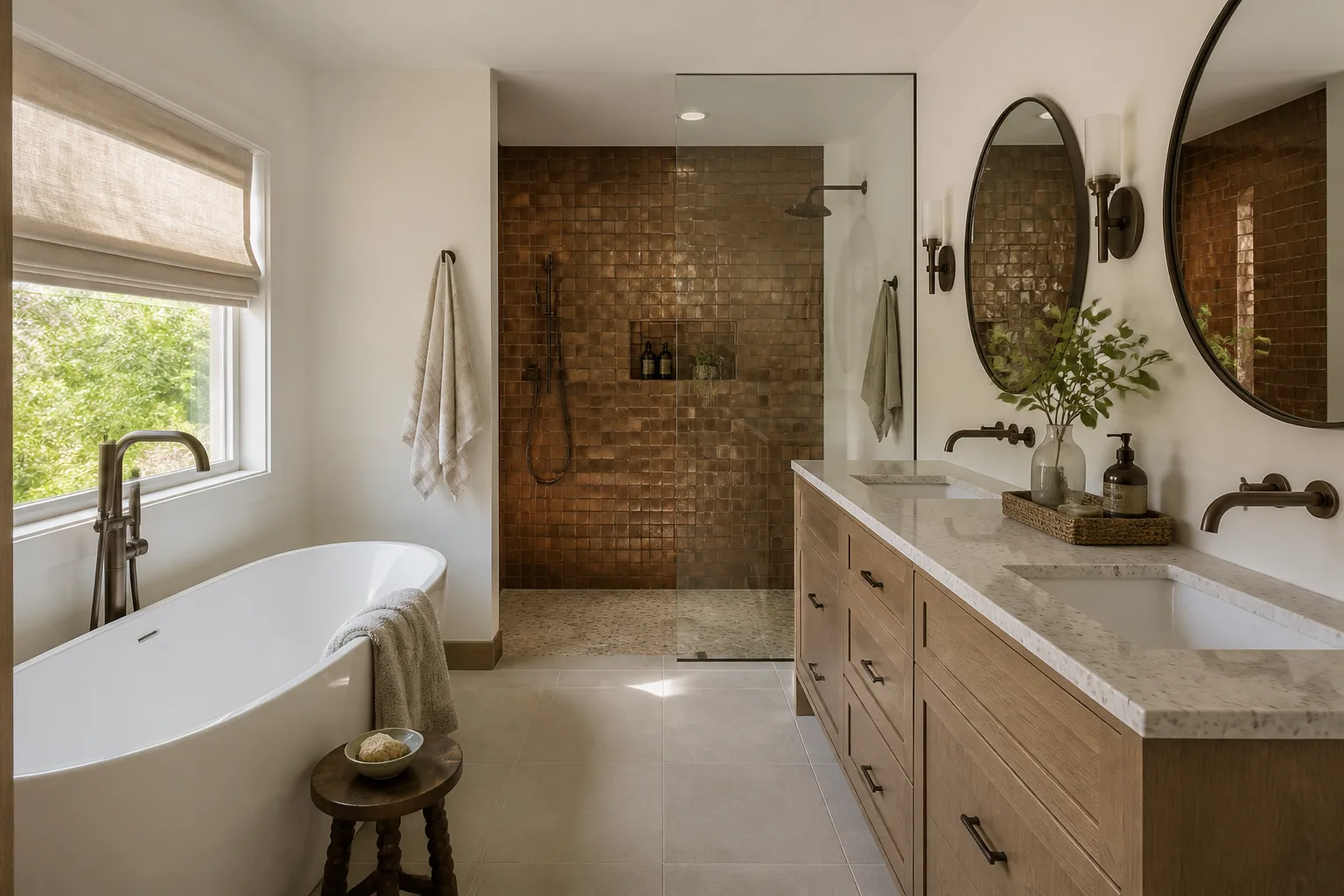
- Bathroom remodeling
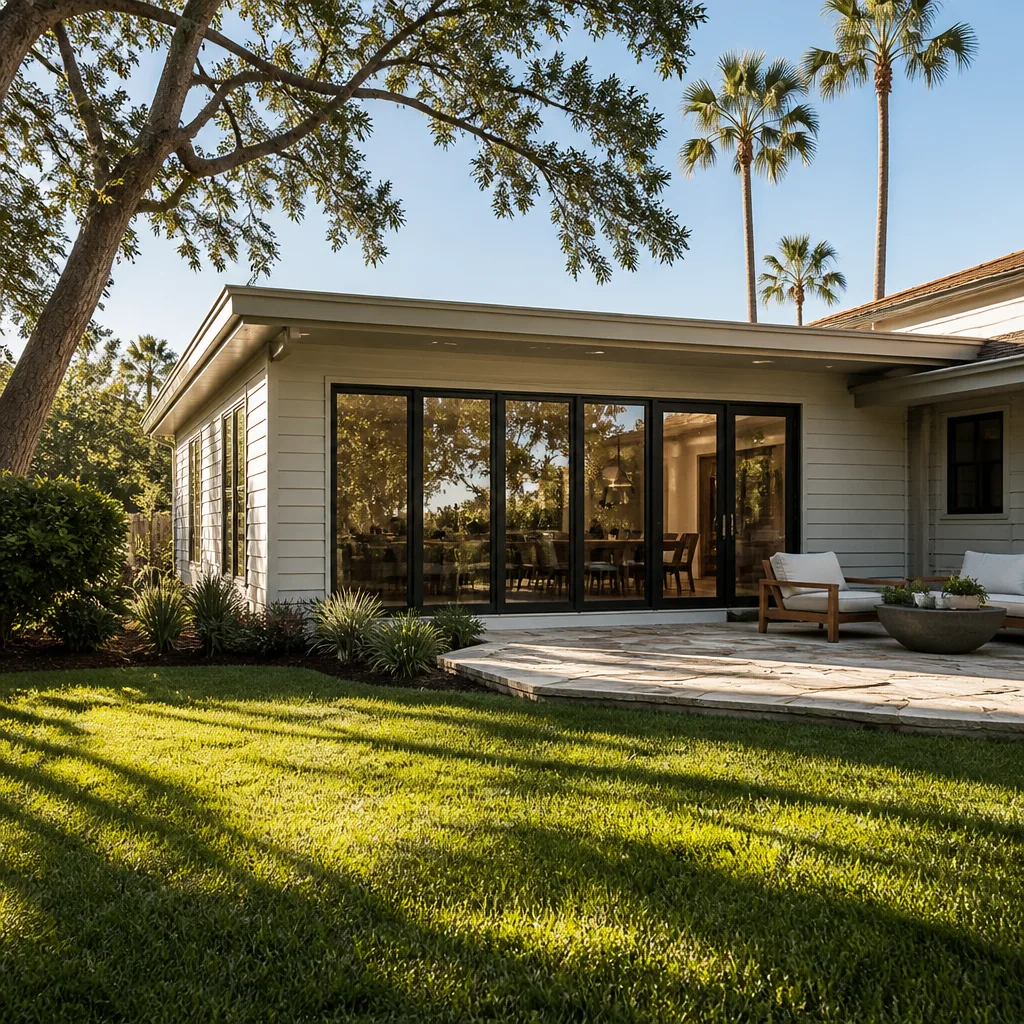
- Home additions & ADU
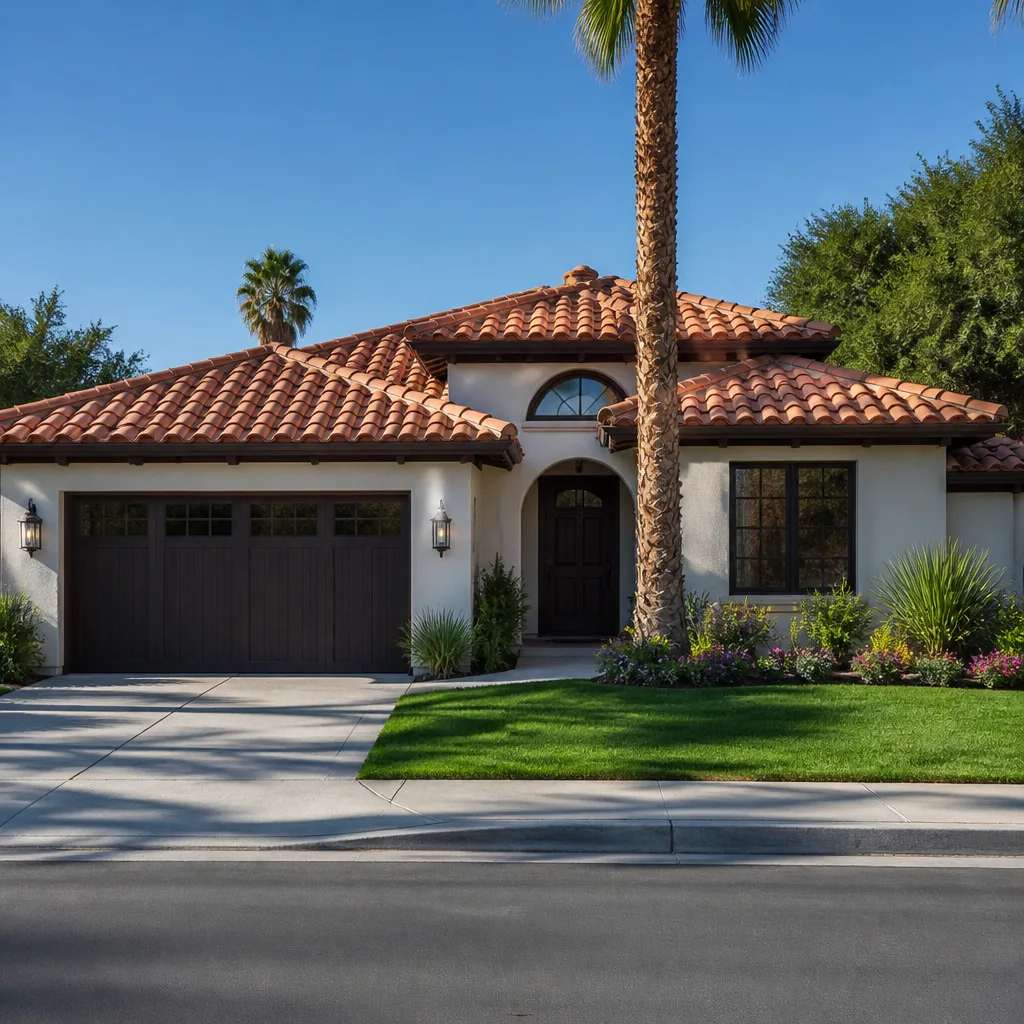
- Roofing
- Windows & doors
- Driveway & pavers
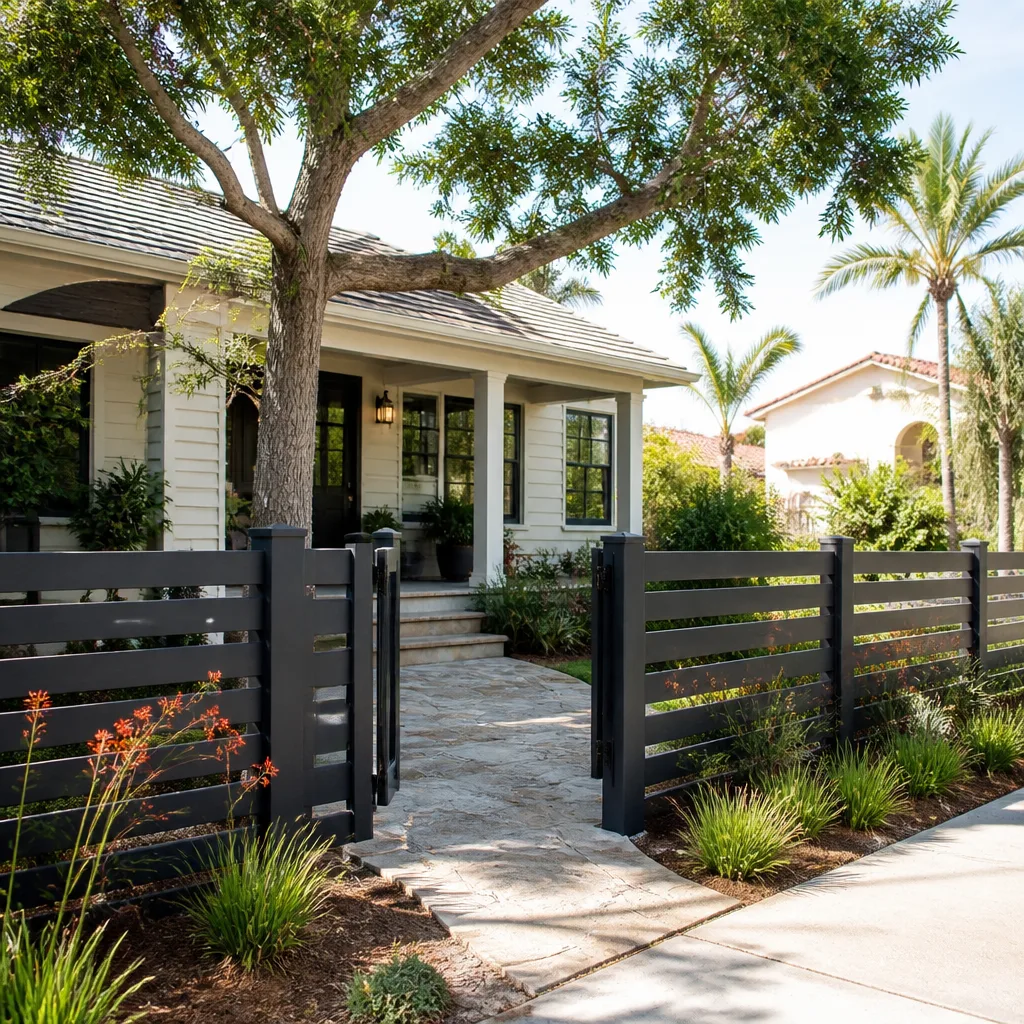
- Fence
See the difference
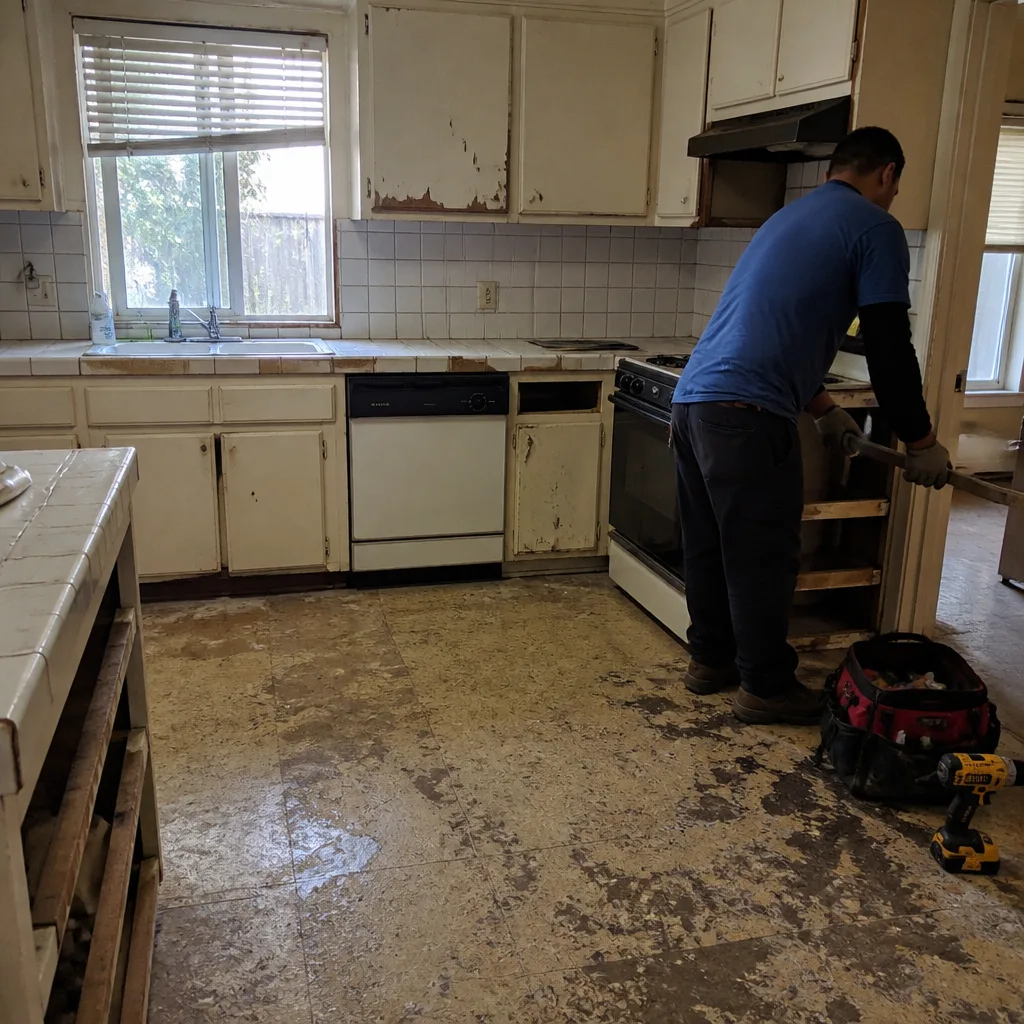 Before
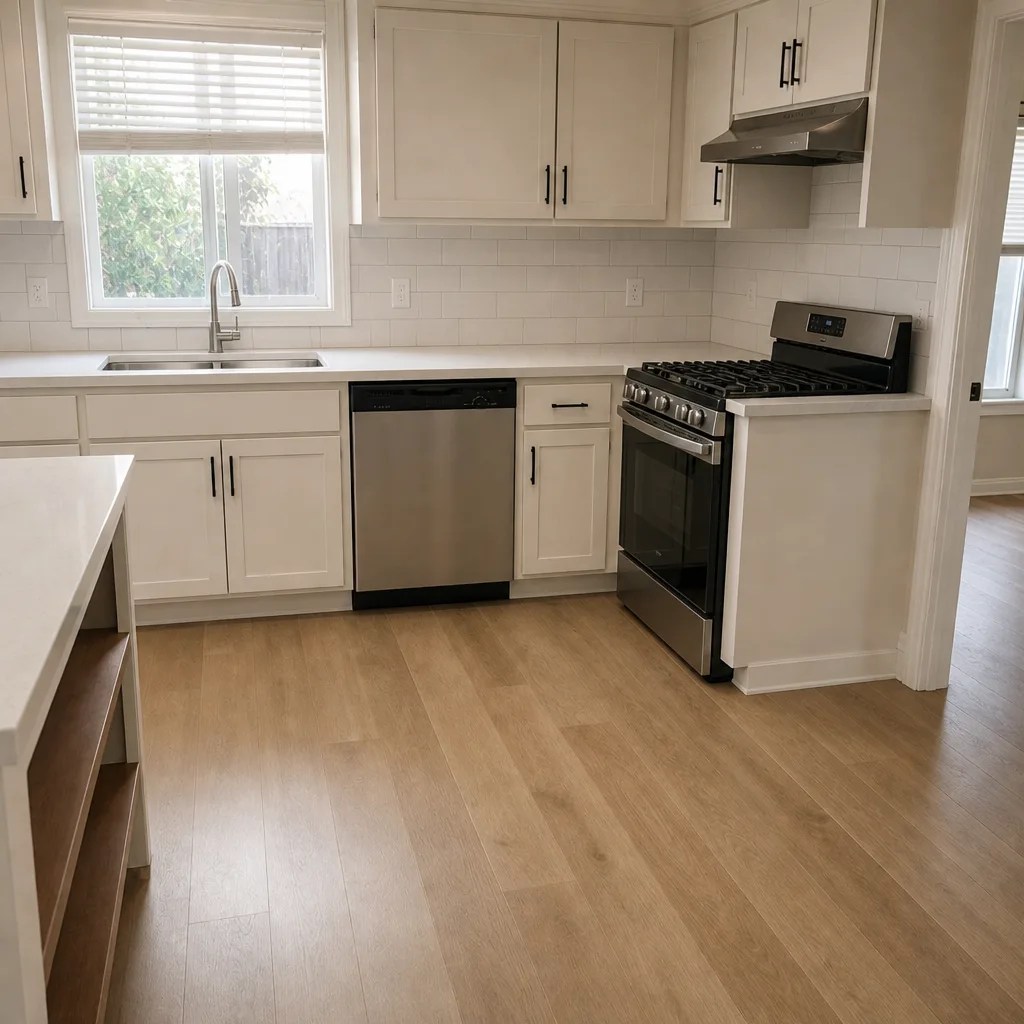 After
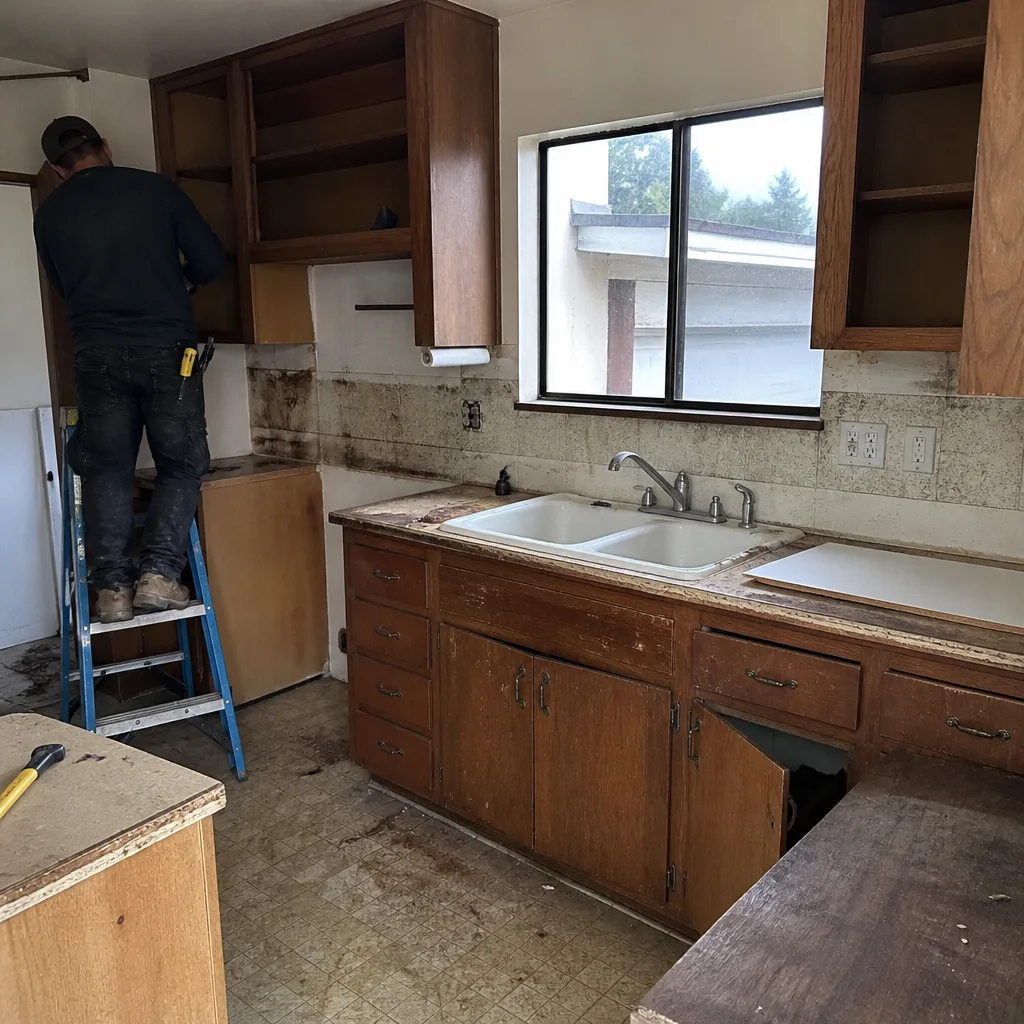 Before
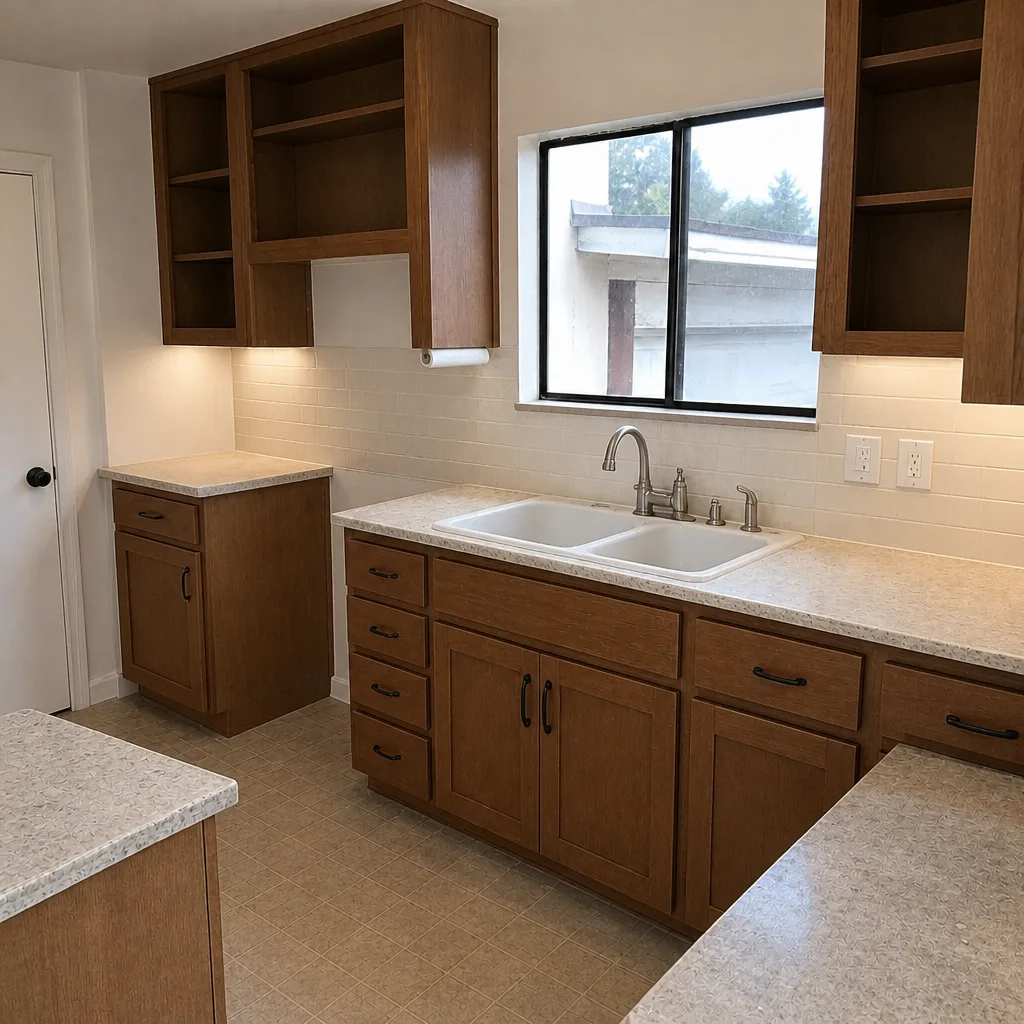 After
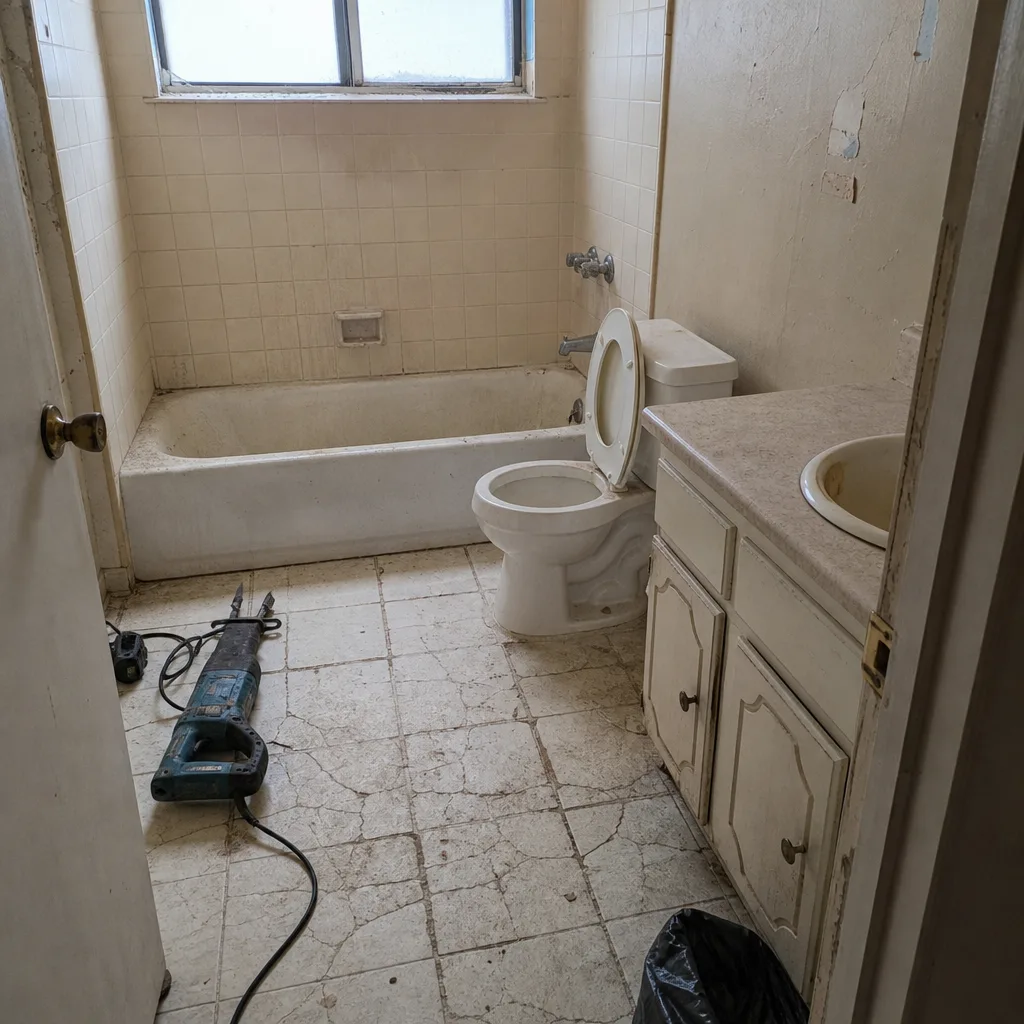 Before
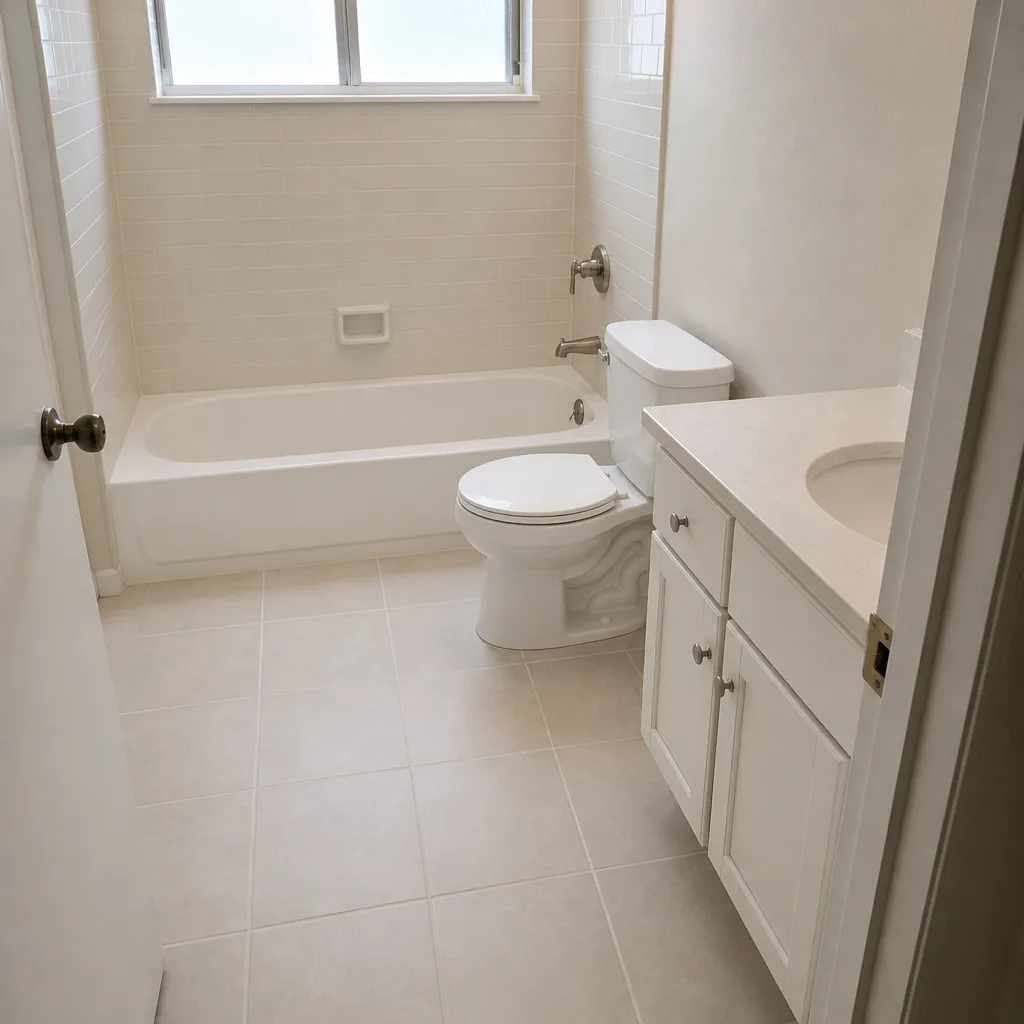 After
Impact vs Non-Impact Windows in Lake Forest, CA: Choose Impact Glazing on Your West and Northwest Elevations and Standard Dual-Pane Everywhere Else
That’s the bottom line for most Lake Forest homes. If your house sits on a graded slope in Portola Hills, Foothill Ranch, or along the ridgelines above the Keys, the elevations that face the Santa Ana wind corridor need impact-rated glass, and the courtyards and shaded east-facing walls usually don’t. Spot-targeting your impact windows instead of glazing the whole house typically runs 30-40% less. For a Lake Forest homeowner weighing a full window package, that’s often the difference between an $8,000-$25,000 whole-house impact quote and a smarter mixed-spec plan that puts the money where the hazard actually lives. Call (855) 532-8973 and we’ll walk your elevations with you before you commit to anything.
Key Takeaways
- West and northwest faces on Lake Forest hillside homes take the brunt of Santa Ana wind and ember exposure; those are your priority impact elevations.
- Non-impact Low-E dual-pane performs nearly identically to impact glass on shaded north and courtyard elevations, so the extra spend there buys protection you don’t need.
- Title 24 sets the baseline for glazing performance in Orange County. Impact units exceed it, but the upgrade only pays off where the hazard profile supports it.
- Andersen and Marvin both offer mixed-spec packages where impact and non-impact units share the same exterior profile, so HOA architectural review sees one consistent look.
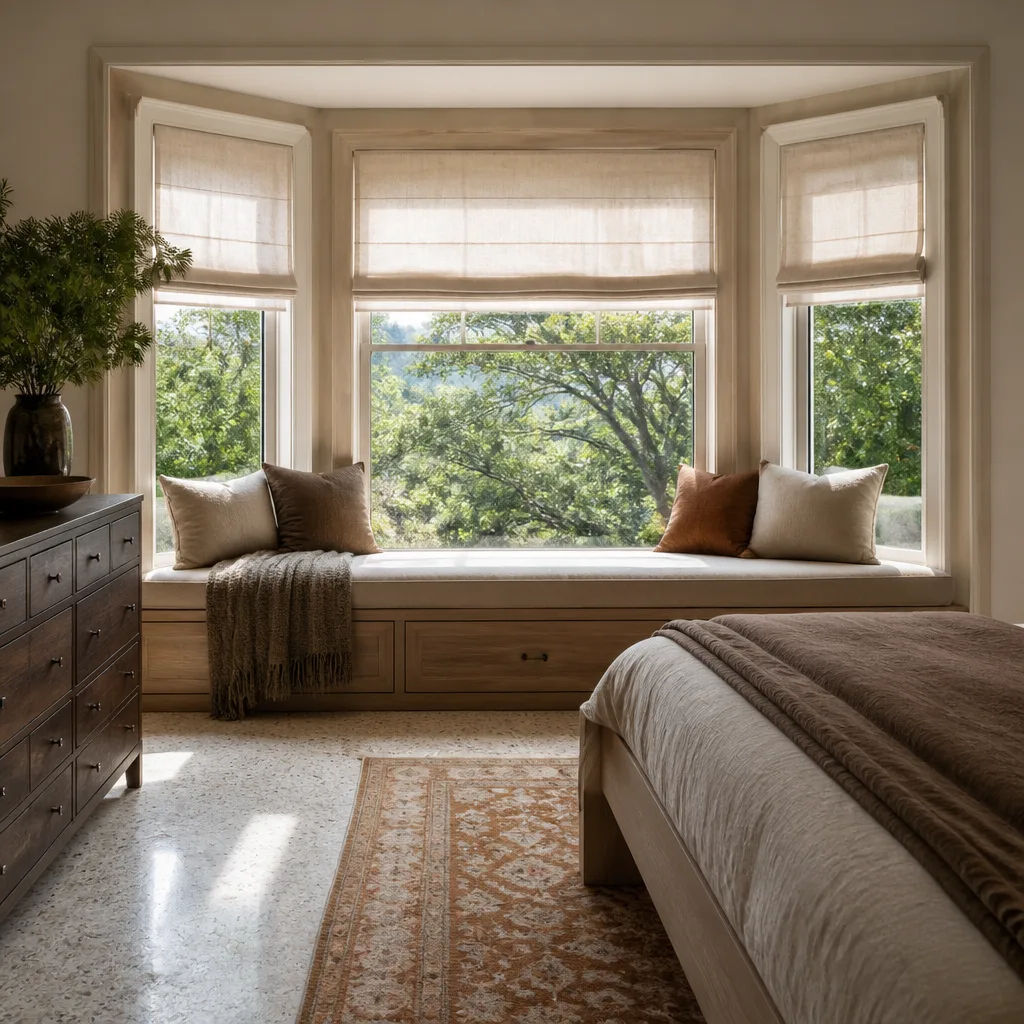
Which windows on a Lake Forest house actually need to be impact-rated?
The ones that face the weather. Lake Forest sits in a semi-arid inland pocket of Orange County where periodic Santa Ana wind events funnel hot, dry air down the canyons and across the graded slopes. On a Portola Hills home, the west and northwest elevations are the exposed faces. Those windows catch wind-driven debris and airborne embers during a Santa Ana event, and those are the openings where impact glazing earns its cost. The same house’s interior courtyard side, or an east-facing wall tucked behind a neighbor’s roofline, sees almost none of that load.
We think about it in three tiers when we quote a Lake Forest project:
- High exposure: west and northwest elevations, especially on elevated lots with an unobstructed canyon or ridge view. Full impact glazing here.
- Moderate exposure: south-facing walls that catch sun and some wind but sit behind fencing, mature trees, or an adjacent structure. Judgment call, often a partial impact upgrade on the largest openings.
- Low exposure: north-facing and sheltered courtyard elevations. Standard dual-pane Low-E is the honest answer here, and it saves real money.
This is where the generic comparison pages fall short. They frame impact vs non-impact as a single whole-house decision. On a flat inland tract it might be. On a Lake Forest hillside lot it almost never is, and pricing a whole-house impact package to a homeowner who only has two exposed walls is how budgets get blown on protection that never gets tested.
Does impact glass actually make a Lake Forest house more comfortable in summer?
Barely, on the elevations where it matters least. Here’s the part that surprises people: in peak Lake Forest summer, a standard Low-E dual-pane unit on a shaded north elevation performs nearly the same as an impact unit on that same wall. Both control solar heat gain well when they’re not taking direct sun. The premium you pay for impact glazing on a low-risk face buys you protection, not extra comfort. You won’t feel a difference in the living room. You’ll just have spent more.
Where the thermal story does change is on the west-facing glass that takes direct afternoon sun during a heat wave. There, the coating spec and the glazing assembly both matter, and a well-chosen impact unit can hold its own on comfort while adding the safety layer. So the comfort argument and the protection argument only line up on the exposed elevations. Everywhere else, they pull apart, and that’s exactly why the side-by-side quote matters.
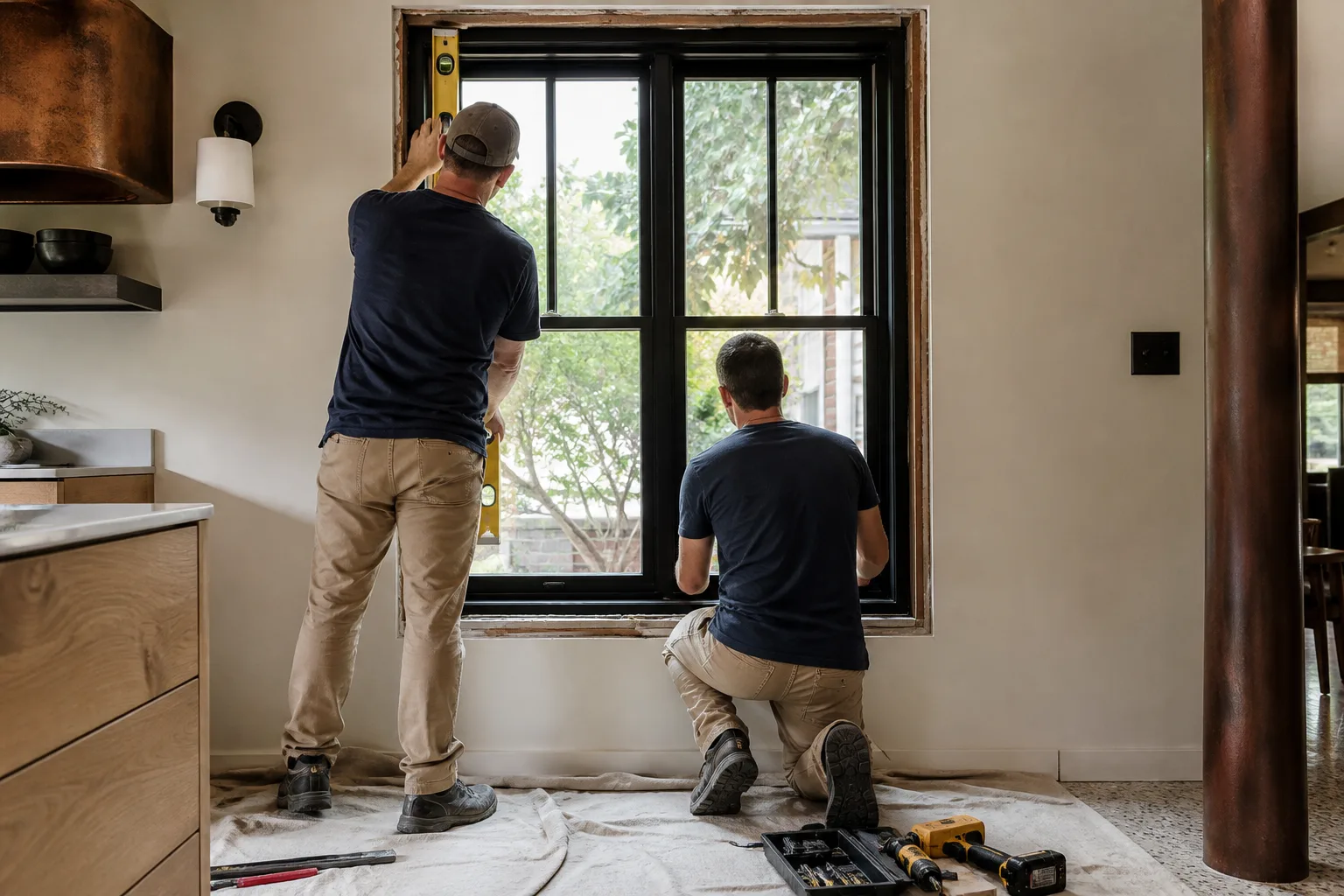
What does Title 24 require, and where do impact windows exceed it?
California’s Title 24 energy code sets a baseline for glazing performance in Orange County, and the local building department enforces it at permit. Standard dual-pane Low-E units meet that baseline. Impact windows exceed it on the strength side and generally meet or beat it on thermal performance, but exceeding code isn’t the same as justifying the upgrade on every wall. The code tells you the floor. The hazard profile on your specific lot tells you where the ceiling belongs.
Lake Forest is a master-planned city where most of the work happens inside HOAs and on hillside lots, so there’s a second layer beyond Title 24: architectural review. That’s where a lot of homeowners get stuck, because they assume impact and non-impact units will look different from the street and blow the approval. They usually don’t, if you spec it right.
One exterior profile, two glazing specs
Andersen and Marvin both offer mixed-spec installation packages where impact and non-impact units from the same product line share identical exterior profiles and frame dimensions. That means the architectural committee sees a consistent elevation, and you still get the protection where the hazard is. We’ve handled this on both brands for Lake Forest projects, and it’s the cleanest way to satisfy review without glazing every opening. If you’re comparing brands more broadly, our Windows & Doors page breaks down the full lineup we install.
Impact vs non-impact windows: cost and performance side by side
Impact window installation in Lake Forest runs $8,000-$25,000, while standard window replacement runs $4,500-$15,000. The gap is real, and it’s why the elevation-by-elevation approach matters. Here’s how the two compare on the factors that drive the decision:
| Factor | Impact-rated | Non-impact dual-pane Low-E |
|---|---|---|
| Wind-driven debris protection | High | Minimal |
| Ember resistance on exposed faces | High | Minimal |
| Thermal performance, shaded elevation | Very good | Very good (nearly identical) |
| Thermal performance, direct west sun | Very good | Good |
| Typical installed cost | $8,000-$25,000 whole-house | $4,500-$15,000 whole-house |
| HOA appearance consistency | Identical when mixed-spec from the same product line | |
The first-hand detail we bring to this: on Lake Forest hillside jobs we routinely specify the same frame and finish on all four elevations and just change the glazing spec, so the street view never gives away which walls got the upgrade. Brands like PGT and CGI build their impact lines around exactly this kind of mixed application, and it’s how we keep a vulnerable west wall protected without overpricing the shaded side. Wind uplift fastening on exposed walls matters too, especially on graded slopes where the wind load is higher than a flatland tract.
How we price it side by side, per elevation
You’ll see the delta, not a single lump sum you have to take on faith. Groundwork Construction Co. of Lake Forest quotes impact and non-impact options for each elevation, with the cost difference stated clearly on the line item. That means you make an informed choice per opening instead of being sold a whole-house impact package you may not need on every face. The number you see is the number you pay, and you can pair it with 0% financing for 18 months plus $1,000 off projects over $10,000 if you’re doing windows alongside other work.
Every installation is covered by our 730-Day Done Right Promise: if it isn’t done right, we make it right. Technicians arrive background-checked and in uniform, our technicians have up to 12 years of experience, and calls are answered by a live person 24/7, so you’re not leaving a voicemail at 9 p.m. about a glass order. From foundation to finish line, one contractor handles the whole scope. You can see the full picture on our Lake Forest service area page or start at the home page.
FAQs
Mixed-spec is cheaper, typically 30-40% less than whole-house impact glazing because you’re only paying the impact premium on the exposed elevations. On most Lake Forest homes that’s the west and northwest faces, with standard dual-pane on the shaded courtyard and north sides. Call (855) 532-8973 for an elevation-by-elevation quote, and estimates are free.
Not when they come from the same product line in a mixed-spec package. Andersen and Marvin both build impact and non-impact units with identical exterior profiles and frame dimensions, so from the street and to your HOA architectural committee the windows look uniform even though the glazing spec varies wall to wall. That consistency is what keeps a targeted plan past review.
Rarely, and it depends on your lot. The protection matters on the elevations that face the Santa Ana wind corridor and any exposed graded slope, which are usually your west and northwest walls. Shaded north and sheltered courtyard openings see far lower hazard. Call (855) 532-8973 and we’ll walk your specific elevations before you decide.
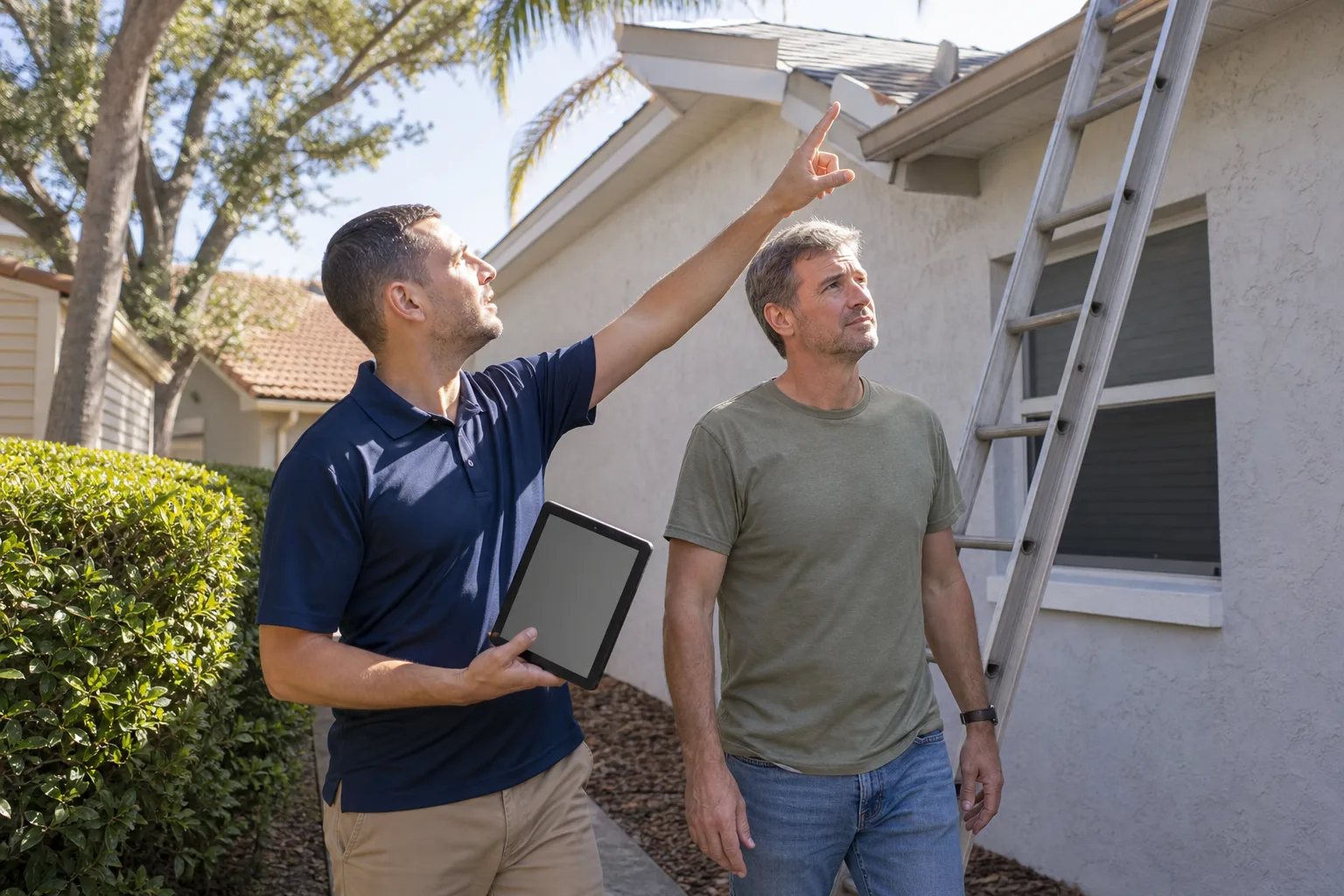
Yes. We assess Lake Forest neighborhoods including Portola Hills, Foothill Ranch, and the Lake Forest Keys, and we quote each elevation separately so you can see the cost of impact versus standard for every opening. Most assessments take a single visit. Call (855) 532-8973 to schedule, and we’ll bring a no-pressure estimate.
If you’d rather have it looked at, Groundwork Construction Co. of Lake Forest offers a no-pressure assessment in Lake Forest – call (855) 532-8973.
Written by the team at Groundwork Construction Co. of Lake Forest, serving Lake Forest, CA.