Free written scope consultation - allowances, timeline, and change-order rules on paper before a single trade is scheduled
Styles & brands we work with
- Kitchen remodeling
- Bathroom remodeling
- Home additions & ADU
- Roofing
- Windows & doors
- Driveway & pavers
- Fence
See the difference
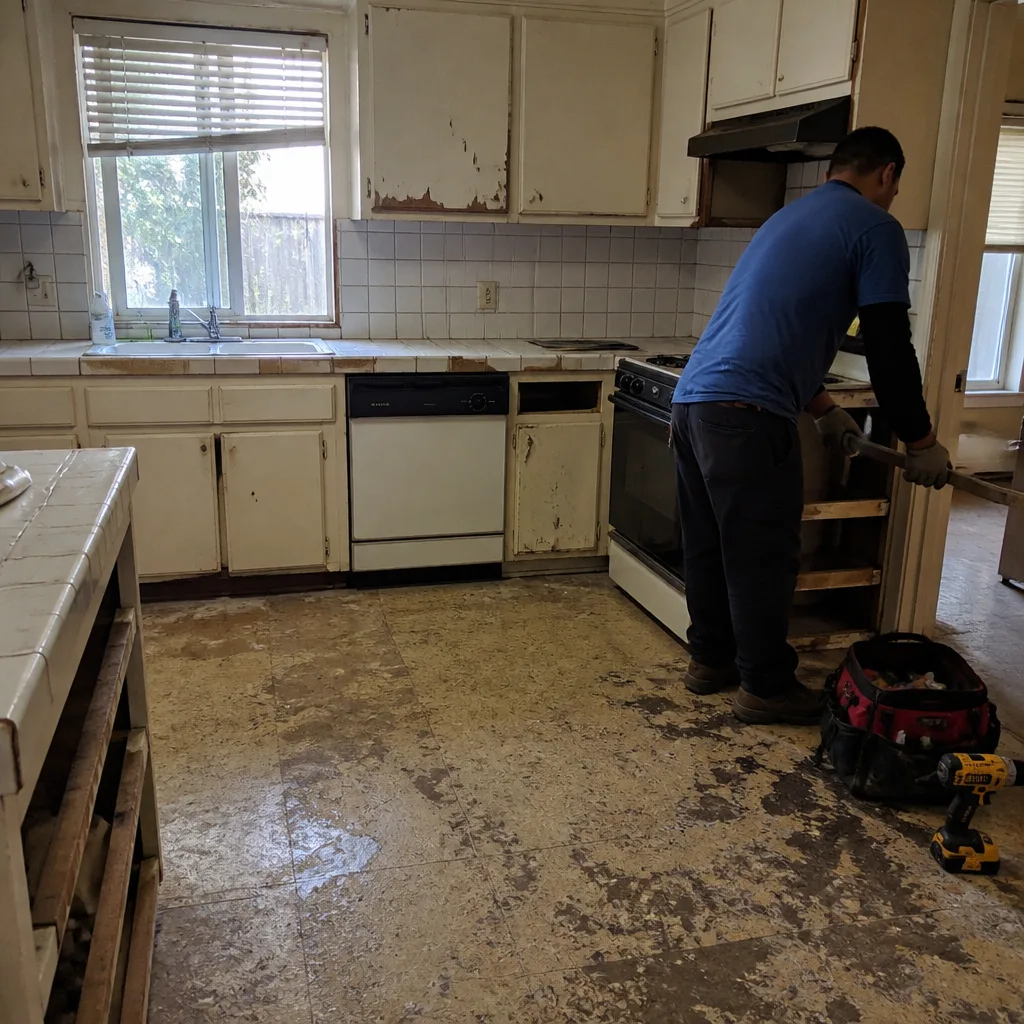 Before
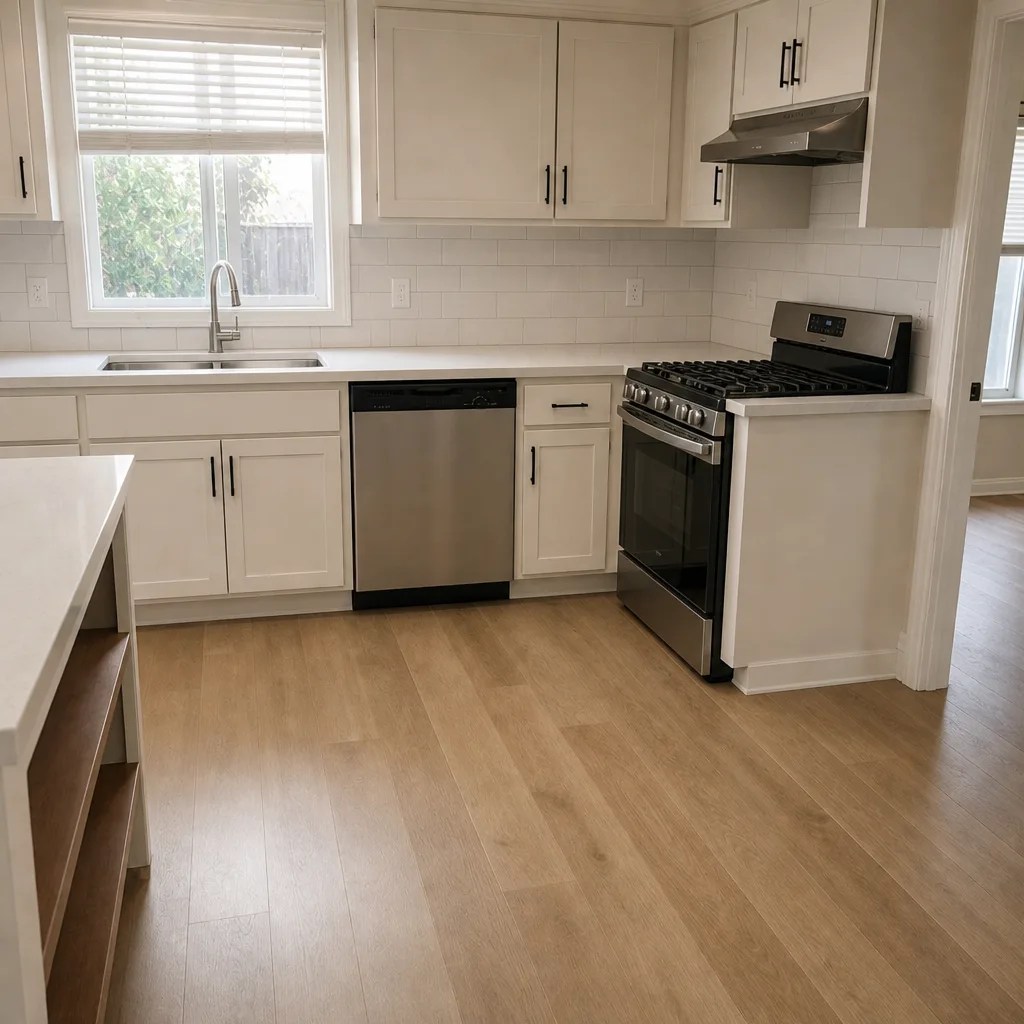 After
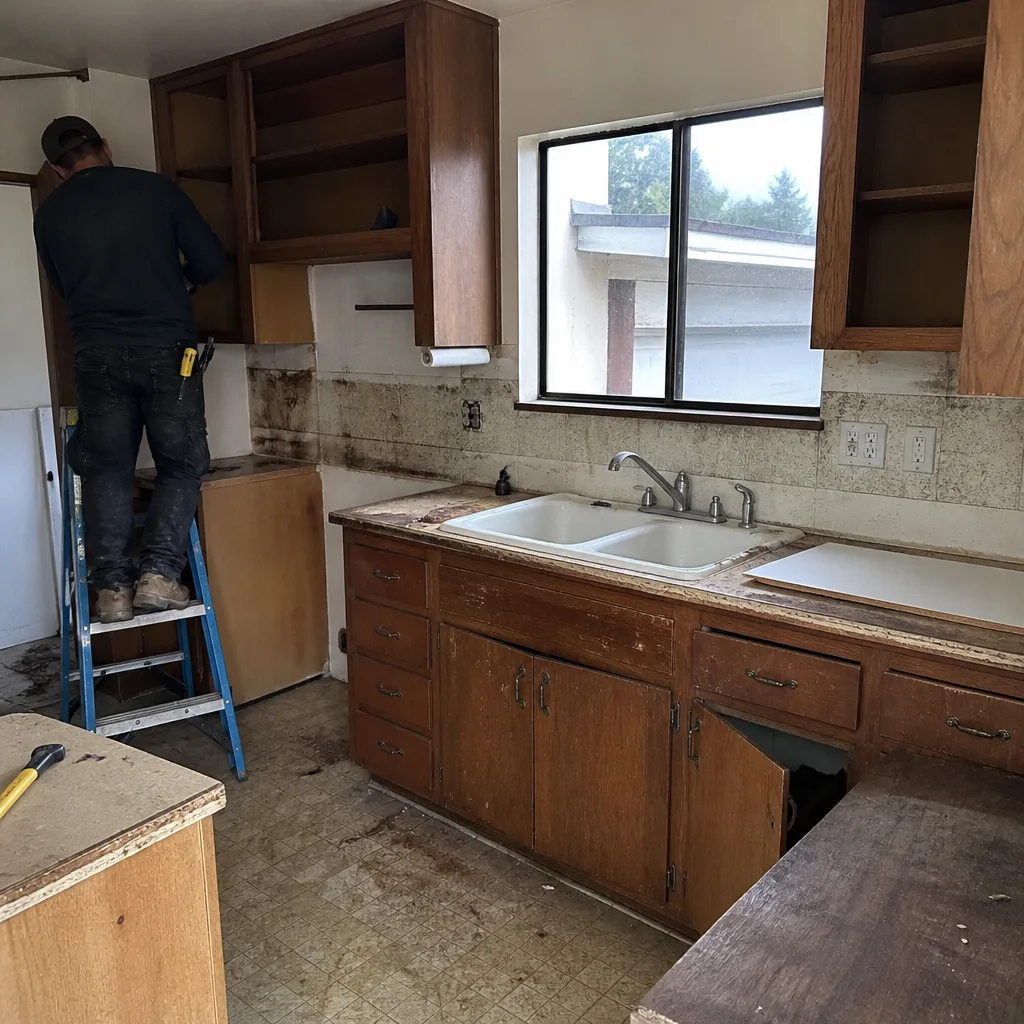 Before
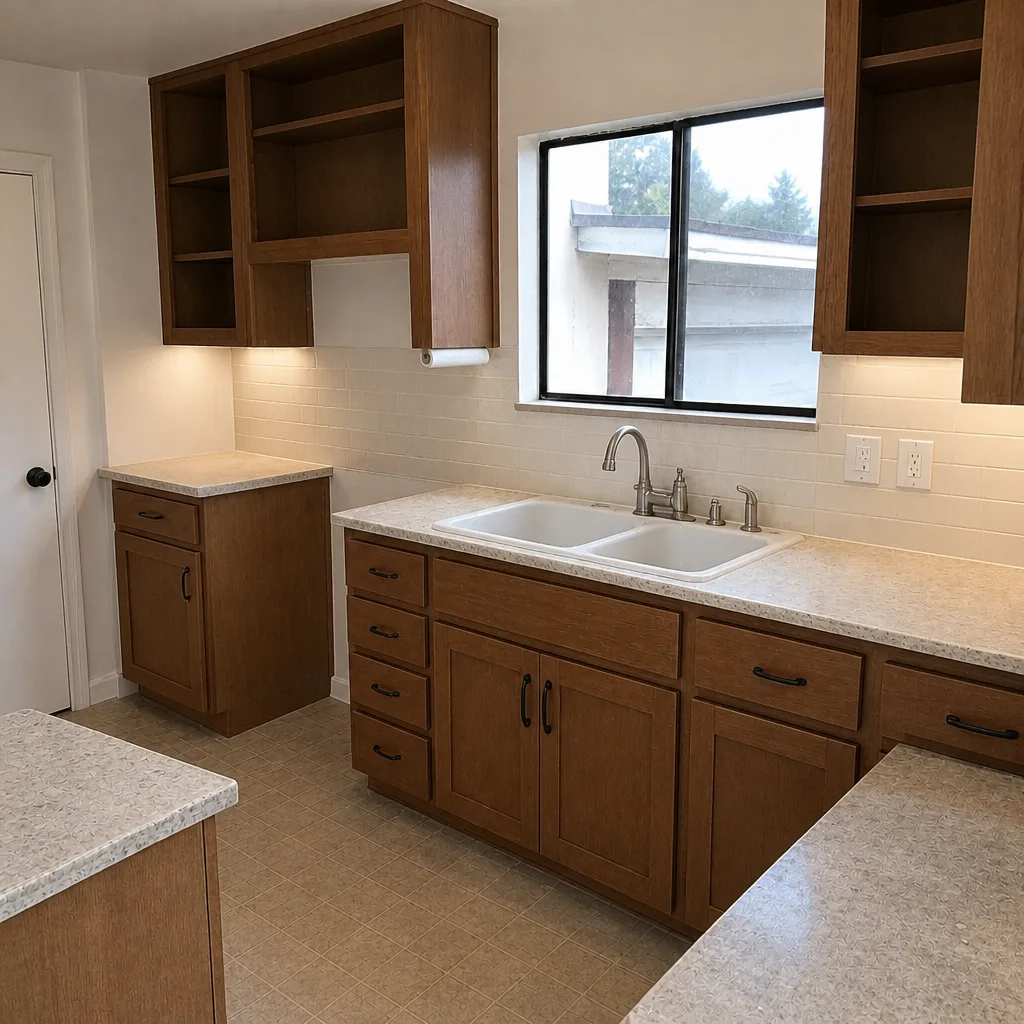 After
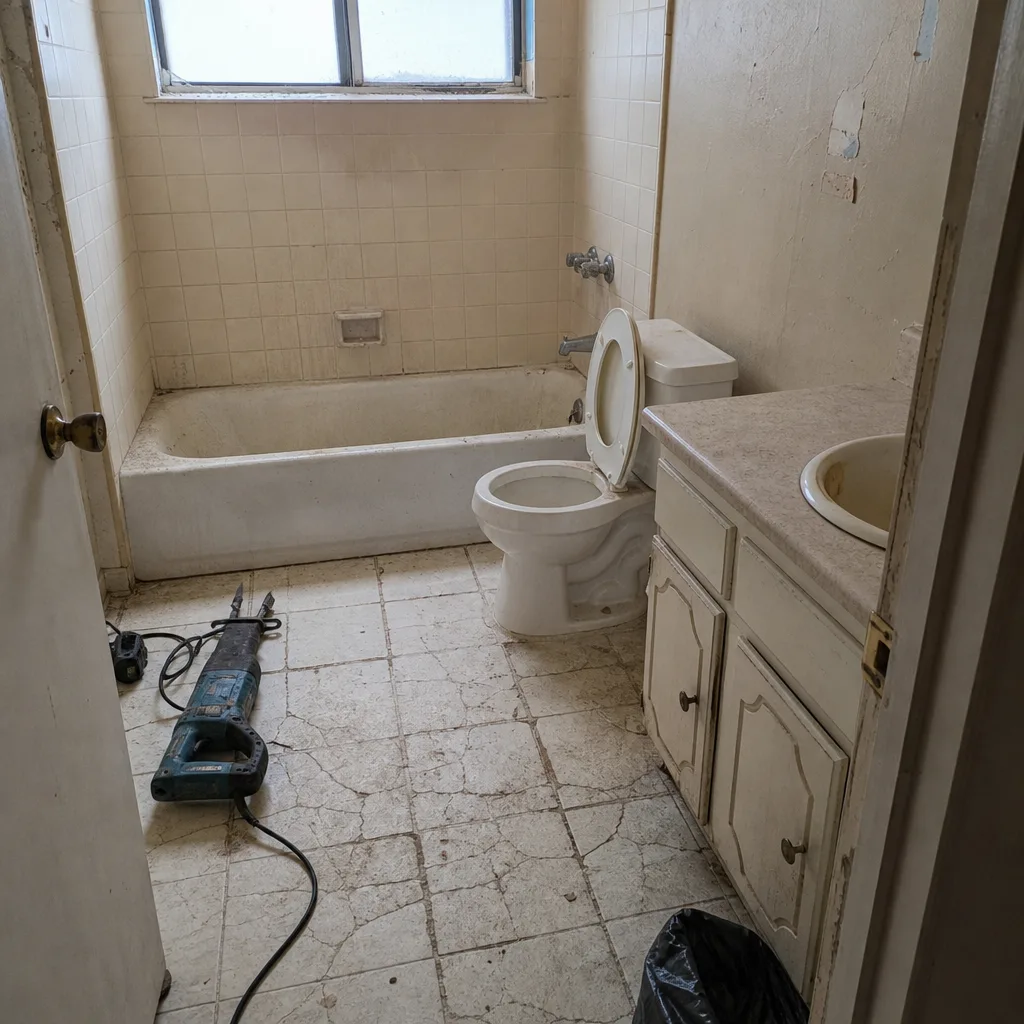 Before
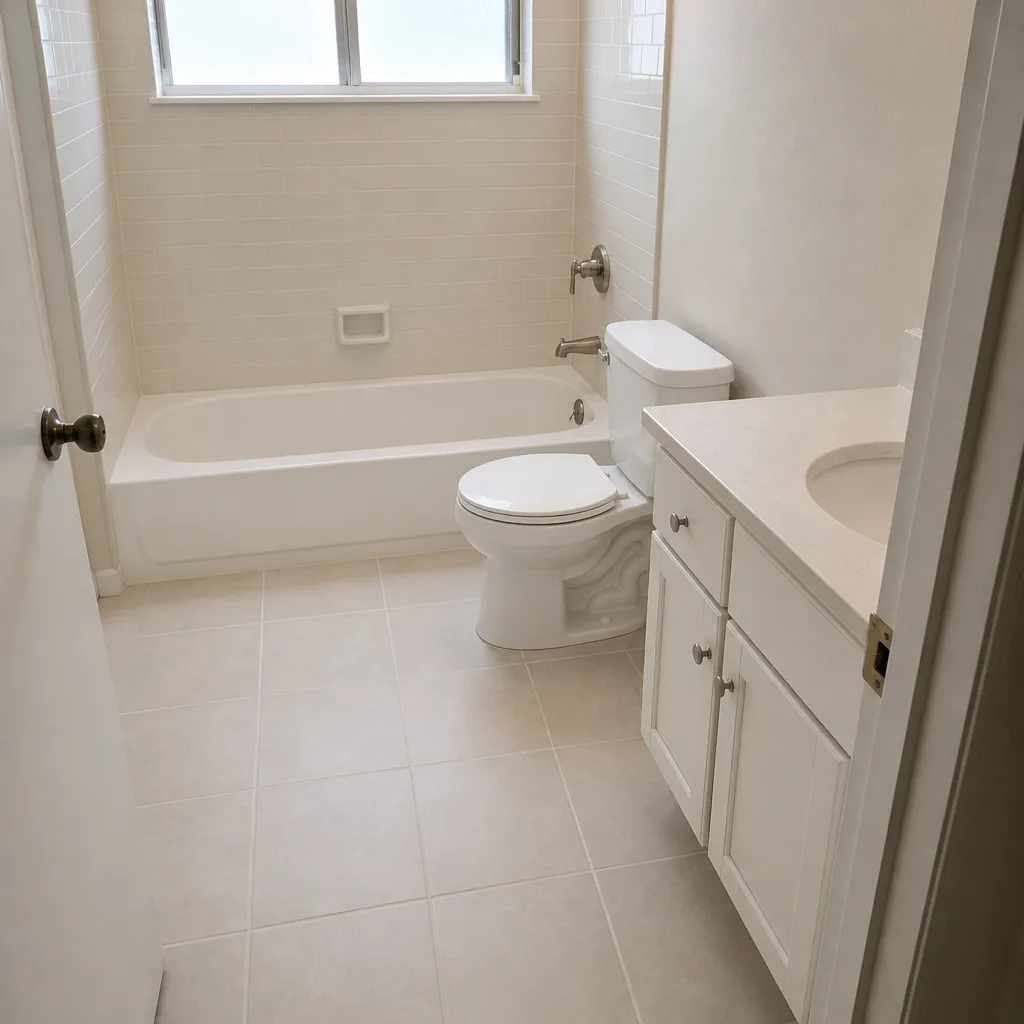 After
Junior ADU vs Standard ADU in Lake Forest, CA: Which One Your Lot Can Actually Build
Choose a JADU unless you need a separate structure, more rental income, or the freedom to rent both units and live elsewhere. For most Lake Forest homeowners in HOA-governed hillside communities like Portola Hills, a junior ADU clears the regulatory path because it lives inside your existing footprint: no grading, no new foundation, no architectural review of a new exterior building. A standard ADU earns more but triggers the full permit stack. Get a real side-by-side on your lot by calling Groundwork Construction Co. of Lake Forest at (855) 532-8973.
Key Takeaways
- A JADU (up to 500 sq ft, inside the existing house) follows a streamlined permit path with limited HOA exterior review.
- A standard ADU (up to 1,200 sq ft, can be detached) brings grading, utility trenching, and HOA architectural committee approval of a brand-new structure.
- JADUs require the owner to live on site; standard ADUs don’t.
- A detached 800 sq ft standard ADU in Foothill Ranch rents for roughly $2,200-$2,600/month; a 400 sq ft JADU sharing a bathroom gets around $1,200-$1,600.
- Timeline: a JADU reaches final inspection in 3-5 months; a hillside detached ADU can run 10-16 months.
The Problem in Front of You Right Now
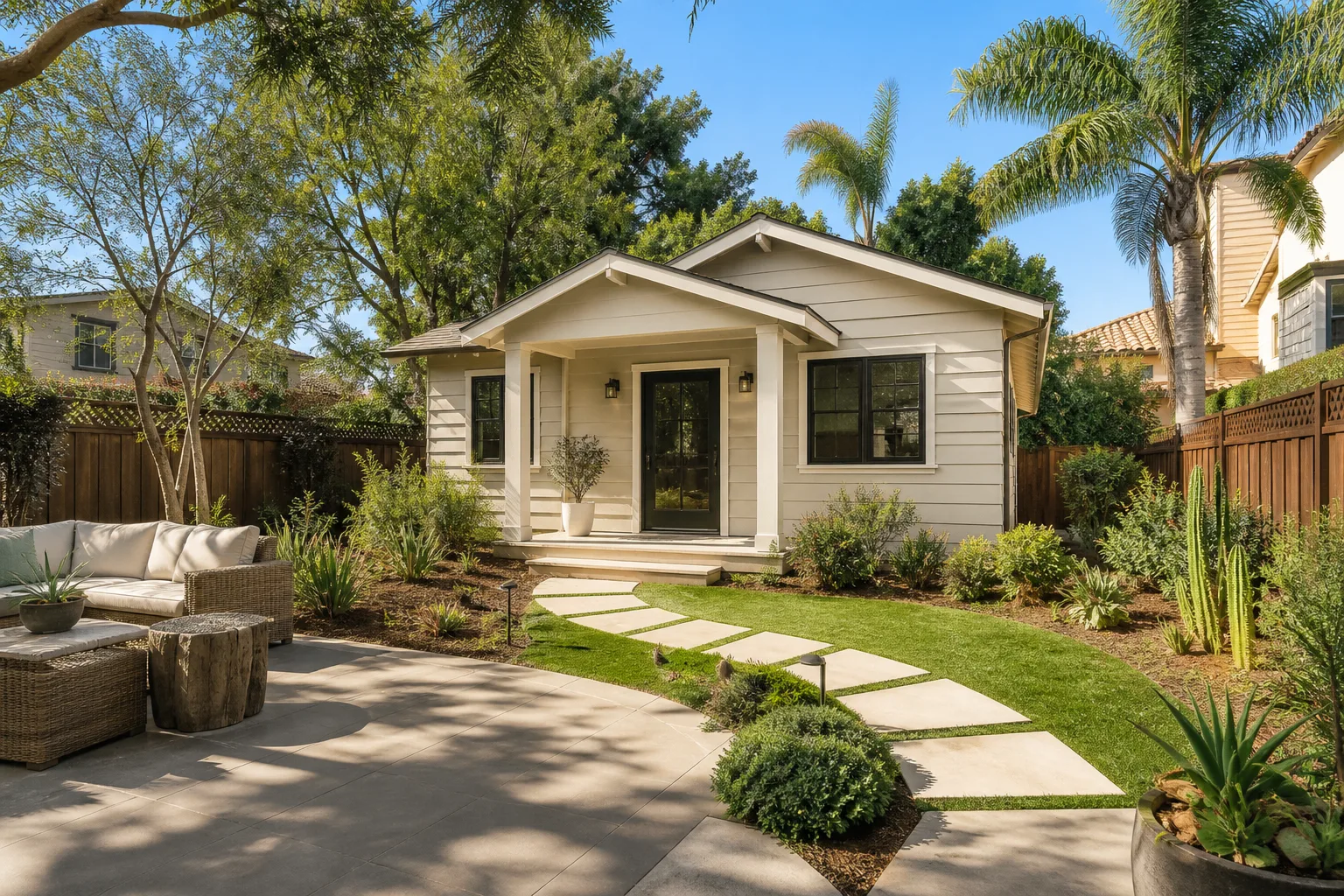
A standard ADU gives you more square footage and more rental potential. But in Portola Hills and the hillside pockets of Lake Forest, getting there means grading permits, slope stability reviews, HOA site plan approval, and a detached building that has to match your main home’s exterior materials exactly. That’s a lot of moving parts before anyone swings a hammer.
A JADU skips most of that. It’s a legal rental unit built inside your existing walls, and it can be through construction in 60-90 days. The question isn’t which sounds nicer on a brochure. It’s which one your property can realistically clear, and what the numbers look like once you account for the regulatory path.
Lake Forest is a master-planned city where most construction happens inside tightly regulated HOAs and on graded hillside lots. The build-out from the 1970s through the 1990s left a large share of 1970s-1990s tract homes in communities like Lake Forest Keys, Portola Hills, and Foothill Ranch. Many of those homes are solid candidates for a JADU conversion, and the original layouts often make it easier than you’d expect.
The Regulatory Difference That Actually Decides It
The two options move through completely different permit stacks. Here’s how they compare on the things that stall projects:
| Factor | Junior ADU (JADU) | Standard ADU |
|---|---|---|
| Size limit | Up to 500 sq ft | Up to 1,200 sq ft |
| Location | Inside the existing structure | Attached or detached |
| Owner occupancy | Owner must live on site (in either unit) | Not required under current state law |
| Grading permit | Typically not required | Often required on hillside lots |
| New foundation | No | Yes for detached |
| HOA exterior review | Limited | Full architectural committee review |
| Typical construction timeline | 3-5 months to final inspection | 10-16 months on a graded hillside lot |
That owner-occupancy line tips the decision for some homeowners. If you want to rent both units and live somewhere else, only a standard ADU lets you do that. The JADU requires you to occupy one of the units. It’s a real constraint, and it’s the one most homeowners don’t hear about until they’re deep into design.
The HOA piece matters just as much in Lake Forest. Architectural committees here review new exterior structures closely, including materials, rooflines, and setbacks, and a detached ADU has to match the main home’s finishes. A JADU stays within the existing envelope, so that exterior review largely falls away.
What Each One Actually Rents For in Lake Forest
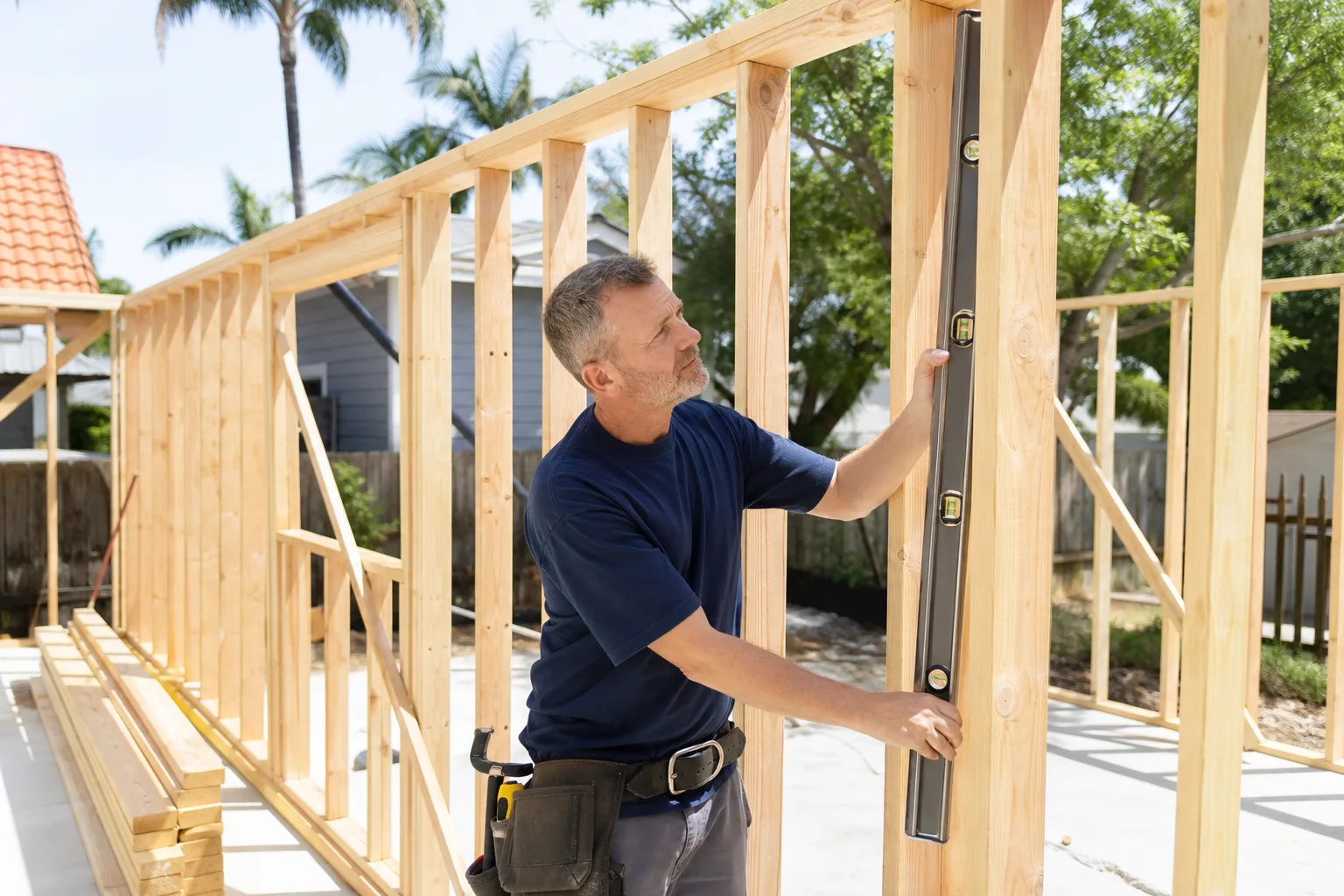
The revenue gap is real, and it should shape your ROI math. A fully detached 800 sq ft standard ADU with its own entrance, laundry, and parking in Foothill Ranch can command $2,200-$2,600/month. A 400 sq ft JADU sharing a bathroom with the main home realistically rents for $1,200-$1,600/month. Run those against construction cost and the picture sharpens quickly.
Ballpark construction ranges for Lake Forest:
- JADU build-out: typically the lower end of the $45,000-$130,000 range, since there’s no foundation, grading, or separate utility trench.
- Standard ADU construction: $90,000-$220,000, with hillside grading, slope engineering, and HOA review pushing toward the top.
- Garage conversion (a middle path): $30,000-$80,000, useful when your garage sits on a flat pad and the HOA already approved its footprint.
The exact figures depend on your lot, your existing structure, and how much of the interior you’re reworking. That’s why Groundwork gives you a side-by-side cost and timeline estimate for both options on your actual lot, not a generic projection pulled from a calculator. Same call, real numbers. See the full scope of what we build on our Home Additions & ADU page.
Common Local Scenarios We Run Into
A few patterns repeat across Lake Forest, and they tend to predict which option fits:
- The Foothill Ranch garage with a flat pad. A garage conversion often beats both options on cost and speed. It stays inside the envelope like a JADU but can produce more rentable space when the lot allows it.
- The Portola Hills hillside lot with a grade drop. Detached ADUs here mean slope stability review and erosion control measures not standard in flatland tracts. A JADU sidesteps every one of those.
- The owner who plans to move out and rent both units. Standard ADU only. The JADU’s owner-occupancy rule rules it out.
- The Lake Forest Keys homeowner counting on income fast. A 3-5 month JADU timeline beats waiting 10-16 months for a detached build on a graded lot.
One construction detail worth knowing: Lake Forest’s hot, dry summers and periodic Santa Ana winds affect curing times for concrete and stucco, and hillside crews add wind uplift fasteners as a matter of course. That’s a scheduling factor, not a dealbreaker, but it’s another place where a flat, inside-the-envelope JADU keeps your timeline tight.
How Groundwork Handles the Decision
Groundwork Construction Co. of Lake Forest builds both options and walks you through the numbers before you commit to either. Our technicians have up to 12 years of experience, and every project is backed by our 730-Day Done Right Promise: if it’s not done right, we make it right. Background-checked, uniformed technicians on every job. Upfront pricing, no surprises: the number you see is the number you pay. We also offer 0% financing for 18 months and $1,000 off projects over $10,000.
For fence and hardscape elements around an ADU, we work with brands like ActiveYards, Belgard, and Unilock. Start from our home page to see every service line.
FAQs
State law limits how far an HOA can block a JADU, since the unit stays inside your existing structure and doesn’t change the exterior envelope. HOA architectural review still applies to visible changes, but it can’t reject the unit outright the way it can a new detached building. We review your HOA’s design guidelines before design starts so there are no surprises.
A JADU typically lands at the lower end of the $45,000-$130,000 range, while a standard ADU runs $90,000-$220,000 because of grading, foundation, and utility work. The difference on a hillside lot can be substantial. Call (855) 532-8973 for an exact, lot-specific quote. Estimates are free.
Yes. A JADU requires the owner to occupy one of the two units on the property, either the main home or the JADU itself. If you plan to rent both units and live elsewhere, a standard ADU is your only path, since current state law doesn’t impose that owner-occupancy requirement on it.
A JADU typically reaches final inspection in 3-5 months total. A detached standard ADU on a Lake Forest hillside lot, with grading and HOA review, can run 10-16 months. If you’re counting on rental income to start soon, that gap matters more than square footage.
Bottom Line
If you want a legal rental unit with a fast timeline and the fewest regulatory hurdles, a JADU is the safer bet on most Lake Forest lots. If you need more space, more rent, or the freedom to live off-site, the standard ADU earns its longer wait. If you’d rather have it looked at, Groundwork Construction Co. of Lake Forest offers a no-pressure assessment in Lake Forest, with a real side-by-side for your lot. Call (855) 532-8973 for a free estimate.
Written by the team at Groundwork Construction Co. of Lake Forest, serving Lake Forest, CA.