



Free written scope consultation - allowances, timeline, and change-order rules on paper before a single trade is scheduled
Styles & brands we work with
- Kitchen remodeling
- Bathroom remodeling
- Home additions & ADU
- Roofing
- Windows & doors
- Driveway & pavers
- Fence
See the difference
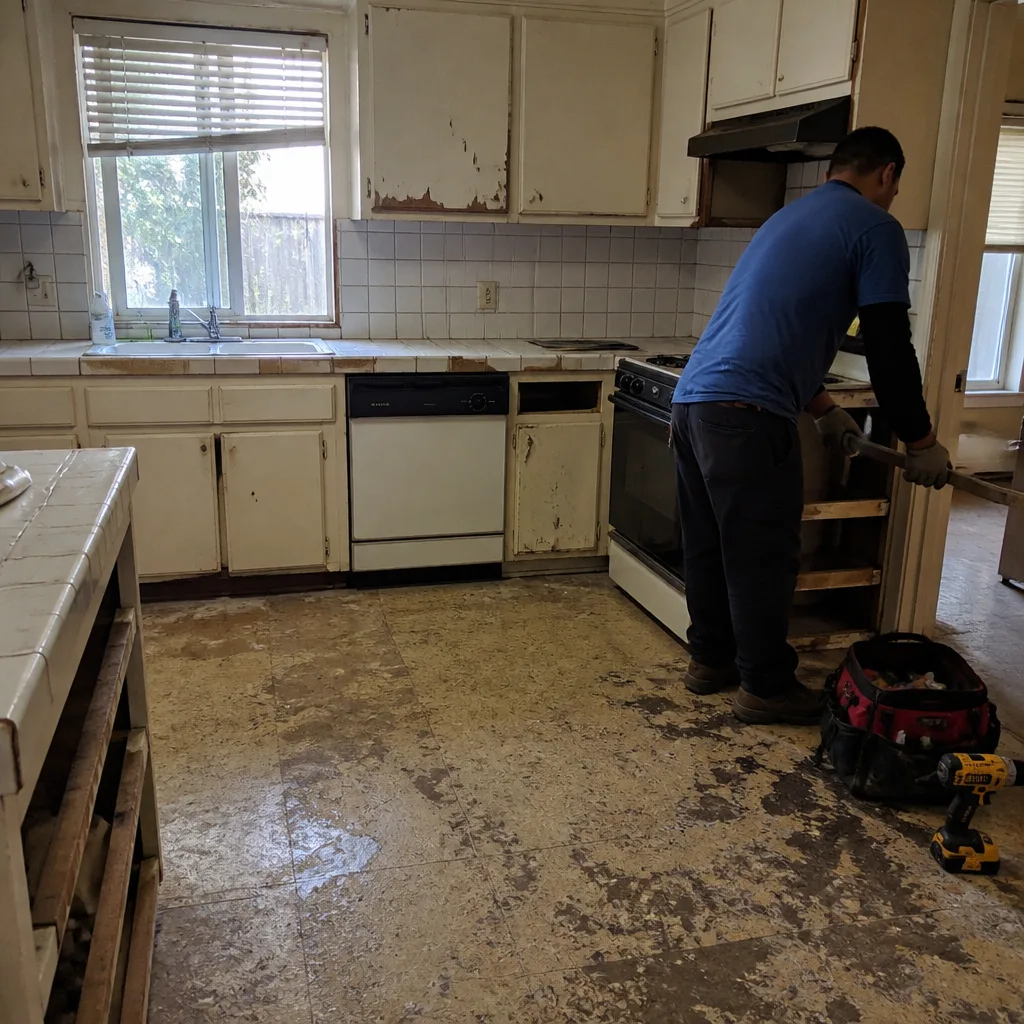 Before
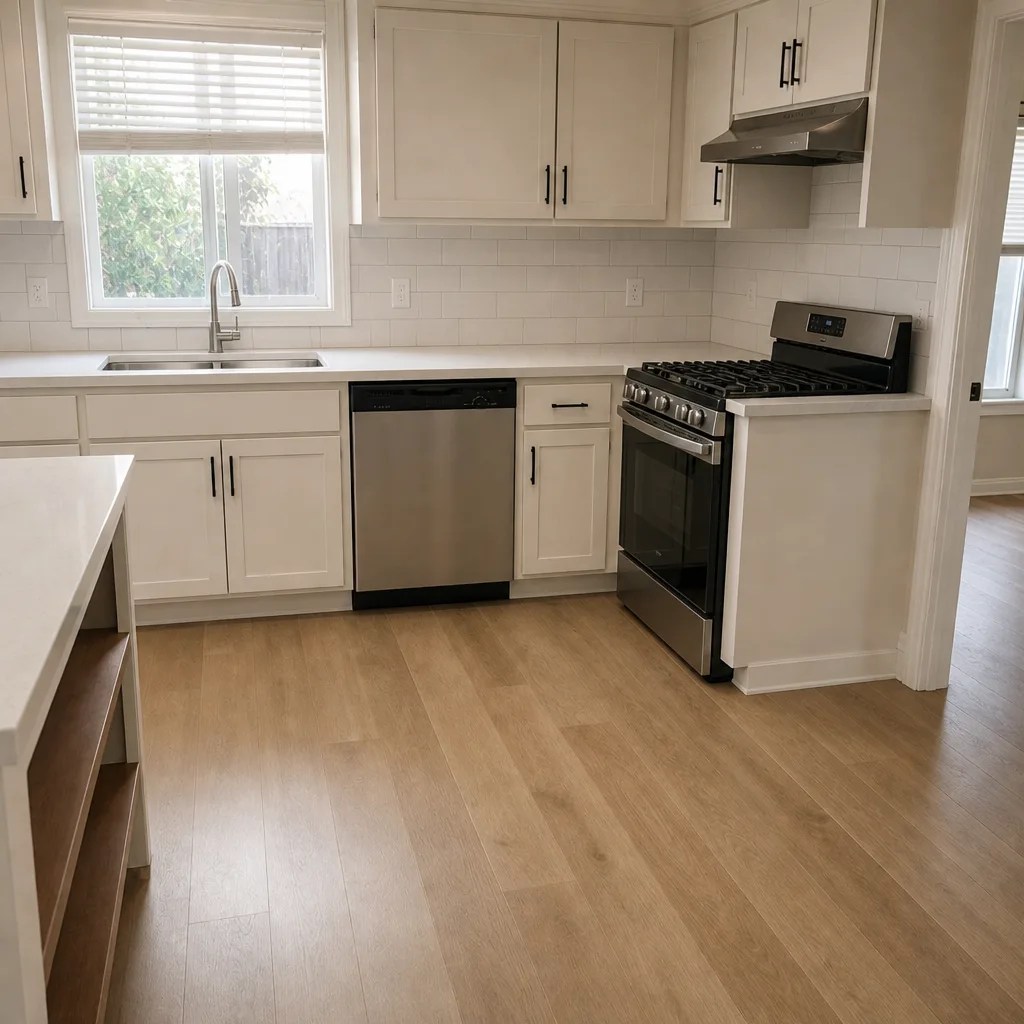 After
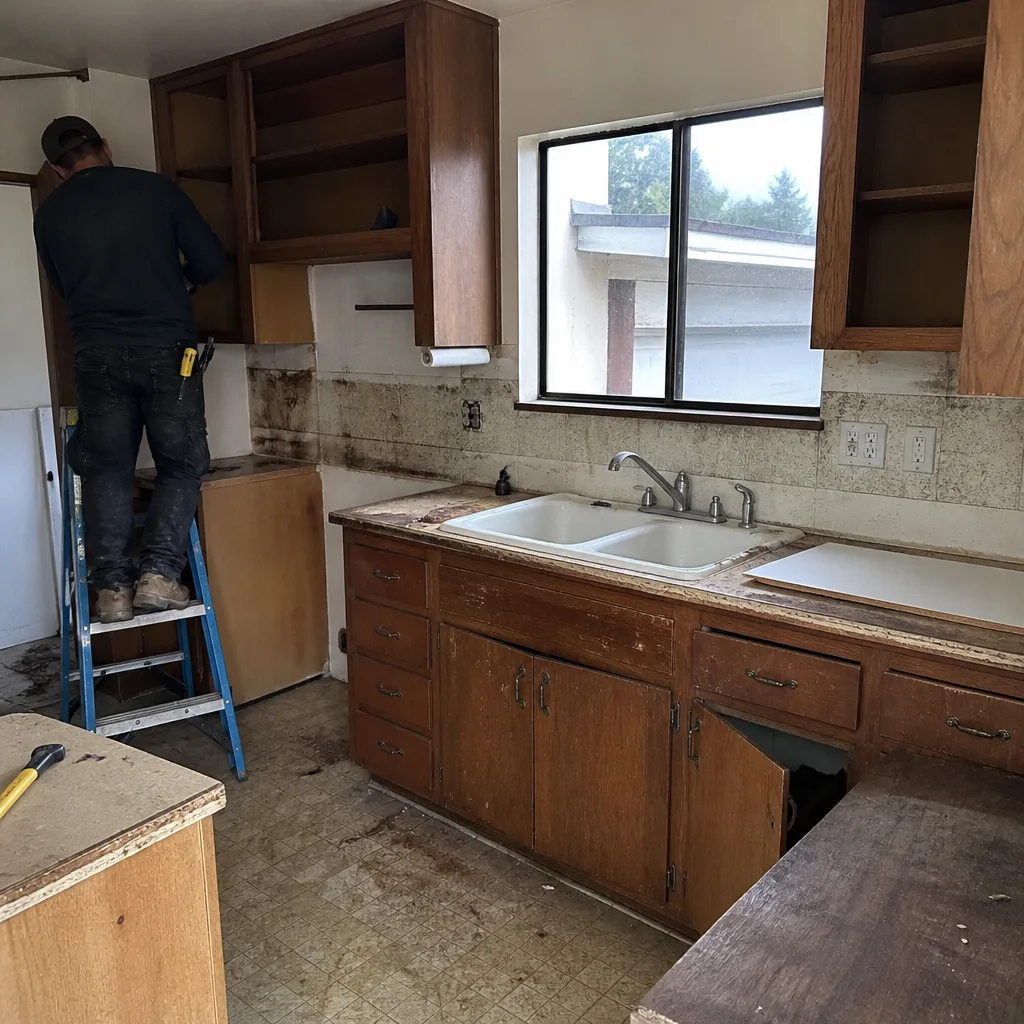 Before
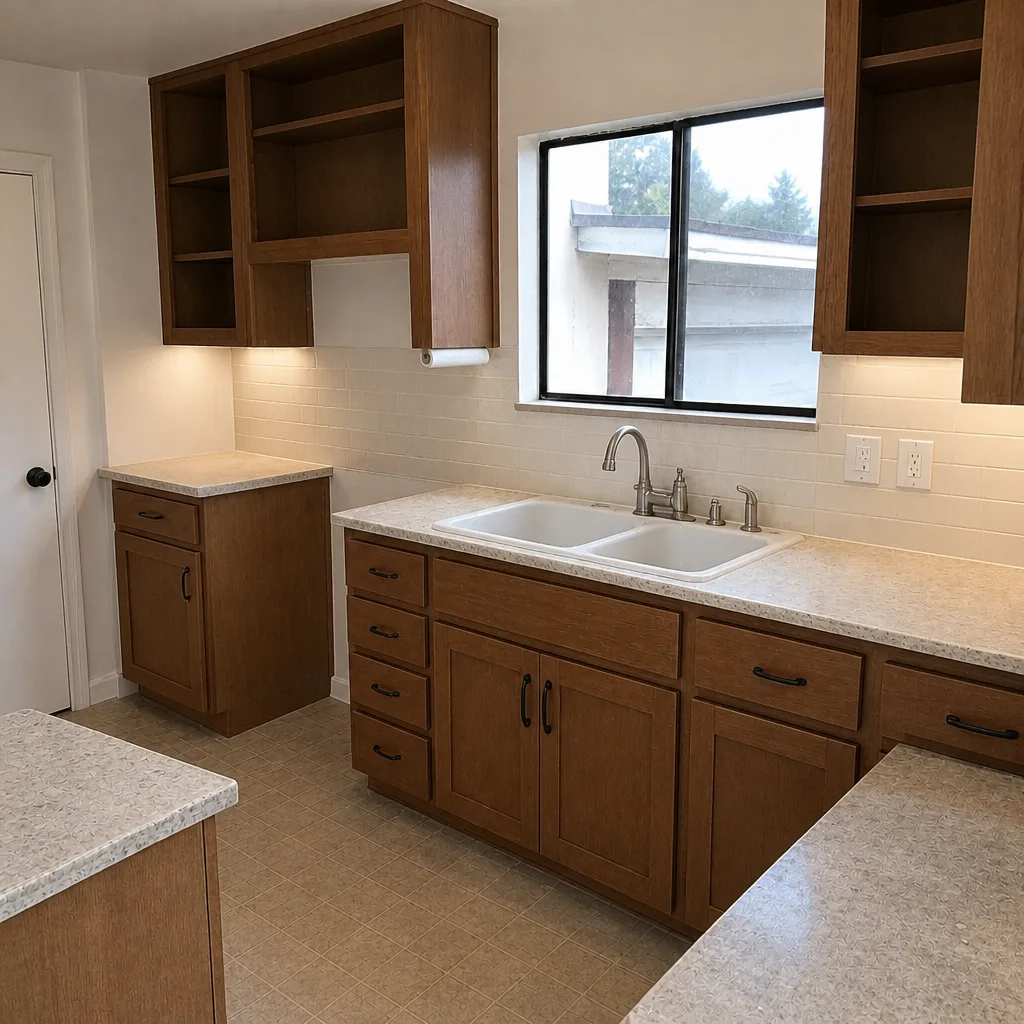 After
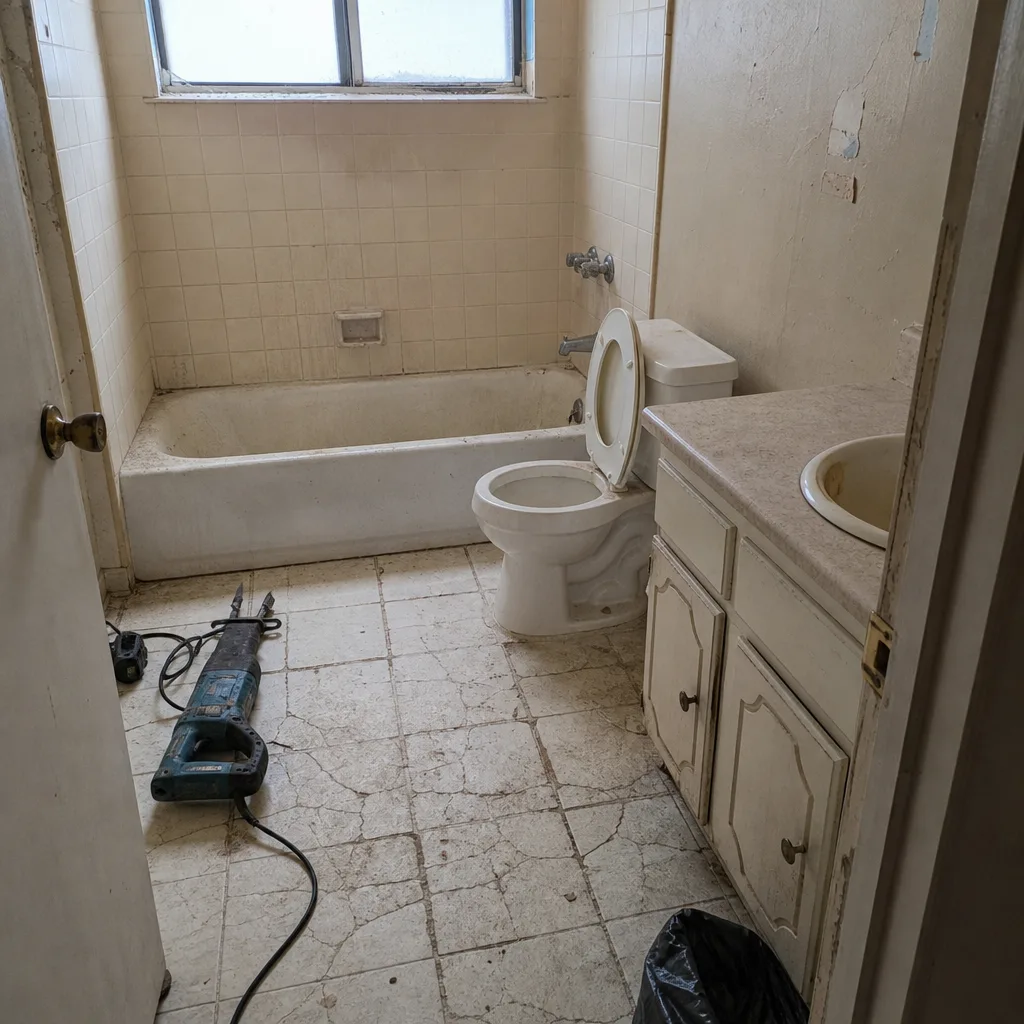 Before
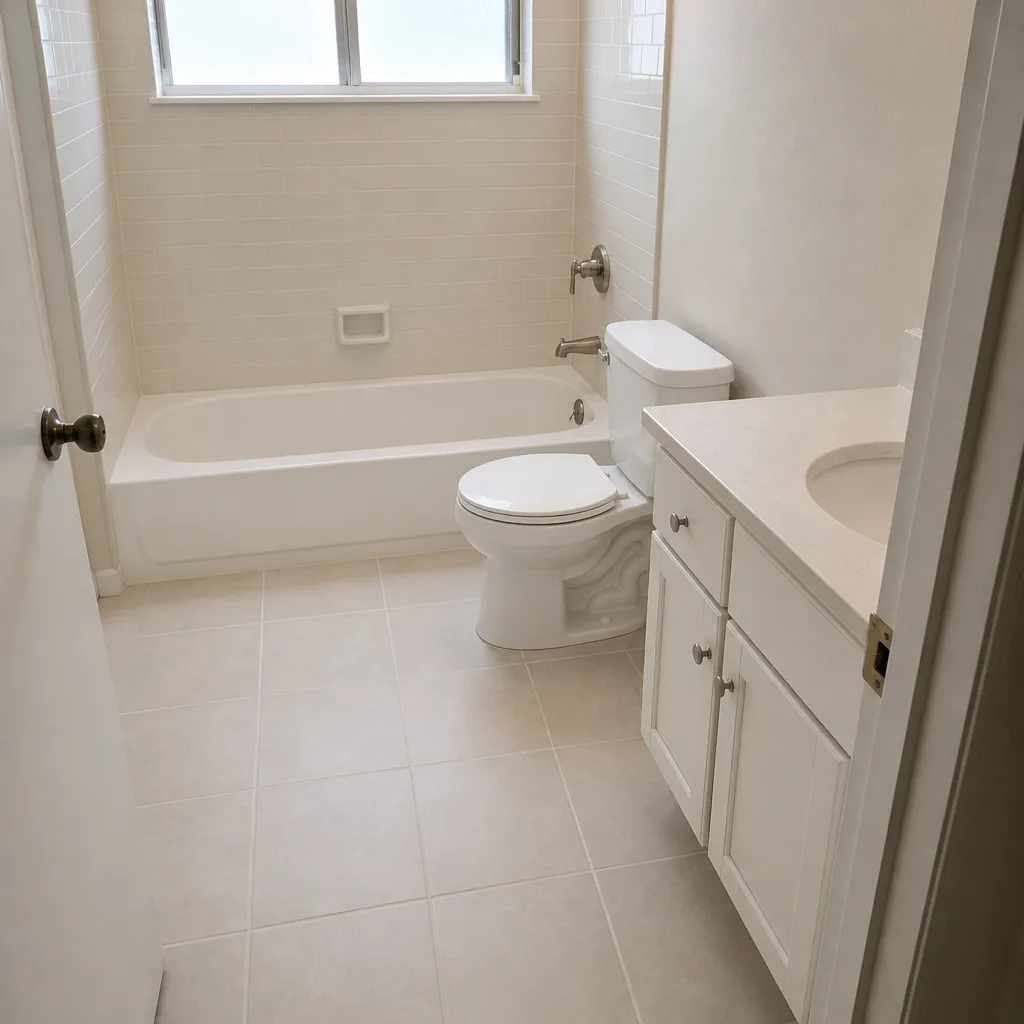 After
Roof Hail Damage Signs in Lake Forest, CA: How to Tell Hail Bruising from Santa Ana Wind Impact
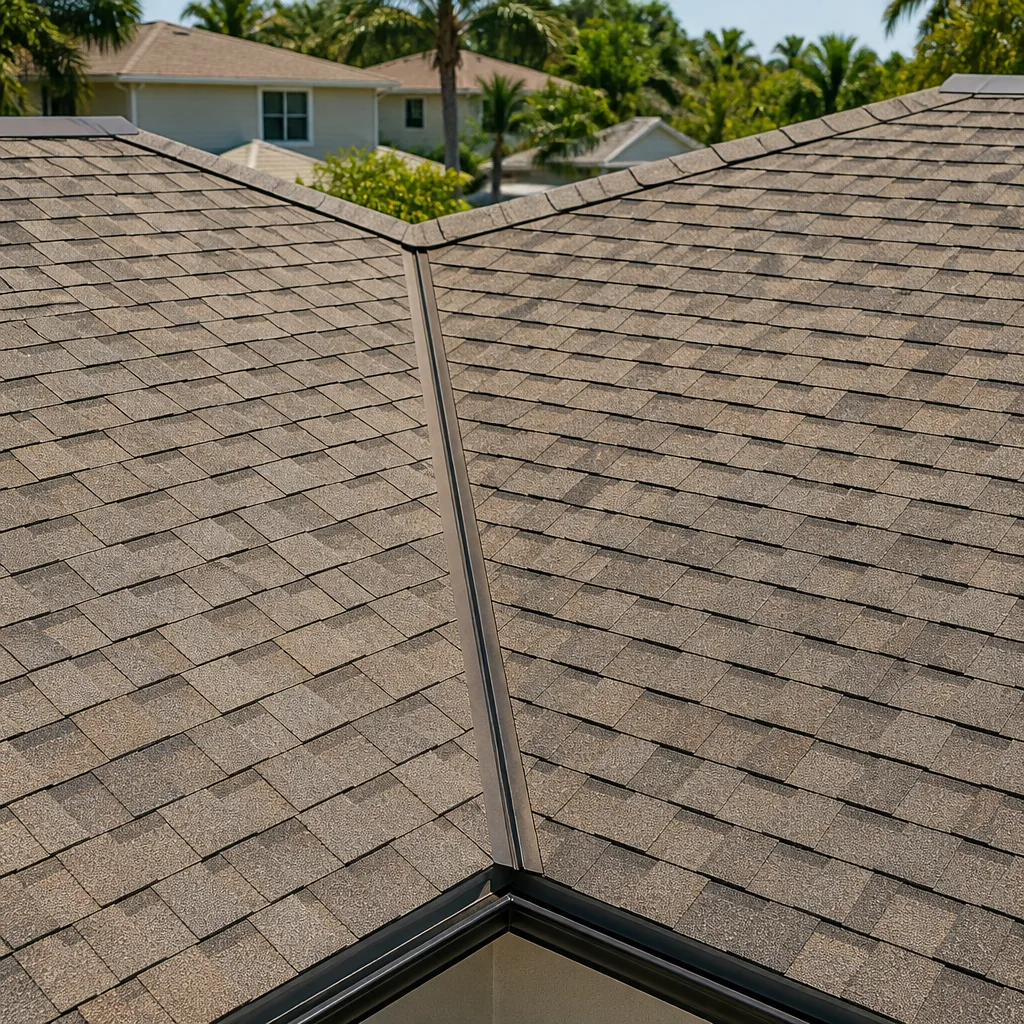
True hail damage on asphalt shingles shows up as random impact points with no directional pattern, soft bruised spots in the shingle mat when you press them, and circular patches of displaced granules. In Lake Forest, though, most “hail-looking” damage we see is actually impact scarring from wind-blown debris during Santa Ana events, and the two look close enough that homeowners routinely misread them. Knowing which one you’re looking at decides whether you file an insurance claim or book a standard repair. If you’re unsure, call (855) 532-8973 and we’ll walk you through what to photograph before anyone gets on your roof.
Hail itself is uncommon here. One real hail event per decade is a fair estimate for inland south Orange County, and when it happens it’s usually pea- to marble-sized, not the golf balls that hammer the Plains. But every fall and winter, Santa Ana winds funnel through the canyons above Foothill Ranch and Portola Hills at 60-plus mph, lifting palm fronds, gravel off graded slopes, and eucalyptus limbs onto roofs. Those impacts leave marks that read almost identically to hail bruising at a glance. The difference lives in the pattern, and pattern is the whole game.
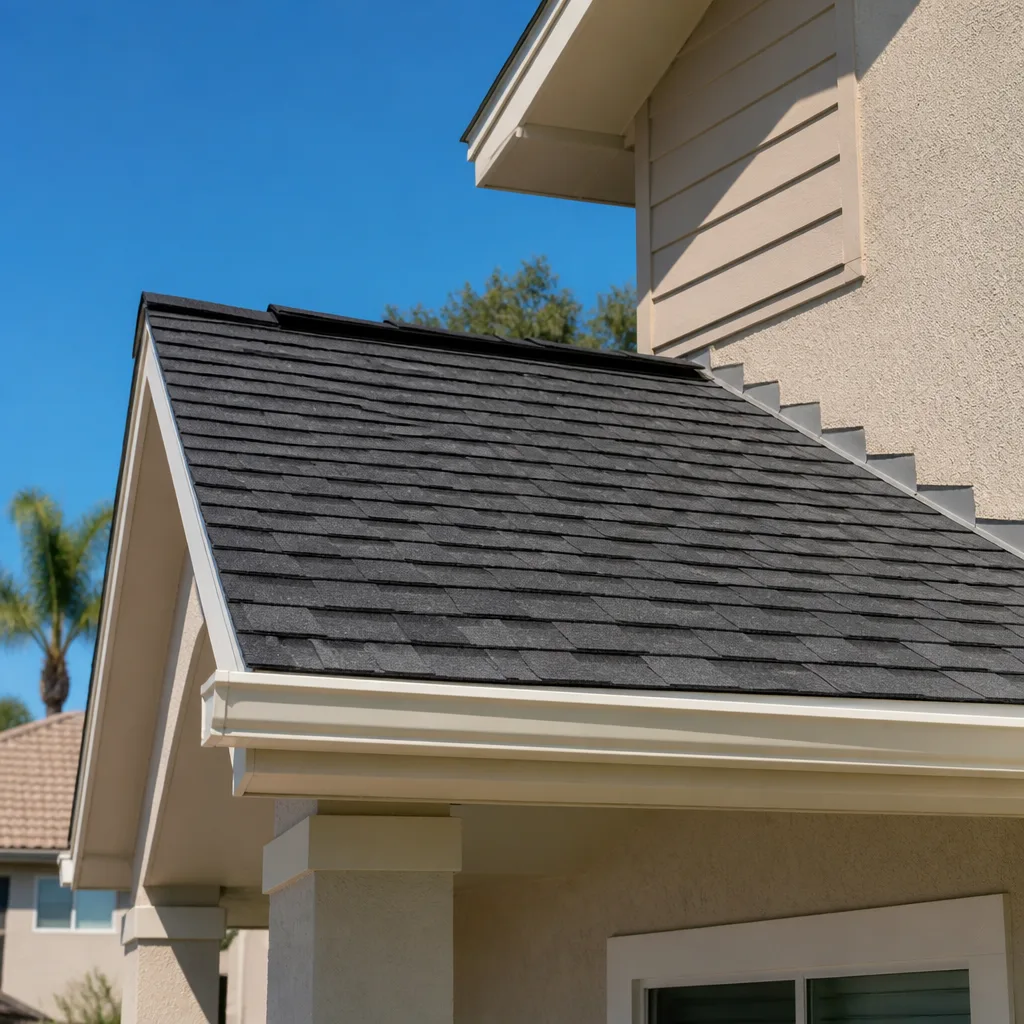
What to look for: hail damage vs. Santa Ana debris impact
Here’s the comparison we use on every inspection in Lake Forest. If you’re going to climb a ladder and look yourself, start here, but stay off the roof surface. Walk the perimeter with binoculars instead. Asphalt shingles give up their damage story pretty readily once you know what separates the two causes.
| What you’re seeing | Likely hail | Likely Santa Ana debris |
|---|---|---|
| Impact point pattern | Random, scattered, no direction | Directional, clustered, aligned with prevailing wind |
| Shingle mat feel | Soft or spongy when thumb-pressed at the spot | Firm; surface scar only |
| Granule loss | Circular radius around each impact | Streaked, linear, follow-wind traffic lanes |
| Metal components | Dents on gutters, flashing, HVAC caps | Scrapes and gouges, rarely clean dents |
| Tile roofs | Hairline cracks radiating from impact | Chipped edges and corners |
The thumb-press test (before you call anyone)
Bruised shingle mat feels soft. That’s the tell. When hail hits an asphalt shingle, it compresses the fiberglass mat underneath the granule layer, and that compression doesn’t bounce back. Press your thumb into a suspected impact point. If it gives, it’s bruising. If it’s firm and only the surface granules are missing, you’re probably looking at debris scarring, UV weathering, or thermal cracking, and none of those are hail. This one test settles a lot of arguments between homeowners and insurance adjusters.
The inspection sequence we follow
We work from the soft metal up, not the shingles down. Gutters, drip edge, flashing, valley metal, and HVAC caps dent unmistakably under hail regardless of shingle type. If those components are clean but you’ve got granule loss on the field shingles, hail is the wrong explanation. Same logic applies to skylight frames and the aluminum band around your chimney. No dents in metal, no hail event. That sequence alone prevents most bad claims in Lake Forest.
Why concrete tile roofs in Lake Forest need a walk, not a drive-by
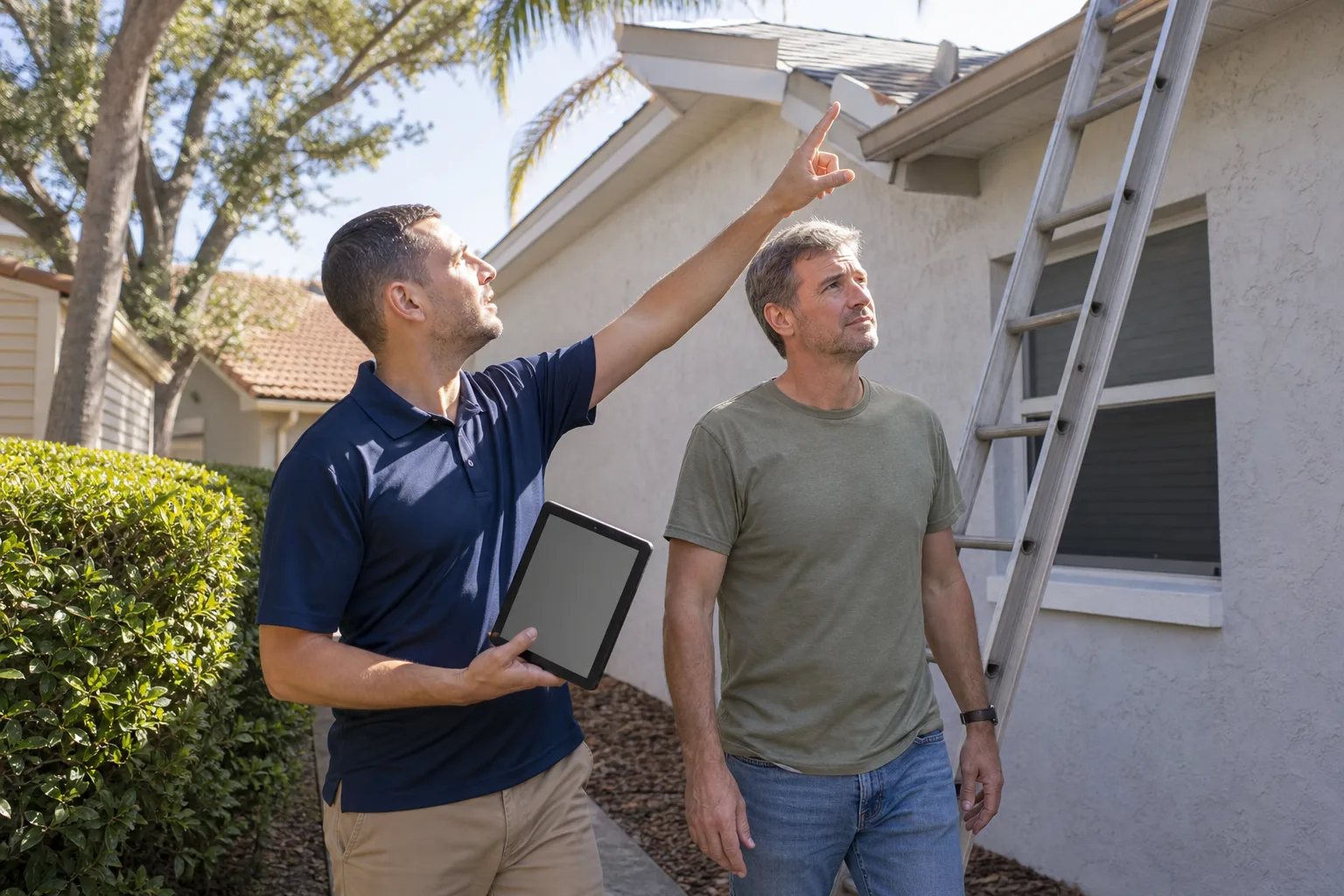
Much of Lake Forest’s housing stock is 1970s through 1990s concrete tile, and it’s the worst material for guessing from the street. Hail cracks concrete tile with hairlines that don’t show up from the driveway, don’t show up in a drone shot, and don’t show up until the tile has taken on water for a season and the underlayment pulses. The only way to find them is to walk the field systematically, tile by tile, in the direction the hail came from. Cheap “free roof inspections” that never touch the roof are worthless on tile. Our technicians have up to 12 years of experience, and every inspection is background-checked and uniformed, so you know who’s on your roof and what they’re actually looking at.
Hillside neighborhoods above the 241 make this harder. Graded slopes in Portola Hills and Foothill Ranch take extra wind uplift stress during Santa Ana events, and a tile field that lost a few fasteners to wind can crack differently than one hit by hail. We photograph everything before we touch a single tile, which matters for both your insurance claim and our own records. It’s how we document hail damage signs accurately instead of guessing.
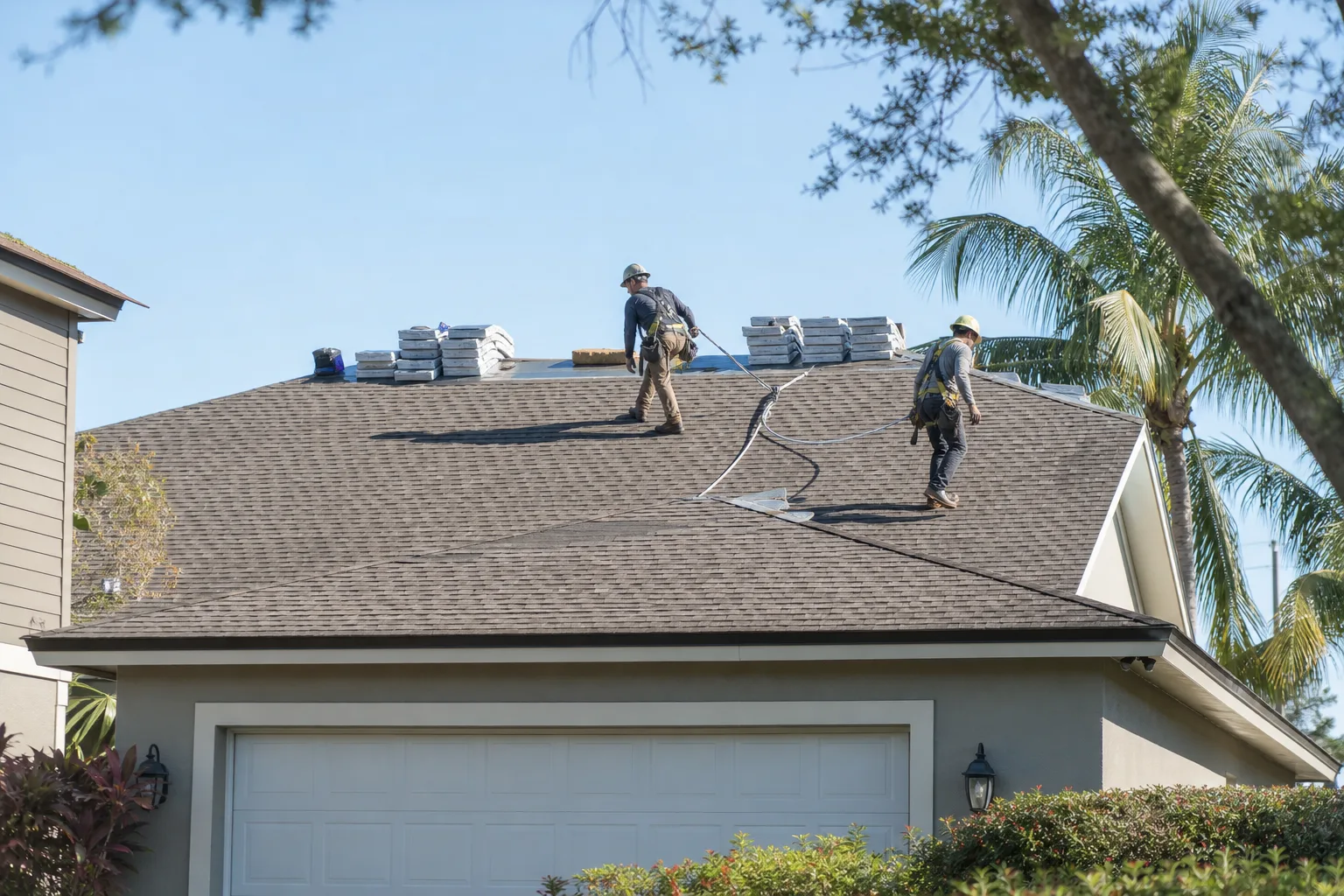
What it costs to fix impact damage in Lake Forest
Repair costs here track the material and the scope, not the cause. A few bruised shingles and a patch job run far less than a full field replacement, and most of the number depends on whether the underlayment was compromised. Here are the working ranges for Lake Forest:
- Roof repair (shingle patch, flashing, minor tile work): $400-$1,800
- Tile roof repair: $600-$2,500
- Full roof replacement (asphalt shingle): $8,000-$20,000
- Metal roof installation: $15,000-$40,000
If an adjuster tells you it’s a full replacement, get the number in writing before you agree to anything. We quote upfront pricing, no surprises, and everything we replace is covered by our 730-Day Done Right Promise. That matters after a wind event: if secondary damage shows up under the first winter rain, we make it right. We also back the work with GAF and Owens Corning materials, so the shingles that go back on your house aren’t a downgrade from what came off.
Does California homeowners insurance cover hail damage in Lake Forest?
Yes, most California homeowners policies cover sudden impact events like hail, but not normal wear from UV, thermal cycling, or wind erosion. That distinction is where claims get won or lost. If your adjuster sees granule loss with no metal dents, there’s a decent chance they’ll call it wear and deny. If you can show the directional scarring pattern from Santa Ana debris as a sudden wind event, the coverage argument changes. Getting the diagnosis right before you file preserves your options and your claim history.
The other reason we photograph first: some damage is legitimately borderline. A tile roof that’s 35 years old with pre-existing thermal cracks plus a fresh hail hit creates a gray area an adjuster can exploit. We document everything in sequence so the story is clear. For full-scope work beyond roofing, our team handles the whole house from foundation to finish line, which matters if impact damage turns out to be the tip of what needs doing.
Frequently asked questions
Dents on your gutters, downspouts, flashing, and HVAC caps are the earliest signs, because soft metal takes the mark first and doesn’t hide it. On the shingles themselves, look for random circular patches of missing granules and soft spots when you press the mat. If you see granule loss but no metal dents, it’s likely UV or wind erosion, not hail. Call (855) 532-8973 for an inspection and we’ll confirm which it is before you contact your insurer.
Wind damage usually lifts or creases shingles along an edge and runs in a pattern, while hail strikes randomly and bruises the mat underneath. In Lake Forest, the debris that Santa Ana winds carry leaves directional scarring aligned with the wind, so marks tend to line up in streaks rather than scatter. Hail damage has no direction. That single difference is what most homeowners miss, and it’s the first thing we check.
Usually not, and we say so when it’s true. A $600 tile repair doesn’t justify a claim that could raise your premium or cost you a policy renewal, and most policies have a deductible that makes claims under a couple thousand dollars a losing trade. Get the damage documented first, then decide. Call (855) 532-8973 for a free estimate and we’ll give you the honest repair number before you pick up the phone with your carrier.
Most hail-related roof repairs in Lake Forest run $400-$1,800 for shingle damage and $600-$2,500 for concrete tile, depending on how much underlayment was exposed. Full replacement, if the damage is widespread enough, lands between $8,000 and $20,000 for asphalt shingle. We quote upfront pricing with no surprises, and 0% financing for 18 months plus $1,000 off projects over $10,000 is available if the scope grows.
If you’d rather have it looked at by someone who’s walked thousands of Lake Forest roofs, Groundwork Construction Co. of Lake Forest offers a no-pressure assessment in Lake Forest. Call (855) 532-8973. A live person answers around the clock, so you’re not waiting until Monday to find out whether those marks are hail or something else entirely. See our Roofing service for what happens after the inspection.
Written by the team at Groundwork Construction Co. of Lake Forest, serving Lake Forest, CA.