Free written scope consultation - allowances, timeline, and change-order rules on paper before a single trade is scheduled
Styles & brands we work with
- Kitchen remodeling
- Bathroom remodeling
- Home additions & ADU
- Roofing
- Windows & doors
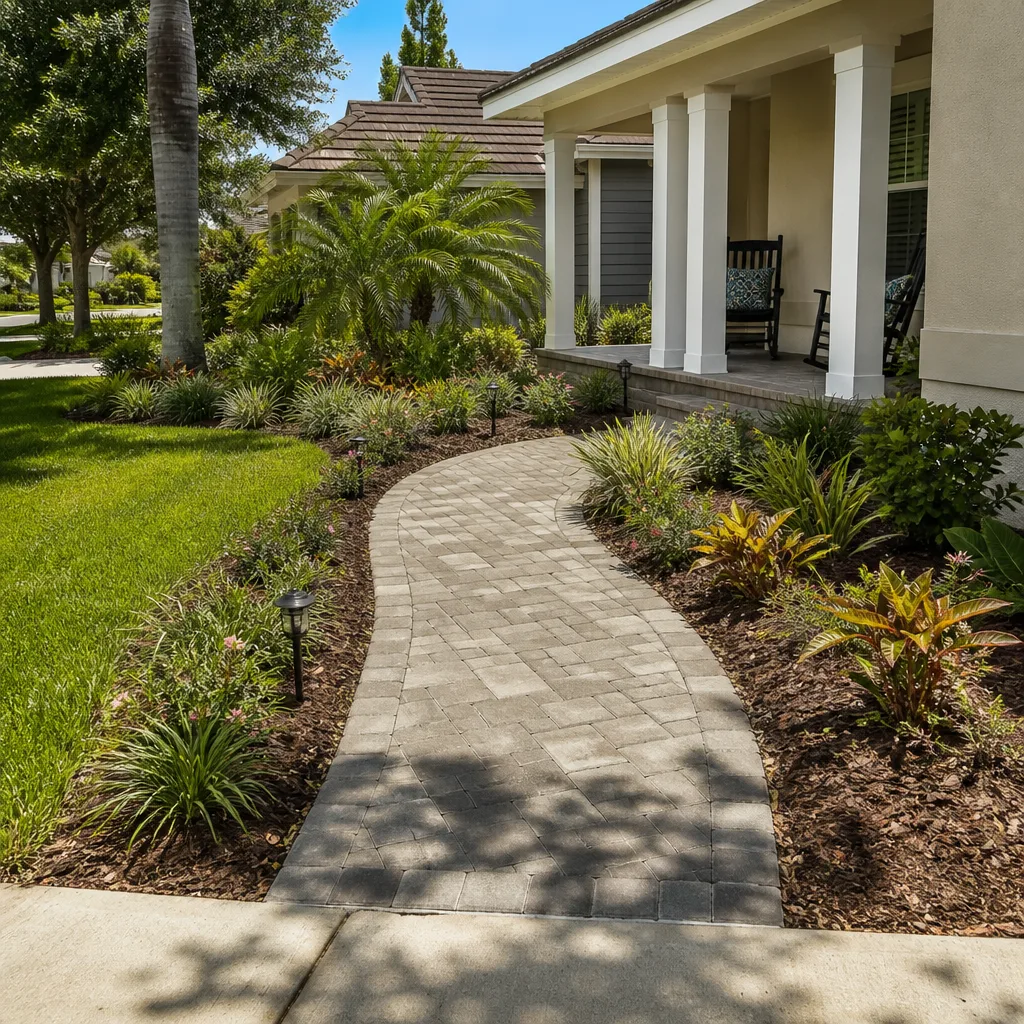
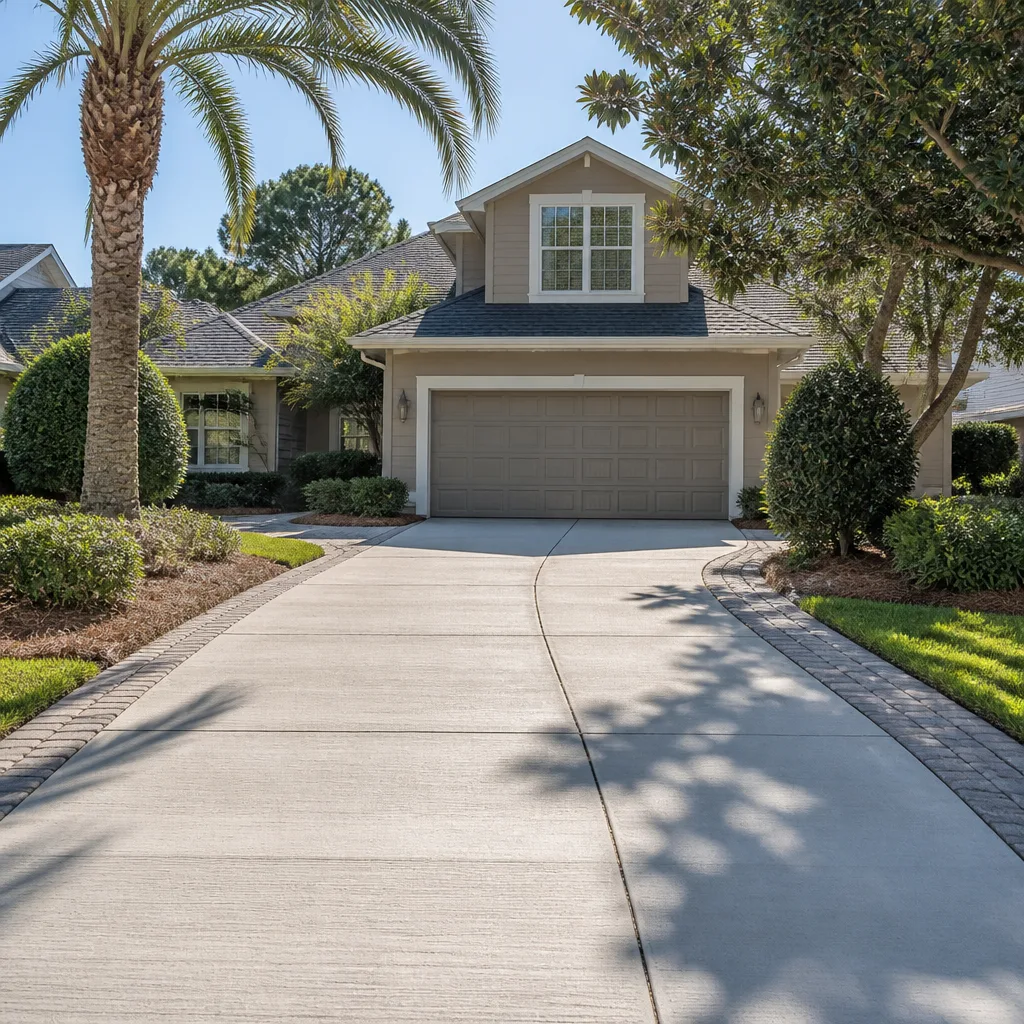
- Driveway & pavers
- Fence
See the difference
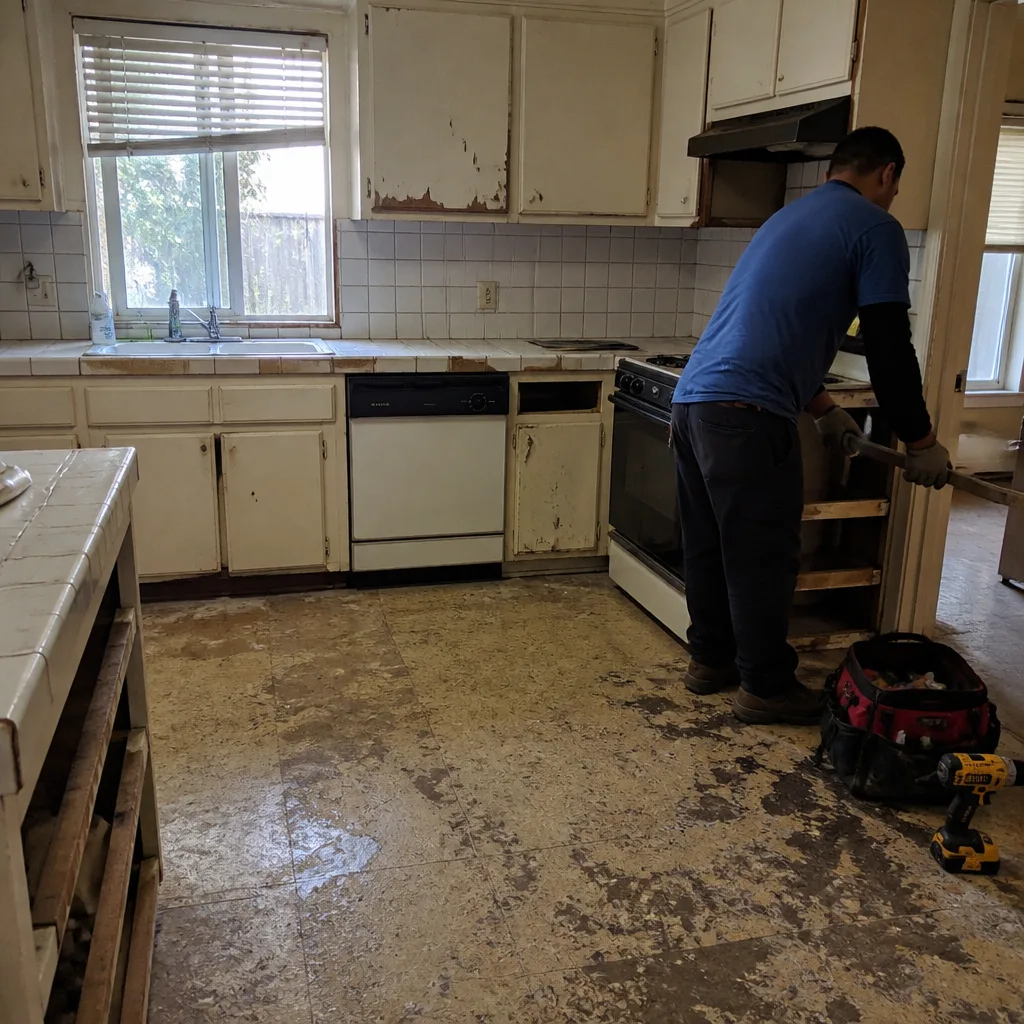 Before
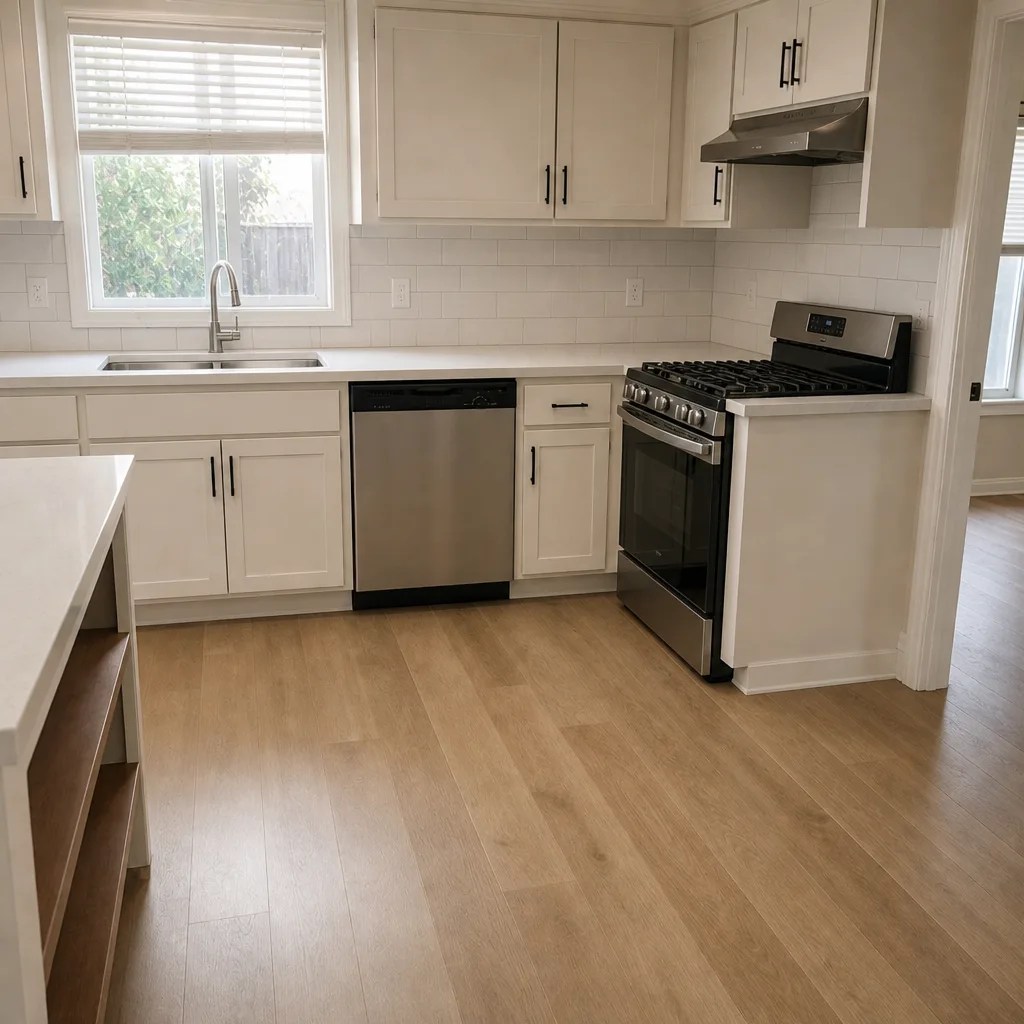 After
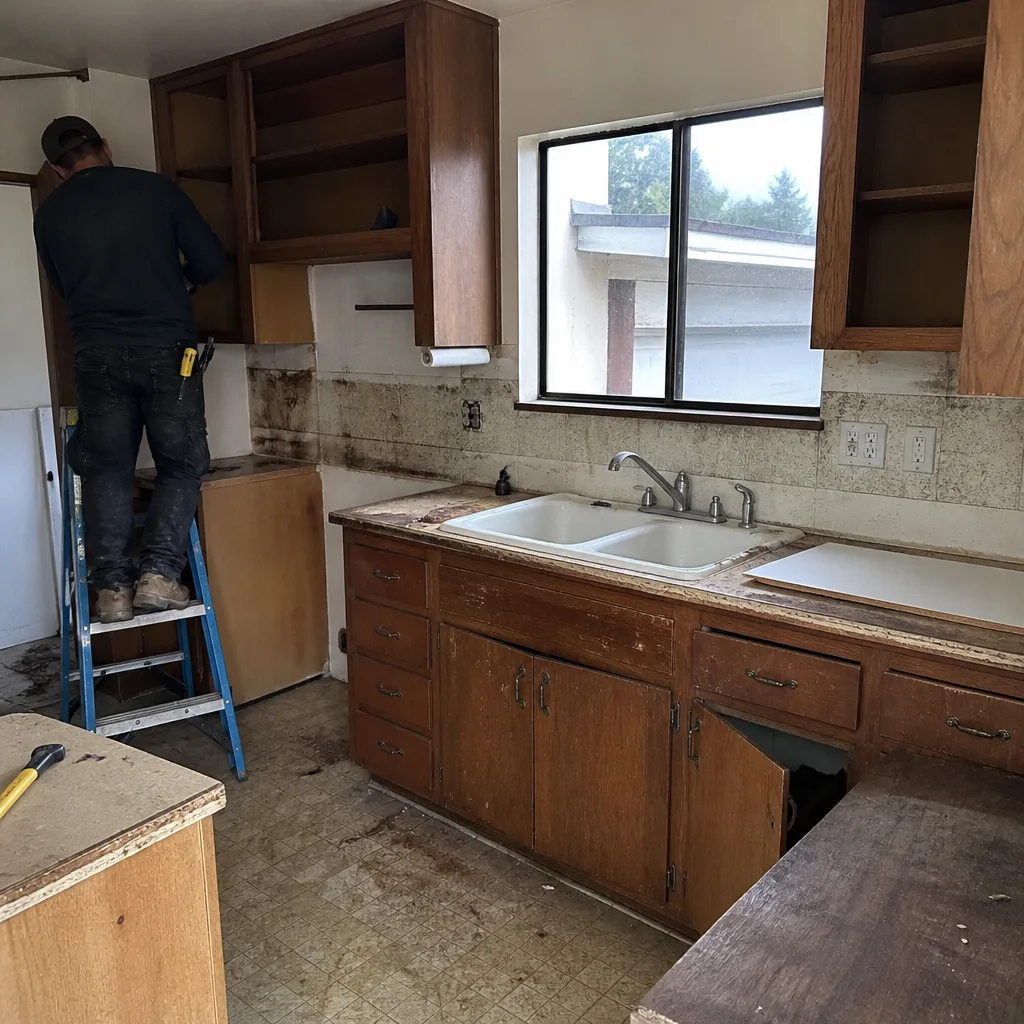 Before
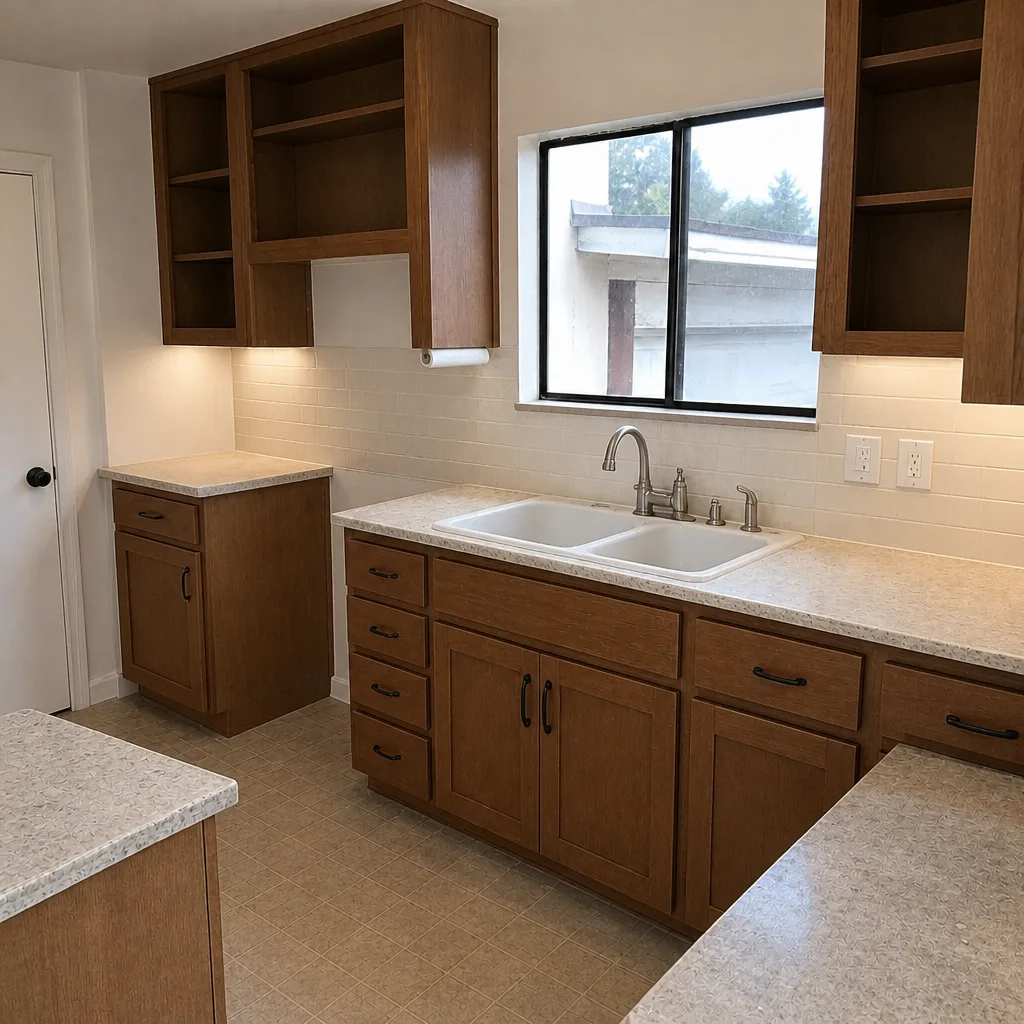 After
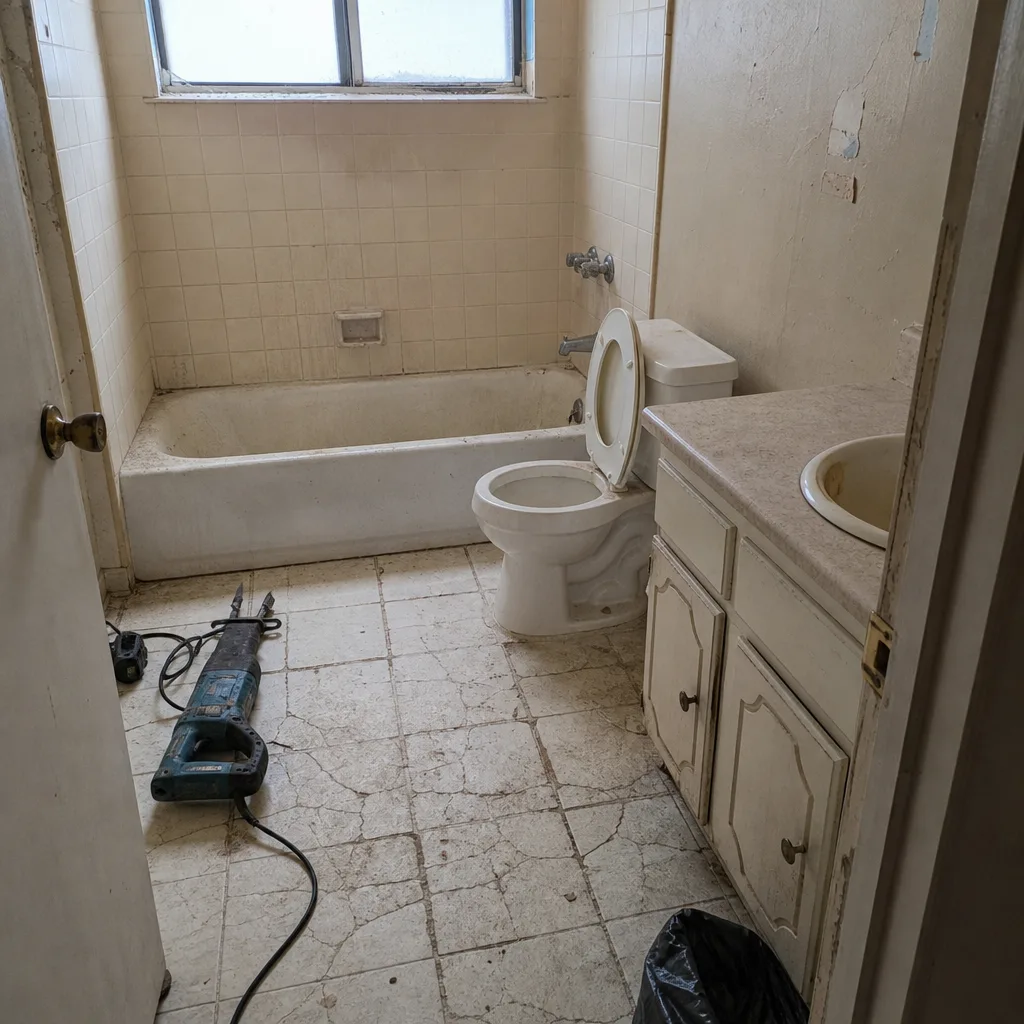 Before
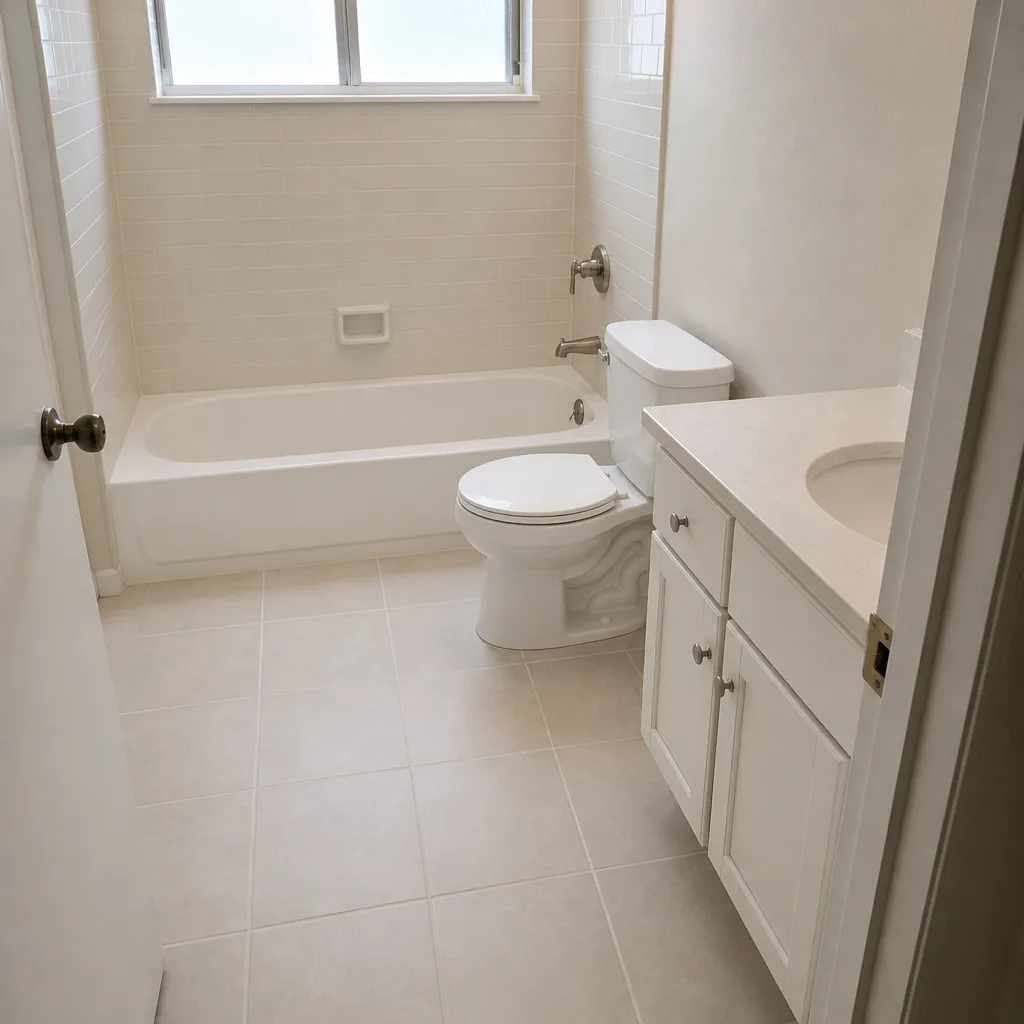 After
Stamped Concrete vs Pavers in Lake Forest, CA: Which One Survives Our Soil?
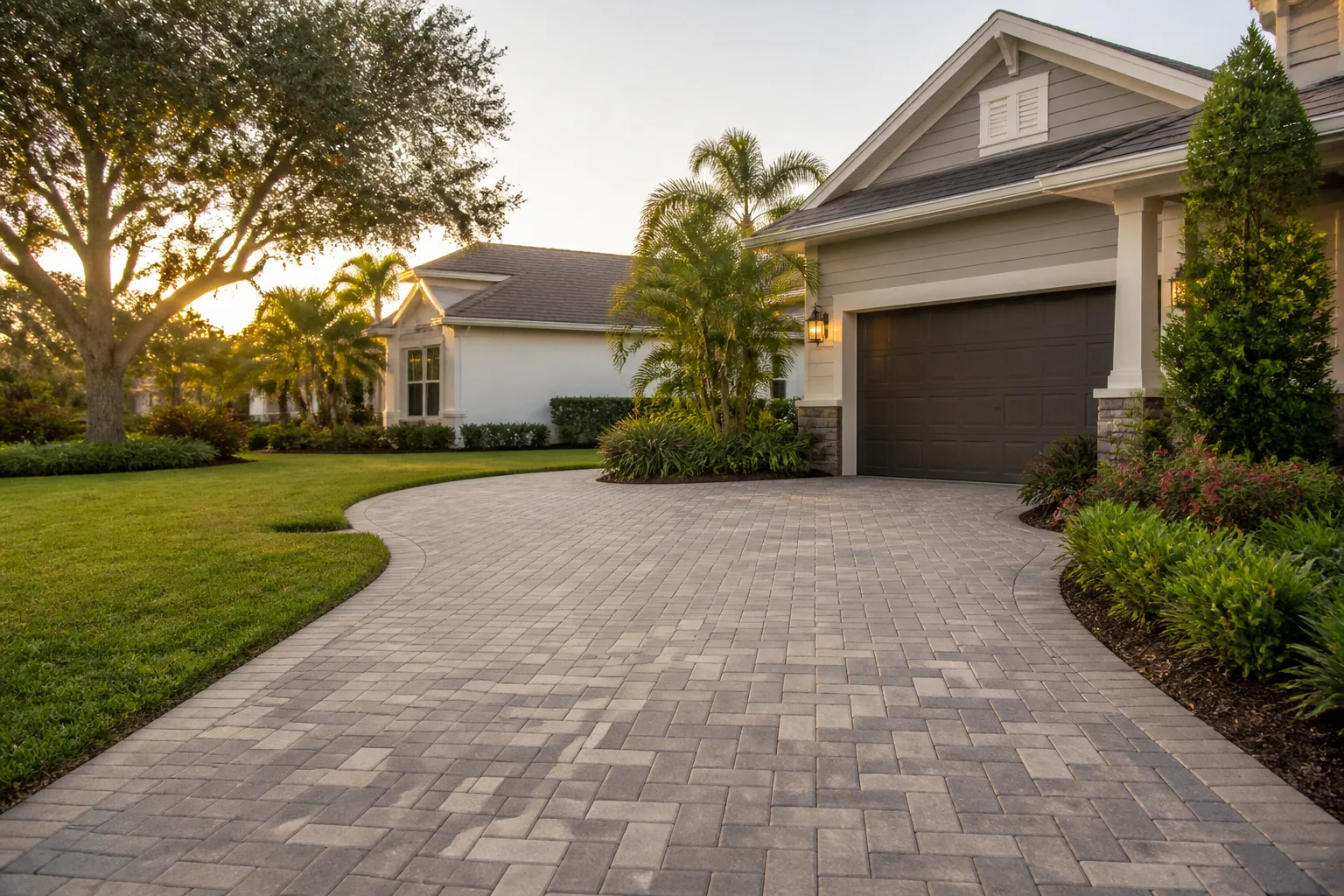
Choose pavers over stamped concrete if your driveway or patio sits on a graded or hillside lot in Lake Forest, where clay-heavy soil moves seasonally and a cracked panel means color-matching a finish that rarely blends. Choose stamped concrete only if your slab sits on stable, well-drained flat ground, you accept resealing every 2-3 years, and you’re comfortable with the fact that a future repair will leave a visible patch scar. That’s the honest short version. The longer version is about what happens two winters after the pour. Call (855) 532-8973 and we’ll tell you which one your specific lot actually wants.
Stamped concrete looks nearly identical to pavers in a driveway photo, until one panel cracks from soil movement two years later and you’re trying to match a custom color-stained texture. In Lake Forest, that’s not a hypothetical. It’s a phone call we get most springs.
Key Takeaways
- Pavers flex with minor soil movement; stamped concrete cracks and can’t be invisibly patched.
- Stamped concrete needs resealing every 2-3 years under Lake Forest’s intense UV; quality pavers don’t.
- Some Lake Forest HOAs keep approved paver lines on file, which shortens architectural review.
- Paver driveways in Lake Forest run $7,000-$18,000; concrete driveways run $4,500-$12,000.
- On expansive clay and graded slopes, repairability should outweigh the lower initial price of concrete.
Why Lake Forest Lots Are Hard on Any Poured Surface
Most of Lake Forest was built out between the 1970s and 1990s, and a large share of that housing stock sits on graded lots in planned communities like Portola Hills, Foothill Ranch, and Lake Forest Keys. Graded lots mean cut-and-fill soil. Fill settles. Clay expands when it’s wet and shrinks when it’s dry, and our semi-arid inland climate swings between both extremes every year, with hot summers, mild wet winters, and Santa Ana winds pushing moisture out of the ground fast.
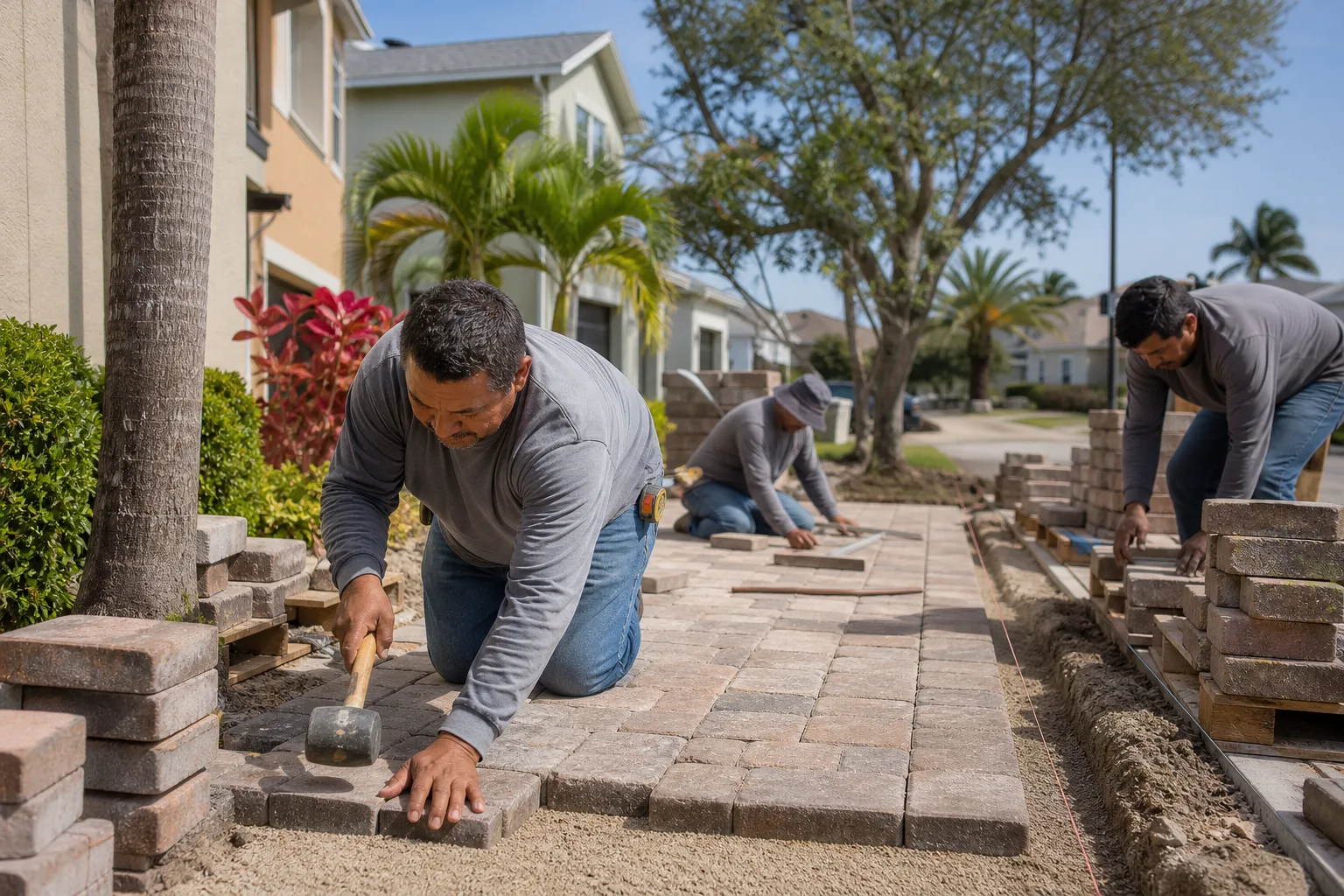
A monolithic concrete pour is one rigid sheet. When the ground beneath it moves even a little, the slab has two choices: flex or crack. It cracks. Sometimes in year three, sometimes in year eight, but on a fill lot the odds are not in your favor. Pavers on a properly compacted base behave differently. Each unit is independent, so small movements translate into slight shifts in the joint sand rather than a fracture across the whole surface. When one area settles, we lift those units, re-level the base, and set them back. No color matching. No patch scar. The repair is invisible because the material never changed.
The Repair Story Is the Real Difference Nobody Puts in the Brochure
Here’s the part most comparisons skip. Stamped concrete gets its look from integral color mixed into the pour plus a surface texture stamped while the concrete is still workable, often with a release agent and a secondary color hardener on top. That layered finish is nearly impossible to replicate on a repair. A patch pour will cure to a slightly different shade, the stamp pattern won’t align perfectly with the surrounding field, and the surface texture will read as new next to weathered material. You’ll see it from the street every time you pull in.
Pavers don’t have that problem. A cracked or settled unit comes out, a matching unit goes back in, and the joint sand hides the seam. Twenty years from now a repair will look like the rest of the driveway because the material is the same material, not a chemistry experiment aimed at matching a color that faded unevenly.
That’s why, on Lake Forest hillside and expansive-soil lots, we recommend pavers even when the homeowner came in asking about stamped concrete. We source from curated brand partners like Cambridge Pavers and Oldcastle, and every proposal includes written material specs, so you know the exact product, color, and thickness you’re approving. Not a vague “similar to shown” swatch.
Sealing, Sun, and the Maintenance Math
Lake Forest’s summer sun is unforgiving. Stamped concrete needs resealing every 2-3 years to hold its color and repel staining, and if you skip a cycle, the fade is noticeable within a single season. That’s a recurring line item and a recurring weekend of your time. Most quality paver products are UV-stable and don’t need sealer to keep their color, though some homeowners seal for stain resistance and a wet look. It’s optional, not mandatory.
Winter rains matter too. Because our storms arrive in concentrated bursts, drainage is where cheap installations fail first. Pavers on a properly sloped and compacted base with a good edge restraint shed water instead of pooling it against the foundation. On graded lots in Portola Hills, we pay close attention to where the water wants to go before we set the first unit.
Stamped Concrete vs Pavers: Side-by-Side
| Factor | Stamped Concrete | Pavers |
|---|---|---|
| Installed cost in Lake Forest | $4,500-$12,000 (driveway) | $7,000-$18,000 (driveway) |
| Crack repair | Color-match and re-stamp, rarely invisible | Swap individual units, seamless |
| Reaction to soil movement | Cracks | Shifts slightly, re-levelable |
| Sealing | Every 2-3 years to hold color | Optional |
| UV fade | Noticeable within a season if unsealed | UV-stable |
| HOA architectural review | Custom submission with color and texture samples | Approved product lines often on file |
| Best fit | Stable, flat, well-drained ground | Graded lots, clay soil, hillside properties |
HOA Architectural Review: The Lake Forest Factor
Lake Forest is a master-planned city, and most of the work here happens inside tightly regulated HOAs. That changes the comparison more than most homeowners expect. Some Lake Forest communities keep approved paver product lines on file, which means choosing a paver from that list can move your architectural application through review faster. A custom stamped concrete finish usually requires a fresh submission with color and texture samples, and approval timelines stretch accordingly.
This is where written material specs matter. When we put a proposal together, you get the exact product and color documentation you need to hand to your ARC. You’re not guessing at what the committee will see. Explore our full Driveway & Pavers service for the installation details, and see our dedicated Driveway & Pavers in Lake Forest page for local project specifics.
Common Local Scenarios We See
A 1985 tract home in Foothill Ranch with a settled driveway. The original pour has cracked along a fill line and one section has dropped about an inch. Stamped concrete here means living with the crack or paying for a patch that will never match. Pavers mean we reset that section over a recompacted base and the driveway reads as one surface again.
A hillside patio in Portola Hills. Santa Ana winds and slope drainage push water across the patio every winter. A rigid slab resists that movement and eventually loses. A paver patio on a properly drained base handles the movement and we can spot-fix a settled corner without tearing out the whole patio.
A homeowner who wants the stamped look, period. That’s a real preference, and we respect it. If your lot is flat and stable, stamped concrete can perform well, and we’ll build it with the right control joints and base prep. Just go in knowing the resealing schedule and the repair reality.
Our technicians have up to 12 years of experience on paver and concrete installations, and every job is backed by our 730-Day Done Right Promise. If it’s not right, we make it right. Pricing is upfront before we start, and we offer 0% financing for 18 months plus $1,000 off projects over $10,000.
FAQs
Yes, stamped concrete usually costs less upfront. A concrete driveway in Lake Forest runs $4,500-$12,000, while a paver driveway runs $7,000-$18,000. The gap narrows over time once you factor in resealing every 2-3 years and the cost of a repair that never quite matches. Call (855) 532-8973 for an exact quote on your lot, and estimates are free.
Pavers don’t crack the way concrete does because they’re individual units on a compacted base. When clay soil moves seasonally, the units shift slightly in the joint sand and can be re-leveled without replacing the surface. A monolithic stamped slab has no give, which is why it cracks on graded lots. Call (855) 532-8973 and we’ll assess your soil and slope.
Almost certainly yes, since most Lake Forest communities are HOA-governed and require architectural review. Some HOAs keep approved paver product lines on file, which usually speeds approval compared to a custom stamped finish that needs color and texture samples submitted. We provide written material specs with every proposal so you have what your ARC needs. Call (855) 532-8973 to talk through your community’s process.
A well-installed paver surface generally outlasts stamped concrete because it can be repaired and re-leveled instead of replaced. Stamped concrete can last decades on stable ground, but any crack means a permanent visual patch. For Lake Forest’s graded lots, the repairability advantage of pavers is the deciding factor. Call (855) 532-8973 to get a straight answer for your property.
If you’d rather have it looked at, Groundwork Construction Co. of Lake Forest offers a no-pressure assessment in Lake Forest. We’ll walk the lot, check the base and drainage, and tell you which surface fits. Call (855) 532-8973 for a free estimate.
Written by the team at Groundwork Construction Co. of Lake Forest, serving Lake Forest, CA.