
Free written scope consultation - allowances, timeline, and change-order rules on paper before a single trade is scheduled
Styles & brands we work with
- Kitchen remodeling
- Bathroom remodeling
- Home additions & ADU
- Roofing
- Windows & doors
- Driveway & pavers
- Fence
See the difference
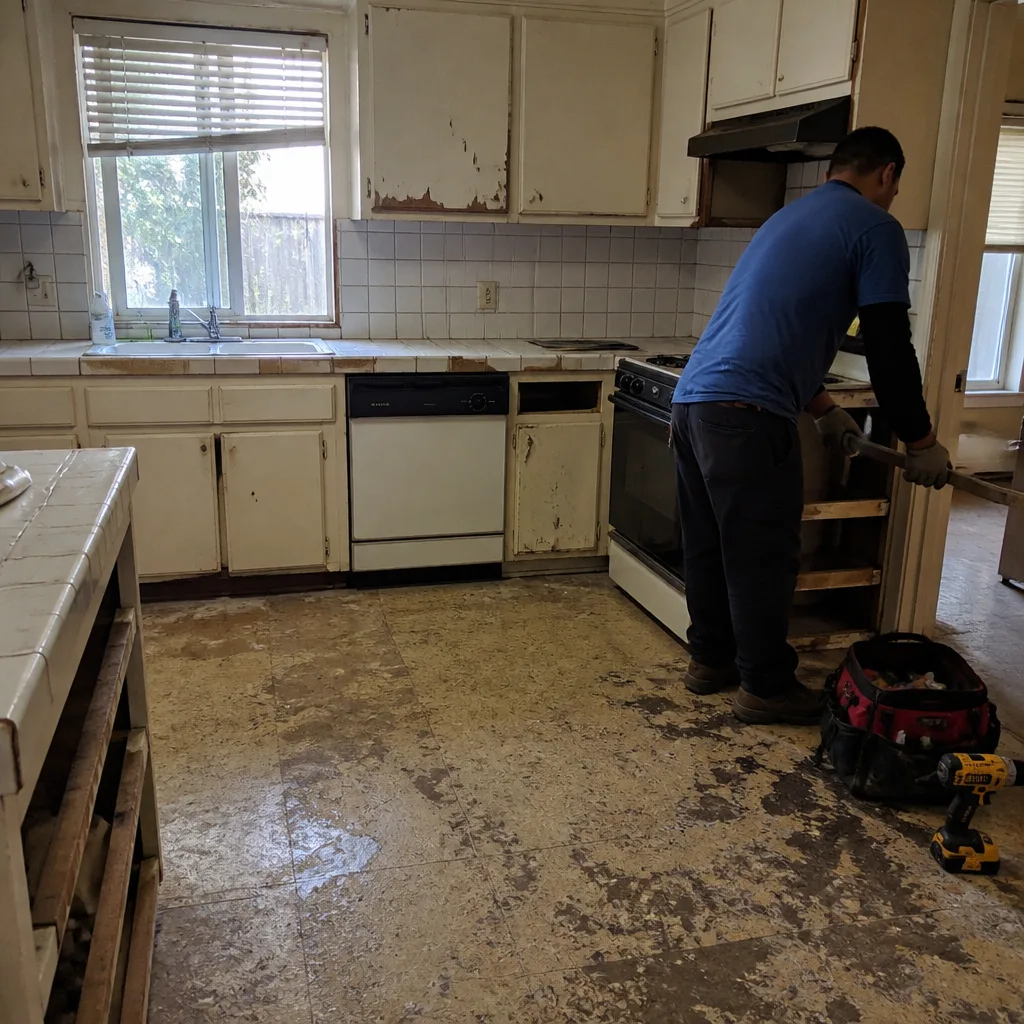 Before
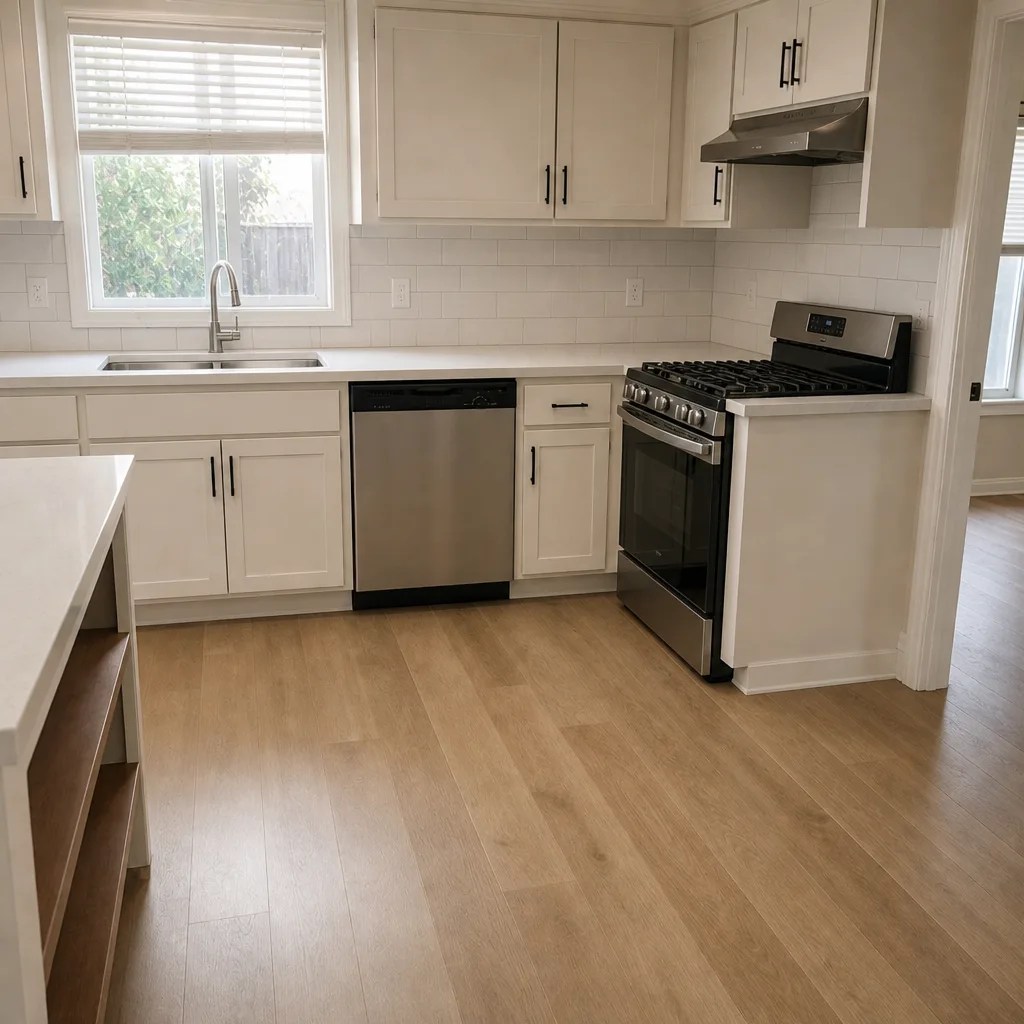 After
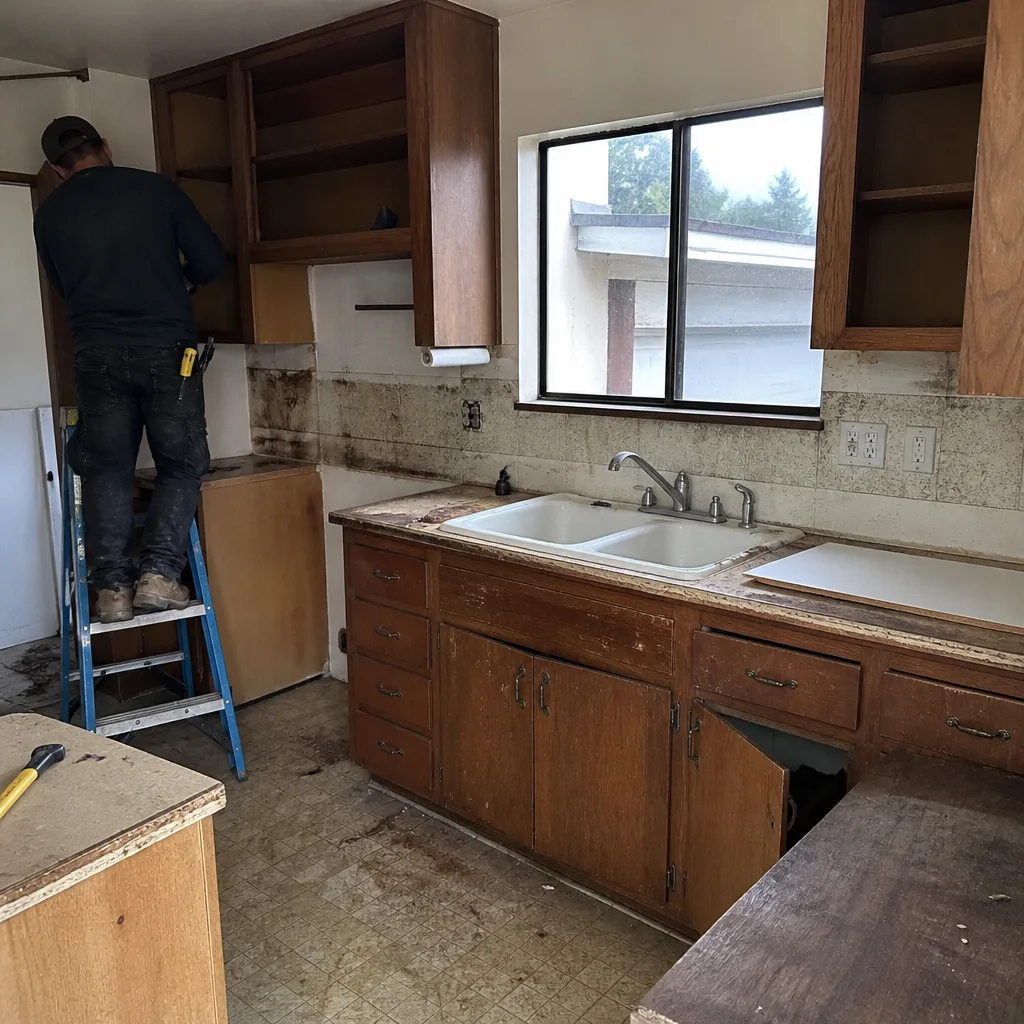 Before
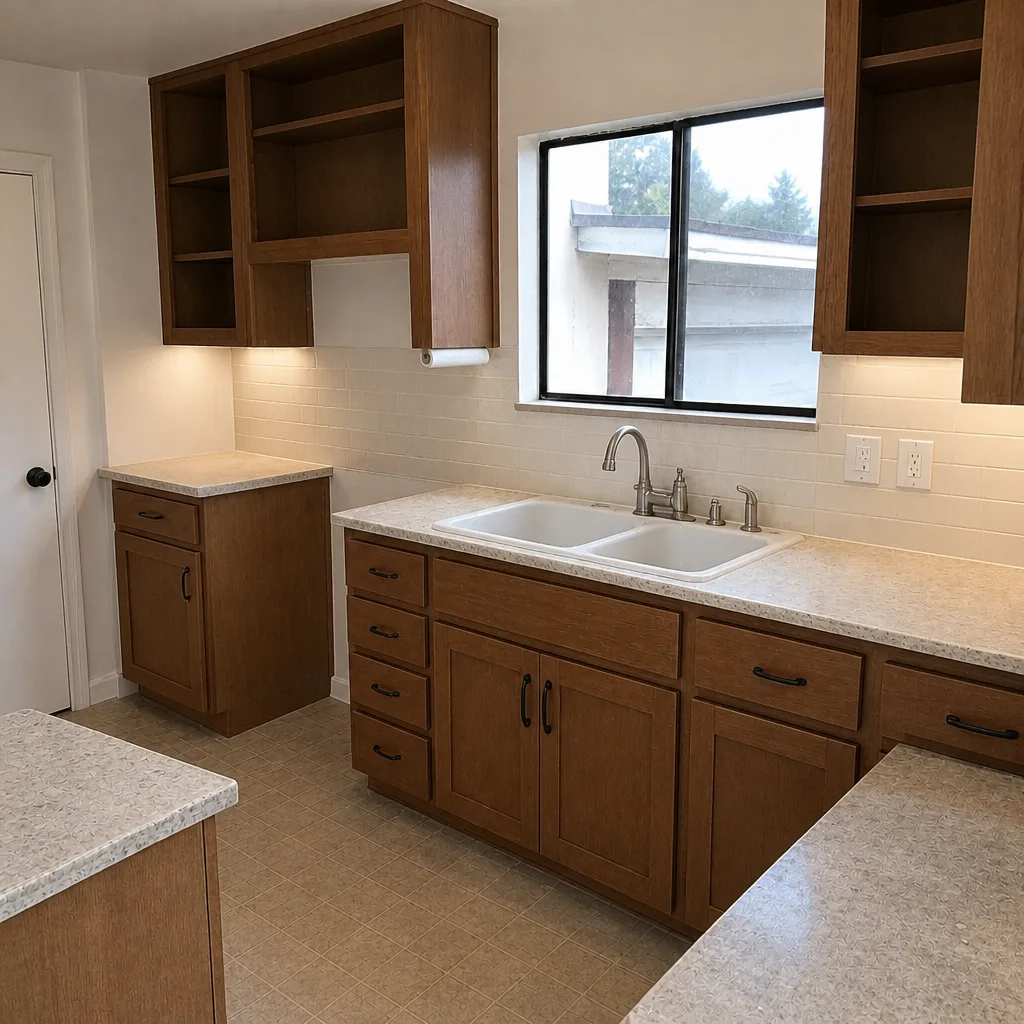 After
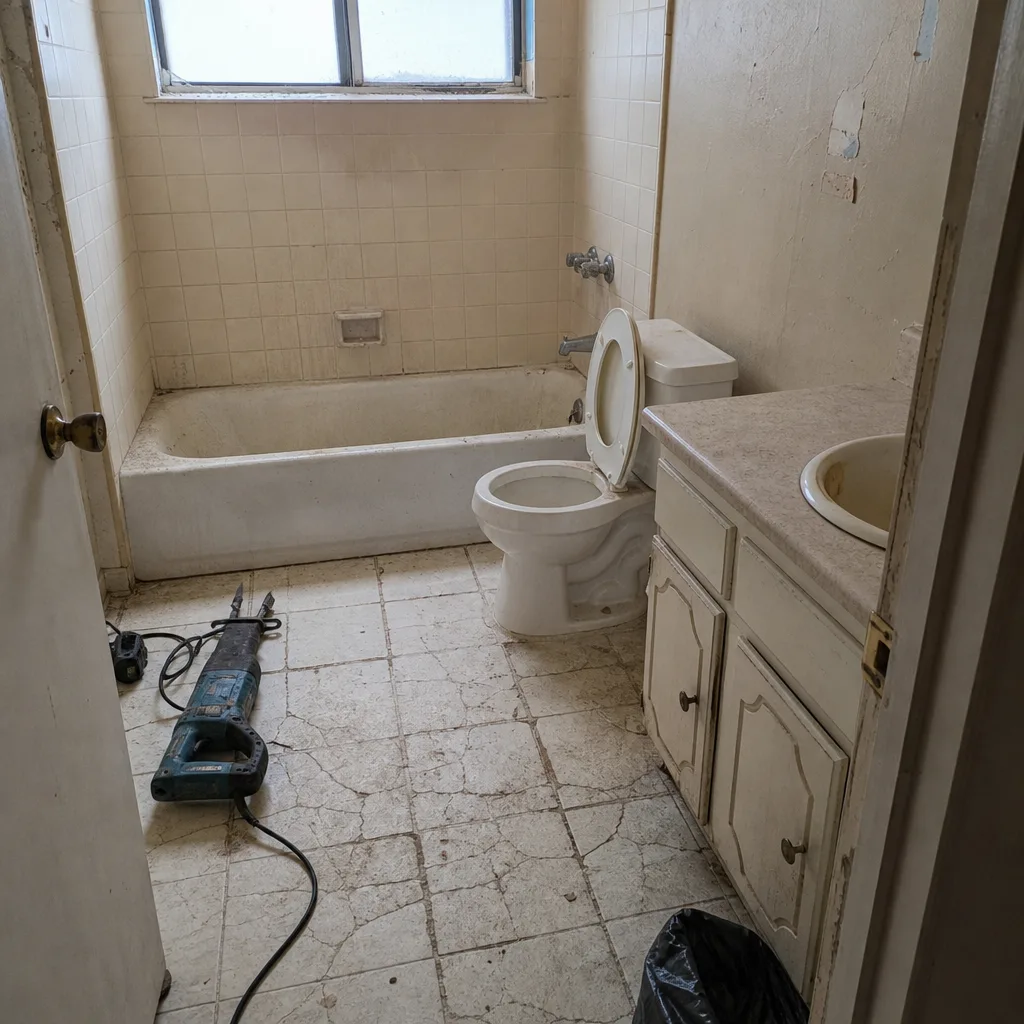 Before
 After
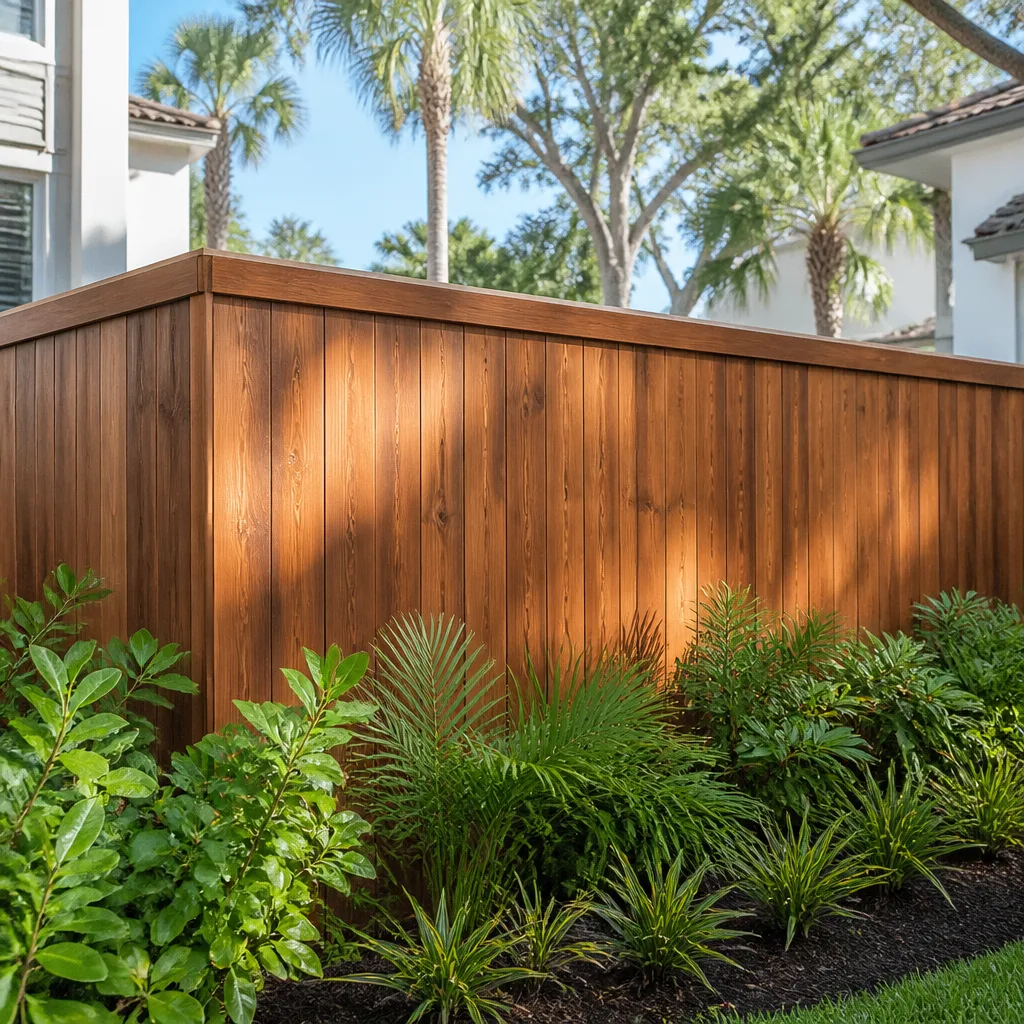
Vinyl vs Aluminum Fence in Lake Forest, CA: Which One Actually Survives the Heat?
Choose aluminum unless your HOA requires privacy screening and your lot sits flat and shaded. In Lake Forest’s inland climate, vinyl’s thermal expansion and aluminum’s wind permeability decide the job more than looks do, and the right answer starts with your slope and your architectural review packet, not a catalog page. Vinyl fence installation here runs $3,500-$9,000; aluminum fence installation runs $4,000-$10,000. Have questions about which path fits your lot? Call (855) 532-8973 for a free estimate.
Most comparison articles treat this as a style contest. It isn’t. In Lake Forest, the material has to survive 100°F+ afternoons, Santa Ana wind events on graded hillsides, and an HOA design committee that reads the CC&Rs line by line. That’s the real decision.
Why Lake Forest Heat Changes the Vinyl Math
PVC expands roughly 3/8 inch per 10-foot panel for every 50°F of temperature change. That number is published by manufacturers, but it gets ignored in most installs we see.
Now apply it to a real Lake Forest afternoon. On a south-facing run in Portola Hills or Foothill Ranch, panel surface temperatures push past 120°F by 2 p.m. Morning-to-afternoon swings of 40-50°F are routine in July and August. On a 100-foot fence line, that’s 3-4 inches of cumulative expansion that has to go somewhere.
Fail to allow for it – no thermal gap at the post channel, rails set tight in the morning – and you get bowed panels by August, cracked connector brackets by the next summer, and sections that pop out of the post channels entirely. We’ve seen this pattern repeatedly on vinyl runs installed in cool weather without expansion allowances. It’s not a materials defect. It’s an installation math problem.
Aluminum moves about a tenth as much thermally. On a Lake Forest lot, it stays dimensionally stable across the same 50°F swing, which is why we recommend it for any long, sun-exposed run.
Wind Load on Hillside Lots: Solid Vinyl Acts as a Sail
Portola Hills and the higher elevations of Foothill Ranch sit on graded slopes that catch Santa Ana winds. A solid vinyl panel is essentially a wall. Wind hits it, and the entire lateral load transfers to the posts.
Aluminum ornamental fencing is permeable. Wind passes through the pickets, so lateral loads on posts drop dramatically. On an exposed slope position, that difference shows up in post spacing, footing depth, and whether your posts stay plumb after the first Santa Ana event of the season.
What that means in practice on a Lake Forest hillside lot:
- Vinyl on an exposed slope: posts need deeper footings and tighter spacing than a flatland spec sheet calls for. That adds real cost to the line item.
- Aluminum on the same slope: standard post engineering usually holds, because the fence isn’t catching the wind like a billboard.
- Mixed approach: aluminum along the wind-exposed property line, vinyl in the sheltered backyard where privacy matters and the wind never loads it.
That mixed approach is more common than you’d expect in Lake Forest master-planned communities, and it’s usually the smartest money on a corner or hillside lot.
Start With the HOA Design Code, Not the Catalog
In Lake Forest, most fence projects begin with an architectural review committee, and the ARC guidelines often answer the material question before you get a vote.
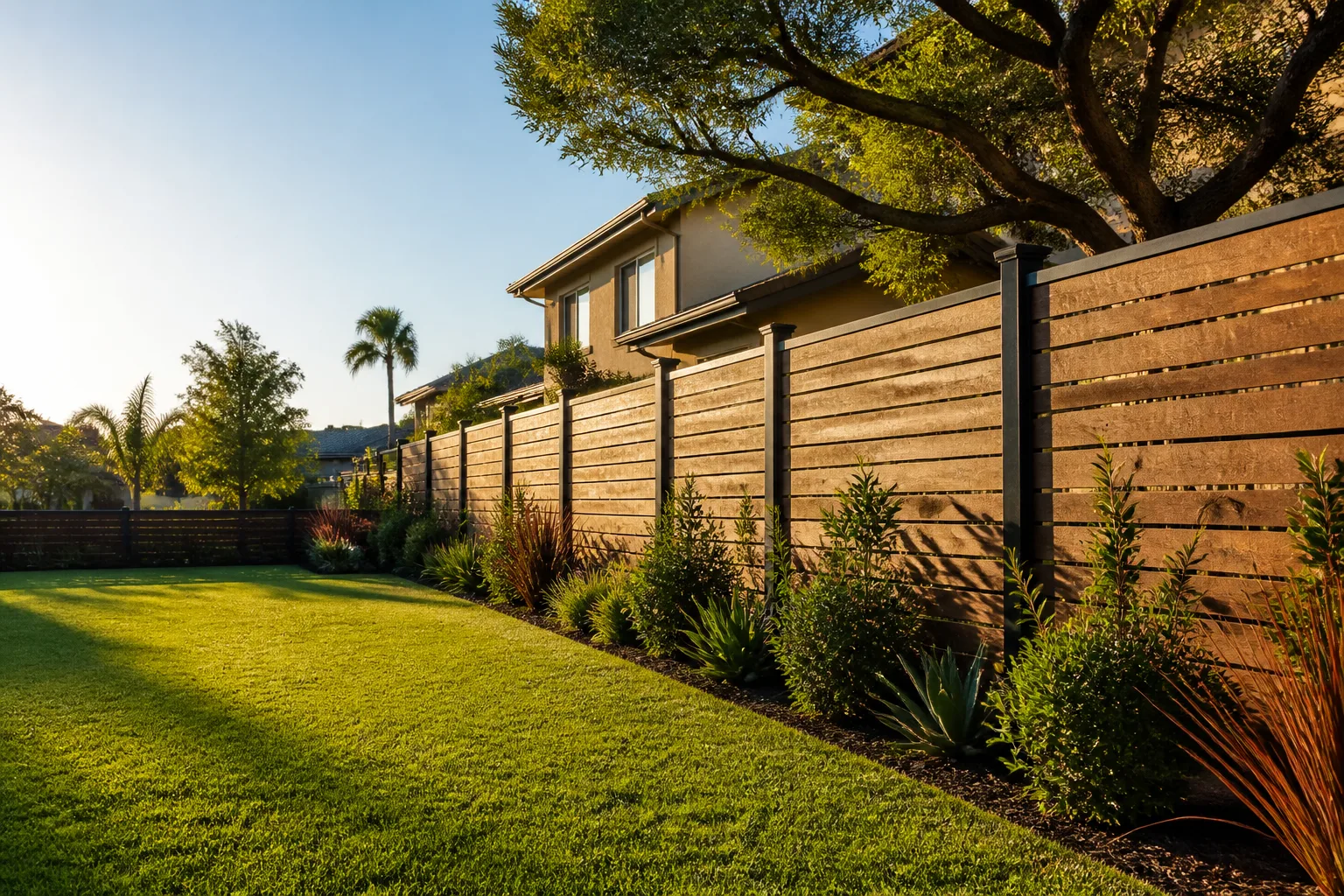
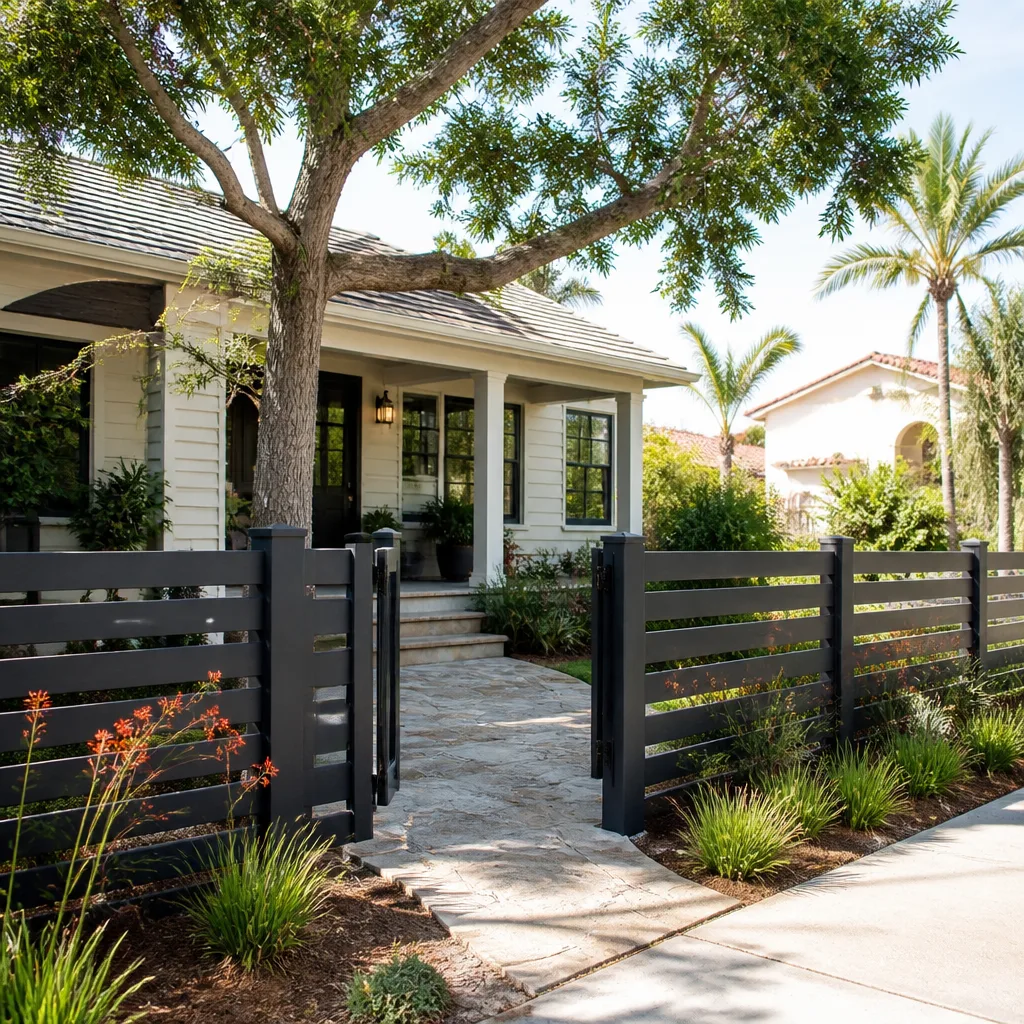
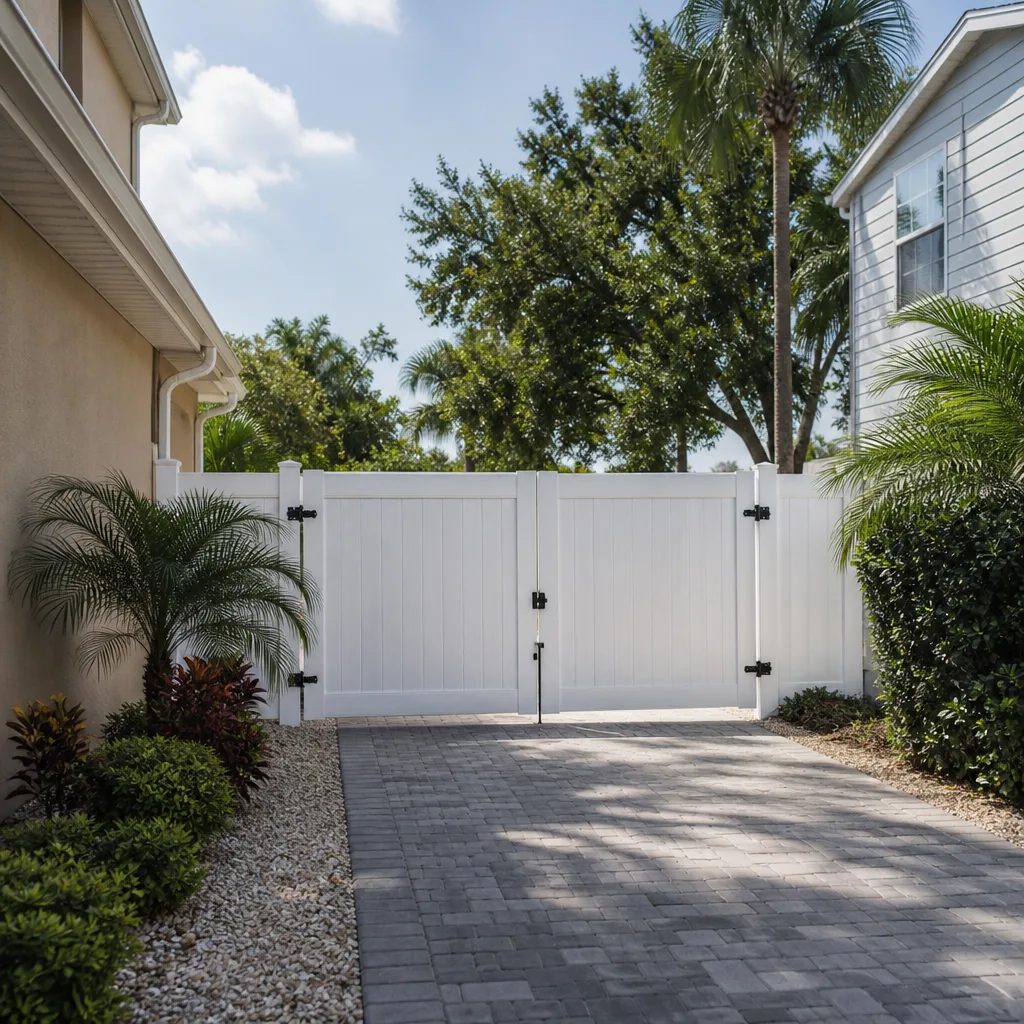
Aluminum ornamental fencing satisfies the design requirements in Lake Forest communities where the approved style is “decorative” or “open rail” – the front-yard, street-facing applications where an open look is the point. Vinyl is typically the specified material in communities where privacy screening is the approved use, usually along side and rear property lines.
Before you pick a material, pull the CC&Rs and the ARC submittal packet. The color, height, picket style, and post cap are often prescribed. Walking your plan through that review is part of what our Fence Installation process covers, and it’s why we ask for the guidelines on the first call, not after the material’s ordered.
Lifespan and Repair: The Long-Term Cost Difference
This is where the two materials diverge most on total cost of ownership.
A failed vinyl section usually can’t be patched. The material isn’t weldable in the field, and color-matched replacement means pulling the full panel – sometimes the full run between posts. One wind-damaged bay can cascade into a multi-panel replacement.
Aluminum repairs at the component level. A bent picket gets swapped. A damaged rail section gets replaced on its own. Over a 15-to-20-year horizon in a climate that stresses both materials, aluminum’s repair bills stay lower because you fix what broke, not the whole bay.
| Factor | Vinyl Fence | Aluminum Fence |
|---|---|---|
| Thermal movement (50°F swing) | ~3/8″ per 10-ft panel | Minimal |
| Wind load on exposed slope | High (solid sail) | Low (permeable) |
| HOA fit | Privacy screening zones | Decorative / open-rail zones |
| Repair scope | Full panel replacement | Picket or rail level |
| Typical installed cost (Lake Forest) | $3,500-$9,000 | $4,000-$10,000 |
What Each Material Actually Costs on Your Lot
National averages lie about Lake Forest, because thermal gap allowances and wind-load post engineering add real line items that vary by lot, slope, and exposure.
On a flat, shaded interior lot in a Lake Forest tract community, a vinyl privacy fence sits near the low end of the $3,500-$9,000 range. Put that same vinyl fence on a Portola Hills hillside run, and the deeper footings, tighter post spacing, and expansion detailing push it toward the top – sometimes past what aluminum would have cost on the same lot.
That’s why our written quotes itemize the material path per lot rather than quoting a per-foot number. Upfront pricing, no surprises: the number you see is the number you pay. A full aluminum run with premium pickets and powder-coated finish lands in the $4,000-$10,000 range, and we show you exactly where the money goes before you sign.
We also bring the same material discipline to fencing that we bring to the rest of the house – GAF and CertainTeed shingles on the roof, Sterling and Grohe fixtures indoors, and fence-grade steel and PVC outdoors. Built to last, backed in writing.
Every fence project is covered by the 730-Day Done Right Promise. If it’s not done right, we make it right – and that includes a bowed vinyl panel or a post that doesn’t hold plumb through a Santa Ana season. Most fence jobs are completed in a single visit, and our technicians are background-checked and arrive in uniform.
How We Handle a Lake Forest Fence Project
From first call to final walkthrough, the sequence looks like this:
- Pull your HOA’s ARC guidelines and CC&Rs, and confirm the approved material, color, and height.
- Walk the property line and note sun exposure, slope, and wind exposure on each run.
- Recommend material per run – not per fence. A wind-exposed line and a sheltered backyard may take different materials.
- Build the written quote with thermal allowances, footing specs, and post engineering itemized per line.
- Install, walk it with you, and back the workmanship for 730 days.
That’s how a comparison question turns into a written number. Most homeowners don’t need a sales pitch – they need to know whether their lot can carry vinyl. Our technicians have up to 12 years of experience reading exactly that. For the full scope of what we install, see our main Fence Installation in Lake Forest page, and to see how fencing fits into a broader home project, start from our home page.
FAQs
Vinyl fence installation in Lake Forest runs $3,500-$9,000, and aluminum fence installation runs $4,000-$10,000. The overlap is real: on a wind-exposed or hillside lot, vinyl’s deeper footings and tighter post spacing can push it to the top of the range, sometimes above aluminum. Call (855) 532-8973 for an itemized quote on your specific lot – the estimate is free.
Yes, when it’s installed without thermal expansion allowances. PVC moves roughly 3/8 inch per 10-foot panel for every 50°F of temperature change, and Lake Forest’s summer afternoons swing 40-50°F from morning. On a 100-foot run that’s 3-4 inches of cumulative movement – enough to bow panels and crack connectors if it has nowhere to go. Installation detailing, not the material itself, decides whether vinyl holds. Call us to assess whether your run can carry it.
Yes, and on Lake Forest hillside lots it often should be. Aluminum on the Santa Ana wind-exposed property line and vinyl in the sheltered backyard gives you privacy where you need it and wind tolerance where the load actually is. Your HOA may require this split anyway, since ARC guidelines frequently specify decorative fencing along street-facing lines and privacy screening along side and rear lines. Call (855) 532-8973 and we’ll walk your lot with the guidelines in hand.
Aluminum is cheaper to repair, because it fixes at the picket or rail level. Vinyl typically can’t be patched or welded in the field, so a failed section means replacing the full panel – sometimes the full run between posts. Over 15-20 years in Lake Forest’s wind and heat, that repair gap usually outweighs aluminum’s slightly higher upfront cost. Call for a no-pressure assessment before the next Santa Ana season.
Get a Real Number for Your Lake Forest Lot
If you’d rather have it looked at, Groundwork Construction Co. of Lake Forest offers a no-pressure assessment in Lake Forest – call (855) 532-8973. We’ll bring your HOA guidelines, read your slope and sun exposure, and hand you an itemized quote per fence run. Calls are answered live, 24/7. Financing at 0% for 18 months and $1,000 off projects over $10,000 are available.
Written by the team at Groundwork Construction Co. of Lake Forest, serving Lake Forest, CA.