



Free written scope consultation - allowances, timeline, and change-order rules on paper before a single trade is scheduled
Styles & brands we work with
- Kitchen remodeling
- Bathroom remodeling
- Home additions & ADU
- Roofing
- Windows & doors
- Driveway & pavers
- Fence
See the difference
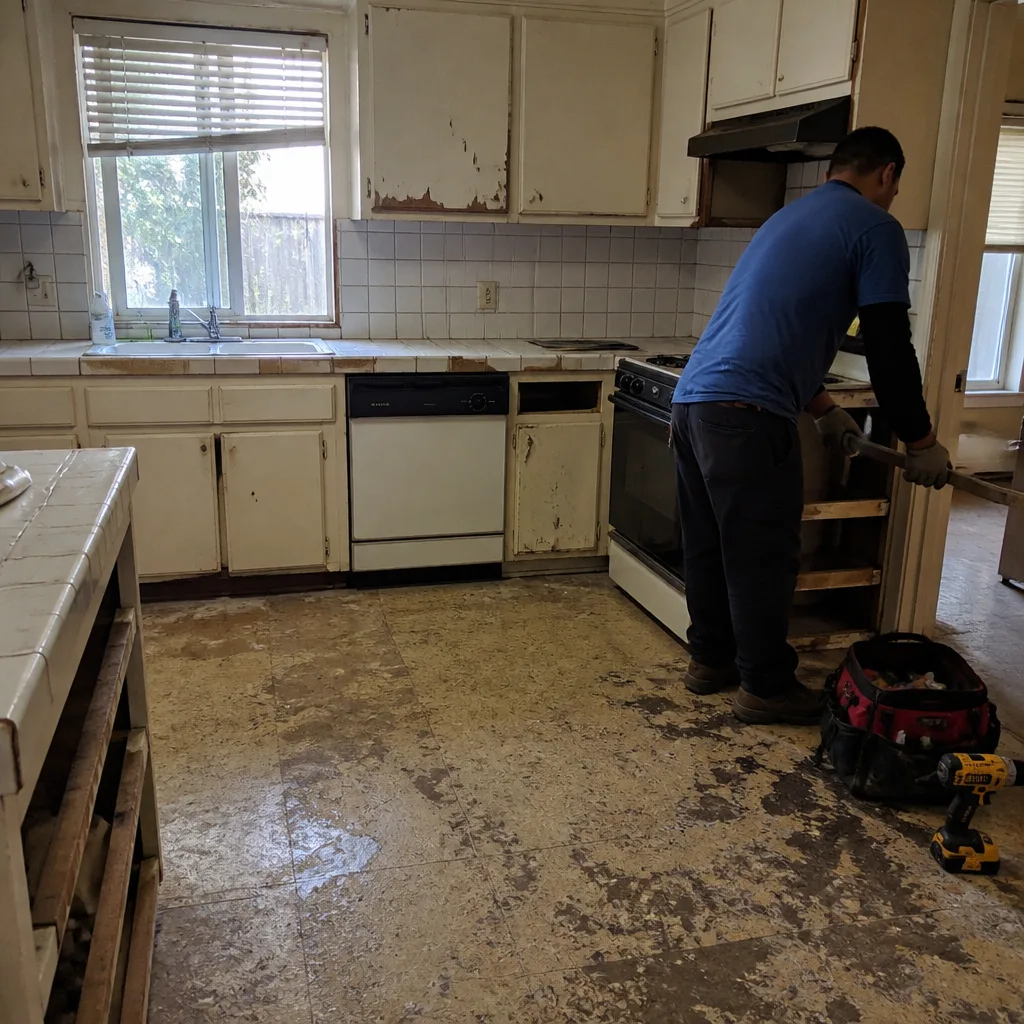 Before
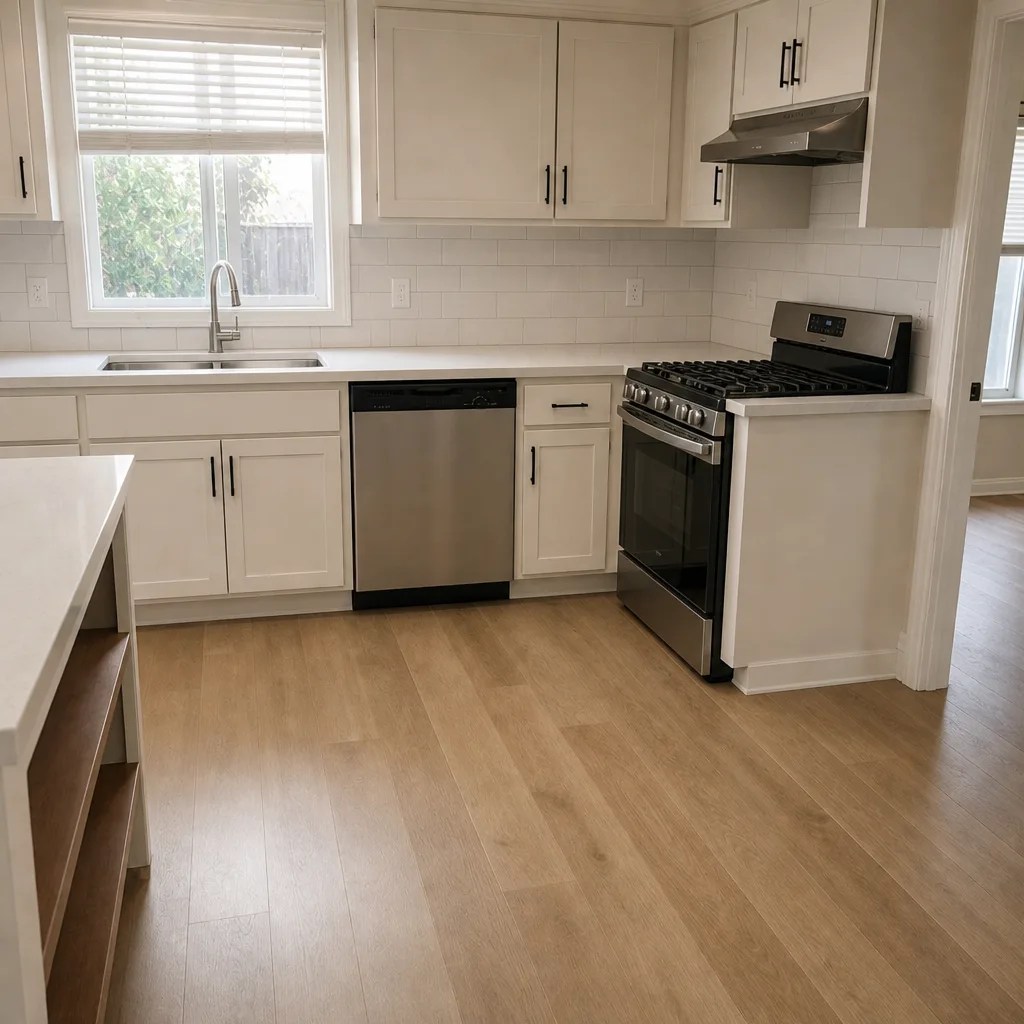 After
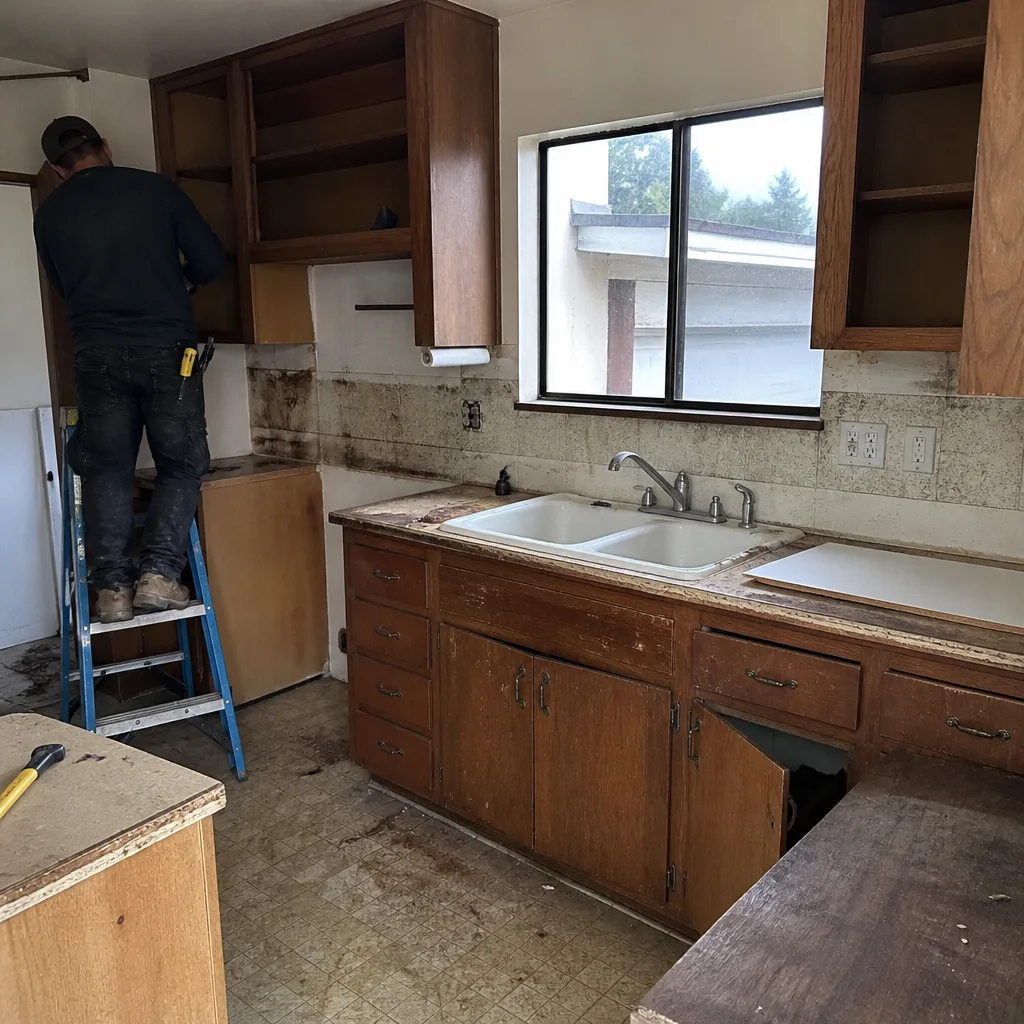 Before
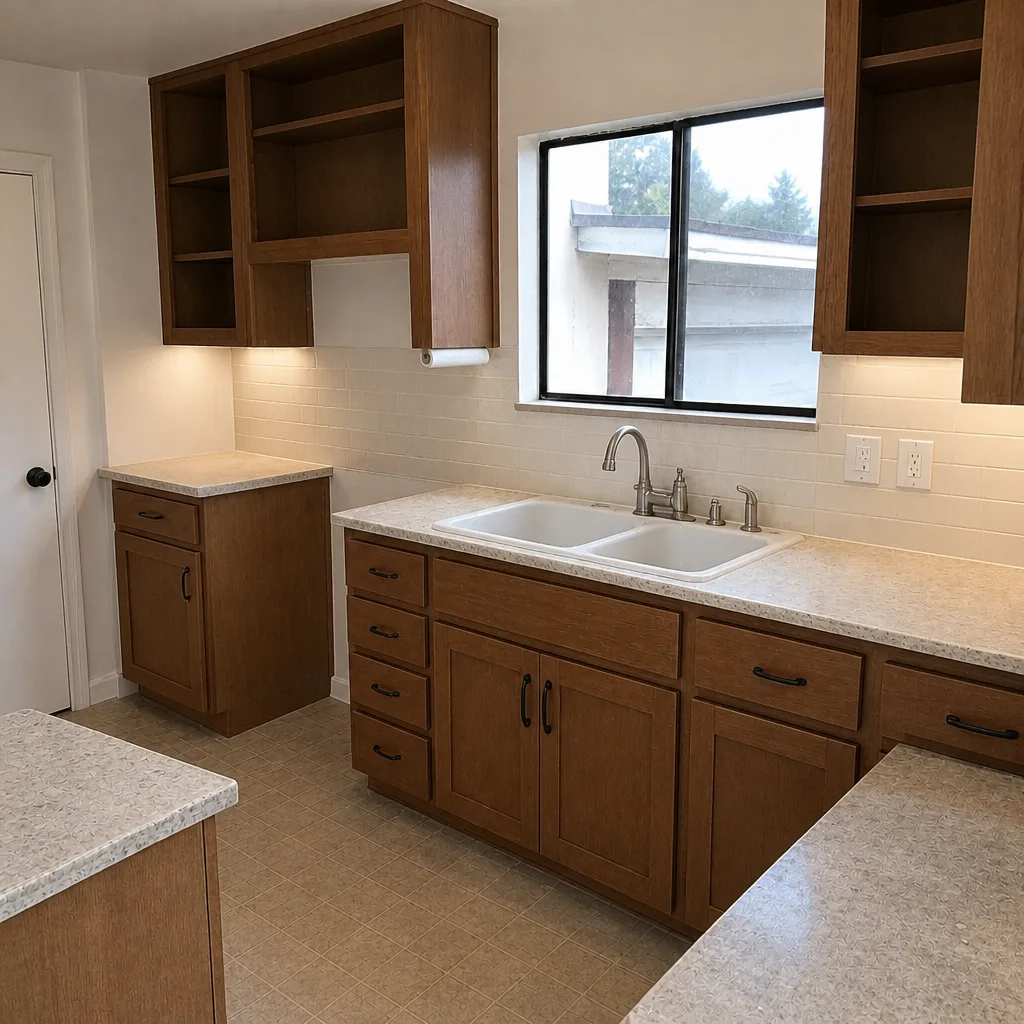 After
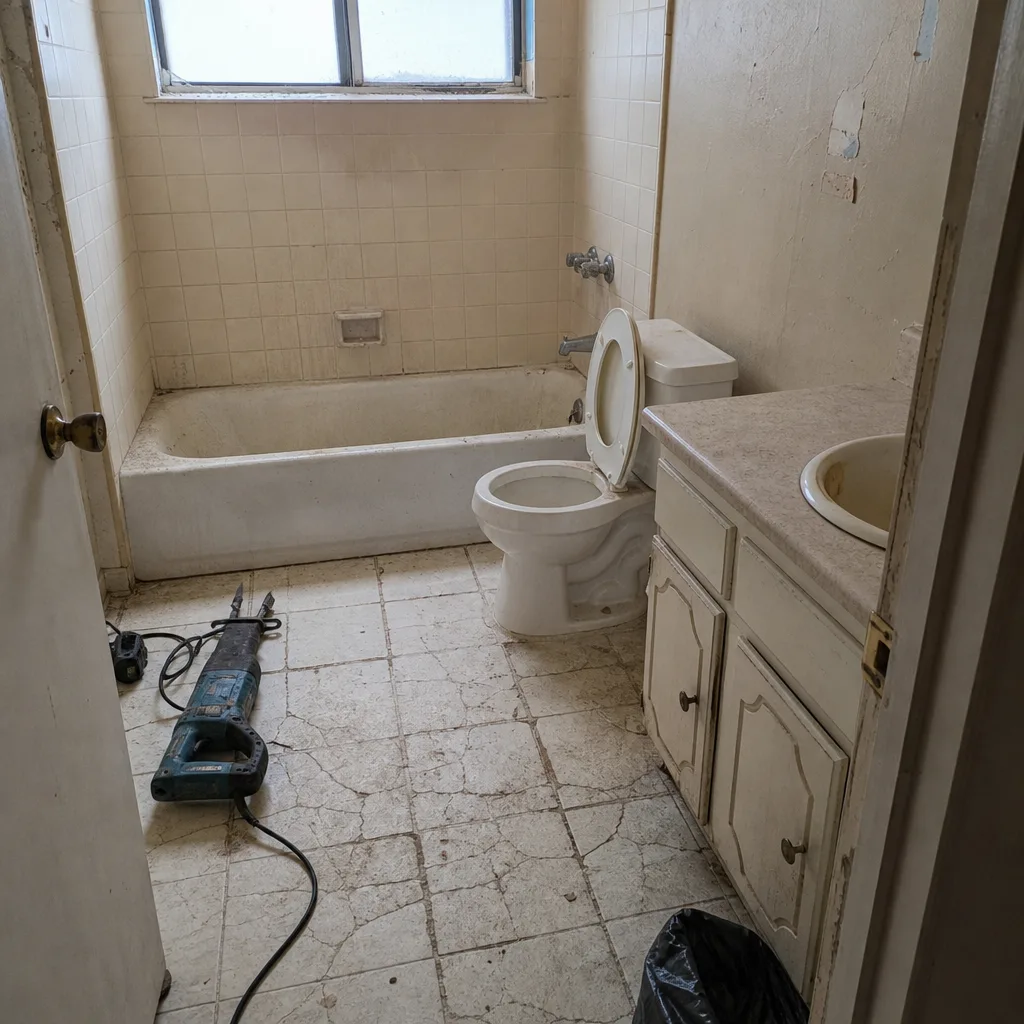 Before
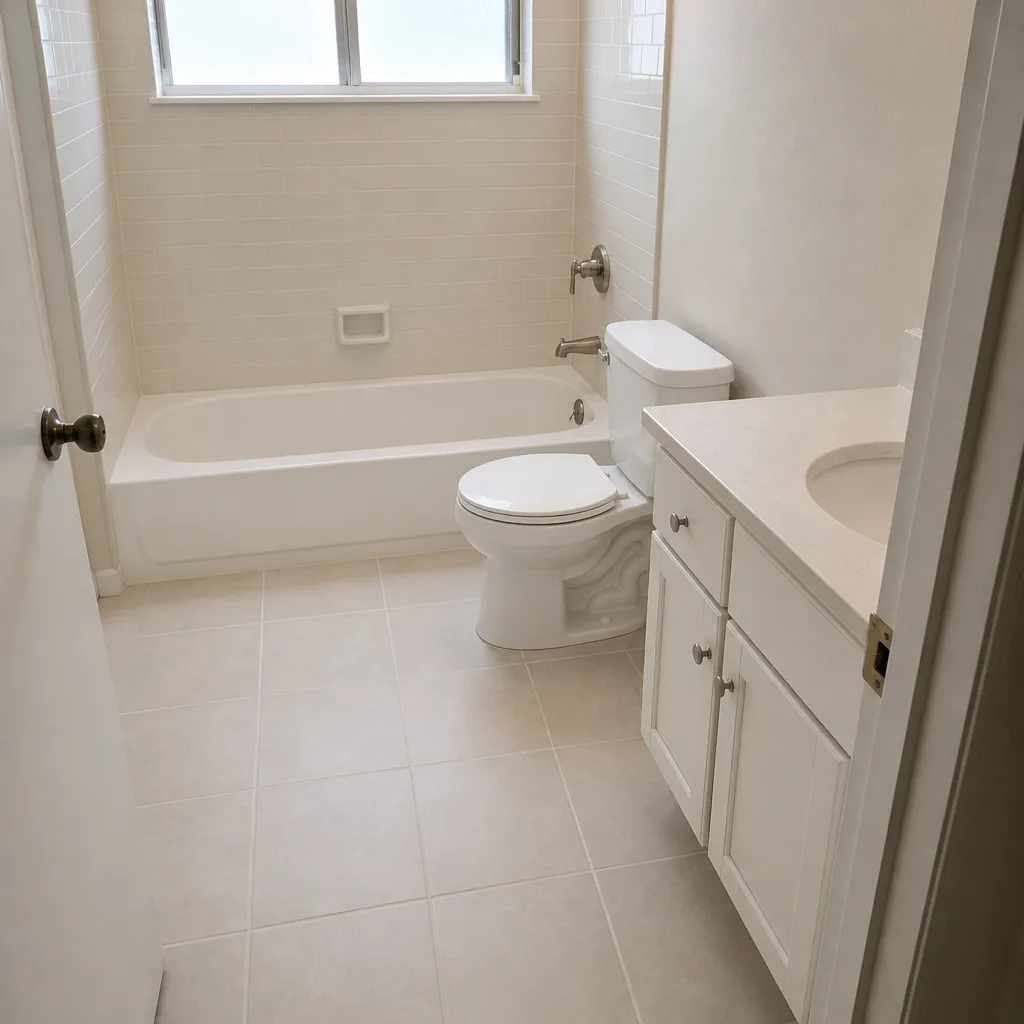 After
What Causes Roof Leaks in Lake Forest, CA: The Two Installation Decisions Behind Most of Them
Most active roof leaks in Lake Forest trace back to two things: rubber pipe boot flashings that dried out years ago and galvanized valley metal that has rusted through. Both were installed when most Lake Forest tracts were built, and both had a service life that ended before the roof did. If you’re seeing a ceiling stain in a 1983, 1991, or 1996-era home here, those are the first places to look. It’s rarely the shingle itself.
We’re Groundwork Construction Co. of Lake Forest, and roof repair is one of our core trades. When you want a straight answer about a leak, call (855) 532-8973. A live person picks up, day or night, and the assessment is free.
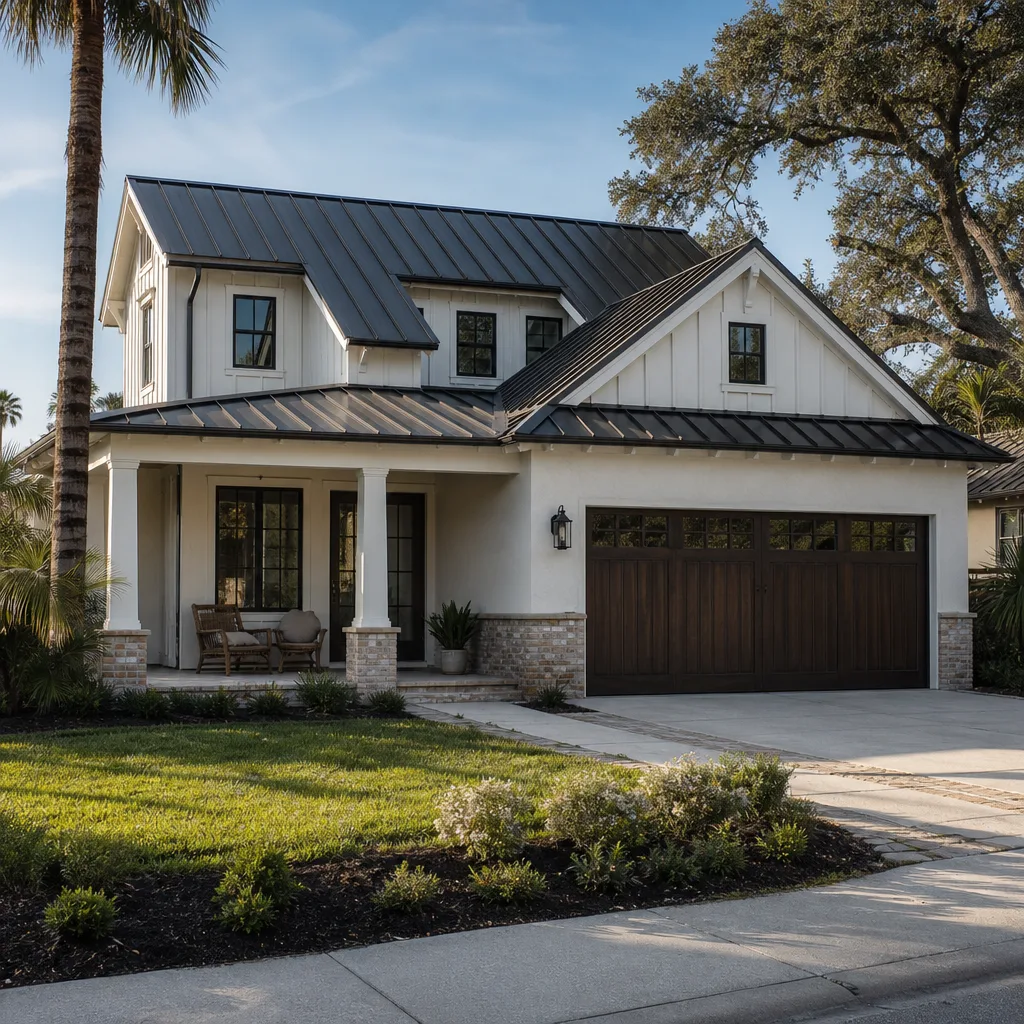
Why Lake Forest’s Climate Is Deceptive About Roof Leaks
The dry inland air here hides roof trouble until it’s expensive. Low average humidity means the plywood decking under your roof doesn’t slowly rot and give you a warning. It stays dry and brittle for years, then the first real water intrusion hits it and the wood swells fast. That rapid swell cracks drywall ceilings from the inside out, and a small valley leak that would show up gradually in a wetter climate can turn into a sagging ceiling in a single storm season.
Lake Forest gets concentrated winter rain, not steady drizzle. Weeks of dry, then a system drops an inch in a day. That’s the pattern that finds every weak seal on the roof at once. Add periodic Santa Ana winds and you have a climate that punishes deferred maintenance without ever announcing it. Our technicians have up to 12 years of experience reading those patterns, and the top failure they find in Lake Forest homes is almost always one of the five below.
What Causes Roof Leaks in Lake Forest? The Top Five Causes, Ranked by What We Actually Find
Rank matters here. Generic articles lead with cracked shingles or missing granules. In Lake Forest’s aging tract homes, that’s not where the water usually gets in. Based on what we find on local roofs, here’s the order:
- Deteriorated rubber pipe boot flashings. The rubber collar around plumbing vents, and the sealant used to set it, were rated for roughly 20 years. On a roof installed in the 1980s or 1990s, that life is long gone. It’s the number one leak source we find in Lake Forest, hands down.
- Corroded galvanized valley metal. The valleys where two roof planes meet were commonly flashed with galvanized steel back then. It rusts through from the underside, and the rust isn’t visible until it has already breached.
- Failed step flashing at the stucco-to-roof transition. Where a stucco wall meets a roof slope, small galvanized step flashings should tuck behind the stucco and under the shingles. When they pull loose or corrode, water tracks behind the wall assembly and shows up indoors, far from the actual gap.
- Cracked ridge cap mortar on tile roofs. Cracked mortar along the ridge lets wind-driven rain in on the tile roofs common to parts of Lake Forest. Small cracks widen each dry summer, then leak in the first real winter rain.
- Clogged drainage valleys that pond water. When debris blocks the valley during a concentrated storm, water ponds instead of running off. Ponding finds every tiny gap in the material above it.
There’s also one cause that slips past every generic list: hillside wind. In Portola Hills, the graded slopes and Santa Ana wind events create negative pressure that pulls at ridge and hip lines. Over years, that pressure works fasteners loose and lifts roofing materials. It’s a wind-driven failure mode you won’t see in flatland tracts, and it’s why wind uplift fasteners are more critical on those hillside homes. If you’re on a slope, it’s worth having a pro take a careful look rather than guessing from the ground.
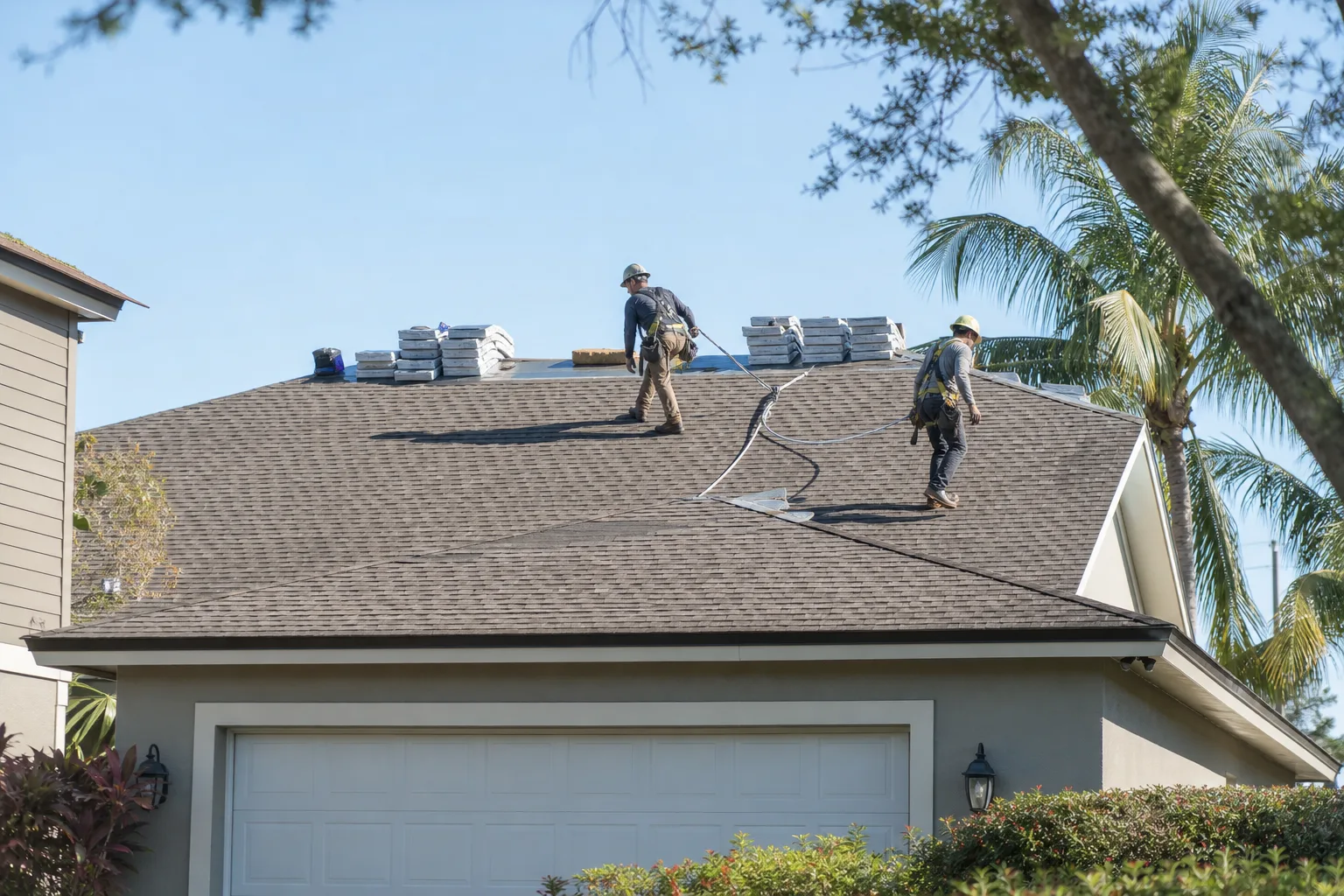
The Difference Between Installer Failures and Material Failures
Two roofs can carry the same shingles and perform completely differently. When you’re deciding whether to repair or replace, the material isn’t the whole story. Installation is. Those leaking pipe boots and gummed-up valley metal from the 1980s and 90s were standard practice at the time, not cheap shortcuts, and today’s installers know better. That’s why it matters who’s on the roof.
Here’s the split:
- Installer-caused: flashings set short, fasteners overdriven or underdriven, valley metal sized too small, sealant used where proper flashing should have been, and step flashing that was never tucked correctly behind the stucco. All of these can be prevented with correct technique to manufacturer specs.
- Material-caused: a shingle batch that fails early, a boot that cracked before its rated life, or rust that appeared prematurely on substandard metal. Rarer than people assume, but it happens.
The preventive measure for the installer side is a verified crew that installs to manufacturer specs the first time. Our technicians are background-checked and arrive in uniform, and we install roofing systems from GAF and Owens Corning so the materials and the workmanship answer to the same standard. This is where the trade overlaps with the rest of what we do: a leak often starts at a wall, a chimney, or a transition the way a bad window or a poorly set door lets water in at its opening. Same discipline, same standard, whether it’s the Roofing side of the job or anywhere else on the house.
Lake Forest is a master-planned city where most of this work happens inside HOAs, so the roof on a hillside lot in Foothill Ranch or a tract home near Lake Forest Keys has to satisfy architectural review as well as the weather. That’s part of why so much work here is renovation and repair on aging homes rather than new builds, and why getting the flashing details right on a re-roof counts.
What Leak Diagnosis and Repair Actually Cost in Lake Forest
Diagnosis before price is the honest order. Roof repair in Lake Forest generally runs $400 to $1,800, depending on what’s failed and how far the water traveled. A new roof, when repair stops making sense, lands between $8,000 and $20,000. We quote upfront, and the number you see is the number you pay. Here’s the lineup:
| Service | Typical Lake Forest Range |
|---|---|
| Roof repair (all causes) | $400 - $1,800 |
| Tile roof repair | $600 - $2,500 |
| Roof replacement | $8,000 - $20,000 |
| Metal roof installation | $15,000 - $40,000 |
The range is wide because a single pipe boot is a small job and a valley rebuild is a bigger one. Once we’re up there, we can tell you which it is. Thinking about a bigger change? This is also the point where a roof often meets the rest of the home’s construction list, whether that’s a home addition that needs its tie-in flashed correctly or an ADU going up beside the house.
How to Tell If You Have a Leak Before It Shows Upstairs
You usually can’t see the leak that matters until it has already done damage. Instead of climbing up to test the seal on flashings, check these from the ground and inside the attic:
- Brown rings or streaks on ceilings or upper walls, especially near plumbing walls and chimneys.
- Lifted or rusted flange on any vent pipe boot, visible from the ground with binoculars.
- Daylight showing through the roof decking or dark staining on the inside of plywood.
- A musty smell in a hallway, closet, or upstairs room that comes back after each storm.
- Loose ridge tiles or missing granules on the slope facing the wind.
If any of those check out, a trained eye should confirm it. Get on a roof or in a tight attic and you’re doing the work that a properly equipped pro handles safely, so the call is worth it. If you’d like it handled as part of a broader project, our Lake Forest service area page shows the surrounding neighborhoods we cover.
FAQs About Roof Leaks in Lake Forest
Deteriorated rubber pipe boot flashings and corroded galvanized valley metal cause most Lake Forest leaks, especially on roofs installed in the 1980s and 90s. Both had a 20-year service life that has come and gone while the roof above them stayed put. Step flashing at stucco walls, cracked tile ridge mortar, and clogged valleys round out the list.
Low humidity keeps the wood decking dry and brittle with no slow-rot warning, so the first real water intrusion hits wood that swells fast and damages ceilings quickly. In humid climates the wood absorbs moisture gradually and gives you time to notice. Here the storm finds the gap and the damage shows up all at once. Call (855) 532-8973 if you see a ceiling ring after a rain.
Repair usually makes sense when the leak comes from one or two flashings and the roof still has half its life left. Replacement becomes the smarter buy when valleys are rusted through across multiple runs or the decking is compromised in more than one area. A repair in Lake Forest runs $400-$1,800; a full replacement runs $8,000-$20,000, so the diagnosis matters for the math.
Yes. A live person answers our phone around the clock at (855) 532-8973, so you can reach a real human tonight or over a weekend, not a voicemail. Estimates are free and pricing is upfront.
A New Roof Backed in Writing
When we install a new roof, the 730-Day Done Right Promise applies to the workmanship directly. If a Groundwork roof develops a leak from anything we did within two years, we fix it. No negotiation, no finger-pointing at the homeowner. That long of a workmanship guarantee is one of the longest in the residential construction space, and it’s how a correct installation should be backed by the installer who did it.
If you’d rather have it looked at, Groundwork Construction Co. of Lake Forest offers a no-pressure assessment in Lake Forest. Call (855) 532-8973 for a free estimate and upfront pricing on the fix. From foundation to finish line, one call gets the roof handled.
Written by the team at Groundwork Construction Co. of Lake Forest, serving Lake Forest, CA.