
Free written scope consultation - allowances, timeline, and change-order rules on paper before a single trade is scheduled
Styles & brands we work with
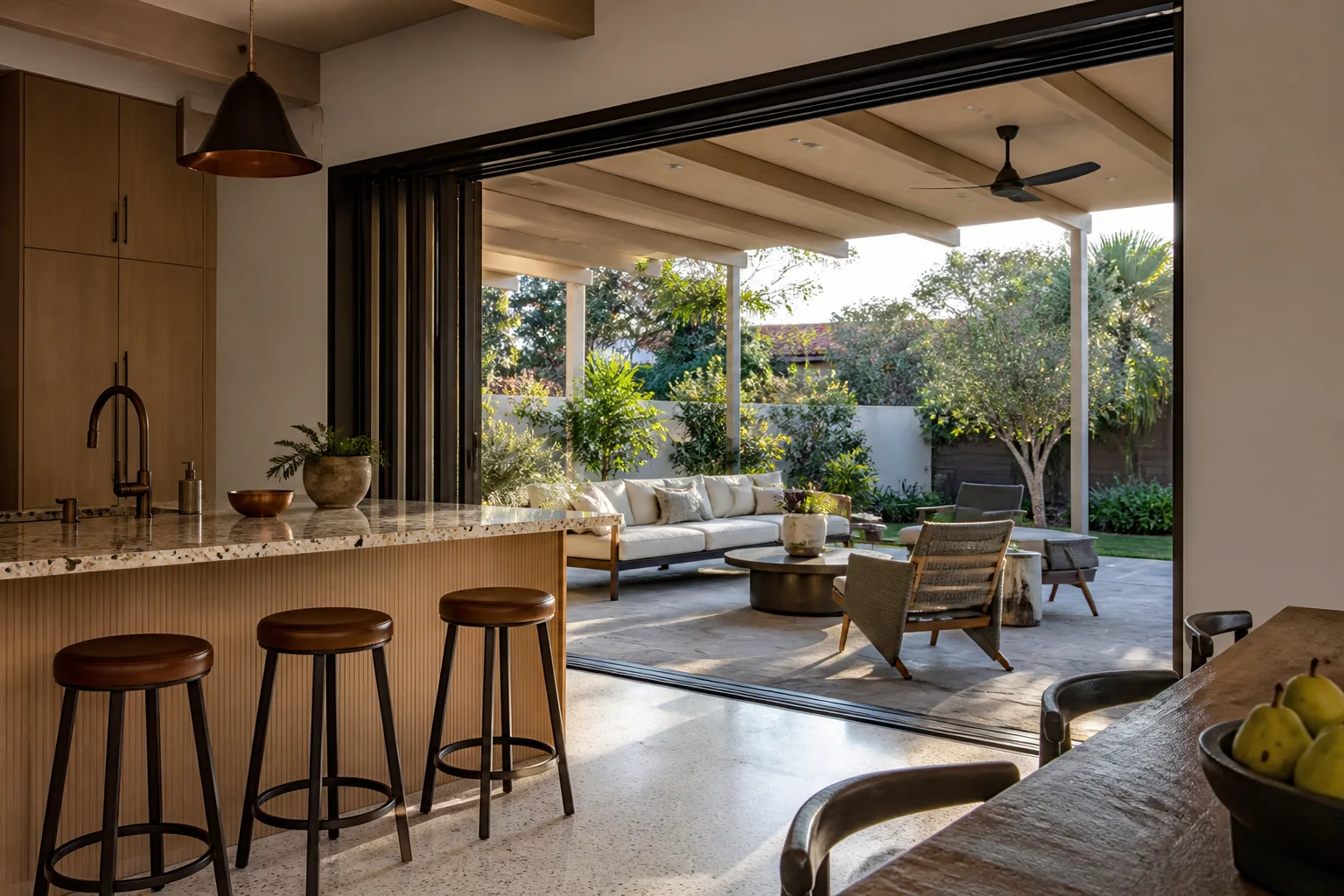
- Kitchen remodeling
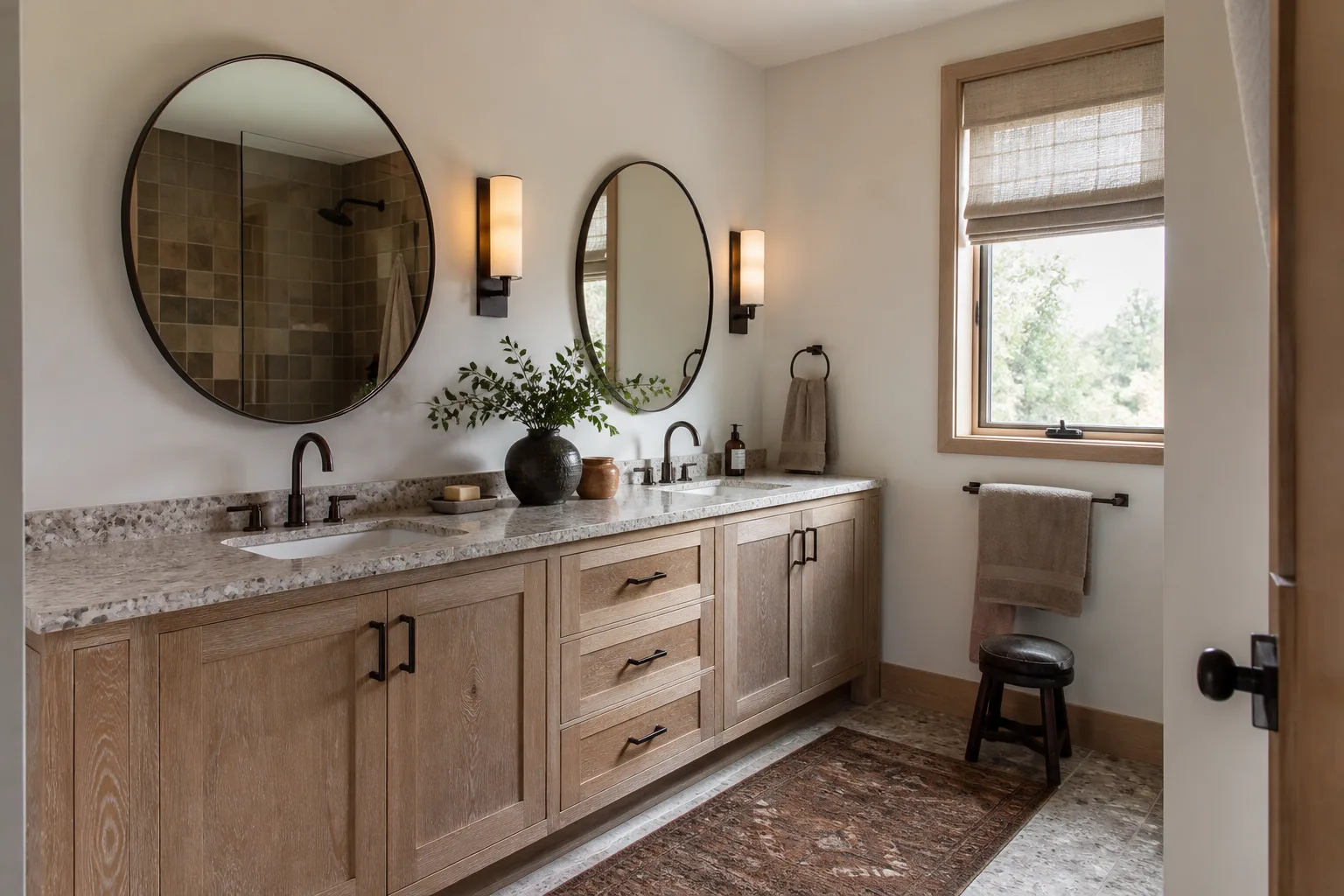
- Bathroom remodeling
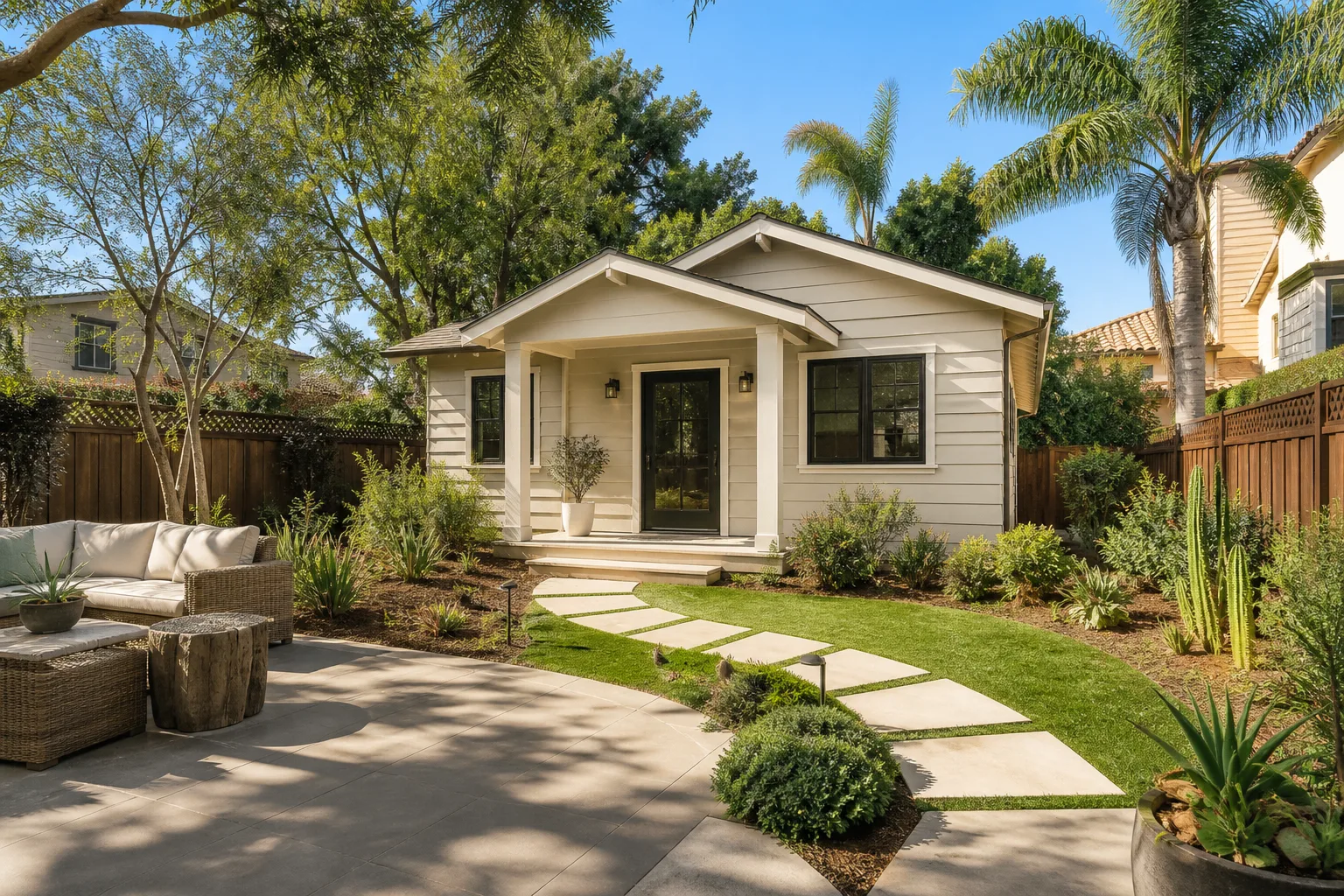
- Home additions & ADU
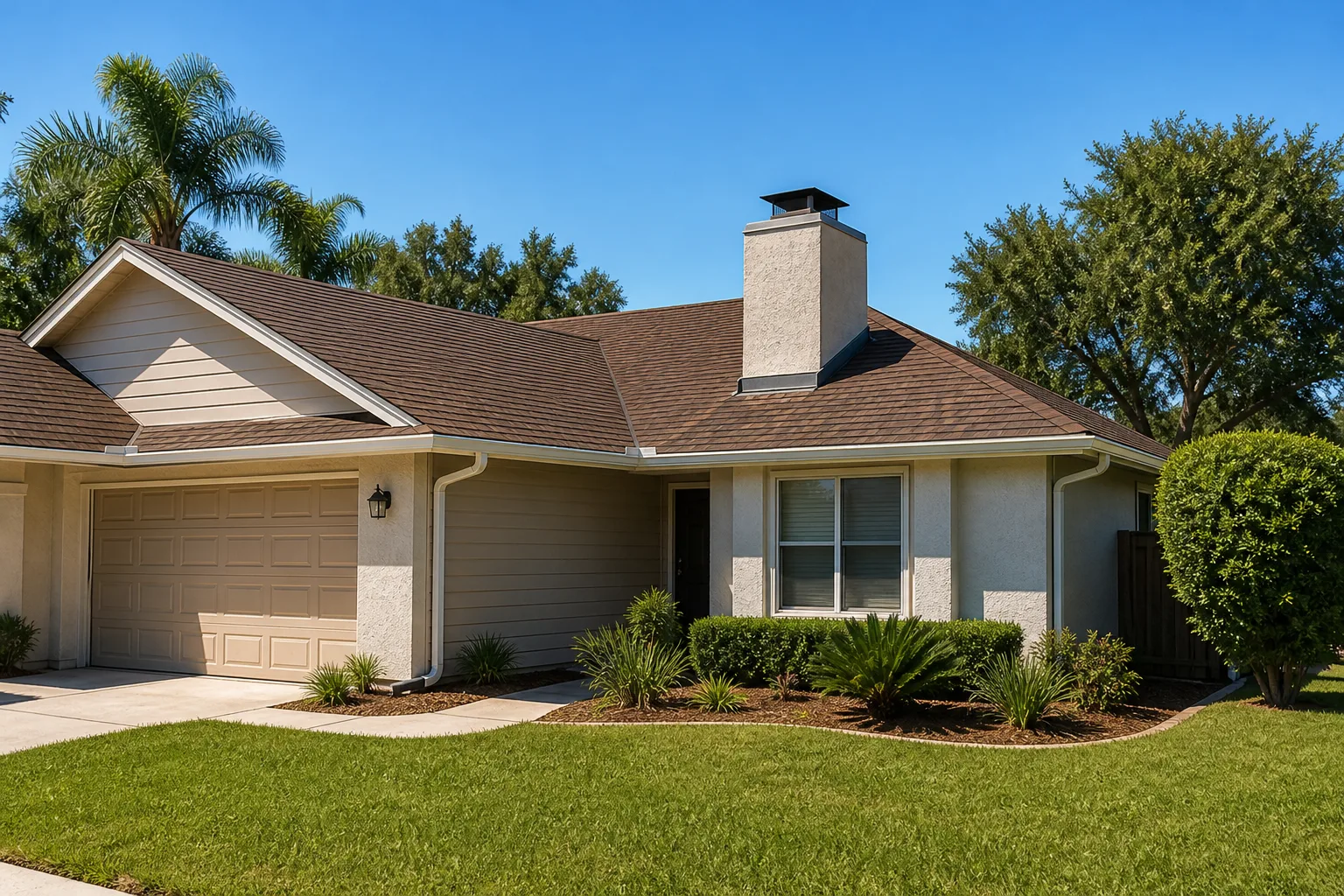
- Roofing
- Windows & doors
- Driveway & pavers
- Fence
See the difference
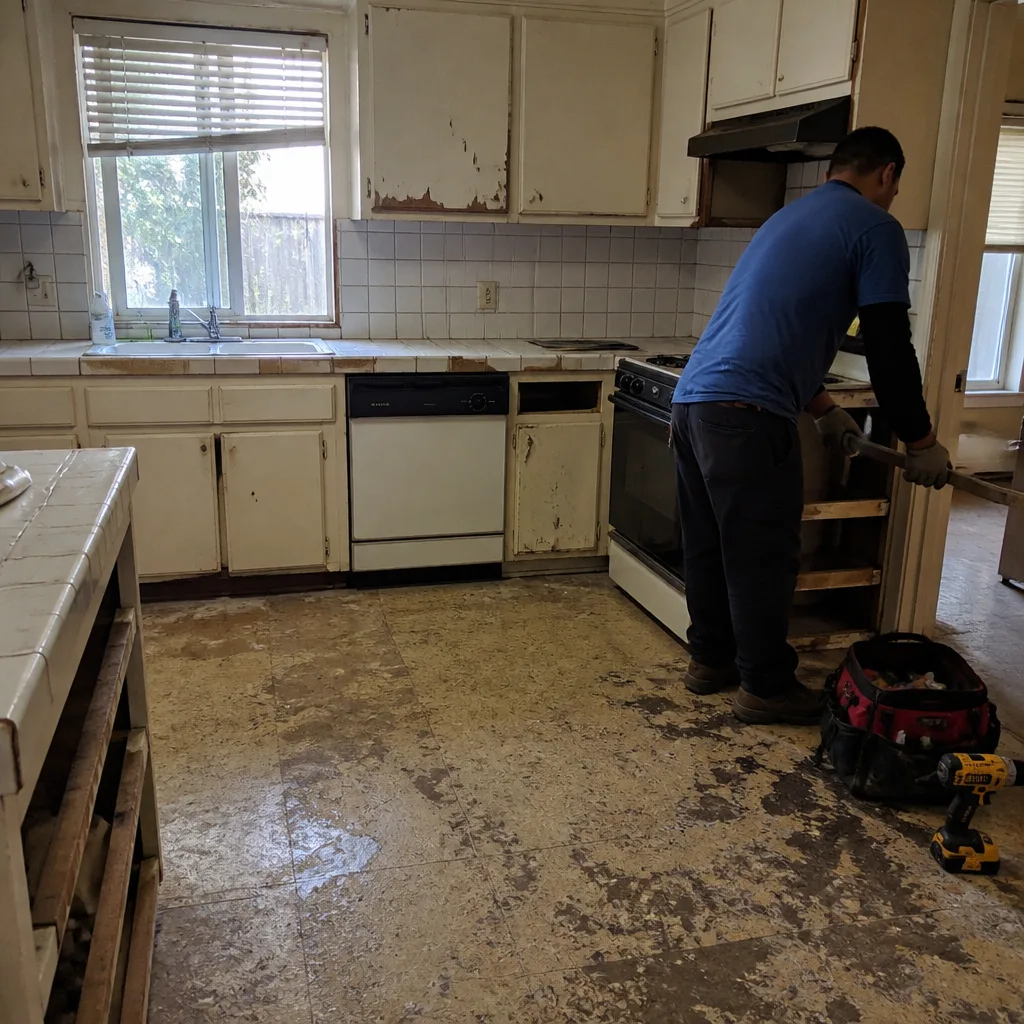 Before
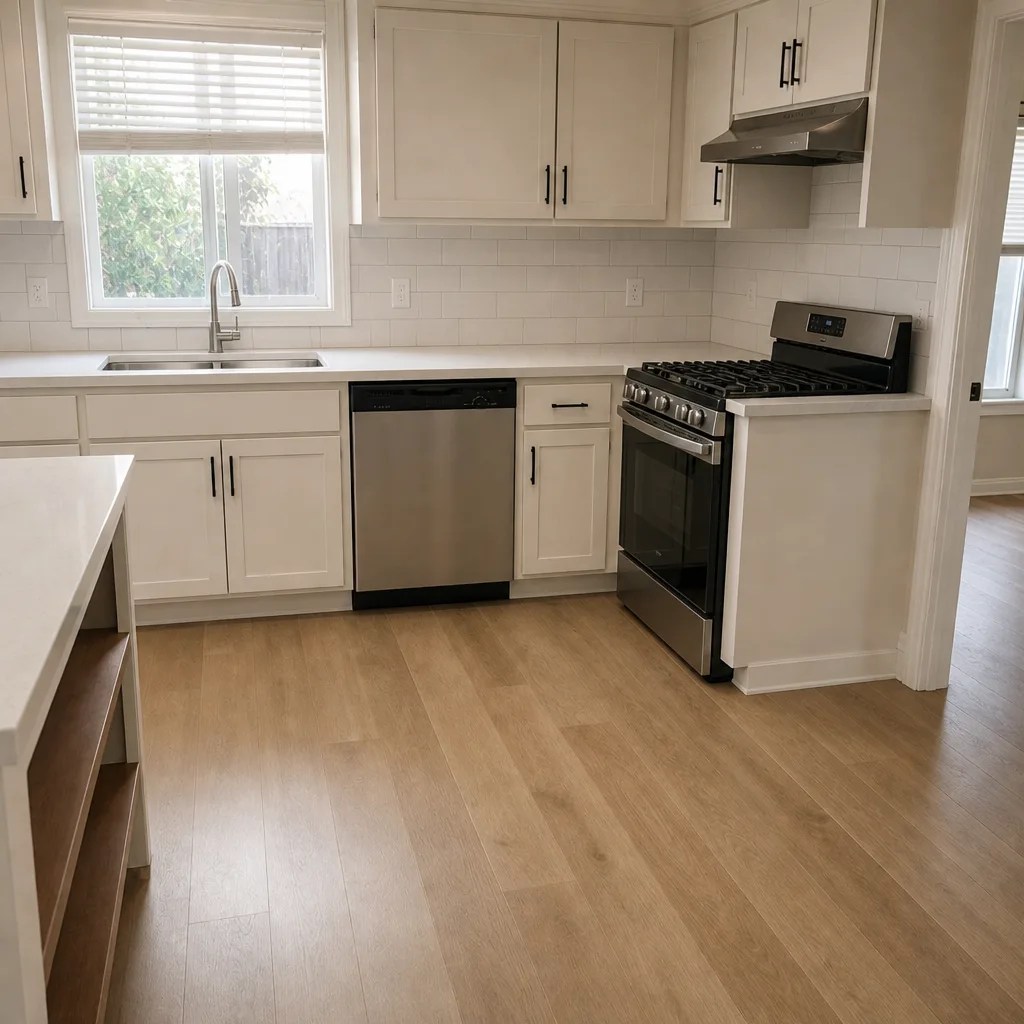 After
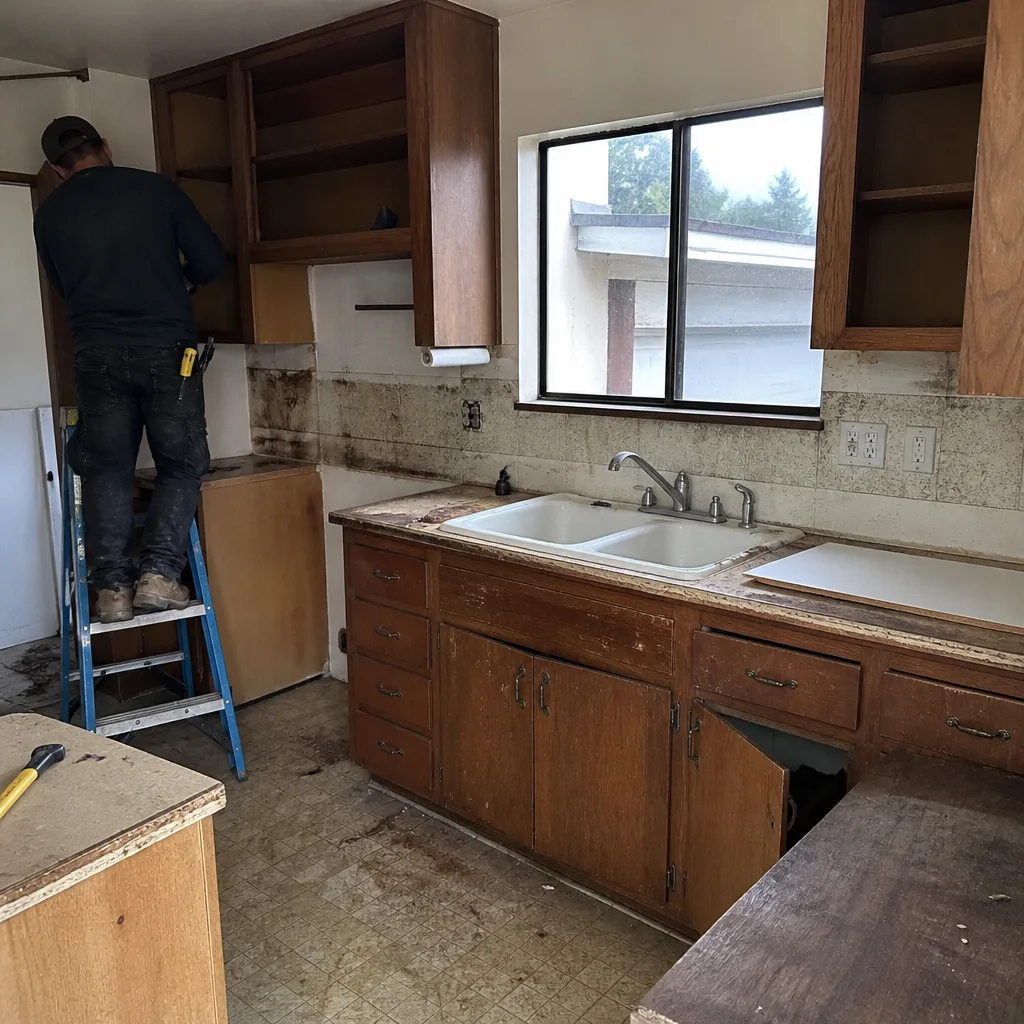 Before
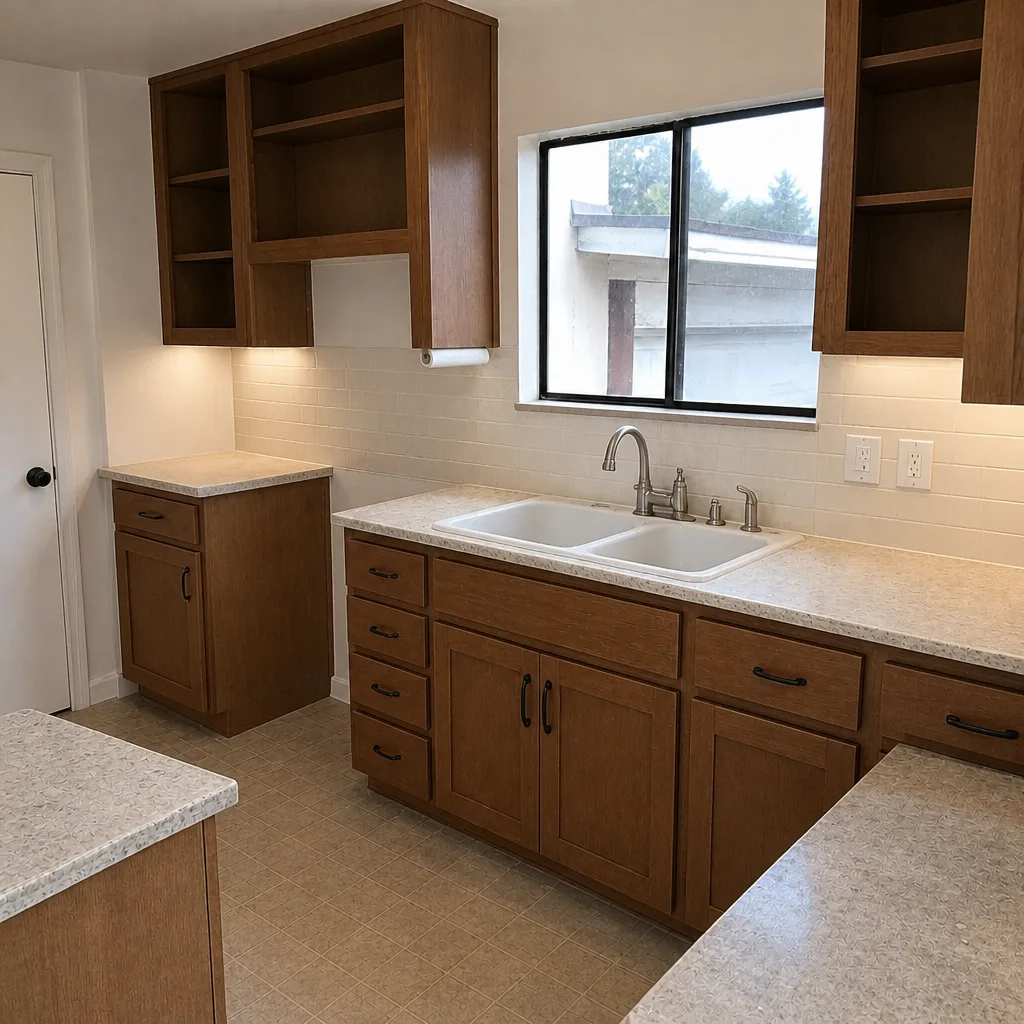 After
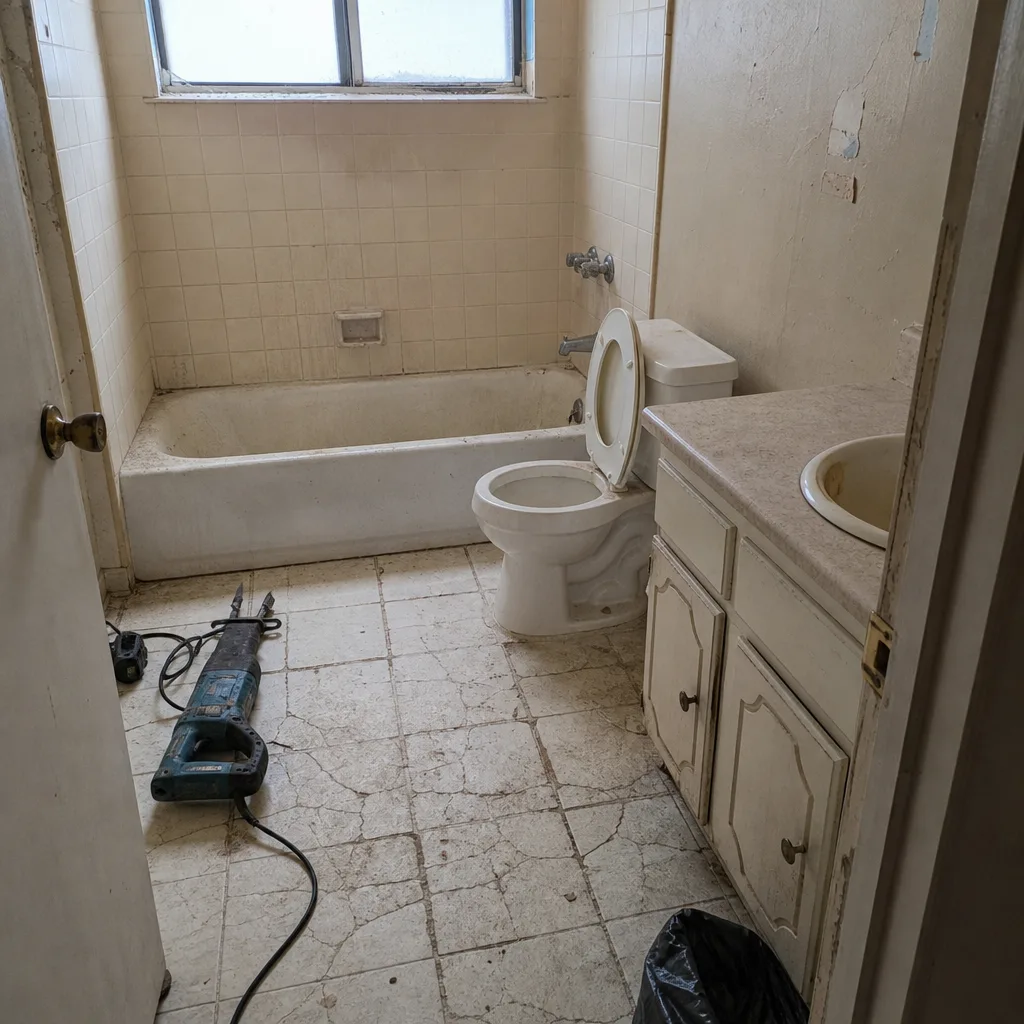 Before
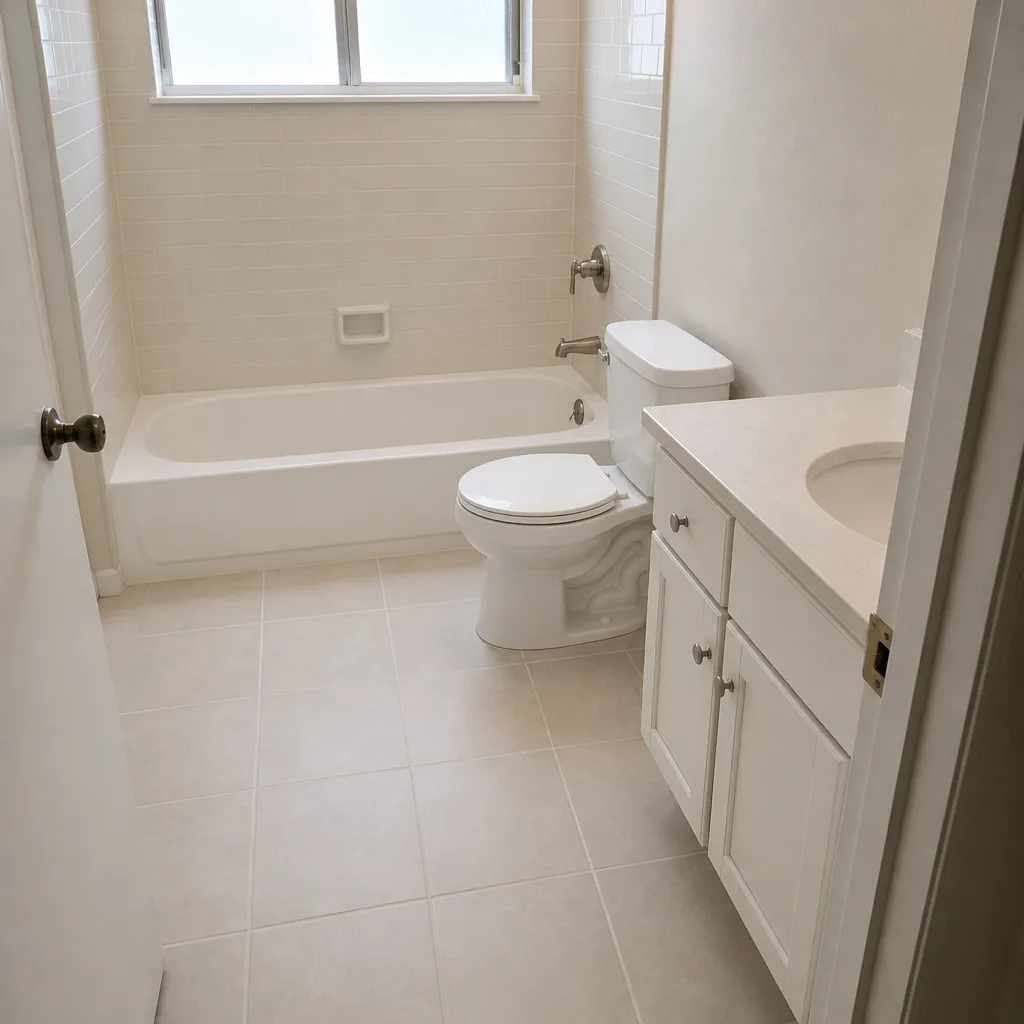 After
What Does a General Contractor Do in Lake Forest, CA? The Answer Has Two Tracks, Not One
A general contractor plans the work, pulls the permits, coordinates the trades, buys and schedules the materials, and answers for the finished job from foundation to finish line. In Lake Forest, they also run a second approval track most homeowners don’t expect: your HOA’s architectural review committee. That committee and the city building department don’t talk to each other, work on different timelines, and can reject the same project for completely different reasons. Managing both without losing weeks is the part of the job that decides whether your project moves or stalls, and it’s the part Groundwork Construction Co. of Lake Forest takes seriously. Call (855) 532-8973 for a free estimate and a straight read on what your project needs.
Two Approval Systems, Two Sets of Rules
The textbook definition of a general contractor describes a project manager who hires and supervises subcontractors. True enough. In Lake Forest, it undersells the job.
City permitting and HOA architectural review are independent. The city checks structural, life-safety, and zoning compliance. Your HOA checks CC&Rs: colors, setbacks from the slope, visible materials, fence heights, whether a second-story addition blocks a neighbor’s view corridor. A set of drawings built to satisfy a plan checker is not the same package that clears architectural review. Submit city-ready drawings to the HOA without reformatting for CC&R compliance and you’re looking at a 30-60 day review cycle spent on a rejection you could have avoided.
That sequencing is a GC function, and it isn’t optional in a master-planned city where most of the housing stock sits inside associations and a large share of lots are graded. A few of the things a Lake Forest GC actually handles before a single nail goes in:
- A pre-submittal meeting with the HOA’s architectural committee to learn which product specs and finish samples they’ll want attached.
- Reformatting the drawing set for CC&R review – same project, different document package.
- Coordinating the city permit application on the parallel track so neither review holds up the other.
- Filing any slope or grading documentation the association requires, often before the city asks for it.
On hillside lots, the pre-construction phase runs deeper. A GC coordinates the geotechnical engineer, the civil engineer, and the architect before a permit application is even filed. Homeowners rarely see that phase happen. It determines whether the project lands on budget or blows past it, because soils and drainage on a graded slope drive foundation scope, retaining details, and how long the city takes to approve.
The Risk Question: What’s Behind the Wall?
On a Lake Forest renovation, the GC is also a risk assessor. Most of the work here happens on 1970s through 1990s tract homes and planned communities like Lake Forest Keys, Portola Hills, and Foothill Ranch. Original plumbing, electrical, and roofing show up behind finished walls, and somebody has to decide how to price it.
Two approaches exist. Open the wall during discovery, learn what’s there, and price the real scope. Or give a number based on assumptions and settle up when reality shows up mid-project. The second approach is how budgets blow out and how homeowners get burned by vague bids they can’t compare.
Our answer is full pre-construction discovery. We open what needs opening before the contract is signed, so the upfront number is the real number. Upfront pricing, no surprises isn’t a slogan; it’s the outcome of doing discovery in the right order. It costs a little more time at the front and saves enormous grief on the back end.
Material Specification, Procurement, and HOA Compliance
Specifying materials is a core GC function, and in an HOA community it’s a compliance function too. Whether your window package, roof, or exterior finish clears architectural review often comes down to documentation: manufacturer specs, finish samples, and warranties presented as a complete package rather than a generic substitution pitched after the fact.
Groundwork works from a curated portfolio of brand partners across every trade, which means we can present a specific product with its paperwork attached instead of asking a committee to take a guess. That matters most on the trades where Lake Forest’s climate does the deciding. Semi-arid inland Orange County brings hot, dry summers and periodic Santa Ana winds, and in hillside neighborhoods like Portola Hills, roofers and framers use extra wind uplift fasteners and erosion control for winter rains – details a flatland-tract crew may never reach for. Fire-resistant roofing and siding are routine requests here, not premium upsells. Our technicians have up to 12 years of experience installing these systems.
Inside the house, kitchen and bath upgrades typically run against Lake Forest market ranges:
| Project | Typical Lake Forest range |
|---|---|
| Kitchen remodel | $14,000-$45,000 |
| Bathroom remodel | $9,000-$28,000 |
| Roof replacement | $8,000-$20,000 |
| Home addition | $45,000-$130,000 |
| ADU construction | $90,000-$220,000 |
Specifying Kohler or Moen fixtures, or a particular cabinet line, means the same thing to a GC in Lake Forest as it does anywhere: someone has to own the order, track the delivery, and know when the product lands. We take that on so a backorder doesn’t become your problem to chase. If you want the wider picture of how we run projects, our home page lays out the full-scope approach.
Communication Is Part of the Job
A GC’s communication role gets underestimated. Standard practice is that a homeowner learns about a subcontractor delay or a material backorder when they call and ask. That’s the voicemail black hole most people have been burned by, and it’s avoidable.
Our calls are answered by a live person, 24/7. If a delivery slips or a trade reschedules, you hear it from us the day it happens, not the following Monday morning. That commitment changes what the GC function looks like in practice, because the person coordinating your project is reachable when you need them. Background-checked, uniformed technicians arrive on every job, so the crew at your door matches the company you hired.
Every project we take on is covered by the 730-Day Done Right Promise. If it isn’t done right, we make it right, and that’s backed in writing for two full years. The material brands we specify are built to last, and the guarantee behind them is too.
Frequently Asked Questions
A licensed general contractor usually handles HOA architectural review for you, and in Lake Forest you want it that way. The committee’s requirements (product specs, finish samples, slope documentation) are different from the city’s, and a package that clears a plan checker may still get kicked back for CC&R violations. Handling both tracks in parallel is a GC function, and doing it yourself typically costs weeks in a 30-60 day review cycle.
A general contractor manages the whole project and coordinates the subcontractors; a subcontractor performs one trade (framing, roofing, plumbing, electrical). The GC pulls permits, sequences the trades, buys materials, handles inspections, and answers for the finished job. On a Lake Forest renovation, they also manage HOA review and – on hillside lots – the geotechnical and civil engineering coordination that comes before permitting. If your project is still taking shape, our home additions and ADU page shows how that coordination plays out on a larger build.
Pre-construction discovery matters because most Lake Forest work is on 1970s-1990s tract homes where plumbing, electrical, and roofing hide behind finished walls. Open the wall first and the price you sign is the real price. Skip it and you’re pricing on assumptions, which is how mid-project change orders pile up. We do full discovery before the contract, so you’re comparing real numbers.
Usually yes, especially in an HOA community where permits and architectural review are both in play. A kitchen remodel in Lake Forest runs $14,000-$45,000 and a bathroom $9,000-$28,000, and a GC protects that spend by sequencing plumbing and electrical rough-in, scheduling inspections, and keeping the trades from stepping on each other. Kitchen, bath, roofing, windows, and more all fall under one roof with us, from foundation to finish line.
If you’d rather have it looked at, Groundwork Construction Co. of Lake Forest offers a no-pressure assessment in Lake Forest – call (855) 532-8973. The estimate and design consult are free, and the number you see is the number you pay, with 0% financing for 18 months and $1,000 off projects over $10,000 available.
Written by the team at Groundwork Construction Co. of Lake Forest, serving Lake Forest, CA.