Free written scope consultation - allowances, timeline, and change-order rules on paper before a single trade is scheduled
Styles & brands we work with
- Kitchen remodeling
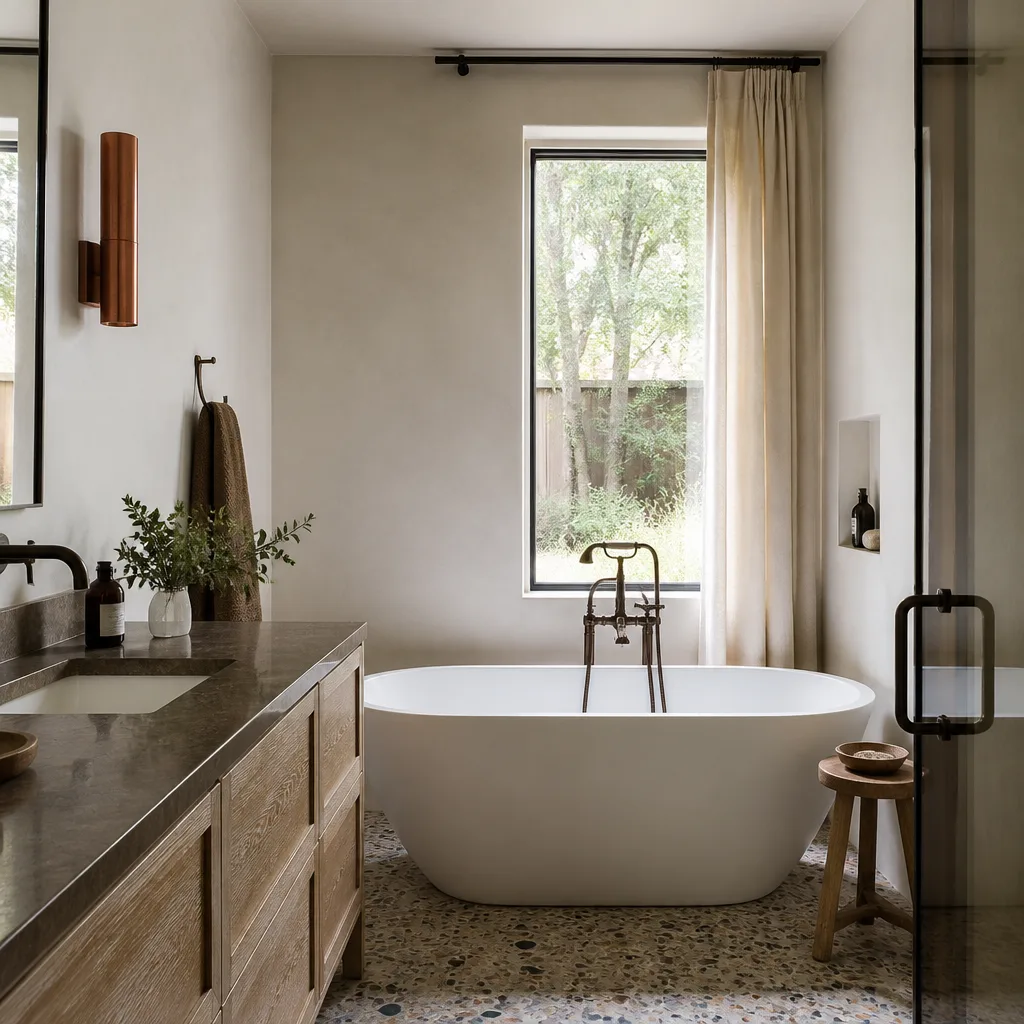
- Bathroom remodeling
- Home additions & ADU
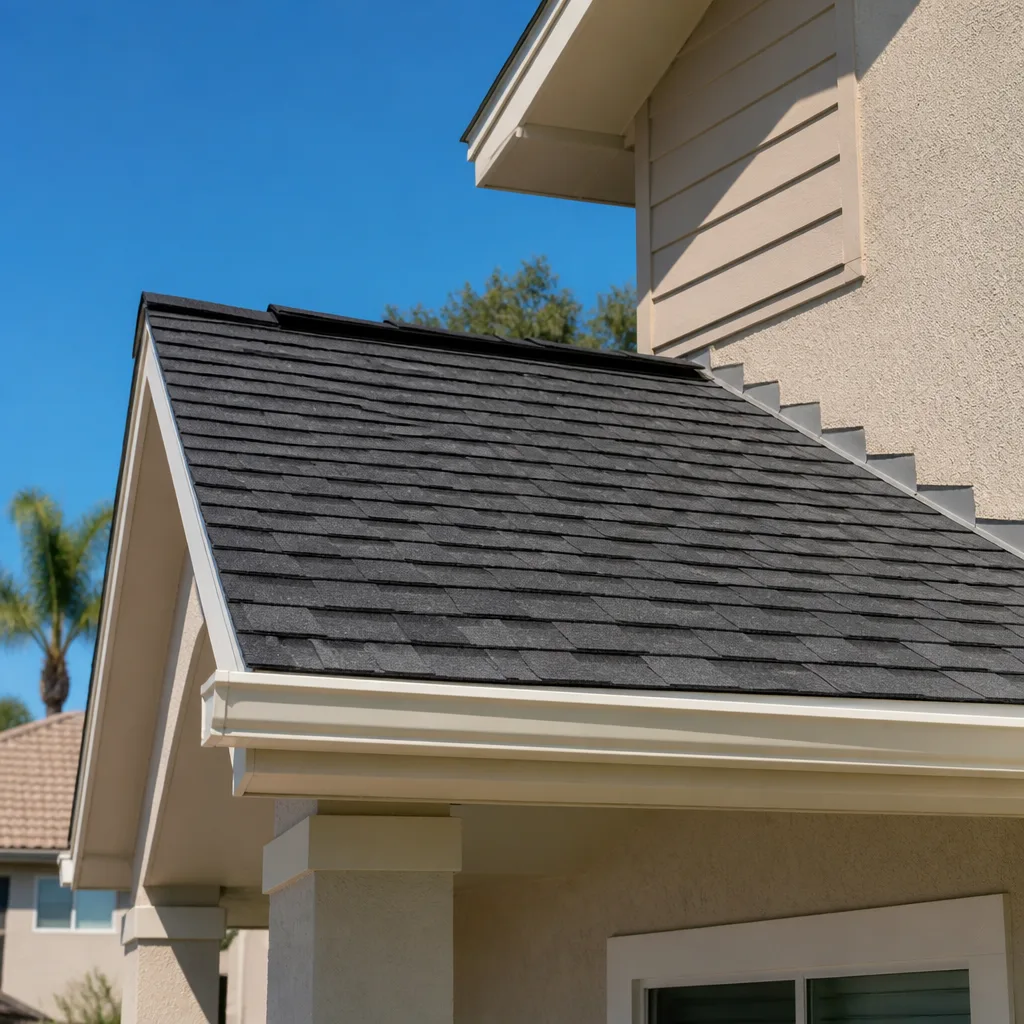
- Roofing
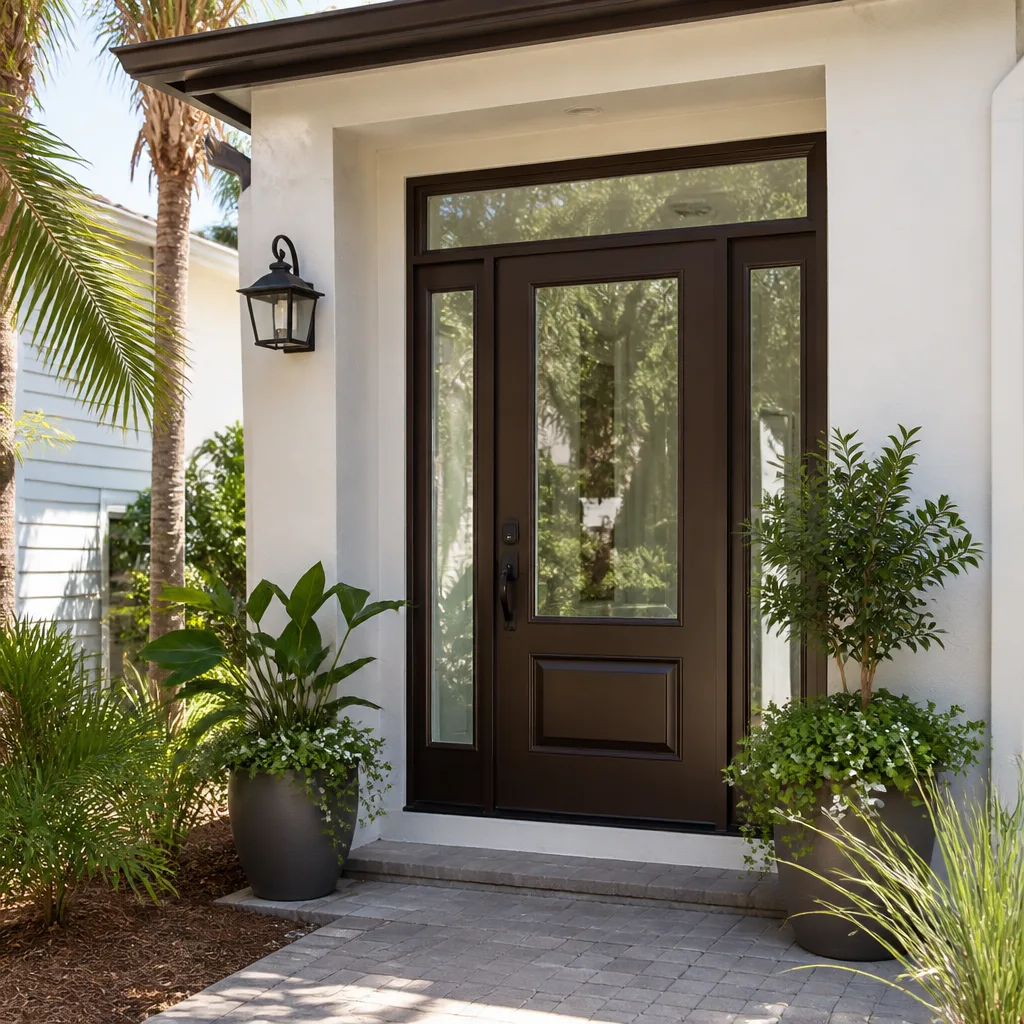
- Windows & doors
- Driveway & pavers
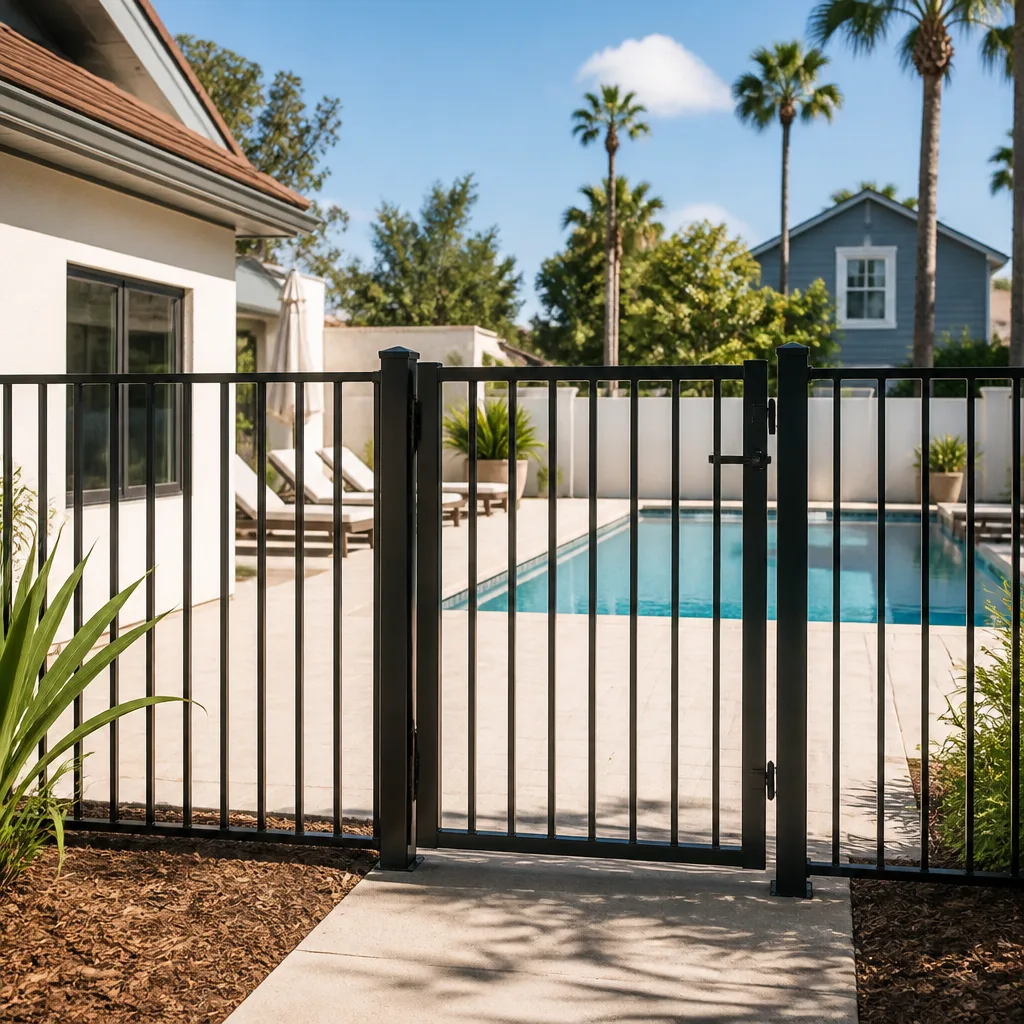
- Fence
See the difference
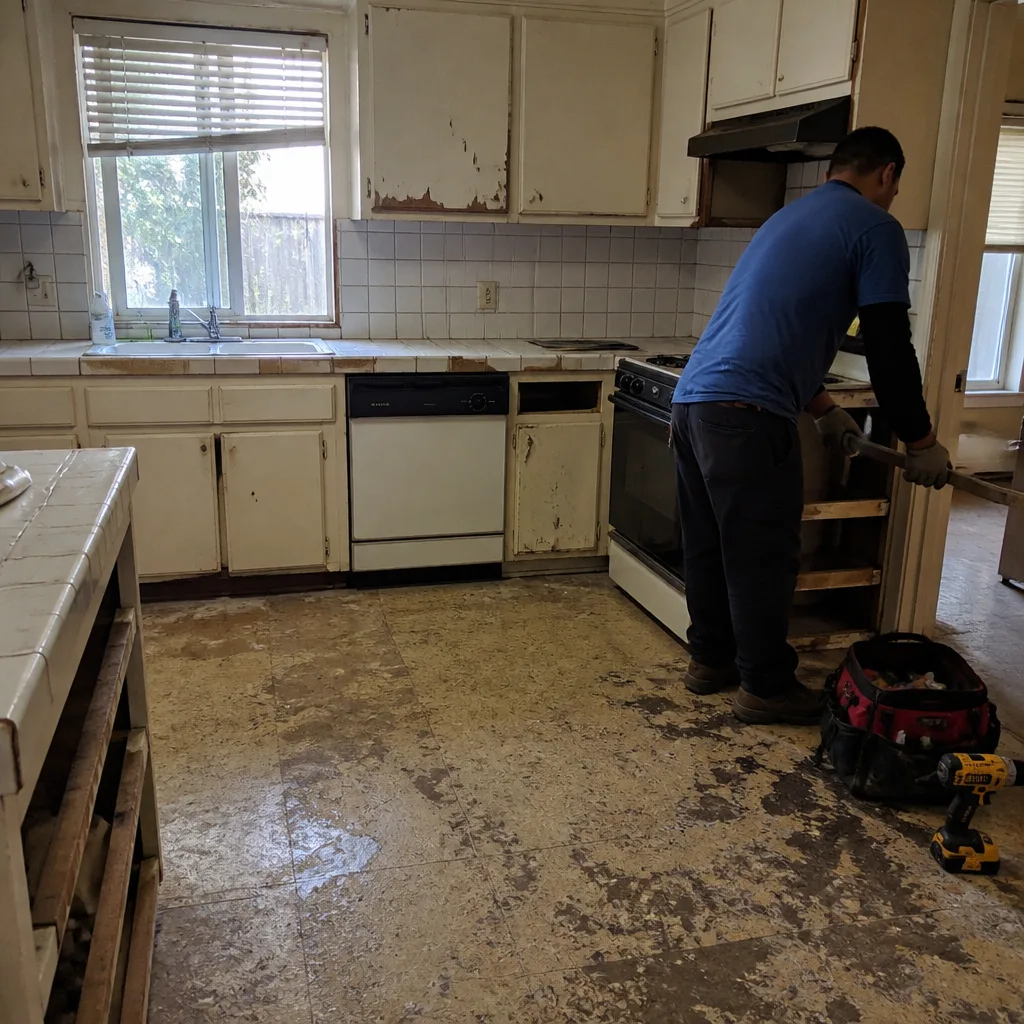 Before
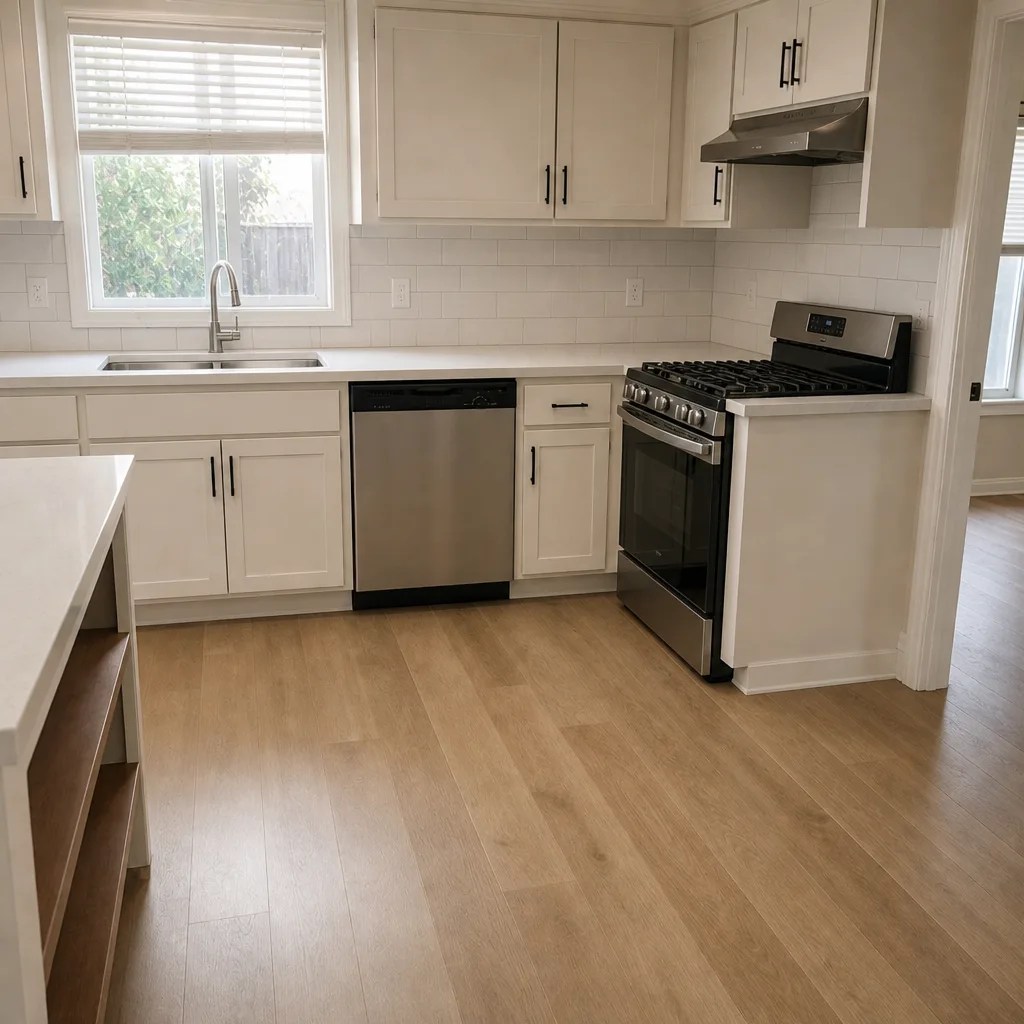 After
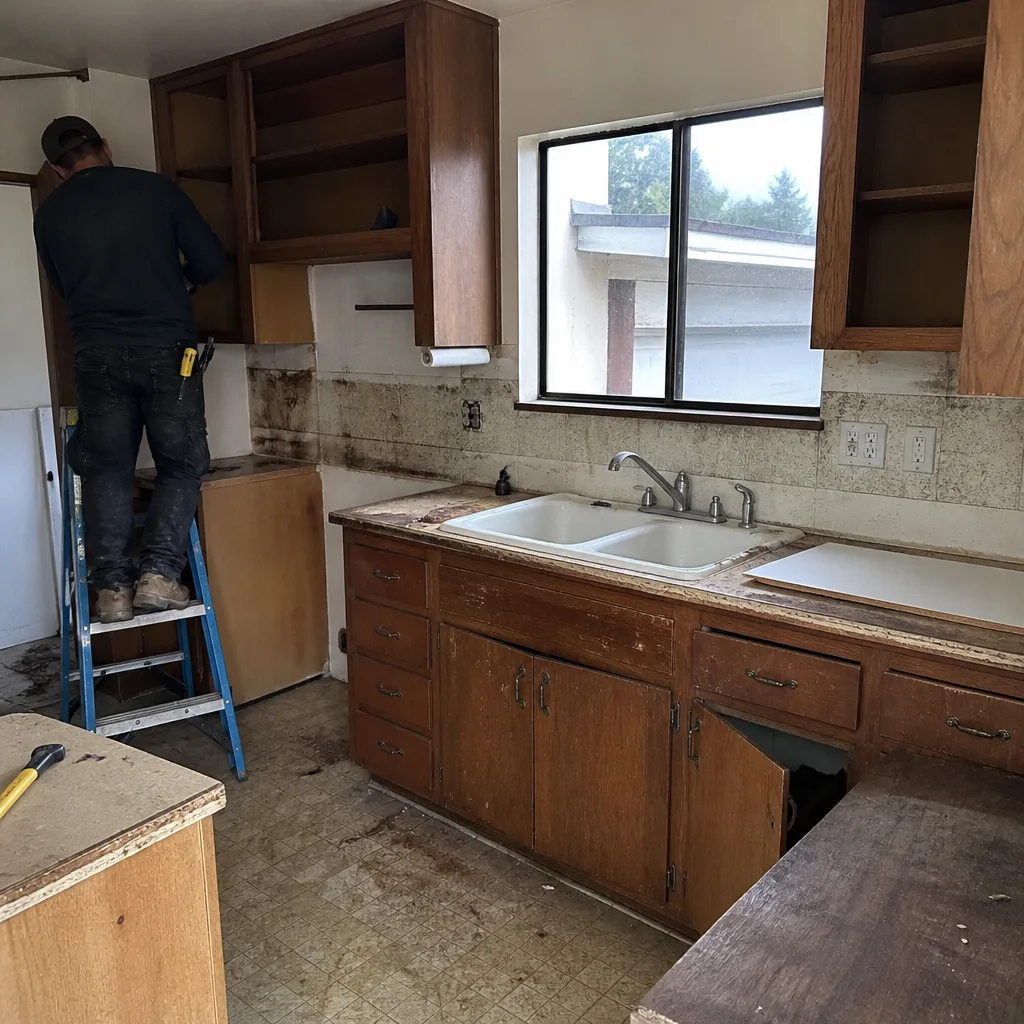 Before
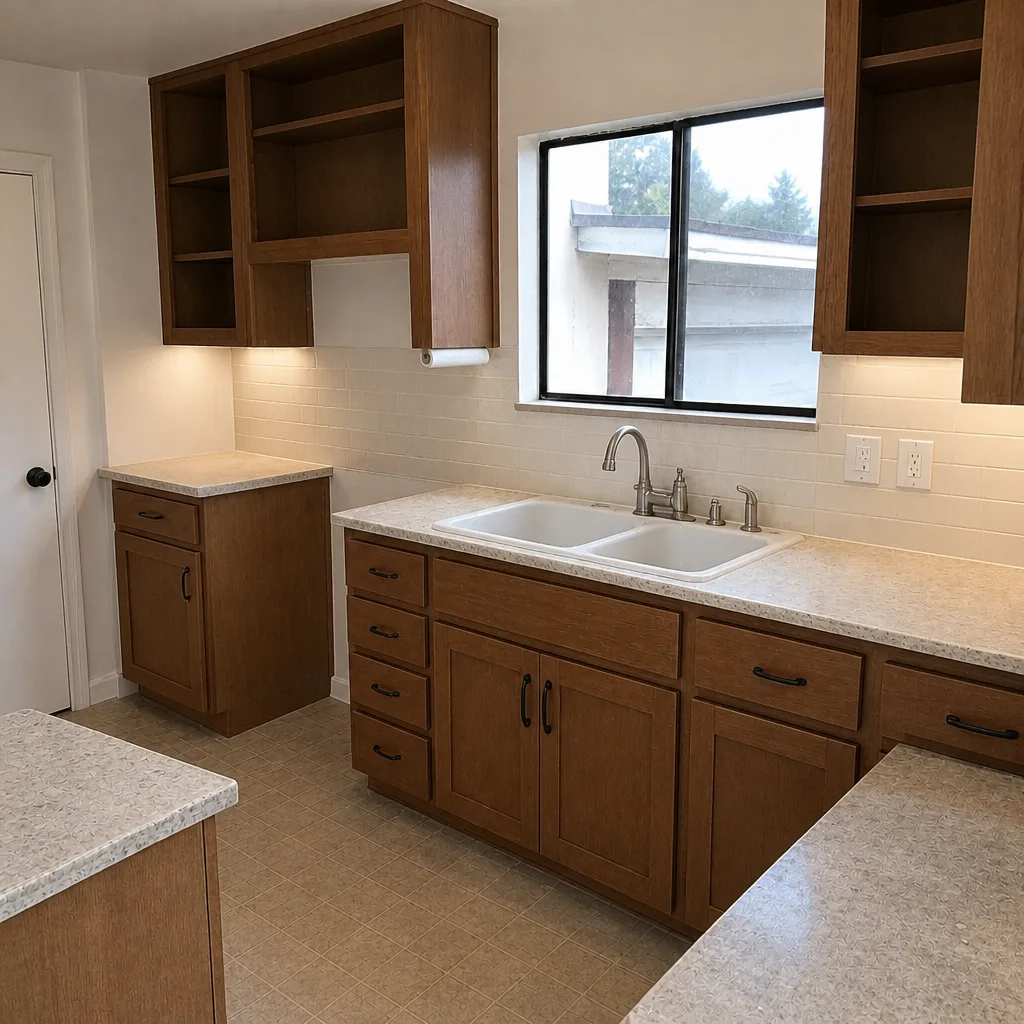 After
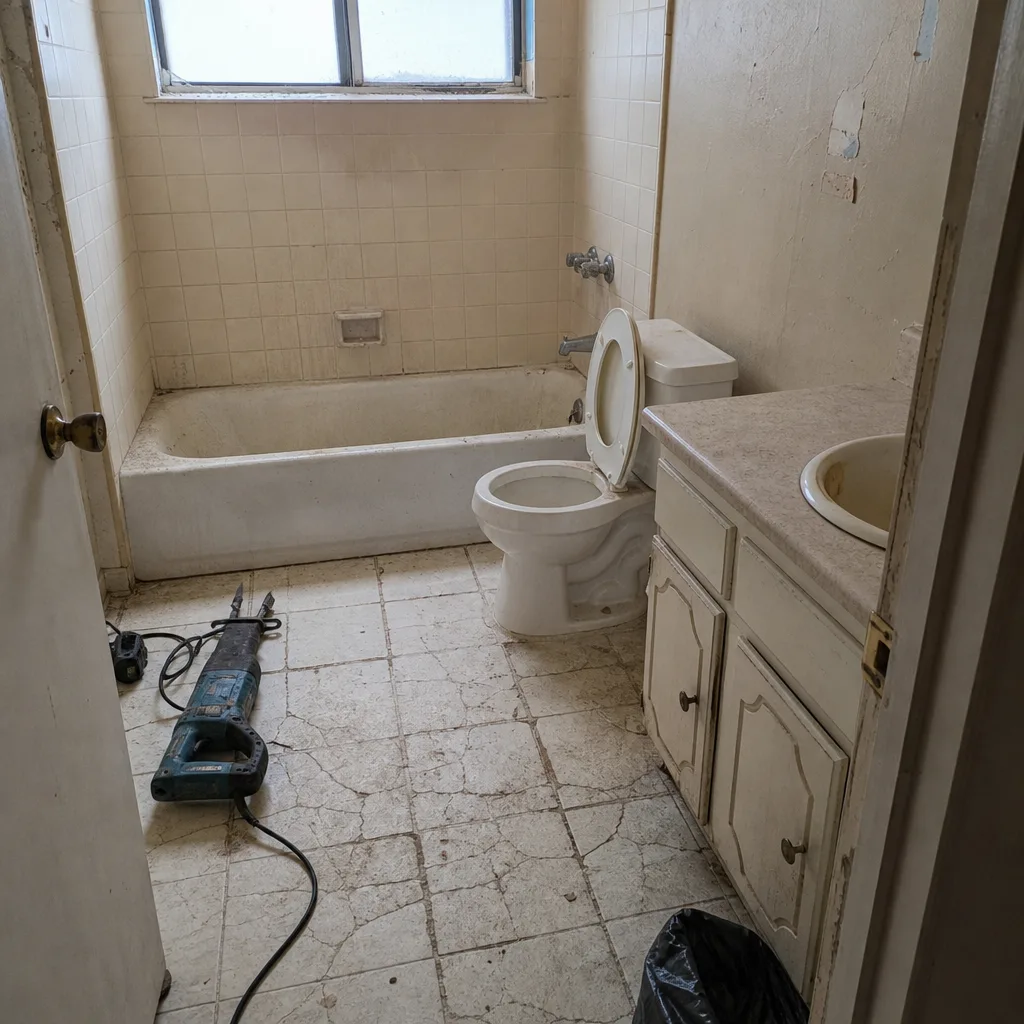 Before
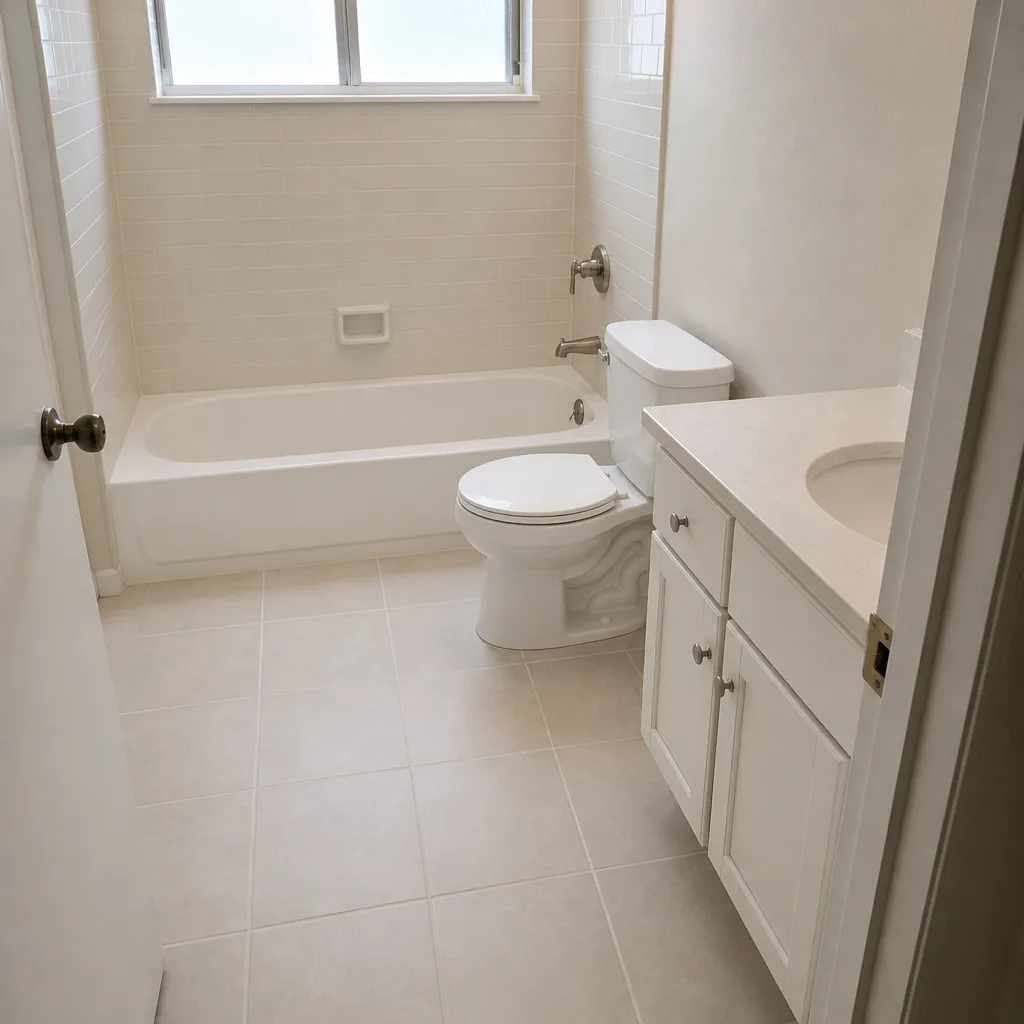 After
What Is a Junior ADU? The California Definition, and What It Means in Lake Forest, CA
A junior ADU (JADU) is a legally defined dwelling unit of no more than 500 square feet built entirely inside the existing walls of your single-family home, with its own entrance, an efficiency kitchen, and either its own bathroom or a shared one. California law allows you to add one by right in most single-family zones, which is why so many Lake Forest homeowners ask us about them. The catch: state law doesn’t override your HOA’s architectural review, and in Lake Forest’s HOA-heavy communities that second layer is where most JADU projects stall. Call (855) 532-8973 and we’ll walk you through both.
Why This Question Comes Up So Often in Lake Forest Right Now
Lake Forest was built out almost entirely between the 1970s and the 1990s, which means the city is full of large tract homes with formal living rooms, oversized bonus rooms, and three-car garages. Those spaces are exactly what people start eyeing when a parent needs to move in, when a college-age kid moves back, or when someone wants rental income without buying a second property. A JADU is often the cheapest legal way to get there.
Here’s the problem we see over and over. Homeowners read a headline that says California lets you build a JADU up to 500 square feet “without major permits,” then assume that means without any approvals at all. That’s not what the law says. You still need a building permit, you still need a certificate of occupancy at the end, and in neighborhoods like Lake Forest Keys, Portola Hills, and Foothill Ranch, you also need your HOA’s architectural committee to sign off on the exterior changes before anyone touches a wall.
Our technicians have up to 12 years of experience pulling permits and working through HOA submissions in this city, and we’ve watched enough projects get bounced to know the difference between a submittal that clears review and one that gets sent back for missing details. That experience is the whole point of this page.
The Four Things That Define a JADU Under California Law
Plenty of articles say “junior ADU” without explaining what actually makes one legal. These are the requirements that matter, and they’re not optional.
- Maximum 500 square feet. That’s a hard cap. A JADU can be smaller, but it cannot be larger, and it has to sit entirely within the existing footprint of the single-family structure.
- An efficiency kitchen. This is not a full kitchen. Code calls for a sink, a counter surface with a food preparation area, and a place to store and cook food. No full-size range or four-burner cooktop is required, and often none is allowed.
- A bathroom, shared or separate. The unit must either have its own bathroom or share one with the main dwelling. Sharing is common and keeps the footprint small.
- Owner occupancy. This is the one that surprises people. State law requires the homeowner to live on the property, in either the main home or the JADU itself. You cannot rent out both units and live somewhere else.
That last point changes the math for anyone thinking of a JADU purely as an income play. If you’re moving out and renting both sides, this isn’t the right tool. If you’re living in the main house and renting the JADU to a tenant, or moving a family member into it, it fits cleanly. A full-size accessory dwelling unit, which we build through our Home Additions & ADU in Lake Forest service, has different rules and different costs.
For a broader comparison of unit types, sizes, and build timelines, our Home Additions & ADU page lays out how a JADU stacks up against a detached ADU or a garage conversion.
The HOA Layer Most JADU Articles Skip
California’s AB 3182 sharply limits what an HOA can do to block an ADU or JADU. HOAs can’t prohibit them outright, can’t require more parking than the state allows, and can’t impose conditions that make the project financially infeasible. But the law does not strip an HOA’s authority to enforce architectural and aesthetic standards, and Lake Forest has a lot of HOAs with detailed design guidelines.
In practice, that means siding color, roof material, window style, and how the new exterior entrance reads from the street all matter. A rear-entry door on a side elevation may sail through. The same door facing a shared greenbelt may need a different trim package. We’ve worked through enough of these submissions in this city to know which details committees ask about, and we put them in the packet before we file rather than after we get a comment letter.
This is where Lake Forest’s master-planned layout shapes the work more than most homeowners expect. The city’s semi-arid inland climate already pushes people toward fire-resistant roofing and siding, and a JADU exterior that matches the main home usually satisfies both the HOA and the practical need. It’s a nice overlap when it happens.
An Efficiency Kitchen That Holds Up and Appraises Well
Because an efficiency kitchen only requires a sink, a counter, and prep space, a lot of builders treat it as an afterthought and slap in a laminate top with a two-burner hot plate. That works at inspection and works against you at resale.
We build JADU kitchens with KraftMaid cabinetry and Cambria countertops, the same brands we use in full kitchens, scaled down. A 500-square-foot unit can hold a compact sink run, a drawer base, and a small refrigerator and still feel finished rather than improvised. When you go to refinance or sell, that finish level is the difference between a line item that reads “legal junior ADU” and one that reads “converted room, unpermitted.”
Every project carries our 730-Day Done Right Promise. If something isn’t right, we come back and make it right, and that applies to a JADU just as much as a full remodel.
The Bonus Room Trap
One of the most common things we hear is “we already have a room, we just need to add a kitchen and call it a JADU.” That plan fails at two points.
First, without a permit and a final certificate of occupancy, the space is not a legal rentable dwelling unit. A buyer’s lender and appraiser will treat it as a hobby room, and some insurers will flag the unpermitted kitchen. Second, the scope usually grows once the walls open. Lake Forest’s 1970s and 1980s tract homes frequently need electrical panel upgrades and new plumbing runs before a kitchen and bathroom can go in, and those are exactly the systems a passing cosmetic conversion skips.
We pull the permit, handle the inspections, and deliver a signed-off unit with a certificate of occupancy in hand. That document is what protects your sale later.
Common Local JADU Scenarios
A parent moving in from out of state
The JADU goes in a ground-floor bonus room or a reworked guest suite, with a shared bathroom and an exterior door for privacy. Owner occupancy is already satisfied because you live in the main house.
A returning adult child who needs independence
Same legal setup, but we usually prioritize a separate entrance and a small sink-and-counter kitchenette so the unit functions on its own.
Rental income while you stay in the main home
This is the cleanest fit for a JADU, since owner occupancy is met by definition. The key is finishing the unit to a standard a tenant will pay for, which is where the cabinetry and countertop choices matter.
A plan to rent both sides
This is where we steer people away from a JADU. Owner occupancy rules make it non-starter, and a detached ADU is the better path for that goal.
What a JADU Costs in Lake Forest
Because a JADU stays inside the existing structure, it usually costs less than a detached ADU or a full addition. Here are the ranges we work from in this market.
| Project | Typical Lake Forest Range |
|---|---|
| Junior ADU (inside existing footprint) | Often lands within the $45,000-$130,000 home addition band |
| Home Addition | $45,000-$130,000 |
| ADU Construction (detached) | $90,000-$220,000 |
| Garage Conversion | $30,000-$80,000 |
| Small Kitchen Remodel (comparable kitchenette scope) | $9,000-$20,000 |
| Bathroom Remodel | $9,000-$28,000 |
Two things move a JADU to the top of that range: whether the electrical panel needs upgrading, and whether the shared bathroom needs a full rebuild versus a refresh. We price both upfront, and the number we quote is the number you pay. No-hassle upfront pricing is the whole reason we build it that way.
FAQs
A junior ADU is a dwelling unit of up to 500 square feet built within the existing walls of a single-family home, with an efficiency kitchen and either its own or a shared bathroom, and it requires the owner to live on the property. It’s a separate category from a standard ADU under state law, with its own size and kitchen rules.
No, but your HOA can still enforce architectural and aesthetic standards, and that review takes time. California law limits outright prohibitions and financial conditions, but it does not eliminate design review, so plan for an architectural committee submission before construction starts. Call (855) 532-8973 and we can help you prepare a submittal that anticipates the usual questions.
Yes. Owner occupancy is a state requirement for JADUs, and you must live in either the main home or the JADU itself. If your plan is to rent both units and live elsewhere, a detached ADU or a standard addition is the better fit, and we’ll tell you that honestly.
Most JADU projects here land inside the $45,000-$130,000 range, with the final number depending on electrical work, bathroom scope, and finish level. Detached ADUs run $90,000-$220,000 and garage conversions run $30,000-$80,000, so the JADU route is often the most affordable legal unit. Estimates are free, and we also offer $1,000 off projects over $10,000 plus 0% financing for 18 months. Call (855) 532-8973 for an exact quote.
A bonus room conversion is not a legal dwelling unit unless it’s permitted and has a certificate of occupancy, and an unpermitted one won’t count as rentable space at resale. Groundwork Construction Co. of Lake Forest pulls every permit and delivers a signed-off unit so your sale or refinance stays clean.
Get a Straight Answer Before You Commit
If you’d rather have it looked at, Groundwork Construction Co. of Lake Forest offers a no-pressure assessment in Lake Forest. We’ll tell you whether a JADU fits your home and your plan, or whether a different project makes more sense. Phone lines are answered by a live person around the clock. Call (855) 532-8973 for a free estimate.
Written by the team at Groundwork Construction Co. of Lake Forest, serving Lake Forest, CA.