Free written scope consultation - allowances, timeline, and change-order rules on paper before a single trade is scheduled
Styles & brands we work with
- Kitchen remodeling
- Bathroom remodeling
- Home additions & ADU
- Roofing
- Windows & doors
- Driveway & pavers
- Fence
See the difference
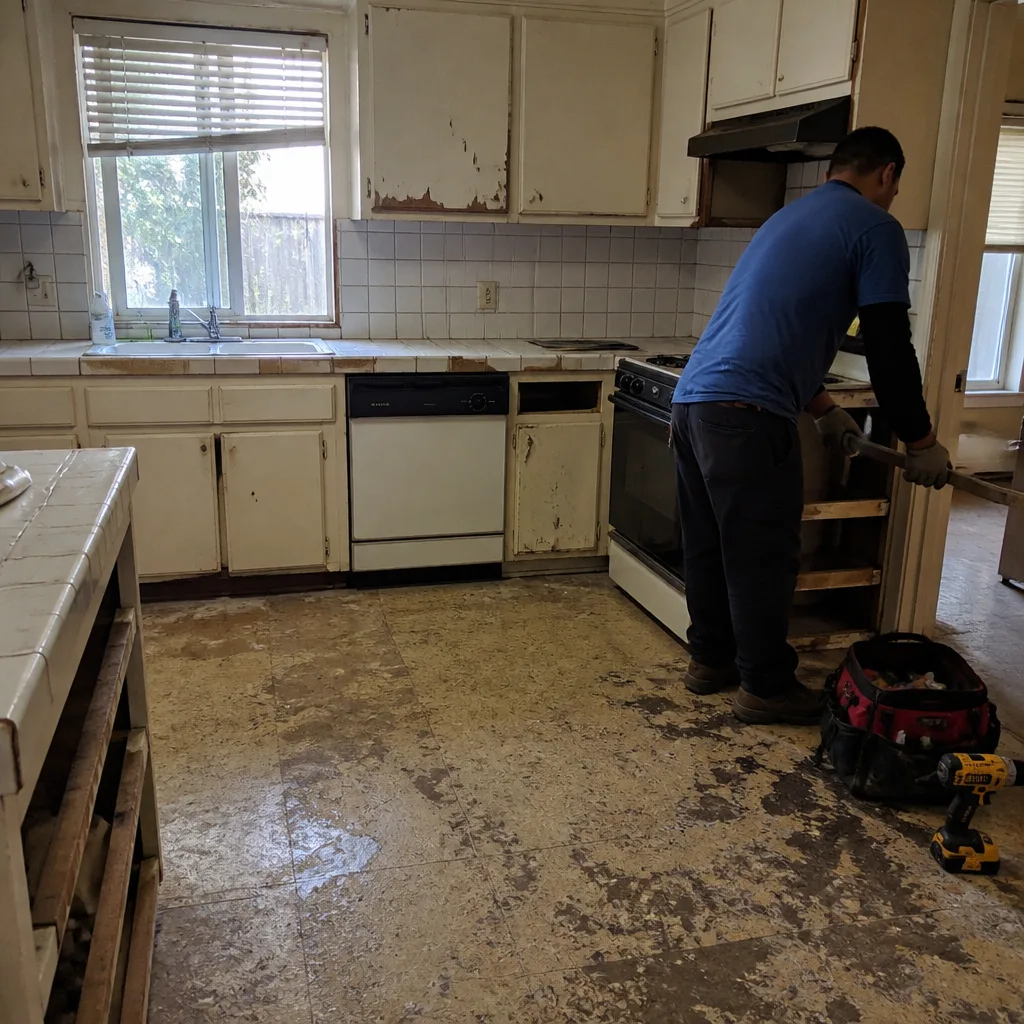 Before
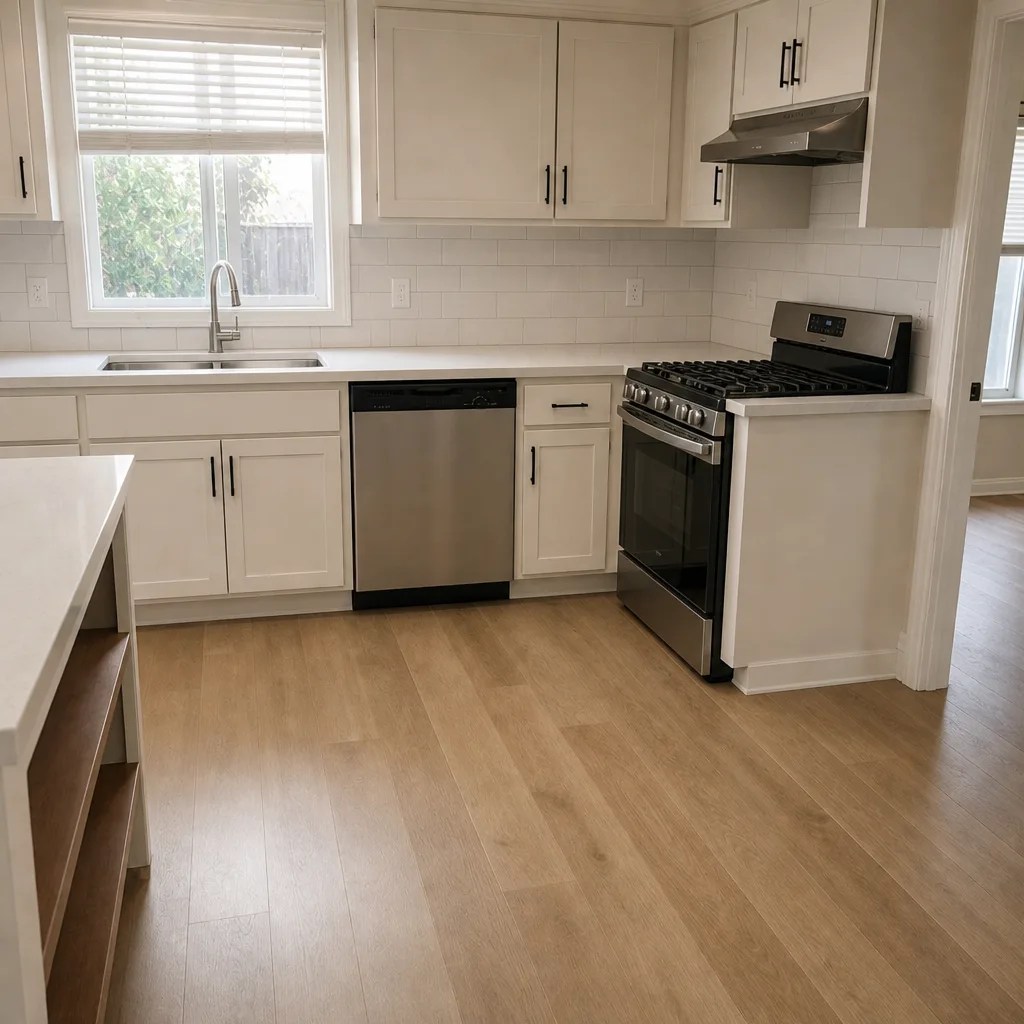 After
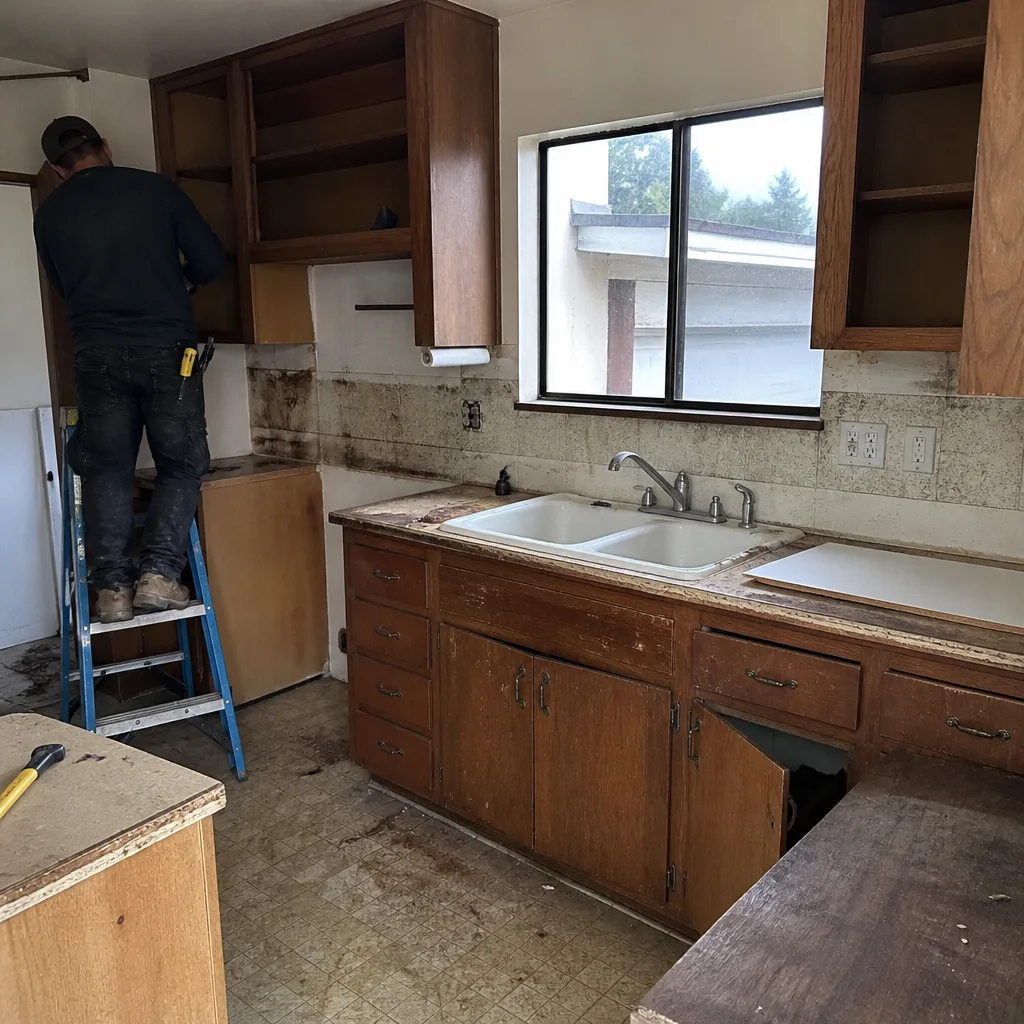 Before
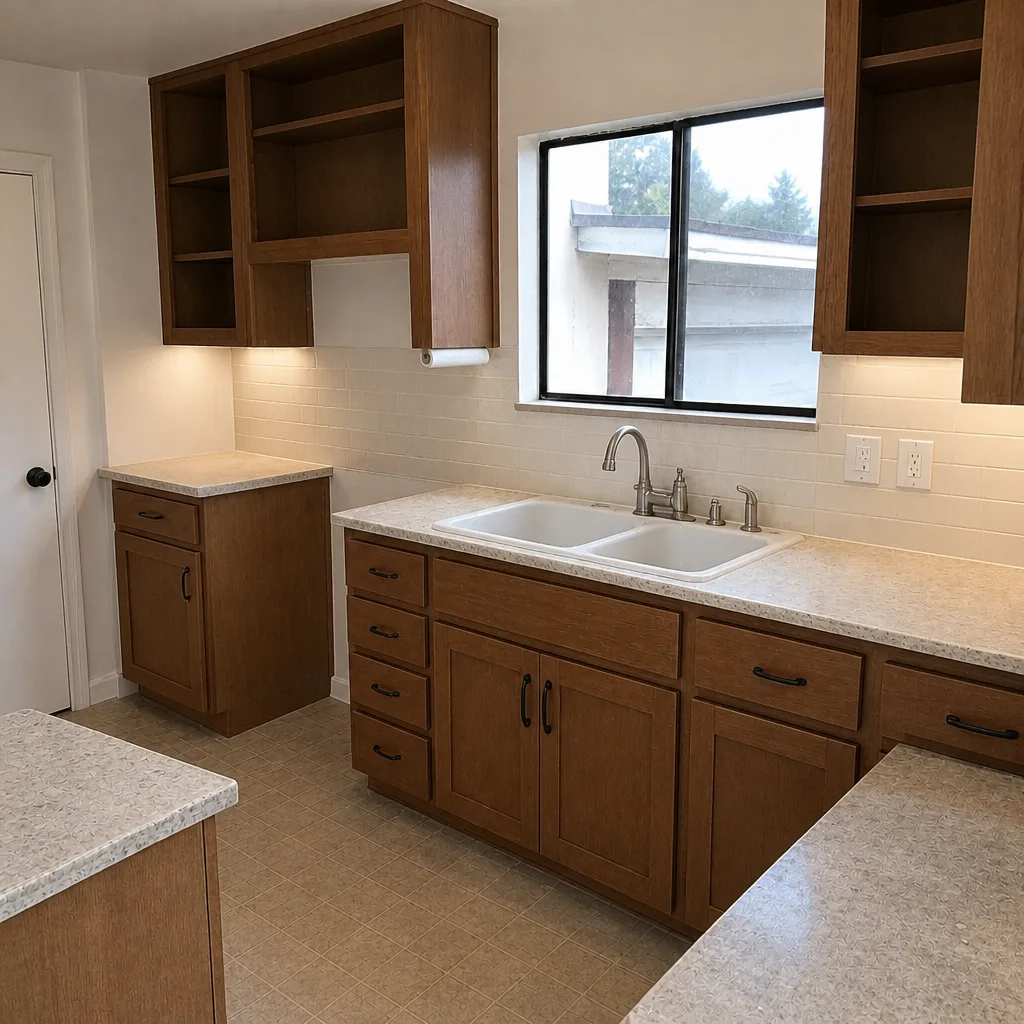 After
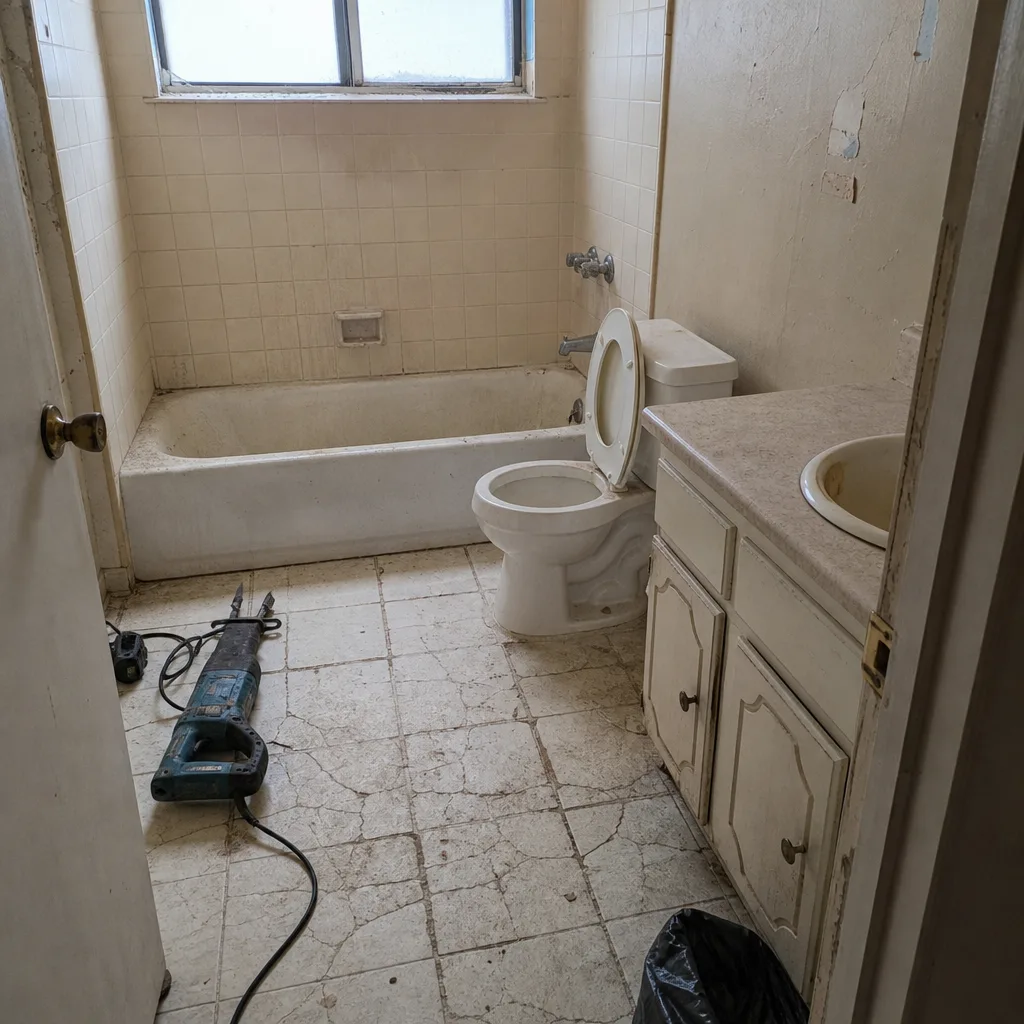 Before
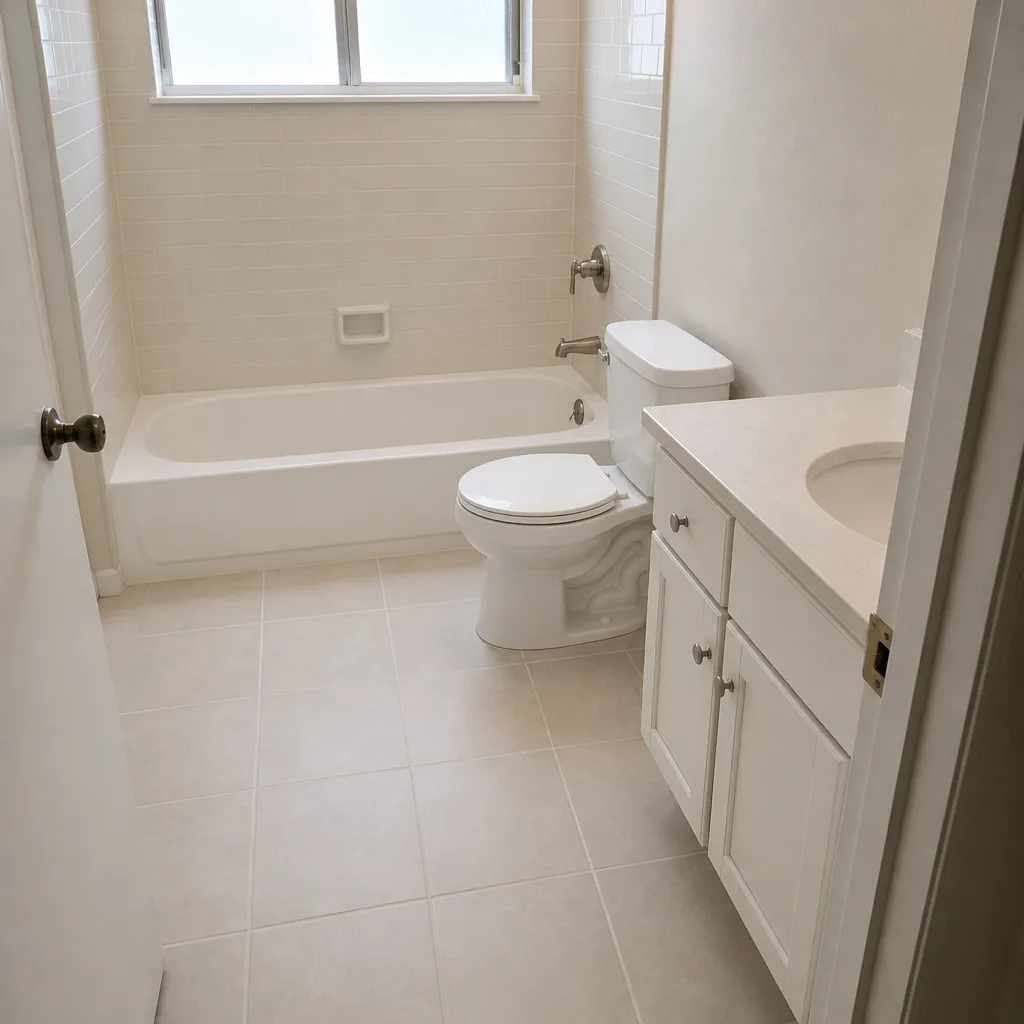 After
What Is Low-E Glass? A Lake Forest Homeowner’s Guide to Getting the Right Coating for Zone 10
Low-E glass is window glass with a microscopically thin, transparent metallic coating that reflects heat while letting visible light through. The coating isn’t a tint you can see; it’s measured in nanometers and works by bouncing infrared energy back where it came from. Which direction it bounces is the whole story, and it’s the reason a window that performs beautifully in Minnesota can quietly overheat a Lake Forest living room. There are at least three distinct Low-E formulations on the market, and they are not interchangeable.
Here in Lake Forest, most of the housing stock went up between the 1970s and 1990s, which means a lot of original single-pane and early dual-pane windows are now hitting the end of their service life. When we spec replacements through our Windows & Doors work, the coating choice matters as much as the frame. If your windows are fogged, drafty, or you’re just tired of the afternoon sun cooking the west-facing rooms, call Groundwork Construction Co. of Lake Forest at (855) 532-8973 for a straight answer on what your house actually needs.
Key Takeaways
- Low-E is a heat-reflecting coating, not a tint, applied inside a sealed glass unit.
- Passive Low-E keeps heat in (cold climates). Solar control Low-E keeps heat out (hot climates). Balanced Low-E splits the difference.
- Lake Forest sits in CEC Climate Zone 10, where cooling bills dominate and winters stay mild, so solar control Low-E is the correct default for most homes here.
- The surface the coating sits on (surface 2 vs. surface 3) changes performance depending on climate.
- Installing a “northern” Low-E spec in Southern California can raise your cooling load instead of lowering it.
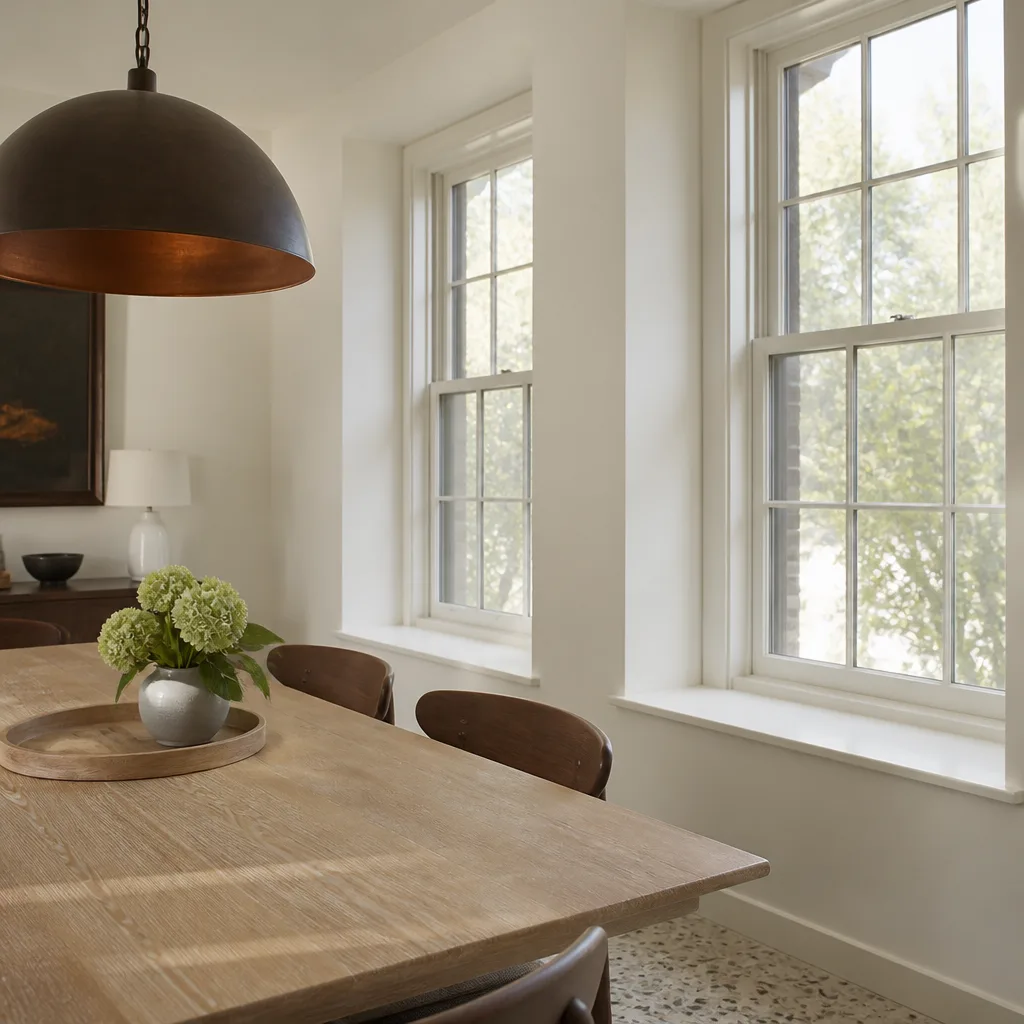
Three Kinds of Low-E, and Only One Is Built for Lake Forest Summers
The confusion most homeowners run into starts with the word “Low-E” itself, which gets used like it’s one product. It isn’t. Manufacturers tune the coating’s chemistry to do opposite jobs depending on where in the country the glass is headed.
Passive Low-E is engineered to hold heat inside the home. It lets most of the sun’s short-wave energy pass through, then traps the long-wave heat that radiates off furniture and floors. In a Minnesota or Buffalo winter, that’s exactly what you want. In Lake Forest, in August, it’s a problem: your air conditioner ends up fighting the glass.
Solar control Low-E does the reverse. It rejects a large share of incoming solar heat gain before it ever becomes a load on your HVAC system, while still transmitting plenty of daylight. This is the formulation built for hot, sunny, cooling-dominated climates, and it’s the one that fits Lake Forest.
Balanced Low-E tries to sit in the middle, offering moderate solar rejection and moderate heat retention. It’s a reasonable pick for mixed climates with real heating seasons. Lake Forest doesn’t have a real heating season. We have hot, dry summers, mild wet winters, and periodic Santa Ana winds that push temperatures and fire risk up in the fall.
Why Climate Zone 10 Makes This a Siting Question, Not a Brand Question
The California Energy Commission assigns Lake Forest to Climate Zone 10, one of the state’s hotter inland zones, characterized by significant cooling degree days and comparatively light heating demand. That single fact should drive every glazing decision on your house. If a contractor hands you a spec sheet showing a Low-E product optimized for heat retention, the numbers may look impressive and still be wrong for this address.
This is where the housing stock adds a wrinkle. Lake Forest is a master-planned suburban city, and the neighborhoods that grew up through the 1970s, 80s and 90s (think Foothill Ranch and Portola Hills) are full of tract homes with large west- and south-facing glass. Original units from that era typically have no meaningful solar control, so the afternoon sun pours straight into living rooms and kitchens. Upgrading that glass to a proper solar control Low-E unit is often the single most cost-effective comfort improvement a Lake Forest homeowner can make, and it’s a far smaller project than most people expect.
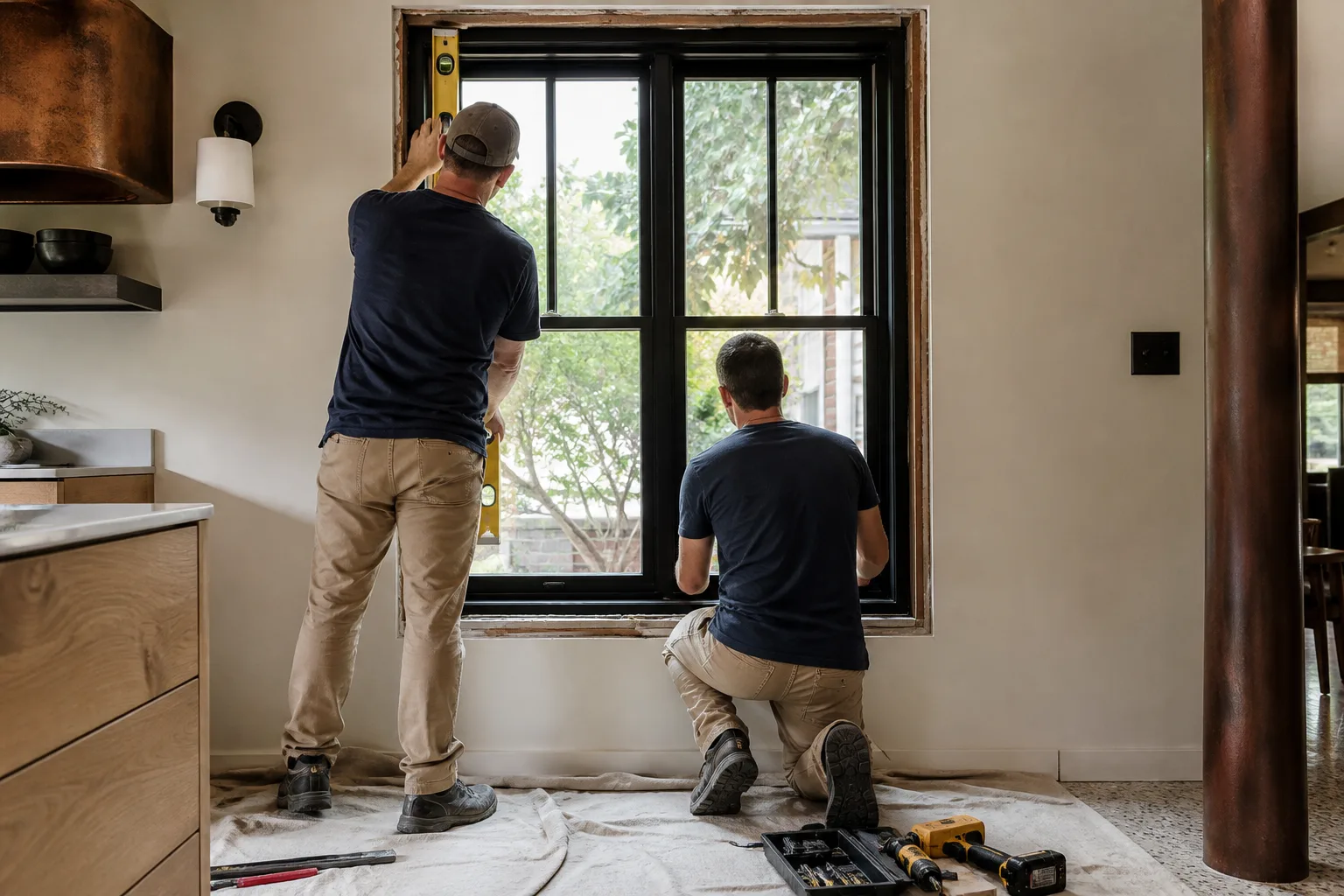
Surface 2 vs. Surface 3: Where the Coating Goes Changes What It Does
In a standard double-pane unit, the glass surfaces are numbered 1 through 4 from the outside in. Surface 1 is the exterior face of the outer pane; surface 2 is the interior face of the outer pane (facing the air gap); surface 3 is the interior face of the inner pane; surface 4 faces the room. The Low-E coating lives on one of the two gap-facing surfaces, and which one you choose has real consequences.
- Surface 2 (hot climates): The coating faces the outside. Incoming solar energy is reflected back out before it heats the air gap, which is what you want in Lake Forest. It also keeps the glass closer to outdoor temperature, reducing thermal stress.
- Surface 3 (cold climates): The coating faces the room. It reflects interior heat back inside, keeping the inner pane warmer and reducing condensation. Great in Minneapolis. Not the goal here.
- Surface 4 (rare): Sometimes used in cold, humid climates for maximum interior heat retention. For Lake Forest it’s close to a worst-case placement.
Here’s the operator detail most spec sheets leave out: the coating is not always visible or labeled, so the only reliable way to confirm placement is to read the manufacturer’s spec sheet and verify the product code on the spacer. We’ve seen units arrive from third-party fabricators with Surface 3 coatings spec’d into a Zone 10 house because that’s the default line item in a national catalog. It’s not a defect. It’s just the wrong product for the address.
The Brands We Trust for This Climate, and What They Actually Offer
Groundwork Construction Co. of Lake Forest works with a curated roster of window manufacturers precisely because their Southern California climate-zone offerings are documented and verifiable, not order-desk guesswork. Two stand out for this conversation.
Andersen offers its SmartSun glass as a solar control option with strong heat rejection and UV protection, and it’s a natural fit for west-facing glass in Lake Forest where afternoon sun loads are heavy. For homeowners prioritizing visible light transmission, their standard Low-E options still deliver real solar control when spec’d correctly.
Marvin publishes climate-specific glazing recommendations, and for hot Southern California zones their solar control Low-E packages (including argon-filled units) deliver the rejection numbers you’d expect without looking like a tinted office building. The point is that both manufacturers make the right product. The risk is in getting the wrong one ordered.
Our product curation process treats climate-zone matching as a default, not an option. When a Lake Forest homeowner selects a window line, the Low-E spec is checked against Zone 10 requirements before the order goes in. That prevents the single most common and most expensive Low-E mistake we see: a beautifully installed window that raises your summer cooling bill.
What This Costs in Lake Forest
Low-E glass pricing isn’t a separate line item in most replacements; it’s baked into the unit cost. Here’s how the numbers run for the window work most Lake Forest homeowners are actually doing:
| Project | Typical Range |
|---|---|
| Window Replacement (whole-home, standard Low-E) | $4,500-$15,000 |
| Impact Window Installation (solar control Low-E) | $8,000-$25,000 |
| Roof Replacement (if you’re bundling exterior work) | $8,000-$20,000 |
Impact-rated units in Lake Forest are worth a longer conversation if your home is in a hillside neighborhood where Santa Ana winds are a real seasonal force. Those units are built to a tougher standard, and the solar control Low-E options in that category do double duty. Upfront pricing means the number you see is the number you pay, with no surprise line items once the crew is on site.
FAQs About Low-E Glass in Lake Forest
Yes, and specifically solar control Low-E is worth it in Lake Forest because the city’s Climate Zone 10 designation means summer cooling loads dominate your energy bills. A properly spec’d solar control unit can meaningfully cut that load while keeping rooms comfortable without cranking the AC. The wrong Low-E formulation, though, can do the opposite. Getting the right one is what makes it worth the investment, and we’re happy to verify your spec before you order. Call (855) 532-8973 with your window dimensions and we’ll talk through the right coating.
Usually not by looking, but you can often verify it by reading the spacer or the etched product code on the glass edge, or by checking the original manufacturer’s spec sheet if you have it. Some homeowners use a low-E detector or a simple heat-lamp test, but the only reliable answer is the product code. If you’re not sure, we can identify what’s installed during a free assessment.
Because passive Low-E is designed to trap heat inside, which is the opposite of what a Lake Forest house needs in a cooling-dominated climate. In a Zone 10 home, a passive coating lets more solar heat through and holds it, so your air conditioner works harder. The fix is straightforward: re-spec the correct solar control product. Preventing that mistake in the first place is what our climate-zone check is built for.
Not always, but homes in hillside neighborhoods like Portola Hills see more wind exposure than flatland tracts, and impact-rated units with solar control Low-E offer a strong combination for those addresses. The right call depends on your home’s elevation, orientation, and HOA guidelines. We can walk the property and give you a practical answer rather than a blanket upsell.
Make the Glass Decision Once, and Make It Right
If you’d rather have it looked at, Groundwork Construction Co. of Lake Forest offers a no-pressure assessment in Lake Forest: we verify what’s installed, check the climate-zone spec, and tell you plainly whether you need new units or just the right ones. Call (855) 532-8973 for a free estimate and design consult. Our technicians have up to 12 years of experience, every job is backed by our 730-Day Done Right Promise, and a live person answers the phone day or night. For a wider look at what we handle across the area, see our Lake Forest service area page.
Written by the team at Groundwork Construction Co. of Lake Forest, serving Lake Forest, CA.