
Free written scope consultation - allowances, timeline, and change-order rules on paper before a single trade is scheduled
ADU Site Prep & Utilities in Aliso Viejo, CA: What It Costs and How Long It Takes
ADU site prep and utilities in Aliso Viejo typically run $45,000 – $130,000 for the excavation, grading, foundation work, and utility trenching that happens before a single wall goes up, and the site work itself usually takes 4 – 8 weeks on a flat lot or 6 – 12 weeks on graded Chino Hills terrain. Add another 3 – 5 months for the city and HOA to sign off on plans before we break ground. Call (855) 532-8973 and we’ll walk your lot and give you a written line-item number.
This is the phase most homeowners underestimate. Foundation and utility runs are unforgiving: a misplaced sewer invert or an undersized electrical service means tearing up finished work later. We’d rather spend the time here and save you the retrofit.
Key takeaways
- Site prep and utilities for an Aliso Viejo ADU: $45,000 – $130,000, separate from the $90,000 – $220,000 shell and finish package.
- Master-planned city means permits and HOA design review both apply, often on the same drawings.
- Hillside lots in the Chino Hills foothills frequently trigger a geotechnical report before grading.
- Whether the ADU is detached or attached, the two biggest cost levers are the utility run distance and the condition of the existing panel and sewer line.
How we run site prep and utilities for a new unit, stage by stage
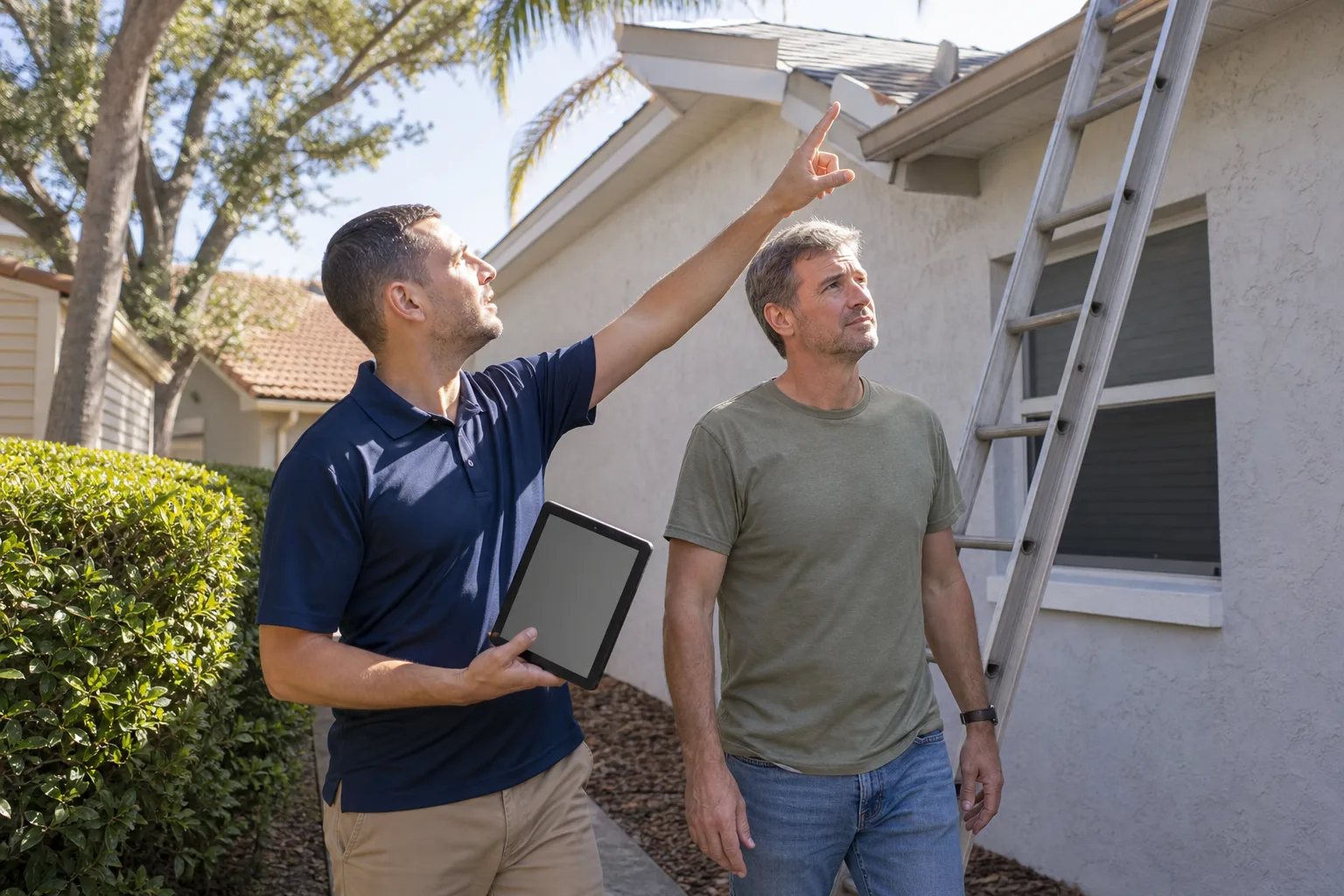
Stage 1: Site walk and utility locate (day 1). We meet you on site, pull the property’s utility locates (SoCalGas, SDG&E, water, and any private lines on the lot), and shoot grades. You’ll get a site plan showing where the ADU footprint lands, where the trench runs come from, and whether the existing panel has the spare capacity for a 100-amp subfeed. Most homes here have a 100- or 200-amp panel already; if it’s full, an upgrade enters the budget now, not later.
Stage 2: Demolition and clearing (2 – 5 days). We remove patio covers, decks, concrete flatwork, landscaping, and any tree that’s inside the footprint or the root-protection zone. Because Aliso Viejo was built out largely from the 1980s through the 2000s, we’re often pulling out original builder-grade hardscape. You’ll decide before this stage whether any of it gets reused (patio pavers, for example) or hauled off.
Stage 3: Grading and erosion control (3 – 10 days). On flatter lots, this is a quick cut and fill. On the graded hillside lots around Glenwood and the ridgelines near Aliso and Wood Canyons Wilderness Park, it’s a bigger job: we bench the slope, install silt fencing and check dams, and keep the site stable ahead of the first winter rains. Aliso Viejo’s hillside grading rules often trigger a geotechnical report, and we’ll tell you early if your lot is in that category so it’s in the schedule.
Stage 4: Utility trenching and rough-in (5 – 12 days). Sewer, water, gas, electrical conduit, and low-voltage runs get trenched and inspected in sequence. The two decisions you’ll make here: whether the ADU gets its own sewer lateral or taps the main line (distance and slope decide this), and whether gas runs to the unit or the kitchen and water heater go all-electric. Both choices are still open at this point; after trenching, they’re locked in.
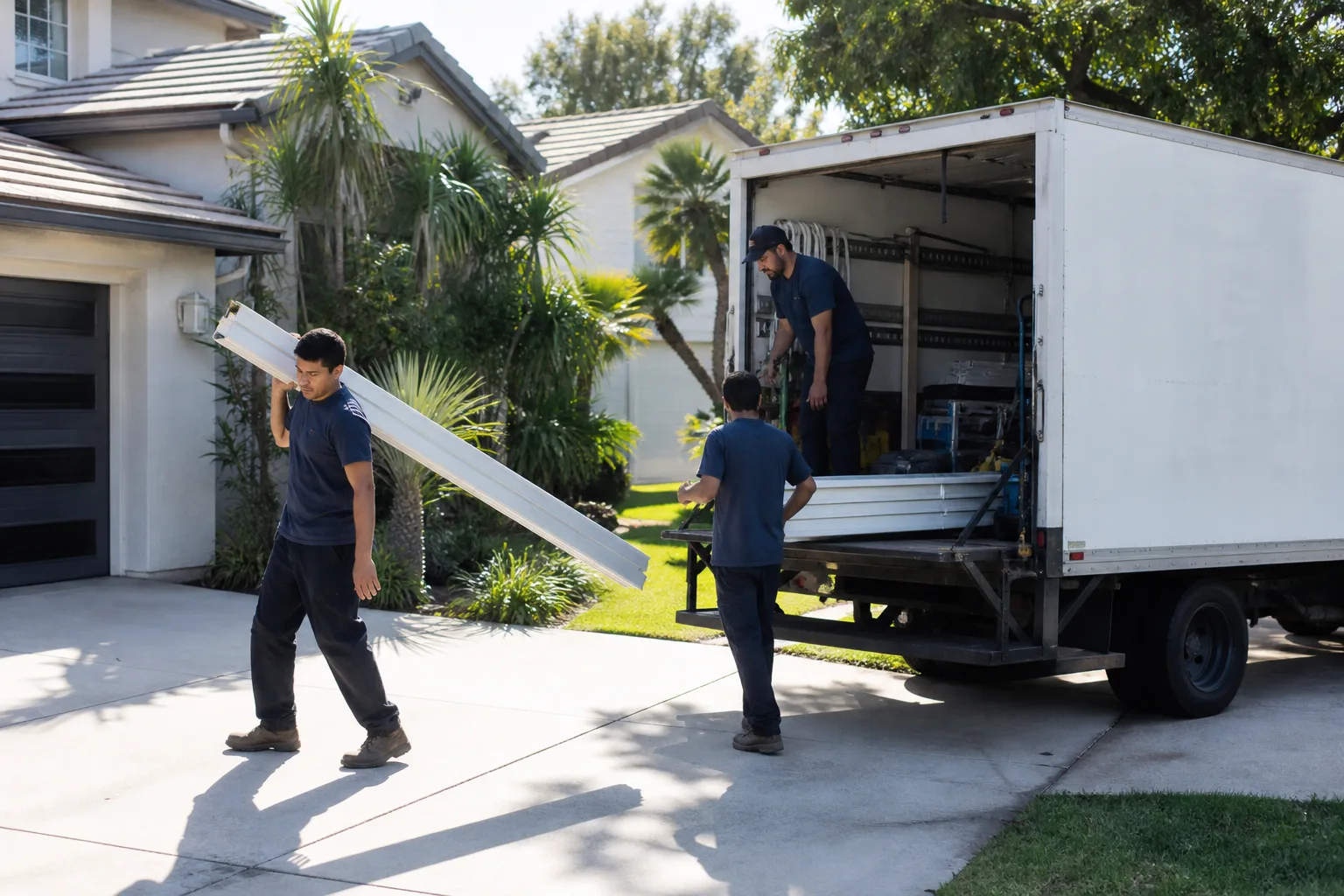
Stage 5: Foundation and backfill (5 – 10 days). Post-tension or conventional slab, stem walls, anchor bolts, hold-downs for seismic. Aliso Viejo’s contemporary seismic requirements mean current code, even if the main house was built to 1985 rules. We finish by backfilling, compacting, and getting final site inspection signed off before framing starts. That’s the handoff point to the main build on our Aliso Viejo service page.
Styles & brands we work with
- Kitchen remodeling
- Bathroom remodeling
- Home additions & ADU
- Roofing
- Windows & doors
- Driveway & pavers
- Fence
The choices you’ll make before we break ground
Site prep isn’t a design job, but a handful of decisions live here and shape everything downstream:
- Detached vs. attached footprint. Detached gives you privacy and a clean HOA story, but it doubles the trench runs and adds a separate utility feed. Attached (typically via a garage wall) shares utilities and stays cheaper, but the shared-wall assembly has to meet fire separation and sound requirements.
- Sewer route: new lateral vs. tie-in. A new lateral to the street is cleaner but more expensive; a tie-in to the main house line is usually cheaper but depends on existing slope and condition. We camera the existing line before deciding, because a failing 1990s cast-iron lateral is worth replacing while the trench is open.
- Electrical: subfeed vs. new service. A 100-amp subfeed from an existing 200-amp panel is the common choice; a full new service drop only makes sense if the main panel is already at capacity. Panel brands we work with most often: Square D and Eaton.
- All-electric vs. gas. Aliso Viejo’s dry climate makes heat-pump water heating and cooking genuinely practical, and skipping the gas trench saves money and simplifies inspection. Gas still suits anyone who plans a gas range or outdoor kitchen.
- Slab vs. raised floor. Slab is standard and cheaper. Raised floor (crawlspace or stem-wall) costs more but lets you run utilities after the fact and insulates better on shaded slopes.
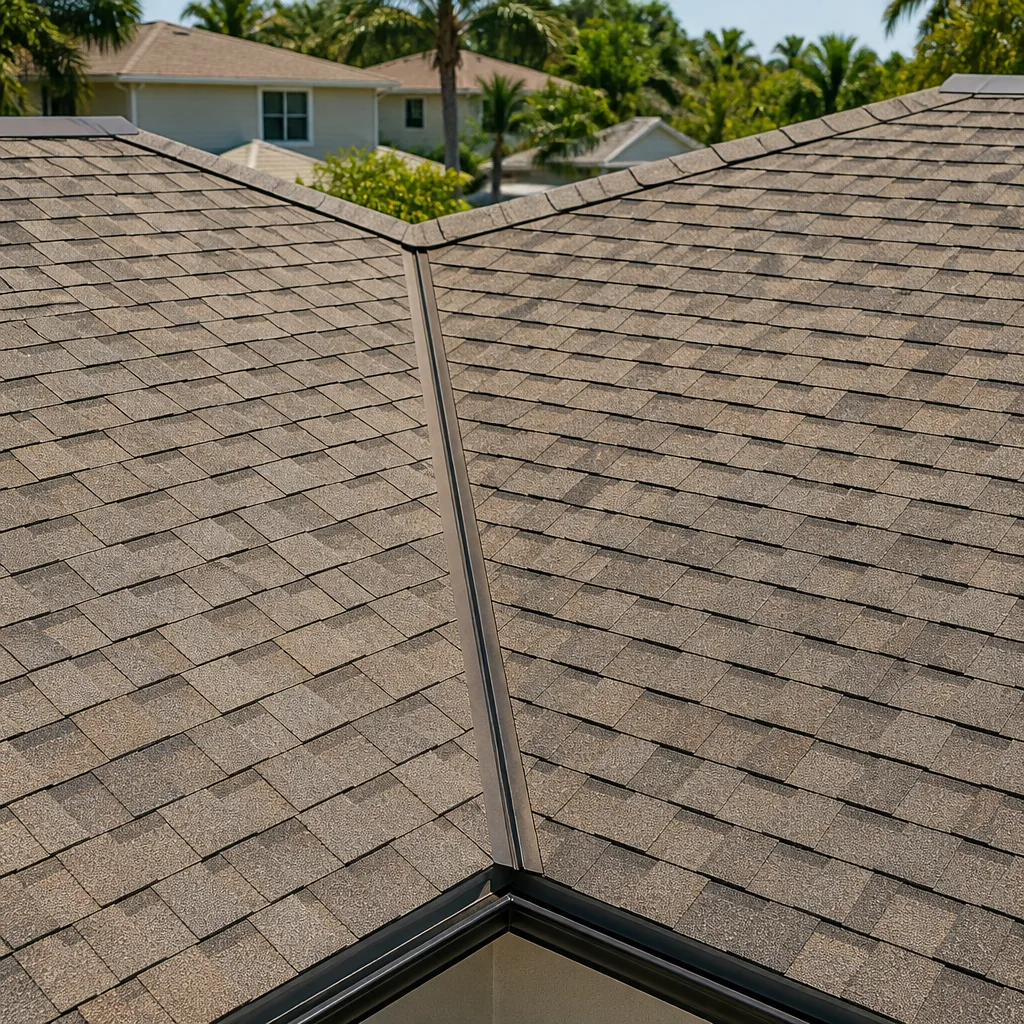
- Roof tie-in and finish match. If your ADU is within sight of the main house, HOA design review will expect a roof that reads like the original. That’s where we lean on GAF and CertainTeed products that come in profiles matching the 1990s – 2000s concrete tile look.
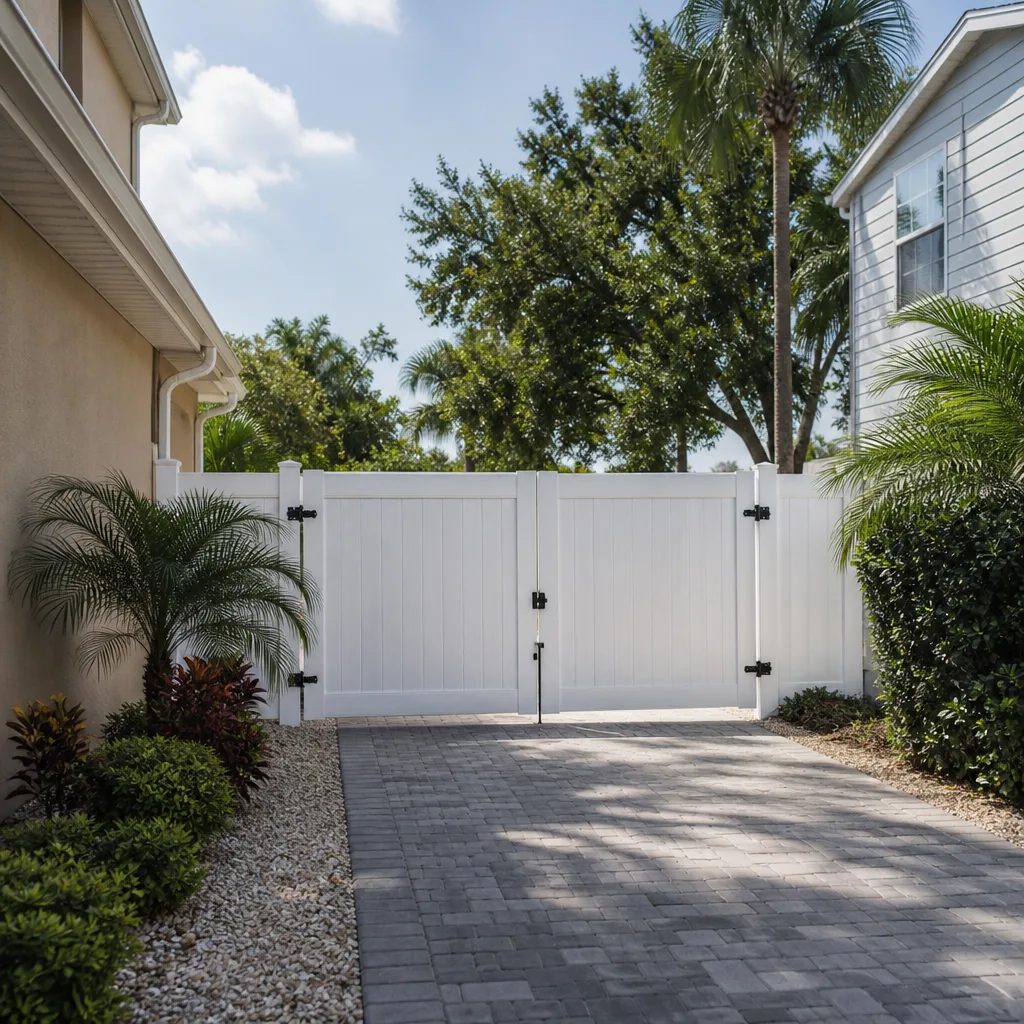
Homeowners often pair this site work with Concrete Driveways & Concrete Work in Aliso Viejo since the same equipment is on site and the new ADU needs parking and a walkway anyway.
What ADU Site Prep & Utilities costs in Aliso Viejo, CA
For the work described above, expect $45,000 – $130,000 in Aliso Viejo. That range covers grading, erosion control, trenching, utility rough-in, foundation, and site inspection, but not the shell, finishes, or design fees. Written estimates from us break out every line item so you can see what you’re paying for each stage.
What pushes a job toward the low or high end of that range:
- Lot slope and grading volume. Flat lots near Aliso Creek come in at the low end; steep lots in the ridges off Pacific Park Drive run higher because of benching, retaining, and geotech work.
- Trench distance to utilities. Every additional 20 feet of sewer, water, gas, and conduit adds cost. A unit set 15 feet from the main house is much cheaper to feed than one set 80 feet out at the back of a lot.
- Existing panel and sewer condition. A 100-amp panel with no spare capacity or a failing lateral both mean additional scope.
- Sewer tie-in vs. new lateral. New lateral work at the street adds real dollars.
- Geotechnical report requirement. Hillside lots often need one, and it adds time and cost before grading can begin.
- HOA-required changes. Screen walls, landscape buffers, and design revisions the HOA asks for after plan submittal add scope.
Included in a written estimate from us: locates, permits pulled on our end where they apply, plan review coordination, erosion control, foundation engineering per plan, and site inspection sign-off. Typically not included: the geotech report if one is required, HOA application fees, and any utility company charges for a new service drop.
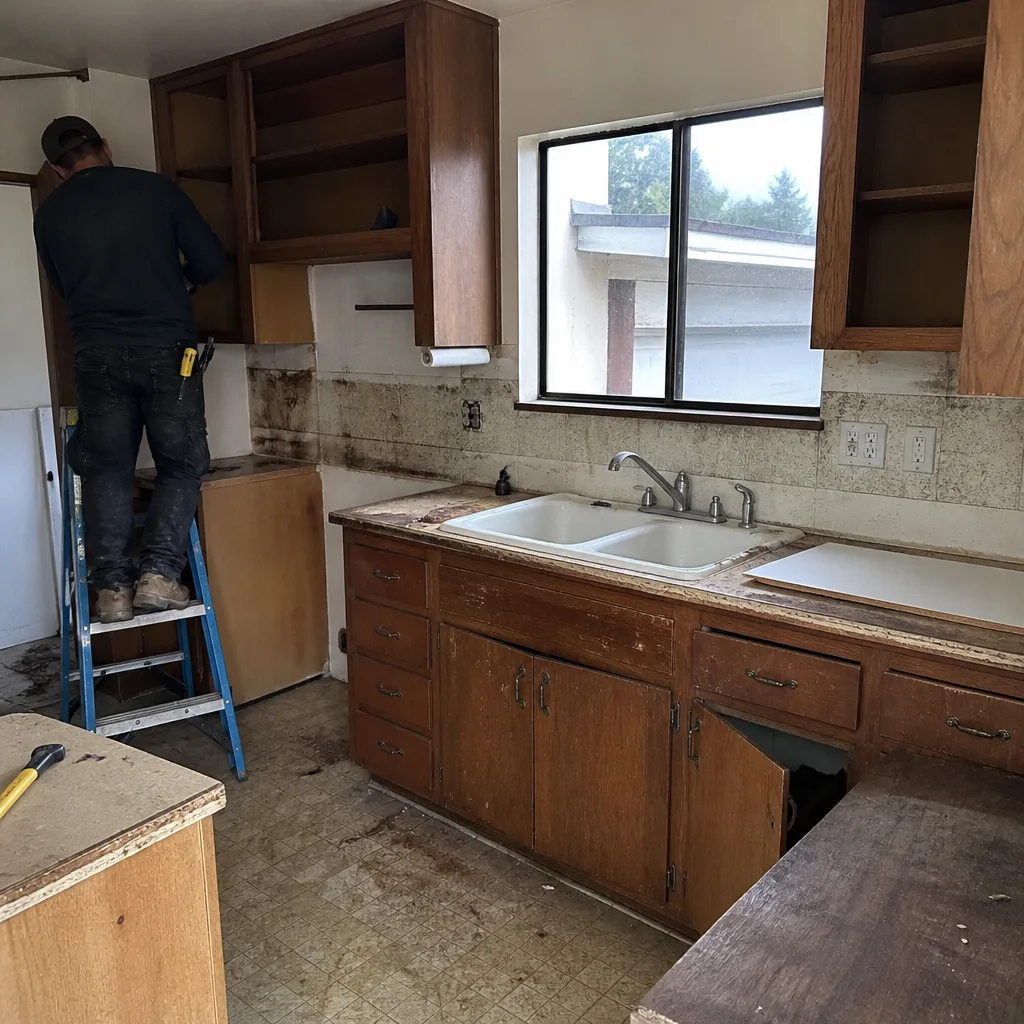
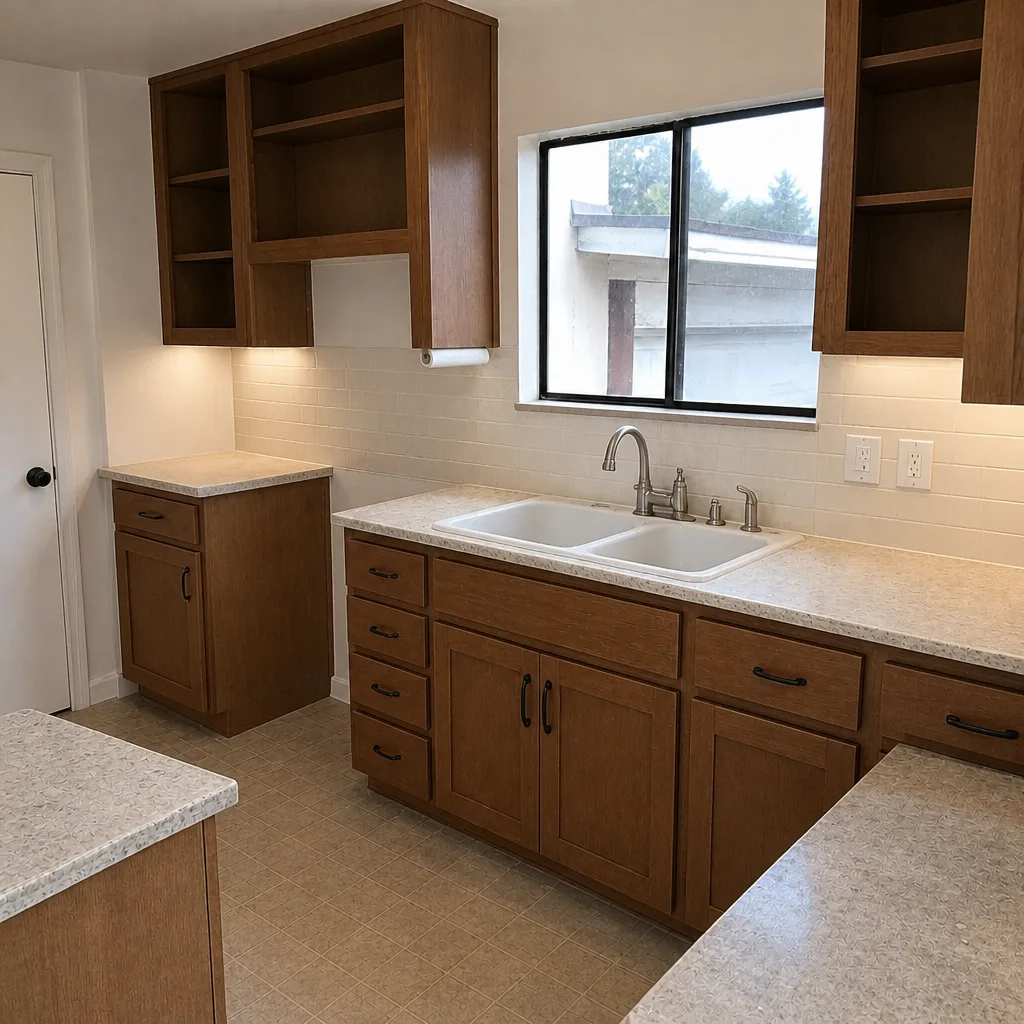
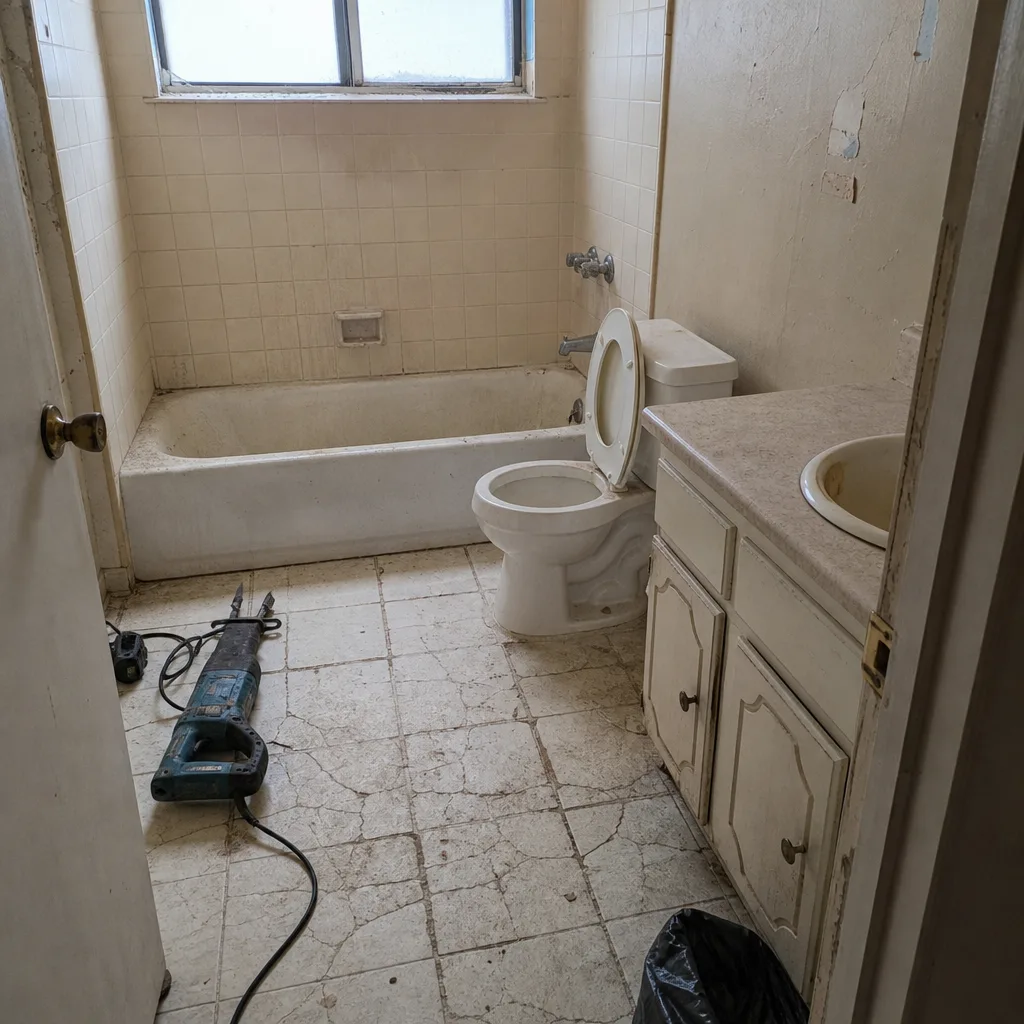
See the difference
 Before
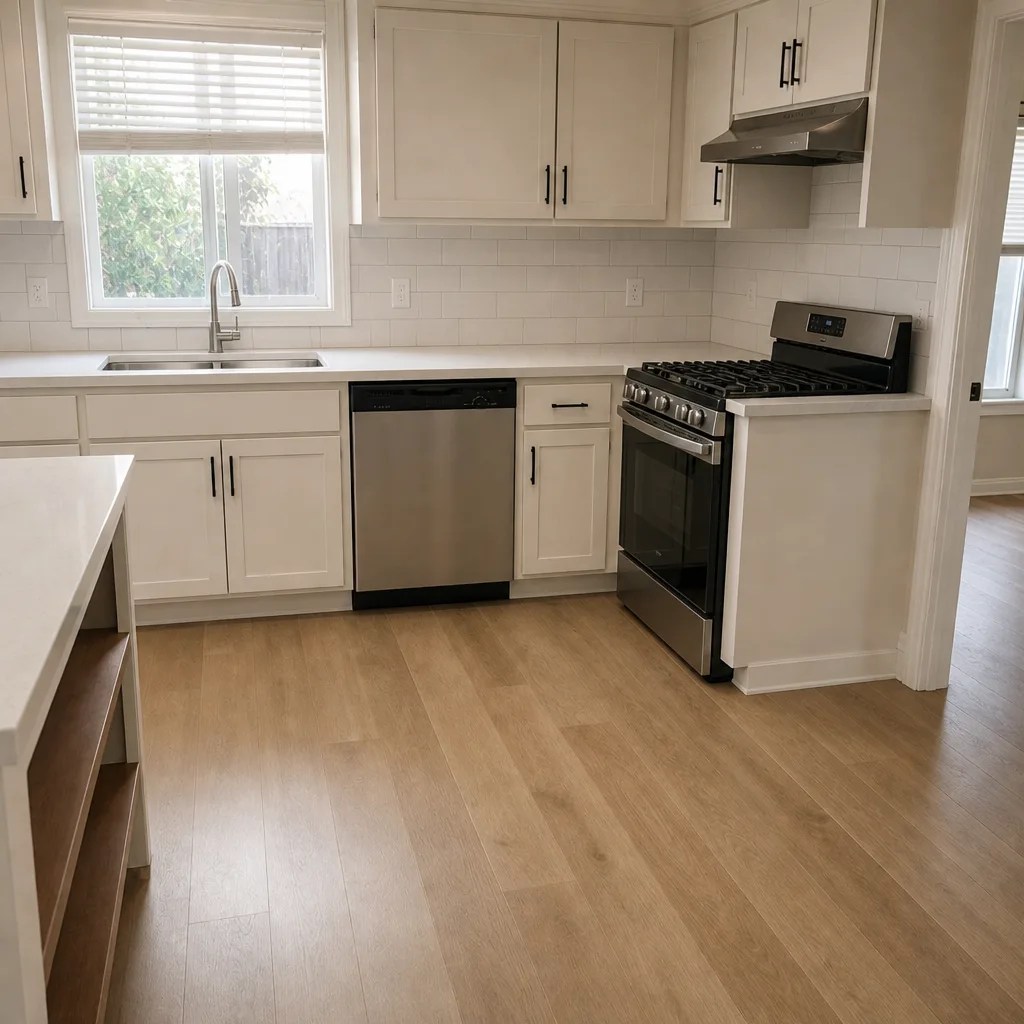 After
 Before
 After
 Before
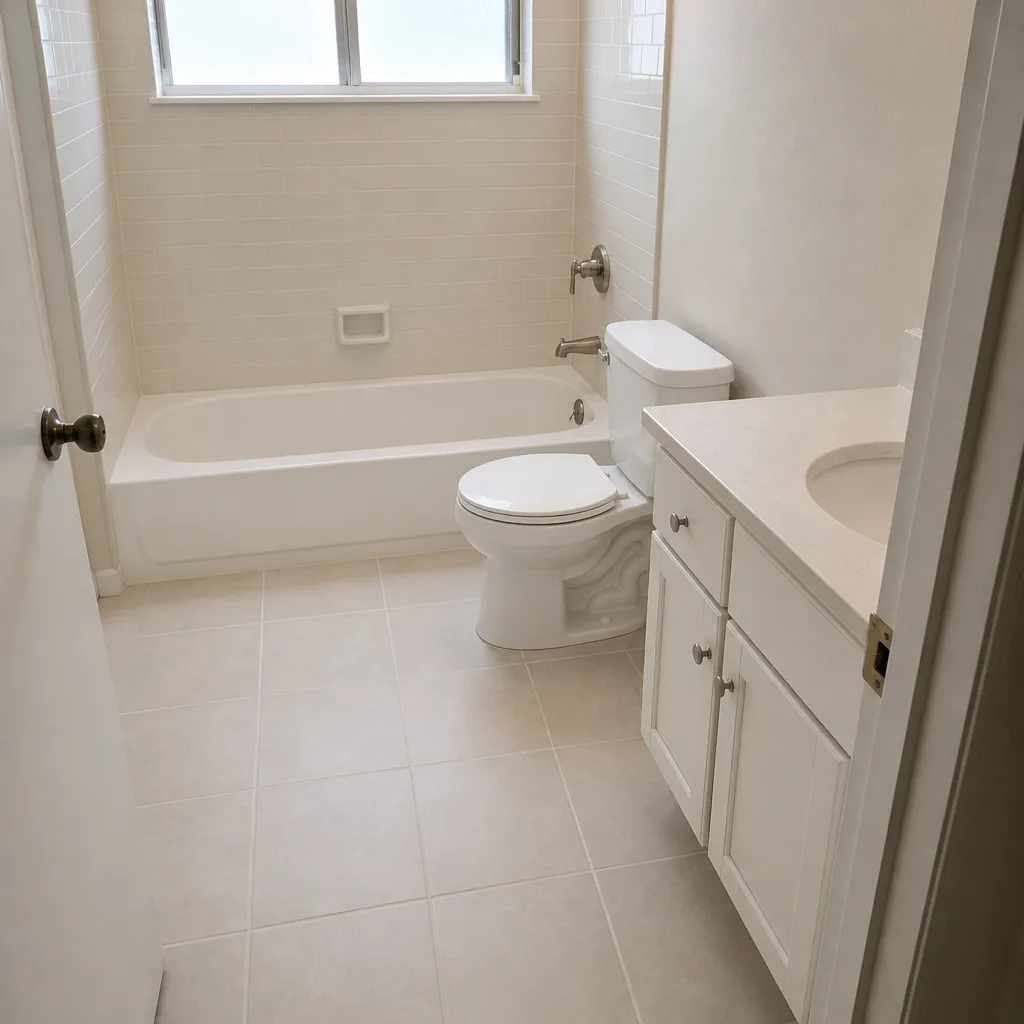 After
What Aliso Viejo homes specifically do to this job
Aliso Viejo is a master-planned city built almost entirely after 1982 and incorporated in 2001, and that history shapes ADU site prep here more than in older Orange County cities. It isn’t a question of repairing tired infrastructure: it’s a question of working within tight, contemporary rules. Plans get vetted twice, once by the city and once by the HOA under each village’s CC&Rs. That second layer is real. Parking counts, utility screen walls, roof pitch, and color palettes all get reviewed, and we build those revisions into the schedule so your permit and HOA approval land close together instead of six months apart.
The stock we work on most often is 1980s – 2000s Mediterranean and Spanish-style tract homes, townhomes, and low-rise condos with stucco exteriors and concrete tile roofs. Attached townhomes in the villages along Aliso Creek and near Grand Avenue mean shared walls and utility easements, which affects both trench routing and fire separation details. On the graded slopes toward the Chino Hills foothills, our crews watch for the same thing every dry season: sun-baked clay that cracks and pulls away from stem walls if the backfill isn’t compacted correctly, which is why we’re strict about moisture conditioning before the slab goes down. Warm, dry summers mean good concrete-curing weather and no freeze delays, but the first winter rains are a hard deadline for erosion control.
Serving Aliso Viejo, CA – Our Local Coverage Area
We serve Aliso Viejo and nearby communities. Use the map below to see the area we cover. If you’re nearby, we can almost certainly help.
Frequently asked about ADU Site Prep & Utilities in Aliso Viejo
Site work runs 4 – 8 weeks on a flat lot and 6 – 12 weeks on graded hillside terrain, with plan review and HOA approval adding 3 – 5 months before we break ground. The long pole is almost always the two-track approval, not the dirt work. Call (855) 532-8973 and we’ll give you a realistic calendar once we’ve seen the lot.
Yes. Excavation, grading, utility trenching, and foundation work are all covered under the ADU building permit, and any hillside grading typically triggers a separate geotechnical review. We pull permits as part of the scope. Skipping them creates problems at resale and with the HOA. Call us for a permit scope review before you sign anything.
Usually yes, and it’s the cheaper path. You’ll need a spare breaker capacity for a 100-amp subfeed and a camera inspection on the existing sewer lateral to confirm slope and condition. When the main line is failing or the panel is maxed, a partial upgrade is often the better long-term call. Call us and we’ll assess your existing systems on site.
Most jobs land between $45,000 and $130,000 for the site work alone, separate from the shell and finishes. Where you land depends on slope, trench distance, whether a new lateral or electrical service is needed, and whether the HOA asks for design revisions. Call (855) 532-8973 for an exact line-item quote; estimates are free.
All site prep and utility work we perform is covered by our 730-Day Done Right Promise: if something we did isn’t right, we make it right for two full years. That’s one of the longest workmanship guarantees in the residential construction space, and it applies to foundation, trenching, and rough-in the same as it does to finished work. Call for the written warranty terms before you sign.
This phase is part of the wider project scope covered on our Home Additions & ADU in Aliso Viejo page, so start there if you want the full picture from design through finishes. And if the new unit needs a driveway or pavers to match, that can pair neatly with our Paver Driveways in Aliso Viejo work. Everything runs through our Home Additions & ADU services.
Get a free site-prep estimate for your Aliso Viejo ADU
Call (855) 532-8973 for a free on-site estimate, a written line-item quote, and a realistic permit-and-build calendar built around your property and your village’s HOA. We answer the phone around the clock and put the number on paper before we touch a shovel. Our technicians have up to 12 years of experience on sites exactly like yours.
Written by the team at Groundwork Construction Co.