
Free written scope consultation - allowances, timeline, and change-order rules on paper before a single trade is scheduled
ADU Site Prep & Utilities in Tustin: What It Takes to Get a Backyard Unit Build-Ready
ADU site prep and utilities in Tustin usually means clearing and grading the build pad, running a new power drop, extending water and sewer from the main house, and handling drainage and inspection before the first foundation form goes down. Budget $45,000 to $130,000 for this stage on a typical Tustin lot, with most site-and-utility packages landing in the $60,000 to $95,000 range. The work itself runs four to eight weeks once permits clear. Call (855) 532-8973 to schedule a free on-site estimate.
This page covers the dirt, trenching, pipe, wire and inspections underneath an accessory dwelling unit. If you’re still mapping out the wider project, our Home Additions & ADU in Tustin page covers design, structure and finishes.
How Site Prep and Utility Work Actually Runs, Stage by Stage
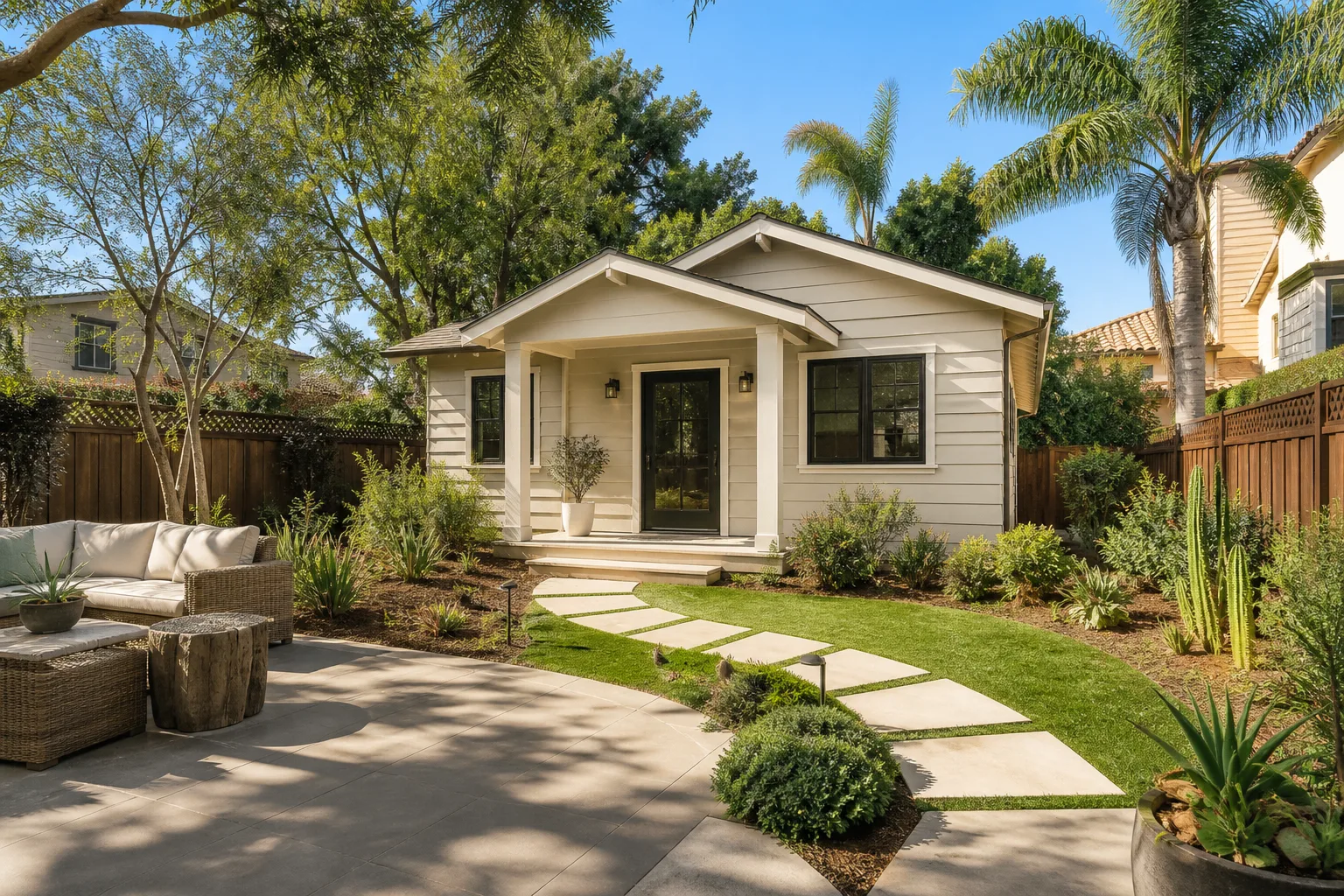
Site prep looks like a few days of digging until you’ve done it on an older Tustin lot. Here’s the real sequence, with the decisions you’ll make at each point.
Stage 1: Site survey and utility locating (days 1-3)
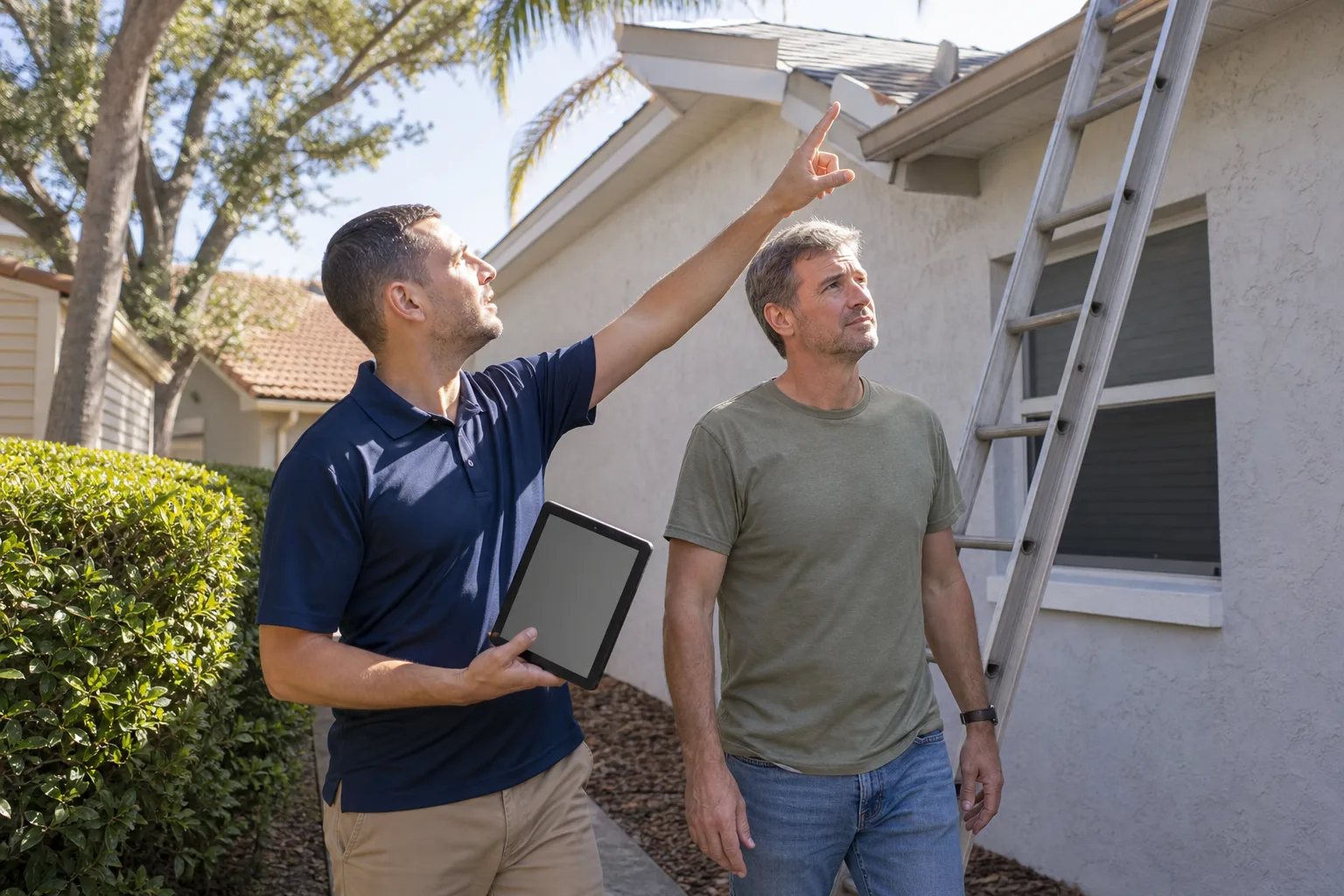
We start by walking the lot with the survey in hand, marking setbacks for the ADU footprint and the dig zone. On the flats north of El Camino Real, this is where we routinely call in utility locating before any machine touches soil. The former MCAS Tustin footprint left buried taxiways, old base infrastructure and undocumented fill in spots, so we treat every dig on the Legacy side as a locate-first job. You’ll confirm the exact ADU placement at this stage, since it affects where every trench runs.
Stage 2: Demolition, clearing and grading (days 3-10)
Old patios, sheds, fence lines and surface concrete come out. We then grade the pad to the engineered plan and set rough elevations for drainage. On the postwar cottages, we’re often pulling up aging concrete that was never poured to modern slope, so a fair amount of this week is correcting the grade so water moves away from both structures. This is the stage where you decide the pad’s hardscape edge and whether you want the utility runs sleeved under future paving.
Stage 3: Trenching for water, sewer and electrical (days 10-20)
We trench from the main house to the ADU location for domestic water, sewer and the electrical feed. On the 1942-1950s stock, the connection points are the wildcard: old galvanized supply lines and cast-iron drains may need partial replacement right where you tie in, and a shallow pier-and-beam foundation changes how we route the sewer to the main line. This is your biggest decision window – tie into the existing main, or run a new dedicated connection. That choice moves the number meaningfully, and we price both options in writing before you commit.
Stage 4: Rough-in, gas and drainage (days 20-32)
Pipe and conduit go in, gas lines get routed if you’re running a gas appliance, and site drainage (French drains, area drains, downspout tie-ins) is laid to move stormwater off the pad. Expansive clay in parts of the flats shifts seasonally, so drainage here isn’t optional polish – it’s the thing that keeps the ADU slab from cracking later. You’ll pick fixture rough-in locations now, because moving them after inspection means re-trenching.
Stage 5: Inspection and backfill (days 32-45)
The city inspects the underground work before anything gets covered. We schedule that inspection, get the sign-off, then backfill, compact and re-grade the site so it’s clean and ready for the foundation crew. You walk the finished prep with us and get the as-built utility plan for your records.
Styles & brands we work with
- Kitchen remodeling
- Bathroom remodeling
- Home additions & ADU
- Roofing
- Windows & doors
- Driveway & pavers
- Fence
The Choices That Shape the Job
- Utility connection method: Tying into the main house is usually the lower-cost route, but it’s limited by line size and condition. A new dedicated connection costs more and can trigger additional street work, yet it’s cleaner on old lines that are already marginal.
- Pipe material: Modern PVC for drainage holds up well and is the standard. On older Tustin connections, matching or upgrading the cast-iron section at the tie-in is the honest call, since a new ADU draining into a failing 80-year-old line is a problem waiting to happen.
- Electrical service: A subpanel fed from the main house is common and cost-effective. A separate meter gives the ADU its own billing but adds cost and coordination with the utility.
- Drainage grade: Surface swales are the budget option. French drains and area drains cost more upfront and are the right call on clay-heavy lots where seasonal movement is a known issue.
- Gas routing: Running gas for a range or water heater adds trenching and inspection scope. All-electric ADU appliances skip that entirely and simplify the rough-in.
What ADU Site Prep & Utilities Costs in Tustin, CA
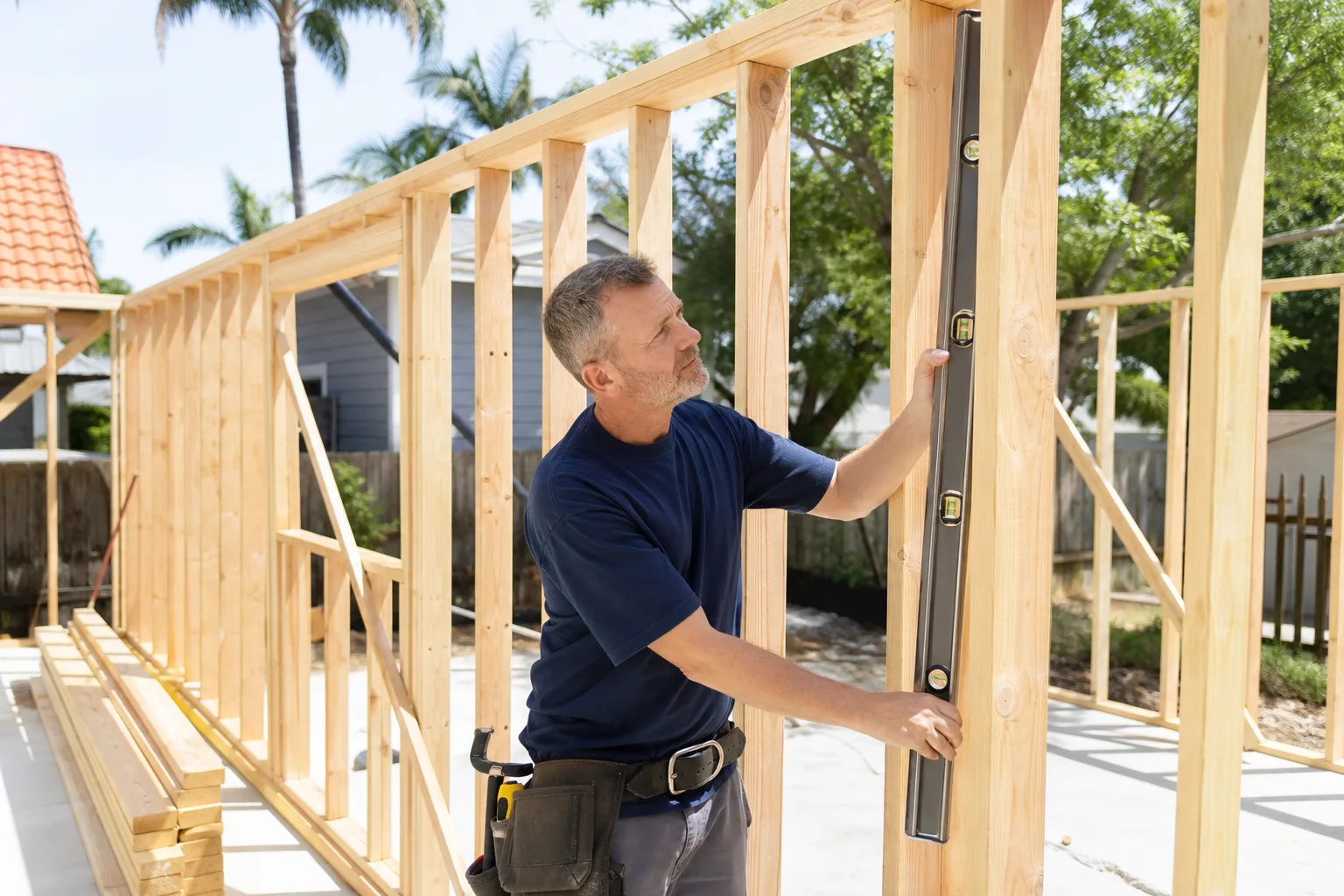
Site prep and utility work for a Tustin ADU runs $45,000 to $130,000, depending on trench length, connection method and how much old infrastructure you have to correct. Most jobs fall between $60,000 and $95,000. The full ADU build, if you’re pricing it as one project, typically runs $90,000 to $220,000 on top of this.
These are the variables that push a job toward either end of the range:
- Lot access and trench length: A rear lot with a long run from the main house adds trenching and materials. Tight side yards slow the machine work.
- Existing utility condition: Newer 92782 production homes usually tie in cleanly. The older flats cottages may need partial line replacement at the connection, which is the single biggest swing factor.
- Soils and grading: Expansive clay and old fill mean more correction and drainage work than a clean, level pad.
- Permit and inspection scope: Utility and grading permits carry fees, and older sites sometimes need an extra soils review before the city signs off.
- Utility locating surprises: Hitting buried base-era infrastructure or undocumented fill turns a routine dig into a slower, more expensive one.
A written estimate from us is line-item and fixed – the number you see is the number you pay, backed by our 730-Day Done Right Promise. It covers locating, demo, grading, trenching, rough-in, drainage, inspection scheduling and backfill. It does not cover the foundation, framing or finishes, which are separate scope. Permit fees are itemized so there’s no surprise there either.
See the difference
 Before
 After
 Before
 After
 Before
 After
Why Tustin Lots Change the Work
Tustin isn’t one housing market. North of El Camino Real, you’re working on dense rows of 1940s Marine barracks-era and defense-worker cottages, many with shallow pier-and-beam or slab foundations and original galvanized and cast-iron plumbing. Out in 92782 – Tustin Ranch and the Legacy side – you’re on 1980s to 2000s production homes and newer infill, where the utility connections are modern and the lots are tighter but cleaner. Doing both in the same week is normal here.
That split is why utility locating and a soils look matter more in Tustin than in most of Orange County. The former MCAS Tustin hangars anchor a base footprint where contractors regularly hit buried utilities and undocumented fill while excavating. Permitting on Legacy-area and historic-district work also runs stricter, so we build the inspection schedule into the plan from day one rather than discovering it mid-dig. The Santa Ana winds that funnel through the Tustin plain are a factor for the ADU structure later, but for site prep the real local pressure is drainage and expansive clay on the older stock.
We cover all of Tustin, and this work is part of our broader Home Additions & ADU service. Homeowners often pair this with Concrete Driveways & Concrete Work in Tustin for the access path to the new unit, or Paver Driveways in Tustin when they want a finished apron at the ADU door.
Serving Tustin, CA – Our Local Coverage Area
We serve Tustin and nearby communities. Use the map below to see the area we cover. If you’re nearby, we can almost certainly help.
Frequently Asked – ADU Site Prep & Utilities in Tustin
Plan on four to eight weeks from the first day on site to a finished, inspected and backfilled pad. Older flats lots with line replacement or drainage correction lean toward the longer end; newer 92782 lots with clean connections move faster. Call (855) 532-8973 for a timeline estimate on your lot.
Yes. Underground utility, grading and drainage work requires permits and inspection in Tustin before anything is covered. We pull them and coordinate the inspection. Call (855) 532-8973 and we’ll walk you through what your project will require.
Often, yes – if the ADU location lets us tie into existing lines without moving them. On the older cottages, though, the connection point is where old lines get tested, and partial replacement may be necessary. We price both paths upfront. Call (855) 532-8973 for an exact scope.
Between $45,000 and $130,000, with most jobs in the $60,000 to $95,000 range. Trench length, existing line condition, soils, and permit scope are the main movers. Call (855) 532-8973 for an exact quote – estimates are free.
Every project we do is covered by our 730-Day Done Right Promise – if it’s not done right, we make it right. That applies to the site prep and utility work as much as the build above it. Call (855) 532-8973 to get started.
Get a Free On-Site Estimate for Your Tustin ADU Prep
Every Tustin lot is different, and the only honest way to price site prep and utilities is to stand on your property. Call (855) 532-8973 and a live person answers around the clock. We’ll schedule a free on-site estimate, walk the lot, locate the utilities and give you a written, line-item number with the 730-Day Done Right Promise behind it.
Written by the team at Groundwork Construction Co.