Last updated November 18, 2026

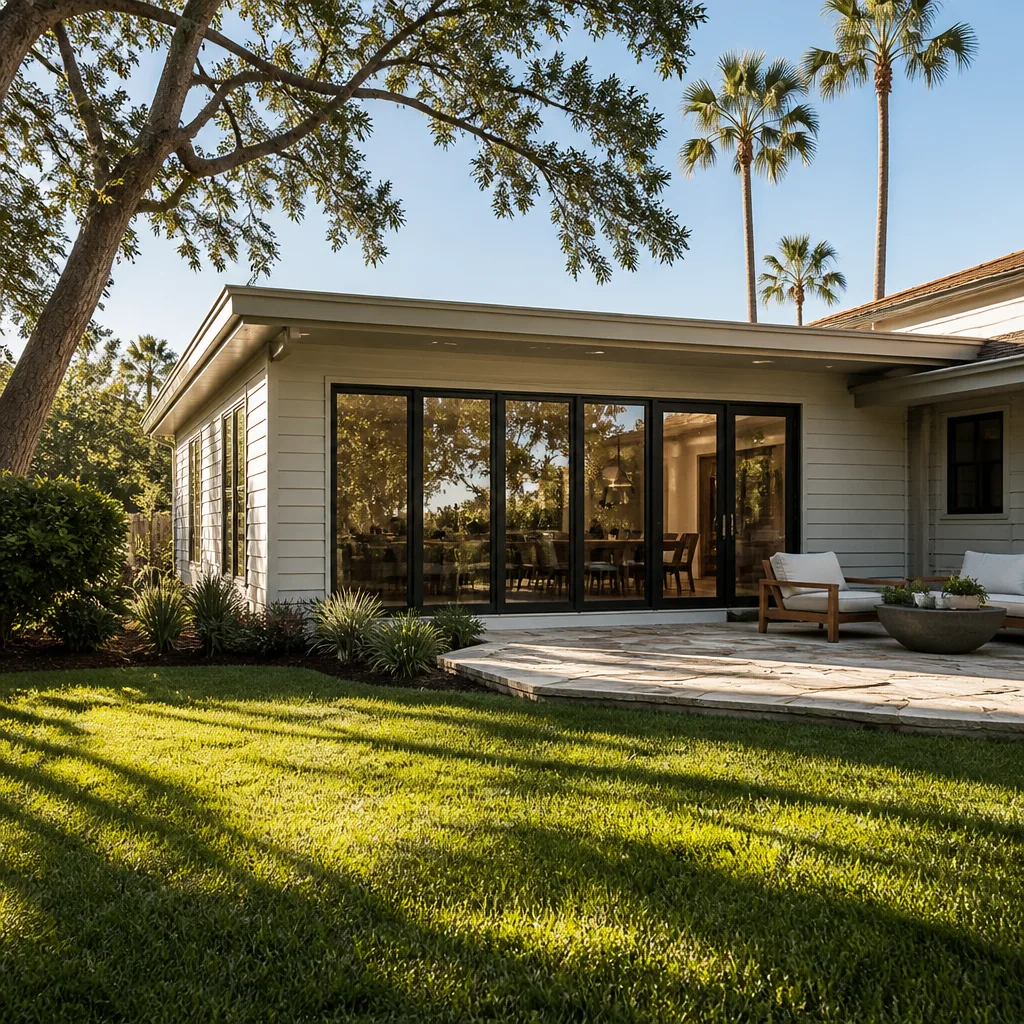
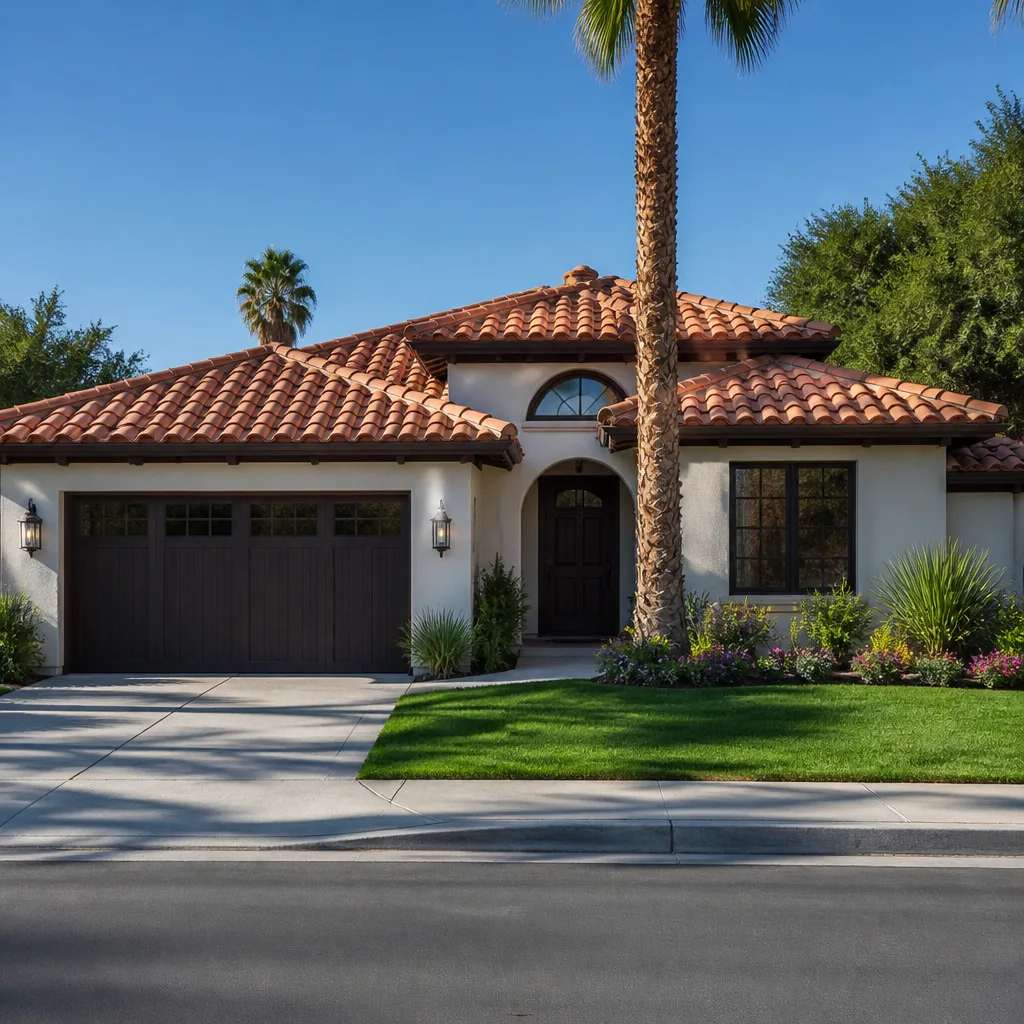

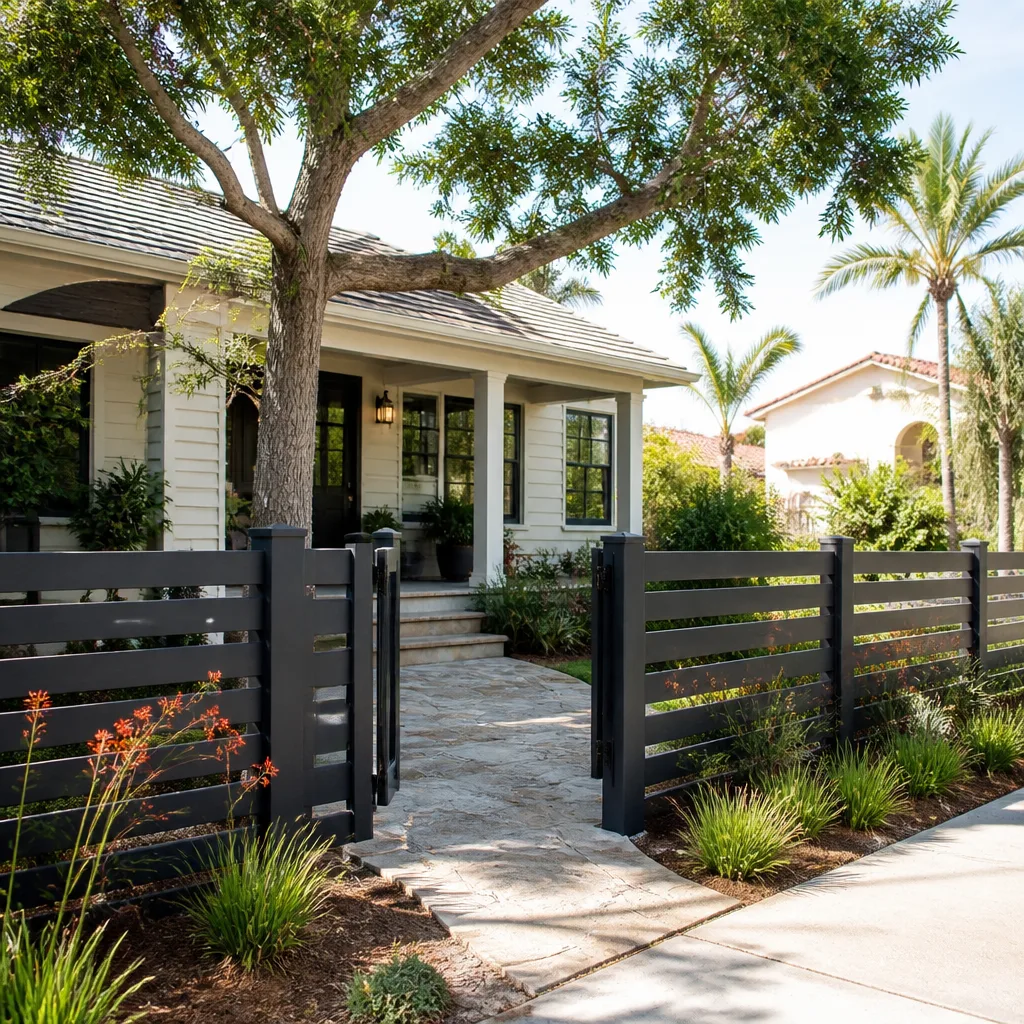

Free written scope consultation - allowances, timeline, and change-order rules on paper before a single trade is scheduled
How to Hire a Construction Contractor in Lake Forest: A Step-by-Step Guide
The California Contractors State License Board lists over 300,000 licensed contractors across the state. A valid license, in other words, tells you almost nothing about whether the person holding it will finish your kitchen on budget, show up on the third week, or honor a callback when something goes wrong. In Lake Forest, a city where HOA rules, hillside drainage, and a permit office with its own quirks all shape how a project actually runs, the due diligence that matters goes well beyond typing a name into a search box. This guide walks you through it step by step: how to verify a license in under five minutes, what a Lake Forest-specific scope of work should contain, which payment structures hint at a contractor who may run out of money mid-job, and the questions that separate a local operator from someone who’s guessing.
Quick Answer
To hire a construction contractor in Lake Forest, verify the license and complaint history on the CSLB database, confirm the scope of work includes drainage, HOA compliance, and permit responsibility in writing, insist on a payment schedule tied to milestones rather than a large upfront deposit, and check how the contractor works with local subcontractors. A real contract locks down the bid price, change-order process, and warranty terms before you pay anything. The contractor’s knowledge of Lake Forest’s permit office and inspection sequence matters as much as price.
Styles & brands we work with
- Kitchen remodeling
- Bathroom remodeling
- Home additions & ADU
- Roofing
- Windows & doors
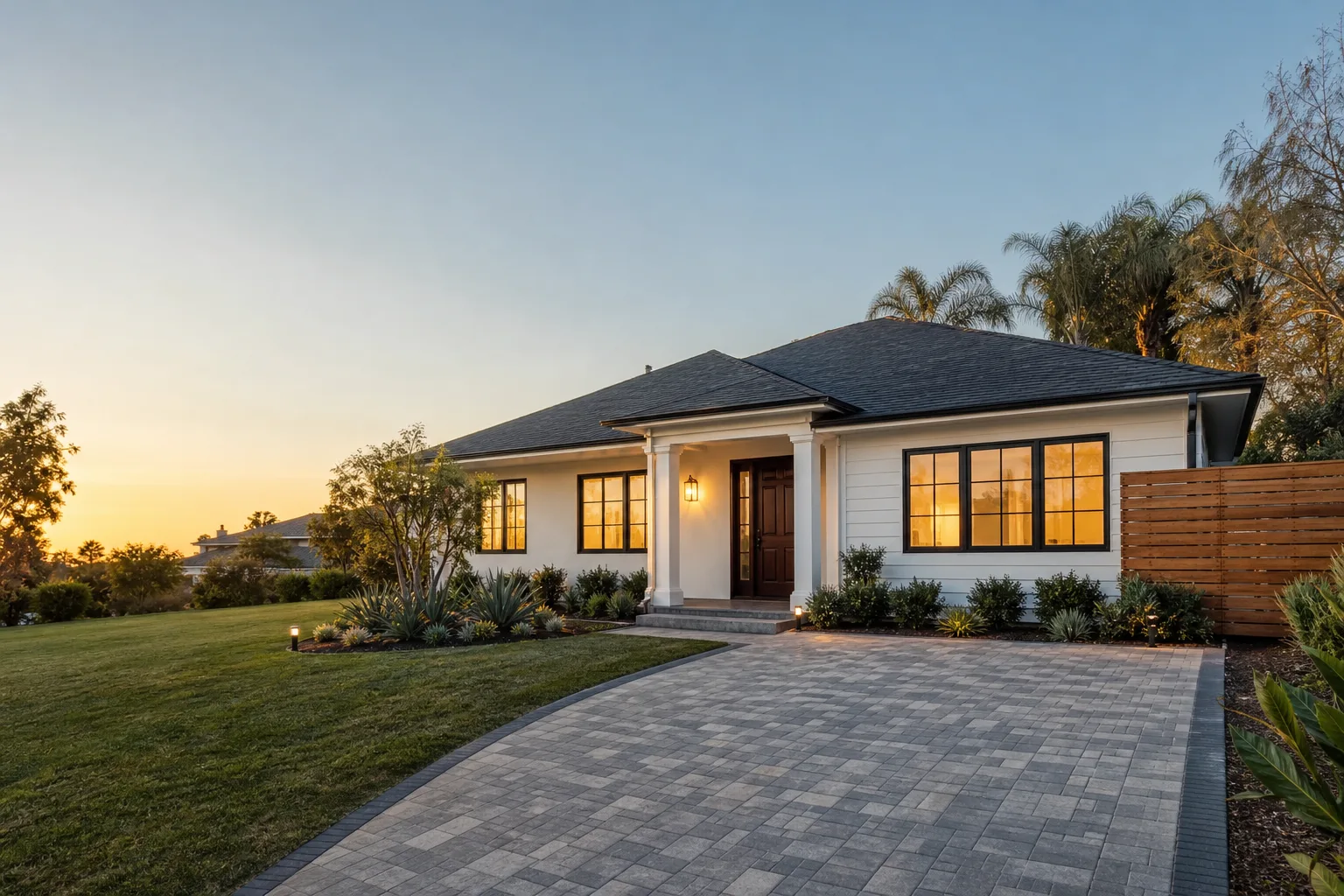
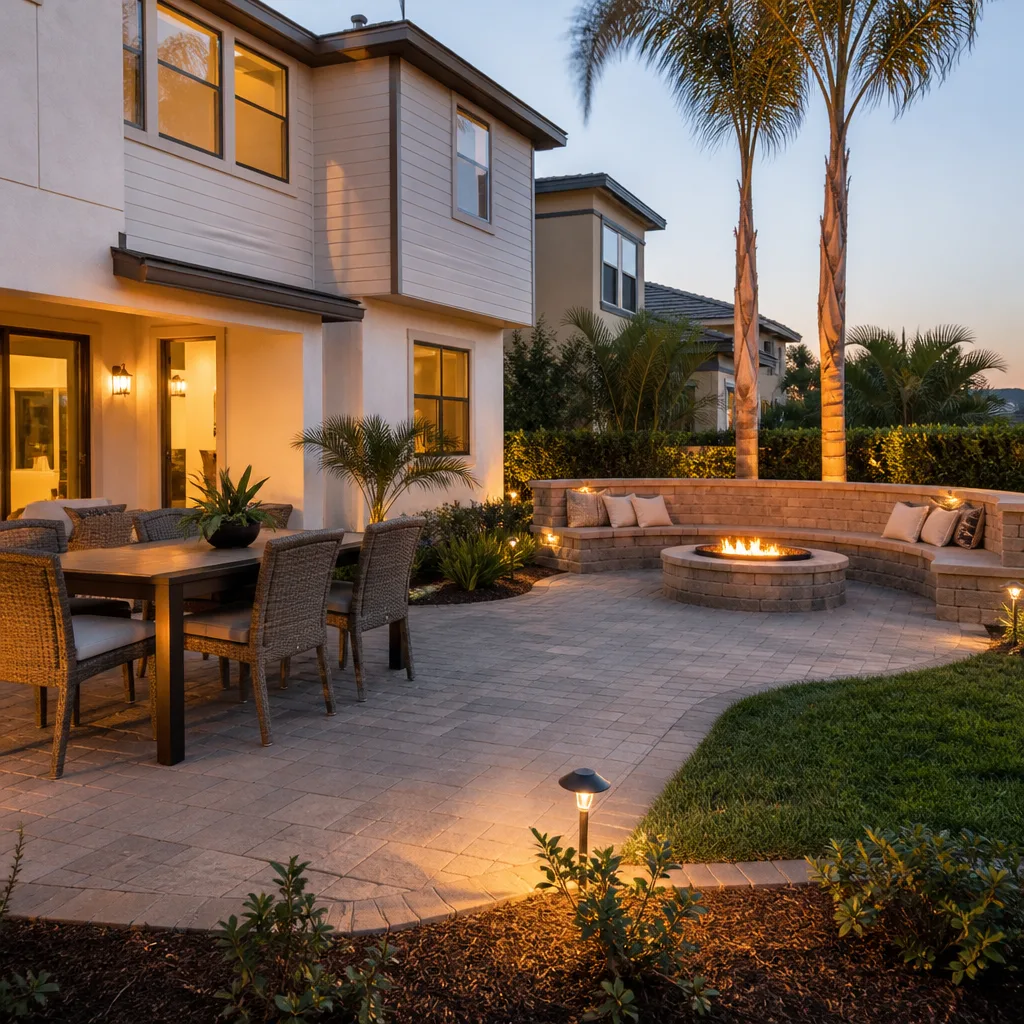
- Driveway & pavers
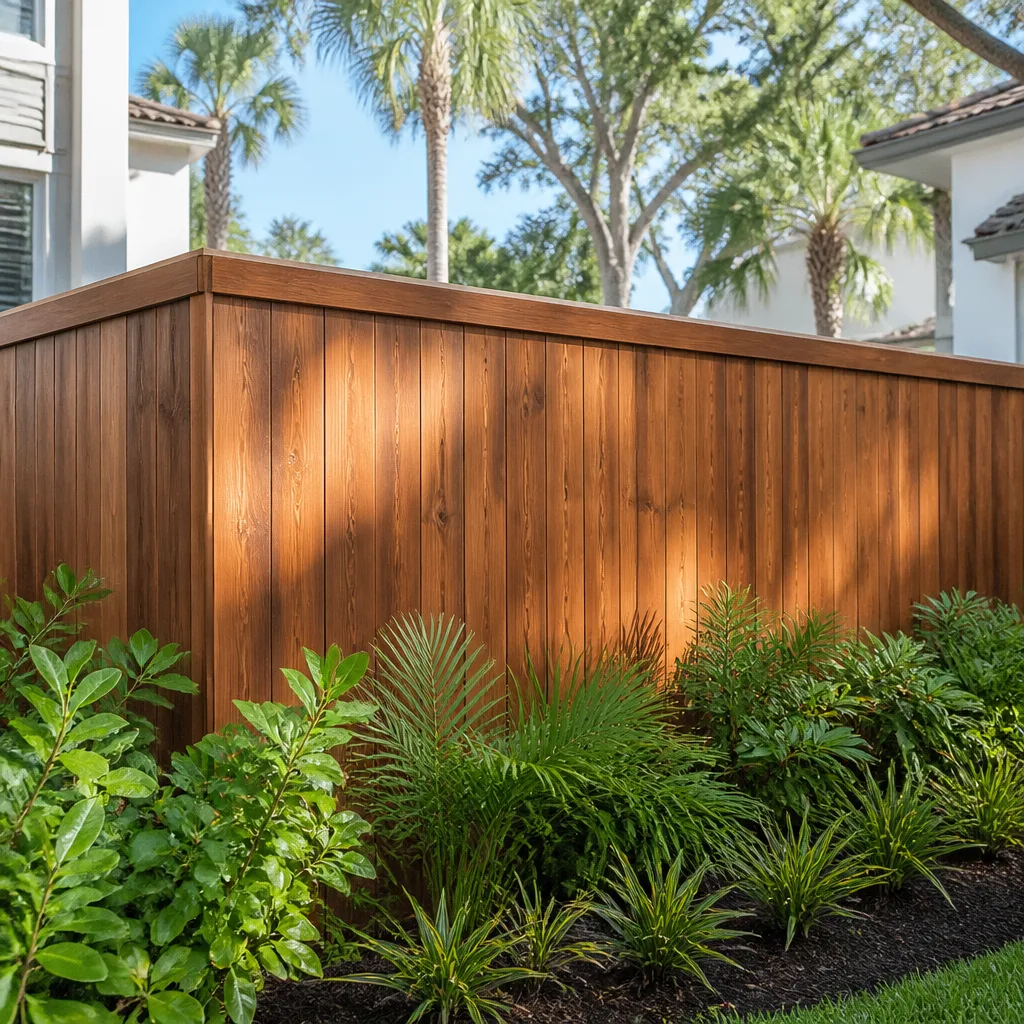
- Fence
Table of Contents
- Step 1: Verify the License and Complaint History in Five Minutes
- Step 2: Demand a Lake Forest-Specific Scope of Work
- Step 3: Decode the Payment Schedule
- Step 4: Check Local Subcontractor Relationships
- Step 5: Test Their Knowledge of Lake Forest Permits
- Step 6: Ask the Questions That Reveal Experience
- Step 7: Read the Contract Like You Mean It
- Common Mistakes to Avoid
- When to Call a Professional
- Frequently Asked Questions
Step 1: Verify the License and Complaint History in Five Minutes
Every licensed contractor in California has a public record on the Contractors State License Board website. The lookup takes about five minutes and gives you far more than a yes-or-no answer. Pull up the license number the contractor hands you, then read the whole page, not just the active status.
Here’s the sequence we walk homeowners through:
- Confirm the license is active and current. An expired or suspended license is an immediate stop. So is a classification that doesn’t match your project.
- Check the classification code. A B-General Building Contractor license covers most residential work. C-39 is roofing, C-36 is plumbing, C-10 is electrical. A contractor whose license doesn’t cover the trade you’re hiring for isn’t legally allowed to do the work.
- Read the complaint disclosure. The CSLB shows complaints and disciplinary actions. A single dispute with a documented resolution is less concerning than a pattern of abandonment or license suspensions.
- Verify the business name matches the contract. The entity listed on the CSLB record is the entity you sign with. If the name on the paper differs from the name on the license, ask why in writing.
- Confirm the bond and workers’ comp status. The record shows whether the contractor carries the required contractor bond and has workers’ compensation coverage. Ask to see the certificates.
Do this for any contractor you’re seriously considering in Lake Forest, even if a neighbor swears by them. Reputation and paperwork are two separate things, and you want both.
Step 2: Demand a Lake Forest-Specific Scope of Work
A generic contract signed in Lake Forest can leave you exposed to problems a template written for Ohio will never anticipate. Three local factors belong in writing on any scope document here: drainage and grading, HOA compliance, and who pulls the permits.
Drainage. Lake Forest sits in a semi-arid region that occasionally gets substantial rain in a short window, and many homes are graded toward slopes or shared retention systems. A home addition, new driveway, or hardscape project anywhere near a slope, including a lot with a retaining wall, needs a drainage plan that specifies the flow direction and the runoff exit. If the scope says nothing about drainage, ask the contractor how water will leave your property after the work. A blank answer is a red flag.
HOA compliance. Lake Forest has a lot of HOA-governed property, and HOA architectural rules vary block by block. Fencing, exterior colors, window styles, additions, driveways, all of it can run into architectural review requirements. A contractor who has actually worked in Lake Forest neighborhoods will ask about your HOA before pricing materials. A scope that doesn’t mention HOA approval responsibility is incomplete.
Permit responsibility. The scope should say, plainly, that the contractor pulls the permit in their name, and that they schedule and attend the inspections. If the contractor suggests you pull the permit as an owner-builder to save money, know that you’re also taking on the liability for inspections and disclosures when you resell.
Insist on a written scope that lists every material by brand or grade and every line item, not a paragraph that says “replace kitchen.” For a look at what a full-scope kitchen or bath upgrade actually includes, our Groundwork Construction Co. of Lake Forest home page lists the service categories and what each one covers.
Step 3: Decode the Payment Schedule
California law limits how much a contractor can collect upfront on most home improvement projects. Beyond the legal ceiling, though, the shape of a payment schedule tells you something about the contractor’s financial health. We’ve seen three common structures in the Lake Forest market, and one of them is a warning sign.
- Front-loaded schedule (red flag). A large deposit, sometimes half or more of the total, before material is ordered. Contractors who ask for this are often using your deposit to pay for a previous job’s materials. If their cash flow depends on your money, your job is at risk if the pipeline dries up.
- Milestone schedule (standard). Payments tied to stages: a modest deposit, a draw at material delivery or demolition, a draw at rough-in inspection, a draw at substantial completion, and a final holdback at walkthrough. This keeps money and work moving together.
- Draw-against-progress schedule (best case). Each payment is tied to a verifiable milestone that you or a third party can confirm before releasing funds, and the final 10% stays with you until punch list items are done.
Ask directly: “What happens if material prices move mid-project?” The answer should be in the contract, either as a fixed price or as a defined change-order process. Upfront pricing, no surprises, means the number you see is the number you pay. Any contractor who can’t give you a fixed line-item quote before work starts is asking you to absorb their risk.
Groundwork Construction Co. of Lake Forest pairs upfront line-item pricing with two standing offers that matter when you’re budgeting five figures or more: 0% financing for 18 months and $1,000 off projects over $10,000. Financing terms like this are the difference between a project that starts this year and one that waits indefinitely, and they’re worth raising in the first phone call.
Step 4: Check Local Subcontractor Relationships
In a small-to-mid-size city like Lake Forest, the general contractor you hire is really a hub for a network of subcontractors. Your electrician, plumber, roofer, and finish carpenter may not work for the GC at all. Which means the GC’s own reputation is only half the story. Who they bring to your property is the other half.
Ask these questions before you sign:
- “Which subcontractors will be on my job, and do you use them regularly?” A GC who has worked with the same electrical and plumbing subs for years has leverage to get corrections made. A GC who rotates through whoever is available doesn’t.
- “Are the subs licensed and covered by their own insurance?” The GC’s insurance doesn’t necessarily extend to a sub’s mistake. Get this confirmed in writing.
- “Who’s on site day to day, and who’s my point of contact?” You want a name and a number, and you want to know what that person’s response time looks like.
- “How do you handle a punch list dispute with a sub?” The answer tells you whether you’ll be chasing the sub or the GC will handle it.
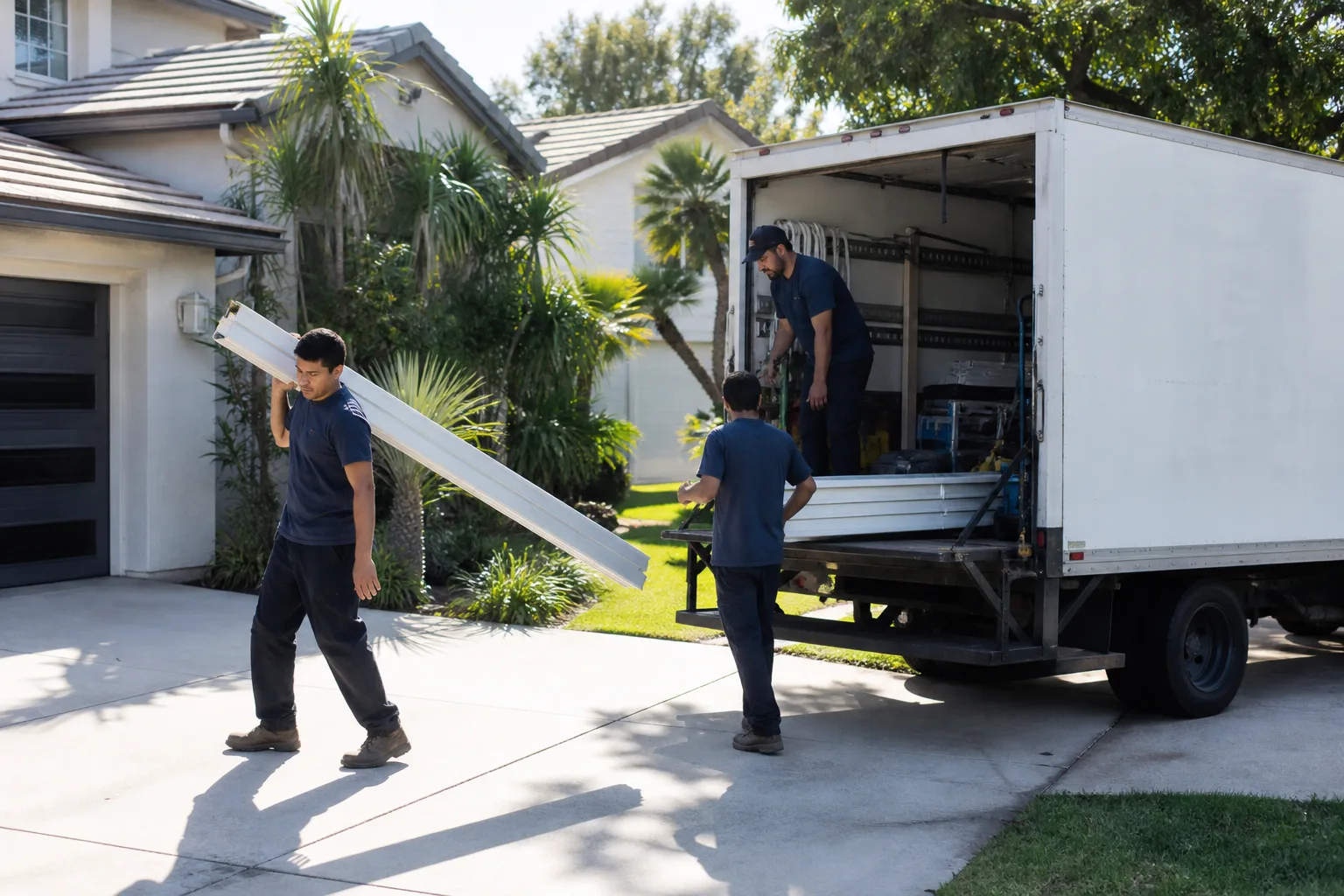
This is also where you want to check whether the crew itself is vetted. Background-checked, uniformed technicians arriving in a marked vehicle is a baseline in professional construction, not a luxury. When a contractor can tell you exactly who’s coming and that every person has been screened, that’s a company with process. When they can’t, you’re relying on luck.
Neighboring cities are worth checking too. If you’re comparing contractors across South Orange County, the way companies operate in Home Additions & ADU in Lake Forest should be consistent with how they’d handle a project in Mission Viejo or Laguna Hills. A contractor who only works one city tends to be either very good at it or very limited. Ask which.
Step 5: Test Their Knowledge of Lake Forest Permits
You don’t need to know the Lake Forest permit process yourself. You need to know whether your contractor does. A simple test: ask them to walk you through what happens from application to final inspection for your specific project type. A real answer is detailed and concrete.
For a kitchen or bathroom remodel, a knowledgeable contractor will typically describe:
- Submitting plans and a scope narrative to the city and paying the permit fee
- The plan review window, and what triggers a correction cycle
- Scheduling inspections in the correct order: rough framing and MEP, then insulation, then final
- Coordinating with the utility company if service changes are needed
- Getting the final sign-off and confirming the permit closes on record
For a new driveway, paver project, or hardscape, ask about right-of-way requirements and whether the work touches the public sidewalk or street approach. For fences, ask about height limits and whether the property line needs a survey. For a home addition or ADU, ask about setbacks, floor-area limits, and whether the city will require a separate address or utility meter.
The test isn’t whether the contractor knows every detail on the spot. It’s whether the answer sounds like someone who’s done this many times in this specific city, or like someone reciting a general process. If they say “we’ll figure out the permits later,” that’s a hard no. Permits pulled and inspections passed are how a project stays legal and clean for resale.
Step 6: Ask the Questions That Reveal Experience
There are dozens of questions you could ask a contractor. These seven have the highest signal in our experience. Any single one can save you from a bad hire.
- “Can you walk me through a recent project like mine in Lake Forest?” Specific neighborhoods, specific project types, and a rough timeline. Vague answers mean limited local history.
- “How will you handle an HOA architectural approval if one is required?” A contractor who has actually done this will talk about timelines and documentation, not just “the HOA will be fine.”
- “Who pulls the permit, and what’s the inspection sequence for this project?” This is the fastest way to spot a contractor who’s guessing.
- “How do you handle a change order and what does it cost to submit one?” A written change-order process with a stated pricing method is a sign of fiscal discipline.
- “What’s the warranty?” Not “we stand behind our work.” A specific number of days, in writing, covering workmanship and listing what’s excluded.
- “How do I reach you on a Saturday if something goes wrong?” Voicemail until Monday is a common answer. A live person, any hour, is a different kind of company.
- “Can I see the insurance certificate naming me as an additional insured for this project?” A contractor who can produce this on request operates like a business. One who bristles at the question doesn’t.
Groundwork Construction Co. of Lake Forest answers all seven with specifics. Our Driveway & Pavers in Lake Forest page, for example, shows the line-item pricing and the right-of-way permitting we handle for Lake Forest hardscape projects. Roofing, windows, fencing, and additions follow the same documented pattern. The technician experience that backs it up goes up to 12 years per contractor, and every project is covered by the 730-Day Done Right Promise. If it’s not done right, we make it right, for two full years after the final walkthrough.
Step 7: Read the Contract Like You Mean It
The contract is where the whole relationship either holds together or falls apart. Before you sign, read it line by line with these elements in hand.
- Scope of work as a line-item list with brands, models, and quantities. A generic description (“install flooring”) is unacceptable for a project above a few thousand dollars.
- Fixed bid amount with a change-order clause that states how a change gets priced and approved. No open-ended language.
- Payment schedule with milestone triggers and the final holdback amount. Confirm the deposit amount against California’s home improvement contract rules.
- Start and completion dates, plus what happens if the contractor misses them. Liquidated damages are common in commercial work; push for a stated remedy in residential.
- Warranty terms in which the contractor’s guarantee, material warranties, and manufacturer warranties are listed separately. They’re not the same thing, and you want both.
- Cleanup, dumpster, and disposal responsibility. Surprise fees for these are one of the most frequent billing complaints we hear about.
- Dispute resolution clause, including whether the contractor requires binding arbitration.
If any section is blank or says “to be determined,” the contract isn’t ready. Get the missing pieces filled in and initial the additions before you sign. And keep a signed copy in your records, along with permits, inspection sign-offs, and all change orders. Future buyers in Lake Forest will ask for them, especially if you’ve added a room or an ADU. Build the paper trail like it’s part of the project.
Common Mistakes to Avoid
- Hiring the first quote that sounds competent. Get at least three written bids with line items, not just a lump sum. The differences in the itemized breakdowns will tell you who’s actually thought about your project and who’s padding.
- Treating a friendly handshake as a contract. In Lake Forest, the HOA, the permit office, and any future buyer will all want documents. A verbal agreement covers none of them.
- Ignoring drainage on any project near a slope. A new driveway, paver patio, or addition that doesn’t account for water flow can create a grading problem that costs far more to fix than the original work.
- Skipping the HOA conversation. Starting a fence or exterior project without architectural approval can mean tearing it down and rebuilding. Ask before you demo.
- Letting a large deposit “hold your spot” in the schedule. The size of the deposit should be tied to real material and mobilization costs, not the contractor’s cash needs.
- Choosing by price alone on a job that affects your roof, windows, or foundation. The cheapest bid on structural work is usually the one that skips the parts you can’t see. Premium materials and proper waterproofing are what a 730-Day Done Right Promise can actually stand behind.
- Failing to confirm the warranty in writing before work starts. A warranty you can’t point to in the signed contract is not a warranty.
- Not asking who’s on site. Background-checked, uniformed technicians on a project that runs for weeks is a security question, not a courtesy question. Ask it.
When to Call a Professional
Some home projects are genuinely fine as weekend work: painting a room, swapping a faucet, hanging a fence panel if the posts are solid. Others should never be DIY. Anything involving electrical panel work, gas lines, load-bearing wall removal, roof replacement, structural additions, or grading near a slope belongs to a licensed contractor. In Lake Forest, the permit and inspection steps alone make DIY impractical for anything that touches the structure or systems of the house. Beyond safety, unpermitted work often surfaces in a title or resale disclosure and can hold up a sale. If you’re not certain where your project falls, that uncertainty is usually the answer. Groundwork Construction Co. of Lake Forest offers free estimates in Lake Forest with a written line-item quote, and there’s no obligation to book the work. Call (855) 532-8973 to schedule yours.
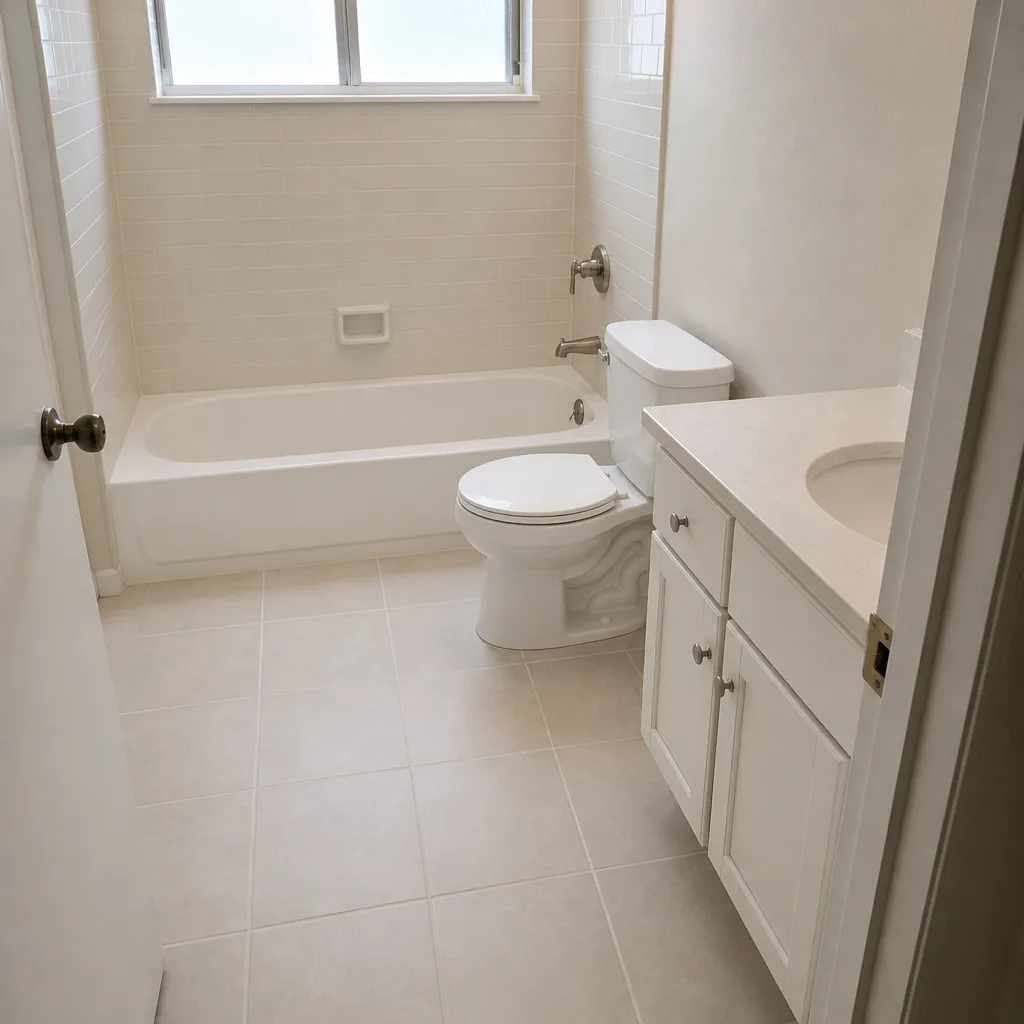
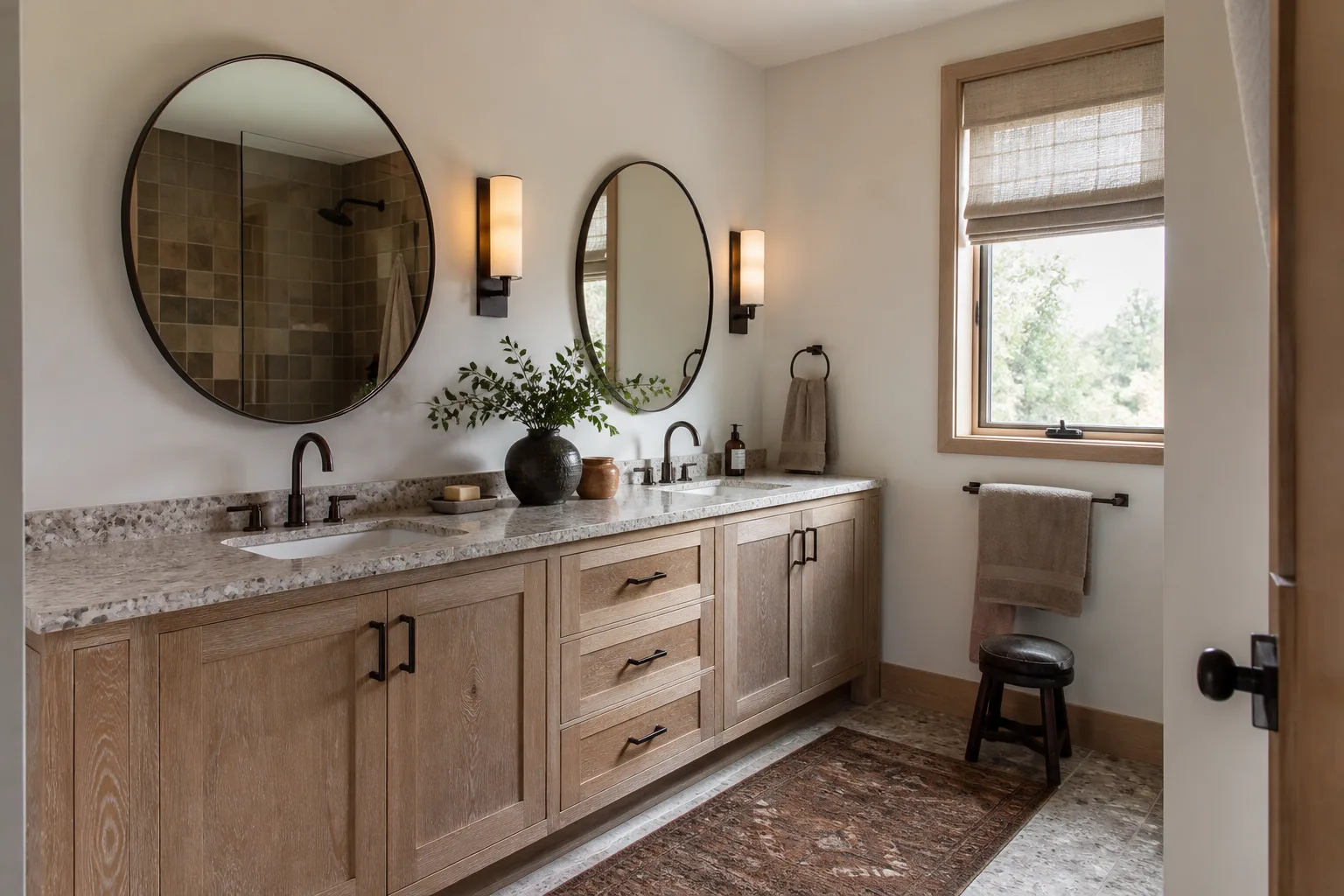
See the difference
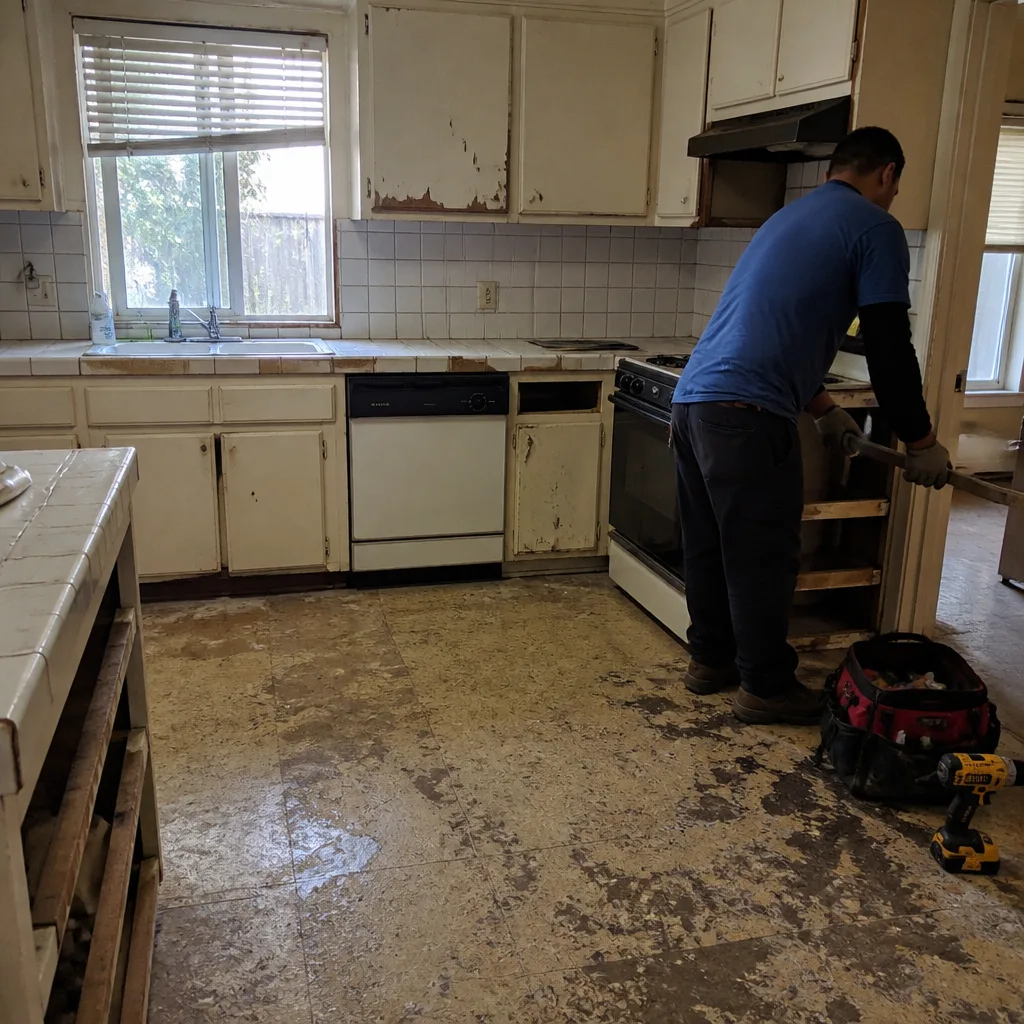 Before
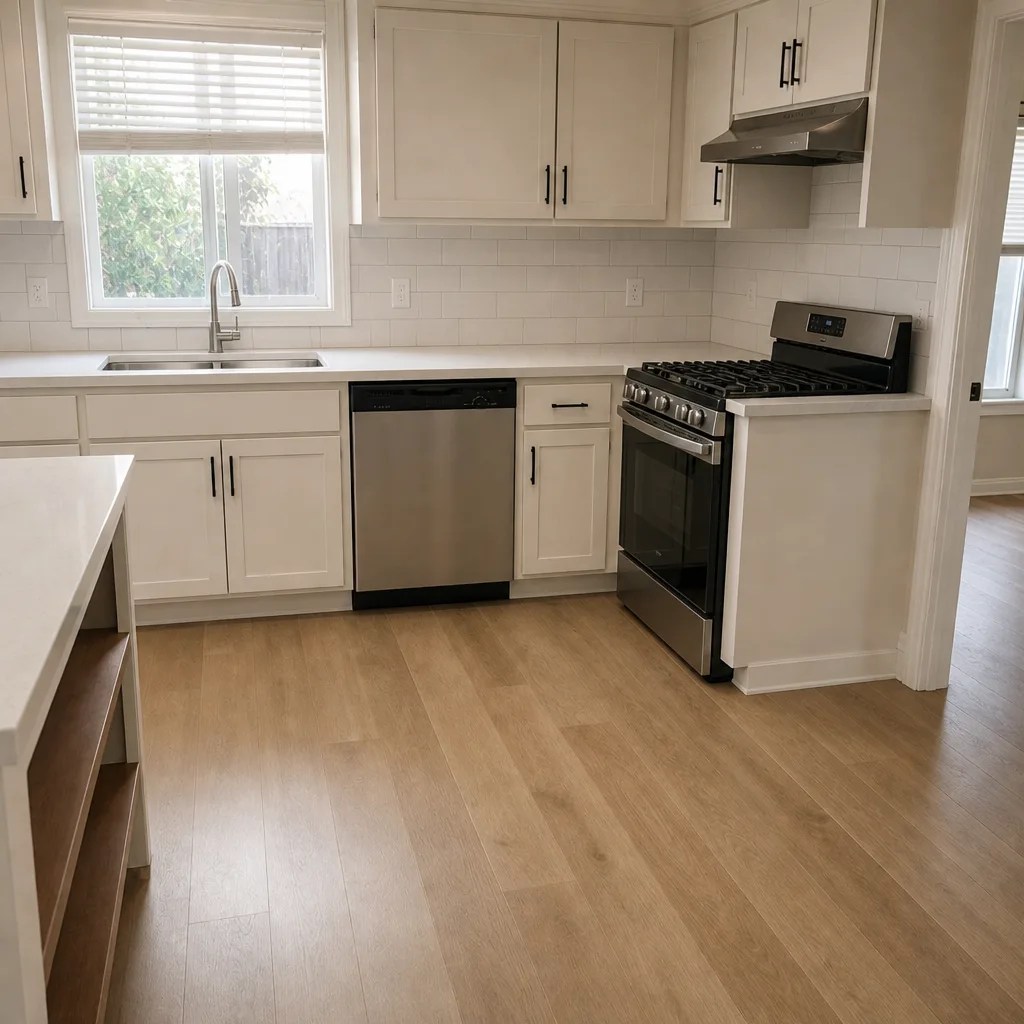 After
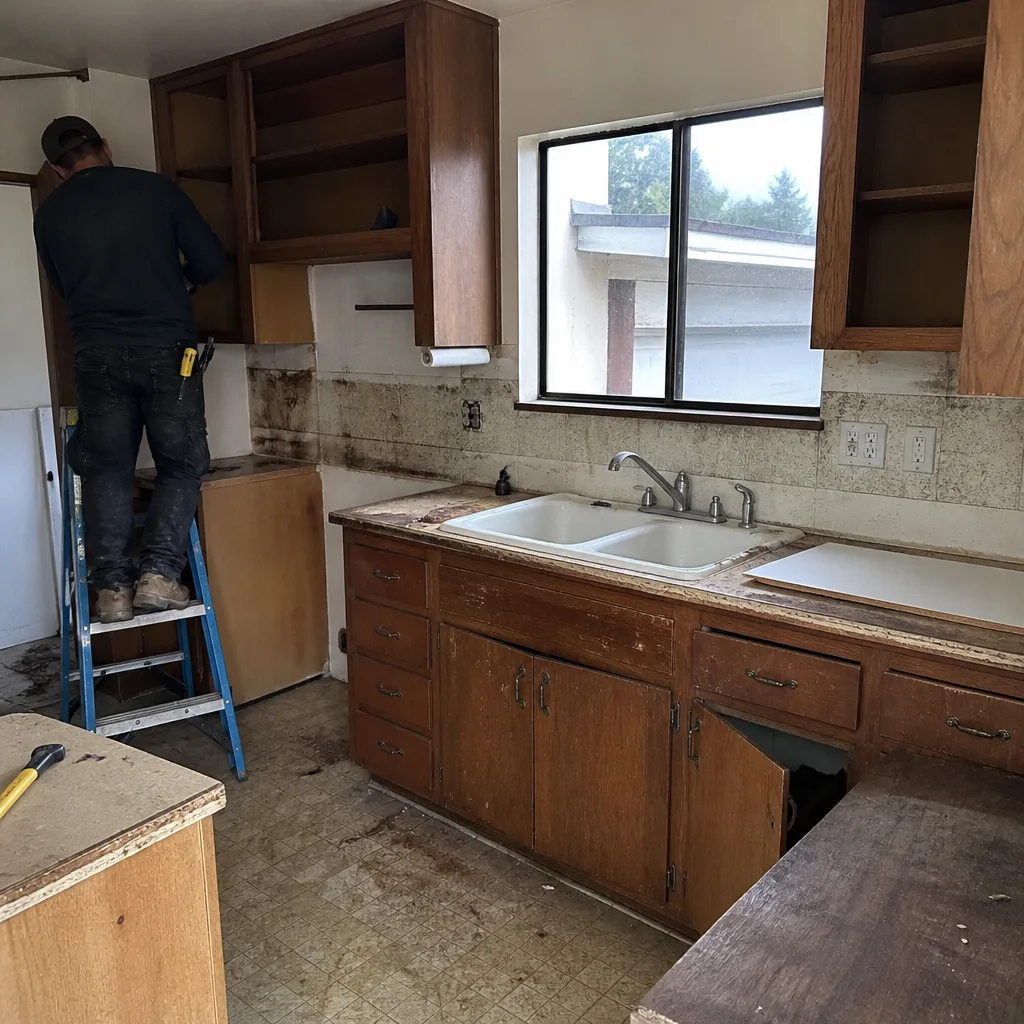 Before
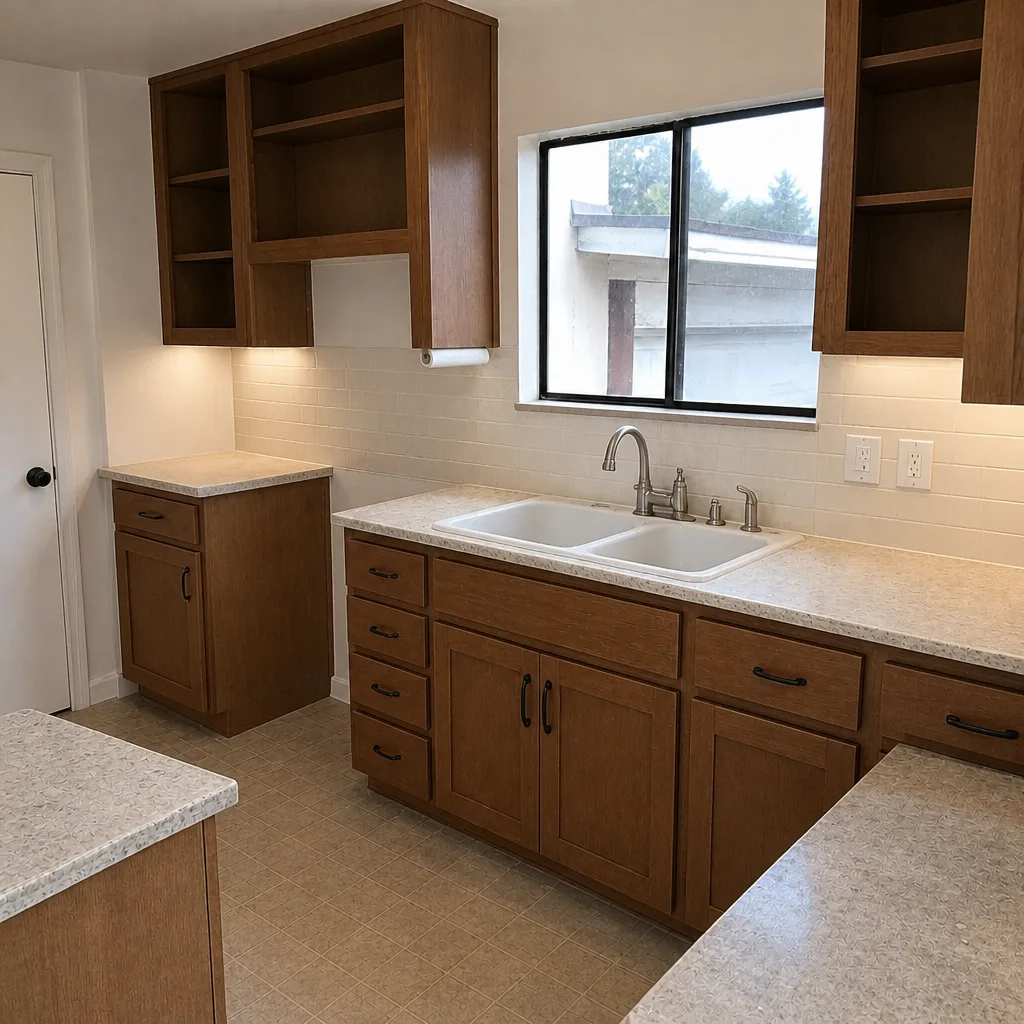 After
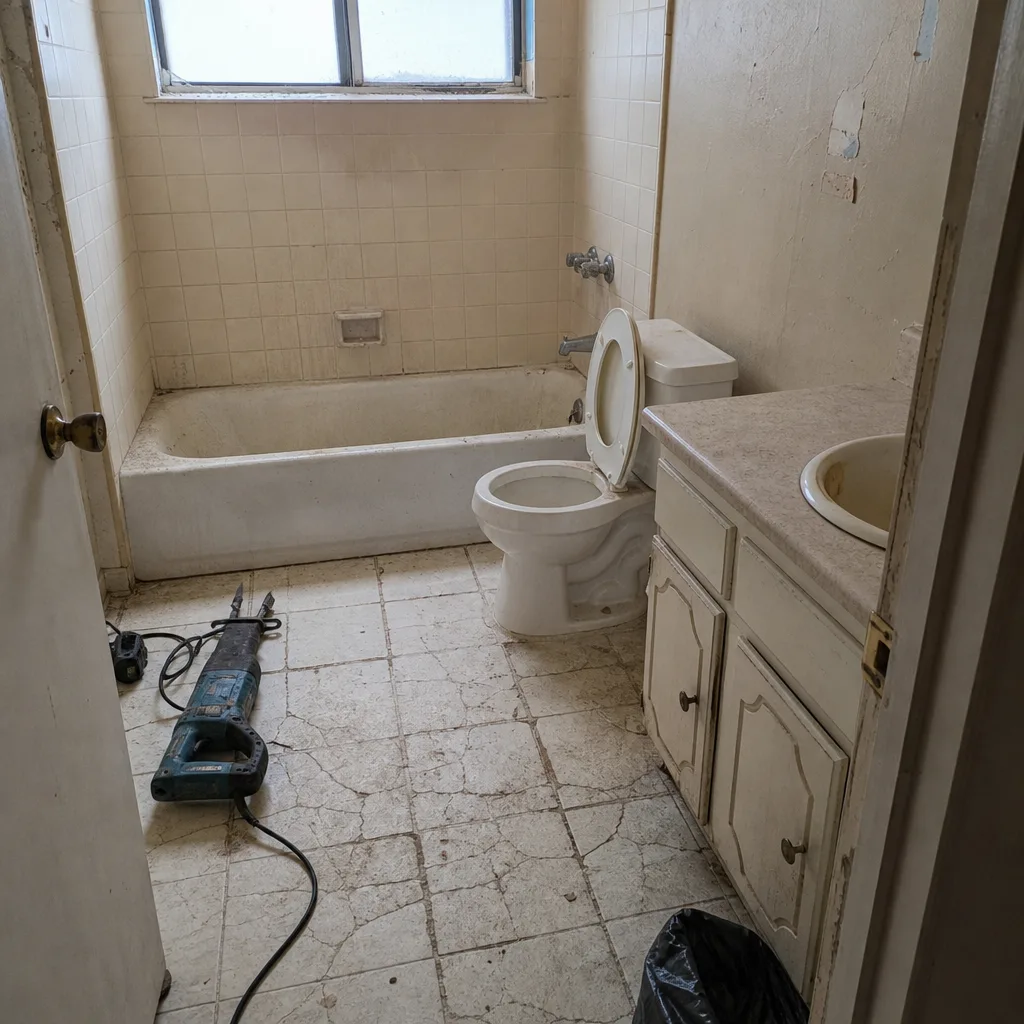 Before
 After
Frequently Asked Questions
A kitchen remodel in Lake Forest typically runs $40,000 to $120,000+ depending on size, cabinet brand, and whether the layout changes, while a bathroom lands more often in the $15,000 to $45,000 range. A roof replacement commonly sits between $12,000 and $35,000 based on square footage and material grade, and additions or ADUs scale well above that. The number you actually pay depends on the line-item scope, and that’s why a written quote with brands and quantities matters more than a round estimate. Call (855) 532-8973 for an exact quote on your project. Estimates are free.
Pull up the CSLB website, enter the license number, and read the full record, including license status, classification, bond and workers’ comp coverage, and the complaint disclosure section. The whole check takes five minutes. A pattern of unresolved complaints or a classification that doesn’t match your project type are both grounds to walk away. If the license is active and clean but the contractor can’t produce an insurance certificate, that’s still a hard no.
It shouldn’t. A fixed-bid contract with a stated change-order process means the price moves only if you approve a documented change, and never for “surprises” the contractor should have anticipated. Any contractor whose contract allows open-ended adjustments for potential issues is asking you to take on their estimating risk. Call (855) 532-8973 for a fixed line-item quote. Estimates are free.
Often, yes. Driveway work that changes the public right-of-way approach typically needs a permit, and fence installations have height limits and sometimes HOA rules layered on top of city rules. A professional contractor will pull the permit in their name and close it out at final inspection. Ask your contractor to confirm which permits apply before you sign a scope, and get it in writing. Our Fence Installation in Lake Forest page walks through what we handle on the permitting side.
A bathroom remodel usually takes three to six weeks. A kitchen lands more often in the six-to-twelve-week range. A roof replacement can finish in two to five days for the roofing portion, and additions or ADUs run several months depending on size and permit timeline. The schedule you should hold the contractor to is the one written in the contract. Get it in writing before work starts, and confirm the inspection sequence won’t create gaps in the calendar.
A contractor’s warranty covers the workmanship, meaning how the materials were installed. A manufacturer’s warranty covers the materials themselves, like a shingle or a window unit. You need both in writing, and they should be listed separately in the contract. Groundwork Construction Co. of Lake Forest covers workmanship with the 730-Day Done Right Promise. If it’s not done right, we make it right, for two full years after completion. Brand partners like ECO Window Systems, Therma-Tru, and ViewLux carry their own product warranties that stack with ours. Ask for both documents before you sign anything.
The Bottom Line
Hiring a construction contractor in Lake Forest isn’t a license check and a handshake. It’s five specific verifications: the license and complaint record, a scope of work that addresses drainage, HOA rules, and permits, a payment schedule that isn’t front-loaded, a subcontractor network you’ve asked about, and a contract with a real warranty in it. Do those five things and most of the risk comes off the table. Skip any one and you’re rolling dice on the largest investment most homeowners ever make. For a written line-item quote backed by the 730-Day Done Right Promise and a live person on the other end of the phone, call (855) 532-8973 to schedule your free estimate with Groundwork Construction Co. of Lake Forest.
Written by the team at Groundwork Construction Co. of Lake Forest.