Last updated November 18, 2026
Free written scope consultation - allowances, timeline, and change-order rules on paper before a single trade is scheduled
Choosing the Right Construction Brand: A Buyer’s Guide for Lake Forest
A contractor who won’t tell you which brands they’re installing is a contractor who’s reserving the right to swap to whatever’s cheapest on the day your project gets scheduled. That’s the uncomfortable truth most homeowners learn too late, usually when a roof starts leaking at year six or a paver driveway settles into a washboard after two summers. The brand on the box isn’t a marketing detail. It’s the thing that determines whether your manufacturer warranty is worth the paper it’s printed on, how your materials hold up under Lake Forest’s specific sun and temperature swings, and who actually answers when something fails five years from now. This guide walks through how to read warranties, spot substitution risk, and spec materials that survive here.
Quick Answer
The right construction brand is the one whose product warranty is enforceable in your name and whose materials are rated for Lake Forest’s high-UV, thermally cycling climate, not the one a contractor happens to have discounted that week. Brand selection matters most in categories with wide quality variance (roofing underlayment, concrete sealers, paver base systems) and least in commodity categories where standards are tight. Before you sign, get the specified brands written into the contract by name and model, with a substitution clause that requires your written approval.
Styles & brands we work with
- Kitchen remodeling
- Bathroom remodeling
- Home additions & ADU
- Roofing
- Windows & doors
- Driveway & pavers
- Fence
Table of Contents
- Manufacturer Warranty vs. Contractor Warranty: What Actually Protects You
- Where Brand Selection Matters Most (and Least) in Residential Work
- Why Lake Forest’s Climate Changes Your Material Spec
- Red Flags in Material Substitution: How to Lock In What You Paid For
- What “Industry-Leading Brand Partnerships” Should Mean in Practice
- A Step-by-Step Method for Evaluating Any Contractor’s Brands
- Brand Landscape by Trade: What to Look For
Manufacturer Warranty vs. Contractor Warranty: What Actually Protects You
Two warranties ride on every project, and homeowners routinely conflate them. They cover different things, have different claim processes, and fail for different reasons. Understanding the split is the single most useful piece of knowledge you can carry into a Lake Forest remodel or roof replacement.
A manufacturer warranty covers the product itself. It’s issued by the company that made the shingle, the window, the faucet, or the paver. In practice, the manufacturer honors it only if the product was installed to its published specifications by an approved or trained installer, and often only if the product was purchased through an authorized channel. Install a GAF shingle with a non-compliant underlayment and a certified contractor, and the manufacturer can deny the claim without blinking. The brand partnership your contractor holds is what makes this warranty real.
A contractor warranty (sometimes called a workmanship warranty) covers installation labor: flashing that leaked, a window that wasn’t shimmed right, a fence post that heaved. It’s only as strong as the contractor’s willingness and ability to honor it. A one-year labor warranty is common; a two-year warranty is generous.
What you want is both, working together. A manufacturer-backed product under a labor warranty that lasts long enough to surface installation defects. At Groundwork Construction Co. of Lake Forest, the 730-Day Done Right Promise covers workmanship for two full years: if something we installed isn’t right, we make it right. That’s one of the longest workmanship guarantees in residential construction, and it matters most in the exact window where bad installation shows up (typically 12 to 24 months in Lake Forest’s climate, once a full summer-winter cycle has passed).
Three things to verify before you trust any warranty:
- Who is the warrantor? A manufacturer’s toll-free claims line is one thing; “call us and we’ll see what we can do” from a one-truck outfit is another.
- What voids it? Read the exclusions. Most product warranties void on improper installation, and most labor warranties void if a second contractor touches the work.
- Is it transferable? If you sell your Lake Forest home, a transferable product warranty is a selling point. Ask if it survives the sale and what paperwork you need.
Where Brand Selection Matters Most (and Least) in Residential Work
Not every category has the same quality spread. Some building materials are so tightly standardized that brand matters little. Others have a quality gap wide enough to decide whether a system lasts 8 years or 30. Knowing the difference tells you where to spend your attention (and your negotiation leverage).
High-variance categories, where brand selection matters most:
- Concrete sealers and driveway coatings. The gap between a quality penetrating sealer and a cheap film-forming acrylic is enormous. Low-grade sealers chalk and peel within two to three summers of Lake Forest UV exposure. Brands matter here more than in almost any other category.
- Roofing underlayment. The shingle gets the marketing attention, but the underlayment is where roofs fail. A synthetic underlayment from a top-tier manufacturer outperforms felt by a wide margin and is what GAF and CertainTeed-backed systems specify.
- Paver base systems and edge restraints. Pavers themselves are fairly uniform; the base, bedding sand, joint sand, and edge restraint are where driveways settle or hold. Belgard systems and their spec requirements are worth the premium.
- Window glazing and frame systems. Andersen and Marvin operate at a different level than commodity vinyl. The glass coatings, spacers, and frame tolerances directly affect energy performance and condensation in Lake Forest’s inland heat.
- Fence hardware and post systems. The post is the fence. A ViewLux or Barrette system with proper post anchoring outlasts a cheap builder-grade install by a decade.
Lower-variance categories, where brand matters less: standard electrical boxes, commodity lumber (grading matters more than brand), drywall, and basic plumbing rough-in fittings. You don’t need to agonize over these. Standardized product, tight tolerances, little room for a bad actor to cut corners.
Why Lake Forest’s Climate Changes Your Material Spec
Lake Forest sits inland from the coast in south Orange County, and that location has consequences for materials. Inland Orange County runs hotter than the beach cities, with summer highs pushing into the mid-90s and sustained UV exposure year-round. The thermal swing between a hot afternoon and a cool evening, repeated daily, is what breaks down cheap materials. Every spec decision you make should account for it.
UV exposure. Lake Forest gets serious sun. That degrades any material with an organic component: acrylic sealers, cheap vinyl, low-grade polyurethane finishes, and lower-tier paint. Materials with UV-stabilized chemistry and verified colorfastness hold up; the rest fade, chalk, and fail on a schedule. When you compare a premium roof system against a value option, part of what you’re paying for is UV-stable granules and coatings.
Thermal cycling. Every hot day, materials expand; every cool night, they contract. Cheap caulk, low-grade sealants, and poorly formulated joint compounds crack under that cycle. In a Lake Forest kitchen or bathroom, the consequence is a failed grout line or a stucco crack along a window. In a driveway, it’s a hairline crack that lets water in and eventually spalls. Sealant brand and formulation matter here.
Dry summers and occasional wet winters. Lake Forest doesn’t get coastal fog or marine-layer moisture, but winter rain is real and infiltration is a genuine risk. Roofing underlayment, flashing, and window installation detail (not the window brand) determine how well a home handles the wet season. A high-end window installed poorly leaks worse than a mid-tier one installed correctly. This is why the 730-Day Done Right Promise on labor exists alongside the product warranty.
National marketing rarely accounts for the difference. A product that performs beautifully in Seattle or the Midwest can underperform under Lake Forest UV. Ask any contractor: “How does this product hold up with our inland UV and temperature swings?” An honest answer will reference climate zones, not just star ratings.
Red Flags in Material Substitution: How to Lock In What You Paid For
Material substitution is the quiet way a project budget gets value-engineered at your expense. You approve a bid specifying one product; the crew shows up with a cheaper equivalent. Sometimes the substitution is benign. Often it’s not, and you won’t know until years later. Here’s how to prevent it before you sign.
The red flags to watch for:
- Brands are vague in the proposal. “Premium architectural shingles” without a brand and model number is a substitution waiting to happen.
- No substitution clause. If the contract doesn’t address what happens when a product is unavailable or a “better value” is found, the contractor reserves that right.
- Model numbers absent. A brand name without a model or grade leaves room to drop to a lower tier within the same brand.
- Pricing that looks unusually low for a branded spec. Quality materials cost real money. Bid comparison honestly or you’ll get the discount back in a swap.
How to write it into the contract, step by step:
- Specify brand, product line, and model number for every material in the scope, including underlayment, sealants, and fasteners, not just the visible products.
- Add a substitution clause: no substitution permitted without your written approval, and any approved substitution must be an equivalent or higher grade at no additional cost.
- Include a closeout package requirement: the contractor delivers product labels, spec sheets, and warranty registration documents at completion, proving what was installed.
- Require warranty registration in your name wherever the manufacturer allows it, so you directly hold the claim rights.
- Define what “equivalent” means. Ambiguity works against you. Compare warranties, performance ratings, and warranty length, not just price.
A contractor who uses quality brands will welcome this structure. It’s a way to demonstrate exactly what’s being installed. A contractor who pushes back on specifying brands is telling you something.
What “Industry-Leading Brand Partnerships” Should Mean in Practice
“Brand partnerships” is thrown around loosely. When it’s real, it changes three practical things: warranty access, product consistency, and how fast a failure gets fixed. Here’s what to ask so you can tell the difference between a genuine supplier relationship and a marketing line.
Warranty access. Some manufacturer warranties (strong ones, in roofing especially) are only offered when the product is installed by a certified or approved contractor. A contractor with a real partnership can register your job in a way that unlocks the enhanced warranty tier. Without that partnership, you get the standard warranty, which is often shorter and less comprehensive.
Product consistency. Real partnerships mean a contractor buys the same product line consistently, so their installers know its quirks and their reps know their face. Spotty, lowest-bid sourcing means the crew learns a new product on your project, which is exactly where installation errors happen.
Faster resolution. When a product fails, a contractor with a genuine supplier relationship can pick up the phone and get a rep involved, get replacement material expedited, and get the claim moving. A one-off buyer spends weeks in a warranty phone tree.
Groundwork Construction Co. of Lake Forest works from a curated portfolio across every trade: KraftMaid and Cambria in kitchens, Kohler in baths, GAF and Owens Corning on roofs, Andersen and Marvin on windows, Belgard for hardscape, James Hardie for siding, and brands like ViewLux and Barrette for fencing. That curation isn’t about logos. It’s about which products hold up here, and which have a real person on the other end when something needs service.
If a contractor’s response to “which brands do you install?” is “whatever the homeowner wants,” press harder. That’s not flexibility. That’s a contractor who is choosing materials at the same time they’re buying them, with no relationship supporting you after the job.
A Step-by-Step Method for Evaluating Any Contractor’s Brands
Use this sequence when you’re comparing contractors for any significant Lake Forest project. It takes about 30 minutes per bid and saves months of regret.
- Ask for a written brand list by scope. Every material category named, with product line. Watch whether they can produce this confidently, or whether they fudge it with generic terms.
- Verify the manufacturer’s warranty terms. Go to the brand’s site, find the product’s warranty document, read the exclusions and installation requirements. Ask the contractor whether they can register the job for the highest available warranty tier.
- Ask what happens when a product is discontinued mid-project. A professional has an answer: they consult you and spec an approved equal. A weak contractor subs silently.
- Ask what their labor warranty period is and how a claim is filed. Get the period, the process, and the contact in writing. Compare it to the 730-Day Done Right Promise structurally: what’s the response time, what’s the remedy, who decides whether workmanship was the cause?
- Cross-check the brands against Lake Forest climate demands. UV resistance and thermal stability questions, specifically.
- Get the contract reviewed for the substitution clause. If it’s absent, add it.
The contractor who answers all six clearly is the one who’ll show up with something they’re proud of. The one who gets vague is telling you where the risk lies.
Brand Landscape by Trade: What to Look For
Every trade has its brand landscape, and knowing the reputable names saves you from a spec that looks finished but is weak underneath. Here’s a category-level map to guide the conversation. For deeper detail, see our Groundwork Construction Co. of Lake Forest home page and the service-specific pages linked below.
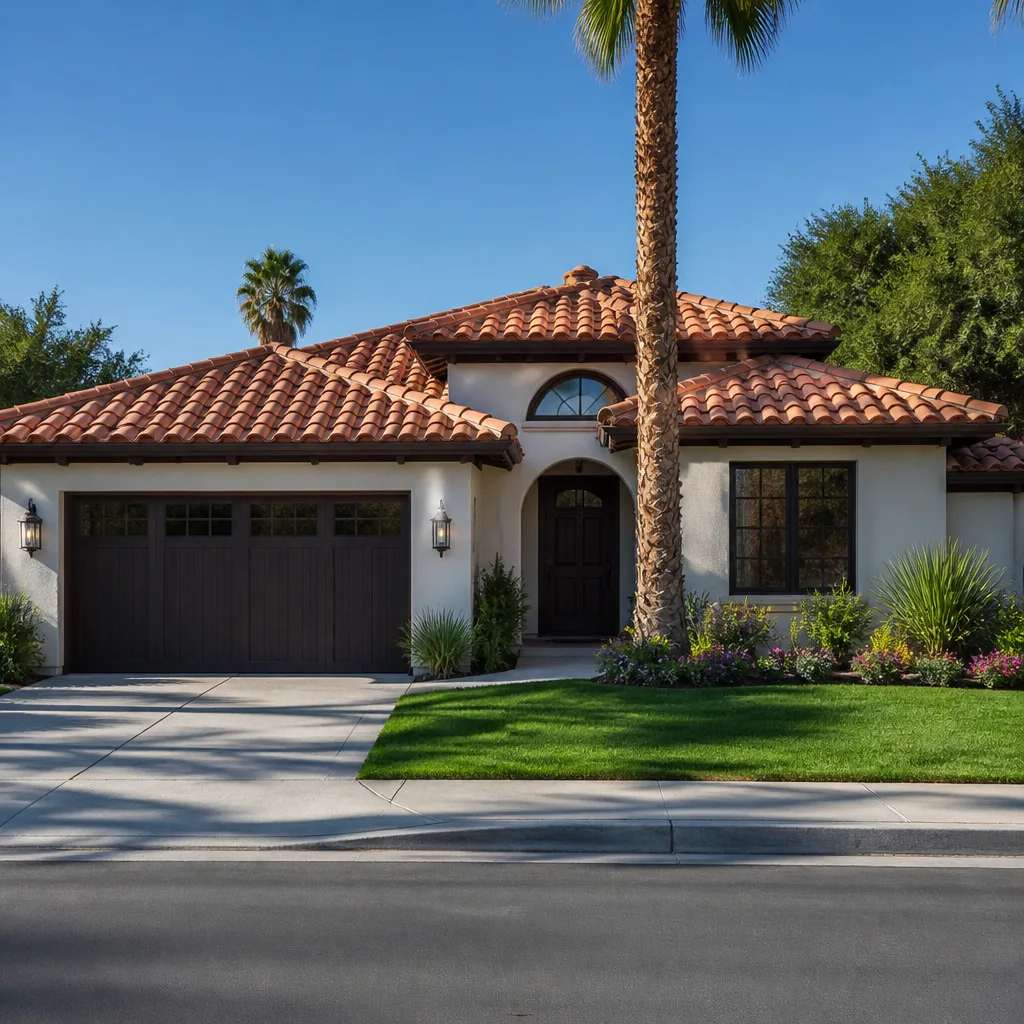
Roofing. GAF and CertainTeed are the two standards to know. Ask specifically about the underlayment brand and the flashing detail. Both major manufacturers offer enhanced warranties when installed by certified contractors, and that’s worth pursuing. If you’re planning a roof on a Lake Forest home, the underlayment is where the honest comparison happens.
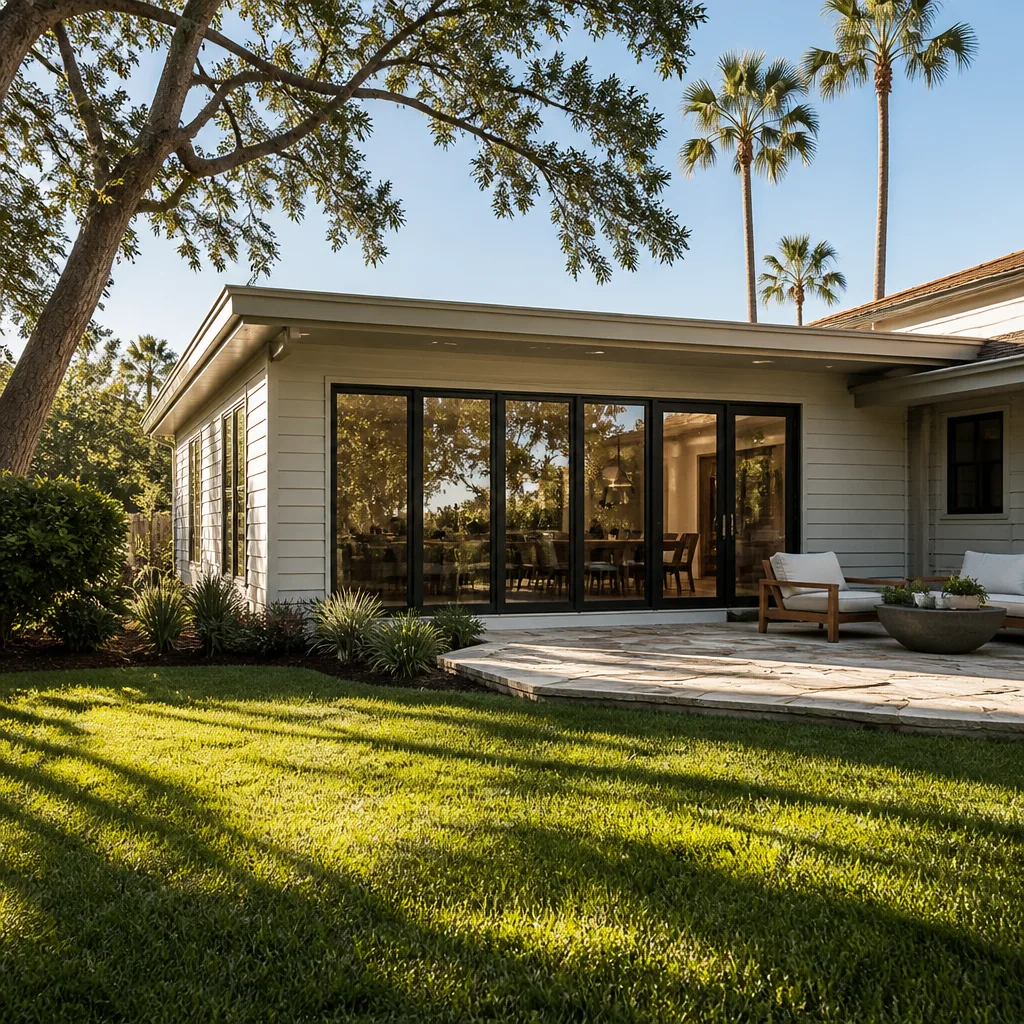
Windows and Doors. Andersen and Marvin are the premium tier, with distinct product lines you should know by name. Pella is a close competitor. Ask about glass packages (Low-E coatings, argon fill) for inland heat, and ask how installation is sealed. For a full window scope, see Home Additions & ADU in Lake Forest when the project is an addition rather than a pure replacement.
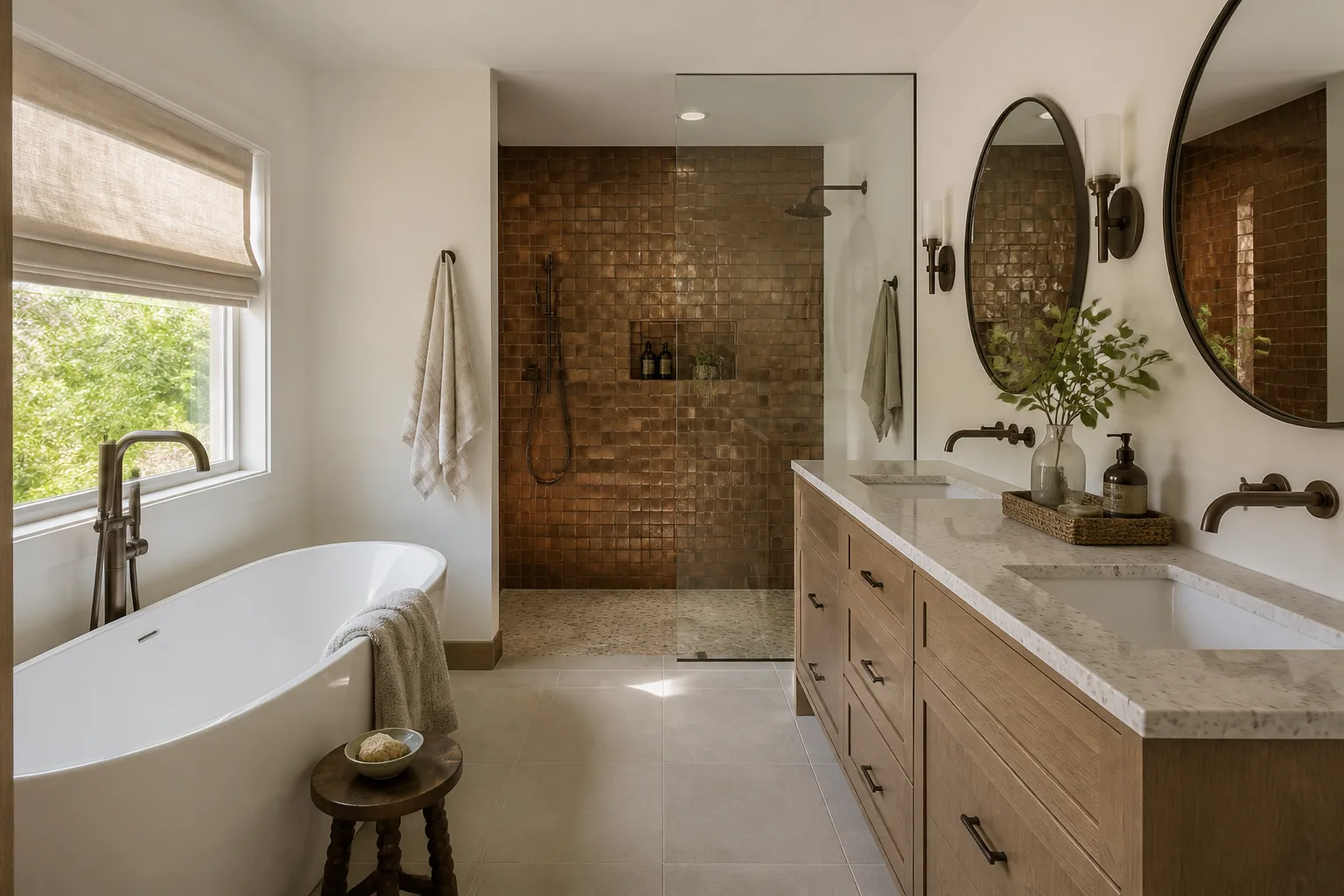
Kitchens and Baths. KraftMaid and Cambria are standards for cabinetry and stone; Kohler for fixtures. Where the quality variance actually lives in a kitchen is in the cabinet box construction, the drawer glides, the drawer box material, and the stone thickness and edge treatment. Those aren’t visible but they’re the difference between a kitchen that holds up and one that sags in five years.
Fencing. For vinyl, ViewLux and Barrette are worth knowing. For ornamental and metal, Master Halco and Ameristar. The variance here isn’t the picket; it’s the post system and hardware. Ask how the posts are anchored and what the warranty says about wind load. Our Fence Installation in Lake Forest page covers the installation side in more depth.
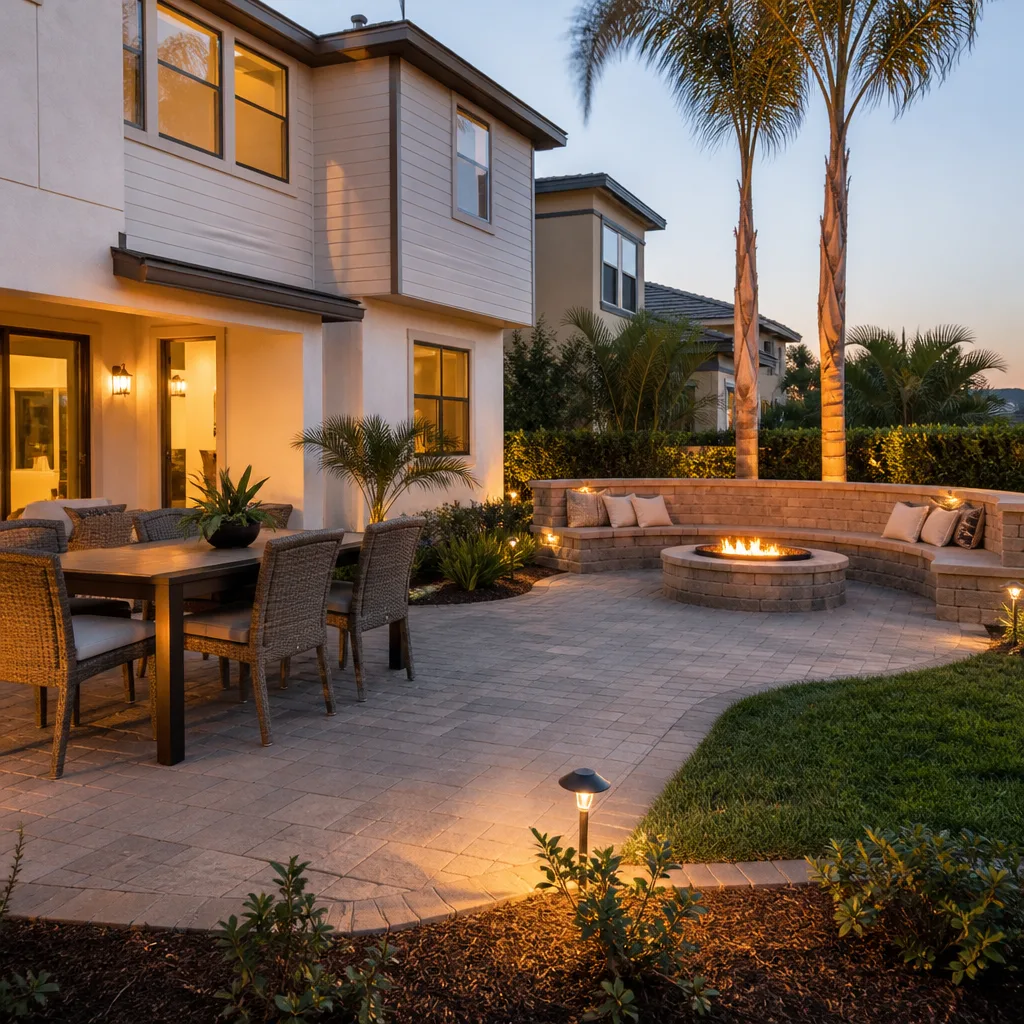
Driveways and Pavers. Belgard is the premium tier. Ask about base depth, edge restraint, and the sealer. When the scope is a hardscape project, see Driveway & Pavers in Lake Forest for the local installation specifics.
Common Mistakes to Avoid
- Treating brands as interchangeable. The name is the roof warranty. Swap brands and you can lose the manufacturer’s coverage without a single additional dollar changing hands. Lock in brand and model in writing.
- Assuming a “premium” name in the proposal means premium install. A high-end brand installed by a crew unfamiliar with its system is worse than a mid-tier brand installed right. Installation detail is what the 730-Day Done Right Promise covers, but contractors without such a promise leave you exposed.
- Ignoring the underlayment and flashing conversation. The shingle gets all the attention; the underlayment is where water actually gets in. Ask specifically about both.
- Skipping climate-specific spec questions. Lake Forest UV and thermal cycling are real. A product suited to the coast or the Midwest can fail inland. Ask directly: “How does this handle inland UV?”
- Not verifying warranty transferability. If you plan to sell your Lake Forest home in the next ten years, ask whether the warranty transfers. It affects resale value.
- Accepting “value engineering” without review. When the contractor comes back with a substitution mid-project, that’s a contract negotiation moment, not a courtesy. Ask for the spec sheet and the reason.
- Choosing on price alone for high-variance categories. For concrete sealing, roofing underlayment, and paver systems, the cheapest option is the most expensive over a decade. Budget with the honest number, then use the financing offer to smooth the cash flow.
See the difference
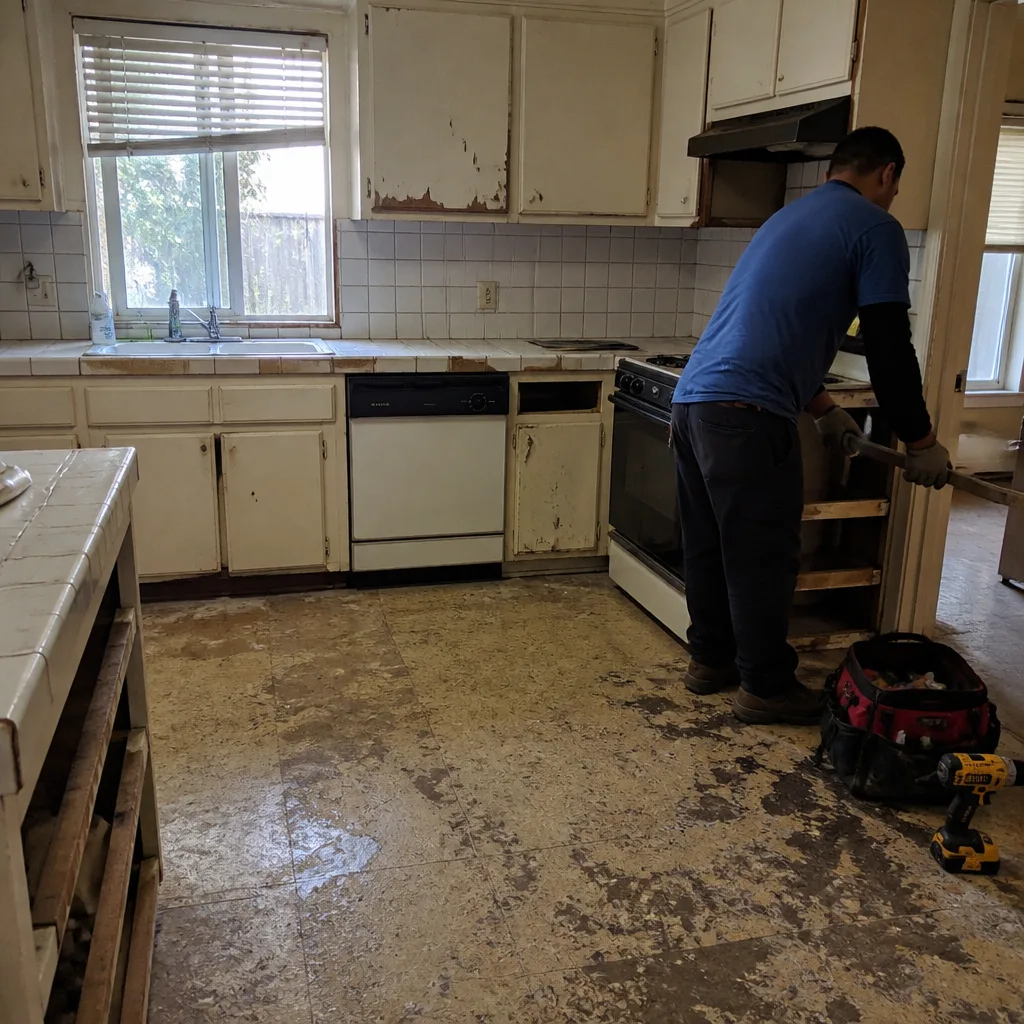 Before
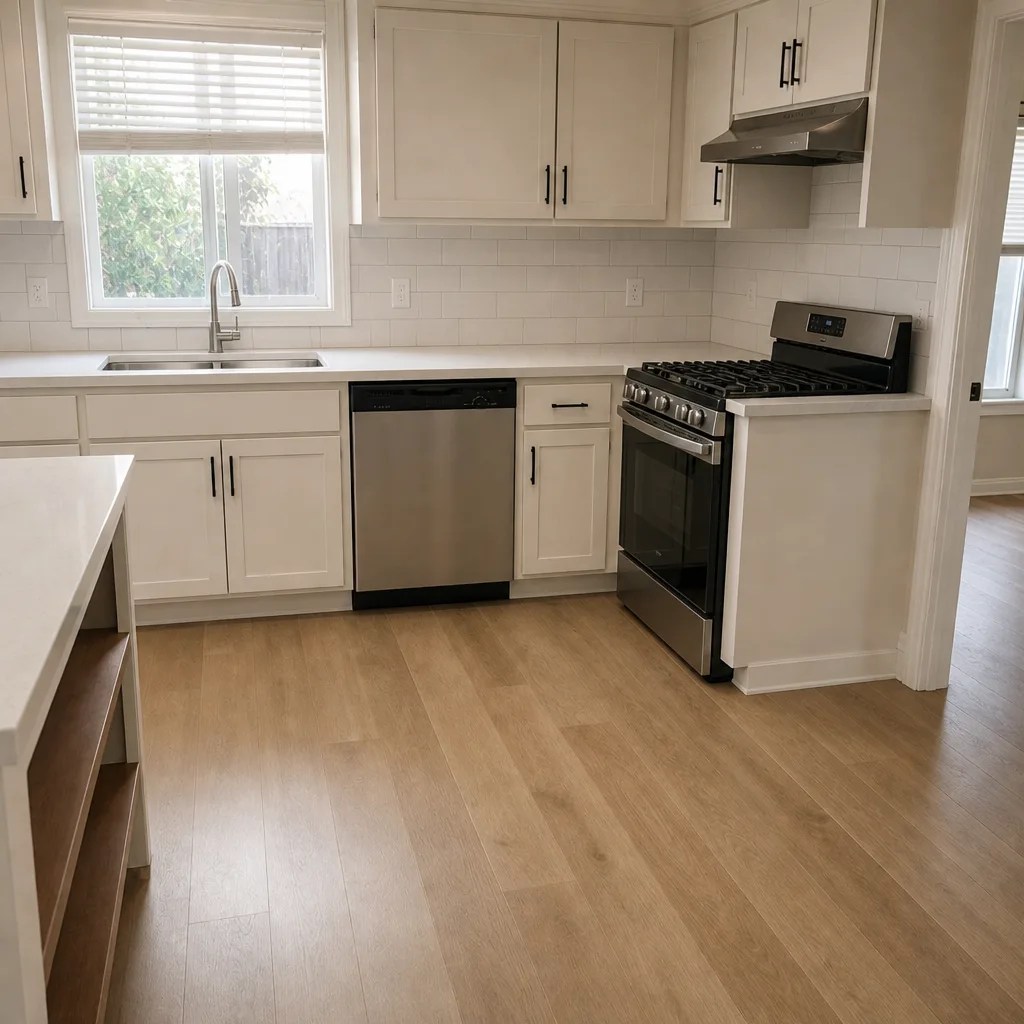 After
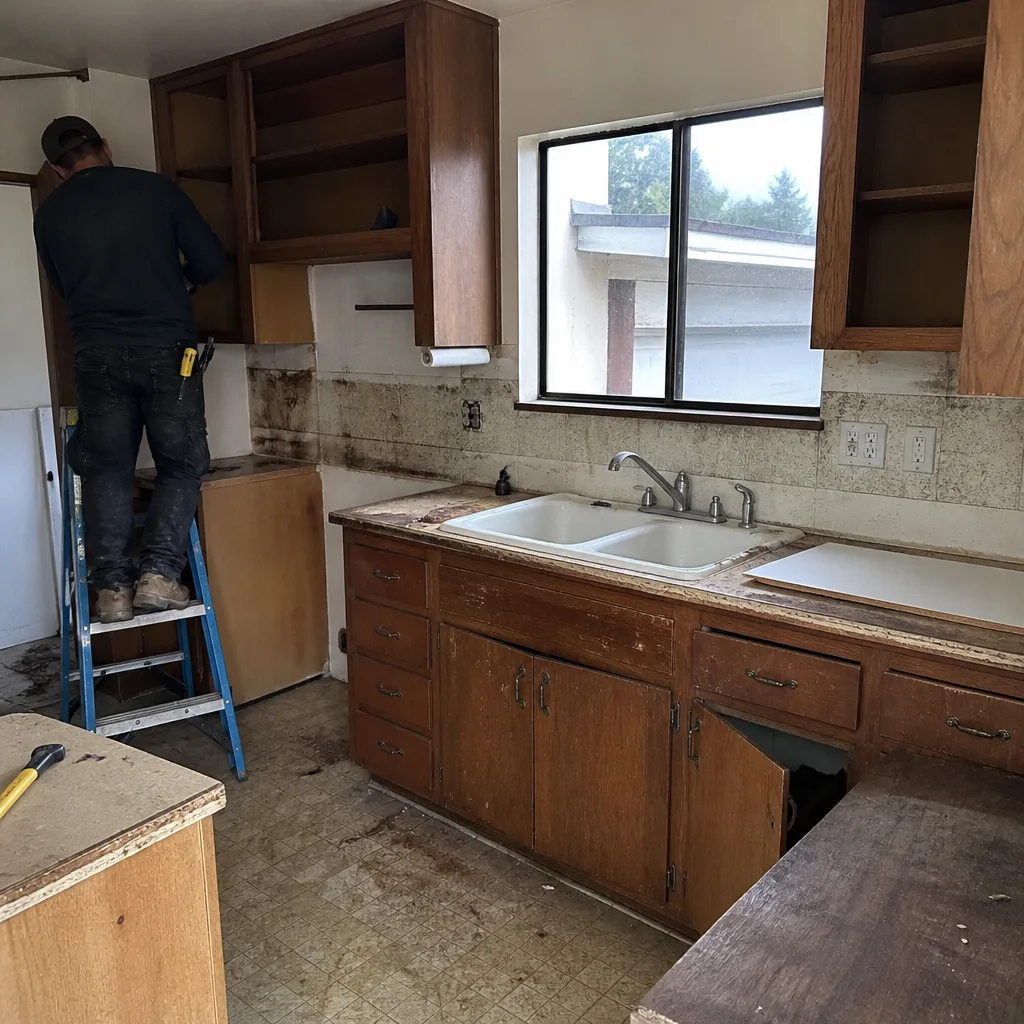 Before
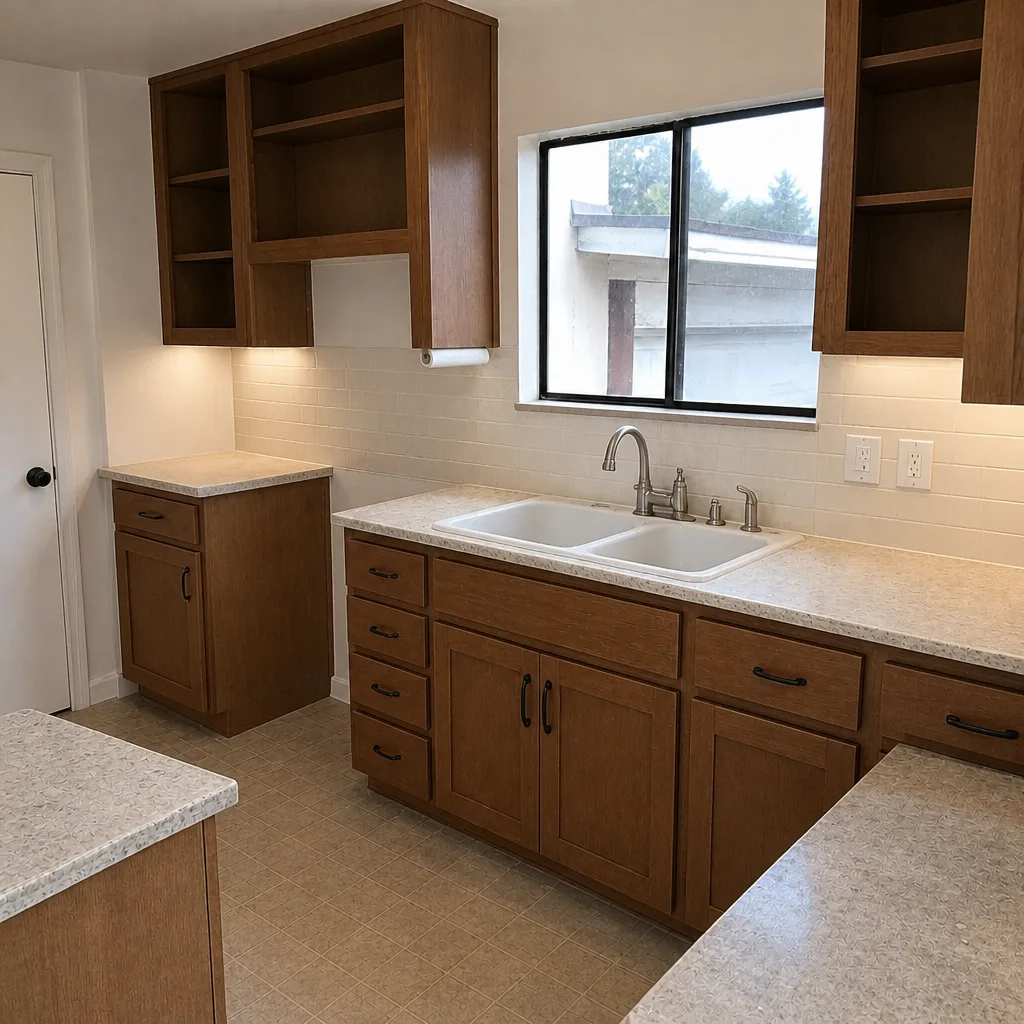 After
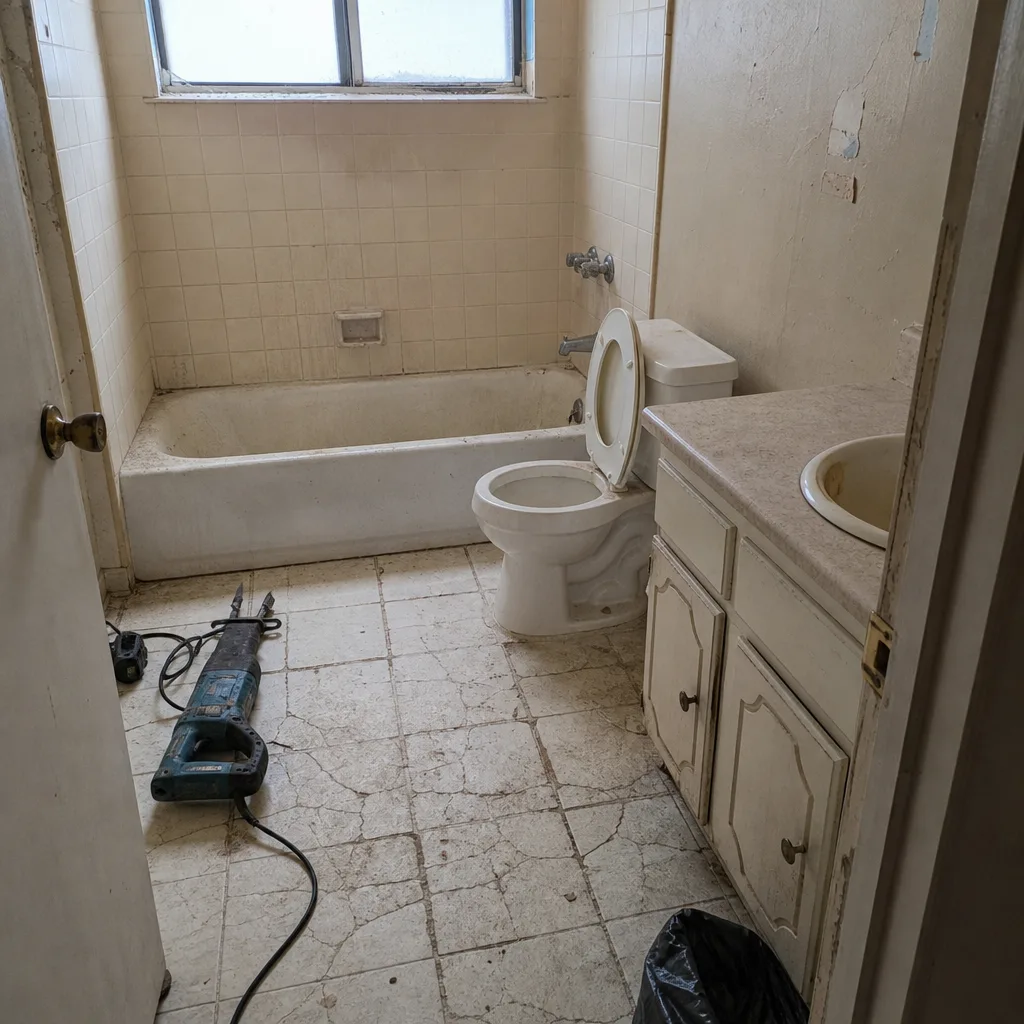 Before
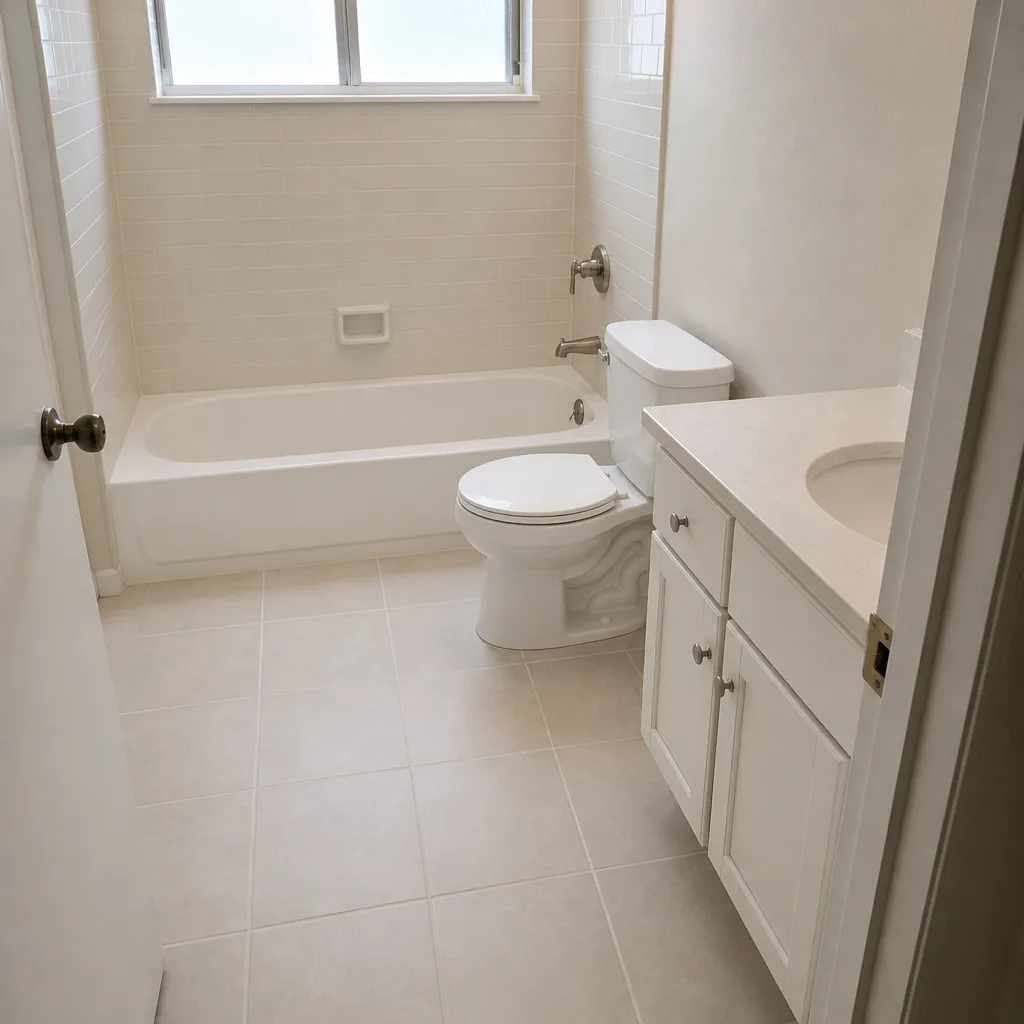 After
When to Call a Professional
Some material decisions are safe to make alone; some aren’t. If your project involves any structural element, waterproofing envelope, roofing, electrical, or gas, the spec and installation need a licensed professional, and the brand selection should be driven by someone who knows how the products perform here. For a kitchen or bath remodel where cabinet and fixture choices dominate, the professional help is in spec compatibility, installation tolerance, and warranty registration, not just in the labor. For a roof, window replacement, or addition, the spec is the job. Groundwork Construction Co. of Lake Forest offers free estimates in Lake Forest, and we’ll walk through brand-level specs with you before a number is quoted, so you know what you’re buying. Call (855) 532-8973 to schedule. Calls are answered by a live person, 24/7, so a spec question doesn’t sit in voicemail over a weekend.
Frequently Asked Questions
For most Lake Forest homes, specify top-tier brands in the high-variance categories: GAF or CertainTeed for roofing (with the correct underlayment brand in writing), Andersen or Marvin for windows, KraftMaid for cabinets, Belgard for pavers, and James Hardie or equivalent for siding. The single most important thing you can do is get brand, product line, and model in writing. Call (855) 532-8973 for a free estimate that starts with the brand-level spec.
Yes. Underlayment is the waterproofing layer beneath your shingles, and it’s what determines whether a wind-driven rain or ice dam becomes a ceiling stain. Synthetic underlayments from top-tier manufacturers are far more durable than felt, and matching the underlayment to the shingle manufacturer’s system is often required for a full warranty. If a contractor won’t specify it, ask why.
A typical contractor workmanship warranty is one year, sometimes two. Manufacturer product warranties vary widely (from 10 years to lifetime, depending on product and registration tier). The two are complementary, and the workmanship warranty is the one that covers installation defects. Our 730-Day Done Right Promise runs two full years on workmanship: if we installed it and something’s not right, we make it right. Call (855) 532-8973 for details on your project.
Yes, and it’s a real risk. Most manufacturer warranties require installation to their published spec by an approved or trained installer, using the specified system components. A mid-project substitution can void the coverage without your ever knowing, until you file a claim. This is why a written no-substitution-without-approval clause is one of the most valuable lines you can add to a contract. Call (855) 532-8973 and we’ll walk through the clause with you on any free estimate.
Three things in practice: access to the highest available warranty tier (some manufacturer warranties only unlock through a certified or approved contractor), consistent product quality because the crew installs the same systems regularly, and faster remedy when a product fails because the contractor has a real channel to the manufacturer. A marketing brochure is not a partnership. Ask which tier of warranty the contractor can register for you.
It can. Verifiable brand names and transferable product warranties are a resale asset, especially for roofing, windows, and kitchen work. When you sell, the closeout package (spec sheets, labels, warranty registration) is worth real money at the negotiating table. Buyers and their inspectors recognize the brand names, and the paperwork proves the specification is real. Call (855) 532-8973 for a free estimate that builds the closeout package into your project scope from day one.
The Bottom Line
Material brands are not a cosmetic marketing detail; they determine how long your project lasts, whether the warranty actually works when you need it, and who picks up the phone when something fails. In Lake Forest, the spec has to account for inland UV and thermal cycling, and it has to survive the environment that comes through the window every afternoon. Write the brands and models into the contract, add a no-substitution-without-approval clause, ask about climate performance in the same conversation, and verify the warranty registration in your name. Then compare the workmanship guarantee. A two-year written guarantee (like our 730-Day Done Right Promise) on top of a properly registered manufacturer warranty is a strong combination. If your contractor can’t produce brand-level specs on request, you have your answer.
Ready to talk brands and numbers? Groundwork Construction Co. of Lake Forest offers a free estimate and design consult, with upfront pricing and no surprises. Call (855) 532-8973 to schedule. Calls are answered 24/7 by a live person. $1,000 off projects over $10,000, 0% financing for 18 months, and the 730-Day Done Right Promise on every job. Built to last, backed in writing.
Written by the team at Groundwork Construction Co. of Lake Forest.