Last updated November 18, 2026
Free written scope consultation - allowances, timeline, and change-order rules on paper before a single trade is scheduled
The Complete Home Additions & ADU Guide for Lake Forest Homeowners
Lake Forest rewrote its ADU rules to match California’s 2020 state law changes, but most of what you’ll find online is still written for a regulatory world that no longer exists. Search for Lake Forest ADU rules and you’ll land on guides describing owner-occupancy requirements that were dropped and size caps that were expanded. Homeowners follow that outdated advice, submit a plan, and get it rejected or bounced back for redesign. This guide replaces the stale versions with the actual sequence Lake Forest works on today: zoning specifics, current South OC cost benchmarks, how a JADU differs from a detached ADU, and how each one lands on your Orange County tax bill. You’ll learn how to move from idea to permitted structure without expensive restarts.
Styles & brands we work with
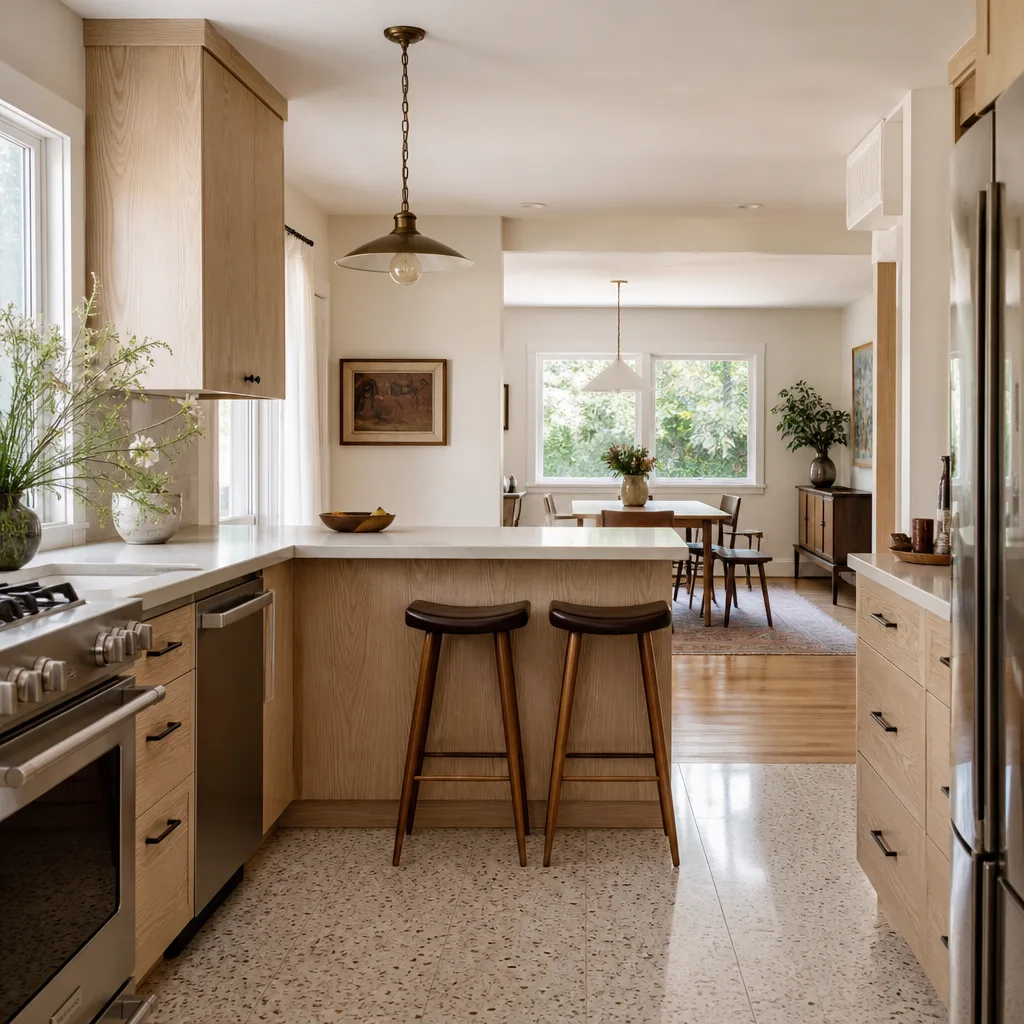
- Kitchen remodeling
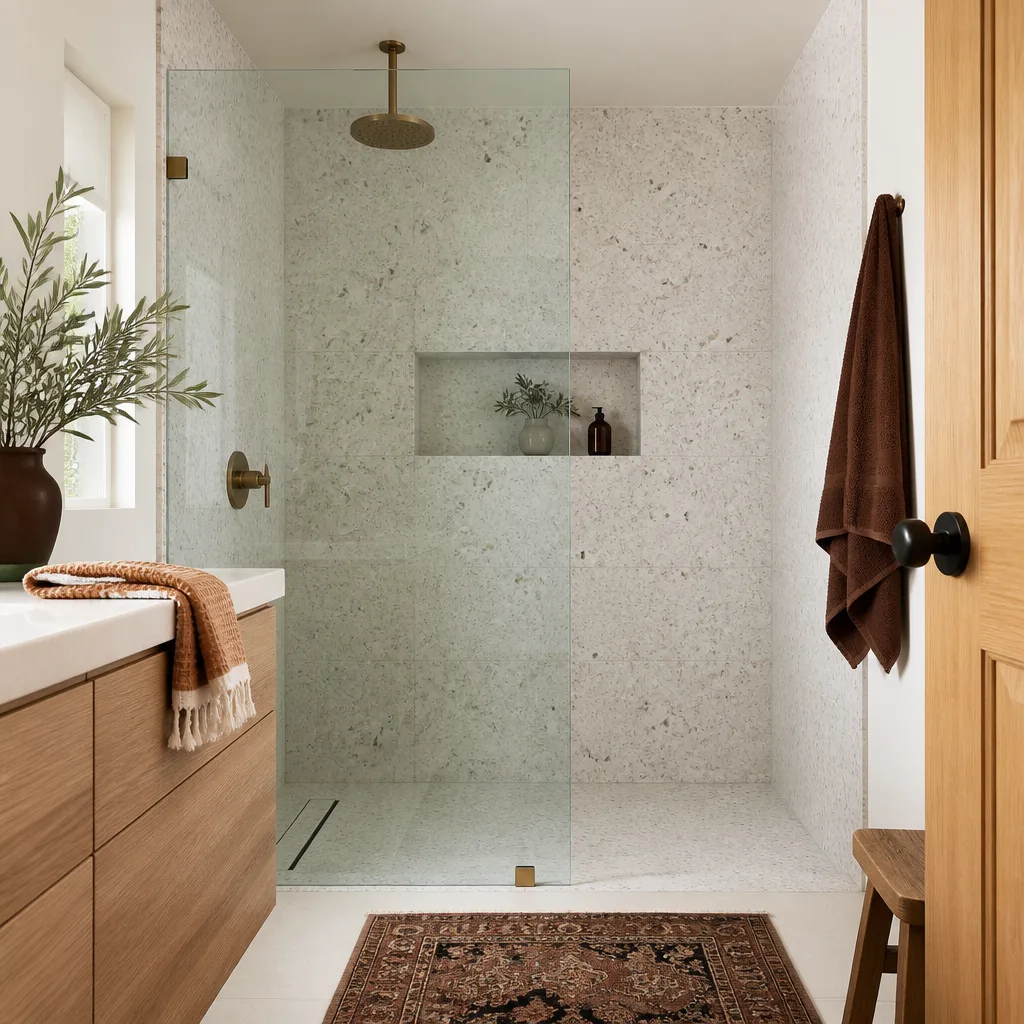
- Bathroom remodeling
- Home additions & ADU
- Roofing
- Windows & doors
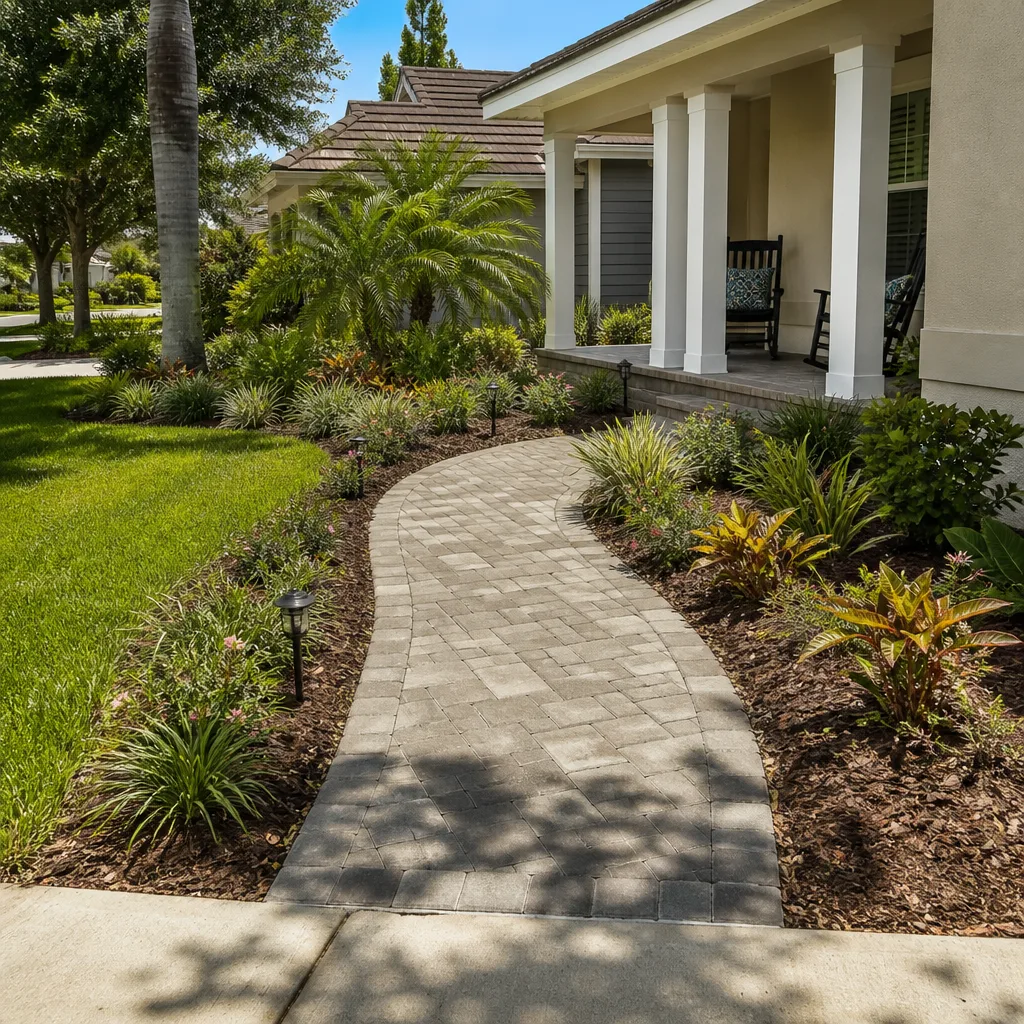
- Driveway & pavers
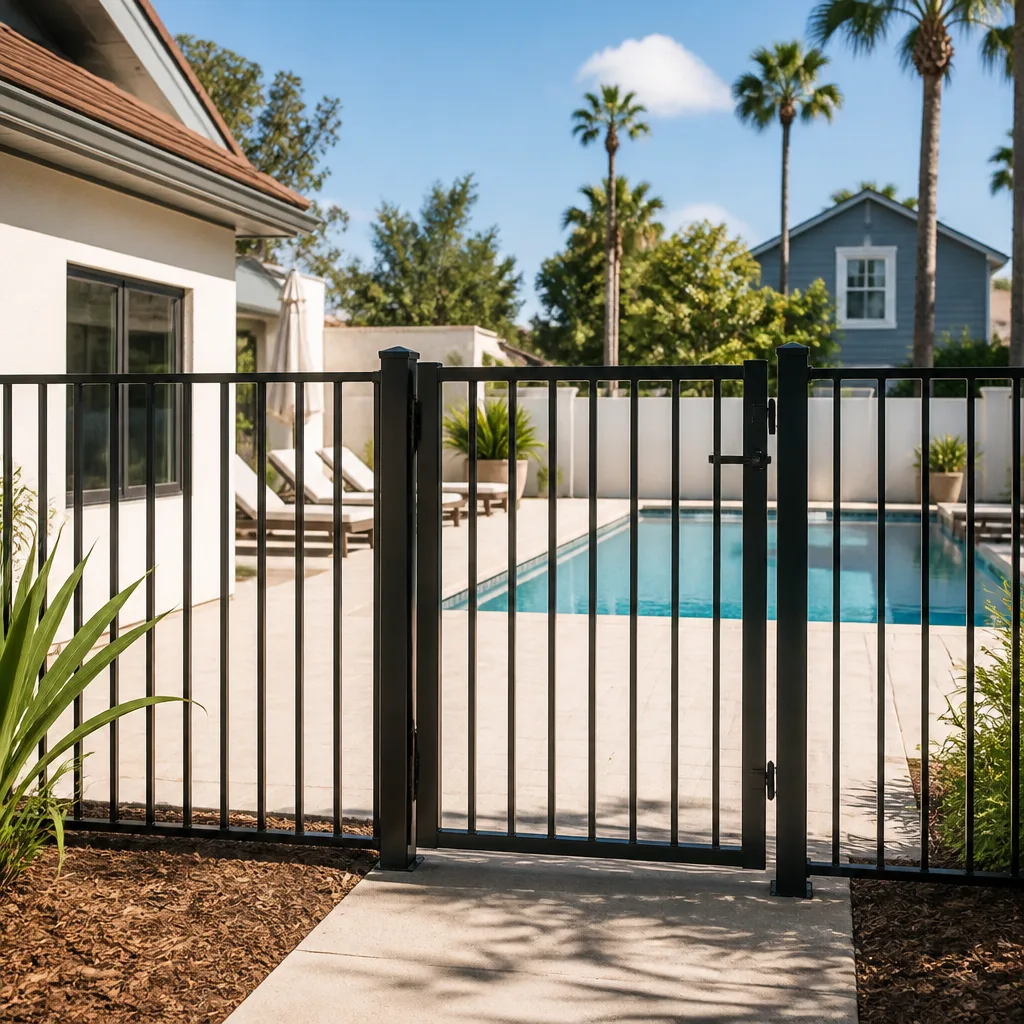
- Fence
Quick Answer
In Lake Forest, most single-family lots can add a detached ADU of up to 1,200 square feet, plus a JADU inside the existing footprint of the home, and neither triggers the old owner-occupancy requirement. Plan on $180,000 to $420,000 for a detached ADU and $95,000 to $180,000 for a room addition, depending on size, finishes, and site conditions. The permit path runs design, plan check, then construction, with financing locked early so a held permit doesn’t stall the schedule.
Table of Contents
- What Lake Forest’s ADU and Addition Rules Actually Allow
- JADU, Detached ADU, or Attached Addition: Which One Fits Your Property
- What Do Home Additions and ADUs Cost in Lake Forest?
- Sequencing Permits, Design, and Financing Without Costly Restarts
- How an ADU Affects Your Orange County Property Tax
- Neighborhood Factors That Change Your Build in Lake Forest
- Common Mistakes to Avoid
- When to Call a Professional
- Frequently Asked Questions
Before we get into the details, know that the rest of your home matters too. If you’re coordinating an addition alongside exterior work, our team handles Groundwork Construction Co. of Lake Forest home projects across the full scope, from foundation to finish line, so you’re not juggling three contractors on one property.
What Lake Forest’s ADU and Addition Rules Actually Allow
Start with the state framework, because it sets the floor that Lake Forest can’t undercut. California’s 2020 ADU laws (SB 13, AB 68, AB 881, and AB 670) opened the door to more units and limited how restrictive a city could be. Lake Forest updated its ordinance to align with those changes, and the practical result is friendlier to homeowners than most people assume.
Here’s what the current rules look like in plain terms:
- Detached ADU size: The state caps local restrictions at 800 square feet minimum for a detached one-bedroom, but Lake Forest’s ordinance allows buildouts to roughly 1,200 square feet on qualifying single-family lots. That’s the number that surprises most homeowners, and it’s a direct result of aligning with state law.
- Attached ADU and JADU: JADUs (junior ADUs) are capped at 500 square feet and must sit within the existing walls of the primary residence, converted from a bedroom, garage, or attached space.
- Setbacks: The rear and side setback rules differ by zoning district. Single-family residential districts are the most common in Lake Forest, and rear setbacks for a detached ADU typically sit at 4 feet from the property line. Corner lots and lots in higher-density districts can see tighter requirements.
- Owner-occupancy: After the 2020 law changes, the state removed the ability of cities to require the owner to live on-site for permitted ADUs. Lake Forest follows that. The old owner-occupancy affidavit you may remember isn’t part of the standard process anymore.
- Parking: Replacement parking requirements are waived when the ADU is within half a mile of public transit or in a historic district, and Lake Forest has leaned into that provision on qualifying properties.
One more thing worth knowing: because Lake Forest’s rules changed to align with the state, some older site plans and design documents floating around online are simply invalid. If you’re working from a plan drawn before the ordinance update, have it reviewed against the current code before you spend money on engineering.
JADU, Detached ADU, or Attached Addition: Which One Fits Your Property
These three structures get lumped together constantly, but they are not interchangeable. The right choice depends on your lot size, your existing footprint, your budget, and what you want the square footage to do. Here’s how they differ in practice for Lake Forest properties.
JADU (Junior ADU)
A JADU is a unit carved out of existing space, up to 500 square feet, and it must include an efficiency kitchen and a bathroom. It can share a bathroom with the main house in some configurations. JADUs are the cheapest way to add a rentable or family-friendly unit, typically running $60,000 to $110,000 in Lake Forest. The catch: you need a space to convert, usually an oversized bedroom, an underused den, or part of a garage. They add the least square footage and the least resale premium, but they’re often the fastest path to a permitted unit.
Detached ADU
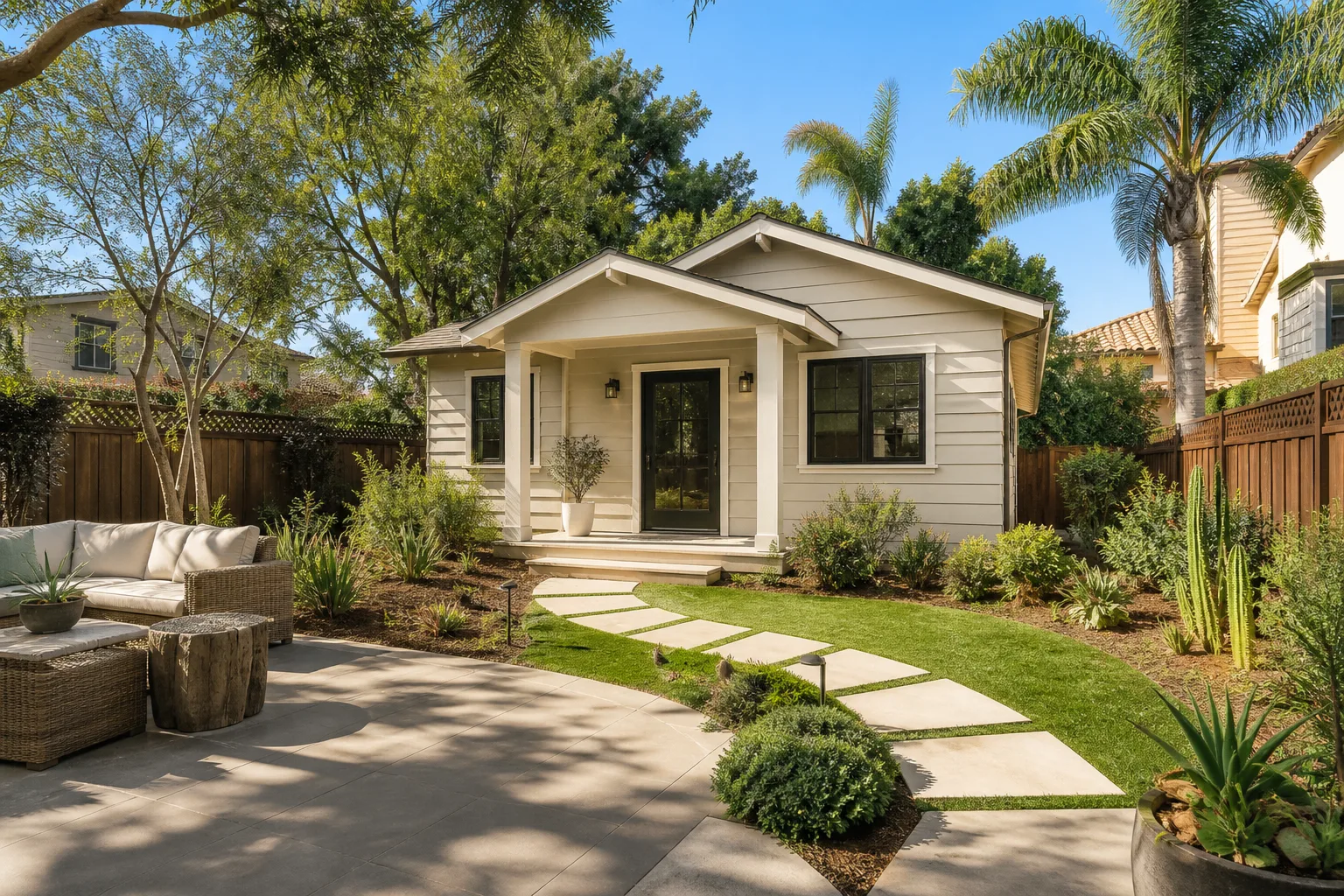
A detached ADU is a separate structure, usually built in a backyard or over a detached garage. This is the format that generates the most rental income and the strongest resale bump in Lake Forest’s South OC submarket, because it functions as a true second dwelling. On a standard Lake Forest lot, a detached ADU of 600 to 1,200 square feet fits comfortably if the rear yard is about 25 feet deep. Cost runs $180,000 to $420,000. Site work, utility runs, and grading add line items a JADU never touches.
Attached Room Addition
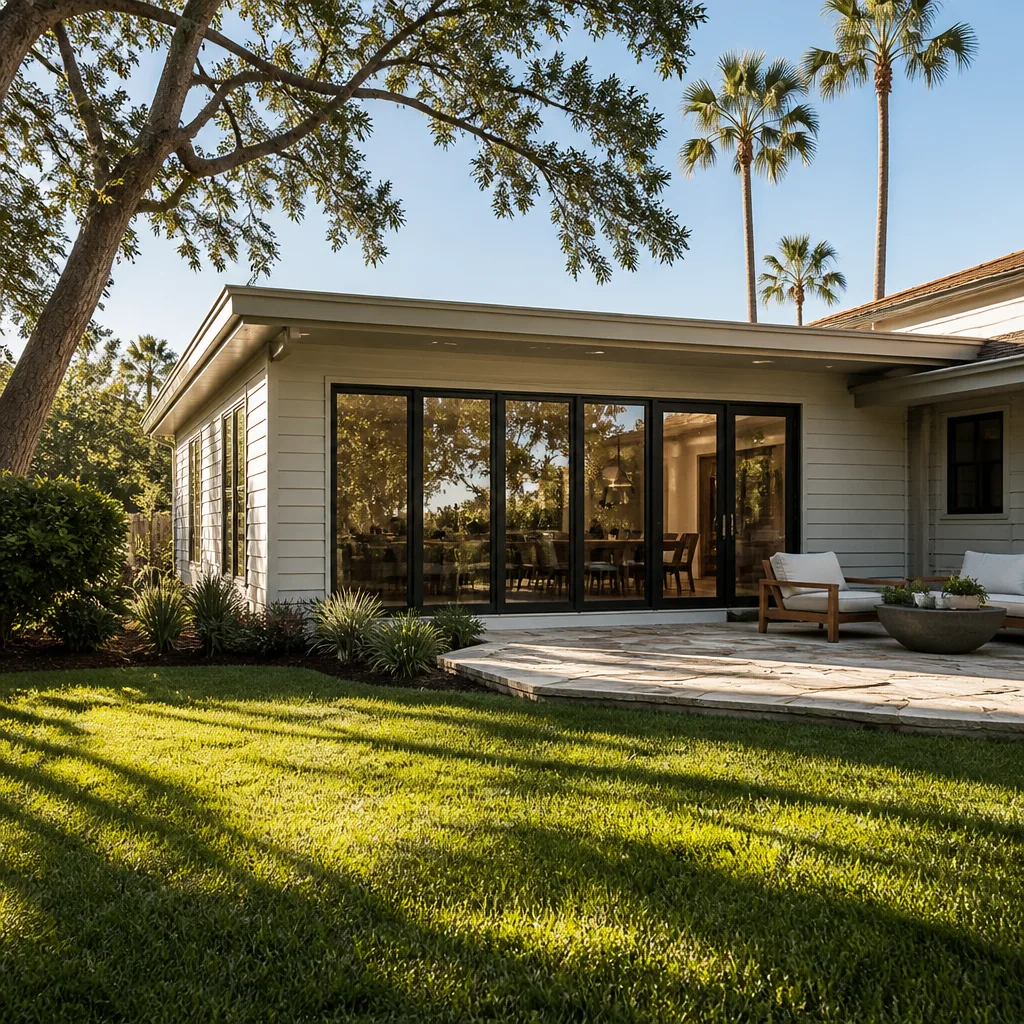
An attached addition extends the primary home. It’s not a separate dwelling. You use it for a primary suite, an expanded kitchen, a home office, or a casita that’s legally part of the house. This is the right call when you need family space, not a rental unit. Expect $95,000 to $180,000 for a typical 400 to 700 square foot addition in Lake Forest, more if you’re moving plumbing and electrical for a kitchen or bath.
Which one makes financial sense comes down to one question: do you want the square footage to generate income, or do you want it to make your current home work better? For income, detach it. For daily living, attach it. If you’re adding a rental unit to an investment property, a detached ADU usually wins on both rent and resale.
What Do Home Additions and ADUs Cost in Lake Forest?
National averages are useless here. Labor rates, permit fees, and material costs in South Orange County run well above the national picture, and Lake Forest sits in a specific sweet spot: less expensive than coastal cities like Laguna Beach or Newport, more expensive than inland Riverside County. Here’s the current range for Lake Forest projects.
| Project type | Typical size | Lake Forest cost range | Timeline |
|---|---|---|---|
| JADU conversion | 300-500 sq ft | $60,000-$110,000 | 3-5 months |
| Attached room addition | 400-700 sq ft | $95,000-$180,000 | 4-7 months |
| Detached ADU (basic) | 600-800 sq ft | $180,000-$260,000 | 7-10 months |
| Detached ADU (premium) | 900-1,200 sq ft | $260,000-$420,000 | 9-12 months |
Breaking down where the money goes:
- Permits and plan check: $3,500-$9,000 depending on scope and whether you need grading and utility permits
- Design and engineering: $8,000-$22,000 for a full set of permitted plans
- Site work and grading: $12,000-$40,000, higher on sloped lots or lots that need retaining walls
- Utility runs (water, sewer, electrical, gas): $15,000-$45,000 for a detached unit, less for a JADU
- Foundation and framing: 30-40% of project cost
- Finishes (kitchen, bath, flooring, paint): 25-35% of project cost depending on grade
These ranges assume no surprises on soil, existing utilities, or structural modifications to the main house. Real numbers require a site assessment. A written, line-item quote is the only reliable check against a project going sideways. When we quote a Lake Forest addition, the number you see is the number you pay, and the work is backed by the 730-Day Done Right Promise.
Sequencing Permits, Design, and Financing Without Costly Restarts
Most expensive ADU mistakes happen before anyone picks up a hammer. The sequence matters more than the schedule, because a step done out of order means redesign fees, re-permitting, or a stalled build. Here’s the order that actually works for Lake Forest projects.
- Confirm zoning and lot eligibility first. Before you spend on design, verify your lot’s zoning district, setbacks, and whether the lot size and existing lot coverage leave room for the addition. This is a 30-minute check that saves weeks.
- Run a feasibility and site survey. A licensed surveyor confirms property lines, easements, and the location of utilities. Skipping this is the number one cause of backyard ADUs getting held up mid-build.
- Lock construction financing before design is finalized. This is the step homeowners most often reverse. If your financing isn’t confirmed, you can design a structure you can’t afford to build, then redesign. Our 0% financing for 18 months program and the $1,000 off projects over $10,000 offer are designed to get that number settled early.
- Commission a full permitted plan set. Architecture, structural engineering, Title 24 energy compliance, and any grading plan required by the site.
- Submit for plan check with Lake Forest planning. Expect 4-8 weeks for review on a typical ADU, longer if the project touches grading or takes a planning commission look. Respond to corrections promptly. Each roundtrip adds two to three weeks.
- Pull permits and lock the construction schedule. Construction begins only once all permits are issued. Don’t let a contractor start “while permits are pending” – a red tag mid-build is the most expensive outcome on the list.
- Schedule inspections and finalize the certificate of occupancy. This is the last gate before the unit legally occupies space.
If your project also touches the roof, driveway, or fence line, plan that work alongside the addition so you’re not tearing out a new paver patio to run a sewer line. Our Driveway & Pavers in Lake Forest team coordinates directly with our additions crews, which is a real benefit on a project this complex.
How an ADU Affects Your Orange County Property Tax
This is where homeowners get confused, and it’s worth getting straight before you build. California’s Prop 13 caps annual increases for existing properties, but new construction is reassessed. Prop 19 changes some transfer and inheritance rules, but it doesn’t change how an ADU is treated for reassessment – a permitted ADU is new construction, and it will be added to your assessed value.
Here’s the practical picture for Lake Forest:
- Your existing home’s assessment is protected. Prop 13’s 2% annual cap applies to the base value that was set when you bought. Building an ADU doesn’t trigger reassessment of the whole house.
- The ADU itself is assessed separately. Orange County will add the fair market value of the new unit, essentially what it cost to build or its market value, whichever the assessor determines, to your property’s total assessed value.
- Expect roughly 1-1.25% of the ADU’s assessed value as annual property tax. On a $250,000 build, that’s roughly $2,500 to $3,100 a year added to your bill. The rent a Lake Forest ADU commands comfortably covers that number plus the operating costs.
- Report the completed construction. California requires homeowners to notify the assessor when new construction is completed. Failure to file isn’t a loophole; it catches up with retroactive assessments and penalties.
Add a call to the Orange County Assessor’s office to confirm how your specific project will be handled. Their estimates are more reliable than any guide, including this one.
Neighborhood Factors That Change Your Build in Lake Forest
Lake Forest isn’t one construction environment. The conditions vary block to block, and our techs have seen the differences firsthand across the city. These are the ones that most affect additions and ADUs.
Hillside and slope lots
Much of Lake Forest’s residential inventory sits on graded slopes moving toward the hills above Portola Parkway. On those lots, a detached ADU almost certainly needs retaining walls, drainage engineering, and possibly caisson foundations. That’s where the $12,000 to $40,000 site-work line item lives. Flat lots in older tracts off Trabuco Road skip most of it.
Older tracts and utility capacity
Homes built in the 1970s and 1980s in the original Lake Forest neighborhoods often have smaller electrical service panels and aging sewer laterals. A JADU or ADU may require a panel upgrade or lateral replacement. Factor $4,000 to $12,000 for those items into your budget on an older Lake Forest home.
HOAs and deed restrictions
A significant portion of Lake Forest property sits in HOA-governed communities. Your HOA architectural review committee can impose standards above and beyond city code, from roof pitch matching to exterior color palettes. The city approval isn’t the whole approval. Pull the CC&Rs and get HOA sign-off before design is finalized.
Fire and brush zones
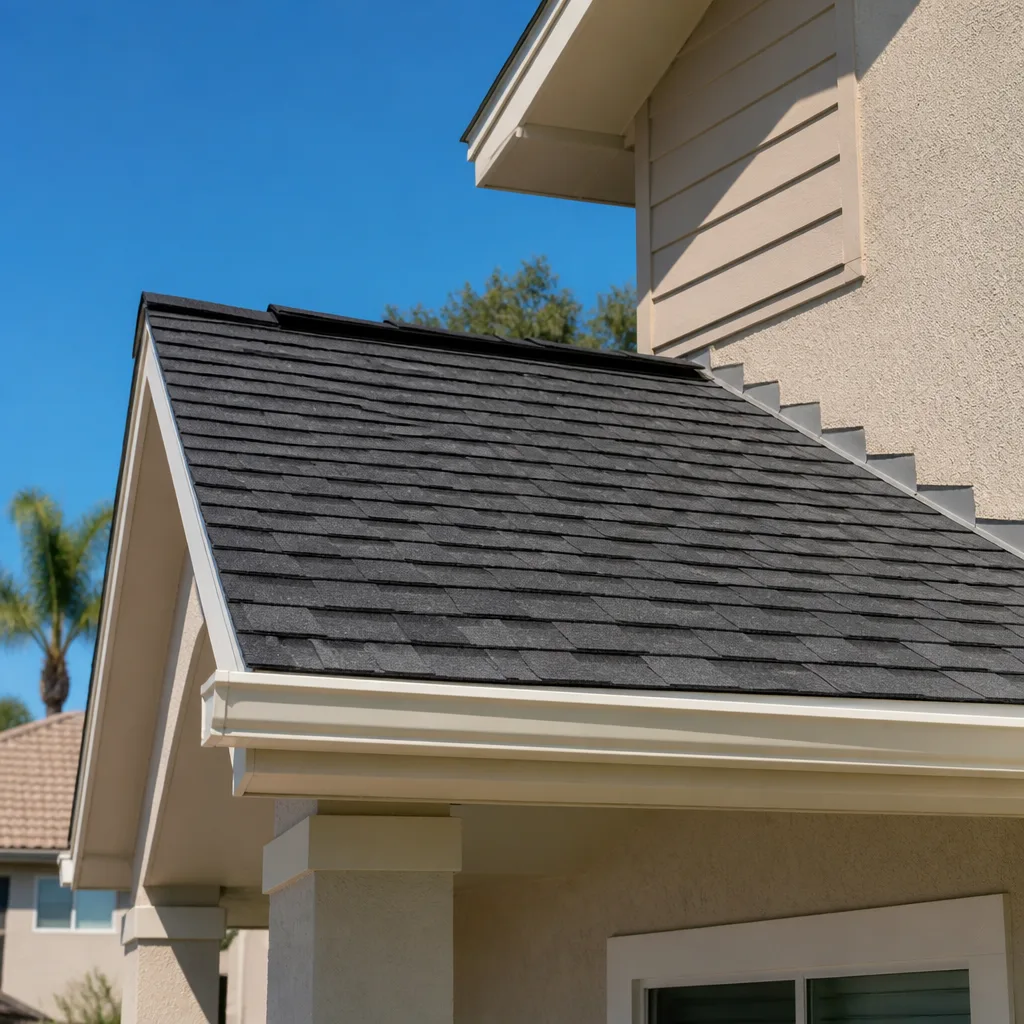
Lots on the eastern edge of Lake Forest, closer to the Cleveland National Forest, can fall in a fire hazard severity zone. That triggers ignition-resistant construction requirements (Class A roofing, ember-resistant vents, specific exterior materials) that add cost. When we build in those areas, we pull Class A options like GAF and Owens Corning roofing into the budget from day one so nothing gets discovered mid-build.
If your project includes perimeter and property-line work, our Fence Installation in Lake Forest team handles materials from Master Halco, Ameristar, Jerith, and Bufftech, and we coordinate with the addition schedule so you’re not pulling fence panels out for utility runs.
Common Mistakes to Avoid
- Designing before checking lot eligibility. A beautiful plan set for a lot that can’t accommodate it is a $10,000 design fee down the drain. Check zoning and setback eligibility first.
- Working from pre-2020 ordinance documents. Lake Forest’s rules changed to match state law, and older guides are actively wrong. Confirm against the current code before you rely on anything you found online.
- Skipping the survey on a backyard ADU. Property-line surprises are the most expensive mid-build discovery we see. A survey costs far less than a redesign or a demolition order.
- Locking construction financing after design. Reverse the order. Financing first, design second, permits third.
- Overlooking HOA review on top of city plan check. A city-approved plan can still get stopped by HOA review. Pull CC&Rs early.
- Underestimating utility upgrades on older homes. Electrical panel and sewer lateral replacements can add five figures on a 1970s Lake Forest house. Budget for them.
- Hiring on the lowest bid with no written scope. A verbal quote with no line items has no floor to stand on. Get line-item, written, guaranteed pricing.
When to Call a Professional
Some work is fine to DIY. Additions and ADUs are not that work. Call a licensed professional when your project involves:
- Any structural modification, foundation work, or grading
- New electrical service, panel upgrades, or utility runs
- Plumbing changes that touch the main line or require new sewer connections
- Permit submission, plan check responses, or inspection coordination
- Roof or envelope work that needs to tie cleanly into an existing structure
- Projects in a fire hazard severity zone, where material specifications need to satisfy code
A permitted addition is a coordinated chain of licensed trades, inspections, and engineering. Attempting it without professional oversight means a higher risk you won’t get a certificate of occupancy, which is where the money disappears. A free project estimate and design consult clarifies what’s actually required before you commit.
Groundwork Construction Co. of Lake Forest offers free estimates in Lake Forest – call (855) 532-8973. Our technicians have up to 12 years of experience, arrive background-checked and in uniform, and every project carries the written 730-Day Done Right Promise. Calls are answered by a live person, 24/7.
Frequently Asked Questions
Lake Forest’s ordinance allows detached ADUs up to roughly 1,200 square feet on qualifying single-family lots, aligned with California’s 2020 state law changes. The exact maximum depends on your zoning district, lot size, and lot coverage. Confirm the number for your specific lot during a free design consult rather than relying on a general range. Call (855) 532-8973 for an exact quote – estimates are free.
No. After California’s 2020 ADU law changes, the owner-occupancy requirement was removed for permitted ADUs, and Lake Forest follows state law. You can build and rent an ADU without living in the main home. Some lender restrictions for certain types of financing may still apply, so confirm with your lender. Call (855) 532-8973 for a free estimate on your specific project.
Expect $180,000 to $420,000 for a detached ADU in Lake Forest, depending on size and finish level. A JADU runs $60,000 to $110,000, and an attached room addition runs $95,000 to $180,000. These are South OC submarket numbers, not national averages. Call (855) 532-8973 for an exact line-item quote – estimates are free.
Yes, but only the ADU is reassessed, not your entire home. Your existing property’s Prop 13 assessment stays intact, and the new ADU’s value is added separately. Expect roughly 1-1.25% of the ADU’s assessed value as added annual property tax. Call (855) 532-8973 to discuss how to structure your project budget around the tax impact.
A typical 400-700 square foot room addition in Lake Forest takes four to seven months from permit approval to final inspection. Plan check alone adds four to eight weeks before construction starts. The total from first call to finished project is usually seven to ten months. Call (855) 532-8973 to get a schedule specific to your project.
Yes. We handle permit submission, plan check responses, and inspection coordination as part of the project scope. You don’t file anything yourself. Our team works directly with Lake Forest planning and building departments, and every project passes final inspection before we close it out. Call (855) 532-8973 for a free estimate.
The Bottom Line
Lake Forest’s ADU rules are friendlier than most homeowners realize, but the local details – setback requirements by district, HOA overlays, older-tract utility capacity, hillside grading – trip up national guides and generic plans. The path to a permitted structure starts with a zoning check, moves through survey and design, then permits and construction, with financing locked before design so nothing gets rebuilt to fit a budget that wasn’t confirmed. Cost benchmarks in South OC run meaningfully higher than national averages, but ADU rents easily cover the reassessed tax impact. If you’re ready to move from idea to a permitted, inspected build with written pricing, our Home Additions & ADU in Lake Forest page has the full service detail. Call (855) 532-8973 for a free estimate and design consult. Every project is backed by the 730-Day Done Right Promise, and we answer the phone live, 24/7.
Written by the team at Groundwork Construction Co. of Lake Forest.
See the difference
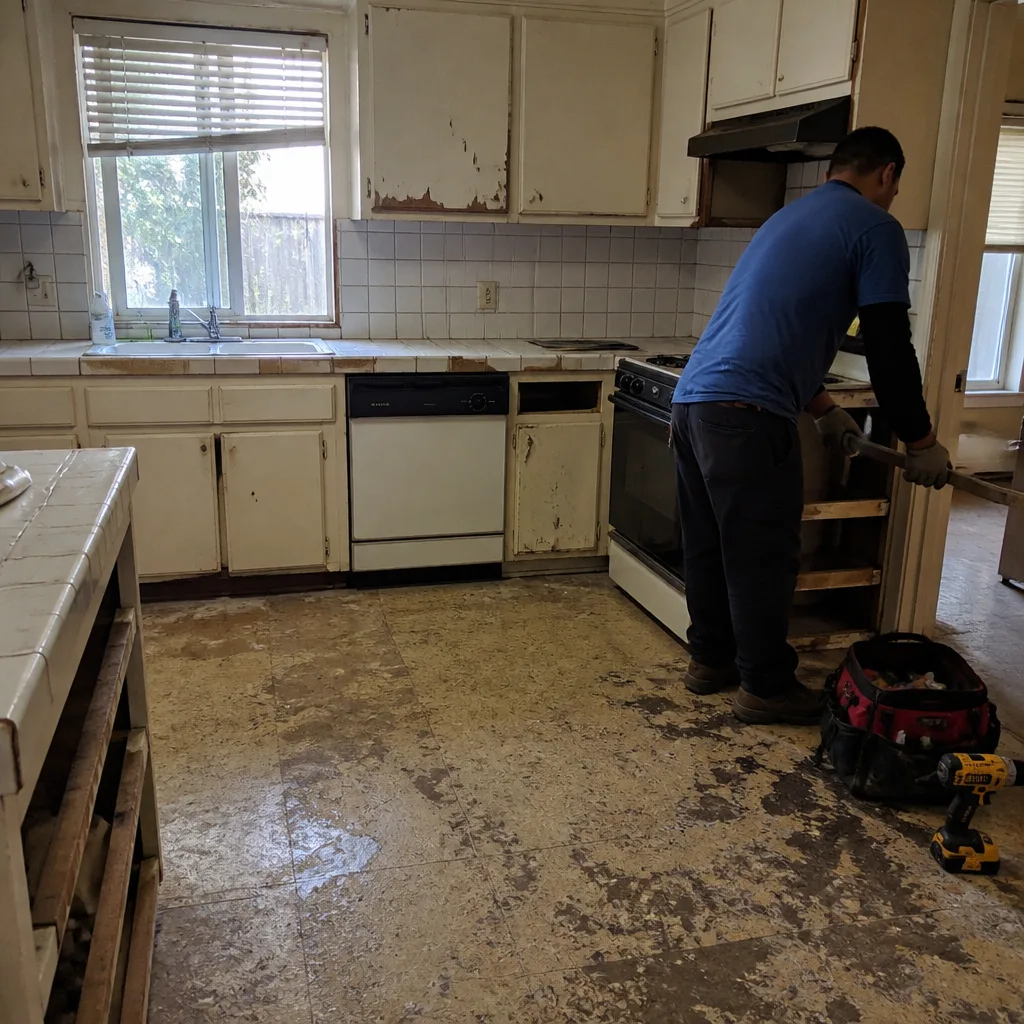 Before
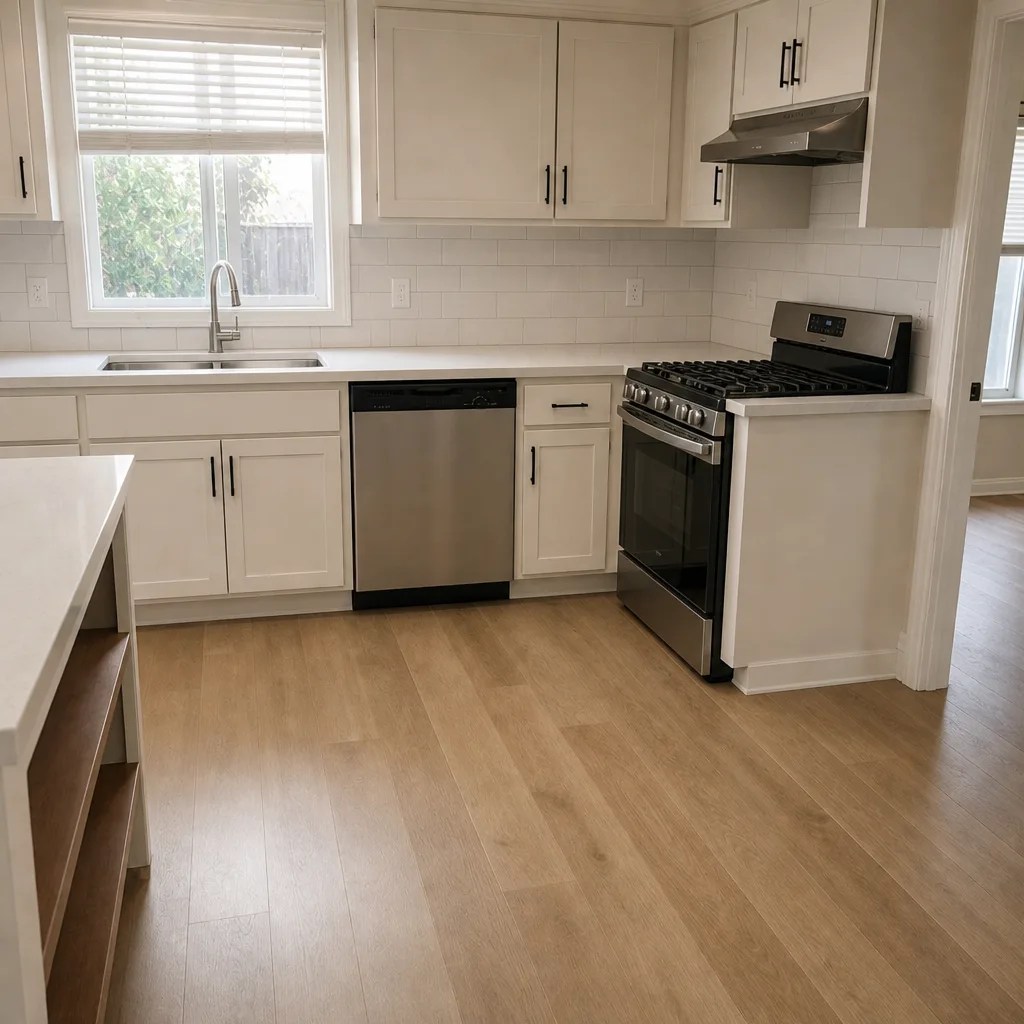 After
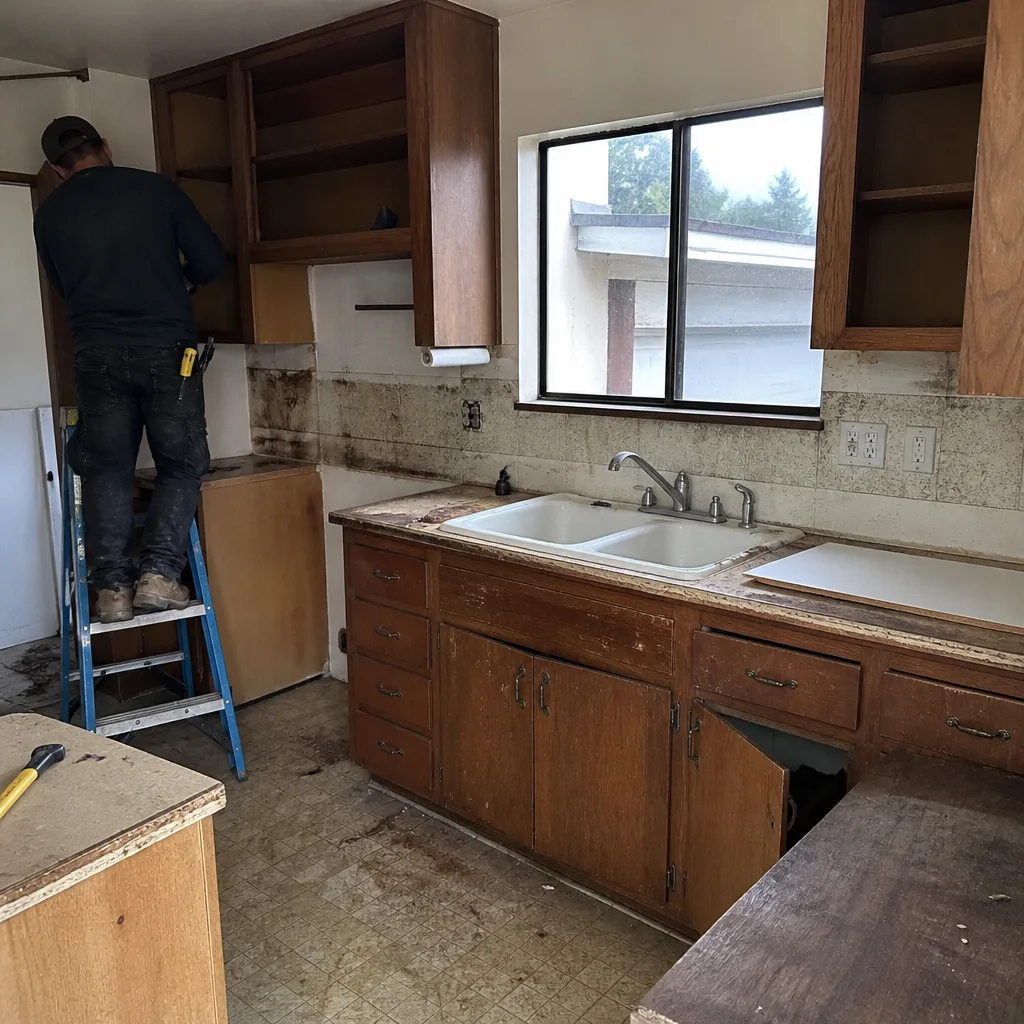 Before
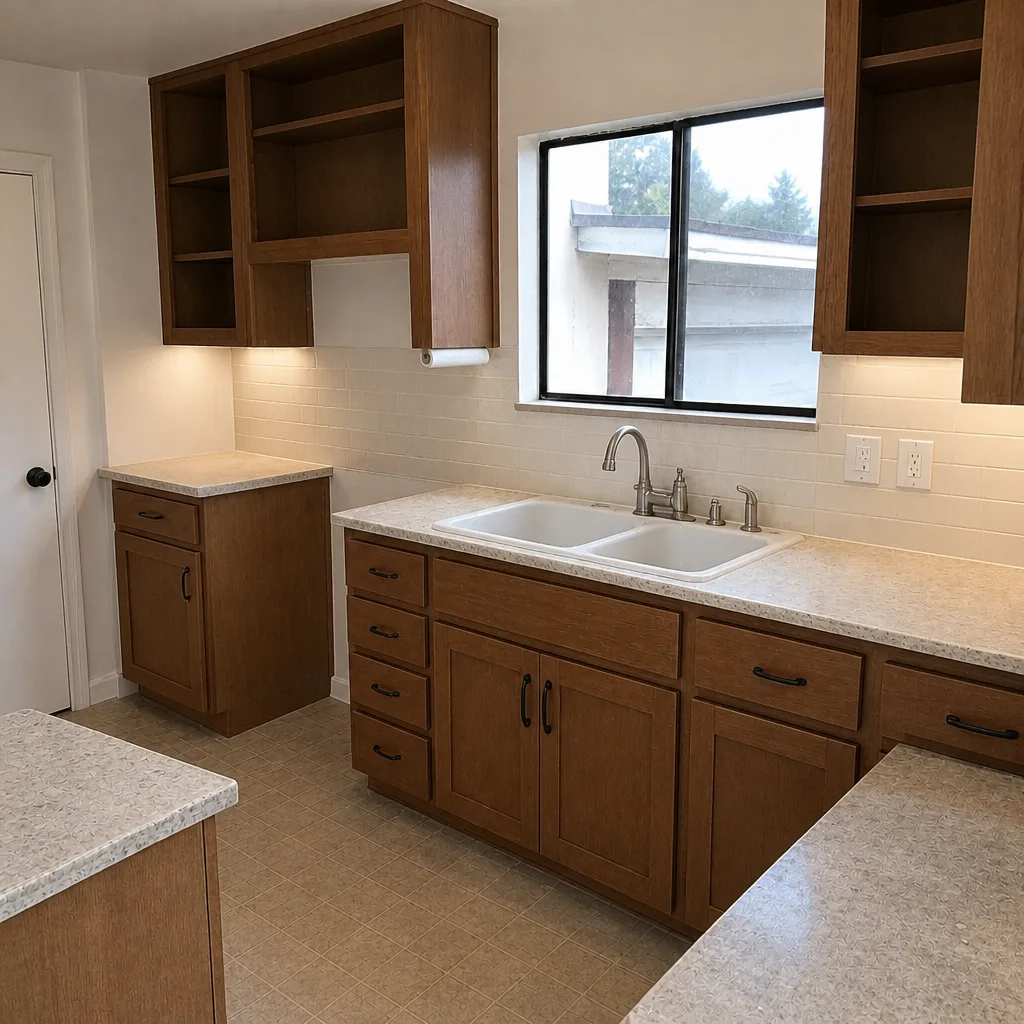 After
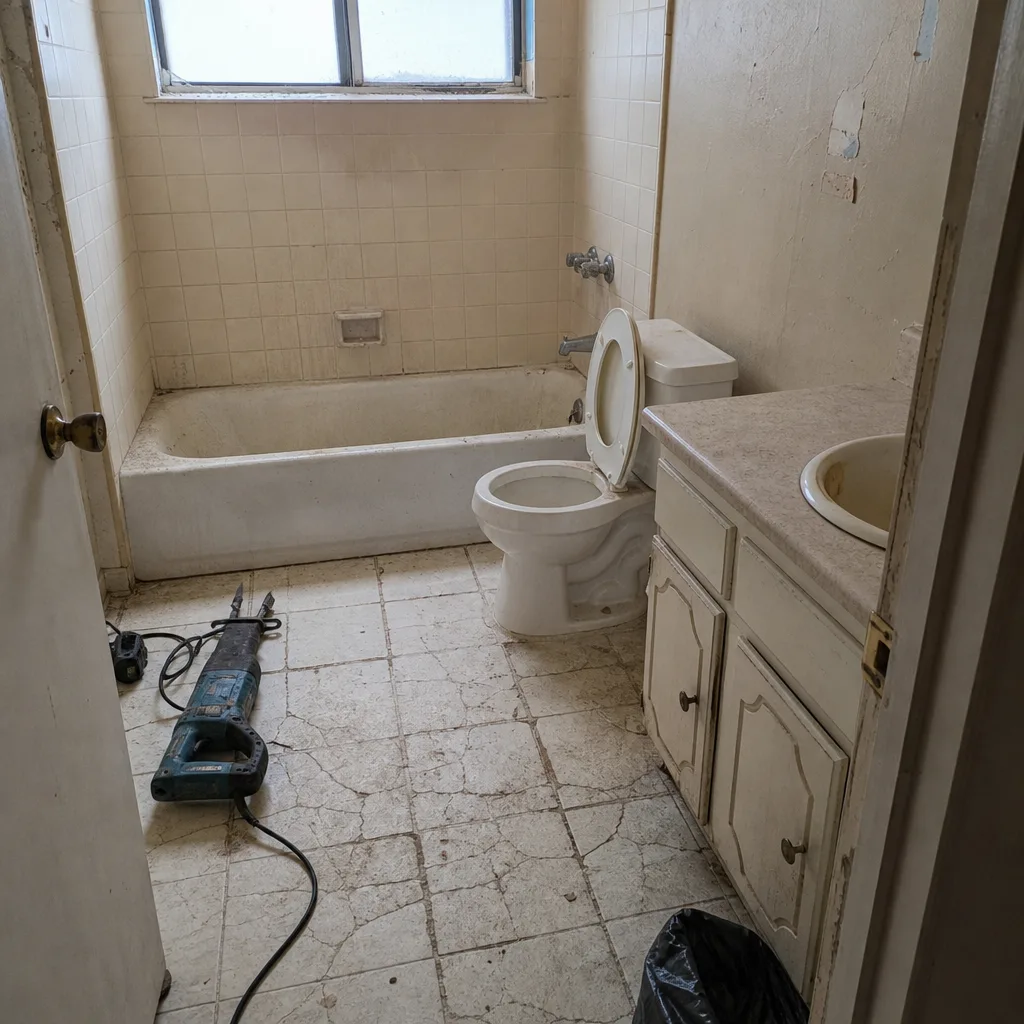 Before
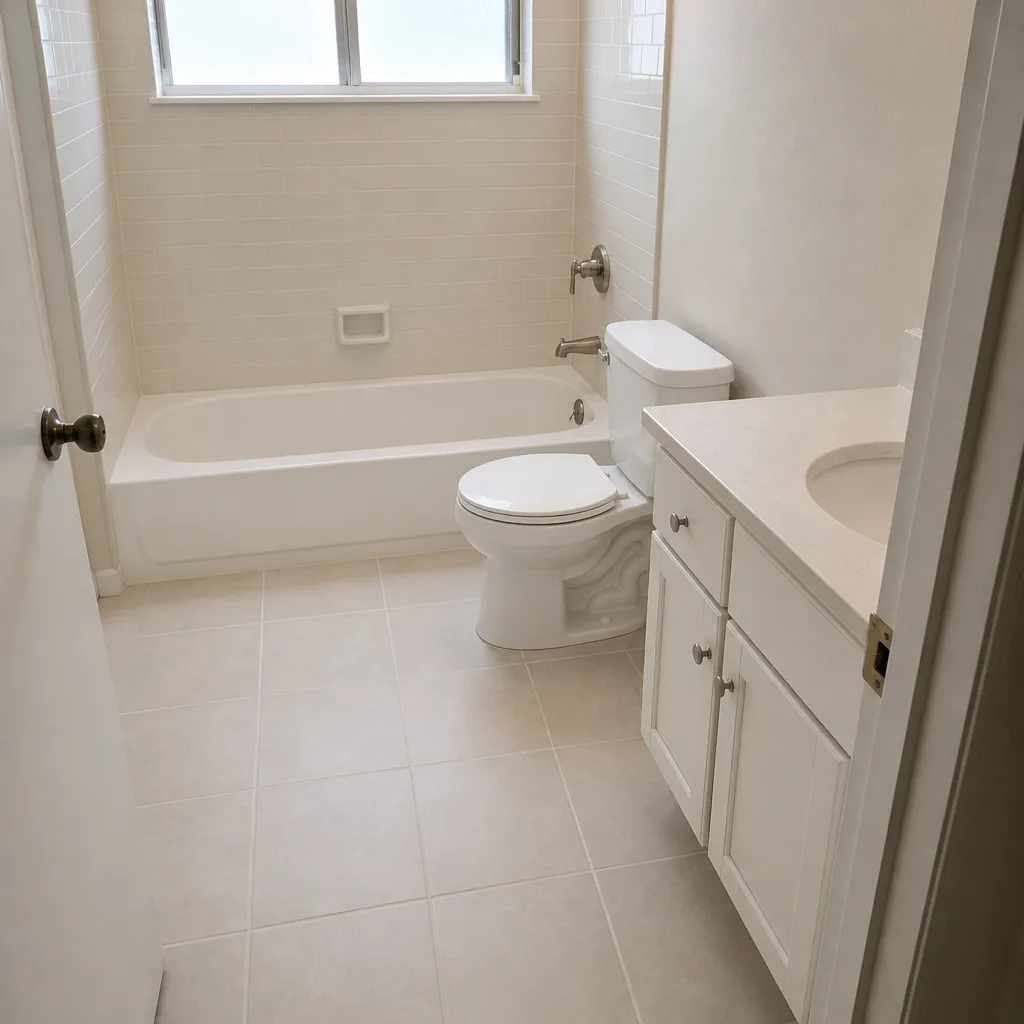 After