Last updated November 18, 2026


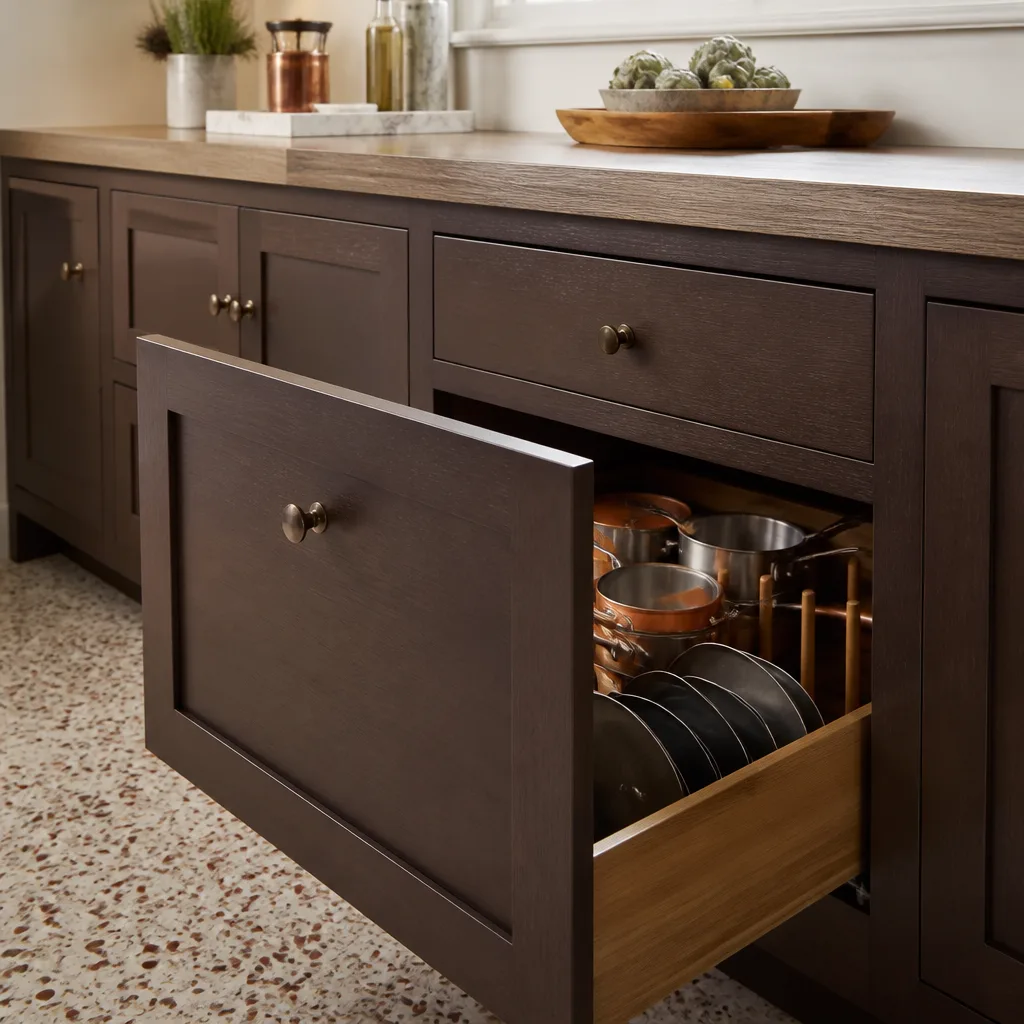



Free written scope consultation - allowances, timeline, and change-order rules on paper before a single trade is scheduled
Construction Emergency Preparedness Guide for Lake Forest Homes
During the 2020 Silverado Fire, Lake Forest homes that had maintained defensible space and ember-resistant vents had measurably better outcomes than neighbors who hadn’t. That wasn’t luck. It was a series of construction decisions made years earlier, long before any smoke appeared on the ridge. Lake Forest sits where wildfire risk, seismic activity, and Santa Ana wind corridors overlap, and that overlap gives local construction emergencies a profile you won’t find in a generic FEMA pamphlet. This guide walks through how to harden your home against wildfire, what seismic retrofitting actually involves here, how to inspect your roof and envelope after a storm, how to document your property for an insurance claim, and what to do in the first 48 hours after damage hits.
Quick Answer
Construction emergency preparedness in Lake Forest means hardening your home against the three threats this area actually faces – wildfire embers, earthquakes, and high-wind-driven rain – before a disaster, then knowing exactly how to document and respond in the first 48 hours after one. The highest-return steps are ember-resistant venting, defensible space, cripple-wall and anchor-bolt retrofitting, and a photo-and-records file that supports an insurance claim. Most of this work is planned in advance, not during the emergency itself.
Styles & brands we work with
- Kitchen remodeling
- Bathroom remodeling
- Home additions & ADU
- Roofing
- Windows & doors
- Driveway & pavers
- Fence
Table of Contents
- How do you assess wildfire vulnerability using CAL FIRE standards?
- What seismic retrofitting does a Lake Forest home need?
- What should you inspect after a major rain event?
- How do you document your home for an insurance claim?
- What should you do in the first 48 hours after damage?
- Which materials hold up best in Lake Forest’s climate?
- How do you build a year-round preparedness plan?
How Do You Assess Wildfire Vulnerability Using CAL FIRE Standards?
Start with the two zones CAL FIRE uses to judge a home’s wildfire exposure: the home ignition zone (the structure and the first 5 feet around it) and the extended defensible space out to 100 feet. Most Lake Forest homes in the foothill neighborhoods near Whiting Ranch and the Foothill Ranch border sit in or near a high fire hazard severity zone, which means embers – not a wall of flame – are the most likely way a house ignites. Embers can travel a mile ahead of a fire front and land in gutters, attic vents, and the gap under a deck.
Walk your exterior and check these openings and materials:
- Vents: Attic and foundation vents should be 1/8-inch mesh or ember-resistant. Standard quarter-inch bug screen lets embers through.
- Roof covering: Class A assembly is the baseline. A wood-shake roof in a high hazard zone is a liability no amount of defensible space offsets.
- Gutters: Packed pine needles and dry leaf litter are ember fuel. Metal gutter guards cut the maintenance load.
- Siding: Fiber cement products like James Hardie resist ignition and hold up to the sun here far better than wood.
- Decking and eaves: The underside of a deck and open eave areas trap embers. Enclosing them matters more than the deck surface.
- Windows: Dual-pane tempered glass in exterior windows resists radiant heat better than single-pane.
Then look at the first 5 feet around the foundation: no bark mulch, no wood fencing touching the house, no stored lumber or propane. In our experience, this zero-to-five-foot zone is where Lake Forest homeowners most often skip the work, and it’s the cheapest hardening step available.
What Seismic Retrofitting Does a Lake Forest Home Need?
Lake Forest sits on predominantly sandy and decomposed-granite soils common to the foothills of south Orange County, and that soil type amplifies shaking in a way that can expose weaknesses in older homes. Homes built before the late 1970s, and especially those with a raised foundation and a crawl space, are the ones that most often need retrofitting. The two deficiencies an inspection looks for are cripple-wall bracing and anchor-bolt attachment.
Cripple walls are the short stud walls between the foundation and the first floor. If they’re unbraced, they can rack and collapse sideways during shaking, dropping the house. Retrofitting means sheathing them with structural plywood and bolting them to the foundation.
Anchor bolts tie the wood frame to the concrete. Older homes sometimes have none, or only a few undersized ones. A retrofit adds and replaces anchors so the house doesn’t slide off its foundation.
A proper inspection involves a licensed professional crawling the subarea, measuring bolt spacing, checking for rot and pest damage, and looking at how the water heater is strapped. This isn’t a do-it-yourself job – the structural connections are what keep the house standing, and the work needs to be engineered and permitted. If you’re planning an addition at the same time, the same inspection scope folds neatly into that project, which is one reason we handle Home Additions & ADU in Lake Forest with the structural assessment built in from day one. From foundation to finish line, a single contractor means the seismic work and the new construction don’t get designed in isolation.
What Should You Inspect After a Major Rain Event?
Lake Forest’s storms arrive fast and drop a lot of water in a short window, and the foothill grade means water moves downhill with force. The time to inspect is in the first dry day after the storm, before moisture migrates into wall cavities and turns a roof problem into a mold problem. Follow this sequence:
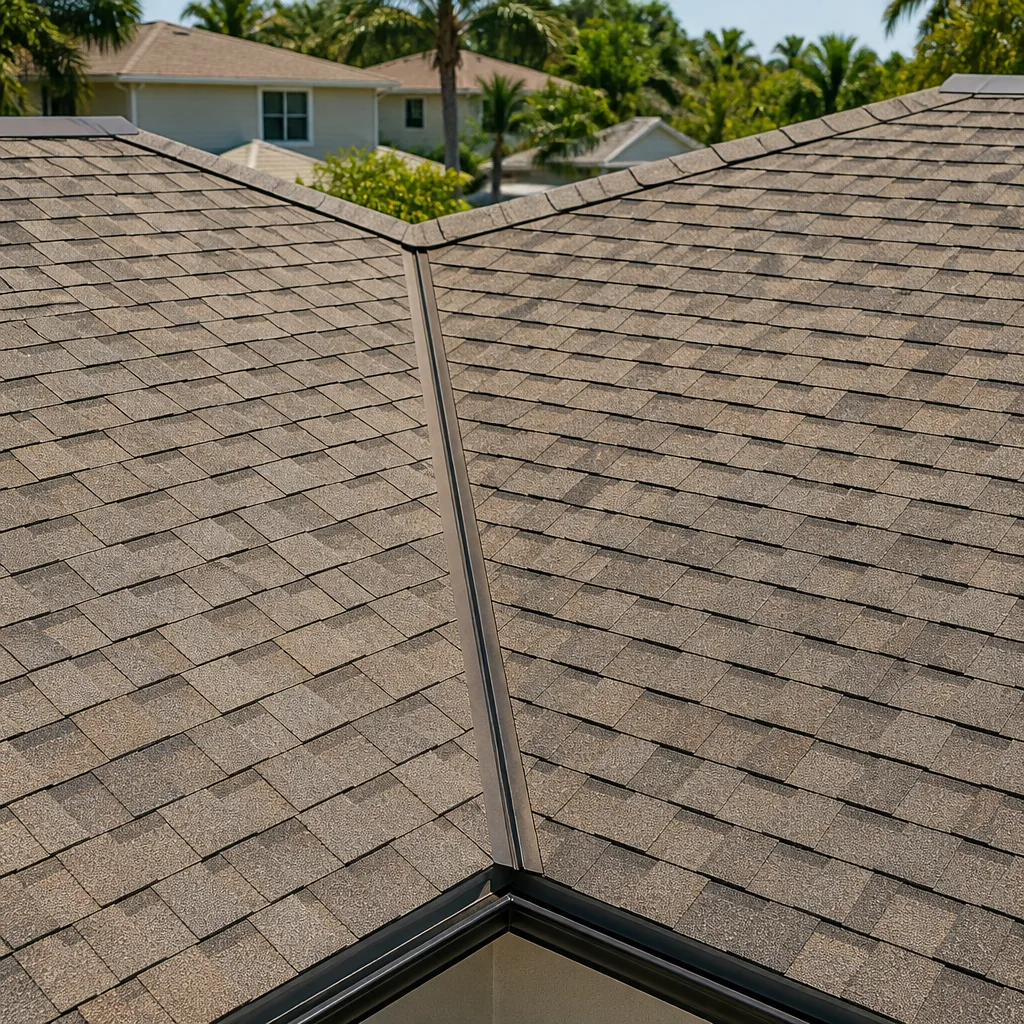
- Roof and attic. From the ground with binoculars, look for lifted or missing shingles, cracked flashing around chimneys and vents, and granules collecting in gutters. Then check the attic for water stains on the roof deck and rafters. Stay off the roof – wet shingles and height are a serious fall risk, and this is a job for a trained pro with fall protection.
- Gutters and downspouts. Confirm water is being carried away from the foundation, not pooling against it. Extend downspouts so discharge lands at least 5 feet out.
- Drainage and grade. Look for soil erosion, ponding in the yard, and water sheeting toward the house. In the hillside lots around Lake Forest, a blocked or undersized drainage path is the usual culprit.
- Exterior envelope. Check siding, caulk lines, window frames, and door thresholds for water intrusion. Fiber cement siding like James Hardie holds up well, but failed caulk at penetrations is where water gets in regardless of the material.
- Foundation and crawl space. Look for standing water, damp soil, and new cracks. Any water in the subarea needs to be addressed before it becomes structural.
The goal is to catch water damage at the exterior stage. Once it’s in the drywall, the repair cost and the disruption multiply.
How Do You Document Your Home for an Insurance Claim?
Insurance claims are won or lost on documentation produced before the disaster, not after. The single most valuable thing you can do as a Lake Forest homeowner is build a condition file and keep it current. An adjuster works from evidence, and your file is your evidence.
- Photograph every room, elevation, and mechanical system. Wide shots first, then close-ups of serial numbers on the water heater, furnace, and electrical panel. Date-stamp everything.
- Keep records of materials and upgrades. The brand and model of your roofing, siding, windows, and fixtures matter for valuation. A claim on a Class A roof with known manufacturer and install date settles more cleanly than one on “the roof we had.”
- Store copies off-site. Cloud storage or a fireproof safe. Photos on a phone that burns with the house are worth nothing.
- Log maintenance. Gutter cleanings, roof inspections, and drainage work all demonstrate you maintained the property, which protects you if an insurer questions neglect.
- Photograph any damage immediately. After an event, shoot before you clean up, before you move anything, and before you make temporary repairs.
When we finish a project, we hand over a documentation package – materials, permits, and photos – because we’ve seen how much difference it makes at claim time. A written record built to last is part of how we work.
What Should You Do in the First 48 Hours After Damage?
The first 48 hours after storm or fire damage decide whether you have a contained repair or a cascading one. Move fast on protection, slow on cleanup. Here’s the sequence.
What to do:
- Make it safe. If there’s structural damage, a gas smell, or exposed wiring, get out and call the utility or emergency services. Never enter a home with visible structural compromise.
- Photograph everything before touching it. Document the damage from every angle, including the cause if you can see it – a missing shingle, a broken window.
- Stop the water. If water is actively entering, shut off the supply and address the source. Move furniture and valuables out of the path.
- Make temporary, protective repairs. Tarp the roof, board a broken window, dry out standing water. Keep every receipt for materials and labor – emergency mitigation is often a reimbursable claim item.
- Call your insurer and open the claim. Do this early so an adjuster is scheduled and your timeline is on record.
What not to do:
- Don’t throw away damaged materials before an adjuster sees them.
- Don’t start permanent repairs before the claim is documented.
- Don’t sign anything from an unsolicited contractor who shows up after a disaster.
- Don’t assume a small roof leak is minor – the hidden damage is in the wall cavity.
For structural or roofing damage that needs a real repair, our team can assess and quote it, and we answer calls with a live person 24/7 – no voicemail black holes while your ceiling drips.
Which Materials Hold Up Best in Lake Forest’s Climate?
Lake Forest is dry most of the year, gets intense sun, and then gets hammered by short, heavy rain events. Materials that ignore any one of those conditions fail early. The shortlist that holds up to all three:
- Fiber cement siding (James Hardie): resists ignition, doesn’t rot, and holds paint through the sun.
- Class A roofing assemblies from manufacturers like GAF and Owens Corning, properly flashed. The install and flashing matter as much as the shingle brand.
- Ember-resistant vents and tempered dual-pane windows: non-negotiable near the wildland interface.
- Metal gutters with guards: cuts the ember-fuel maintenance and carries storm water reliably.
- Properly graded and drained hardscape: pavers and driveway surfaces that shed water away from the foundation instead of trapping it.
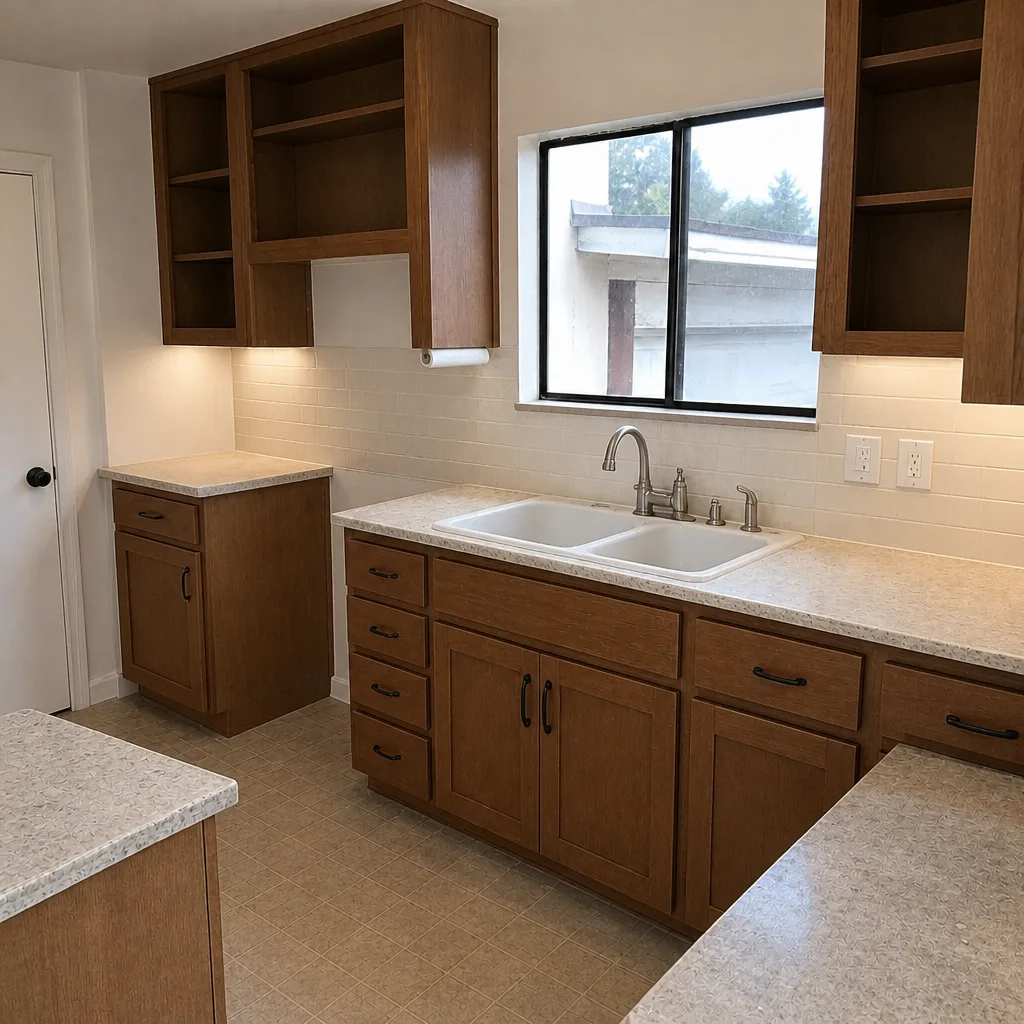
For kitchens and baths, we specify brands like KraftMaid and Cambria because they hold up and the finishes don’t age out in five years. Built to last, backed in writing.
How Do You Build a Year-Round Preparedness Plan?
Preparedness is a calendar, not a one-time project. Here’s a plan that fits Lake Forest’s seasons.
- Spring (before fire season): clear defensible space, clean gutters, check vent screens, and inspect the roof.
- Summer: confirm the evacuation route and go-bag, and photograph any completed upgrades to refresh your condition file.
- Fall (Santa Ana wind season): trim tree limbs over the roof, secure anything loose, and recheck the zero-to-five-foot zone around the foundation.
- Winter (before rains): clean gutters and drains, check grade and downspout discharge, and inspect caulk and flashing.
- Every year: update the condition file, log maintenance, and do one crawl-space check for moisture.
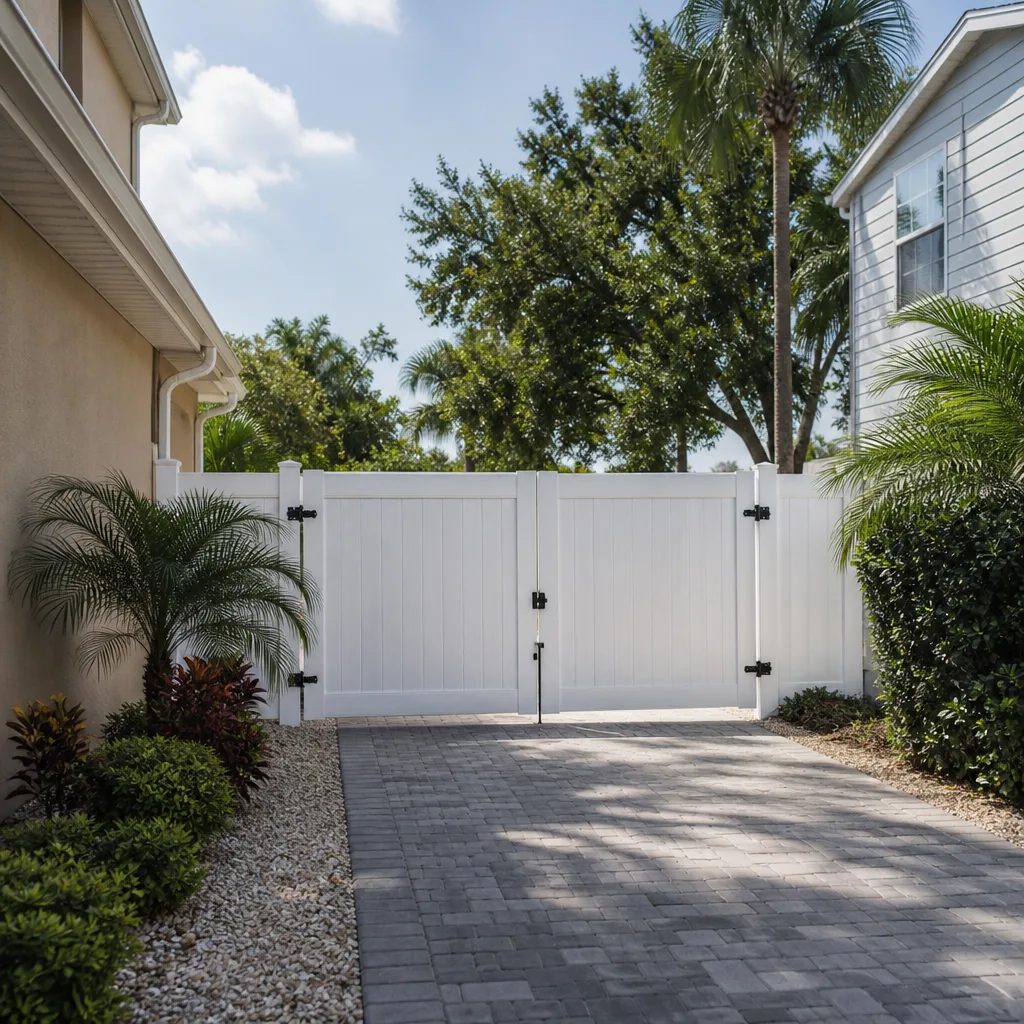
When the fire and storm seasons arrive, your fence line, driveway, roof, and structural connections should already be sound. We handle Fence Installation in Lake Forest and Driveway & Pavers in Lake Forest as part of that hardening work, since a wood fence against the house and a driveway that drains toward the foundation both undercut everything else you’ve done. Start with the Groundwork Construction Co. of Lake Forest home to see the full scope of what we handle.
Common Mistakes to Avoid
- Treating “defensible space” as mowing the weeds once. Ember-resistant vents and the zero-to-five-foot zone matter more than a cleared field, and they need annual upkeep.
- Skipping the crawl space until a quake happens. Cripple walls and anchor bolts don’t announce themselves. An inspection is the only way to know if your older Lake Forest home is a slide-off-the-foundation risk.
- Cleaning up storm damage before photographing it. Once the wet drywall is in the dumpster, the insurance claim gets much harder to win.
- Letting an unsolicited contractor make permanent repairs the day after a disaster. That’s how homeowners get stuck with shoddy work and no recourse.
- Assuming a small roof leak is minor. Water travels along framing. By the time you see the stain, the cavity has been wet for a while.
- Ignoring the grade around a hillside lot. On the slopes around Lake Forest, a blocked drainage path sends water straight at the foundation.
- Keeping the condition file on a single phone. If the phone goes, so does your evidence. Store it off-site.
See the difference
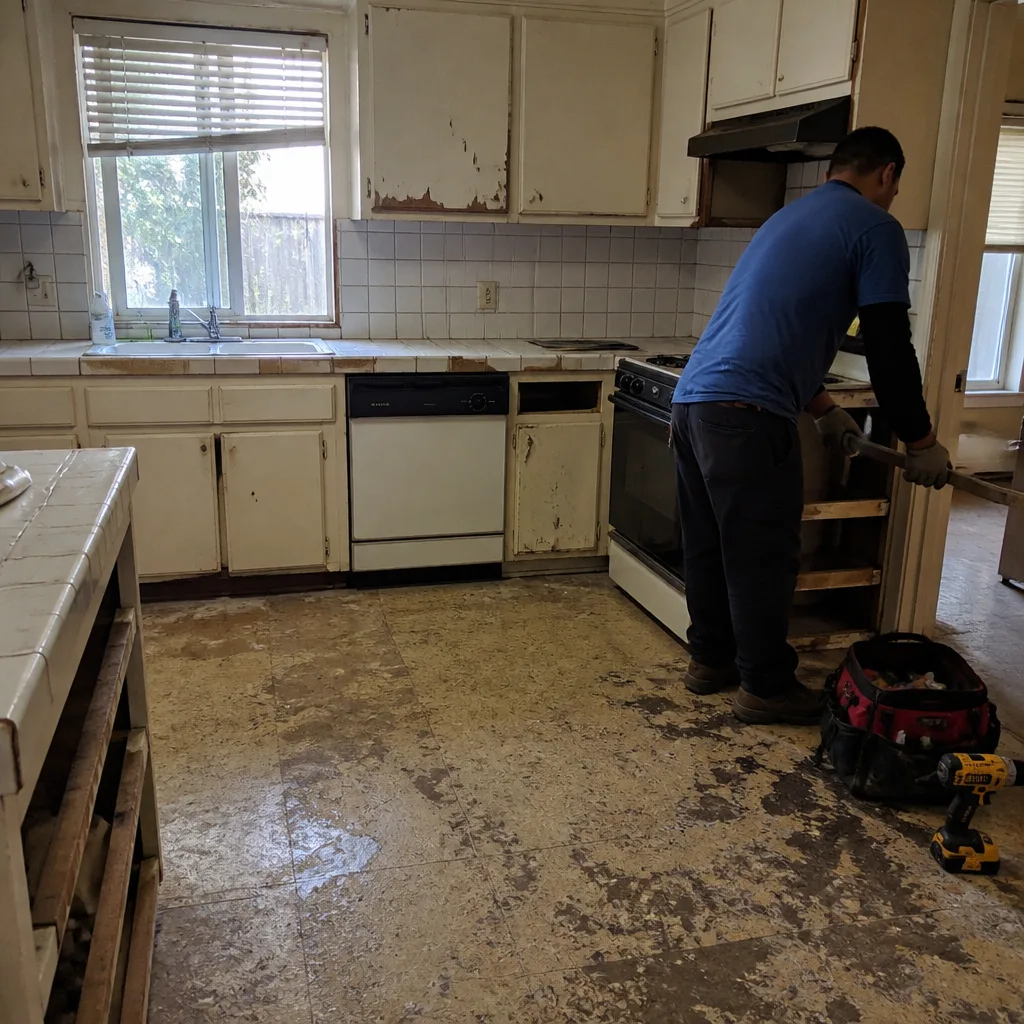 Before
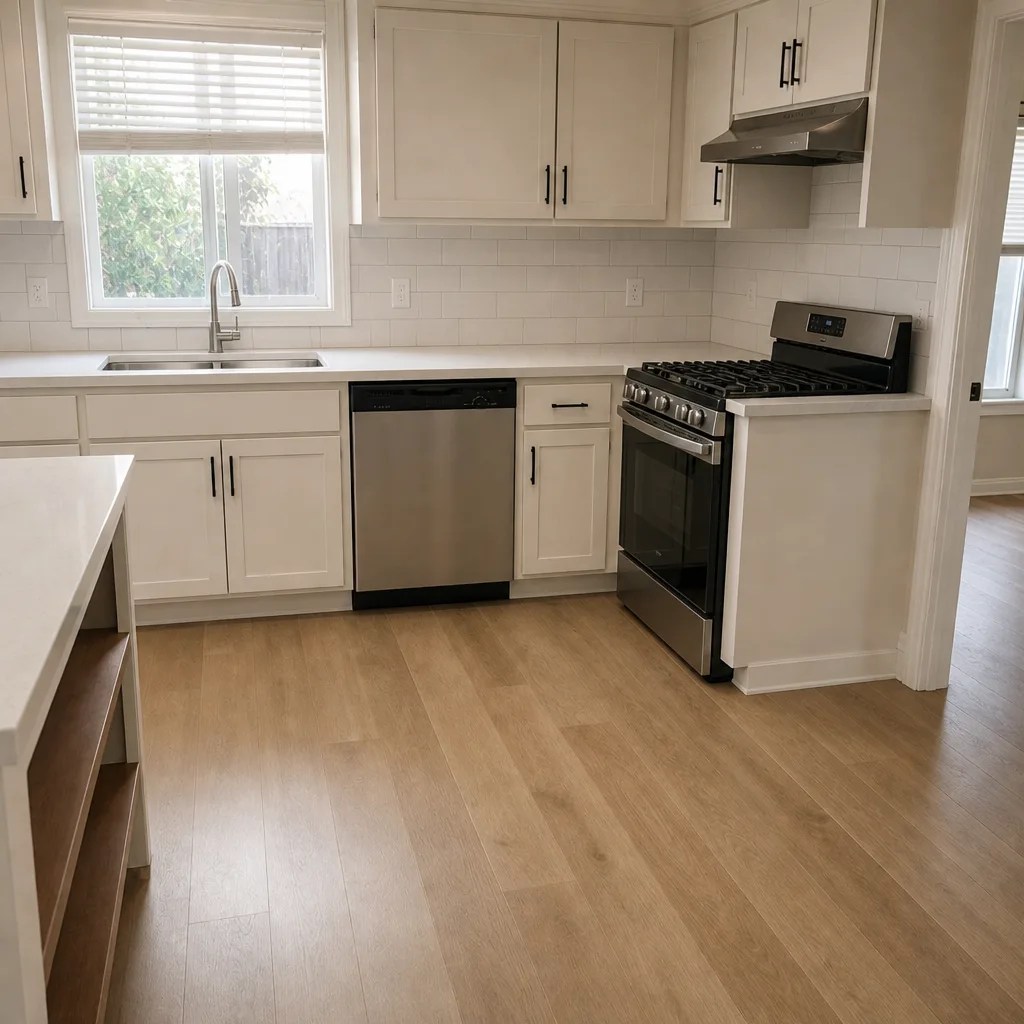 After
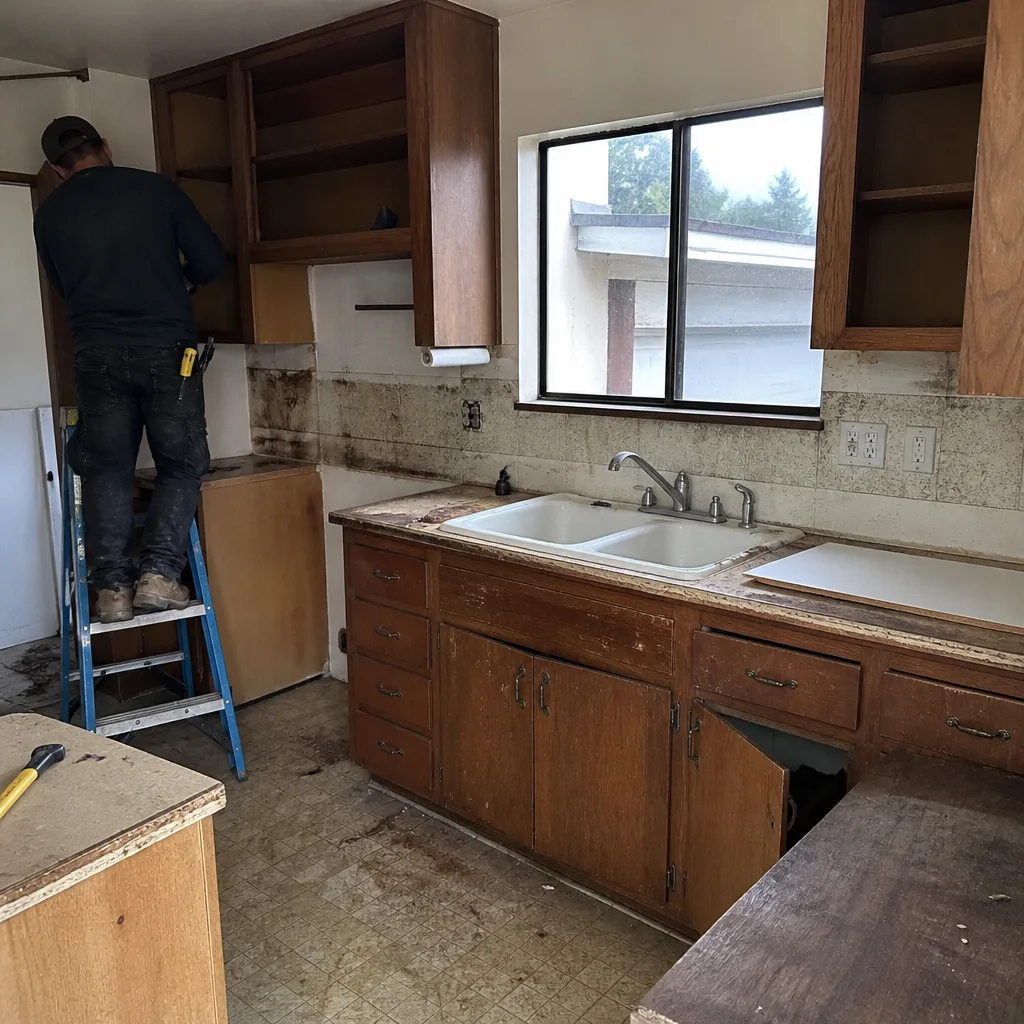 Before
 After
 Before
 After
When to Call a Professional
Some emergencies need trained hands immediately. If you smell gas, see visible structural damage, or have exposed wiring, get out and call the utility – don’t touch it. For high-tension or structural connections over your head, and for any roof work past a single story, call a professional with fall protection and the right tools. A drip you can’t trace, water in the crawl space, a crack that’s widened, a roof flashing that’s lifting – these are worth a professional assessment before they turn into a five-figure repair. Our technicians have up to 12 years of experience, and Groundwork Construction Co. of Lake Forest offers free estimates in Lake Forest – call (855) 532-8973.
Frequently Asked Questions
Check the CAL FIRE Fire Hazard Severity Zone map for your address; most homes near the foothill and wildland edges around Lake Forest fall in or near a high zone. The map is the authority, and it drives both hardening decisions and some insurance underwriting, so it’s worth pulling your parcel’s designation.
Often yes. Many carriers discount premiums for verified retrofits – cripple-wall bracing and anchor-bolt upgrades that are inspected and documented. The documentation matters, since the insurer needs proof the work was done and permitted. Call (855) 532-8973 for an assessment and written quote.
Photograph it first, then shut off the water source and start drying it out – wet drywall and insulation degrade fast. Keep every receipt, then call your insurer and a professional inspector. Don’t start permanent repairs until the damage is documented. Call (855) 532-8973 for an inspection.
It depends on the event and your policy – wind, fire, and burst-pipe damage is typically covered, while neglected maintenance is often excluded. Your documentation file is what protects you. If the insurer needs repair quotes to settle, we provide written line-item estimates; call (855) 532-8973 to schedule one.
Before autumn, trim tree limbs away from the roof, secure anything loose on the property, clear the zero-to-five-foot zone around the foundation, and check that vent screens and gutters are ember-resistant. A pre-season inspection catches the rest.
Yes. After a project we hand over a documentation package – materials, permits, and photos – and we can assess and document the condition of a home’s broader structural and envelope state. Call (855) 532-8973 to schedule a free estimate and walkthrough.
The Bottom Line
Lake Forest construction emergencies have a specific profile – wildfire embers, seismic risk, and wind-driven rain – and the best response is planned months in advance. Harden the vulnerable openings and the zero-to-five-foot zone, inspect and retrofit the structural connections in older homes, and build a photo-and-records file that stands up at claim time. When damage does hit, photograph first, protect second, and document everything before cleanup. Done right, most of this work folds cleanly into a single project run by a contractor who answers the phone and backs the work in writing.
Call (855) 532-8973 today for a free estimate and design consult. Our team answers with a live person 24/7, provides upfront pricing, and covers every project with the 730-Day Done Right Promise. Your first call is free, and there’s $1,000 off projects over $10,000 with 0% financing for 18 months available.
Related Reading
- Ready to harden the structure itself? Home Additions & ADU in Lake Forest handles the structural and seismic side of a build.
- Fence lines are ember pathways – see Fence Installation in Lake Forest for fire-aware material choices.
- Keep water moving away from the foundation with Driveway & Pavers in Lake Forest.
- Start with the Groundwork Construction Co. of Lake Forest home to explore every service line.
Written by the team at Groundwork Construction Co. of Lake Forest.