Last updated November 18, 2026
Free written scope consultation - allowances, timeline, and change-order rules on paper before a single trade is scheduled
The Complete Windows & Doors Guide for Lake Forest Homeowners
Lake Forest sits in a climate zone where summer interior temperatures can swing 15 – 20°F based on window glazing alone. That means the wrong window choice doesn’t just look bad. It costs you money every month on your energy bill, and in a wildfire zone, it can affect whether your house survives an ember shower. Most window guides are written for a national audience and skip the three things that matter most here: Title 24 energy compliance for Orange County’s climate zone, Wildland-Urban Interface fire ratings, and how vinyl, fiberglass, and aluminum frames actually hold up under 280+ sunny days a year. This guide covers all of it, in plain language, written from Lake Forest for Lake Forest homeowners.
Quick Answer
For most Lake Forest homes, dual-pane low-E windows with a U-factor of 0.32 or lower and a Solar Heat Gain Coefficient (SHGC) of 0.25 or lower meet California Title 24 requirements for Orange County climate zone 8 and deliver the best balance of cost and performance. Triple-pane glass is rarely worth the upcharge here unless you’re facing direct west sun with no shade or need extra acoustic control near a busy road. In designated Wildland-Urban Interface zones, you’ll also need ember-resistant assemblies rated for wildfire exposure, which narrows the product list considerably.
Styles & brands we work with
- Kitchen remodeling
- Bathroom remodeling
- Home additions & ADU
- Roofing
- Windows & doors
- Driveway & pavers
- Fence
Table of Contents
- What California Title 24 Requires for Lake Forest Windows
- Dual-Pane vs. Triple-Pane: What Actually Pays Off in Lake Forest
- Wildfire Zone Requirements: WUI Ratings and Ember Resistance
- Vinyl, Fiberglass, or Aluminum: Which Frame Survives Lake Forest Sun?
- How to Qualify for Energy Rebates and Federal Tax Credits
- Exterior Doors: What to Look For in This Climate
- What Windows and Doors Cost in Lake Forest
- Common Mistakes to Avoid
What California Title 24 Requires for Lake Forest Windows
California’s Title 24 energy code sets the minimum performance standards for any window or door you install in a Lake Forest home. The specific numbers depend on your climate zone, and Lake Forest falls in climate zone 8, which covers much of inland Orange County. Zone 8 runs warmer than the coastal zones (6 and 7) and cooler than the desert zones to the east, which means the code targets a balance between cooling load in summer and modest heating in winter.
For a typical Lake Forest replacement project, Title 24 requires:
- U-factor of 0.32 or lower on most windows (measures how well the assembly resists heat transfer)
- SHGC of 0.25 or lower on west- and south-facing glass (measures how much solar heat the window lets in)
- Air leakage rating of 0.3 cfm/ft² or less for the whole assembly
- Certified product listings from the National Fenestration Rating Council (NFRC) – the sticker with the ratings needs to match the product you’re installing
Here’s what most homeowners don’t realize: when you replace more than 75 square feet of glazing or more than one window, the project usually triggers Title 24 compliance, which means a permit and an inspection. That’s a good thing. A permitted job protects your resale and ensures the products installed actually meet the ratings on the label. If a contractor offers to install windows without a permit in Lake Forest, that’s a red flag – you’ll be the one holding the liability at resale, not them.
We pull permits on every window and door project we handle, and we schedule the inspection as part of the job. The label ratings on the frame are what the inspector checks, so we make sure the products we order match the performance numbers in the permit documents. Upfront pricing, no surprises – the permit cost is in the quote, not tacked on at the end.
Dual-Pane vs. Triple-Pane: What Actually Pays Off in Lake Forest
Dual-pane low-E glass is the right starting point for almost every Lake Forest home, and it’s what we install on the majority of our window projects here. The low-E coating reflects infrared heat back toward its source, so it keeps summer heat outside and winter warmth inside, and the argon fill between panes slows conduction. For a home with standard shading in neighborhoods like Baker Ranch or Foothill Ranch, dual-pane low-E hits the Title 24 numbers in zone 8 and delivers most of the energy savings you’ll ever see from a window upgrade.
Triple-pane makes sense in a narrower set of situations. Here’s when it’s actually worth the upcharge:
- West-facing walls with no afternoon shade. If your living room or master bedroom takes direct sun from 2 pm to sunset, the extra pane and often a second low-E coating cut the solar gain enough to notice on the thermostat.
- Noise. Homes near El Toro Road, the 241 toll road, or the train corridor get real acoustic benefit from triple-pane with laminated glass. If a window upgrade is partly about quiet, the extra pane is money well spent.
- Very large glass panels. A 6-foot-wide picture window in a great room loses more heat per square foot than a standard bedroom window. Triple-pane helps in large-format openings.
Where triple-pane is oversold: on north-facing windows, on shaded sides of the house, and on small windows in rooms you rarely heat or cool. The incremental cost per window can run 30 – 50% more than a good dual-pane unit, and the energy savings in those spots are small enough that you won’t recoup them before the warranty runs out. A well-installed dual-pane window with proper flashing and air sealing will outperform a poorly installed triple-pane every time in a Lake Forest home.
Wildfire Zone Requirements: WUI Ratings and Ember Resistance
Lake Forest has designated Wildland-Urban Interface zones on its eastern and southern edges, where homes back up to open space and foothill vegetation. If your property sits in one of those zones, your window and door choices are governed by more than Title 24. They’re governed by Chapter 7A of the California Building Code, which sets minimum wildfire-resistance standards for exterior building components in high fire hazard severity zones.
What that means in practice:
- Multi-pane tempered glass with a minimum thickness is required on windows facing the wildland side of the structure
- Frame materials must resist heat – vinyl frames can deform under radiant heat, so fiberglass, aluminum-clad wood, or specifically rated vinyl assemblies are usually required
- Vents, gaps, and weep holes must be protected with ember-resistant mesh or intumescent materials so wind-driven embers can’t get inside the assembly
- Exterior doors must be solid-core or rated and self-closing where the code applies
The tricky part: whether your specific lot falls in a high fire hazard severity zone depends on the California Department of Forestry and Fire Protection (CAL FIRE) map for your address, and those maps have been re-drawn in recent years. A door that passes on one side of a street may not meet code on the other. Before you order product, we check the fire hazard severity zone for your specific parcel. If your home sits in a WUI zone, the window and door selection narrows fast, and ordering the wrong assembly is an expensive mistake you can’t fix after it’s in the wall.
Vinyl, Fiberglass, or Aluminum: Which Frame Survives Lake Forest Sun?
Lake Forest gets more than 280 sunny days a year, and UV exposure is the single biggest killer of window and door frames in this climate. Frames that look fine in a showroom can chalk, warp, or fade after a handful of summers if they aren’t built for this much sun. Here’s how the three main frame materials compare for a Lake Forest home:
- Vinyl is the most common and the most affordable. Modern vinyl formulas with UV stabilizers hold up well on north and east exposures. On west and south walls that bake all afternoon, cheaper vinyl can yellow and warp over time, so we look for heat-deflection ratings and darker color restrictions before recommending it.
- Fiberglass is the most dimensionally stable of the three. It doesn’t expand or contract much with temperature, which matters when you have wide temperature swings from day to night. Fiberglass also holds paint well and can hit WUI ratings that vinyl can’t always reach. The trade-off is cost – usually 20 – 35% more than vinyl for comparable size and glazing.
- Aluminum is strong and slim-profile, which is why it’s popular for large sliding doors and modern-style picture windows. Standard aluminum conducts heat, so it needs a thermal break (a non-conductive separator inside the frame) to perform well in zone 8. On Lake Forest’s sunny walls, an aluminum frame without a thermal break will cost you on the energy bill and can cause condensation on cold mornings.
Our order preference for a Lake Forest home typically leans toward fiberglass on the exposed sides and quality UV-stabilized vinyl on the shaded sides. We also work with Andersen and Marvin products on projects where the design calls for wood interiors with tough exteriors. Background-checked, uniformed technicians install every job, and the 730-Day Done Right Promise covers the installation itself for two full years – if it’s not done right, we make it right.
How to Qualify for Energy Rebates and Federal Tax Credits
Window and door upgrades in Lake Forest can qualify for both federal tax credits and, in some cases, utility rebates, but the eligibility rules are strict and change with each code cycle. Here’s how to check whether your project qualifies:
- Get the NFRC label ratings in writing. Federal tax credits for windows and doors require specific U-factor and SHGC numbers depending on the year the project is completed. You need documentation tying your specific product to those ratings – the manufacturer’s certification statement, not a marketing brochure.
- Confirm the product is ENERGY STAR certified for the South-Central climate zone. California’s climate zone 8 overlaps with ENERGY STAR’s South-Central region. The ENERGY STAR product database lists certified models by zone; if your chosen window isn’t on that list for your zone, it probably won’t qualify for the tax credit.
- Keep the invoice and the permit. Both are typically required to claim the credit on your federal return. A permitted job in Lake Forest produces the paperwork trail you need.
- Check your utility’s current rebate program. Southern California Edison and SoCalGas run residential efficiency programs that change annually. A well-documented, permitted window replacement can sometimes qualify for a rebate on top of the tax credit, but the program requirements are specific and usually require proof of installation by a licensed contractor.
- Talk to a tax professional before you claim it. The credit cap and eligibility rules shift from year to year. We can hand you the product documentation; your tax preparer confirms what you can actually claim.
We see homeowners leave money on the table all the time because they bought windows without the permit or tossed the NFRC labels. On every Lake Forest window project we run, we hand over a labeled product folder at the final walkthrough so the homeowner has everything a tax preparer or utility rebate program could ask for.
Exterior Doors: What to Look For in This Climate
Exterior doors take more abuse in Lake Forest than windows do. They face the same sun and heat, plus daily foot traffic, weather exposure at the threshold, and in a WUI zone, fire rating requirements that windows don’t always share. The right door for a Lake Forest home depends on which exterior opening it fills.
For the front entry, a solid-core fiberglass or steel door usually beats a wood door in this climate. Wood doors look beautiful but need refinishing every few years under direct sun, and if the threshold leaks, the bottom rail rots before you notice. Fiberglass doors hold a woodgrain look without the upkeep, and steel doors give you the security rating a front entry should have. A patio slider needs to be either a thermally broken aluminum or a vinyl unit with a low-E glazed panel rated for Title 24. A garage service door in a WUI zone usually needs to be rated and self-closing.
One thing we check on every exterior door project: the threshold seal and door sweep. Lake Forest gets most of its rain in concentrated winter storms, and wind-driven rain against a poorly sealed threshold is the most common cause of door-frame rot we see. A door installed right means the frame is flashed, the threshold drains, and the weatherstripping compresses evenly all the way around. That’s a detail we build into every install and back with the 730-Day Done Right Promise.
What Windows and Doors Cost in Lake Forest
Window and door pricing in Lake Forest tracks the broader Orange County market, which runs higher than national averages because of labor costs, permit fees, and Title 24 documentation requirements. Here’s the range you should expect for a residential project. Actual numbers depend on size, product line, frame material, glazing package, and how many openings you’re replacing at once.
- Standard dual-pane vinyl window (replacement, one unit): $650 – $1,100 installed
- Dual-pane vinyl with upgraded low-E and argon: $800 – $1,300 installed
- Fiberglass dual-pane window (replacement): $950 – $1,600 installed
- Triple-pane window (replacement, premium): $1,200 – $2,200 installed
- Thermally broken aluminum slider: $2,500 – $5,500 installed
- Front entry door (fiberglass or steel, installed): $2,200 – $4,800
- WUI-rated exterior door with self-closing hardware: $3,000 – $6,500 installed
- Whole-house window replacement (10 – 14 openings): $12,000 – $28,000, depending on product line
- Permit and Title 24 documentation: $400 – $900 depending on scope
Those numbers reflect what we see on Lake Forest jobs, and they include removal and disposal of the old units, flashing, air sealing, and permitting. When a quote comes in dramatically below those ranges, the contractor is usually skipping the permit, cutting corners on flashing, or installing a product that won’t meet Title 24. Any of those shortcuts will cost you more than the savings later. If your project exceeds $10,000, the $1,000 off promotion applies, and 0% financing for 18 months is available to spread the cost out.
Common Mistakes to Avoid
- Ordering windows without checking your WUI zone status. A homeowner in a high fire hazard severity zone who installs a standard vinyl window on the wildland side of the house may end up having to replace it to pass inspection. Verify your zone before you order product.
- Skipping the permit to save a few hundred dollars. Unpermitted window replacements can block a home sale in Lake Forest and void the product warranty. The permit is cheap insurance against a much bigger problem.
- Buying triple-pane everywhere because “more is better.” On north-facing and shaded windows, the extra pane rarely pays back the upcharge. Spend the money where the solar exposure actually is.
- Choosing a door by style before checking its thermal rating. A beautiful wood front door that isn’t rated for zone 8 will fight your HVAC every summer and needs refinishing every few years in this sun.
- Ignoring air sealing around the frame. A top-of-the-line window installed with a sloppy air seal leaks more air than a mid-grade window installed right. The seal is where the real energy performance lives.
- Not keeping the NFRC labels and permit for tax season. Homeowners routinely lose out on the federal tax credit because they can’t document the product ratings. Save the labels, the permit, and the invoice.
- Hiring based on the lowest bid alone. The cheapest quote often drops the permit, uses an unrated product, or skips the flashing detail. A written, line-item quote that names the product and the ratings is how you compare apples to apples.
See the difference
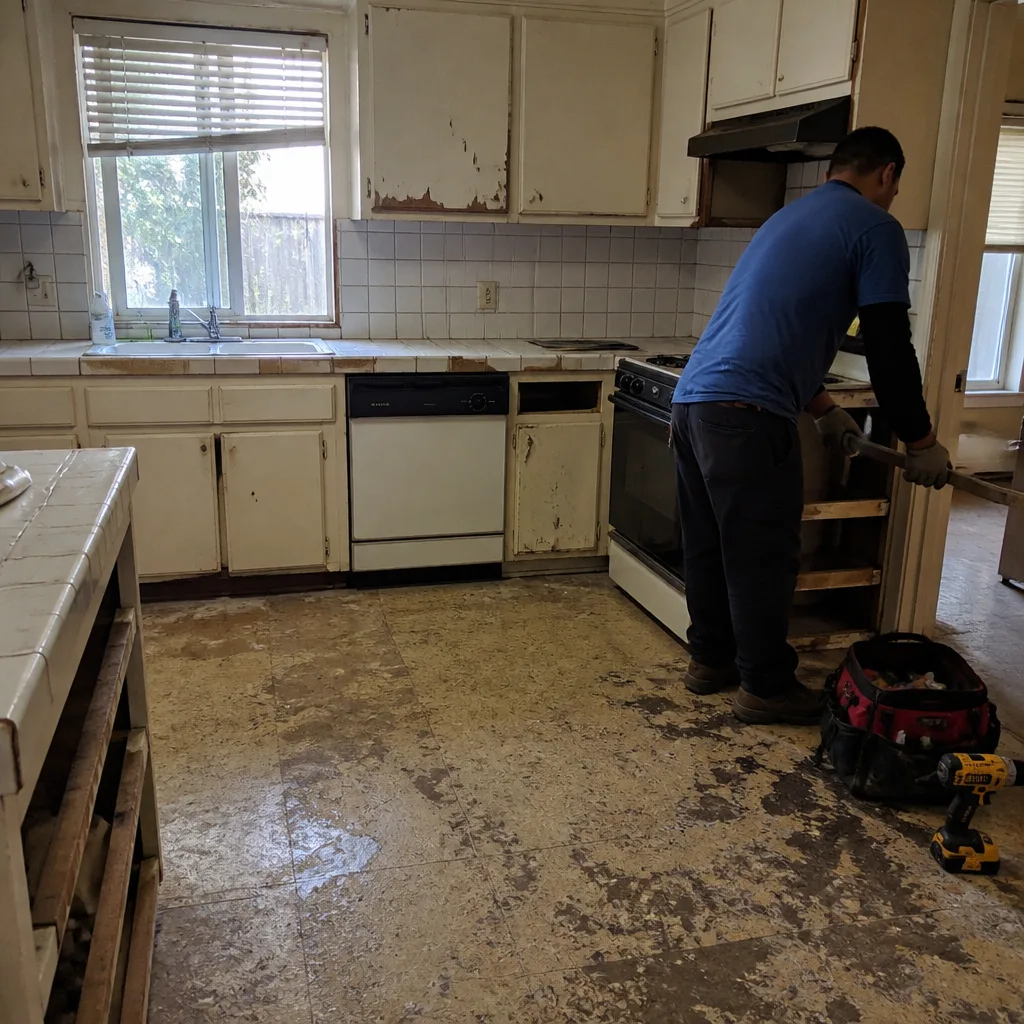 Before
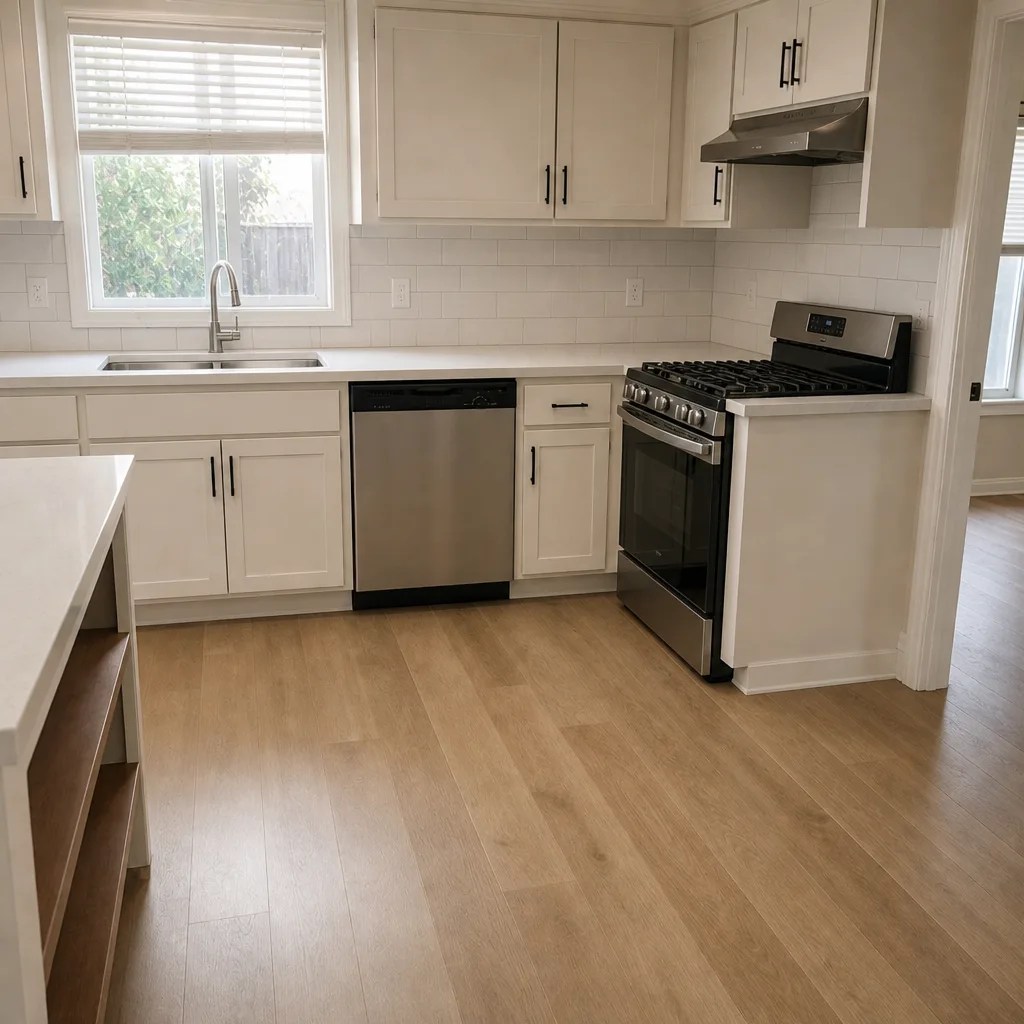 After
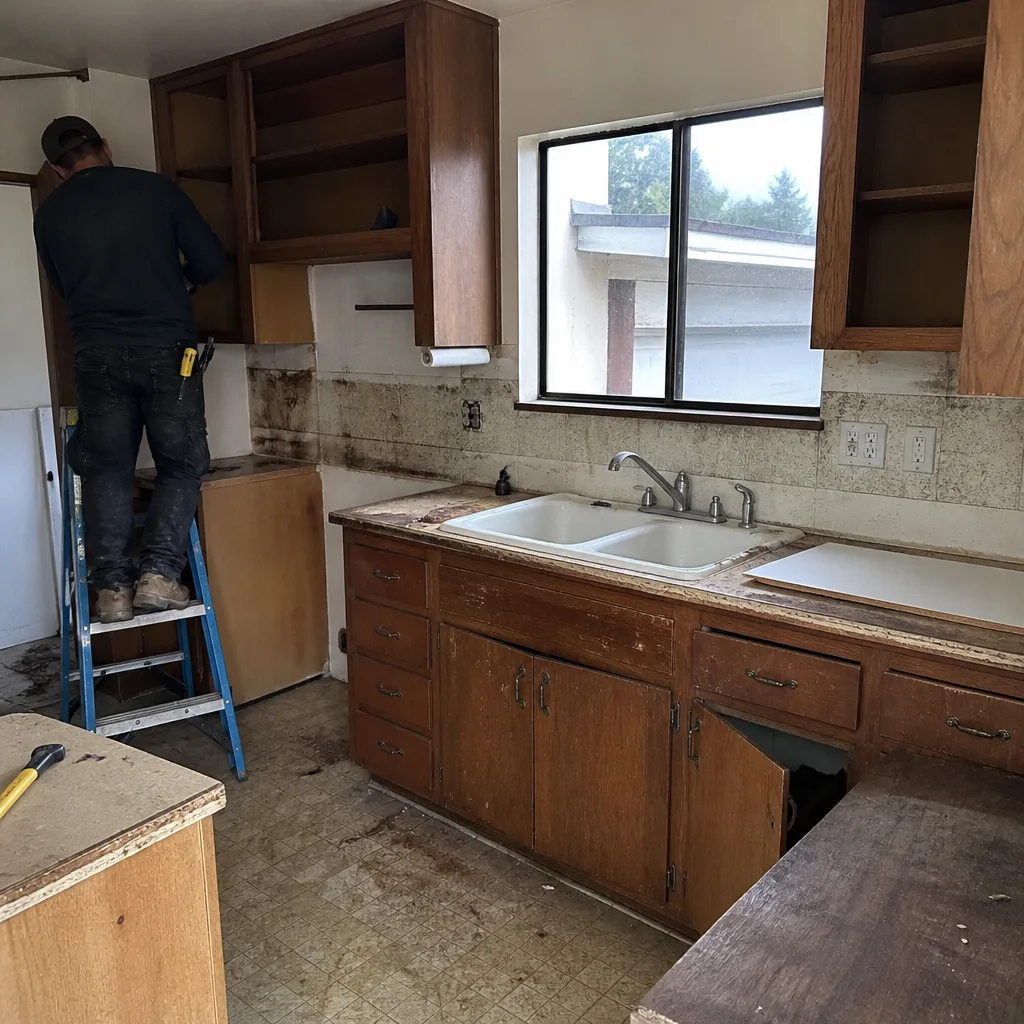 Before
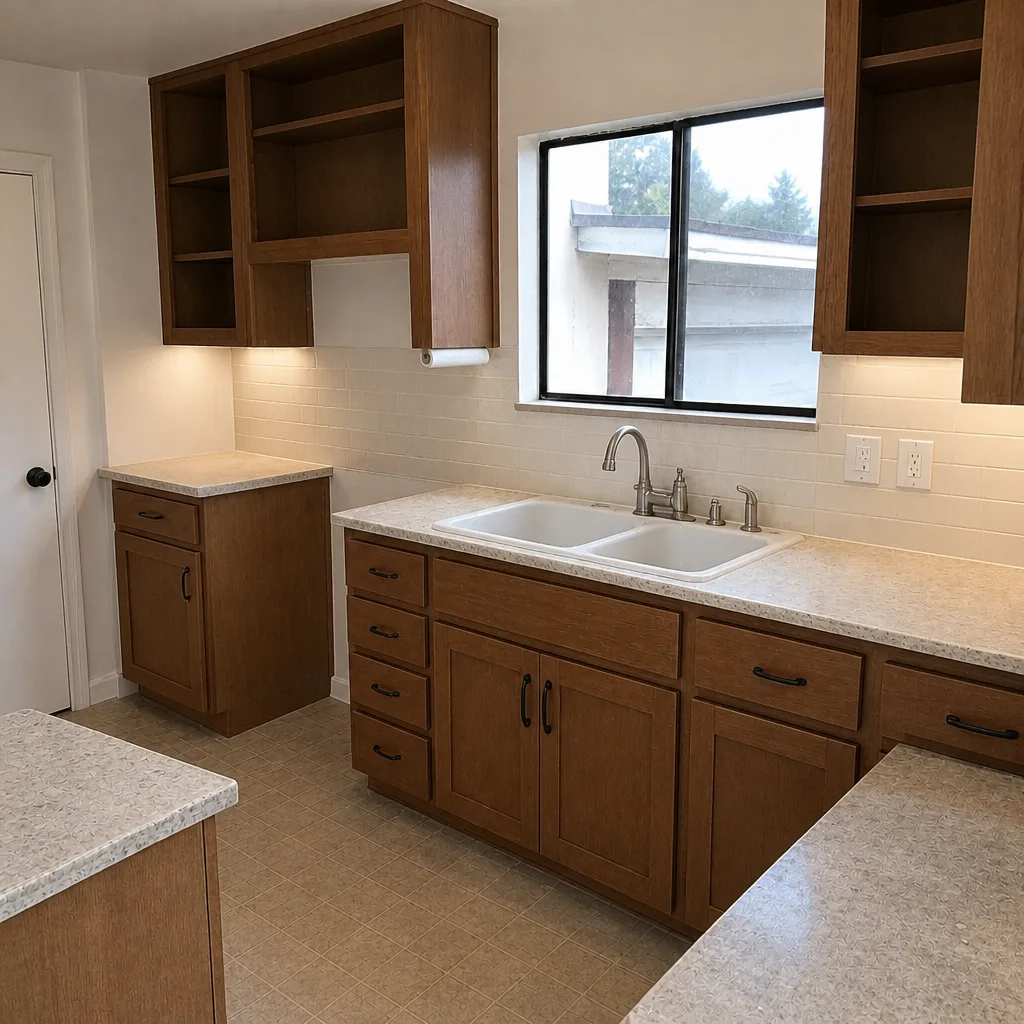 After
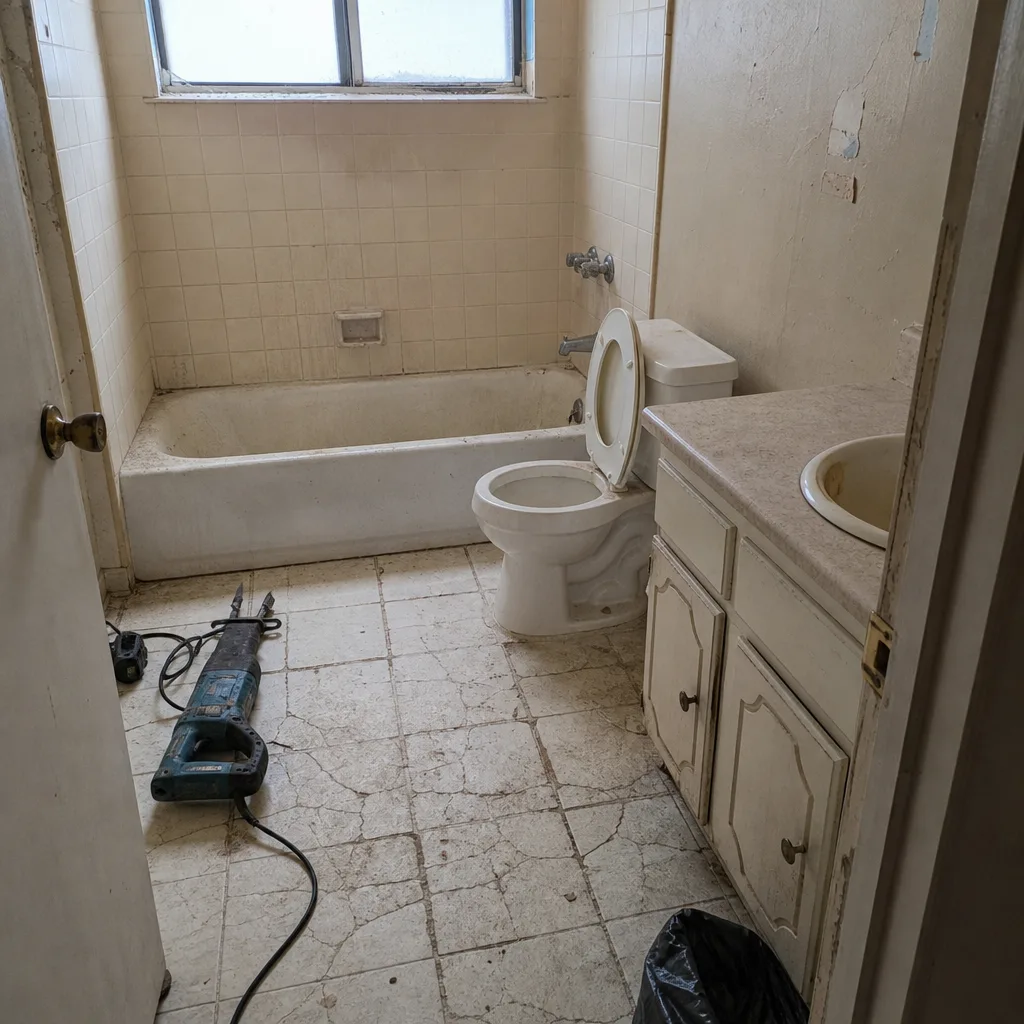 Before
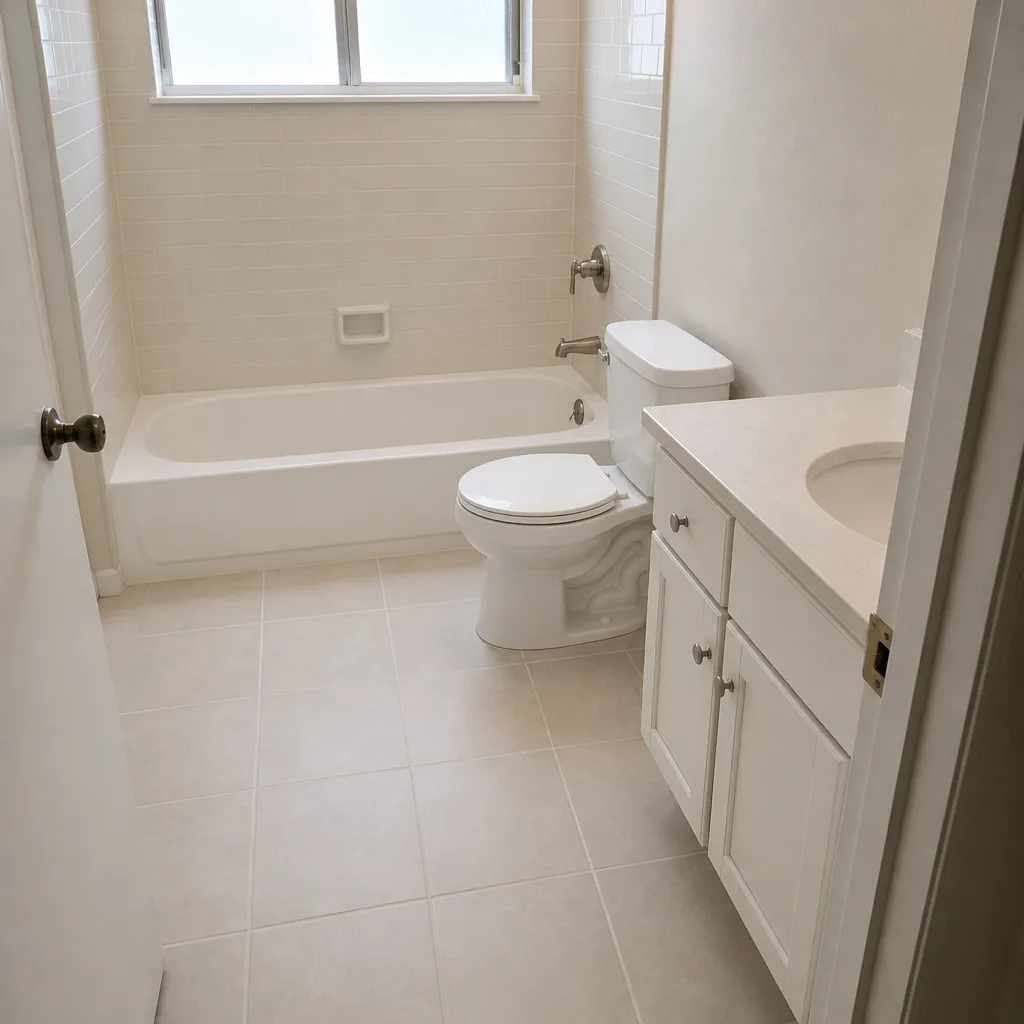 After
When to Call a Professional
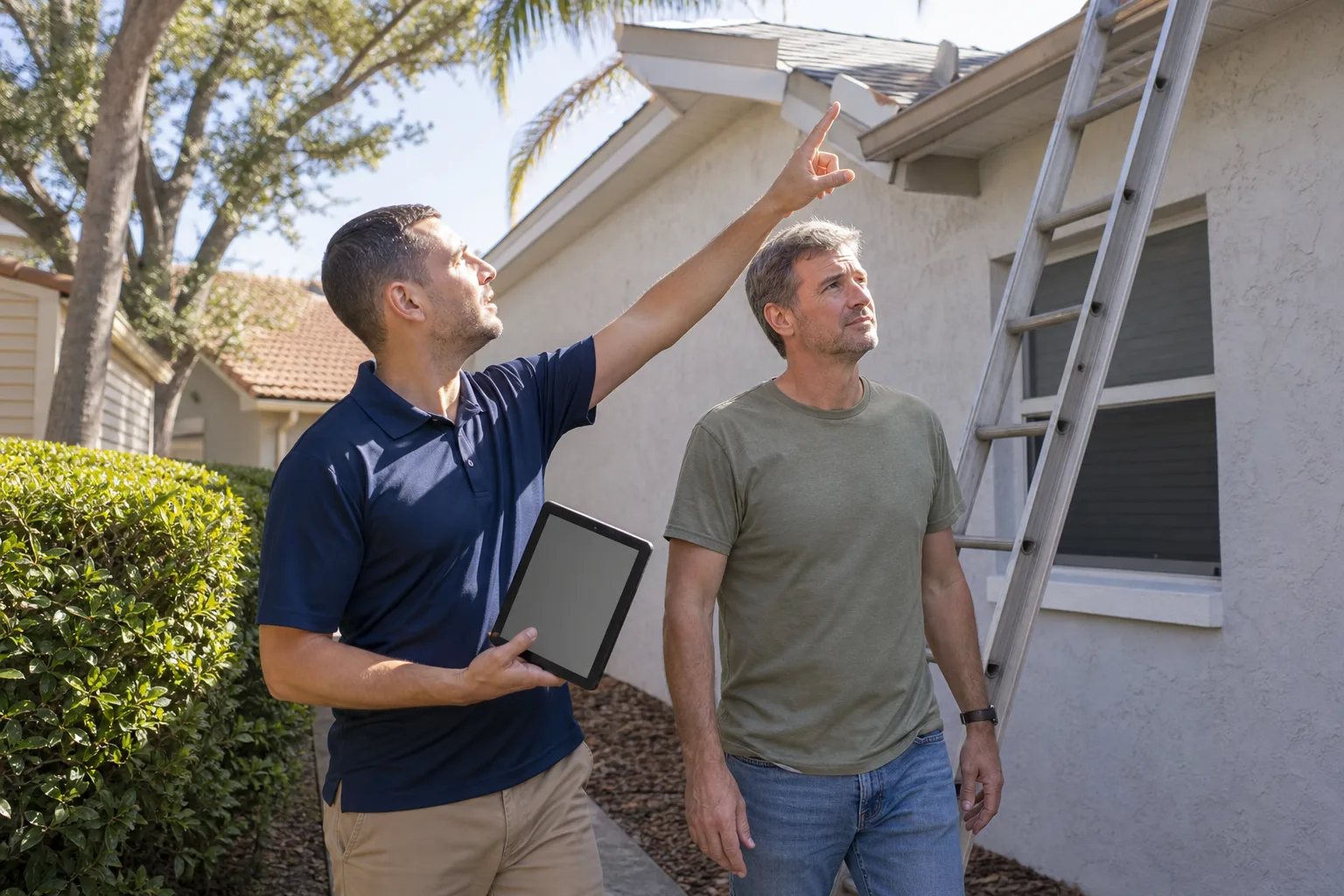
Some window problems are cosmetic. Others are structural, safety, or compliance issues that need a trained crew. Call a professional for any of these: any window replacement on a Lake Forest home that will require a permit or Title 24 documentation; any door or window in a WUI zone that requires wildfire-rated hardware; any installation involving second-story or above-grade work where ladder safety and proper flashing are critical; any project where the existing frame shows water damage, rot, or failed sealant; and any job where the window or door assembly has failed entirely (broken glass, dropped sash, jammed operator on a large slider).
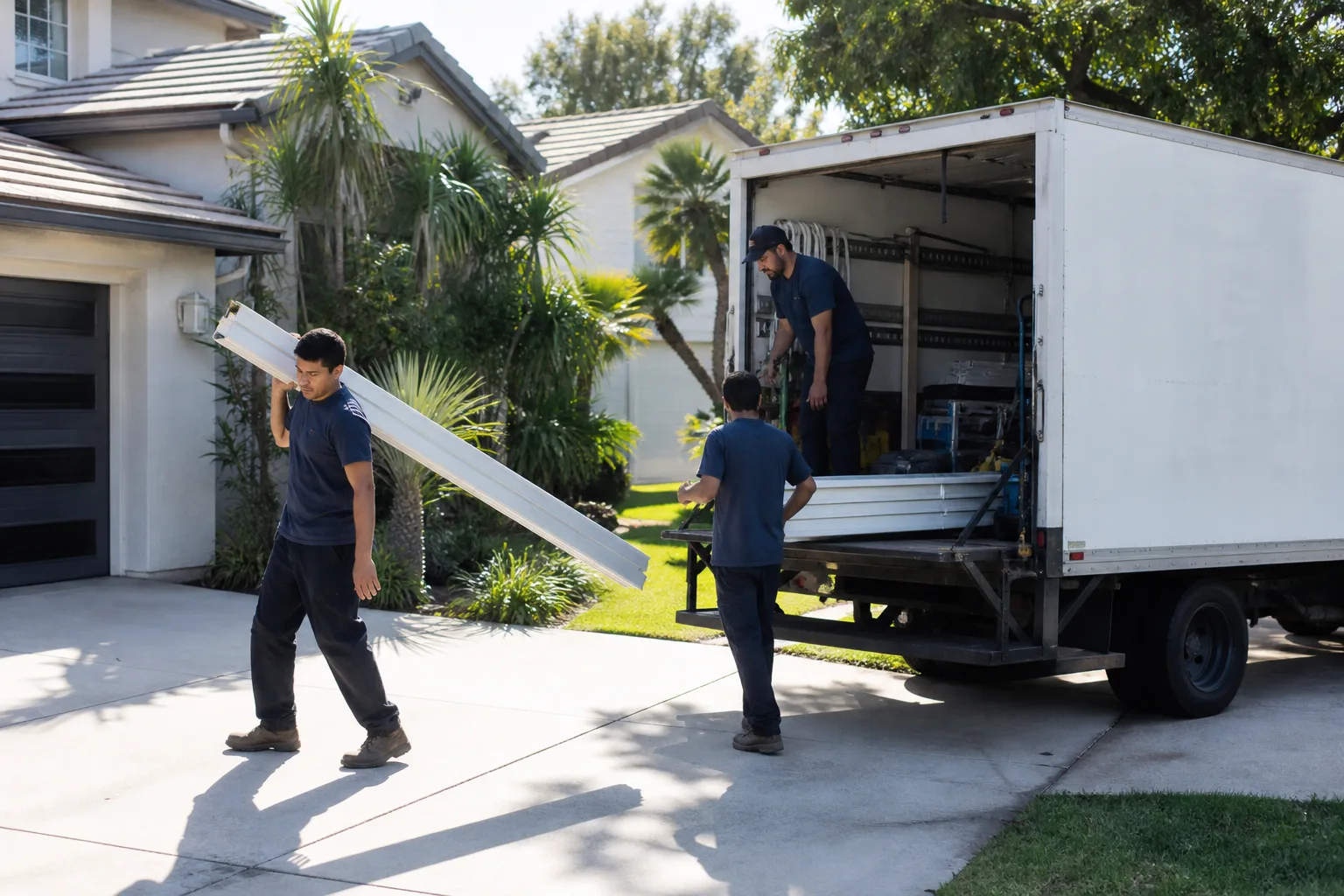
Working from height is where most window-injury incidents happen, and flashing errors on a second-story window cause leaks that show up a year later inside the wall. We handle the lifting, the flashing, the sealing, and the inspection so it gets done right. Groundwork Construction Co. of Lake Forest offers free estimates in Lake Forest – call (855) 532-8973. Our technicians have up to 12 years of experience, and calls are answered by a live person 24 hours a day.
Frequently Asked Questions
Most Lake Forest homes in climate zone 8 need dual-pane low-E windows with a U-factor of 0.32 or lower and an SHGC of 0.25 or lower to meet California Title 24. If your home sits in a Wildland-Urban Interface zone, you’ll also need an assembly rated to Chapter 7A of the California Building Code for wildfire resistance. Call (855) 532-8973 for a free estimate on products matched to your specific address.
In most cases, no – triple-pane is worth the upcharge only on west- and south-facing openings with strong sun exposure, or where noise reduction is a priority. On north-facing and shaded windows, a well-installed dual-pane unit delivers similar performance for 30 – 50% less. Call (855) 532-8973 and we’ll walk your specific windows and tell you where the extra pane actually pays off.
Yes, in most cases. Title 24 compliance is triggered when you replace more than 75 square feet of glazing or more than one window, and Lake Forest requires a permit for permitted window replacements. An unpermitted replacement can hold up a sale and void the product warranty. We pull the permit and schedule the inspection on every window project we run – call (855) 532-8973 for a free estimate that includes the permit cost.
Most Lake Forest window replacement projects run $650 – $1,300 per standard dual-pane unit installed, with fiberglass units at $950 – $1,600 and a whole-house project (10 – 14 openings) at $12,000 – $28,000 depending on product line. Those numbers include removal, flashing, air sealing, and permitting. Call (855) 532-8973 for an exact quote on your home – estimates are free.
Your parcel’s fire hazard severity zone is set by CAL FIRE maps for your specific address, and it determines whether Chapter 7A window and door requirements apply to your project. We check the zone status before ordering any product so you don’t end up with an assembly the inspector rejects. Call (855) 532-8973 and we’ll confirm your zone as part of the free estimate.
Federal tax credits are available for qualifying windows and doors, and some Southern California utility programs offer residential efficiency rebates on permitted installations. To qualify, you need NFRC-rated products in the ENERGY STAR zone-8 database plus the invoice and permit documentation. We hand over a product folder with every job; call (855) 532-8973, and your tax preparer can confirm what you can claim.
The Bottom Line
Windows and doors in Lake Forest are a thermal performance, security, and wildfire resistance decision – not just a design one. Get the performance numbers right for climate zone 8 (U-factor 0.32 or below, SHGC 0.25 or below), confirm your WUI zone status before you order product, and choose a frame material built for 280+ sunny days. Dual-pane low-E covers most homes; triple-pane pays off only where solar exposure or noise justifies it. Pull the permit, keep the NFRC labels, and hire a crew that flashes and seals the frame like it matters, because it does.
If you’re ready to price a project, call (855) 532-8973 to schedule a free project estimate and design consult. Our technicians have up to 12 years of experience, all calls are answered by a live person 24/7, and every job is backed by the 730-Day Done Right Promise. From foundation to finish line, our full-scope team handles what you need under one roof – browse Groundwork Construction Co. of Lake Forest home to see the full service line, and if your project extends beyond windows and doors, our Driveway & Pavers in Lake Forest, Fence Installation in Lake Forest, and Home Additions & ADU in Lake Forest teams work with the same materials and guarantee.
Written by the team at Groundwork Construction Co. of Lake Forest.