Last updated November 18, 2026
Free written scope consultation - allowances, timeline, and change-order rules on paper before a single trade is scheduled
How Long Does Windows & Doors Take? Timelines and What to Expect
A single window replacement takes about four hours on installation day. Getting to that day takes three to six weeks, and often longer. That gap between the sales pitch and the reality of a finished, sealed, inspected window is where most homeowners get surprised. Sales calendars count the hours a crew is in your house. They don’t count the measuring, the factory build, the permit window, or the day the new sealant needs to fully cure before Lake Forest’s afternoon sun bakes it. This guide walks through every phase of a window and door project so you can plan around the real calendar instead of the brochure one.
Quick Answer
Window and door replacement usually takes three to six weeks from signed contract to finished, inspected install for standard sizes, and six to ten weeks when openings are custom-built or HOA approval and Title 24 documentation are involved. Installation itself is one day for most single openings, two to four days for a whole-house window package, and one to two days for a standard entry or patio door.
Styles & brands we work with
- Kitchen remodeling
- Bathroom remodeling
- Home additions & ADU
- Roofing
- Windows & doors
- Driveway & pavers
- Fence
Table of Contents
- The Phase-by-Phase Timeline
- Lead Time by Manufacturer and Material
- Why Custom Openings Add Time in Lake Forest
- What Installation Day Actually Looks Like, Hour by Hour
- Whole-House Sequencing: Which Elevations First
- What Extends a Timeline: HOA, Title 24, and Backorders
- Inspection and Final Seal
- Common Mistakes to Avoid
The Phase-by-Phase Timeline
Most homeowners measure a window project by the day the crew shows up. The real timeline has five distinct phases, and only one of them involves a crew in your house. Understanding each one means you’ll know exactly where your project stands when a neighbor asks how it’s going, and you’ll know whether a delay is normal or a warning sign.
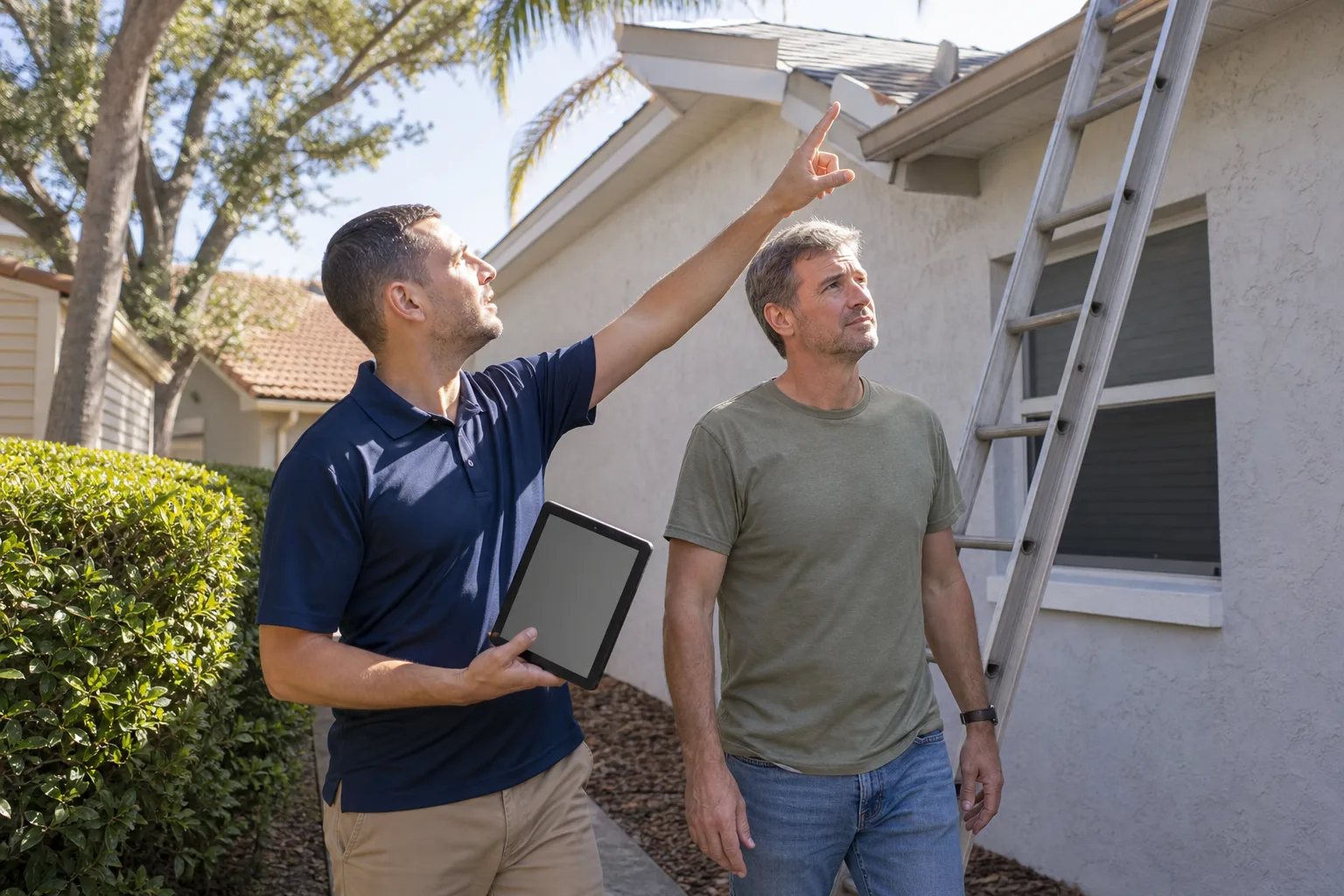
- In-home measurement and product selection (1 to 3 days). A technician measures every opening, checks the rough opening dimensions, notes any rot or framing issues, and confirms which products fit. Glass options, finishes, and hardware get locked in here.
- Order placement and factory build (2 to 6 weeks). This is the phase the sales pitch skips. Standard sizes ship fast. Custom sizes, special finishes, and hardware packages get built to order.
- Permit application (1 to 3 weeks, if required). Many Lake Forest replacements don’t need a permit if the opening size and location stay identical. Changed openings, added egress windows, or structural modifications do.
- Installation (1 day per opening, roughly). Removal, framing check, setting, flashing, insulation, and interior trim. Whole-house packages run two to four days.
- Inspection and final seal (same day to 5 days after install). The sealant cures, the inspector signs off if a permit was pulled, and the project closes out.
Stack those phases and you get the honest number: three to six weeks for a straightforward project, six to ten when customization or approval paperwork enters the picture. If you’re planning a broader exterior refresh alongside window work, our overview of Groundwork Construction Co. of Lake Forest home services shows how window and door projects sequence with roofing and exterior painting so trades don’t collide.
Lead Time by Manufacturer and Material
Lead time is the single biggest variable in the project and the one most often hidden in a sales pitch. A sales rep can promise a two-week install because they’re counting from the day the product arrives at the warehouse, not from the day you sign. Here’s the realistic window for each major material family. The numbers are average ranges we see across brands like Andersen, Marvin, Pella, and Sterling in the Southern California market.
- Standard vinyl replacement windows (2 to 3 weeks). Ready-made sizes with common finishes ship from regional distribution. Fastest path if your openings match stock dimensions.
- Custom vinyl in non-standard sizes (3 to 5 weeks). Factory build time. Most Lake Forest homes built between 1965 and 1995 have openings that fall in this bucket.
- Fiberglass windows (3 to 5 weeks). Popular in coastal-influenced climates and prone to similar lead times as custom vinyl.
- Wood-clad and premium aluminum-clad (4 to 7 weeks). Andersen and Marvin products sit here. Special colors and hardware finishes push toward the top of the range.
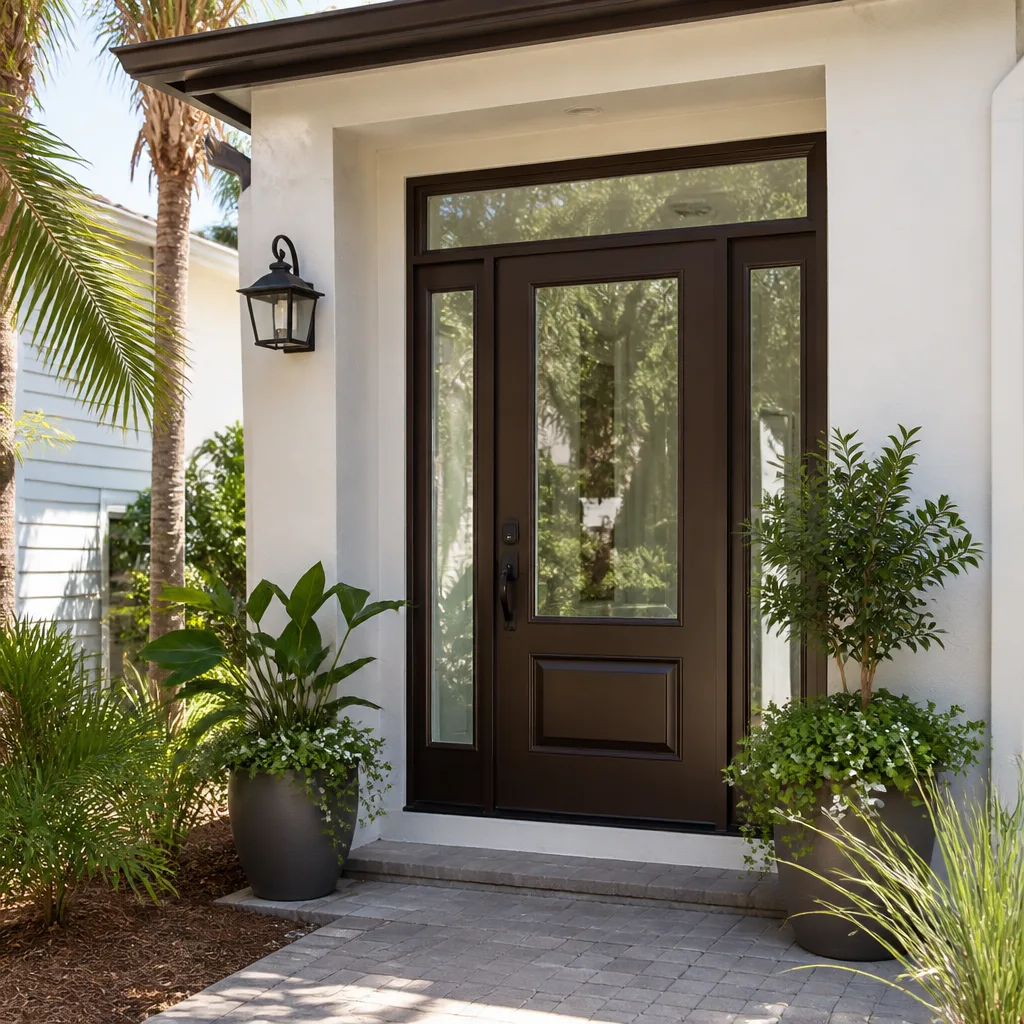
- Entry doors and patio doors (3 to 6 weeks). Door slabs have longer finish schedules than windows, especially with factory staining or sidelight packages.
- Custom steel or specialty entry doors (6 to 10 weeks). Rare in Lake Forest but relevant for high-end remodels where the look is a statement.
Two practical rules come out of this. First, ask your contractor for the manufacturer’s written lead time, not a verbal estimate. Second, order hardware finishes and glass packages early. A Sterling or Grohe finish backorder can add a week to a project that’s otherwise ready to install.
Why Custom Openings Add Time in Lake Forest
Lake Forest’s housing stock is a mix of mid-century ranch homes, 1970s and 1980s tract builds, and newer construction on the eastern edges. The older homes have windows framed to spec. That means the openings aren’t always square, aren’t always plumb, and were built before today’s standardized rough opening dimensions existed. A “standard” window ordered for an older Lake Forest home frequently arrives and doesn’t quite fit.
This is where the two to four additional weeks show up. Custom-built windows, sized to the actual opening rather than to a stock chart, go through a factory build schedule that a standard-size window skips. That extra time pays for itself in fit and in fewer surprises on installation day.
Three things push a Lake Forest window into the custom bucket:
- Openings built to spec, not standard. Homes in the older pockets near El Toro Road and the Lake Forest core frequently have opening dimensions that don’t match today’s stock sizes.
- Non-standard trim or sill profiles. Original wood trim from a 1970s build gets matched, not replaced, when the homeowner wants the interior character kept.
- Added egress requirements. A bedroom window converted to an egress-capable unit adds size, glazing, and hardware that shifts the order into custom territory.
What’s a homeowner’s takeaway? If your home is pre-1990, expect a slight bump in lead time even before factoring in anything else, and don’t accept a “two-week” quote at face value. If you’re also considering a home addition or ADU that changes the opening schedule, our page on Home Additions & ADU in Lake Forest walks through how window procurement phases into bigger builds.
What Installation Day Actually Looks Like, Hour by Hour
The installation day is the most disruptive, best-understood, and most misunderstood phase of the project. Here’s what actually happens from the moment the crew pulls up to the moment they leave, so you can plan your day (and your pets, and your kids’ naps) around a realistic schedule.
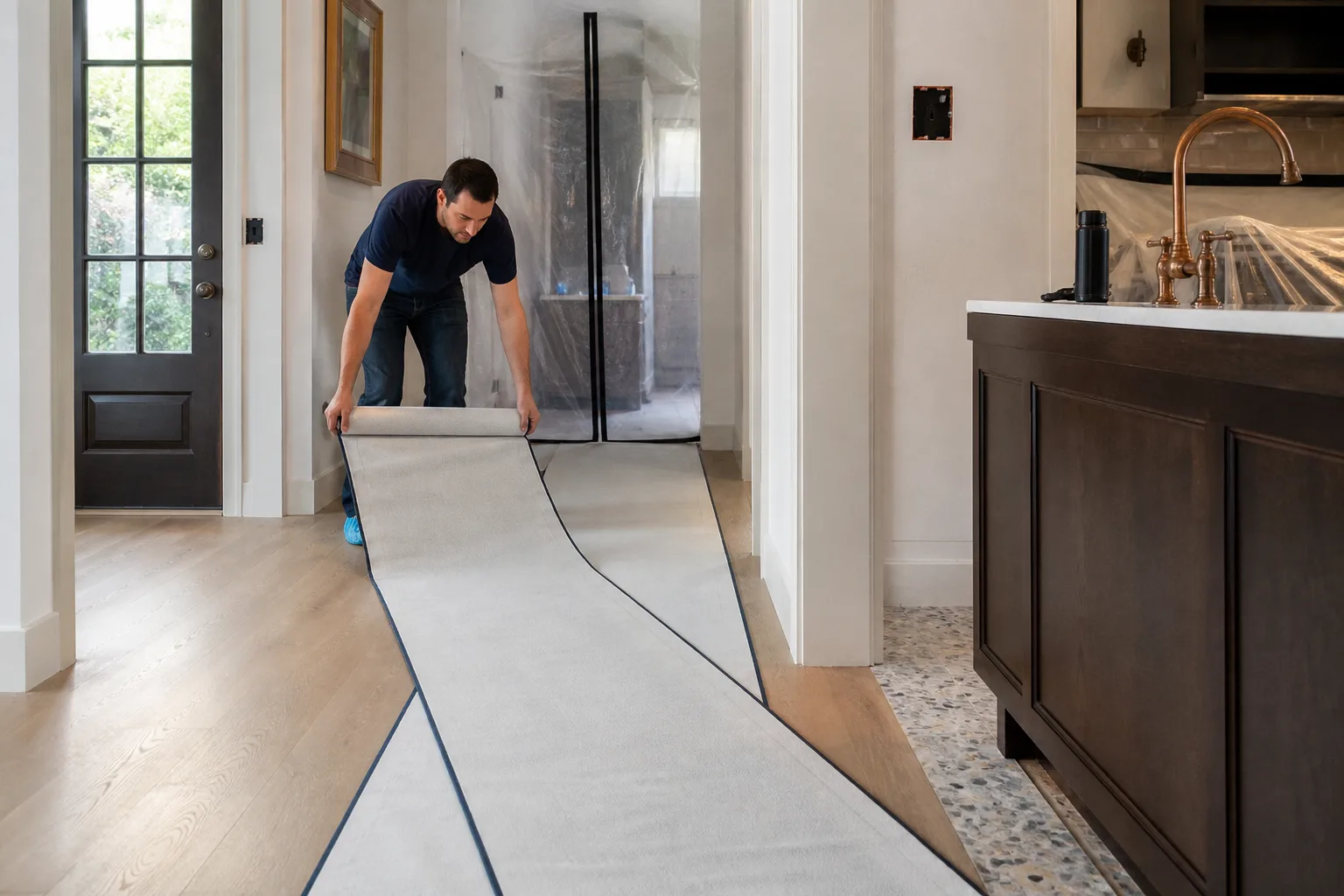
- 0:00 to 0:30 – Arrival, walkthrough, floor protection. The crew walks each opening with you, confirms scope, covers floors and furniture with drop cloths, sets up a work zone.
- 0:30 to 1:15 – Removal of the old window. Trim comes off, the old unit is cut free, and the rough opening is exposed. This is the dustiest half-hour of the job.
- 1:15 to 1:45 – Framing check and repair. The technician checks for rot, water damage, or framing issues that didn’t show up in the original measurement. Rot repair is common in older Lake Forest homes near irrigation and landscaping.
- 1:45 to 2:45 – Setting the new window. The unit is set, shimmed plumb and level, flashed, and insulated with expanding foam.
- 2:45 to 3:30 – Interior trim and finish. Trim is fit and installed, caulk lines are run, and the interior finish is prepped for paint if you’re repainting.
- 3:30 to 4:00 – Exterior seal and cleanup. Exterior flashing and finish weather-seal go on, the work zone gets swept, and the crew walks the job with you before leaving.
That four-hour window per opening is standard for a replacement, and it can stretch to five or six hours for large patio doors or complicated trim. It’s shorter for identical windows in a repetitive package, and longer if rot repair or framing changes eat into the schedule. What doesn’t change is the finish standard: weather-tight, sealed, and trim that matches the surrounding wall so there’s no visible patchwork.
Whole-House Sequencing: Which Elevations First
A whole-house window replacement is a scheduling problem as much as a construction problem. Doing all 20 windows in one day isn’t how it works. Doing them in a smart order means no bedroom sits open to the weather for more than a day, and no elevation sits unfinished while Pacific storms roll through.
The sequencing that works depends on the house, but a few priorities are consistent across Lake Forest projects:
- Start with the elevation facing prevailing afternoon sun first. In Lake Forest that’s typically west and southwest. Those windows work hardest to keep heat out, and replacing them first pays back fast on summer cooling bills.
- Do the rooms with the least daily use first. Guest rooms, offices, or rarely used spaces. That gives the crew a clean run to dial in process, fit, and finish before they work in a primary bedroom or living room.
- Group windows by elevation, not by room. Scaffolding, ladders, and exterior sealant setup all cost time on the front end. Batching by elevation keeps crews productive and keeps exterior access safe.
- Schedule primary bedrooms and kitchens last. The final phase should be the rooms you’ll notice most. By then the crew has the fit dialed, the trim work is fast, and finish quality is peak.
Two to four days is the standard install window for a 15-25 window house done in elevation batches. Heavy rain in the forecast shifts days, but the sequencing above means a single missed day costs one day, not a week. If landscaping or drainage around the house is on the project list, coordinating it with Driveway & Pavers in Lake Forest lets one mobilization handle both, and a new perimeter fence done in the same stretch (see Fence Installation in Lake Forest) means the property’s exterior is dialed in from one project instead of three.
What Extends a Timeline: HOA, Title 24, and Backorders
Three things cause most of the timeline overruns we see on Lake Forest projects. None of them are construction delays in the traditional sense. All of them are documentation and supply-chain realities that a well-run contractor builds in from day one.
HOA approval in Lake Forest communities
Lake Forest has a large number of HOA-governed neighborhoods, including many of the planned communities along Bake Parkway, Portola, and the eastern hillside subdivisions. HOA rules frequently govern window style, color, visible grill patterns, and even the mirror finish on glass. Approval timelines vary widely, but one to three weeks is common for a well-prepared submittal. A contractor who knows the local HOA playbook prepares the drawings and product specs up front and submits them on day one. A contractor who doesn’t finds out mid-project that the homeowner has a color restriction.
Title 24 compliance documentation
California’s Title 24 energy code applies to window replacement in most cases. For replacement windows like-for-like, compliance is typically documented through the manufacturer’s certified U-factor and SHGC ratings. But every product on the plan must have a current certification that matches the code year in force, and stamped documentation has to be ready before final inspection. Getting documents retooled after the fact is one of the most common causes of a stalled closeout.
Back-ordered hardware and finishes
Special finishes, sidelight packages, and non-standard glass options go on long factory queues. The window unit itself might ship on time while an Andersen exterior handle or a custom oil-rubbed bronze finish sits on backorder for another two weeks. Ordering all the finish hardware at the same time the windows are ordered keeps those queues aligned.
Inspection and Final Seal
The last phase of the timeline is the one that quietly decides whether the project closes cleanly or drags. Inspection timelines vary by jurisdiction and by whether a permit was pulled. For a like-for-like replacement in Lake Forest, most projects don’t require a permit unless the opening size, location, or product type changes. For projects that do (changed opening sizes, added egress, structural framing adjustments), the inspector visit typically lands one to five days after the crew finishes, and covers flashing, insulation, and Title 24 compliance documentation.
The final seal phase is short but important. Exterior sealant cures over 24 to 72 hours, and the crew is typically instructed to leave exterior caulk lines untouched during that window. Southern California sun and dry Lake Forest air do the curing fast, but the general rule is: no power washing, no exterior painting, no exterior hardware installation on those same elevations for three days after the seal. Interior finishes can be touched sooner, generally within 24 hours.
Then the project closes out. That’s when the warranty conversation happens, and it’s the part where the contractor’s track record matters more than the timeline itself.
Common Mistakes to Avoid
- Believing a two-week quote without knowing the lead time. A quote that only counts install days skips the factory build, permit, and inspection phases. Ask for the manufacturer’s written lead time before you sign.
- Ordering windows before the HOA approves the specs. In Lake Forest’s HOA communities, a color or grill pattern rejection after the order is placed can cost weeks and sometimes a restock fee.
- Assuming every replacement needs a permit. Many don’t, but opening-size changes and added egress windows do. Clarify before installation day so the schedule doesn’t go sideways at inspection.
- Scheduling installation in the middle of a rain forecast. Lake Forest’s storm windows between November and March are real. Batch installs by elevation so a rain day doesn’t leave three walls of a house open at once.
- Skipping the Title 24 paper trail on custom orders. Newly ordered custom windows need current certified U-factor and SHGC documentation. Tracking it after the fact is one of the slowest paths to a failed inspection.
- Choosing hardware finish after the order is placed. A finish backorder can add a week. Order finish packages with the windows, not after.
- Not asking what happens if a window doesn’t fit on install day. A good contractor handles the discovery in stride. Without a fit contingency, the day becomes a stall.
See the difference
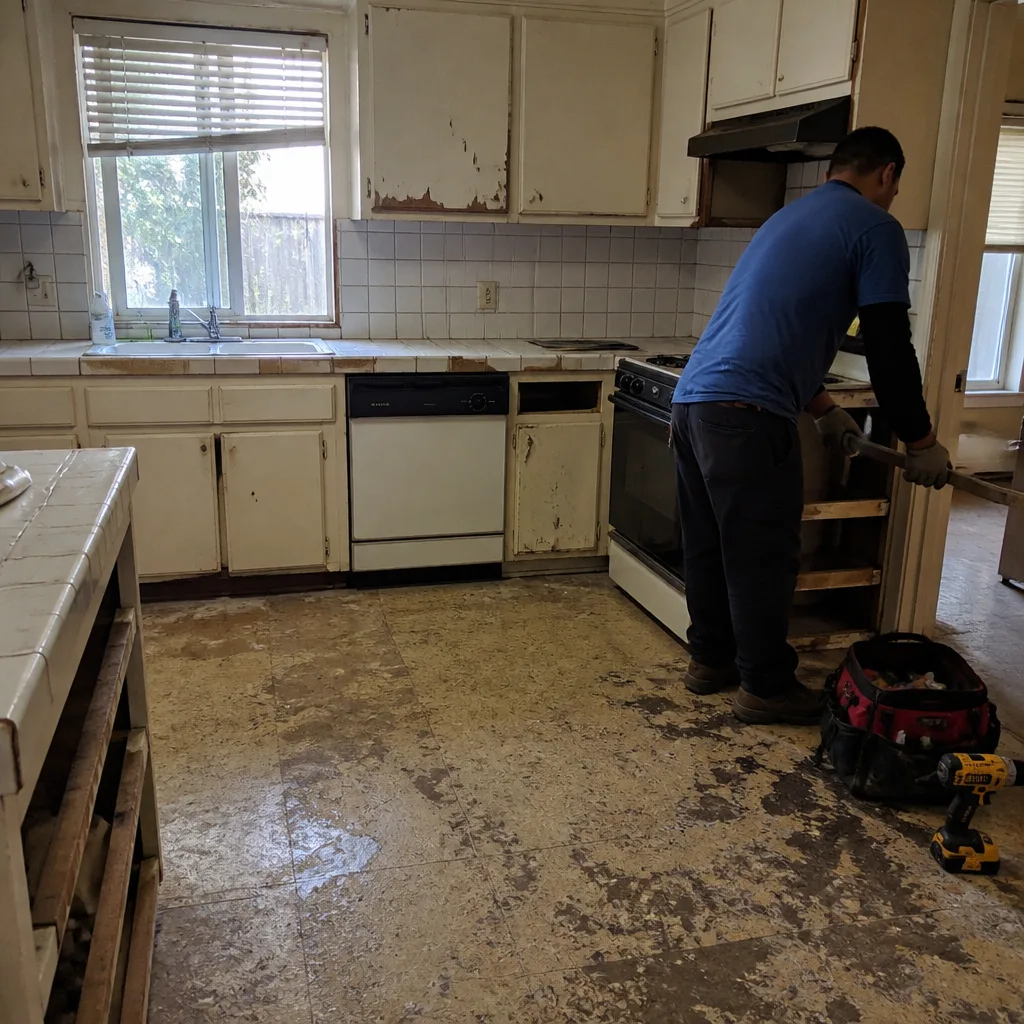 Before
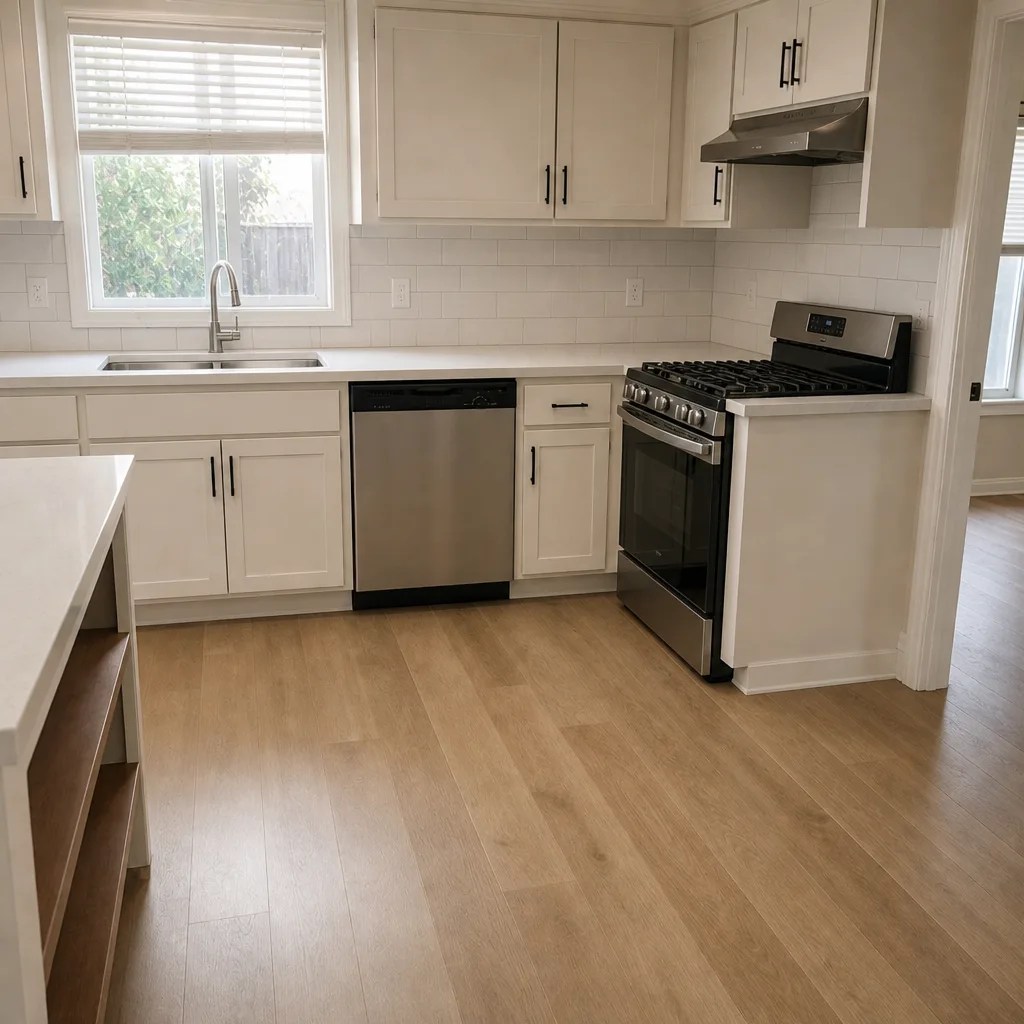 After
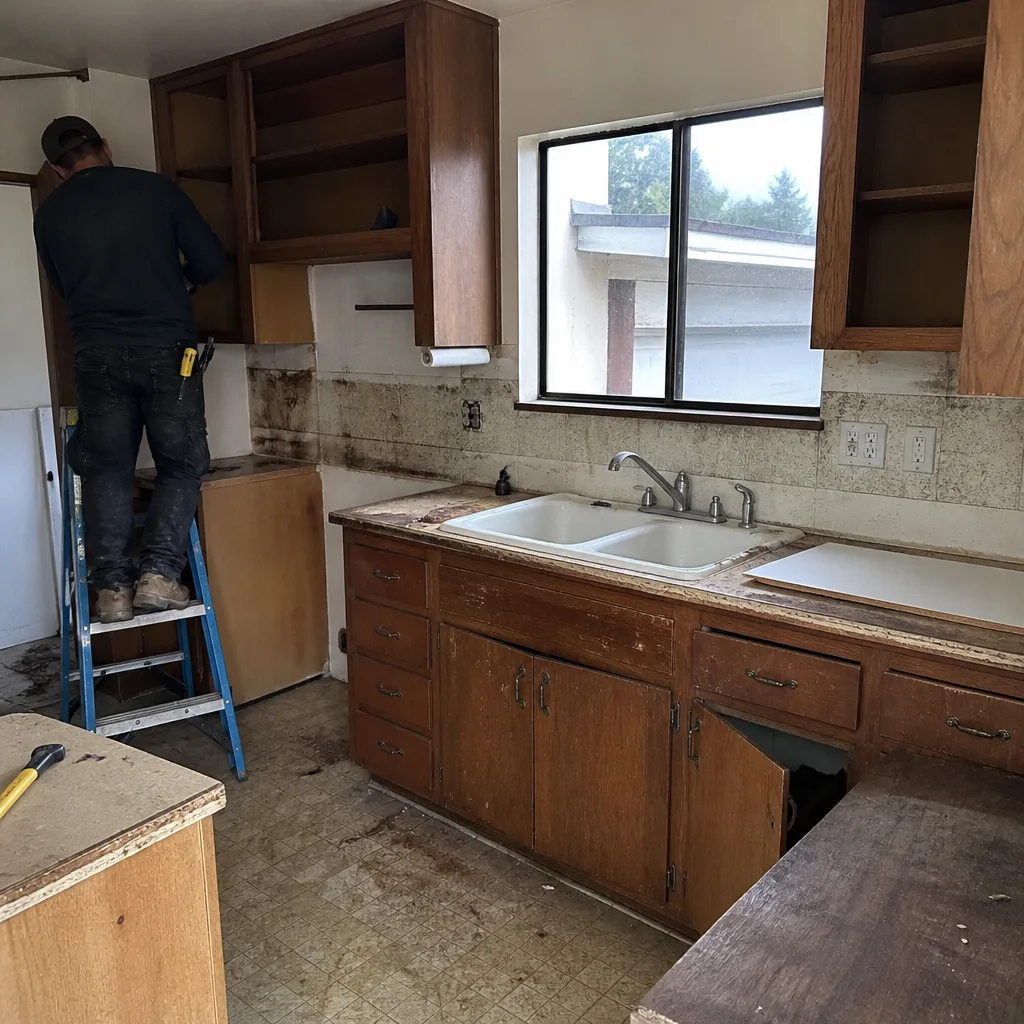 Before
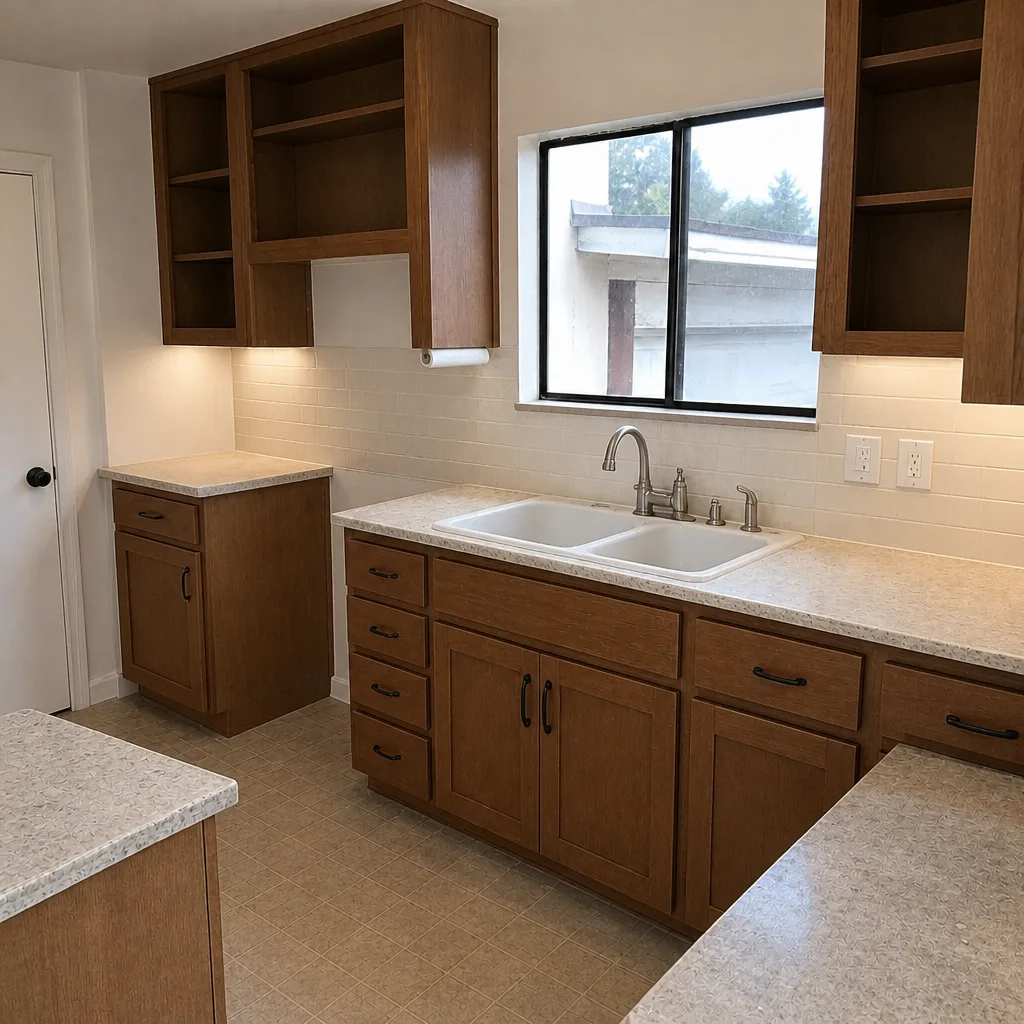 After
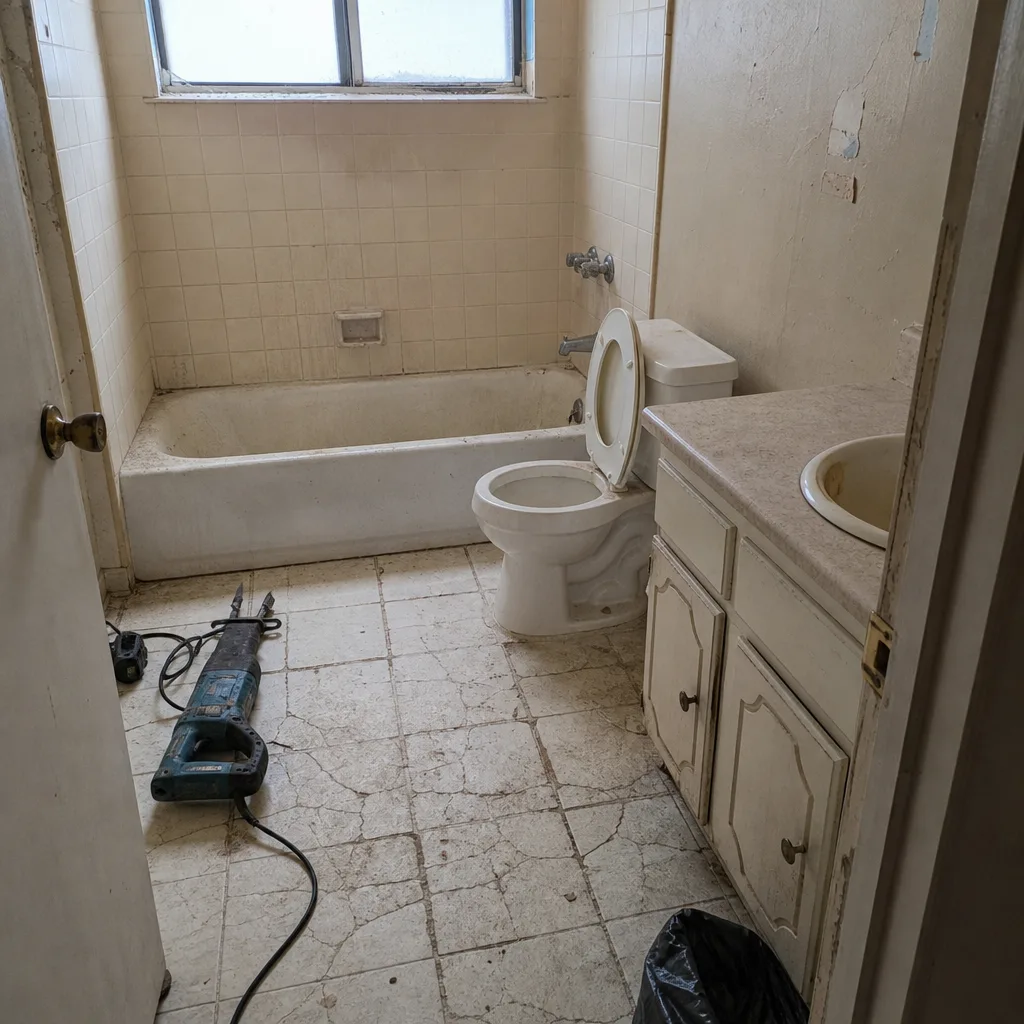 Before
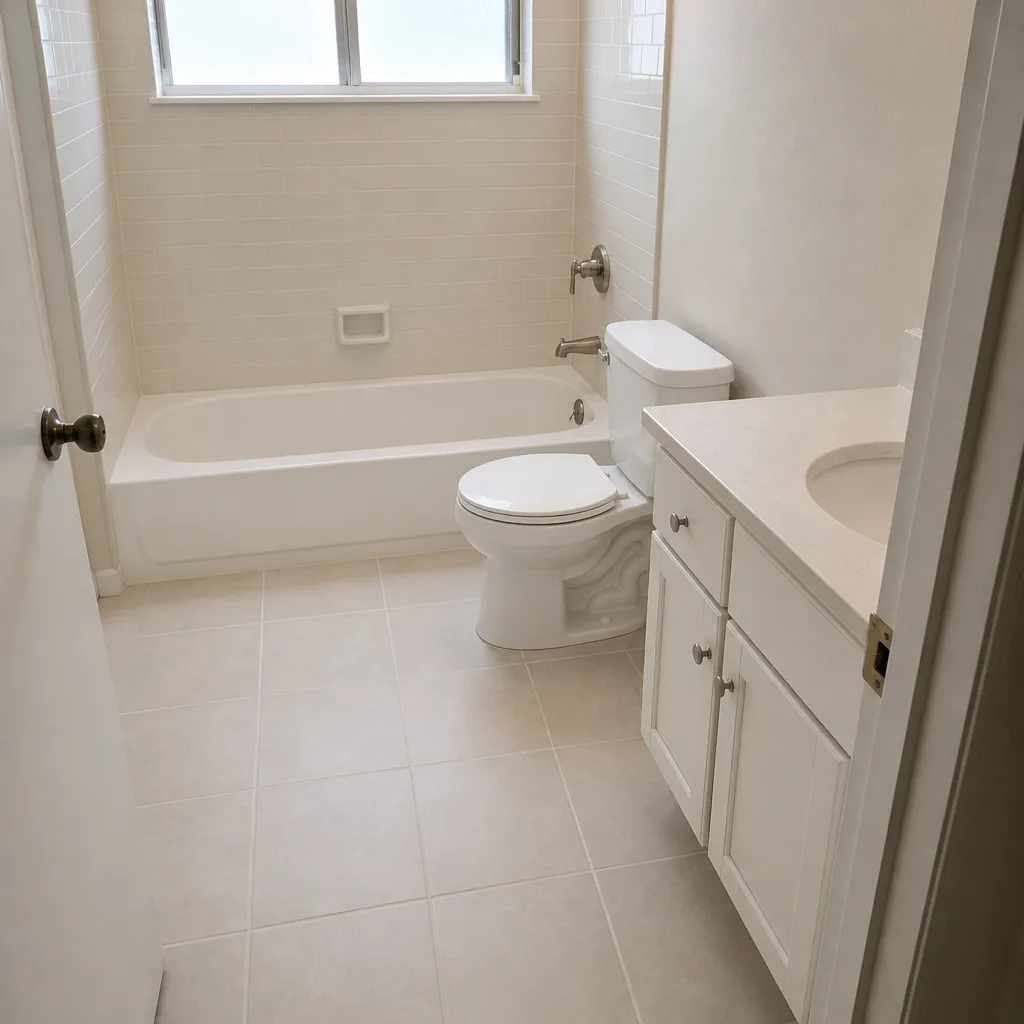 After
When to Call a Professional
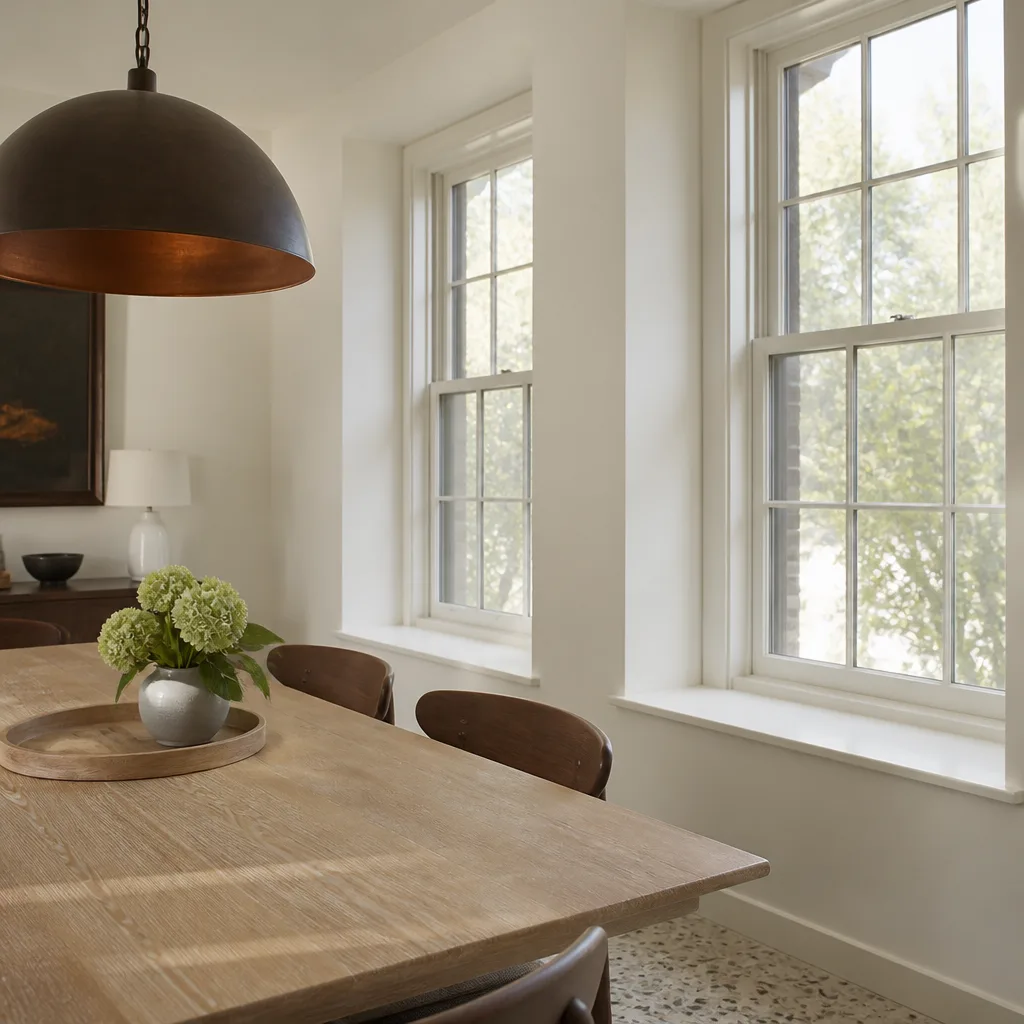
Call a professional the moment a window or door project involves more than one opening, an unfamiliar opening dimension, or a material upgrade that carries specific Title 24 documentation requirements. Call immediately if you’ve got water intrusion around an existing window, visible rot at the framing, or a door that no longer latches because the frame has shifted – those are signs that the underlying opening needs repair, not just replacement. In Lake Forest, HOA-governed communities add another layer, since window style and color approvals often need drawings and manufacturer spec sheets a homeowner doesn’t have in hand.
Groundwork Construction Co. of Lake Forest offers free estimates in Lake Forest – call (855) 532-8973 to schedule your free project estimate and design consult.
Frequently Asked Questions
A whole-house window replacement typically takes three to six weeks from signed contract to final inspection for standard sizes, with the installation itself running two to four days. Custom sizes, HOA approval, and Title 24 documentation push the front end of that range toward six to ten weeks. Call (855) 532-8973 for an exact timeline on your house – estimates are free.
Most like-for-like window replacements in Lake Forest don’t require a permit if the opening size, location, and product type stay the same. Changed opening sizes, added egress windows, or modified framing do require a permit, and the inspection that follows typically lands within one to five days of install. A contractor who knows the local rules tells you which bucket you’re in before the order is placed.
A standard entry door replacement runs three to six weeks from order to install, with one day on site for installation itself. Custom or steel entry doors with factory staining push toward six to ten weeks because the factory finish schedule is longer than the build schedule. Patio and sliding doors sit in the same lead-time window.
The price shouldn’t change unless the scope changes – actual rot repair found during removal, added openings, or upgraded glass packages are the usual culprits. A written line-item quote with a clear “unknown condition” clause protects both sides. Upfront pricing, no surprises, is the standard to hold a contractor to.
Managed carefully, it’s less disruptive than most homeowners expect. Batching installs by elevation and scheduling primary rooms last keeps each day’s work scoped to specific areas, so most rooms are usable by dinner. The dustiest half-hour is window removal, so plan around anything sensitive to dust in that first window of the day.
Installation gets rescheduled to keep openings weather-tight. Southern California storm windows between November and March are the main risk, so contractors with experience sequence elevations to leave the fewest openings exposed at once. Same-day reshuffling is normal. Total project calendar time absorbs a rain day without pushing the whole project back a week.
The Bottom Line
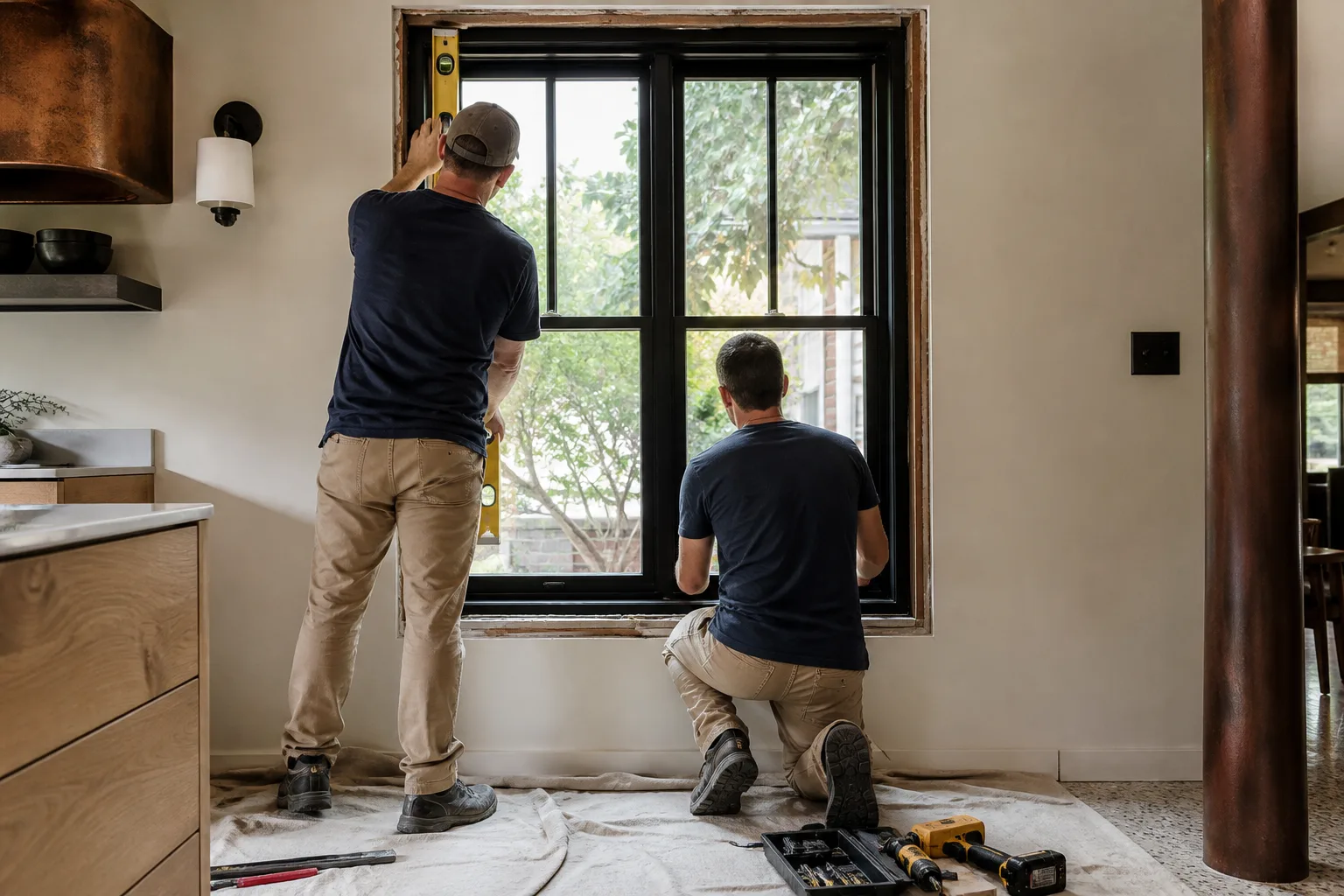
Window and door projects take three to six weeks for standard work and six to ten weeks when custom sizing, HOA approval, or Title 24 documentation enters the picture. Installation day itself is one day per opening, two to four days for a whole-house package. The gap between the sales promise and the real schedule is almost always lead time and approval paperwork, not construction. Plan around the full sequence, order finishes and hardware up front, and treat the final seal cure as part of the project, not the day after.
Groundwork Construction Co. of Lake Forest handles window and door replacement, project sequencing, and inspection closeout, backed by a curated set of brand partners including Andersen and Marvin and the 730-Day Done Right Promise – if it’s not done right, we make it right. Call (855) 532-8973 for a free estimate on your Lake Forest window and door project, and we’ll walk you through the real timeline before you sign anything.
Written by the team at Groundwork Construction Co. of Lake Forest.