Last updated November 18, 2026







Free written scope consultation - allowances, timeline, and change-order rules on paper before a single trade is scheduled
Windows & Doors Warning Signs Every Homeowner Should Know
A door that suddenly needs a shoulder to close, in a house where that door has swung free for years, isn’t a door problem. It’s your framing or foundation talking. That’s the part most homeowners miss: windows and doors fail in a slow, readable sequence, and the early signals look like small annoyances instead of the water intrusion or structural movement already in motion behind the trim. This guide walks through what those signals actually mean, how to tell cosmetic glass haze from a real seal failure, what each rattle and whistle is telling you, and which estimate red flags should end the conversation. We’ve watched Lake Forest homes sit on these warnings for two winters before calling anyone.
Quick Answer
Windows and doors warn you before they fail through four main channels: glass fogging or condensation that won’t clear, drafts and temperature swings near the frame, sounds like rattling, whistling, or clicking, and operation changes like sticking, dragging, or daylight showing at the corners. Condensation between panes means a failed glass seal (cosmetic). Condensation on the room side of the glass, or water staining at the frame, points to a ventilation or installation failure with real moisture risk. Any door or window that stops closing cleanly on its own is a framing or foundation signal, not a hardware problem, and should be looked at by a professional before you spend money on a replacement.
Styles & brands we work with
- Kitchen remodeling
- Bathroom remodeling
- Home additions & ADU
- Roofing
- Windows & doors
- Driveway & pavers
- Fence
Table of Contents
- Glass Seal Failure vs. Frame Seal Failure: How to Tell Them Apart
- Why Winter Condensation Patterns Are Diagnostic
- What Each Sound Is Telling You: Rattling, Whistling, Clicking
- When a Window or Door Problem Is Really a Foundation or Framing Signal
- Red Flags During a Window and Door Estimate
- A 10-Minute Walkthrough You Can Do This Weekend
- Repair or Replace? Deciding Without Guessing
- Materials That Hold Up in Lake Forest’s Climate
Glass Seal Failure vs. Frame Seal Failure: How to Tell Them Apart
This is the single most useful distinction in the whole guide, because the two failures have completely different cost profiles and completely different timelines. Glass seal failure is a cosmetic and energy issue. Frame seal failure is a water intrusion issue, and water intrusion is what rots sheathing and grows mold inside wall cavities. Homeowners confuse them constantly, which is how a $300 problem gets ignored for three years and turns into a $6,000 repair.
Glass seal failure happens when the airtight seal between the panes of an insulated glass unit breaks. Moisture gets in, and the desiccant that’s supposed to keep the gap dry gets saturated. The visual result is fogging, a milky haze, or a white crystalline film that appears between the panes. You cannot wipe it off from either side, because it’s inside the sealed unit. The frame and the wall around it can be perfectly sound.
Frame seal failure happens where the window unit meets the rough opening in the wall. That joint is supposed to be protected by flashing, sealant, and a proper weather barrier sequence. When it fails, water gets behind the trim and into the wall. The clues are different:
- Water staining, bubbling paint, or soft drywall on the interior wall around the window, especially at the lower corners
- Daylight or a draft coming from the seam between the frame and the wall, not from the sash itself
- Peeling or cracked caulk on the exterior, with the crack running vertically or at the corners
- Dark staining or rot on the exterior trim, particularly on the south and west faces where Lake Forest gets the most sun-driven expansion and contraction
- Musty smell in the room after rain, without any obvious leak
Here’s the inspection method we use on Lake Forest homes during an estimate. Start inside on a sunny day and look at the wall around the window with the lights off. Daylight coming through the wall joint means frame failure. Then go outside with a hose on a low, steady spray for five minutes at the top and sides of the frame (not directly at the glass), and check the interior wall in ten minutes. Any moisture showing inside means the flashing or sealant layer is compromised and the window needs to be reset or replaced. Interior fogging between the panes with a dry, solid frame means you’re looking at glass-only failure, which is a much smaller scope.
Why Winter Condensation Patterns Are Diagnostic
Condensation is not automatically a window problem. Where the water forms tells you which system is failing, and Lake Forest’s winter pattern makes this easy to read. Our coastal-influenced climate gives us cool nights and mornings in the 40s and low 50s from December through February, with indoor heating running hard and indoor humidity climbing to 55% or higher when the house is closed up. That’s a perfect diagnostic window.
- Condensation inside the sealed glass unit (between panes): Failed glass seal. The insulated unit has lost its argon fill and its desiccant is spent. The frame is likely fine. Confirm by checking that the fogging cannot be wiped from either side and that the interior wall around the frame is dry.
- Condensation on the room-side surface, all over the glass, every cold morning: Your home has elevated indoor humidity and possibly restricted ventilation. The windows are the coldest surface in the room, which is exactly why the water collects there. Run your bath and kitchen exhaust fans longer, check that your dryer vent isn’t leaking into the house, and consider a whole-house ventilation strategy. Do not assume the windows are leaking; calling a window contractor for a moisture problem they can’t fix is a common and expensive mistake in Lake Forest.
- Condensation on the room-side surface but only in the corners or along one edge: That’s a thermal bridging or installation problem. The glass is cold at that specific location because the insulation, shimming, or sealing around the frame is compromised. Cold spots attract moisture, and the pattern nearly always follows the defect.
- Condensation or frost on the interior wall or trim, not the glass: Wall cavity moisture from a frame seal failure. This is the one that needs a professional inspection, not a dehumidifier.
Additionally, if you see condensation on the room-side surface even on mild days when the relative humidity is low, that’s an indication of a single-pane window or a failed insulating unit that’s functioning like a single-pane. Both mean the unit is no longer controlling the temperature difference it was designed for.
What Each Sound Is Telling You: Rattling, Whistling, Clicking
Windows and doors are assembled from a lot of moving parts, and each one fails on its own schedule. The sound you hear narrows down which component has gone. We’ve trained our technicians to identify the source by sound on the first visit, and homeowners can do a surprising amount of this diagnosis themselves.
- Rattling, worst on a windy day: Loose weatherstripping, a worn sash, or hardware that’s come out of adjustment. On sliding windows and doors in Lake Forest’s older neighborhoods, the roller assemblies wear flat and let the panel sit low and loose, which produces a rattle that gets louder with age. If the rattle is accompanied by visible movement of the sash in its track, the panel or rollers need service before the seal fails completely.
- Whistling: Air being pushed through a narrow gap in the frame-to-wall joint or where two window units meet. Whistling means the weather barrier or sealant layer has opened up. It’s your earliest possible warning of frame seal failure, and it usually shows up a full season before you see water stains.
- Clicking, popping, or snapping, especially in the afternoon: Thermal movement. Aluminum and vinyl frames expand and contract as the sun hits them, and when the installation doesn’t allow for that movement, hardware binds and frames pop against the shims. On a west- or south-facing window, the clicking will be loudest around 3 to 5pm on hot days and often silent in the morning. That timing is the tell.
- Grinding or scraping during operation: Worn hinges or rollers, or a frame that’s out of square. Grinding that appears suddenly on a door that operated fine a month ago is the one to take seriously, because the more likely cause is movement of the frame, not the hardware.
- A low, steady howl at the door jamb: Air infiltration under the weatherstripping at the bottom of the door. Check the threshold for daylight and run your hand along the bottom in the winter. A healthy exterior door should feel dry and still on the back of your hand.
One thing to note in Lake Forest: our dry, windy Santa Ana events in fall and winter are the best natural test for window and door performance. Walk each exterior opening with a candle or a piece of tissue during a wind event. The flame or tissue will find every gap in the house faster than any inspection tool.
When a Window or Door Problem Is Really a Foundation or Framing Signal
Now we get to the point of the article. A window or door that stops operating smoothly, on a wall that hasn’t been disturbed, is a symptom. It is not the problem. The frame is being pushed or pulled by something behind it, and the window or door is just the most visible point of movement. This is the single most expensive misunderstanding in home maintenance, and it happens on Lake Forest homes more often than most people would guess, especially on slopes and in the neighborhoods built on the clay-heavy soils that run through the hillside tracts.
Here’s how to tell the difference. A genuine window or door hardware problem is stable: it operates the same way every day, and it doesn’t affect the wall or trim around it. A framing or foundation signal is progressive: it gets a little worse month over month, and it comes with corroborating evidence.
- Operation changes on more than one opening on the same wall. A single sticky closet door is a door. Two windows and a sliding door on the same exterior wall dragging at the same time is a wall.
- Cracks at the interior corners where door and window trim meets the wall. Look for a diagonal crack running from the corner of the window opening up to the ceiling, or a horizontal crack in the drywall above a door head.
- A door that suddenly needs force to close, or a sliding window that binds, on a house with no prior door problems. This is the hook of this entire guide, and it’s the signal that most often gets misread as a door problem. The door is telling you the header above it or the floor under it has moved.
- Doors that stick in one season and swing free in the other, with a consistent pattern. This can indicate soil moisture cycling under the slab, especially on our clay soils. It may be minor, but if it’s worsening each year, it’s worth a foundation inspection.
- Visible gaps at the frame-to-wall joint on the exterior, or a frame that’s visibly out of square (measure both diagonals of the opening; a healthy rectangle has equal diagonals).
Our recommendation is always the same: if you see two or more of these at once, have a structural or foundation professional look at the house before you buy a new window or door. Replacing the window on a moving wall puts a fresh, expensive unit into a joint that will distort it again. In our experience, replacing a window without addressing the movement behind it is a wasted project, and fixing the movement first is the only path to a lasting repair. If you’re unsure which comes first, a free estimate from a contractor who handles both is the cheap way to find out. Groundwork Construction Co. of Lake Forest home handles both windows and doors and structural repairs under one project scope, which is the only way to avoid paying twice.
Red Flags During a Window and Door Estimate
Most of a good window and door project is decided before a single unit is ordered, in the estimate. Homeowners get burned by omissions in the scope that turn into change orders, not by bad products. The estimate should tell you exactly what’s protected, in writing, before you sign. Here’s what to watch for.
- No mention of flashing or the weather barrier. This is the biggest one. Flashing is the layer that actually keeps water out of the wall. If the estimate talks about “removal and reinstallation” without describing the flashing and weather barrier detail, the quote isn’t protecting your wall. Ask the estimator to specify: what flashing material, how it’s lapped, how the sill pan is built. A competent estimator will describe the sequence without hesitation.
- Quoted by window count, not by scope. A per-window price is a sales tool. Actual cost depends on the window type, the wall condition, trim removal, the flashing sequence, and the finish work. A quote that says “12 windows, $X each” and nothing else is hiding the real scope. Insist on a line-item breakdown by opening.
- Skipping the interior wall inspection. Any estimator who walks up, measures, and writes a quote without opening a wall cavity at a suspect location or probing the trim for softness is guessing. Frame seal failure is invisible from the exterior in many cases, and the only way to know if the wall is wet is to check.
- No mention of the interior finish or trim. Window replacement disturbs interior trim and drywall. If the estimate has no line for interior repair or finish work, that money is coming out of your pocket later.
- No written warranty, or a warranty with an exclusion list longer than the coverage. We put our 730-Day Done Right Promise in writing on every project, and if it’s not done right, we make it right. Ask any contractor for their workmanship warranty period, in writing, before you sign. If the answer is “one year” or a verbal guarantee, that’s a scope risk you’re paying for.
- Pressure to sign today for a discount. Any real discount survives a few days of thought. A quote that expires the same day is a sales tactic, not a price.
- No mention of permits. Window replacement in Lake Forest can trigger a permit depending on the scope and the change to the exterior opening. A contractor who doesn’t mention it is either unfamiliar with the local process or planning to skip it. Ask directly whether the project will be permitted and inspected, and get that in writing.
One more thing we always check: whether the estimate includes a door-by-door and window-by-window material specification. Model numbers and brand should be listed. In Lake Forest we often specify Andersen or Pella for the main living areas because of their thermal performance in our sun exposure, and we’ll use other brands where a specific opening calls for a different style. A quote without a named brand and model is a quote without a product.
A 10-Minute Walkthrough You Can Do This Weekend
You don’t need any special tools for this one. Walk your house once a season and you’ll catch almost every warning sign before it becomes a repair. We tell our Lake Forest homeowners to do this in October, when our wind events start and the indoor-outdoor humidity difference is at its most useful for spotting frame issues.
- Walk every exterior wall from outside, at eye level. Look at the caulk joints and trim. Any crack, gap, or peeling caulk gets a note. Look especially at the corners and at the horizontal joints above and below the window.
- Open and close every window and door once. Note anything that drags, sticks, requires force, or feels different from the last time you tried it. Write down the date and the symptom on your phone; comparing notes across seasons is how you catch a progressive problem.
- Check the interior trim and drywall around every opening. Run your hand along the trim where it meets the wall. Look for hairline cracks, bubbling paint, or staining at the corners and the sill.
- Wipe the interior glass on a cold morning. Note which windows are fogged on the inside and which have fogging between the panes. Photograph both.
- Run the tissue test on a windy day. Hold a piece of tissue to each frame edge and gasket. Any flutter tells you where the infiltration is happening.
- Measure the diagonals of any door or window that’s suspect. Two unequal measurements on a rectangular opening mean the opening is out of square, which is a structural note, not a hardware note.
- Take a photograph of everything you found and date it. If you end up calling a contractor, that photo log makes the estimate faster and more accurate.
Any single item on this list is worth a follow-up. Two or more on the same opening means it’s time to have a professional look at it, not time to buy a tube of caulk.
Repair or Replace? Deciding Without Guessing
The choice isn’t simply about age. It’s about what’s failed and whether the frame is still sound. A window with a failed glass seal but a solid frame can often be repaired by replacing the insulated glass unit alone, which costs a fraction of a full unit replacement. A window with a compromised frame seal, or one that’s out of square, needs a full replacement and possibly structural repair first.
- Frame is sound, glass is fogged, walls are dry: repair the glass unit. Fastest, least expensive, and often good for another decade.
- Frame is sound, weatherstripping is worn, drafts are audible: weatherstripping and hardware service. In our experience, most rattle and whistle complaints on Lake Forest homes are serviceable without a new window.
- Frame seal has failed and the wall is wet: full replacement with new flashing and weather barrier, plus repair of any wall damage. Do not patch over it.
- Opening is out of square or multiple openings are affected: get the structural or foundation question answered first, then decide on the window. Home Additions & ADU in Lake Forest projects, which frequently involve cutting new openings into existing walls, run into this exact decision and our estimators scope the structural condition before quoting the window.
- Doors dragging, hinges fine, threshold fine: check the frame and the floor. A door that’s out of alignment but with intact hardware is a framing question, not a door question.
We quote by opening, not by unit count, and we tell homeowners when a repair is the right answer even if a replacement would be the bigger sale. Upfront pricing, no surprises, is not just a slogan; it’s specifically to prevent this kind of guess from turning into a scope change mid-project.
Materials That Hold Up in Lake Forest’s Climate
Lake Forest sits in a climate that’s harder on exterior materials than the mild numbers suggest. We get intense summer sun, strong seasonal wind events, and a marine layer that raises humidity in the mornings. That combination punishes cheap frames and thin finishes, and it’s the reason a window that works fine in a cooler inland climate will fade and distort here in a decade. Choose materials that can handle that expansion and contraction cycle.
For windows, we specify thermally broken aluminum and premium vinyl in most applications, and Andersen or Pella units for the main living areas where the thermal performance matters most. For doors, fiberglass is our default choice for exterior doors in Lake Forest; it doesn’t swell the way wood does in our humidity swings, and it holds paint far longer under our sun. Steel units are a strong option where security is a priority. Wood doors inside an ADU or a protected entryway can be a great choice, and we spec them where the full protection of an overhang makes it practical.
Watch the roof line too. Window and door projects very often end up exposing a roofing condition at the wall junction, and if that’s the case on your home, it needs to be handled in the same scope, not split off for later. We work with GAF and Owens Corning roofing products, IKO and Atlas shingles, and Boral trim and paving products because the durability and warranty backing line up with the workmanship promise. If you’re also planning exterior hardscape upgrades around the doors, Driveway & Pavers in Lake Forest gets scheduled with the same project flow so the exterior work is done once, not dug up twice. And if a window project happens to touch a fenced side yard, our team handles Fence Installation in Lake Forest with the same schedule.
Every one of these material choices is backed by our 730-Day Done Right Promise. If the material fails within that window, we make it right. That’s the reason we’re particular about which brands we specify in the first place: any warranty is only as good as the product behind it.
Common Mistakes to Avoid
- Treating a sticking door as a door problem. The door is the messenger, not the cause. Replacing or adjusting a door on a wall that’s moved puts a new unit into a distorted opening, and it will fail again. Have the structure checked first.
- Caulking over a failed frame seal. A fresh bead of caulk over wet wood or a compromised flashing layer traps moisture behind it and turns a manageable repair into a wall rot repair. It looks fixed for about two seasons, then the staining returns worse than before.
- Replacing windows without addressing the indoor humidity. If the condensation pattern points to a ventilation problem, new windows will produce the same pattern. Fix the house’s ventilation first, then evaluate the windows.
- Hiring an estimator who doesn’t inspect the wall cavity. A quote without an interior inspection is a guess, and on Lake Forest homes with years of sun exposure and sealant fatigue, the guess is often wrong in the direction that costs you more.
- Skipping the permit question. Window replacement and new door openings in Lake Forest may require a permit depending on scope. Ask before you sign. If the answer is vague, that’s your answer.
- Choosing a window by price per unit only. The unit price hides the flashing, trim, finish, and disposal scope. Compare line-item estimates, not window counts.
- Ignoring the trim on the exterior. The trim is the first line of defense for the frame seal. Cracked exterior trim with a freshly installed window means the painting and sealing scope was left out of the initial quote.
See the difference
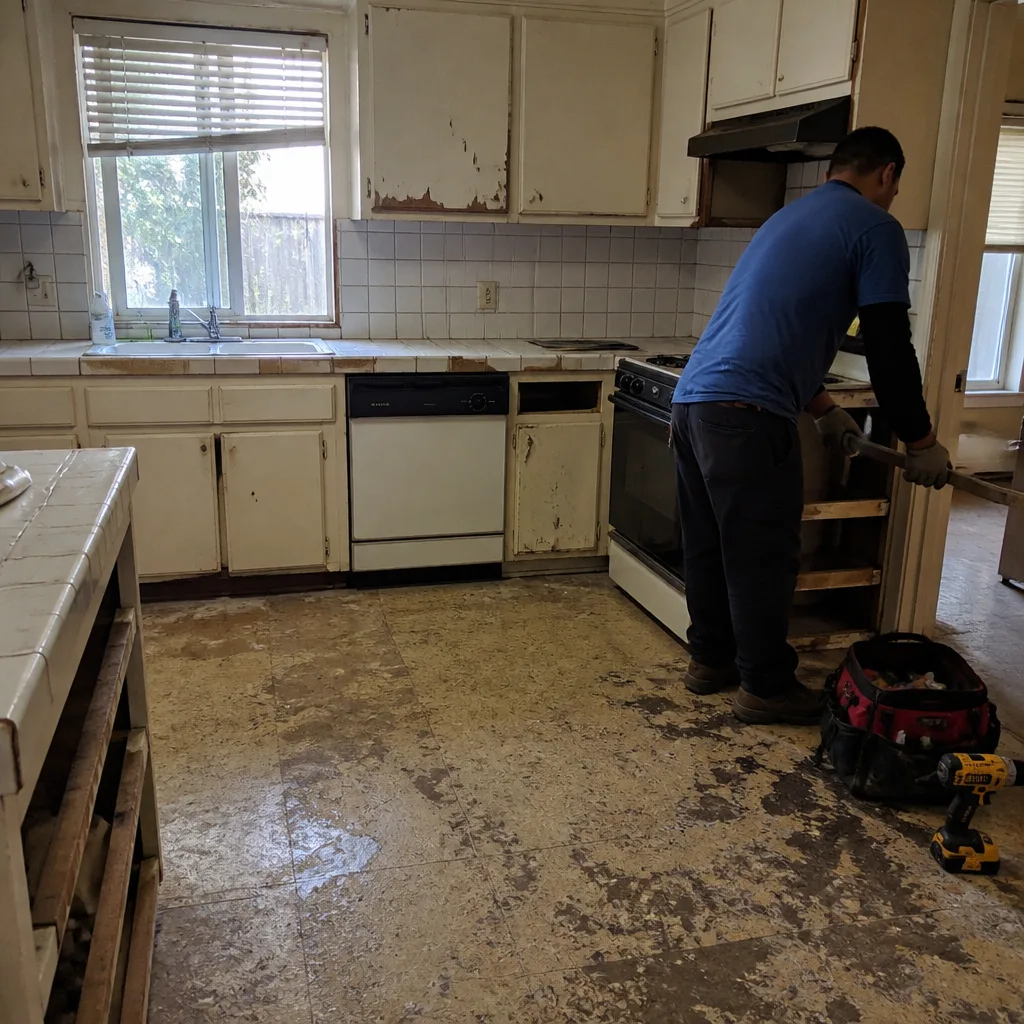 Before
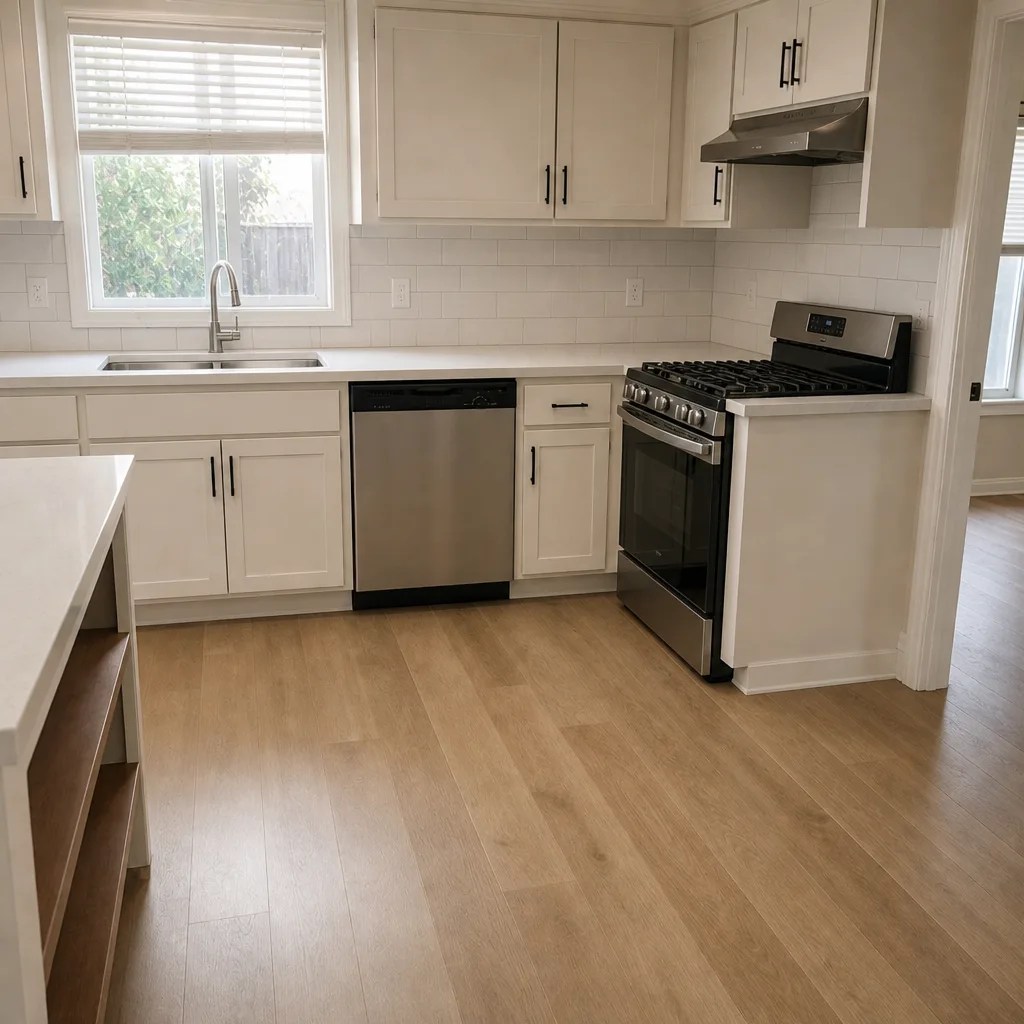 After
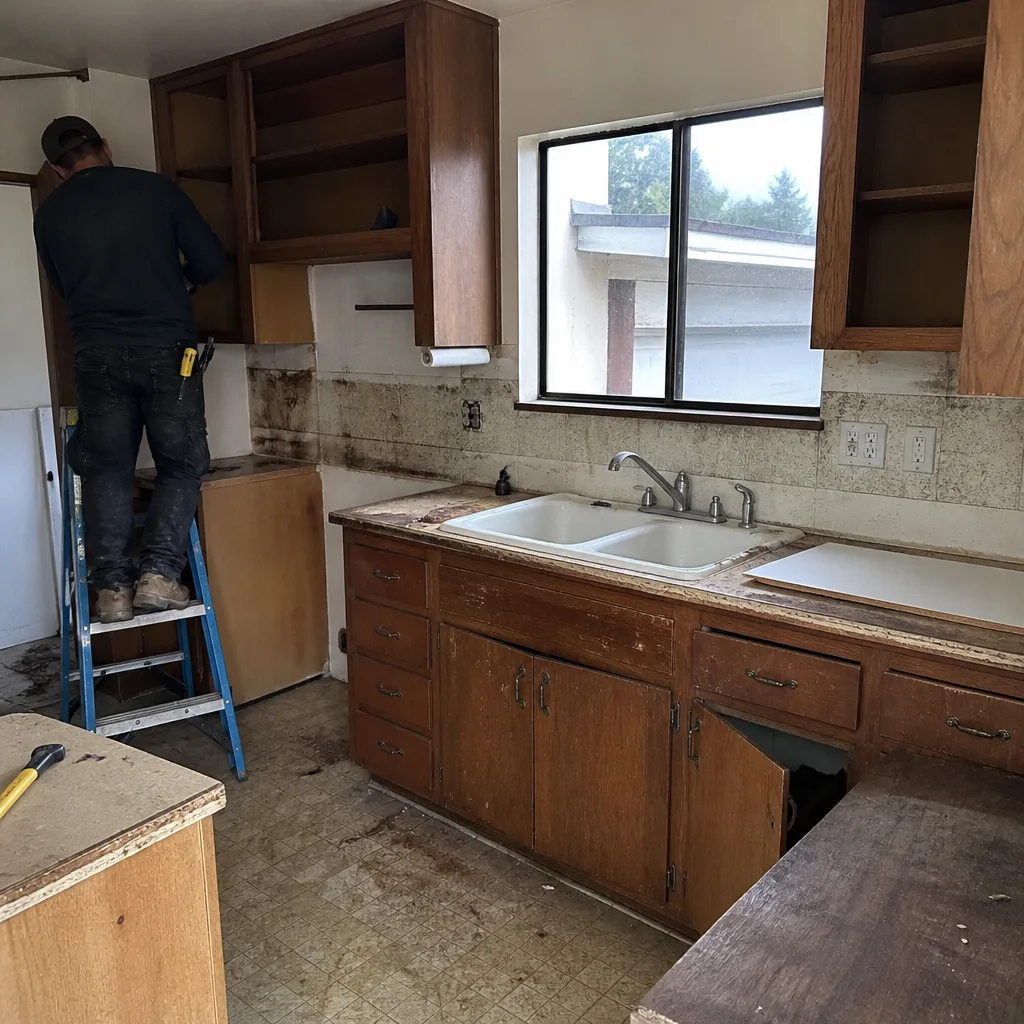 Before
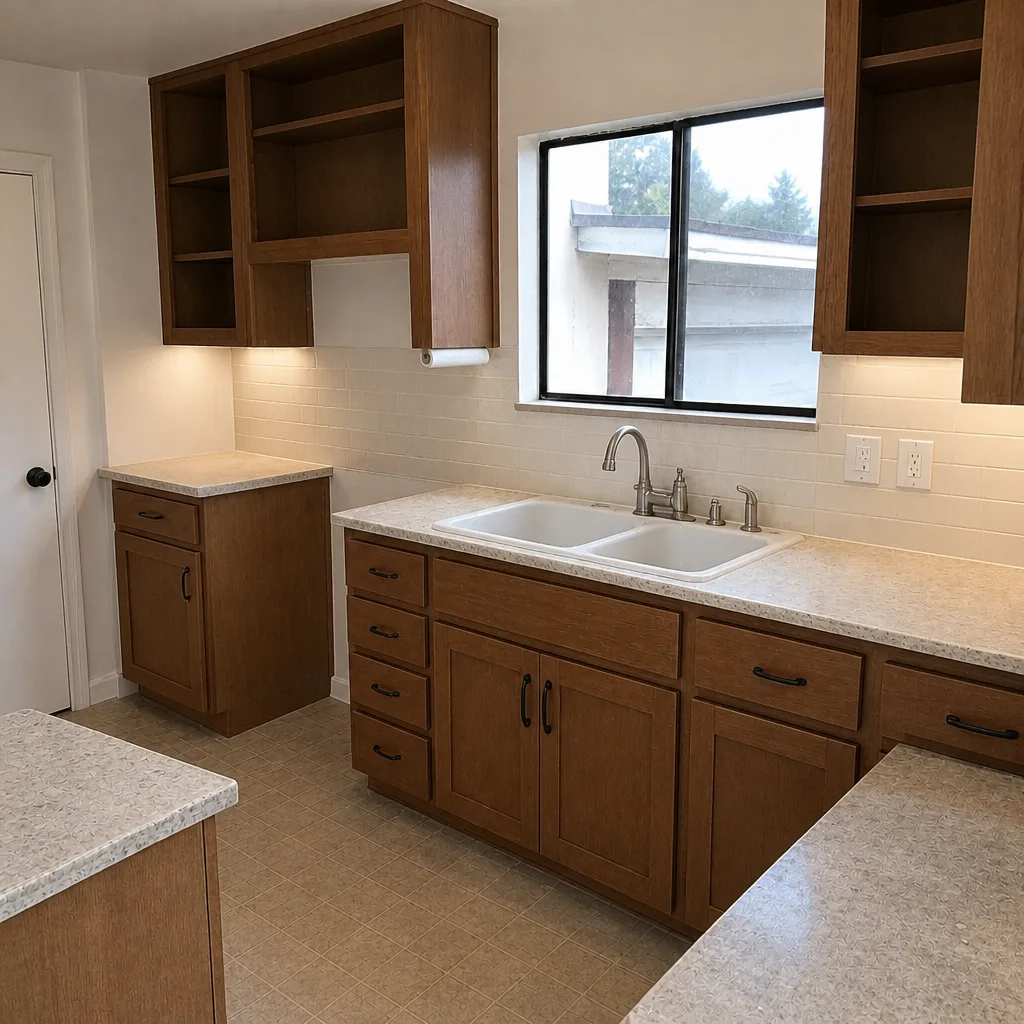 After
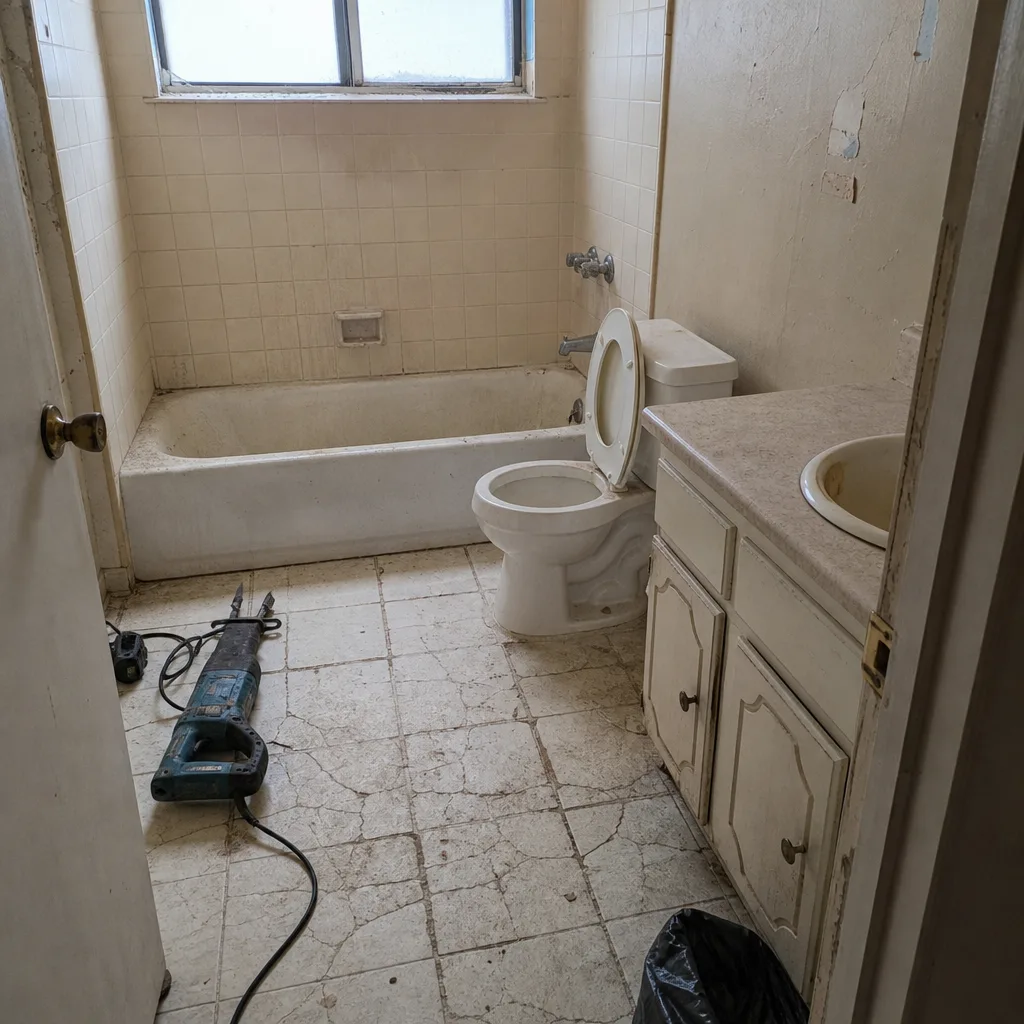 Before
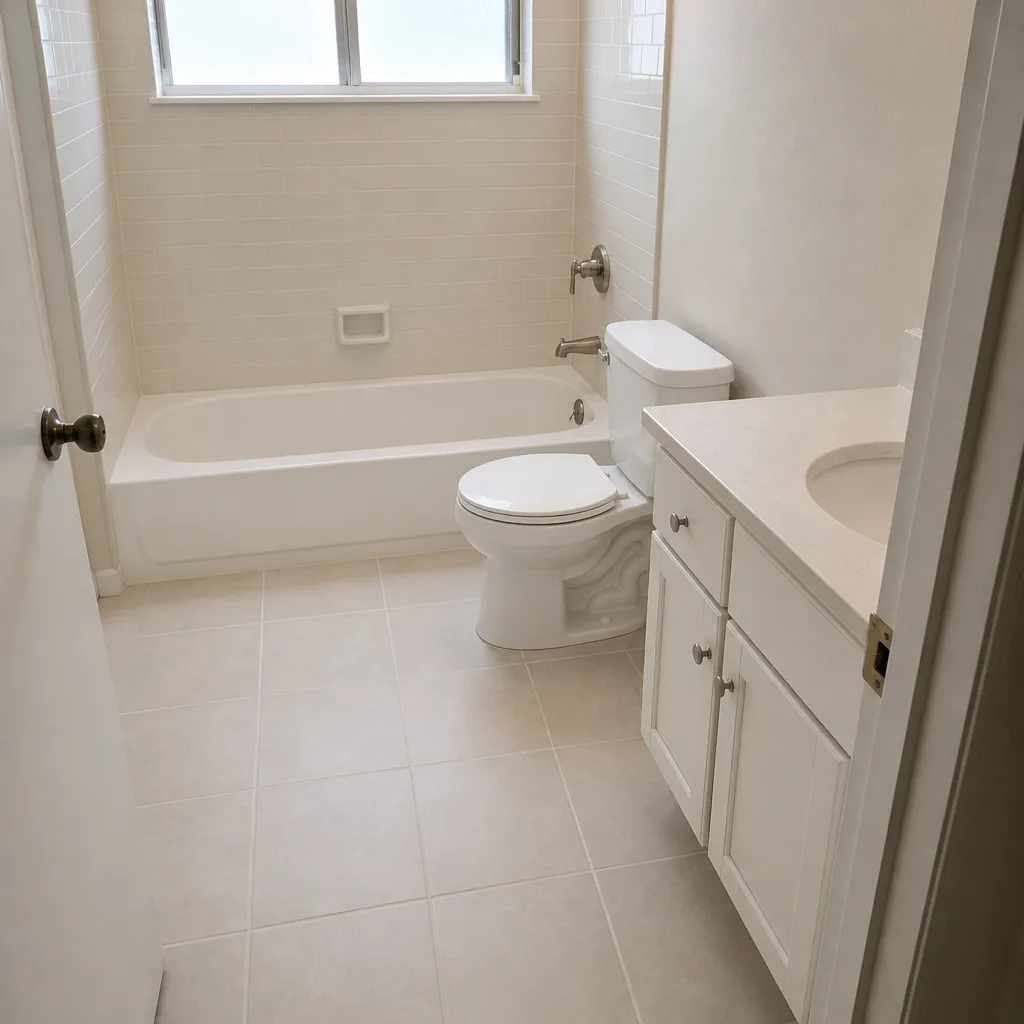 After
When to Call a Professional
Call a professional when you see two or more warning signs on the same opening, when a window or door’s operation has changed on a house with no prior issues, when you find staining or softness around the interior of a window or door, or when the condensation pattern points to wall cavity moisture. Call before you buy a new window if there’s any chance the frame or the wall is moving, because that decision changes the scope of the job entirely. If you’re not sure which category you fall into, that’s exactly what a professional estimate is for, and ours are free.
Groundwork Construction Co. of Lake Forest handles windows and doors as a full-scope project, from the structural inspection through the flashing detail and the interior finish. Our technicians have up to 12 years of experience, they’re background-checked and arrive in uniform, and we answer the phone with a live person 24/7 so you’re not waiting until Monday to get a question answered. Call us for a free estimate in Lake Forest at (855) 532-8973 and we’ll walk your openings with you before you commit to anything.
Frequently Asked Questions

The earliest reliable signs are a change in how a window or door operates (sticking, dragging, needing force) and a new sound, usually a rattle or whistle. Both typically show up a season before visible water damage, which is why an operation change is worth treating as an early warning rather than a minor annoyance. If you notice either, have a professional take a look before the next rainy season. Our estimate visits are free in Lake Forest; call (855) 532-8973.
Fogging between the panes means the sealed glass unit has failed, and it’s a cosmetic and energy issue rather than a water intrusion risk. The frame and wall are usually unaffected. It’s worth fixing for the thermal performance and appearance, but it isn’t urgent in the way that frame seal failure is. A quick interior wall check with the lights off will confirm the wall is dry. Call (855) 532-8973 for an exact quote on glass replacement or a full-unit repair; estimates are free.
A foundation or framing problem shows up as a progressive change on multiple openings on the same wall, along with interior trim cracks, unequal door or window diagonals, or a door that sticks in one season and frees in another. A single door that changes behavior once and stays stable is more likely a hardware issue. If you see the multi-opening pattern, have a structural or foundation professional look first, before you spend money on a new door. Call (855) 532-8973 to schedule a free estimate and we’ll help sort the sequence.
Not unless there’s a specific failure driving it. Age isn’t the deciding factor; condition is. A newer window with a failed glass seal can usually be repaired with a new insulated unit, while an older window with a solid frame and no draft may still have years of service left. The estimate should be based on what’s actually failing, opening by opening. Call (855) 532-8973 for a free, line-item estimate that tells you which openings need what.
A proper estimate includes the flashing and weather barrier detail, a line-item breakdown by opening, the specific brand and model for each unit, interior finish and trim repair, disposal, the permit scope, and a written workmanship warranty. If the quote you’re holding is missing the flashing detail or is priced by window count, it’s incomplete. Our estimates cover all of these and are backed by the 730-Day Done Right Promise. Call (855) 532-8973 to schedule yours.
With us, it shouldn’t. We quote by line item after inspecting the wall cavity and the flashing sequence, so the scope is known before the project starts, and the number you see is the number you pay. If we find unexpected damage (rot behind a frame, for example) during demolition, we stop and get written approval before adding any work. Call (855) 532-8973 for a free estimate and a written scope you can compare against any other bid.
The Bottom Line
Windows and doors give you a warning before they fail, and the warnings are readable if you know what you’re looking for. Fogging between panes is a failed glass seal: cosmetic, fixable, not urgent. Condensation on the room side with dry walls is a ventilation issue. Drafts, whistles, rattles, and clicks each point to a different component, and most of those are serviceable. The one signal that changes everything is a change in operation, especially on multiple openings, because that’s a framing or foundation message wearing a door costume. If you’re unsure which category you’re in, or you’ve seen two or more signs on the same opening, get a professional in before you spend money on replacement. Call Groundwork Construction Co. of Lake Forest at (855) 532-8973 for your free estimate. From the first walkthrough to the final inspection, we back our work with the 730-Day Done Right Promise, and we’ll tell you the truth about which window or door actually needs work.
Written by the team at Groundwork Construction Co. of Lake Forest.