Last updated November 18, 2026







Free written scope consultation - allowances, timeline, and change-order rules on paper before a single trade is scheduled
Bathroom Remodeling Warning Signs Every Homeowner Should Know
That soft spot near your toilet base isn’t “just old caulk.” It’s the first sentence in a subfloor replacement conversation. Caught early, it’s a few hundred dollars of repair work; ignored until after a remodel, it’s a five-figure tear-out. Most bathroom disasters we walk into around Lake Forest didn’t arrive overnight. They sent signals for weeks or months that homeowners missed or wrote off because nobody told them what to look for. This guide teaches you to read those signals: the tile crack that matters versus the one that doesn’t, what each bathroom smell is actually telling you, and the contractor bidding red flags that precede corners being cut.
Styles & brands we work with
- Kitchen remodeling
- Bathroom remodeling
- Home additions & ADU
- Roofing
- Windows & doors
- Driveway & pavers
- Fence
Quick Answer
The most important warning signs before a bathroom remodel are soft or bouncing floor spots near the toilet or tub, hairline cracks that follow tile grout lines in a stair-step pattern, a persistent musty smell that returns after cleaning, water stains on the ceiling below the bathroom, and a running toilet paired with a slow drain. During bidding, warning signs include lump-sum prices with no line-item detail, no explicit waterproofing scope, and any reluctance to pull permits. Post-remodel red flags include grout cracking within months, hollow-sounding tile, and water pooling at the shower curb.
Table of Contents
- Quick Answer
- 1. Soft Spots and Bouncy Floors Under Your Feet
- 2. Cosmetic Tile Cracking vs. Stress Fractures
- 3. The Smell Test: Mildew, Active Mold, or Sewage Gas
- 4. Why a Running Toilet and a Slow Drain Point to the Same Problem
- 5. Contractor Bidding Red Flags You Can Spot Before You Sign
- 6. The Permit Conversation (and Why Its Absence Is a Warning)
- 7. Post-Remodel Warning Signs That Workmanship Was Rushed
- Common Mistakes to Avoid
- When to Call a Professional
- Frequently Asked Questions
- The Bottom Line
1. Soft Spots and Bouncy Floors Under Your Feet
Press your heel into the floor near the toilet, tub, or shower base. It should feel solid, with no give. A slight flex, a spongy sensation, or a nail head pushing up through old vinyl usually means water has been reaching the subfloor for a while. Caulk hides the top layer of the problem; it doesn’t touch the plywood underneath.
In Lake Forest’s older tract homes, we’ve pulled up bathroom floors where the particleboard around a toilet flange had swelled and crumbled. Particleboard is unforgiving in wet zones: once it takes on water, it doesn’t dry out the way plywood will. It becomes mush. Under a tub, a two-inch strip of rotted decking can affect the entire tub surround, which is why a small repair done at the right time avoids a full rip-out.
Here’s the sequence that tells you the problem is real and not a single loose tile:
- Stand on the floor near the toilet base and shift your weight slowly. Note any give or bounce.
- Look for a slight tilt toward the toilet flange or against a wall – floors that slope are sending a clear signal about moisture.
- Check for a toilet that rocks when you nudge it. A rocking toilet is almost always a failed flange or a soft subfloor.
- Look for a caulk line that keeps reopening within weeks of being redone. That’s water moving under the surface, not a caulk quality issue.
Any combination of those four signs warrants opening a small access point and looking under the finish material before you commit to a remodel plan – because a bathroom remodeling project budget that starts with a subfloor replacement is a very different number than a cosmetic tile refresh. That’s one of the reasons we always recommend an exploratory inspection during a Groundwork Construction Co. of Lake Forest home bathroom consultation.
2. Cosmetic Tile Cracking vs. Stress Fractures
Not every cracked tile is a structural warning. Understanding which crack you’re looking at changes your decision entirely. A crack from a dropped hair dryer or a heavy tool is localized. It lives inside one tile, doesn’t travel into the grout lines, and can be replaced without a wider investigation.
A stress fracture looks different. Look for these patterns:
- Stair-step cracks: a crack that jumps from one tile to the next at a right angle, following the grout lines like a staircase.
- Cracking that appears across multiple tiles in a line: one tile’s problem is a tile problem; three tiles cracking along the same axis is a substrate problem.
- Hollow-sounding tile: tap a tile with the handle of a screwdriver. A dull, hollow thud means the tile has lost bond with the thin-set – it’s delaminating.
- Cracking around the shower floor and curb: this is where mortar bed preparation matters most, because the tile is bonded to a sloped bed, not flat subfloor.
In Lake Forest, we regularly see stress fracturing in bathroom floors of homes built in the 1980s and 1990s where the original floor joists have developed a small amount of deflection over time. The tile was never the problem: the floor beneath it flexed enough that the tile couldn’t hold. A cosmetic replacement adds fresh tile over the same flexing floor, and you’ll see the same cracks appear again in 18 to 24 months. This is why any responsible bid for a tile shower floor in Lake Forest should describe the substrate prep, not just the tile choice. If the bid lists tile but says nothing about backer board, uncoupling membrane, or mortar bed compaction, that’s a warning sign worth pushing back on.
3. The Smell Test: Mildew, Active Mold, or Sewage Gas
Your nose is a diagnostic tool in the bathroom, and each smell maps to a different level of concern. Homeowners often lump them all together as “musty,” which is why the problem goes unaddressed for months.
Mildew (mild)
Mildew is a surface film. It lives on the grout, the caulk, the shower curtain, and the paint near the ceiling. It smells like a damp basement but disappears after a bleach-based cleaning, and the smell doesn’t return within days. If a thorough scrub clears the room for weeks, you’re dealing with a surface-level humidity issue and better ventilation, not a hidden problem.
Active mold (serious)
Active mold inside the wall cavity smells heavier and earthier. The signal that matters: the smell comes back within 48 to 72 hours after you clean. That means there’s an ongoing moisture source feeding the growth – a supply line drip, a failed shower pan, or a slow leak at a valve. In Lake Forest’s tighter, well-sealed older bathrooms, poor exhaust fan performance is often the driver, pushing humidity into the wall cavity and feeding mold on the back side of drywall.
Sewage gas (urgent)
That rotten-egg or rotten-cabbage smell near the floor drain or toilet is not an old-caulk issue. It usually means a dried-out trap, a failed wax ring, or a venting problem. Sewage gas is a health hazard, not a repair you schedule for next quarter. Close the room to kids and pets and call a licensed plumber promptly.
Our rule of thumb in Lake Forest: a smell that clears and stays clear is humidity. A smell that returns within a few days is moisture. A smell that is sharp and rotten is a plumbing vent or seal failure. The distinction matters because it determines whether a bathroom remodeling scope needs a new exhaust fan (fine), a wall opening (necessary), or a plumber before we touch tile.
4. Why a Running Toilet and a Slow Drain Point to the Same Problem
They look like two separate nuisances. A running toilet is a flapper or fill valve issue. A slow shower drain is a hair clog, right? Often not. In our experience with Lake Forest bathrooms, they frequently point to the same underlying plumbing issue: aged, mineral-heavy cast iron or galvanized drain lines that have narrowed from buildup.
Here’s the reason: a running toilet puts a continuous trickle of water into the drain system. If the drain lines are partially obstructed by years of scale and buildup, that trickle doesn’t clear – it sits. That standing water accelerates corrosion from the inside, which is where pinhole leaks in cast iron drain pipes start. A slow drain and a running toilet together are often the best early signal you’ll get before a leak opens up under the floor or behind a wall.
Bathroom plumbing warning signs to take seriously in combination:
- A toilet that runs intermittently for more than a few days. The flapper is cheap to replace – spend the $8 and stop the trickle.
- A drain that has slowed over months rather than plugged suddenly. That’s buildup, not a hair clog.
- Water stains on the ceiling of the room below. In two-story Lake Forest homes, this often shows up in the ceiling of a first-floor hall or closet directly below the upstairs bathroom.
- A faint sewer smell at the floor drain after the toilet is flushed. That’s a venting or trap seal issue that has likely been developing for a while.
If two or more of those signs are present, plan for a camera inspection of the drain line before you commit to any fixture replacement budget. Replacing a vanity and a toilet is a few thousand dollars – replacing a drain line under a slab or through a finished wall is a different number, and you want to know before demolition starts, not after.
5. Contractor Bidding Red Flags You Can Spot Before You Sign
The most expensive bathroom remodeling mistakes in Lake Forest get made before a single tile is set – during the bidding process. The bid tells you almost everything about how the job will be run. Here is what to look for.
Red flag 1: A lump-sum price with no line-item detail
A single number on a single page is not a bid. It’s an estimate dressed up as a quote. A real bid lists fixtures, tile allowances, labor, waterproofing materials, plumbing rough-in, electrical, permit fees, and disposal as separate line items. With no line items, the only margin protection for the contractor mid-job is a change order – and the change order comes out of your pocket.
Red flag 2: No mention of waterproofing
Waterproofing is the single most expensive thing to get wrong in a bathroom, and it’s the item most likely to be invisible in a bid. If the scope says “install backer board and tile” but doesn’t name a waterproofing membrane system, ask directly: “What waterproofing product is being installed on the shower walls, the shower floor, and the bathroom floor around the tub?” The answer should be a specific product, not a generic sentence.
Red flag 3: Skipping the permit conversation
Any bid that doesn’t mention pulling permits for plumbing, electrical, or a shower pan replacement is a warning. See the next section for why.
Red flag 4: A timeline that ignores dry time
Waterproofing membranes and mortar beds have cure schedules. A bid that promises a full shower tile job completed in three days from tear-out to grout is either skipping steps or planning to work around the membrane manufacturer’s requirements. Ask any bidder how many days are built in for membrane cure before tile starts.
Red flag 5: Pressure to sign today
Real bids don’t expire in 24 hours. A contractor confident in the work gives you time to think.
These five checks save more money than the price difference between the lowest and second-lowest bid. That matters because the real number homeowners pay isn’t the bid – it’s the bid plus change orders. No-hassle upfront pricing, where the number you see is the number you pay, is the way to avoid that spiral entirely.
6. The Permit Conversation (and Why Its Absence Is a Warning)
Permits aren’t bureaucracy. They’re your insurance policy on the part of the job you can’t see. In Lake Forest, a bathroom remodel that moves any plumbing fixture, changes any electrical circuit, or replaces a shower pan typically requires a permit and inspection. When a contractor tells you permits are “not needed” for a full gut remodel, that contractor is signaling one of three things: they don’t know the code, they’re trying to save time, or they’re trying to save money on their end.
What the permit buys you specifically:
- An independent inspection of plumbing and electrical rough-in – before it’s buried behind tile and drywall, where hidden problems live.
- A record at the city that changes were made. That record matters when you sell the house. A bathroom remodeled without permits can complicate a home sale and, in some cases, require the buyer to demand retroactive permitting.
- Code-compliant exhaust and ventilation. Bathroom exhaust must vent to the exterior, not into the attic. In Lake Forest’s climate, venting into an attic space creates a moisture problem there that you won’t discover until the ceiling below starts to stain.
Ask the question directly at bid: “Which permits does this scope require, and who is pulling them?” A contractor who pulls their own permits is accountable to the inspector, and that accountability is worth real money to you. The alternative – a handshake arrangement where nobody files paperwork – is exactly the arrangement that leads to five-figure tear-outs two winters later.
7. Post-Remodel Warning Signs That Workmanship Was Rushed
Remodels don’t just have pre-construction warning signs. They have post-construction warning signs too, and homeowners who don’t know what to look for discover them a year or two later when the warranty on the work has expired. The window matters: many of these problems are cheap to fix in the first 90 days and expensive to fix in year three.
Waterproofing failure signs
- Grout cracking within the first 6 to 12 months in the shower. Some initial settling happens; widespread cracking across the shower floor and walls usually means the substrate flexed, which points to a missed uncoupling or pre-slope issue.
- Hollow-sounding tile in the shower. Tap a tile with a screwdriver handle. A dull sound with movement in the tile means it’s coming loose from the thin-set – a sign of missed membrane coverage or a poorly compacted mortar bed.
- Water pooling at the shower curb or drain. Shower floors must slope to the drain. A floor that holds water is a pre-slope problem and will eventually rot the mud bed underneath.
- Efflorescence: white chalky powder pushing out from grout lines. That’s a moisture pathway through the mortar bed, not a cleaning problem.
- Dark grout or grout that stays damp long after the shower shuts off. That’s moisture trapped behind the tile. It’s one of the earliest signs a waterproofing layer is failing.
Mortar bed preparation signs
- Lippage: uneven tile edges that you can feel with a finger. Some is normal; more than a 1/32-inch difference across edges indicates rushed installation.
- Grout that crumbles in the joints. Failed grout usually means the tile bonded poorly to a dirty or improperly prepped substrate.
- Caulking at the shower-to-wall joint that opens up within months. A new opening here usually reflects movement, not caulk quality.
Here’s what to do with any of the above: document it with photos and dated notes, submit the issue in writing to the contractor within the first year, and confirm in writing that the workmanship warranty is in effect. A real warranty covers these items. A 730-Day Done Right Promise means if the workmanship fails, the contractor comes back and makes it right – not that they send a note telling you to re-grout it yourself. That long a workmanship window is rare in the residential construction space, which is exactly why we hold to it: post-remodel inspection is where trust is proven, not just described.
Common Mistakes to Avoid
- Treating soft spots as cosmetic. That spongy floor near the toilet is a water-damage signal. Painting over it, caulking over it, or tiling over it delays the problem and expands the cost. A $400 subfloor repair becomes a $4,000 tear-out once the rot spreads under the tub.
- Replacing cracked tile without investigating the substrate. If the cracks followed grout lines across more than two tiles, the floor is flexing. New tile over the same substrate will crack in the same pattern within two years.
- Choosing a bid by the bottom line alone. The lowest bid is often the shortest scope, with waterproofing, permits, and disposal quietly left out. Compare line-item to line-item, not total to total.
- Missing the permit conversation. In Lake Forest, an unpermitted bathroom remodel can surface as a home-sale complication three to seven years later. Ask who pulls the permits before you sign anything.
- Assuming a running toilet doesn’t matter. A running toilet over weeks can put enough water into aging drain lines to accelerate corrosion and cause a leak inside a wall. It’s an $8 flapper or a $3,000 wall repair – replace the flapper.
- Ignoring smells that return after cleaning. Mildew clears and stays clear. Active mold returns within 48 hours. Sewage gas is urgent. Each diagnosis has a different repair in front of it, and a quick whole-room scrub hides the difference.
- Not documenting completion photos. Ask for photos of the waterproofing layer before tile goes on, and of the mortar bed before the drain is set. Those photos are your proof in year two if the marble starts to effloresce.
The other habit worth building into any bathroom remodeling plan in Lake Forest is a note of your home’s plumbing layout before demolition starts. Which fixtures share a wall cavity? Which drain runs down through the floor? A plumber who arrives at a blank slate charges more than one who arrives to a clear drawing of what’s under the floor.
When to Call a Professional
Call a licensed professional before you schedule a remodel if any of these apply: a soft or bouncy floor near the toilet or tub, a persistent musty smell that returns within days of cleaning, a sharp sewage smell near the floor drain, water stains on the ceiling below the bathroom, cracks that have spread across more than two tiles, or a toilet that rocks when nudged. Those are all warning signs that the bathroom needs investigation before it gets a design. Also call if you’re weighing a project and want the substrate and plumbing inspected as part of the estimate. Groundwork Construction Co. of Lake Forest offers free estimates in Lake Forest – call (855) 532-8973, and a live person answers 24/7.
If your project stretches past the bathroom – a full addition, a room above the garage, or an ADU – we also handle Home Additions & ADU in Lake Forest, and the same upfront pricing and 730-Day Done Right Promise apply. If the exterior of the home needs attention once the bathroom is done, we cover Fence Installation in Lake Forest and Driveway & Pavers in Lake Forest as well. From foundation to finish line, one licensed team handles the whole project.
Frequently Asked Questions
The fastest check is pressing a heel into the floor near the toilet base and nudging the toilet gently to see if it rocks. A soft floor or a rocking toilet means the subfloor or the wax ring has failed – both fixable cheaply if you catch them early.
A full bathroom remodel in Lake Forest typically runs between $18,000 and $35,000 for a standard 5×8 or 5×9 layout, depending on tile choices, fixture brands, and whether plumbing lines move. Cosmetic refreshes run lower; large-primary-suite bathrooms with a wet room or curbless shower run higher. Call (855) 532-8973 for an exact free estimate – we quote line-item detail on every scope, and the price you see is the price you pay.
A crack confined to a single tile with no travel into grout lines is usually cosmetic. A crack that stair-steps across multiple tiles, or a tile that sounds hollow when tapped, points to a substrate or substrate-flex problem that needs inspection before retiling.
Yes. Every bathroom remodel that touches plumbing, electrical, or a shower pan gets the permits it needs, and we’re accountable to the inspection. That permit record also helps if you sell the home, because unpermitted bathroom work can complicate a real estate transaction. Background-checked, uniformed technicians handle the work, and we keep you posted on the inspection schedule.
A smell that returns within 48 to 72 hours of cleaning is not a mildew problem – it’s active mold fed by an ongoing moisture source, usually a failing shower pan, a supply line drip, or an exhaust fan venting poorly. Close the room, find the moisture source, and schedule an inspection.
Ask four questions: What waterproofing product are you installing, and where? Who pulls the permits? How many days are built into the schedule for membrane or mortar cure before tile starts? And can I see photos of the waterproofing layer before tile goes on? The answers – or the hesitations – tell you exactly what kind of project you’re about to run. Call (855) 532-8973 to compare a Groundwork Construction Co. bid against anyone else’s.
Yes. Watch for grout cracks that spread across the shower floor within the first year, hollow-sounding tile, water pooling at the shower curb, and white efflorescence pushing from grout lines. Any of those within the first 12 to 24 months suggests the waterproofing or mortar bed preparation missed a step. A written workmanship warranty should cover the fix – our 730-Day Done Right Promise is one of the longest in the residential construction space.
The Bottom Line
Bathroom remodeling warning signs are never subtle once you know the pattern. A soft floor, a stair-step crack, a smell that keeps returning, a running toilet that never got a new flapper: each is a small signal that gets expensive when ignored. The bid is where the biggest warning signs live, because a vague scope, absent waterproofing language, and no permit conversation all predict the problems you’ll find in the finished room. Check the signs before you sign; inspect the substrate before you tile; hold your contractor to a written warranty that lasts through year two. When you’re ready for a project that reads clear from estimate to final walkthrough, Groundwork Construction Co. of Lake Forest is here to walk you through it.
Call (855) 532-8973 to schedule your free estimate and design consult. We answer live, 24 hours a day, seven days a week. Upfront pricing, no surprises, and $1,000 off projects over $10,000 – plus 0% financing for 18 months to make a full bathroom overhaul fit your plan.
Written by the team at Groundwork Construction Co. of Lake Forest.
See the difference
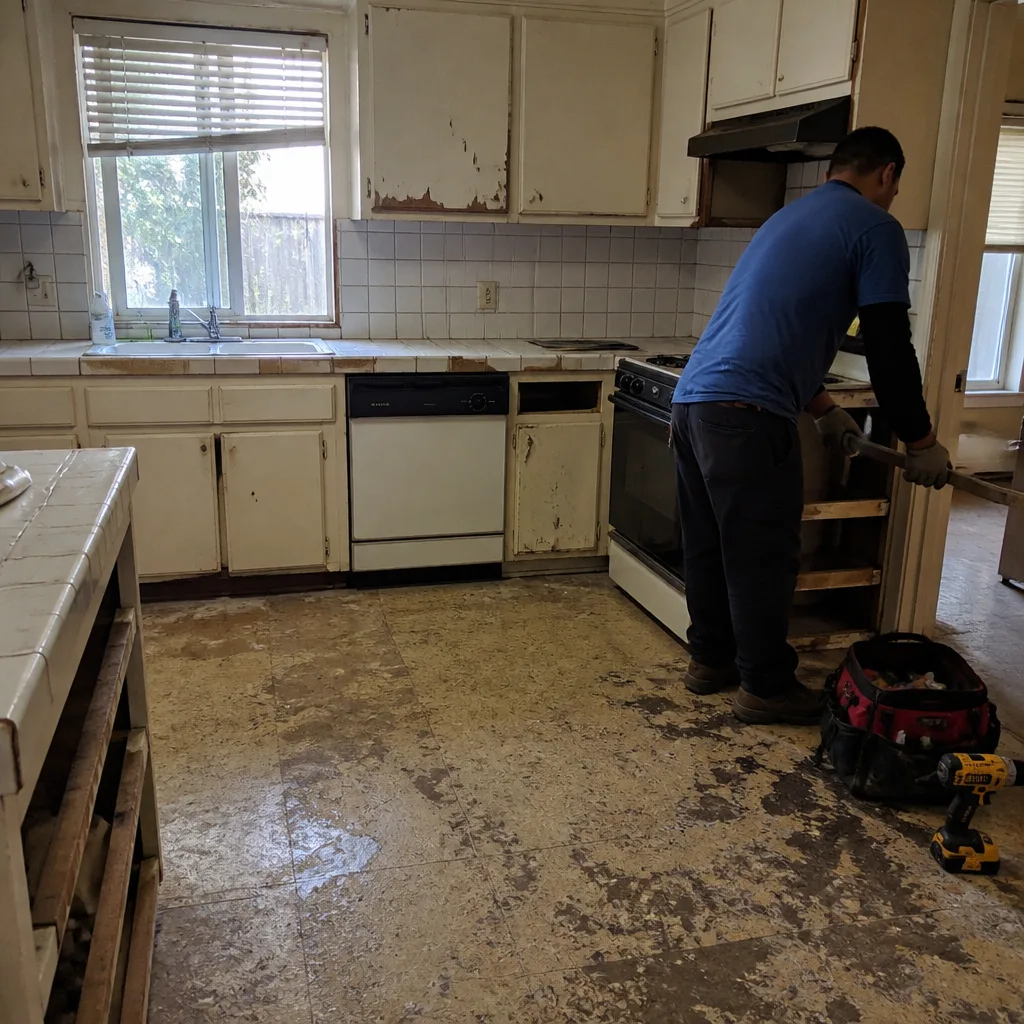 Before
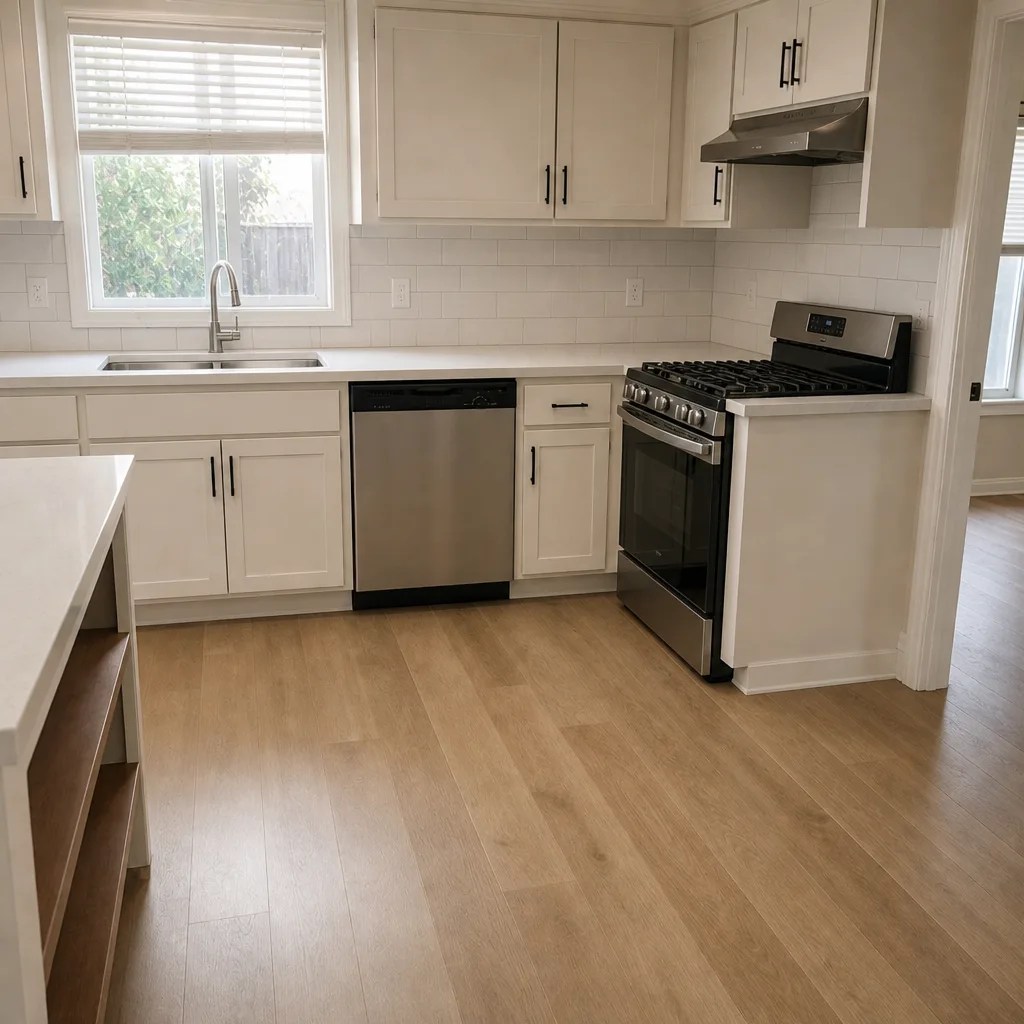 After
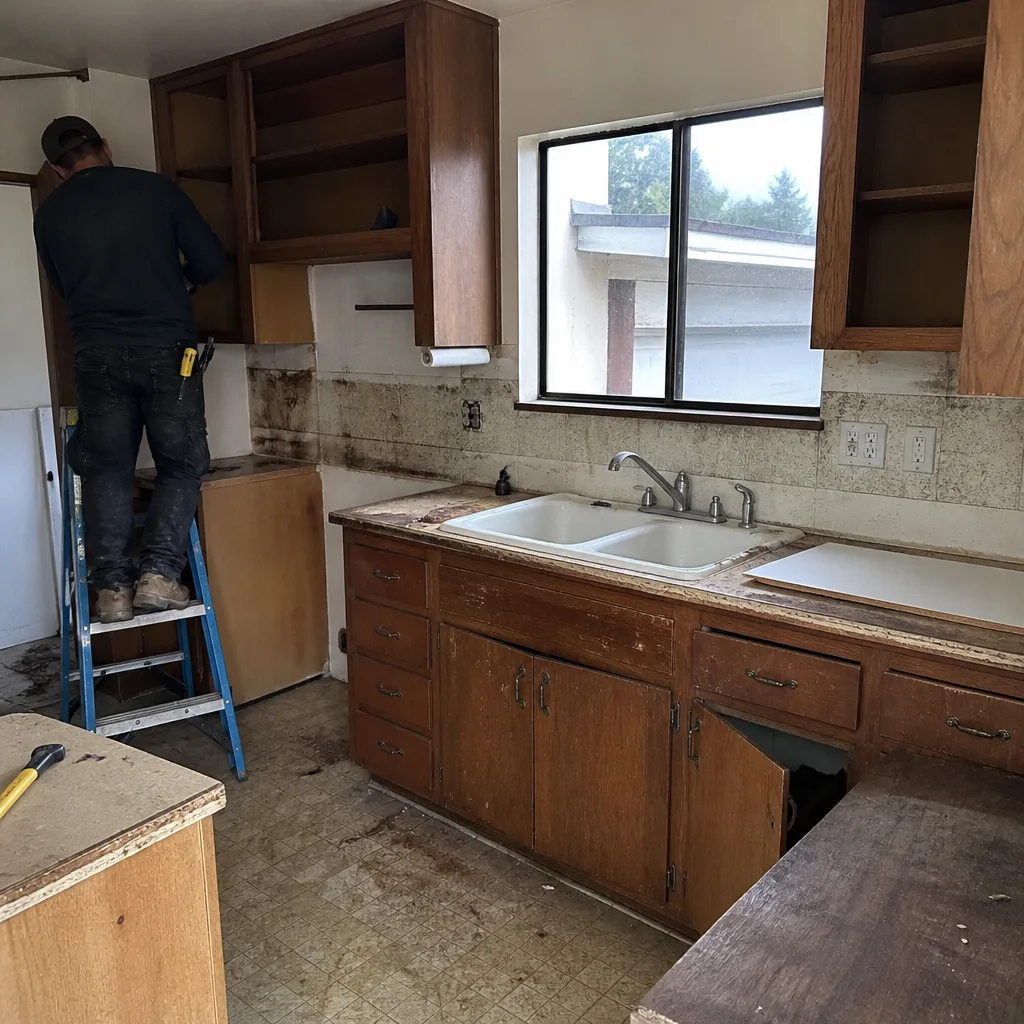 Before
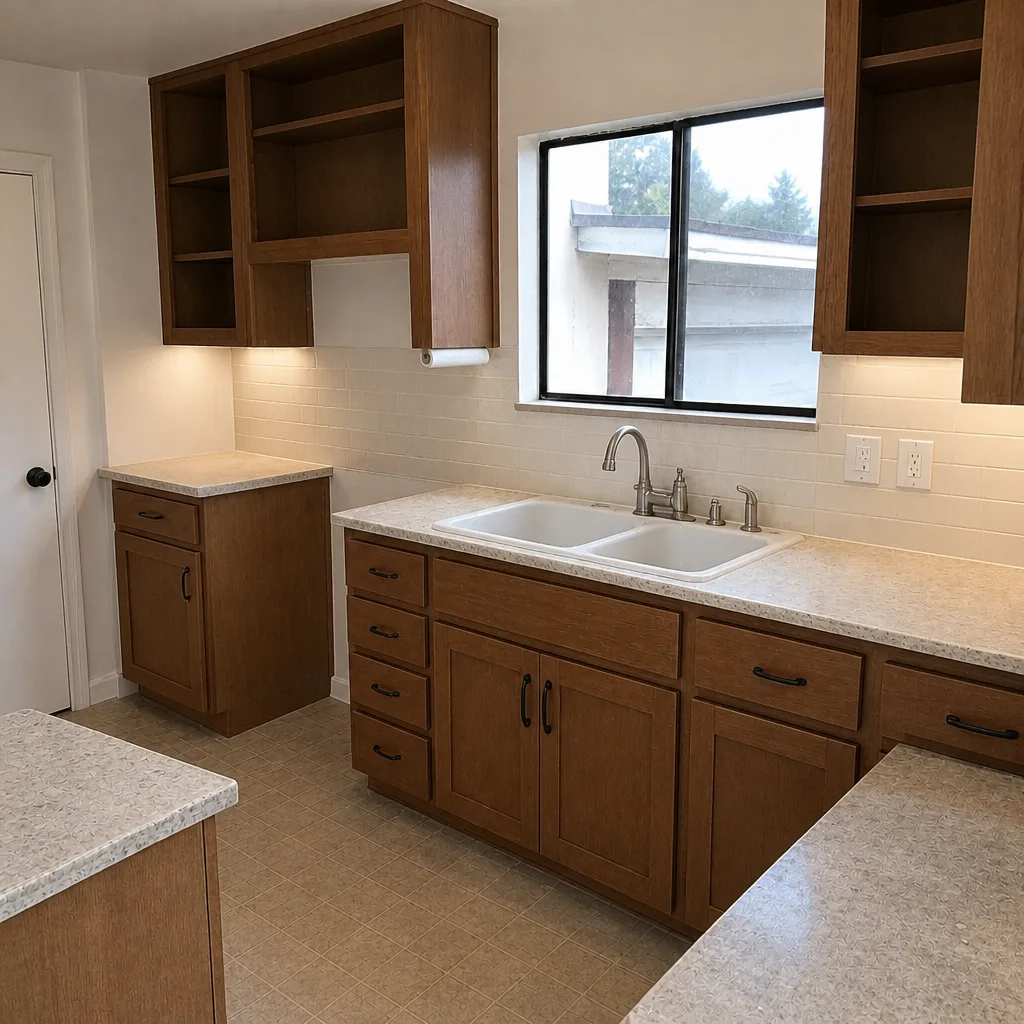 After
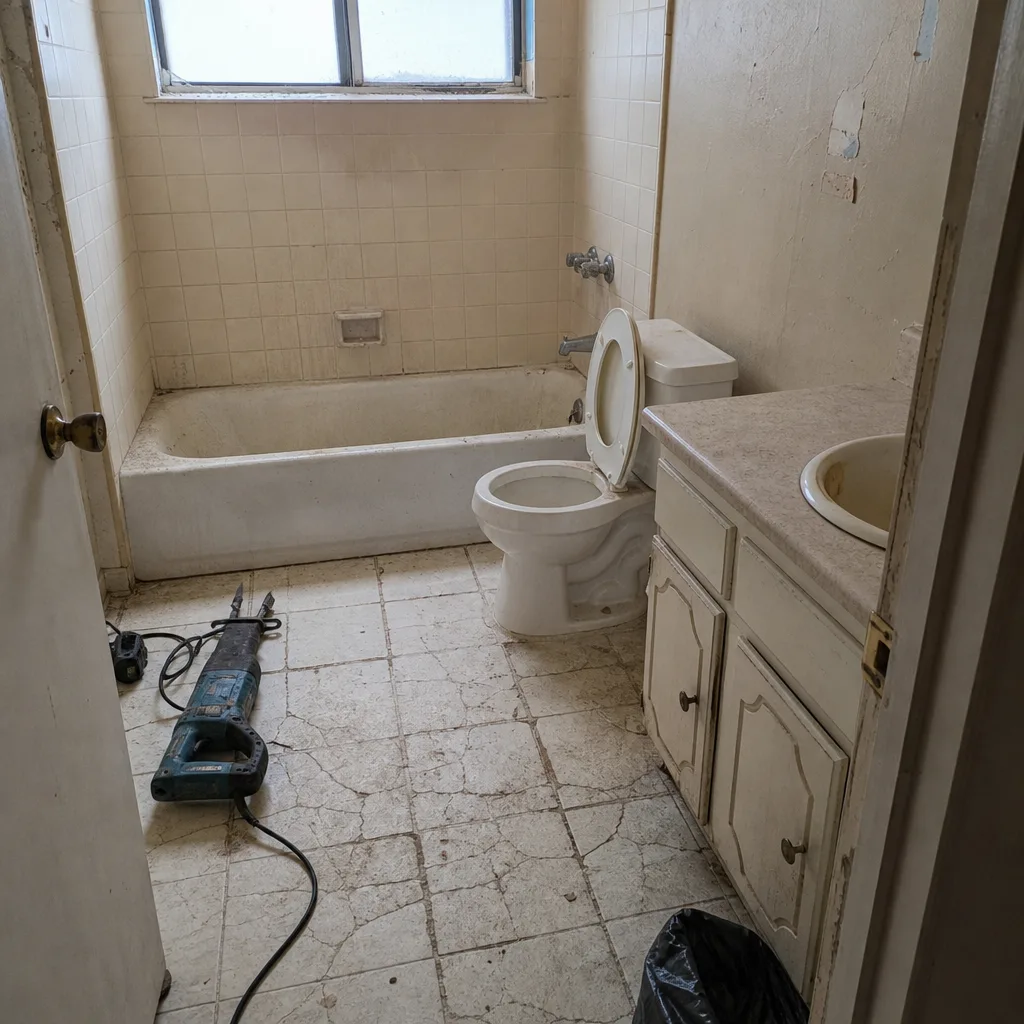 Before
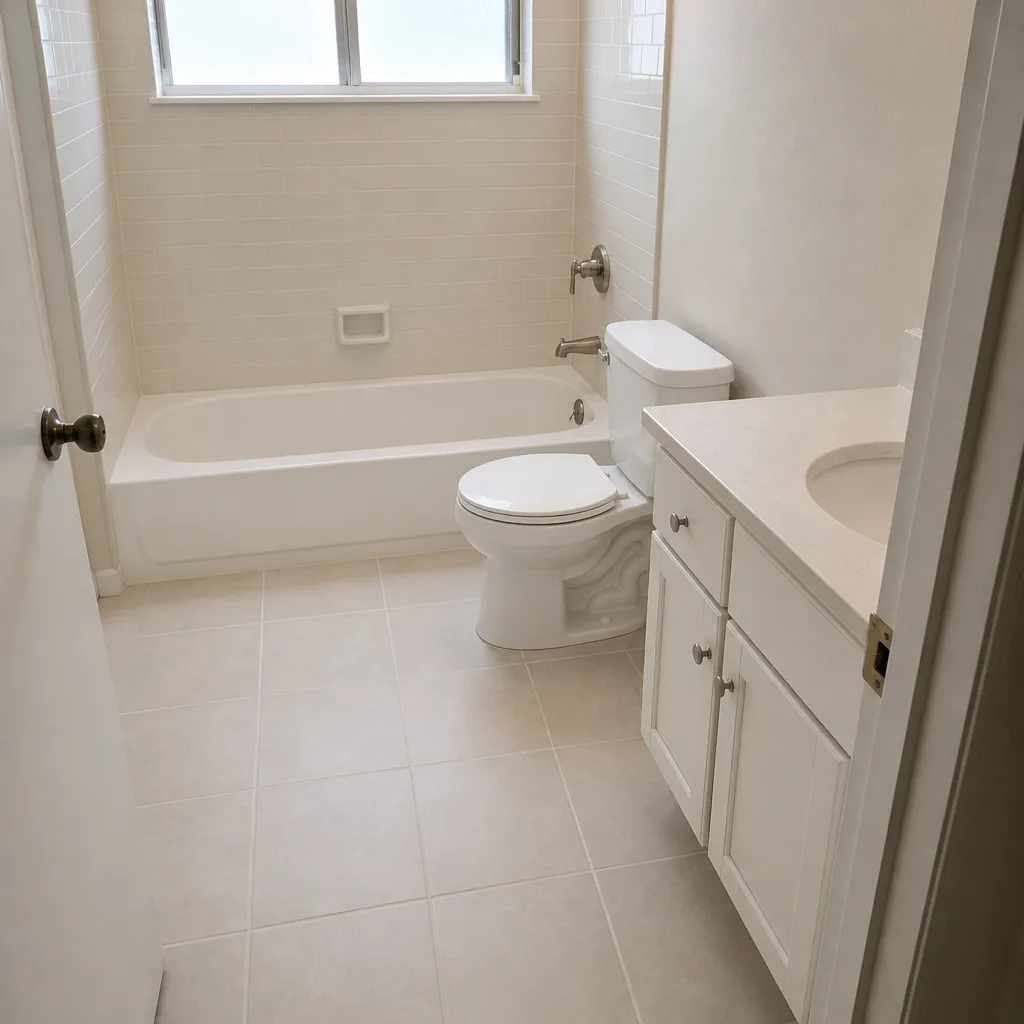 After