Free written scope consultation - allowances, timeline, and change-order rules on paper before a single trade is scheduled
Styles & brands we work with
- Kitchen remodeling
- Bathroom remodeling
- Home additions & ADU
- Roofing
- Windows & doors
- Driveway & pavers
- Fence
See the difference
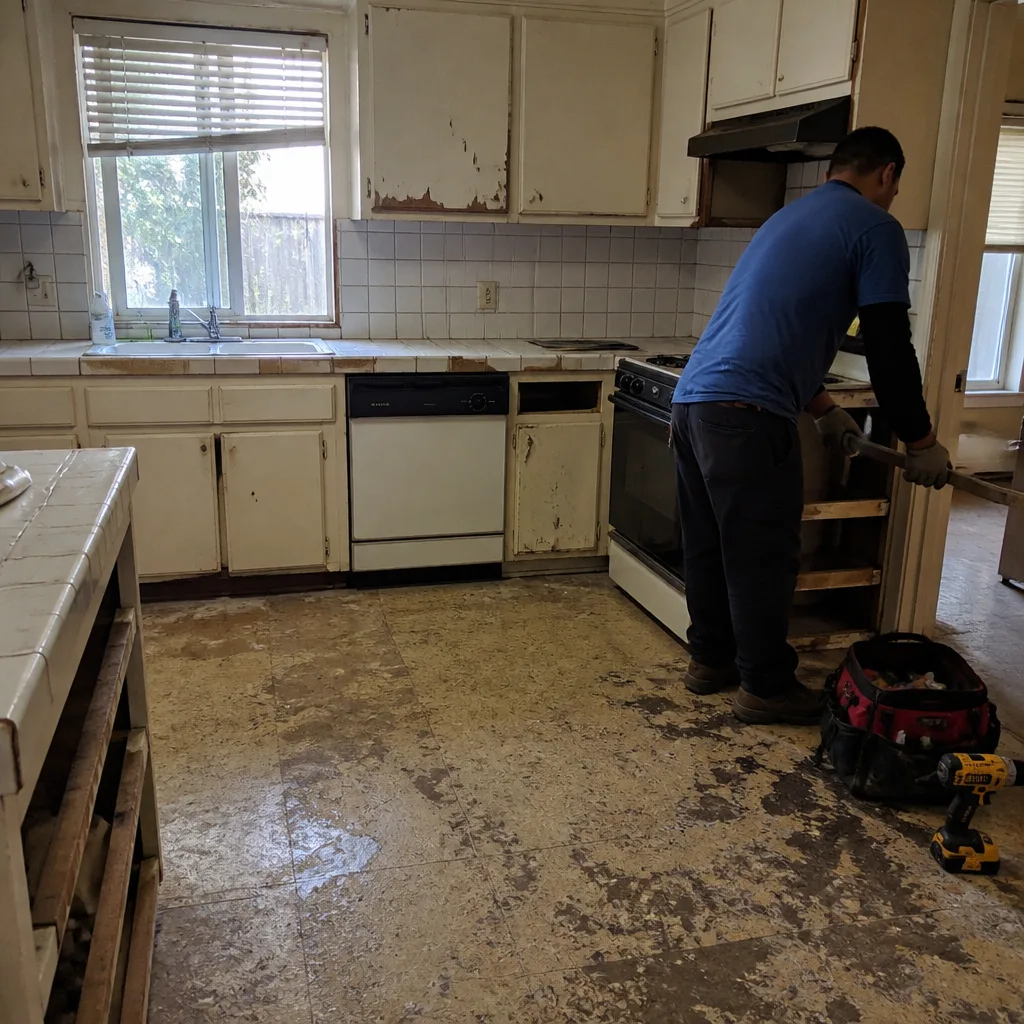 Before
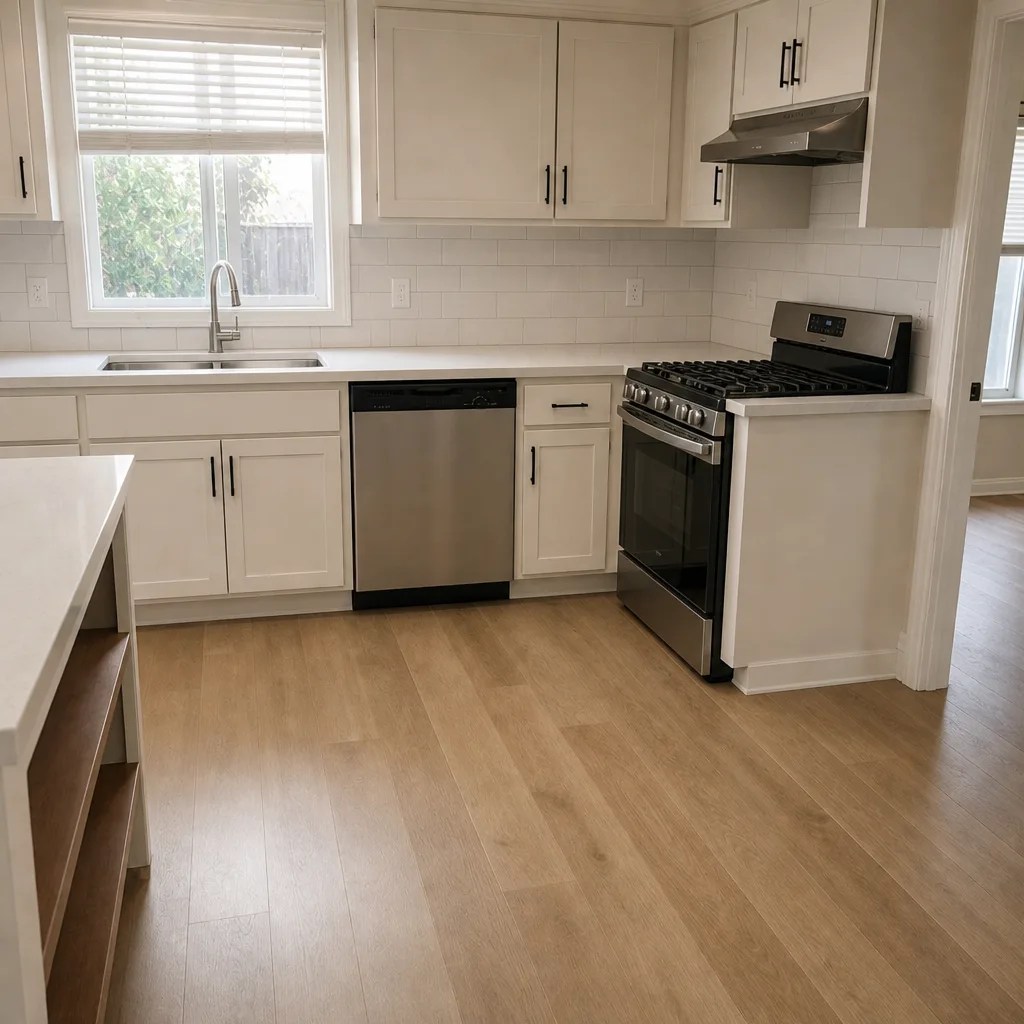 After
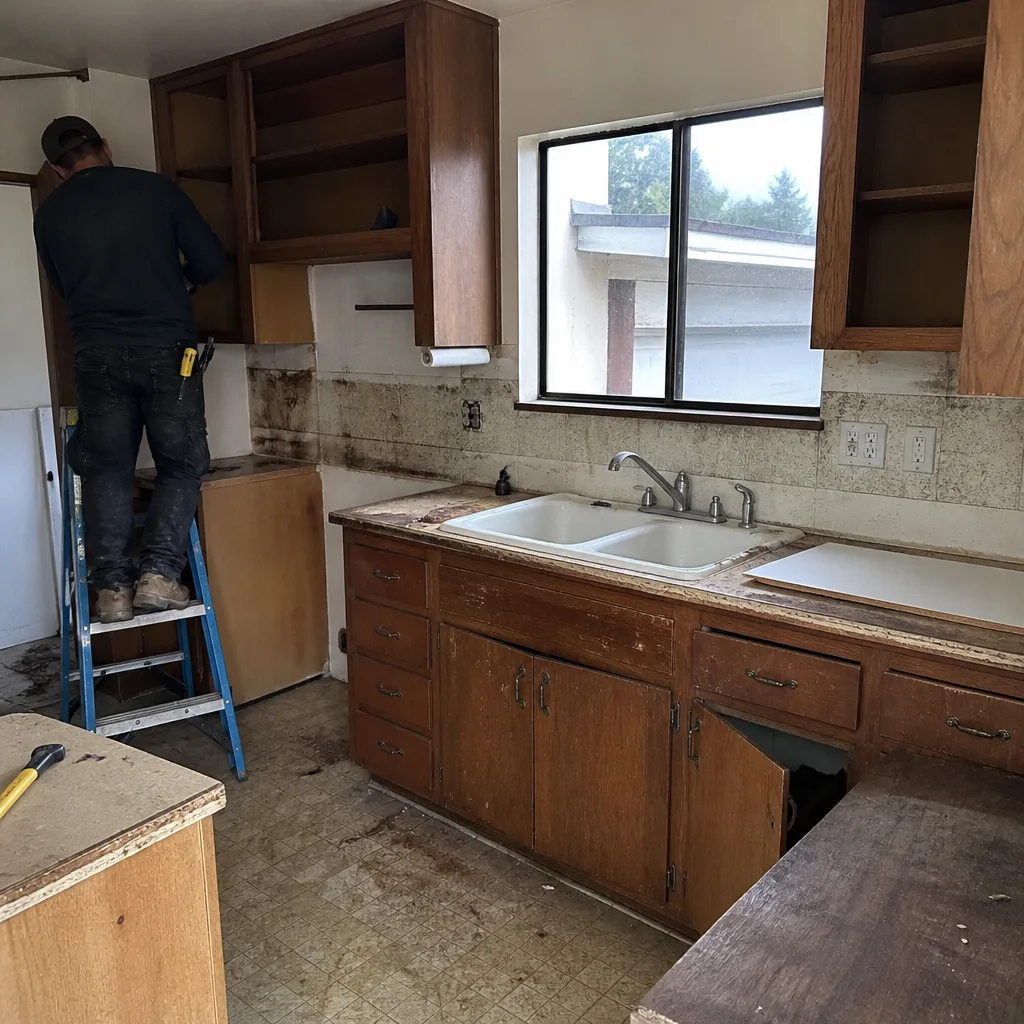 Before
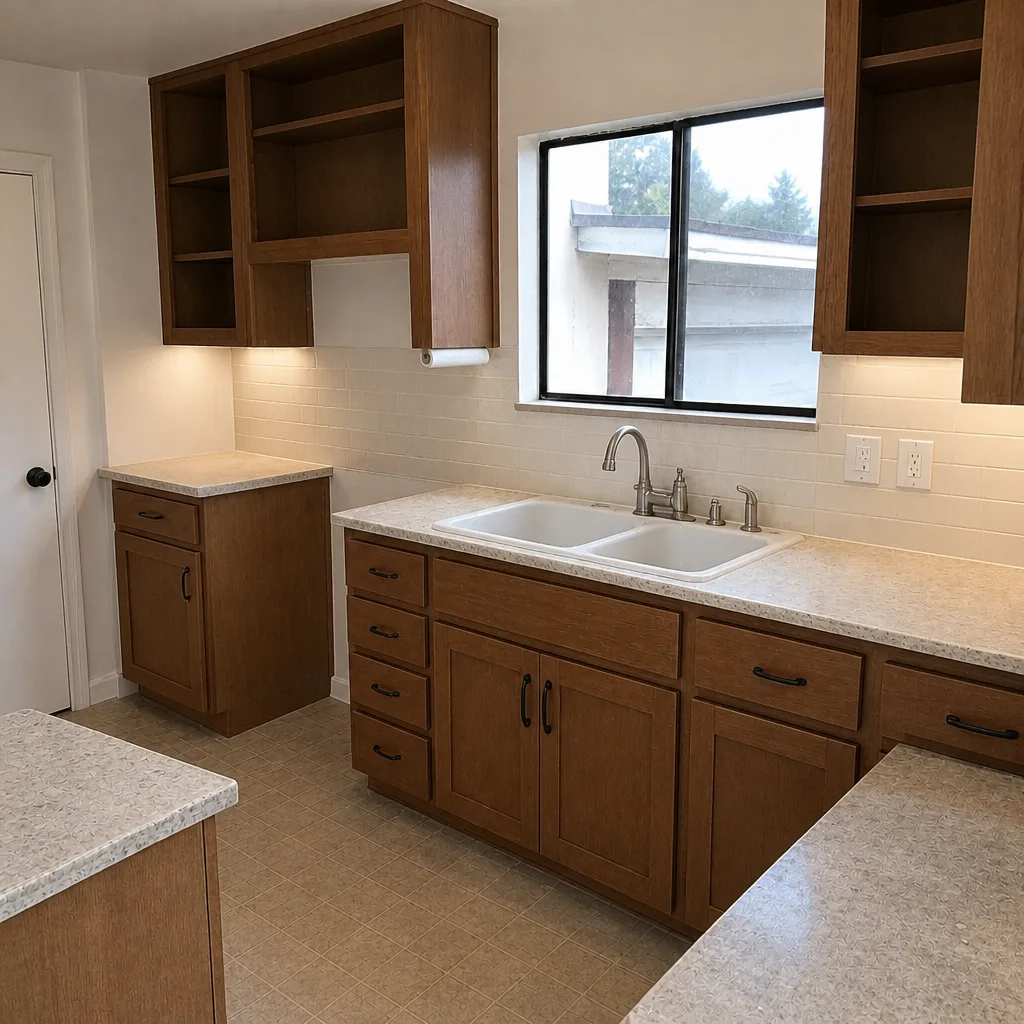 After
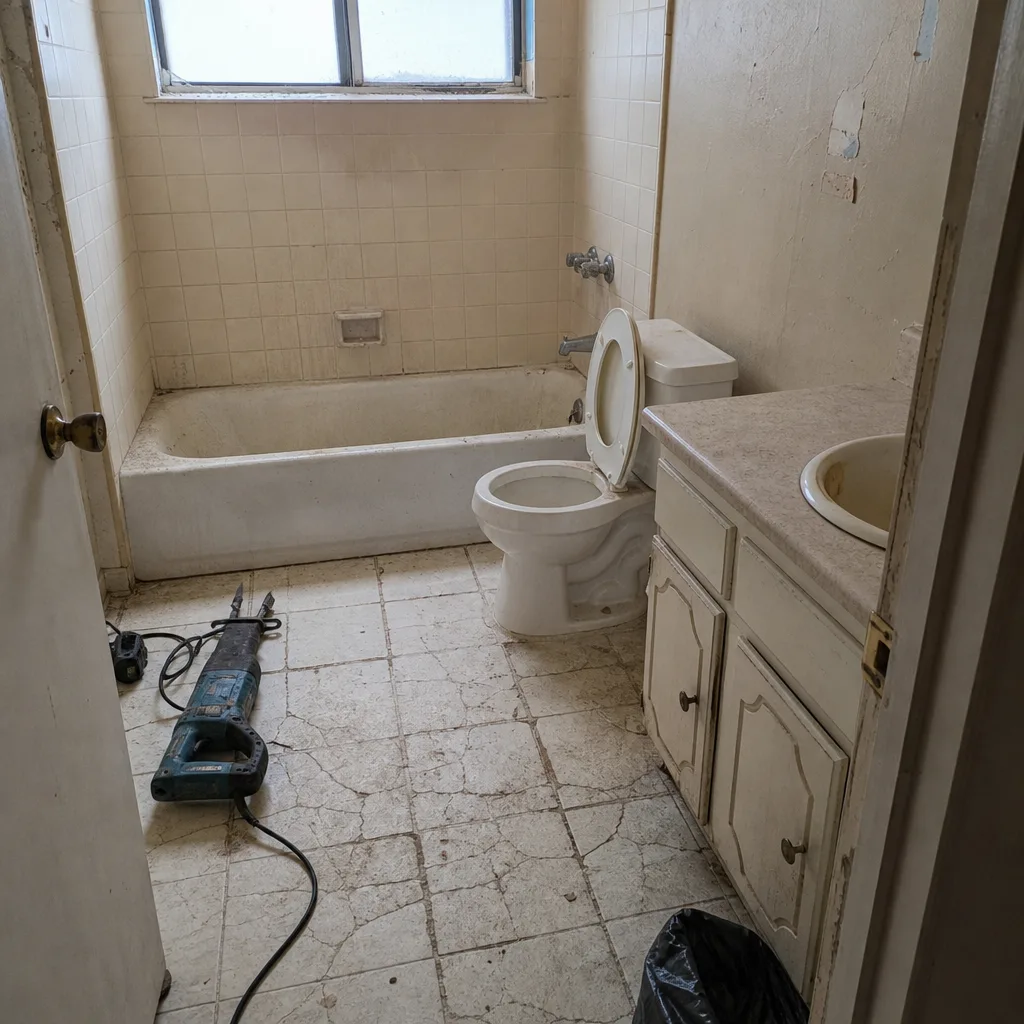 Before
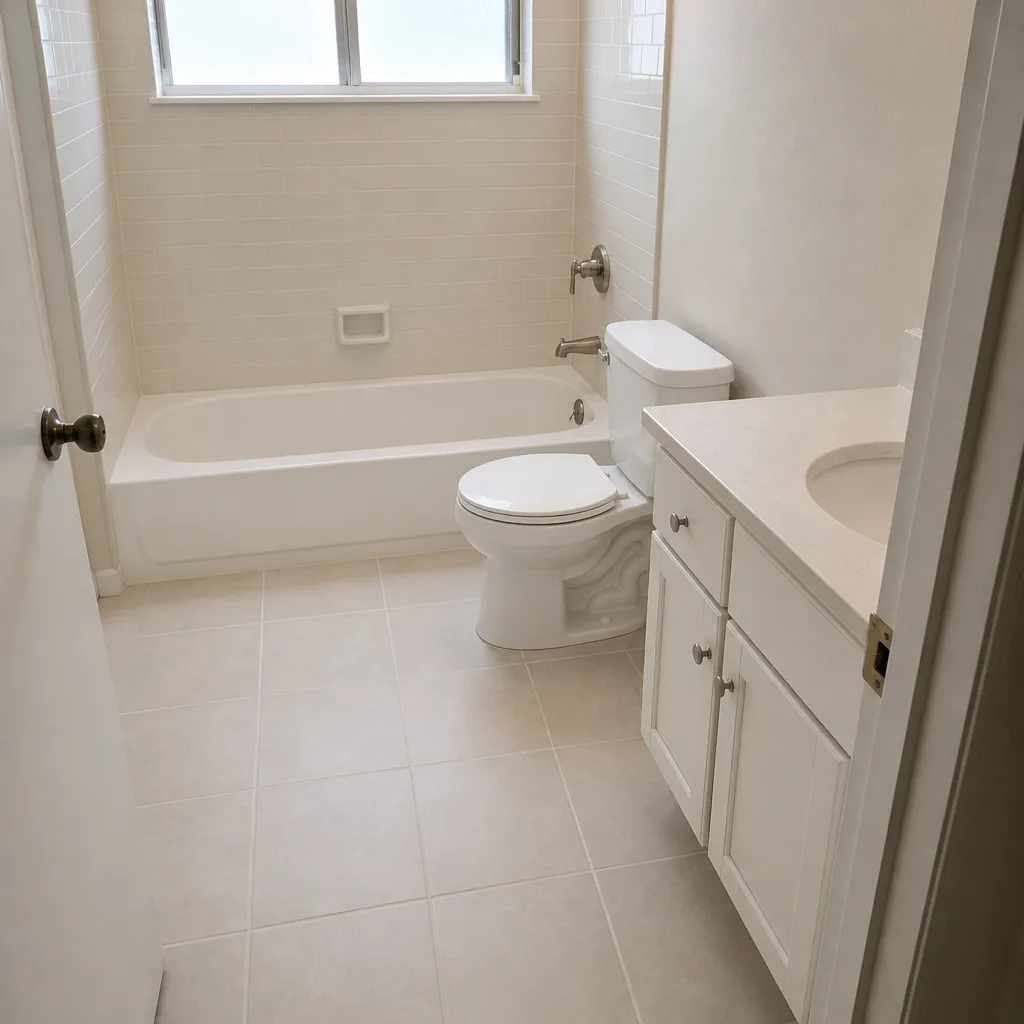 After
Do Energy Efficient Windows Save Money in Lake Forest, CA?
Yes, energy-efficient windows save money in Lake Forest, but not the way the national savings calculators promise. In our semi-arid inland climate, the savings come almost entirely from cutting summer cooling load, not winter heating, and the payback depends far more on the glass spec you choose than on the window frame. Pick the wrong solar heat gain coefficient and you can spend several thousand dollars and save almost nothing. Pick the right one for Climate Zone 10, and the numbers move quickly. Call (855) 532-8973 for a free estimate with a written energy projection.
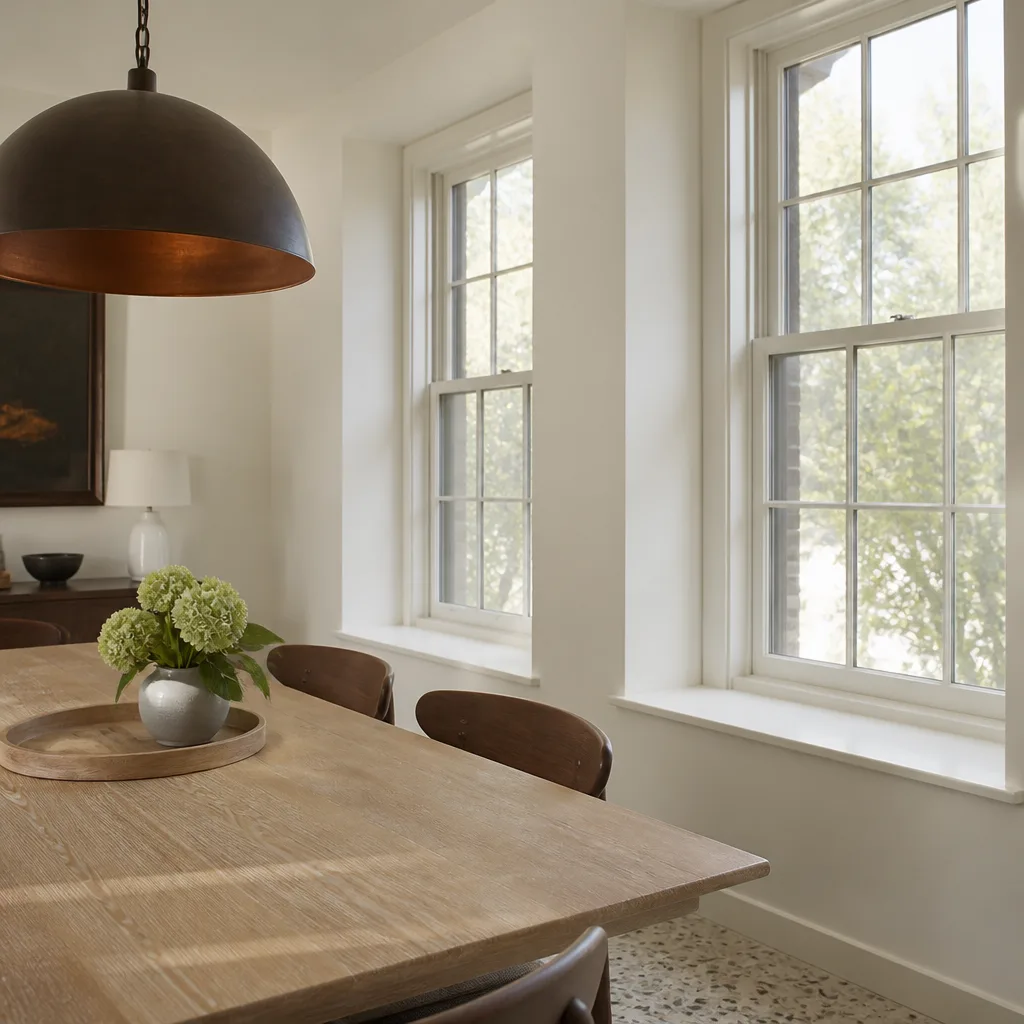
Why the national payback math doesn’t fit Lake Forest
Every savings calculator you’ll find online assumes a national average climate. That average is built on places where winter heating bills run four or five months a year. Lake Forest isn’t that place. Cooling season here runs May through October, the region sees well over 280 sunny days a year, and the furnace barely turns on compared to what a homeowner in the Midwest faces.
That flips the whole equation. In a cold climate, the dominant variable is U-factor, which measures how fast heat escapes. Here, the dominant variable is SHGC, the solar heat gain coefficient, which measures how much of the sun’s heat passes through the glass. A low-SHGC window blocks that heat before it becomes cooling load. A beautiful, well-built window with the wrong SHGC lets the sun pour in and quietly hands your savings right back to your air conditioner.
So when someone asks whether energy-efficient windows save money, the honest answer in Lake Forest is: only if you buy glass rated for a hot climate. That’s where most of the money is won or lost.
What “low-E for a hot climate” actually means
Low-E coatings are sold under one marketing term, but they’re not one product. A cold-climate low-E coating is tuned to let solar heat in while keeping interior heat from escaping. A hot-climate low-E coating does the opposite: it reflects the sun’s near-infrared energy away and keeps interior heat from radiating back inside. Same name on the label. Opposite physics.
For Southern California, the California Energy Commission assigns most of inland Orange County to Climate Zone 10, which drives the prescriptive specs contractors should be quoting. The practical target in Lake Forest is a low SHGC, generally in the neighborhood of 0.25 or lower on the sun-exposed elevations, paired with a reasonable U-factor. A window with a SHGC near 0.40 or higher is a cold-climate product doing hot-climate work, and it won’t earn its keep here.
What to look for on the label, side by side
- SHGC: Lower is better for Lake Forest. Target around 0.25 or under on west- and south-facing glass.
- U-factor: Still matters, but it’s the secondary number here. Don’t overspend chasing it while ignoring SHGC.
- Visible transmittance: This is daylight. A very low number can make rooms feel dim; balance it against heat rejection.
- Frame type: Vinyl and fiberglass handle inland heat well. Wood and aluminum are fine if the glazing spec is right.
- Air leakage and installation quality: The best glass on the market loses value fast with a sloppy install.
Andersen and Marvin both publish SHGC ratings for their Southern California lines, so you can compare glass packages on paper before you buy anything. That’s the comparison to demand in any bid you receive.
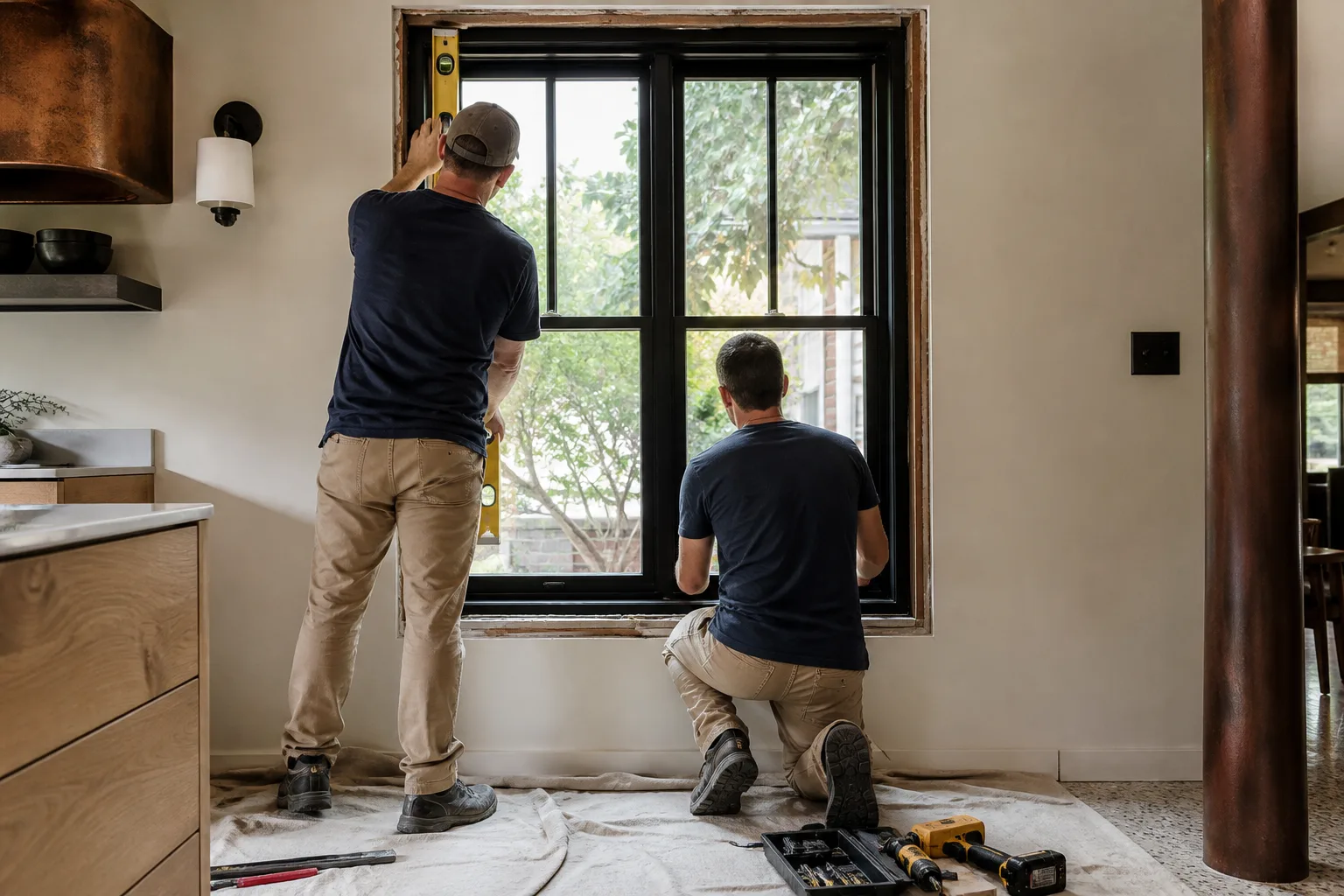
Old tract-home windows make the payback faster here
Lake Forest is built largely on 1970s-through-1990s tract housing and planned communities. Many homes still have original single-pane or early double-pane windows. That’s good news for anyone weighing a window upgrade, because the gap between that old stock and a well-specified modern window is wider than it would be in a newer home. A bigger delta means bigger savings, which pulls the payback timeline in.
In hillside neighborhoods the wind exposure adds another factor: Santa Ana winds and graded slopes push seal failures and drafts harder than flatland tracts see. We routinely find fogged double-pane units and crumbling glazing in homes that look fine from the curb. When the old glass is failing anyway, the savings case gets stronger, because you’re fixing a problem and cutting cooling cost in the same project.
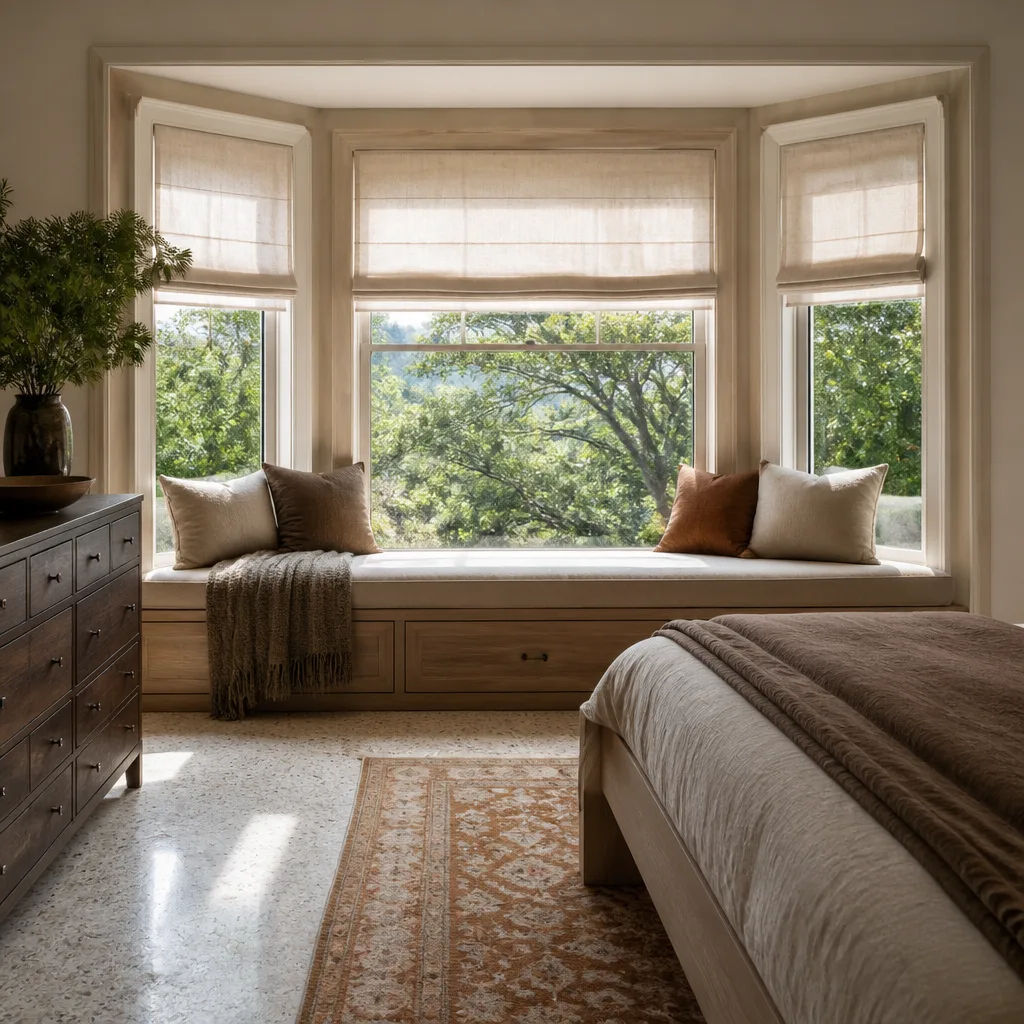
If your windows are past their useful life, our Windows & Doors team can tell you whether the existing units are worth keeping or whether replacement is the better move. You can also see how this fits with everything else we handle across the Lake Forest service area.
What energy-efficient window replacement costs in Lake Forest
Pricing here is straightforward and upfront, with the number you see being the number you pay. The ranges below reflect what Lake Forest homeowners actually see, and they move with frame material, glass package and the number of openings.
| Project | Typical Lake Forest range |
|---|---|
| Window Replacement (whole home) | $4,500-$15,000 |
| Impact Window Installation | $8,000-$25,000 |
Two things separate a real energy upgrade from a cosmetic one. First, the written energy projection: our quotes include an estimate of the expected utility impact, so you’re comparing projected savings, not hearing a sales pitch. Second, the glass spec: we’ll show you exactly which SHGC and U-factor each product carries, and price the right package for the orientation of each elevation. West-facing glass gets a different spec than a shaded north wall, and that matters in Lake Forest.
We also back the work with the 730-Day Done Right Promise, one of the longest workmanship guarantees in residential construction. If it’s not done right, we make it right. Financing runs at 0% for 18 months, and projects over $10,000 take $1,000 off. Our technicians have up to 12 years of experience, arrive background-checked and in uniform, and someone answers the phone live 24/7.
FAQs about energy-efficient windows in Lake Forest
Yes, but mainly on summer cooling bills, not winter heating. Because Lake Forest’s cooling season is long and heating load is light, a low-SHGC window that blocks solar heat earns more than a window optimized for cold climates. Call (855) 532-8973 for a written projection of expected savings on your home.
For Lake Forest’s Climate Zone 10, aim for a low solar heat gain coefficient, typically around 0.25 or lower on sun-exposed glass. A higher SHGC meant for colder regions lets solar heat in and undercuts your savings. Call (855) 532-8973 and we’ll spec the right glass per elevation.
Payback in Lake Forest tends to run faster than the national 7-to-10-year figure because the delta between 1970s single-pane stock and modern low-SHGC windows is so wide, and the cooling savings are real. Exact timing depends on your home, orientation and utility rates. Call (855) 532-8973 for a free estimate with projected numbers.
It usually costs more over time to keep patching failing single-pane or fogged units than to replace them, especially once seal failure and drafts show up. Replacement delivers ongoing cooling savings plus a 730-Day Done Right Promise on the work. Call (855) 532-8973 and we’ll compare both paths for your home.
If you’d rather have it looked at, Groundwork Construction Co. of Lake Forest offers a no-pressure assessment in Lake Forest – call (855) 532-8973. We’ll review your windows, orientation and current utility costs, then give you straight numbers and upfront pricing so you can decide with facts.
Written by the team at Groundwork Construction Co. of Lake Forest, serving Lake Forest, CA.