Free written scope consultation - allowances, timeline, and change-order rules on paper before a single trade is scheduled
Styles & brands we work with
- Kitchen remodeling
- Bathroom remodeling
- Home additions & ADU
- Roofing
- Windows & doors
- Driveway & pavers
- Fence
See the difference
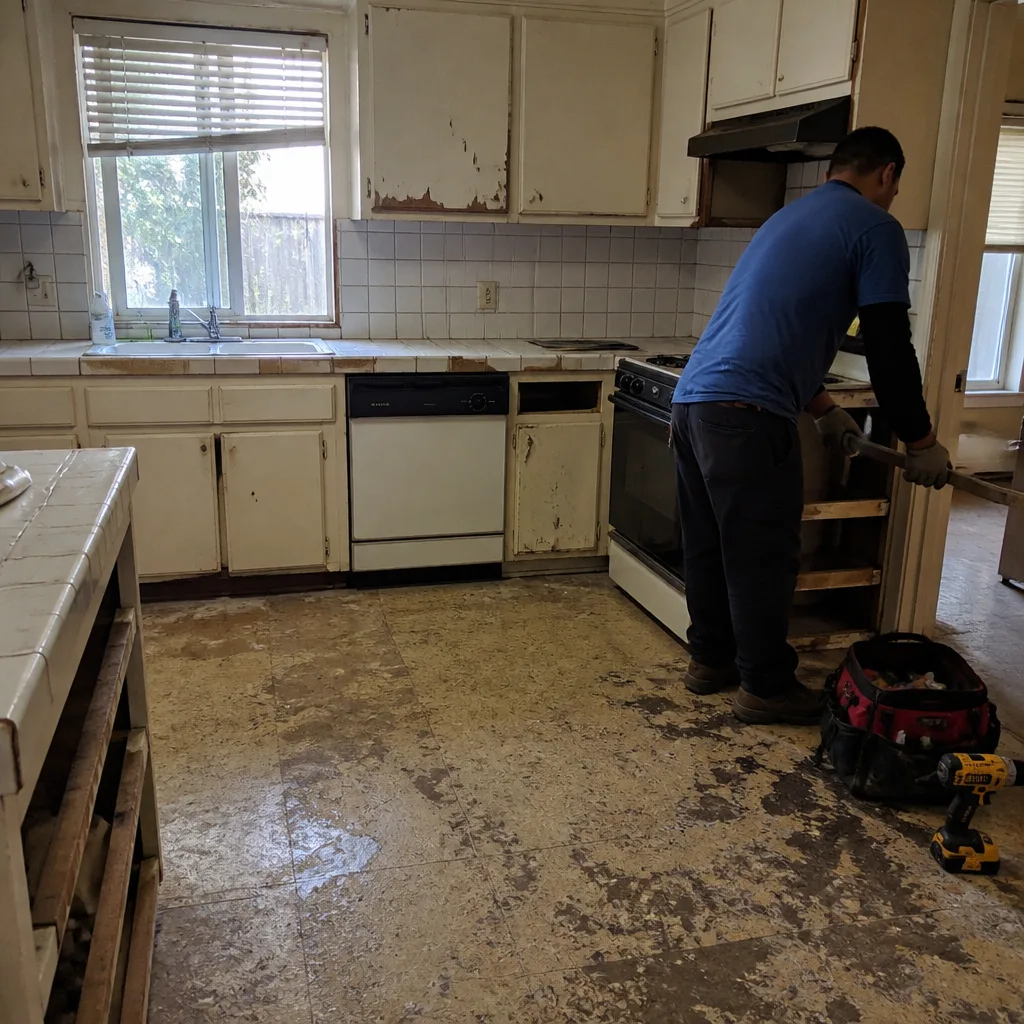 Before
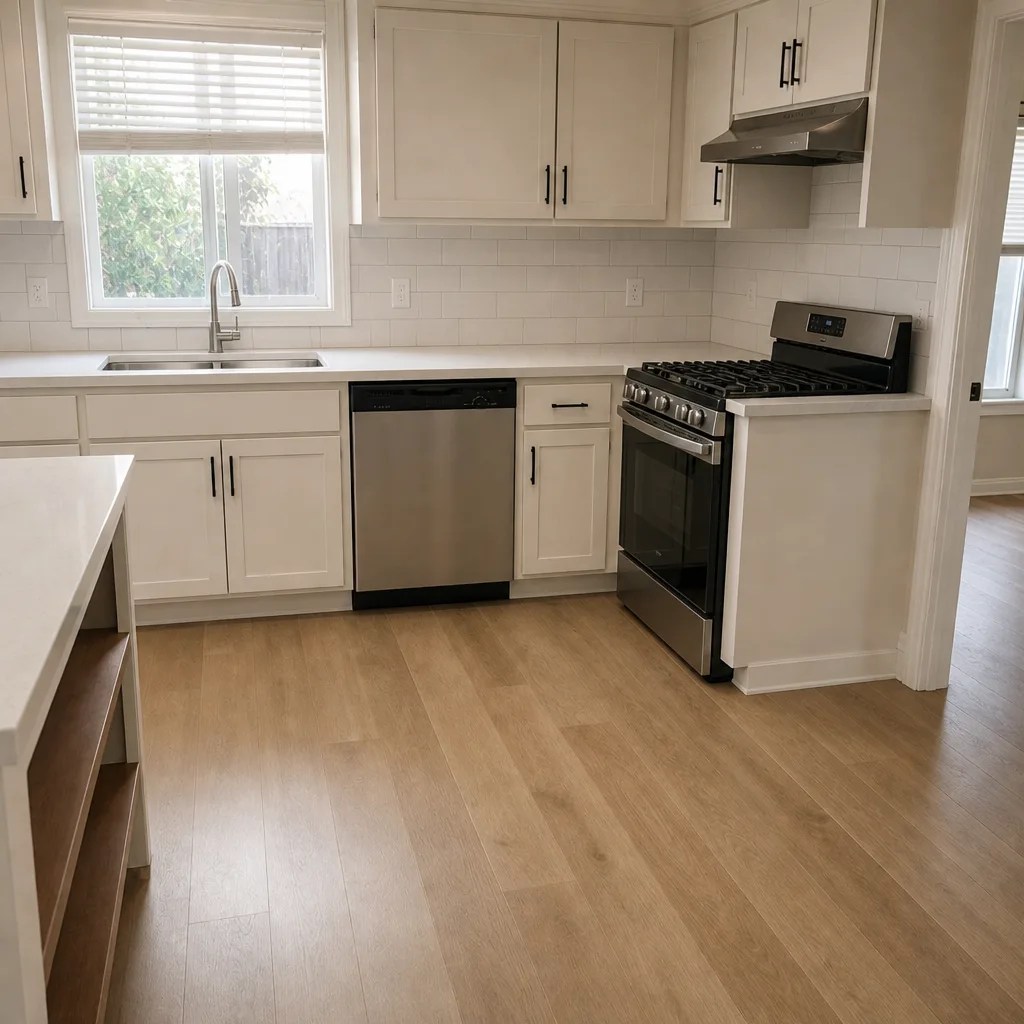 After
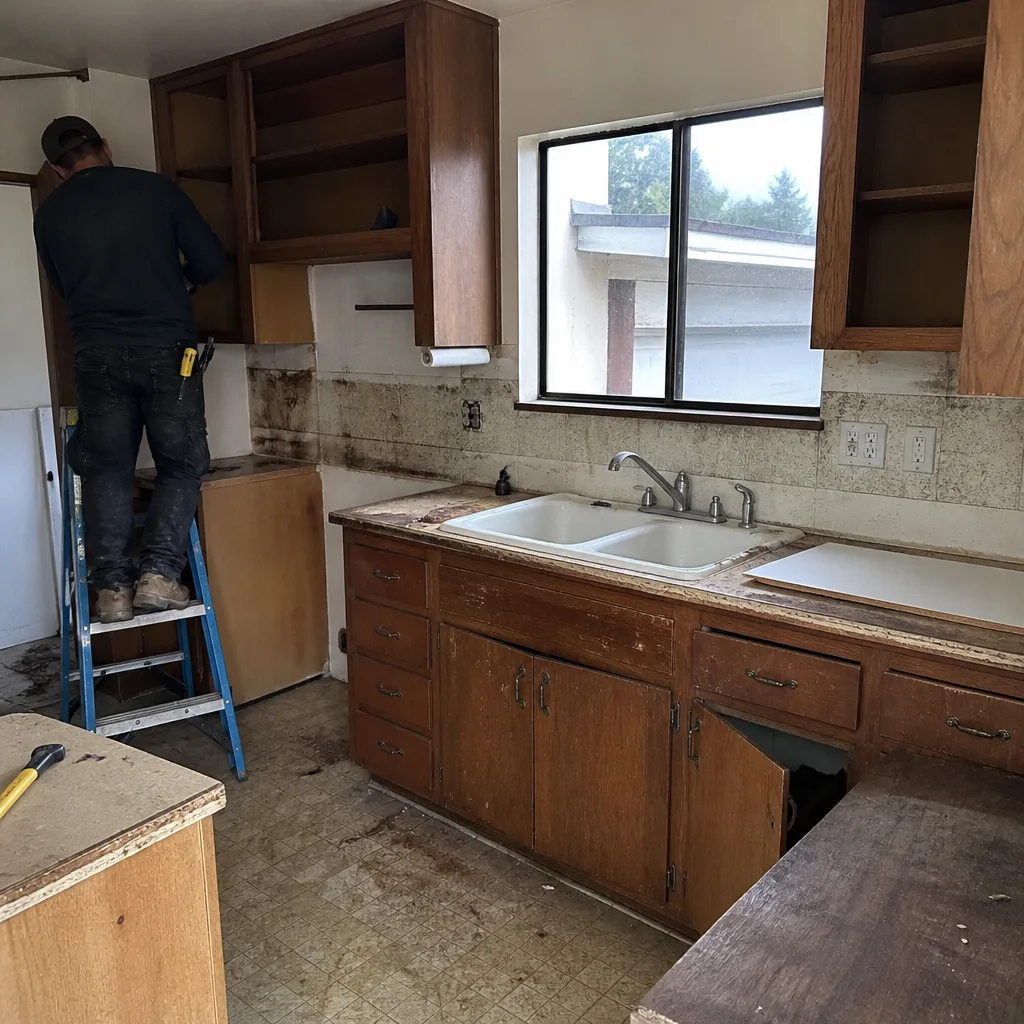 Before
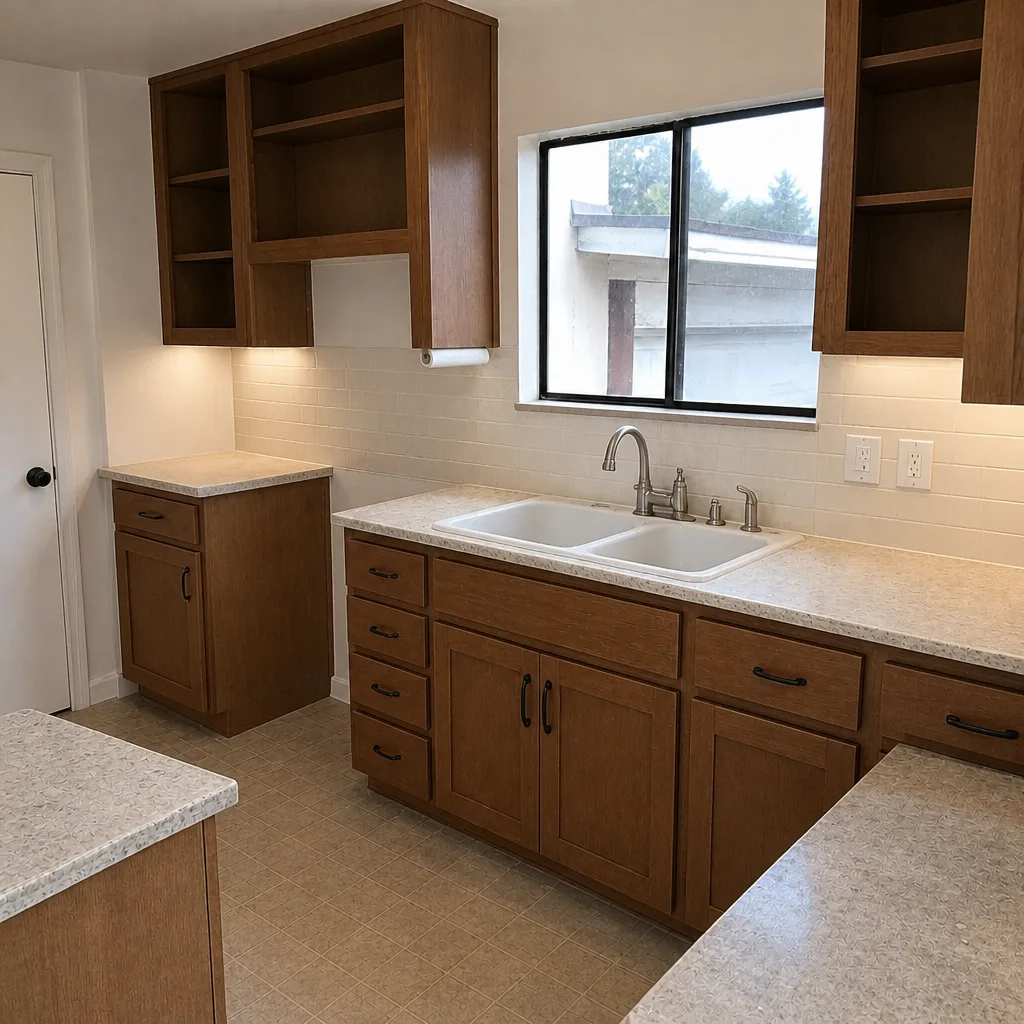 After
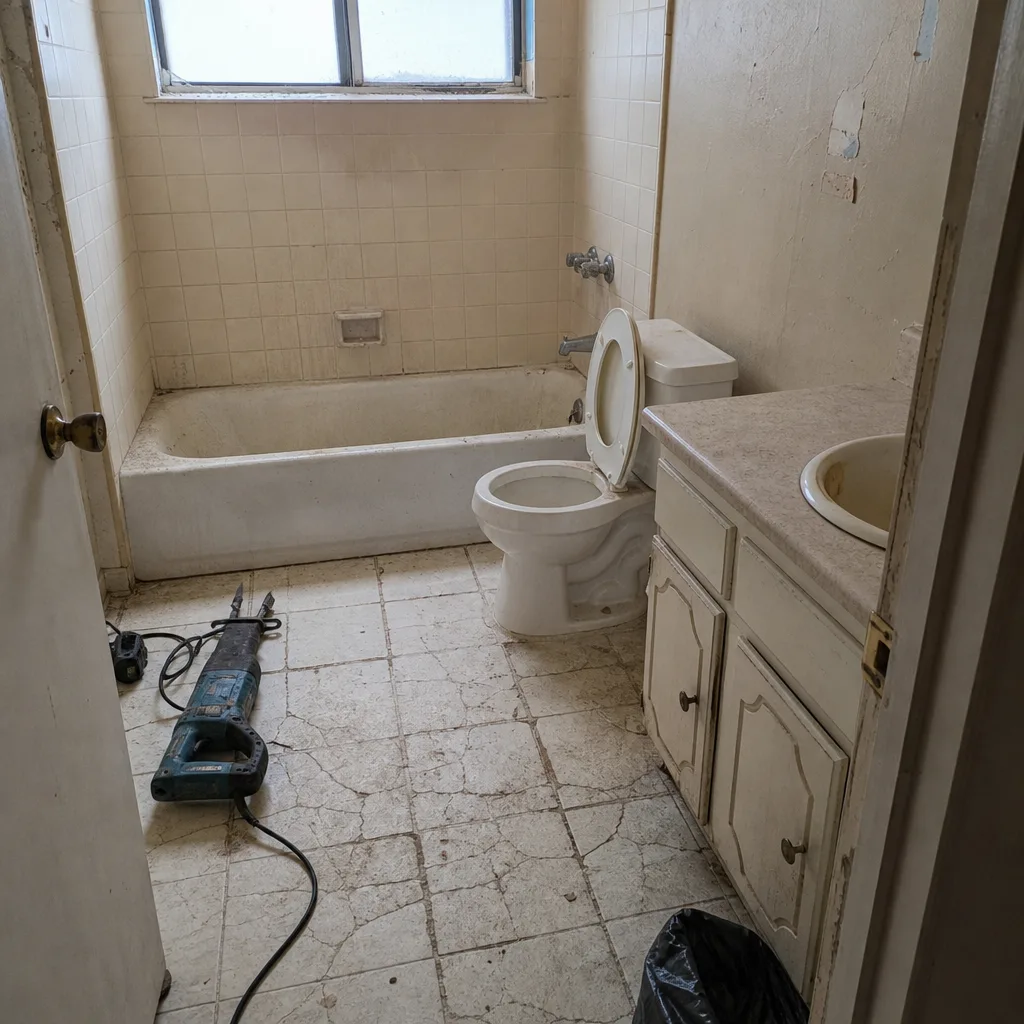 Before
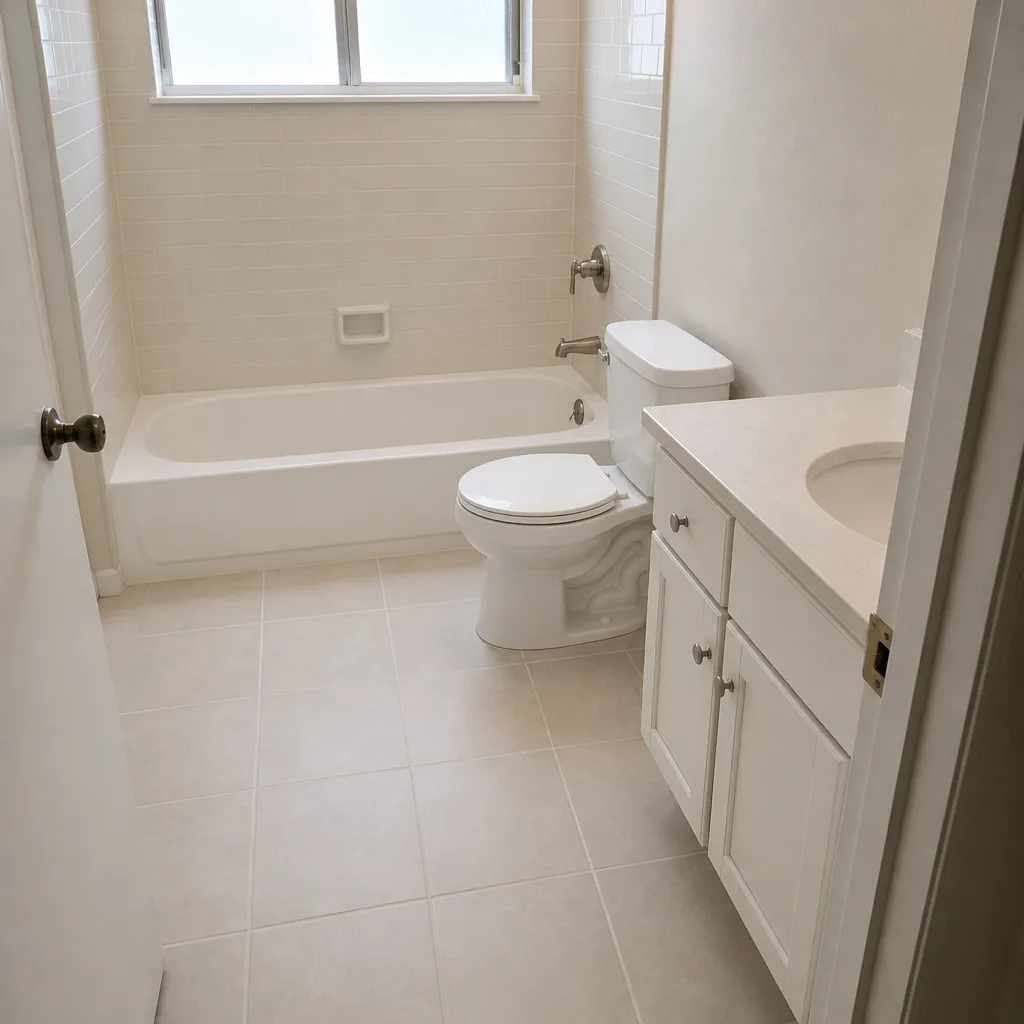 After
Fence Post Depth in Lake Forest, CA: Why the One-Third Rule Comes Up Short
For a 6-foot fence on flat, stable ground, set posts at least 24 inches deep. That’s the short answer. But in Lake Forest, where Santa Ana winds gust past 60 mph and much of the native soil is expansive clay that swells and shrinks with the seasons, 24 inches is a floor, not a finish line. On a graded Portola Hills slope, the same 6-foot post needs 30 to 36 inches with a concrete collar rising above grade. The right depth depends on height, soil, and wind exposure. Call (855) 532-8973 and we’ll tell you which one you’re dealing with.
Key Takeaways
- Flat lot, 6-foot fence: 24 inches minimum.
- Graded hillside with wind exposure: 30 to 36 inches.
- Expansive soil and Santa Ana uplift are the two forces that push shallow posts out of the ground over time.
- Some Lake Forest HOA design guidelines cap fence height, which in turn sets the minimum post depth.
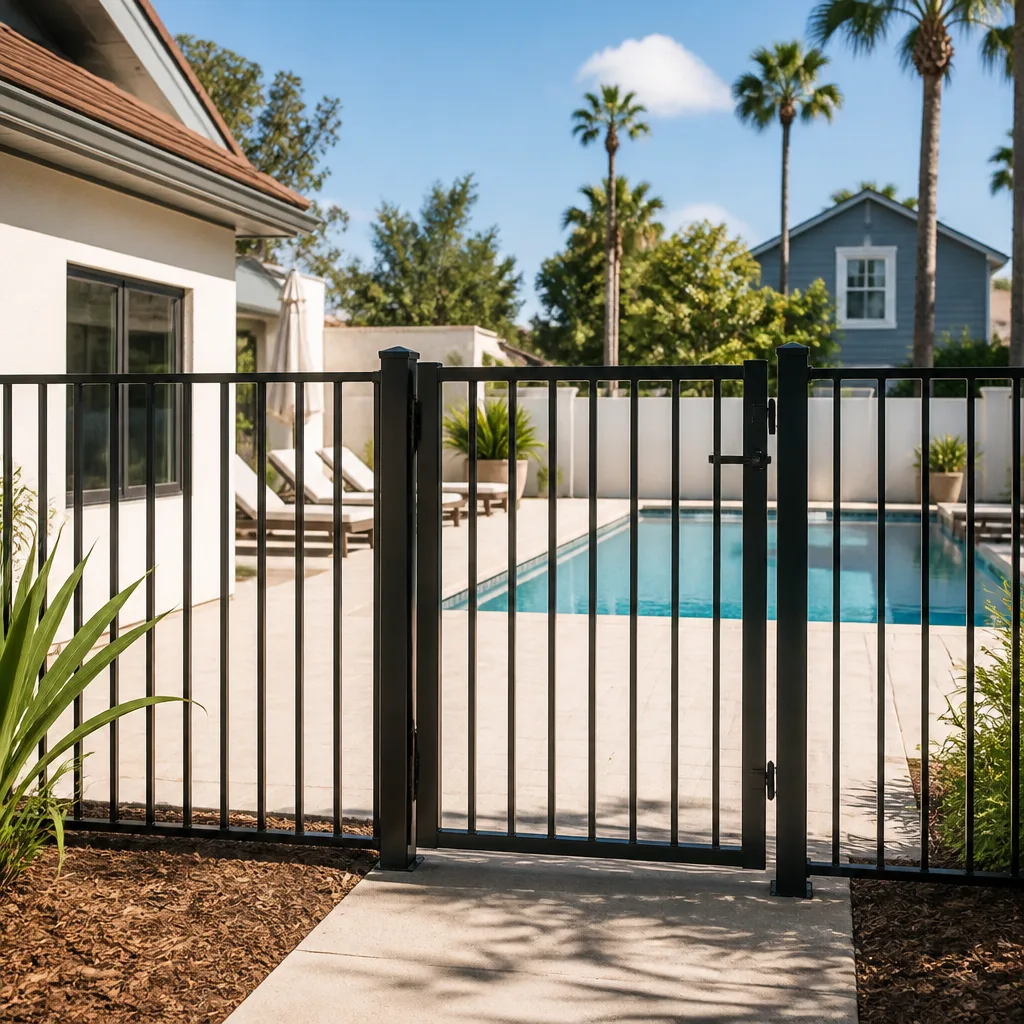
What the ground in Lake Forest actually does to a fence post
The textbook answer assumes dirt that stays put. Much of inland Orange County doesn’t offer that. Expansive soils swell when they take on winter rain and shrink as summer dries them out, and that vertical movement is relentless. Every wet-then-dry cycle lifts and drops the soil around a post. Set too shallow, and the post gets slowly ejected upward, no matter how much concrete you poured around it. We’ve pulled posts where the concrete plug was still intact and the whole assembly had risen three inches clear of grade.
Then there’s the wind. Lake Forest’s fire-weather wind events load a fence laterally in a way the standard post-depth charts never account for, and a fence line on an exposed ridge catches far more of that load than the same fence in a sheltered interior lot. On hillside lots with real exposure, that means going 30 to 36 inches and adding either deeper footings or cross-bracing at the posts to resist the push. This is the reason we don’t hand out one depth number for the whole city.
The depth math, broken out by the situation
Here’s how the numbers shake out when you factor in height, slope, and exposure. These are working depths for a fence we’d stand behind:
| Situation | Post depth | Notes |
|---|---|---|
| 4-foot fence, flat sheltered lot | 18 to 24 inches | One-third of post length above grade |
| 6-foot fence, flat lot | 24 inches minimum | Standard baseline for stable soil |
| 6-foot fence, expansive soil | 28 to 30 inches | Deeper to resist soil cycling |
| 6-foot fence, graded slope + wind exposure | 30 to 36 inches | Concrete collar above grade |
| 8-foot privacy fence, exposed hillside | 36 to 42 inches | Cross-bracing often added |
On the concrete collar: getting it to sit an inch or two above the soil line matters. It keeps winter rain from pooling at the base of the post, which is where rot starts and where the freeze-and-thaw cycle of a wet-to-dry climate does its quietest damage. A post set deep but flush with the dirt will still fail early. The depth and the collar work together.
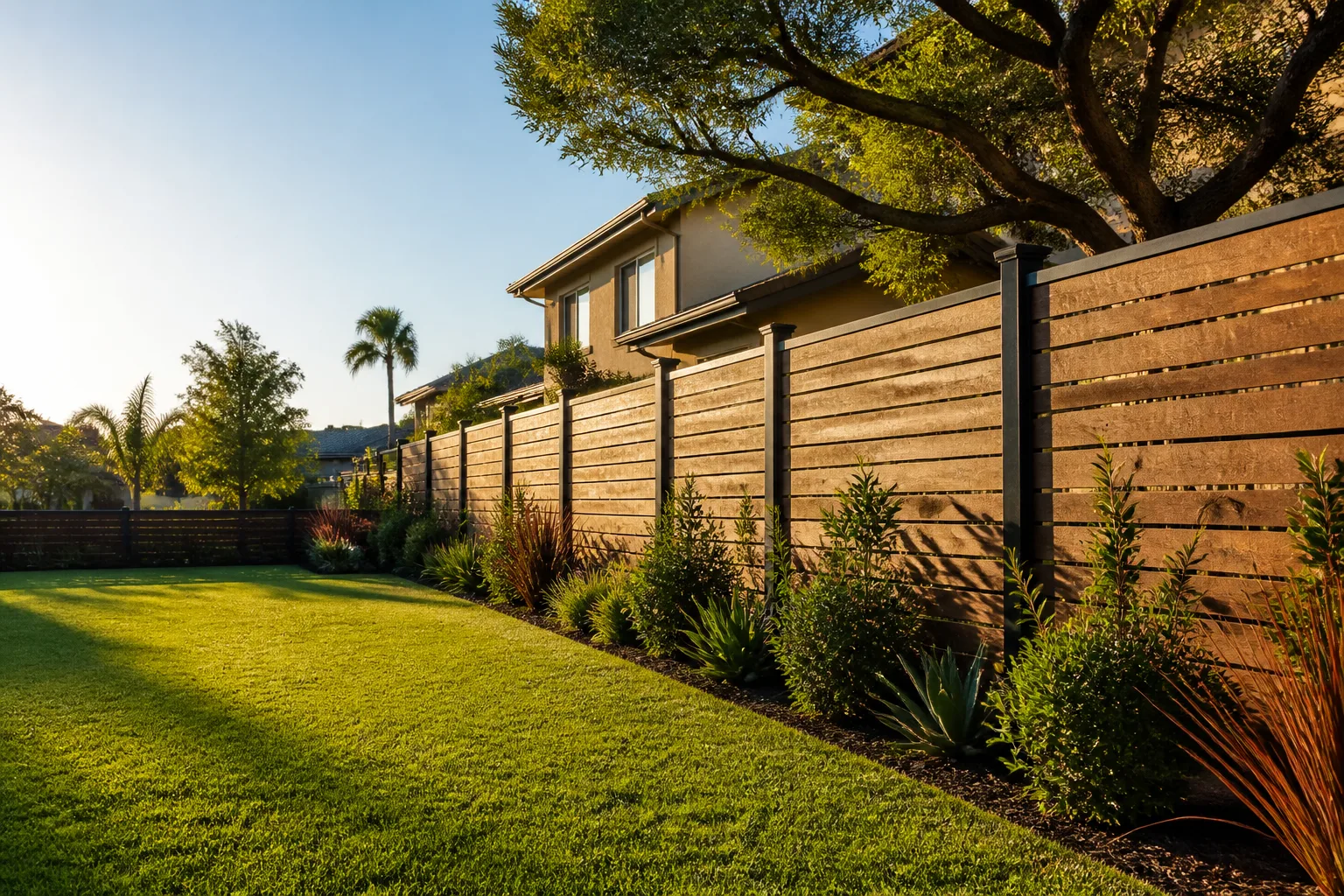
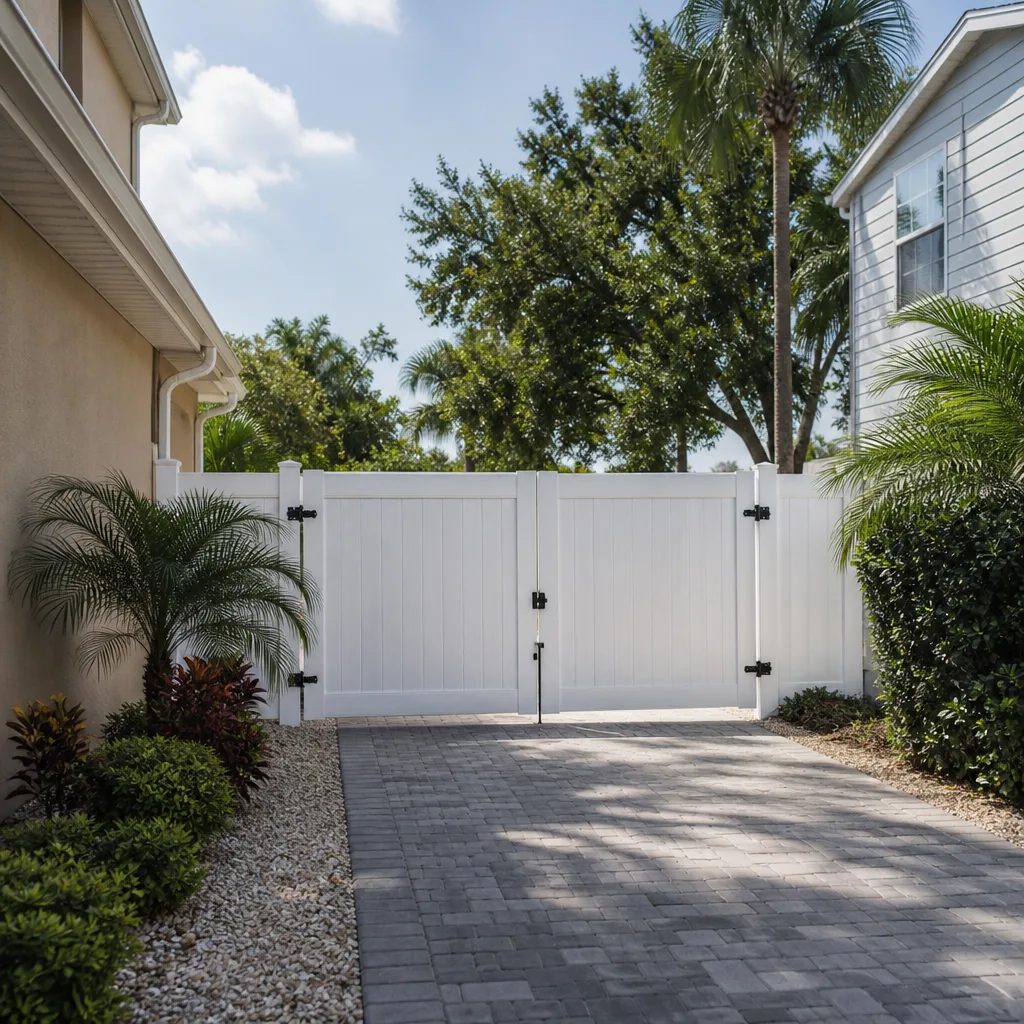
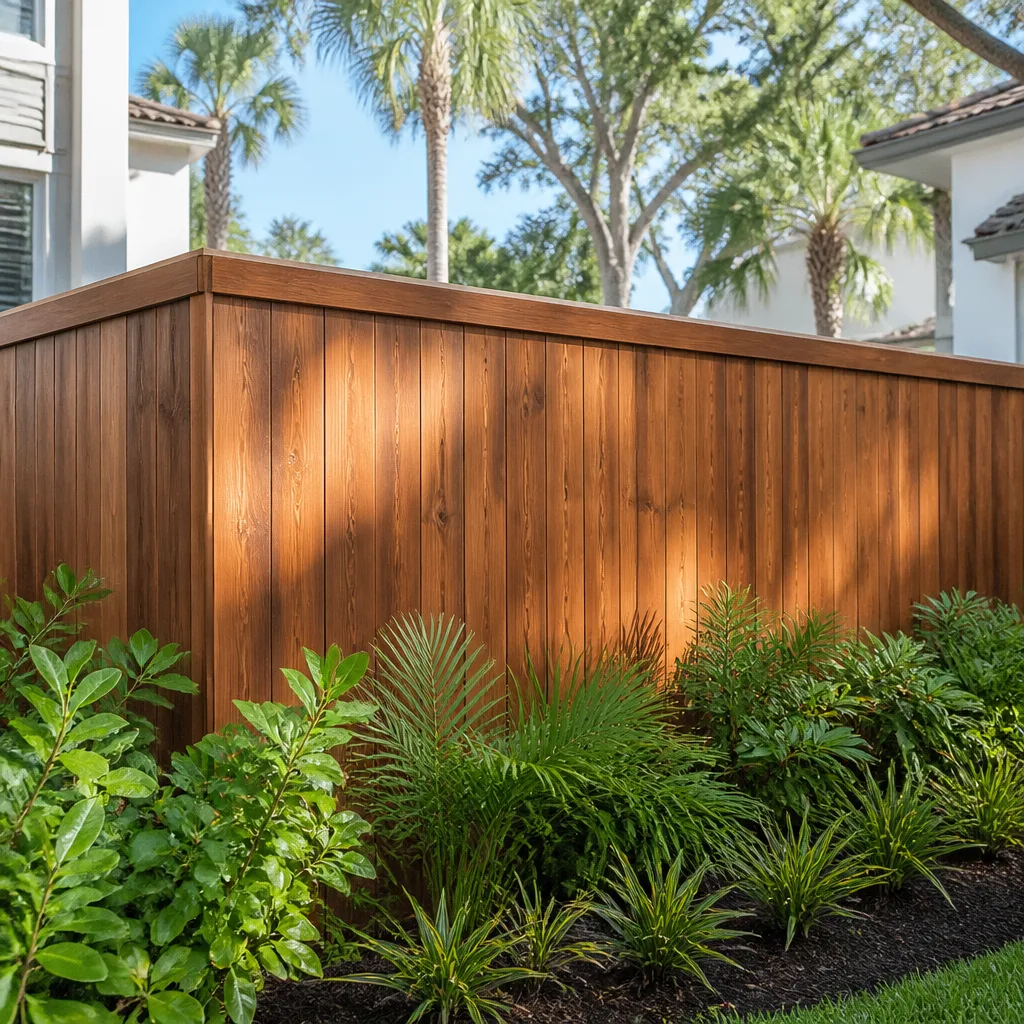
For a full breakdown of materials, styles, and what a finished fence looks like, see our Fence Installation service. If you want a walkthrough of the whole process from an estimator’s perspective, our Fence Installation in Lake Forest page covers it end to end.

Common local scenarios where depth gets decided for you
A few situations we see again and again in Lake Forest, and how each one changes the depth call:
- An HOA that caps fence height at 5 feet. Several Lake Forest associations publish design guidelines that set maximum fence heights, and that cap directly determines minimum post depth. Get the approved height wrong and the structural inspection fails, so we read the CC&Rs before we dig.
- A Portola Hills slope with a view corridor. Graded lots mean the downslope side of the fence needs more depth than the upslope side. Setting both to the same depth leaves one side short.
- A 1990s tract home in Foothill Ranch. Original fencing on a lot that’s settled for decades. The soil profile is known, but the old footings often aren’t where the new fence line goes.
- A Lake Forest Keys property with dense wind exposure. Waterfront wind loads plus wet winters mean the collar detail matters as much as the depth itself.
We lean on materials from partners like James Hardie where the fence line meets a hardscape or structure, so the transition holds up through our hot, dry summers and the wet months that follow. Extreme summer heat also affects how concrete cures, which is one more reason post-setting here doesn’t follow a national template.
What a properly set fence costs in Lake Forest
Fence installation in Lake Forest typically runs $3,500 to $9,000, with vinyl at the lower end and aluminum at the higher end, and post depth and slope work folded into the estimate. We give you the number upfront so there are no surprises when the digging starts. Groundwork Construction Co. of Lake Forest backs the work with the 730-Day Done Right Promise: if posts shift within two years due to installation depth or footing, we come back and make it right at no cost to you. That guarantee is only meaningful because we aren’t guessing on depth in the first place. For larger fence-and-landscape projects over $10,000, we also offer $1,000 off plus 0% financing for 18 months.
FAQs
A 6-foot fence post in Lake Forest should be set at least 24 inches deep on a flat lot, and 30 to 36 inches on a graded slope with wind exposure. Expansive inland soil and Santa Ana wind loads are why the flat-lot minimum is a floor and not a ceiling. Call (855) 532-8973 for a site-specific read.
Expansive soils swell when wet and shrink when dry, and that cycling exerts upward pressure on shallow-set posts over multiple seasons, even with solid concrete backfill. The fix is depth that reaches below the active soil layer, plus a collar above grade to shed water. If your posts are already rising, call (855) 532-8973 for an assessment.
Indirectly, yes. Many Lake Forest HOA design guidelines set maximum fence heights, and the approved height determines the minimum post depth needed to hold that height. We read your association’s guidelines before we quote, so the depth and the height pass architectural review together. Estimates are free – call (855) 532-8973.
Usually yes. Graded slopes in Portola Hills and similar hillside neighborhoods expose the fence to more wind uplift and uneven soil, so we go 30 to 36 inches with bracing where needed. A flatland depth chart won’t hold up there. Call (855) 532-8973 and we’ll walk the line with you.
If you’d rather have it looked at, Groundwork Construction Co. of Lake Forest offers a no-pressure assessment in Lake Forest – call (855) 532-8973 for a free estimate.
Written by the team at Groundwork Construction Co. of Lake Forest, serving Lake Forest, CA.