Free written scope consultation - allowances, timeline, and change-order rules on paper before a single trade is scheduled
Styles & brands we work with
- Kitchen remodeling
- Bathroom remodeling
- Home additions & ADU
- Roofing
- Windows & doors
- Driveway & pavers
- Fence
See the difference
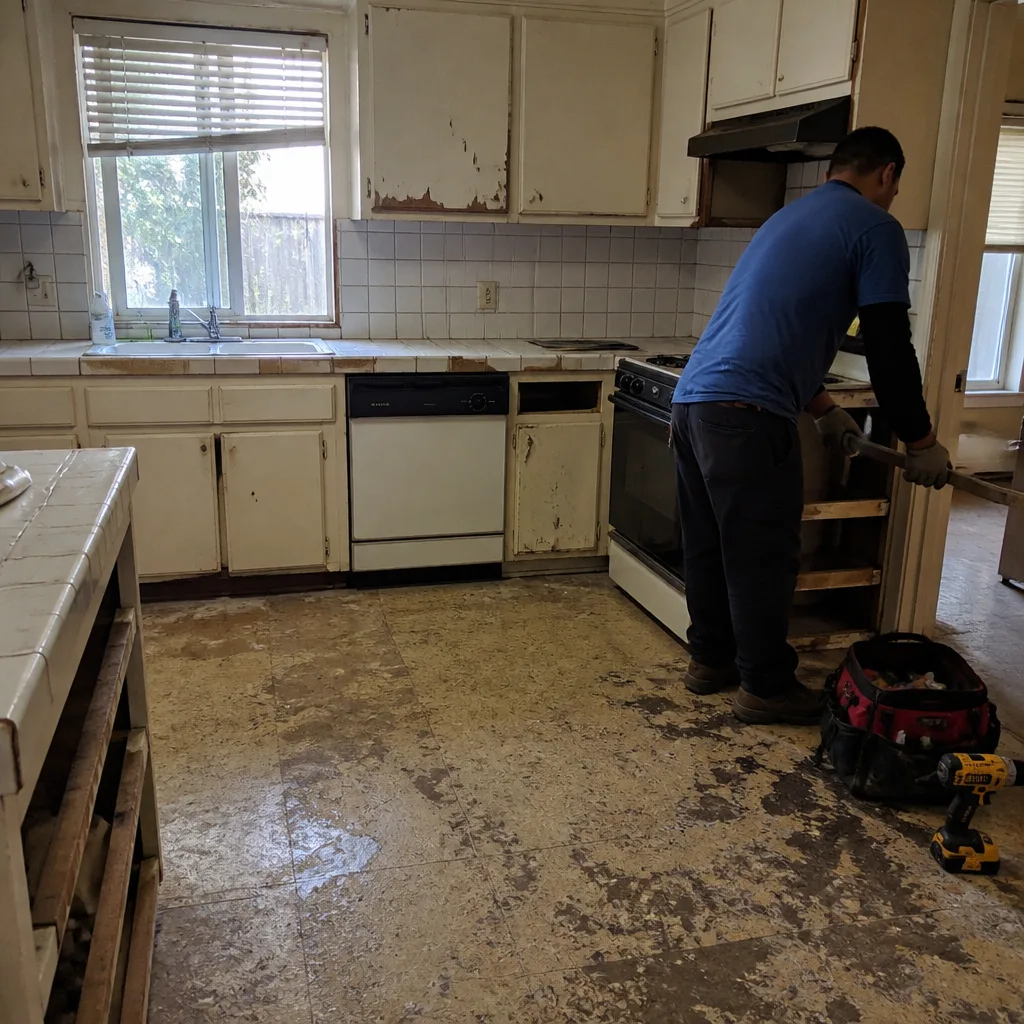 Before
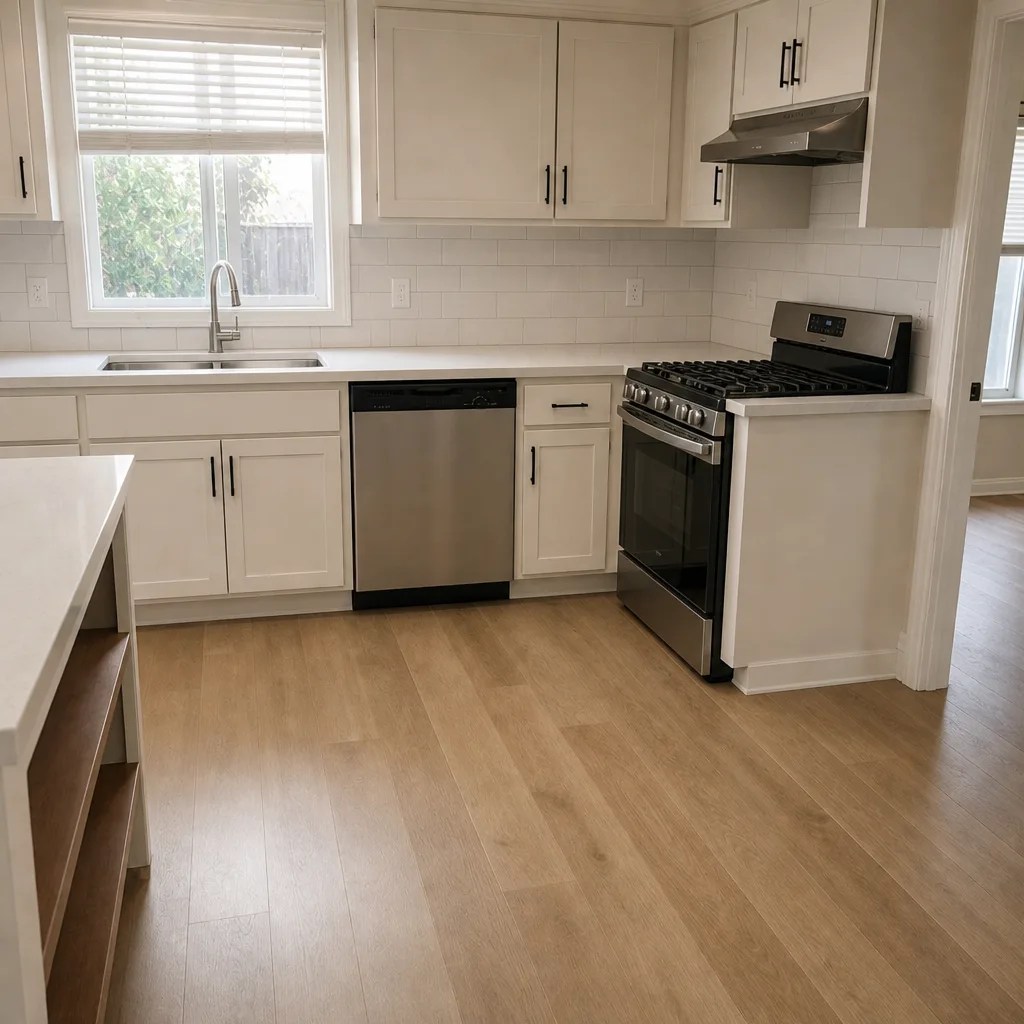 After
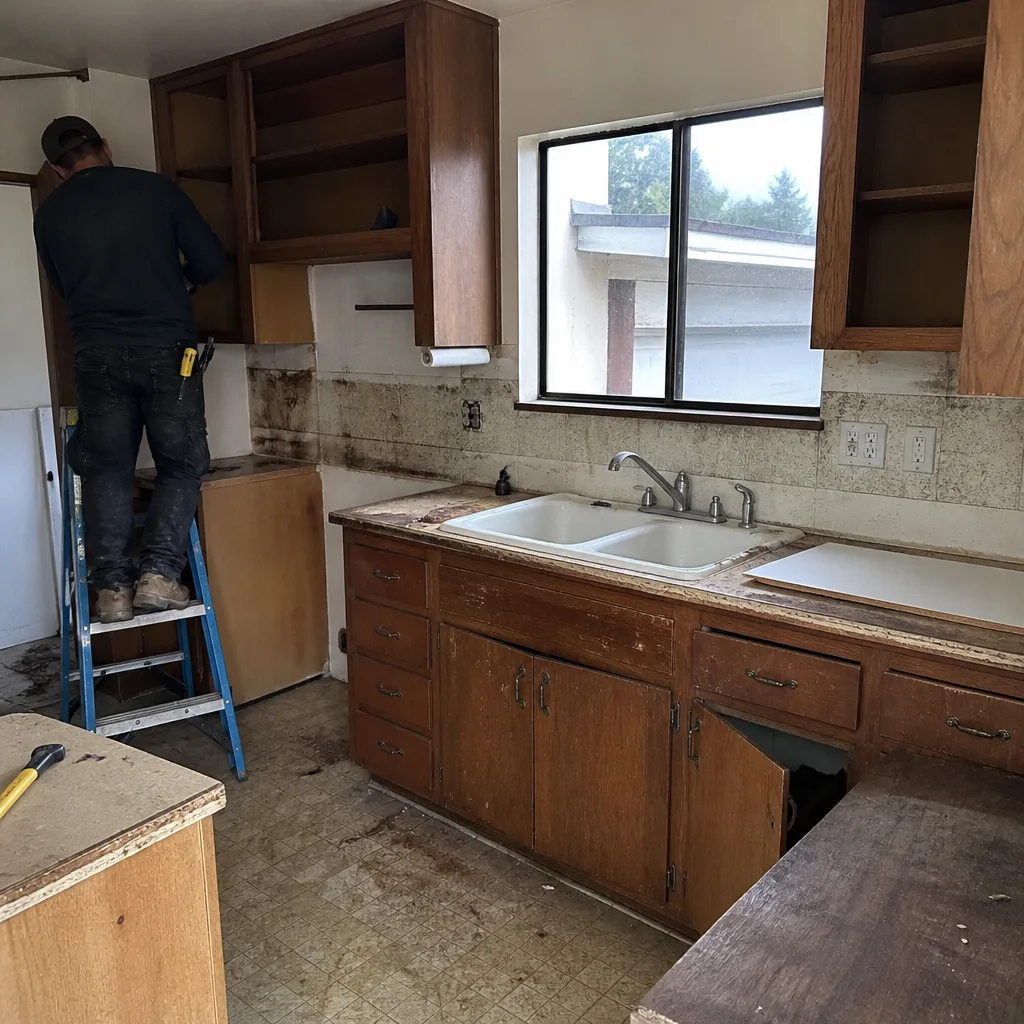 Before
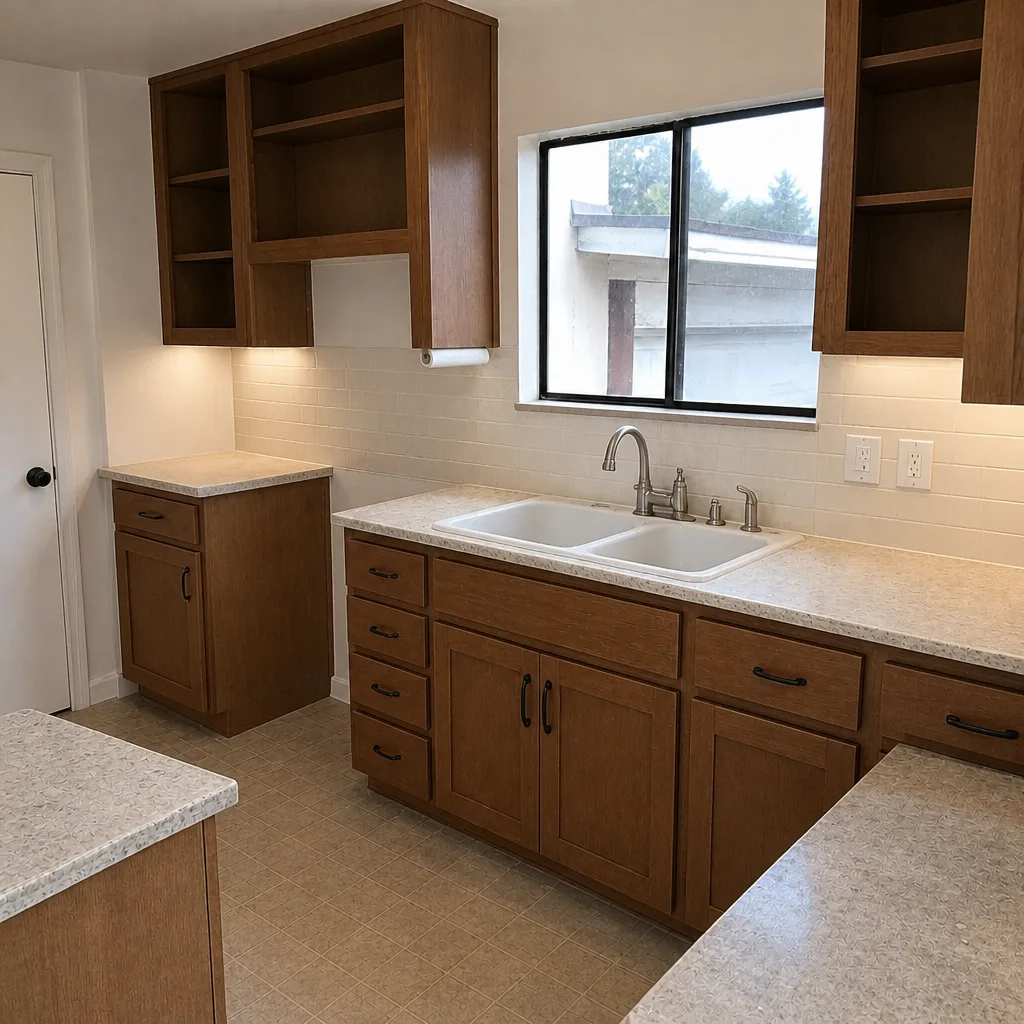 After
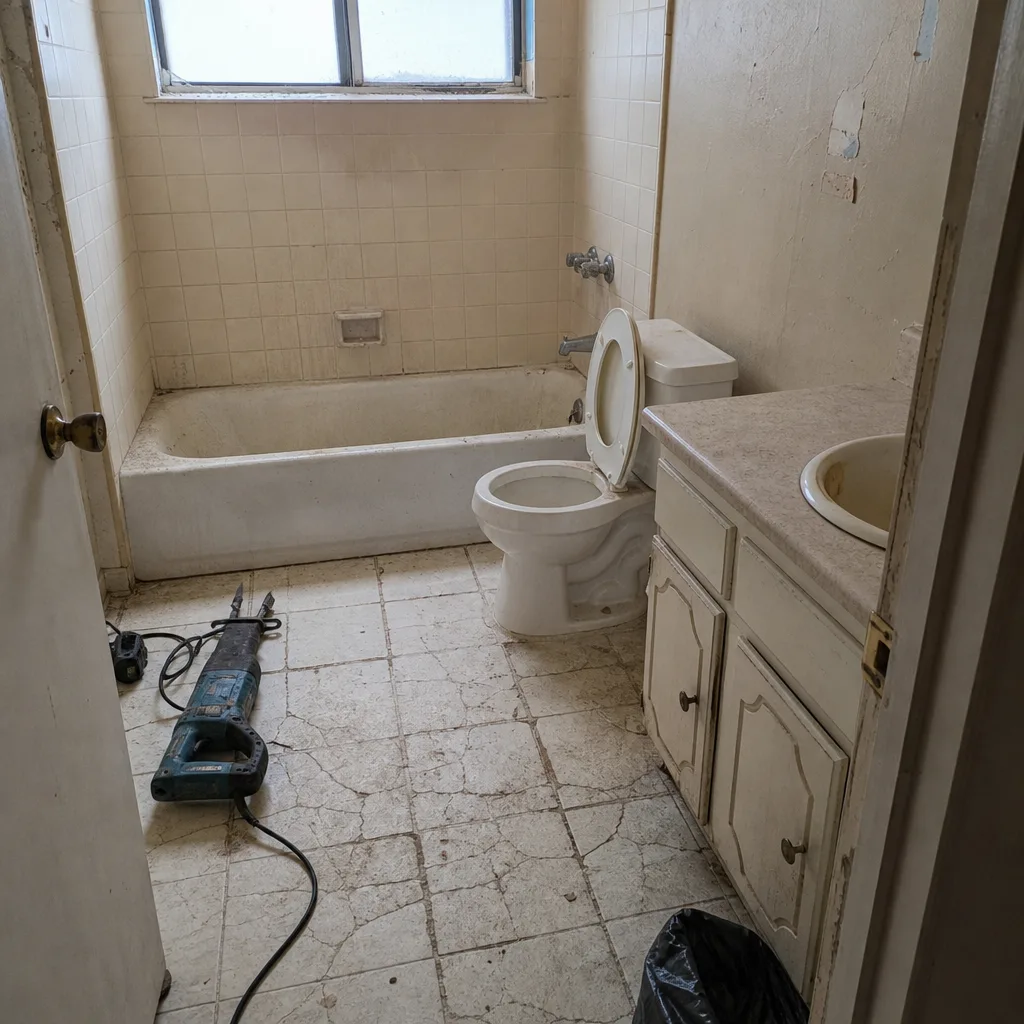 Before
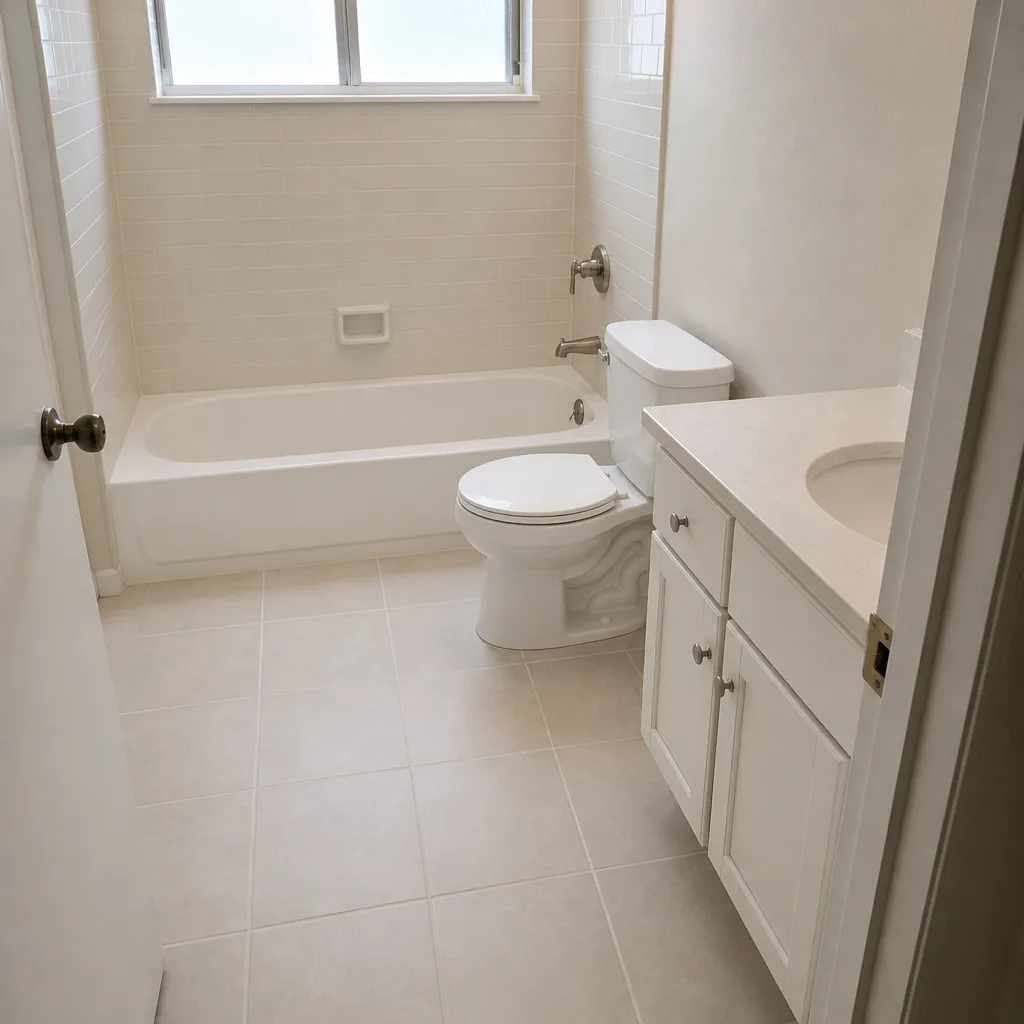 After
Pavers vs Concrete Driveway in Lake Forest: Which One Belongs on Your Lot?
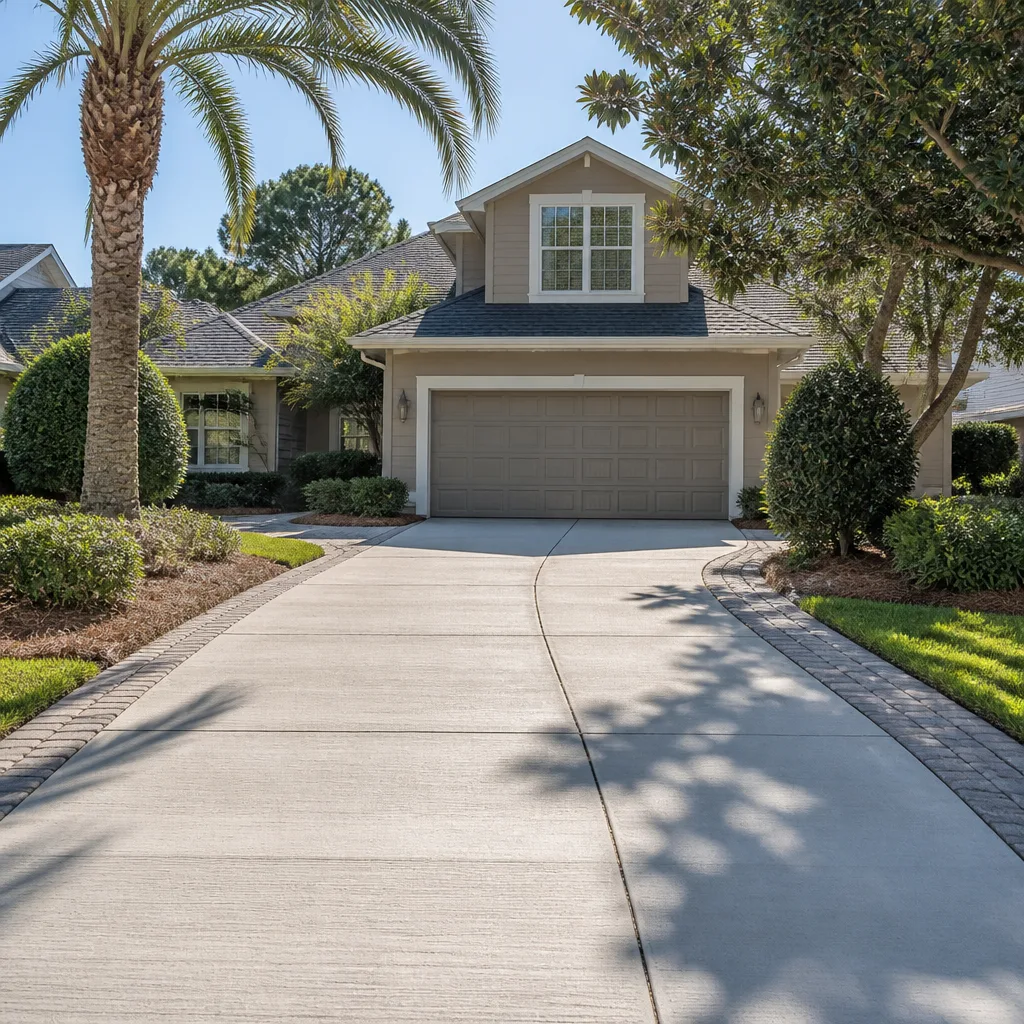
Choose interlocking pavers unless your HOA caps driveway spending and your lot sits flat with zero tree-root pressure – and even then, read your CC&Rs first. Concrete runs $4,500-$12,000 in Lake Forest; pavers run $7,000-$18,000. The cheaper number isn’t the cheaper decision here. In Lake Forest’s planned communities and hillside tracts, your HOA’s architectural rules and your lot’s slope often decide this for you before price ever enters the room. Call (855) 532-8973 and we’ll walk your driveway and your CC&Rs together.
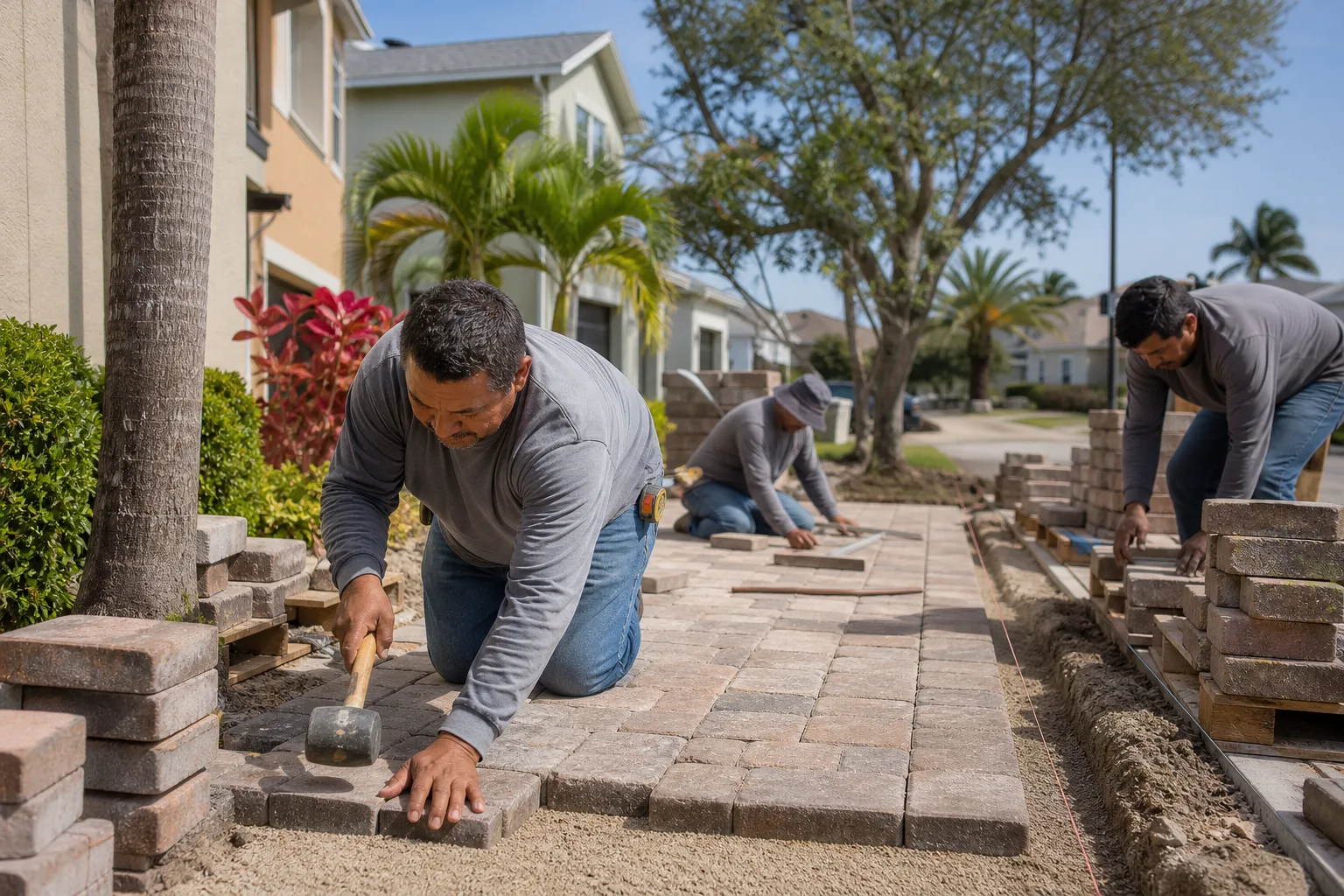
Why Lake Forest Makes This Decision Harder Than a Google Search Suggests
Most pavers-vs-concrete comparisons were written for flat suburban lots with no design review board breathing down anyone’s neck. Lake Forest isn’t that place. The city built out hard from the 1970s through the 1990s, which means the housing stock is dominated by tract homes and planned communities – Lake Forest Keys, Portola Hills, Foothill Ranch – where architectural review committees (ARBs) enforce design standards on everything visible from the street, driveway included.
So before you price anything, pull your CC&Rs. Some communities here specify allowable driveway materials by color, texture, and permeability. A homeowner budgeting for a $6,000 concrete pour in Portola Hills can find out mid-bid that gray broom-finish concrete isn’t an approved material at all. That’s not a pricing problem. It’s a paperwork problem you solve before the first truck shows up.
Hillside lots add a second variable. Graded slopes in Portola Hills and the foothill edges of Foothill Ranch push stormwater downhill fast during winter rains, and Orange County’s Low Impact Development (LID) requirements can require permeable surfaces once hardscape coverage passes a threshold on a lot. Interlocking pavers meet that requirement through their joint system. Poured concrete doesn’t, unless you pay for permeable add-ons or cut drainage channels into the design – costs that never appear in the “cheaper” concrete quote.
What Clay Soil and Slope Do to Each Material Over Ten Years
Lake Forest sits on expansive clay soils that swell when wet and shrink in our dry summers. A monolithic concrete slab can’t move with that. It cracks – sometimes in the first two summers, sometimes after a root heaved it from below. Once a slab section fails, the repair means cutting out and repouring the whole section.
Individual pavers flex with the ground beneath them. When soil shifts, the units settle and you re-sand the joints. When one unit chips or stains, you lift it and set a replacement. That’s the long-term cost story nobody puts in the brochure: pavers cost more up front and less over the life of the driveway, especially on sloped lots where water concentrates.
Our technicians have up to 12 years of experience on Lake Forest driveways, and the pattern is consistent – on hillside lots, the concrete calls we get are almost always crack repairs. The paver calls are almost always aesthetic updates or joint re-sanding after a heavy rain year.
Side-by-Side: The Variables That Actually Move the Number
| Factor | Interlocking Pavers | Poured Concrete |
|---|---|---|
| Install cost in Lake Forest | $7,000-$18,000 | $4,500-$12,000 |
| Meets Orange County LID permeability threshold | Yes, through joint system | No, without permeable add-ons |
| Reaction to clay-soil movement | Flexes unit by unit | Cracks as a slab |
| Repair approach | Swap individual units | Remove and repour a full section |
| HOA earth-tone palette compliance | Wide selection from curated lines | Limited to stains and integral color |
| Winter rain and slope drainage | Water moves through joints | Needs engineered grading or drainage cuts |
That last row matters more than people expect. In Foothill Ranch and Portola Hills, a driveway that ponds water at the garage apron during a wet January is a drainage failure, and it’s usually a grading failure underneath. Concrete hides it. Pavers show it early, which is actually the useful outcome.
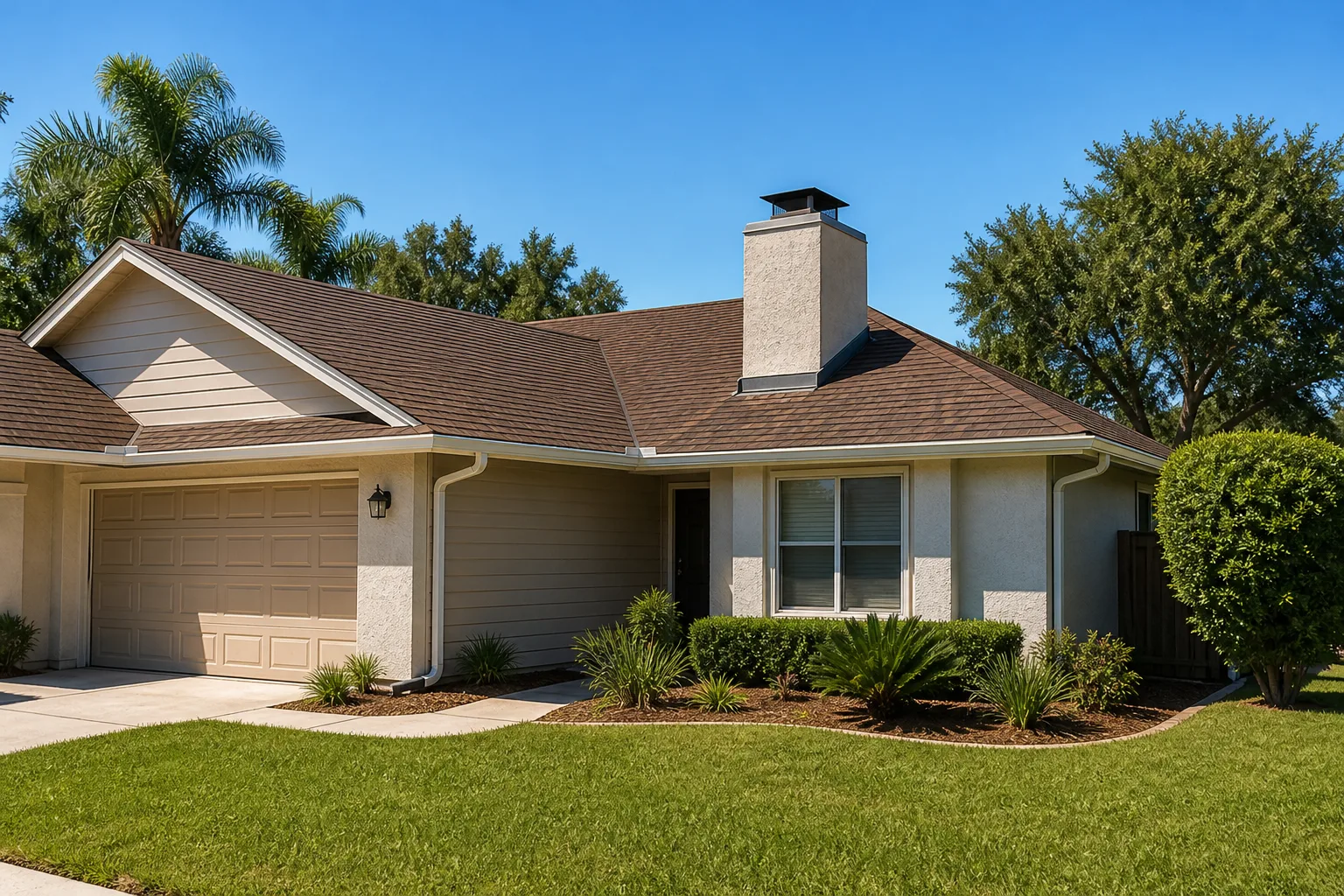
The HOA Palette Problem – and Why Pavers Usually Win It
Portola Hills and Foothill Ranch ARBs commonly require earth tones for visible hardscape. Standard gray concrete fails that standard outright. You can stain concrete, but stains fade unevenly, they can’t be spot-repaired invisibly, and reapplication every few years adds a maintenance line item that pavers simply don’t have.
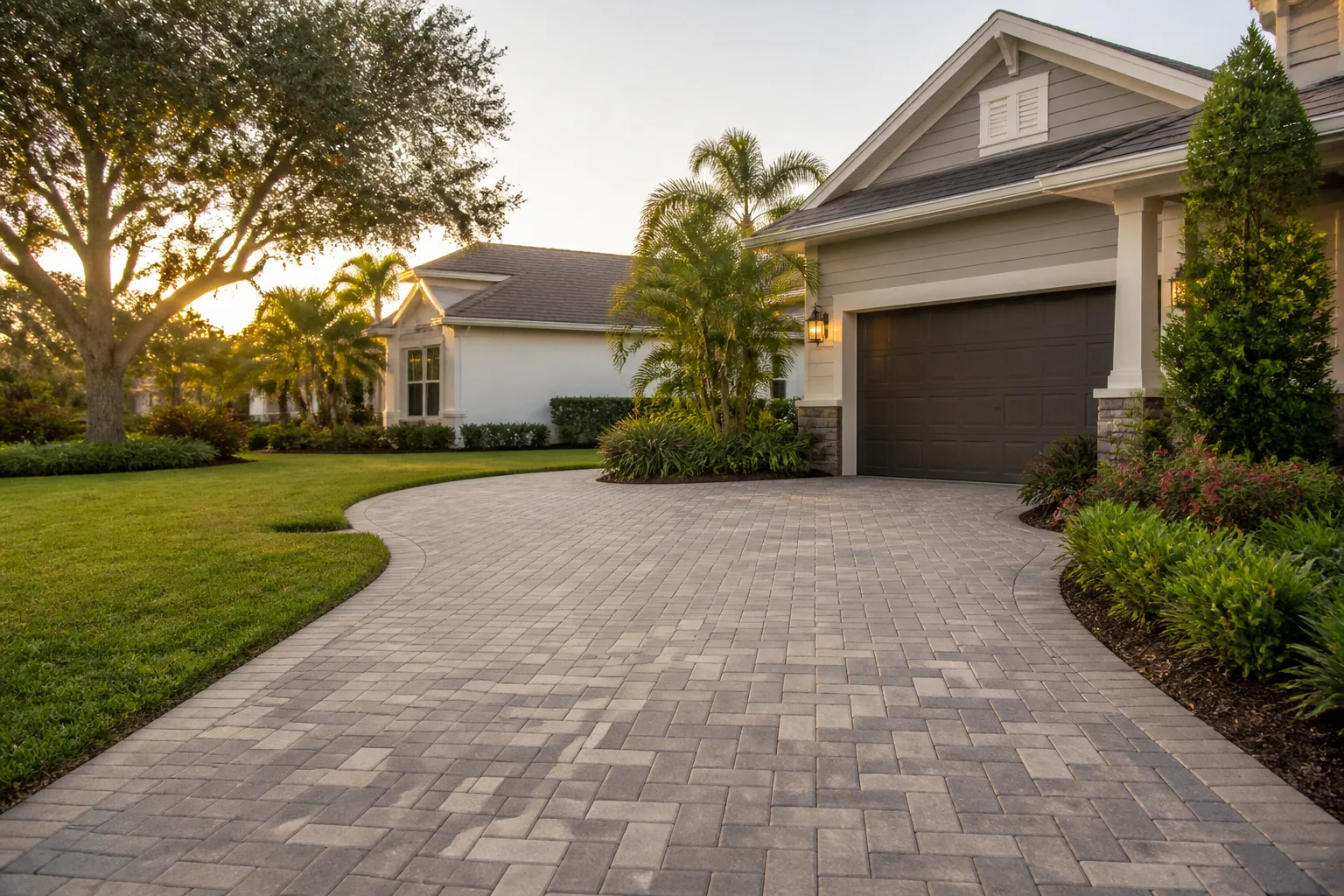
Paver selections from curated product lines – we work with Belgard and Oldcastle systems among others – give you compliant color options up front, so the submittal to your ARB shows a finished look rather than a promise. That shortens the approval loop considerably.
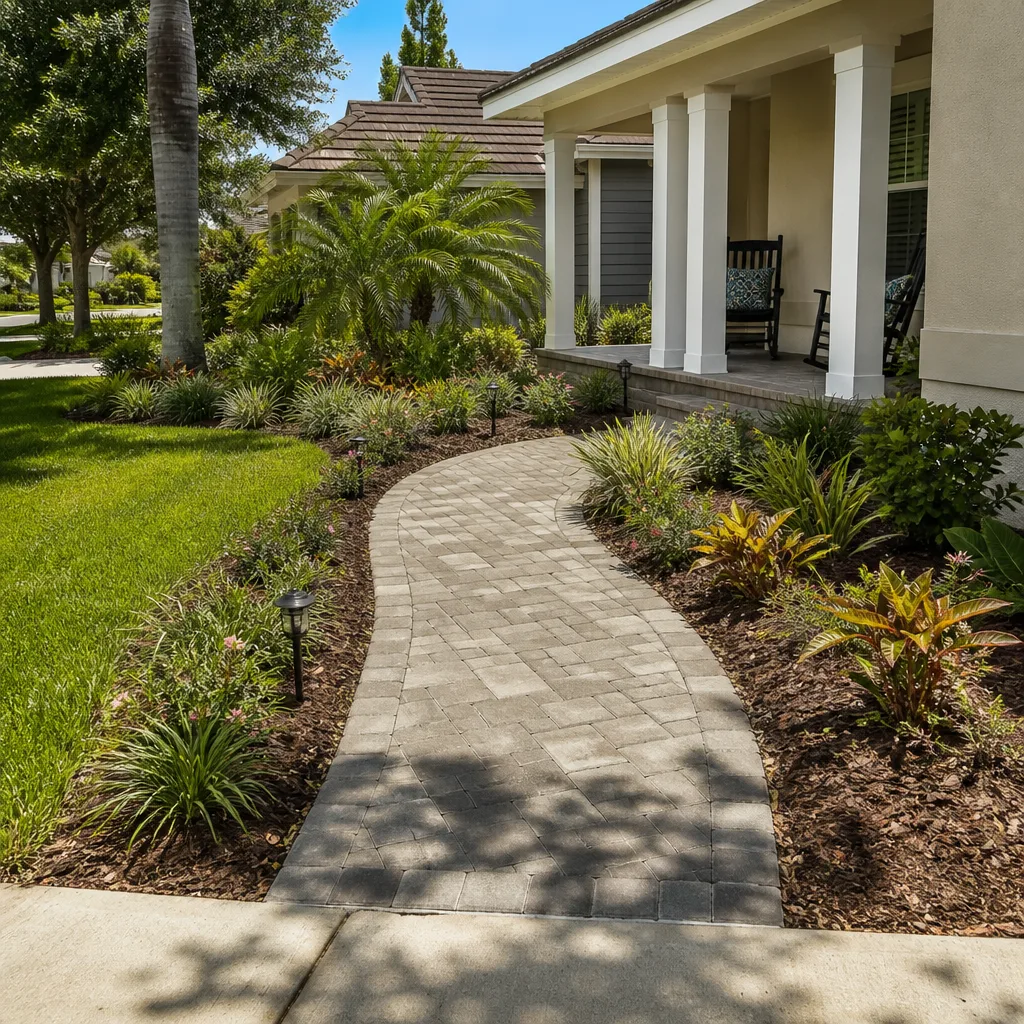
When you’re ready to see what’s approved for your community, our Driveway & Pavers in Lake Forest page covers the material options, and our Driveway & Pavers overview walks through the full install process from demolition to joint sand.
Apples-to-Apples Pricing: What Belongs in Both Quotes
Most homeowners compare a paver bid against a concrete bid and miss three line items. Get both quotes broken out the same way and the comparison gets honest fast.
- Base prep and grading. On sloped lots, excavation and compaction are the biggest variable, and they differ between materials.
- Drainage. Concrete quotes often exclude drainage cuts or permeable add-ons required to satisfy LID thresholds. Paver quotes should show the joint-sand and base-course spec that meets permeability.
- HOA submittal fees. Architectural review fees are real money and usually left out of both quotes. They belong in the comparison.
- Base material brand. Quikrete and Sakrete base and concrete products are common in this market. Ask which spec is in the bid – it affects long-term performance.
- Warranty scope. A workmanship guarantee should cover settling, joint failure, and cracking, not just material defects. Ours is the 730-Day Done Right Promise: if it’s not done right, we make it right.
Our pricing model is upfront, line-item, and no-hassle – the number you see is the number you pay, and the quote separates materials, labor, and HOA fees so you can stack it against any competitor’s bid. Current promotions include $1,000 off projects over $10,000 and 0% financing for 18 months. Calls are answered by a live person 24/7, and our background-checked, uniformed technicians handle every install.
For a broader look at how we handle home construction in this city, start at our home page.
Common Local Scenarios We See on Lake Forest Driveways
A 1985 tract home in Foothill Ranch with a cracked slab and a tree root underneath. The concrete has to come out in sections either way. At that point the cost gap narrows to a few thousand dollars, and pavers come with targeted repair forever after. We usually recommend pavers here.
A flat cul-de-sac lot with no trees and no slope. Concrete at $4,500-$8,000 is a genuinely reasonable choice if your HOA allows the color. We’ll say so. There’s no pressure to sell you a paver install that doesn’t earn its cost.
A Portola Hills hillside driveway with ponding at the apron. This is a drainage problem first, material problem second. Pavers with a permeable base spec solve both. Concrete without drainage engineering solves neither.
An HOA that requires earth tones in a community where every neighbor has gray concrete. Existing non-conforming driveways get grandfathered. New installs may not. Check before you pour.
Lake Forest’s semi-arid climate also affects timing. Summer heat over 95°F changes concrete curing schedules, and Santa Ana winds can drive dust into fresh pours. Paver installs are less weather-sensitive on that front, which is a small operational reason installs sometimes finish faster here in August.
FAQs
Paver driveway installation in Lake Forest runs $7,000-$18,000, while concrete driveway installation runs $4,500-$12,000. The gap narrows once you add LID-required drainage, HOA submittal fees, and long-term crack repair into the concrete bid. Call (855) 532-8973 for a line-item quote on both – the estimate and design consult are free.
In most cases yes, and more easily than gray concrete, because earth-tone paver lines meet the color and texture standards those ARBs typically require. Rules vary by community, so pull your CC&Rs first and submit material samples with your architectural review application. We’ll help you prepare the submittal – call (855) 532-8973.
Orange County’s Low Impact Development requirements can trigger a permeable surface requirement once hardscape coverage passes a threshold on a lot, which comes up on larger driveways and hillside properties here. Interlocking pavers satisfy that through their joint system at no extra material cost; concrete needs permeable add-ons or drainage cuts. Call us and we’ll tell you where your lot stands.
A properly installed paver driveway holds up far longer on Lake Forest’s expansive clay soils, mainly because individual units flex instead of cracking as a slab. Concrete often cracks within a few seasonal wet-dry cycles on hillside lots. Repair cost is the bigger difference – pavers allow single-unit replacement, concrete needs a full section cut out.
Get a Straight Answer on Your Driveway
If you’d rather have it looked at, Groundwork Construction Co. of Lake Forest offers a no-pressure assessment in Lake Forest – call (855) 532-8973. We’ll bring the material samples, quote both options line by line, and tell you honestly when concrete is the smarter buy.
Written by the team at Groundwork Construction Co. of Lake Forest, serving Lake Forest, CA.