Free written scope consultation - allowances, timeline, and change-order rules on paper before a single trade is scheduled
ADU Site Prep & Utilities in Coto de Caza: What It Costs and How Long It Takes
ADU Site Prep & Utilities in Coto de Caza typically runs $45,000 – $130,000 for the site work and utility package, and the full process from staking to final utility inspection usually takes 6 – 14 weeks depending on how much trenching, grading, and panel capacity your lot demands. That number covers clearing and grading, the utility trench, water, sewer or septic tie-in, the electrical service and subpanel, and the inspections that go with them. Call (855) 532-8973 to schedule a free on-site estimate; we’ll walk the lot with you and put real numbers in writing.
How We Do This Job: The Real Sequence, Stage by Stage
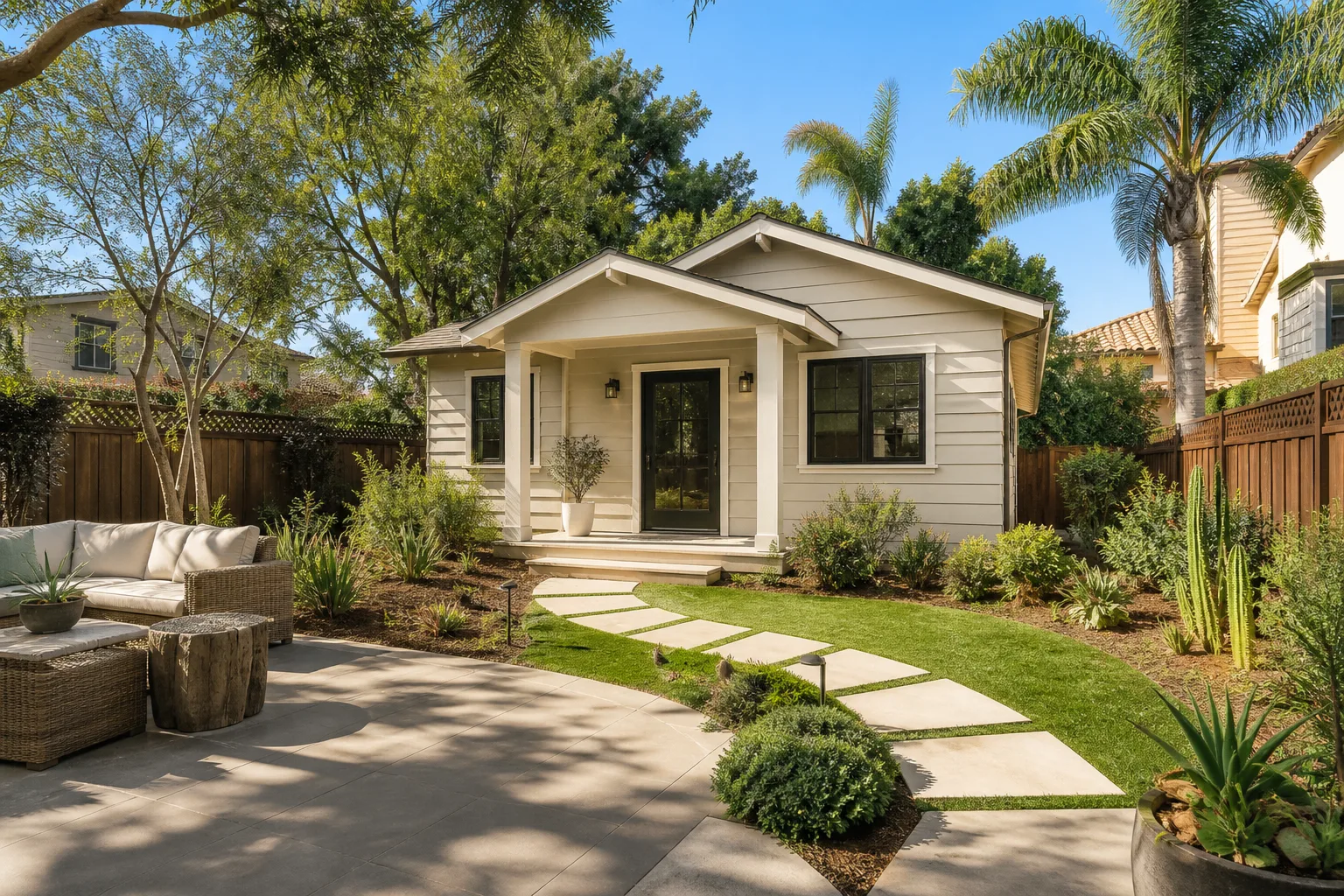
Site prep and utilities aren’t glamorous, but getting the order right is what keeps your ADU from stalling at inspection. Here’s how a project actually unfolds on a Coto de Caza lot.
Stage 1: Lot Walk and Utility Locate (Days 1 – 2)
We start by finding out what’s already in the ground before anyone fires up a machine. That means calling 811 for utility marking, pulling any as-built drawings the county has on file, and confirming the water main size and sewer invert depth at the connection point. On Coto de Caza lots the sewer lateral is often deeper and further from the build pad than owners expect, so this step decides the trench route. You’ll decide here whether the ADU ties into the existing sewer or needs a septic system, which is the single biggest fork in the road for cost.
Stage 2: Clearing, Grading, and Pad Prep (Days 3 – 10)
We strip vegetation, grade the site to drain away from the existing house, and compact the pad to the depth the structural plans call for. Coto de Caza’s foothill soils can include expansive clay and shallow rock, so we test before we compact rather than guessing. If the geotech report calls for over-excavation or import fill, that’s a cost you want to know about now, not after the slab is poured. You’ll approve the final pad elevation at the end of this stage.
Stage 3: Trenching and Utility Rough-In (Days 10 – 24)
Water, sewer, electrical conduit, and any gas line go in together in one coordinated trench. Doing them separately trips over itself and doubles the excavation bill. We bed the pipe in sand, set clean-outs and stub-ups where the plans locate them, and rough in the electrical conduit for both power and low-voltage. You won’t have much to decide here except confirming fixture locations, which you should have locked in during design.
Stage 4: Electrical Service and Panel Work (Days 24 – 35)
If your existing panel has room and capacity for a 60 – 100 amp ADU feeder, this stage is straightforward. If it doesn’t, you’re looking at a panel upgrade or a subpanel, and that requires a load calculation and coordination with the utility. On older Coto de Caza homes built in the late 1980s and 1990s, a 200-amp main isn’t guaranteed, so we check before we promise. This is also where we set the meter and service disconnect if the ADU gets its own.
Stage 5: Inspections, Backfill, and Restoration (Days 35 – 50+)
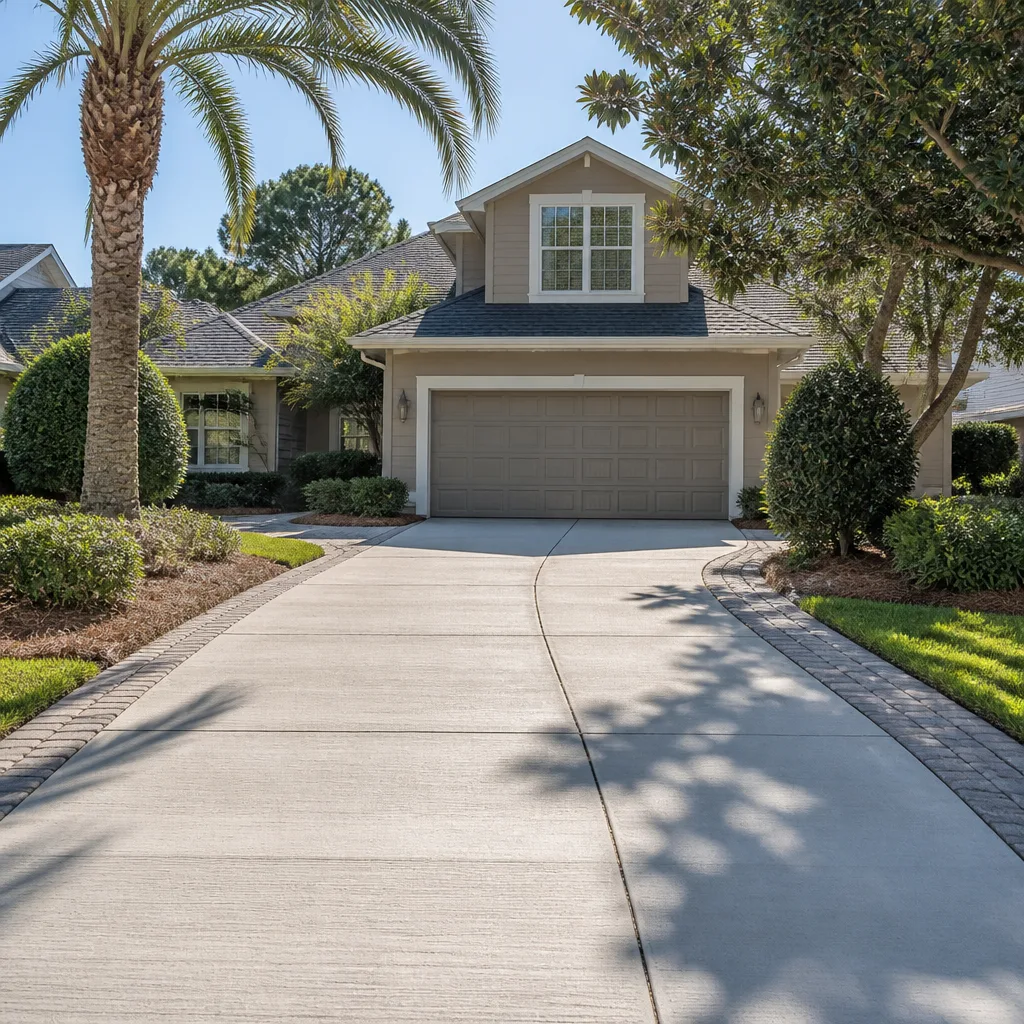
Rough plumbing, electrical, and gas each get their own inspection before anything is buried, and that sequencing is not flexible. Once inspections pass, we backfill, compact in lifts, and restore the driveway edge or landscape the trench crossed. If that restoration involves replacing an asphalt apron or pouring a new pad, homeowners often pair this stage with Concrete Driveways & Concrete Work in Coto de Caza rather than scheduling a second crew later.
Styles & brands we work with
- Kitchen remodeling
- Bathroom remodeling
- Home additions & ADU
- Roofing
- Windows & doors
- Driveway & pavers
- Fence
The Options You’ll Choose Between on a Coto de Caza ADU
Every one of these decisions moves the number, and the honest trade-offs matter more than the upgrade pitch.
- Sewer tie-in vs. septic. Tying into the existing lateral is almost always cheaper if your lot has the grade for it. Septic or a mound system costs substantially more and requires its own permits, but on a large equestrian lot it can be the only option.
- Full panel upgrade vs. a subpanel. A subpanel with enough capacity for the ADU’s load usually runs far less than a full service upgrade. If the main is already maxed, though, the subpanel is a band-aid and you’ll want the real fix.
- Trench depth and insulation. Code-minimum depth is fine for most runs, but a deeper trench with insulation protects water lines better through Coto de Caza’s hard freezes and hot summers and costs a bit more upfront.
- Copper vs. PEX water lines. Copper lasts longer and resists UV and heat better; PEX is cheaper, faster to run, and handles freeze-thaw more gracefully. For our climate, PEX in a protected trench is a very reasonable choice.
- Grading and drainage. Adding French drains, swales, or a small retaining wall keeps runoff away from both the ADU and the original house. Skipping drainage is cheaper today and expensive the first wet winter.
What ADU Site Prep & Utilities Costs in Coto de Caza, CA
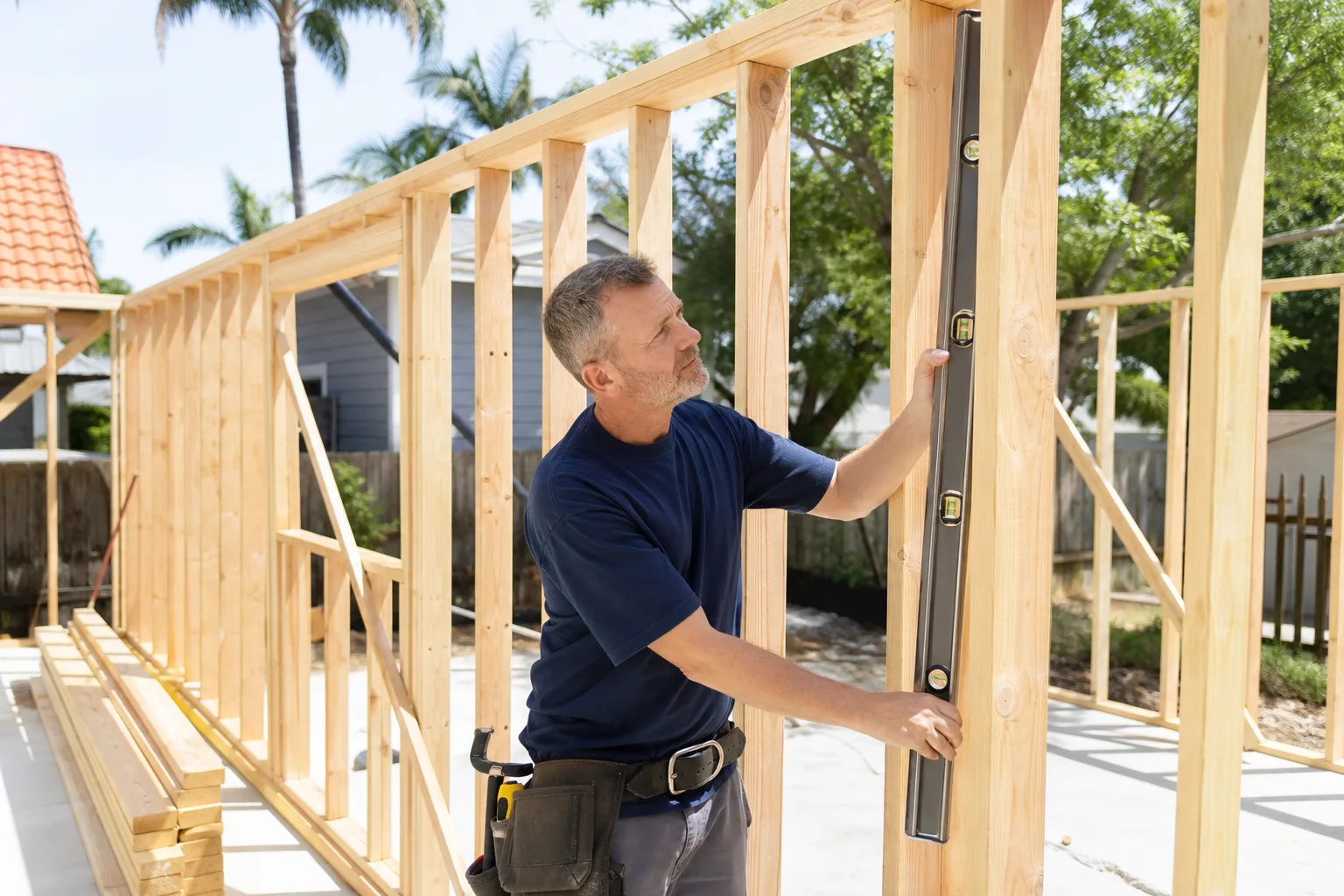
Plan for $45,000 – $130,000 for site prep and utilities on a Coto de Caza ADU. The wide range is honest: a flat lot with a close sewer connection and spare panel capacity sits near the bottom, while a sloped equestrian lot needing septic, import fill, a panel upgrade, and long trench runs lands at the top.
What pushes a job toward one end or the other:
- Distance to utilities. Every extra hundred feet of trench, pipe, and conduit adds real cost. Back-lot ADU placements are the common culprit.
- Existing panel capacity. A 60-amp feeder on an oversized panel is cheap; a service upgrade with utility coordination is not.
- Soil and grade. Expansive clay, rock, or a pad that needs retaining walls means excavation and structural work beyond a simple scrape-and-grade.
- Sewer vs. septic. This is the single largest swing on the page, and it depends entirely on the lot.
- Permit scope. Grading permits, utility permits, and inspection cycles each have their own fees and their own waiting periods.
A written estimate from us lays out excavation, materials, backfill, restoration, and permit fees line by line. It typically does not include the ADU’s interior finishes, the building itself, or any landscape design beyond restoring what the trench crossed. See our Home Additions & ADU service for the broader picture of what a complete build includes.
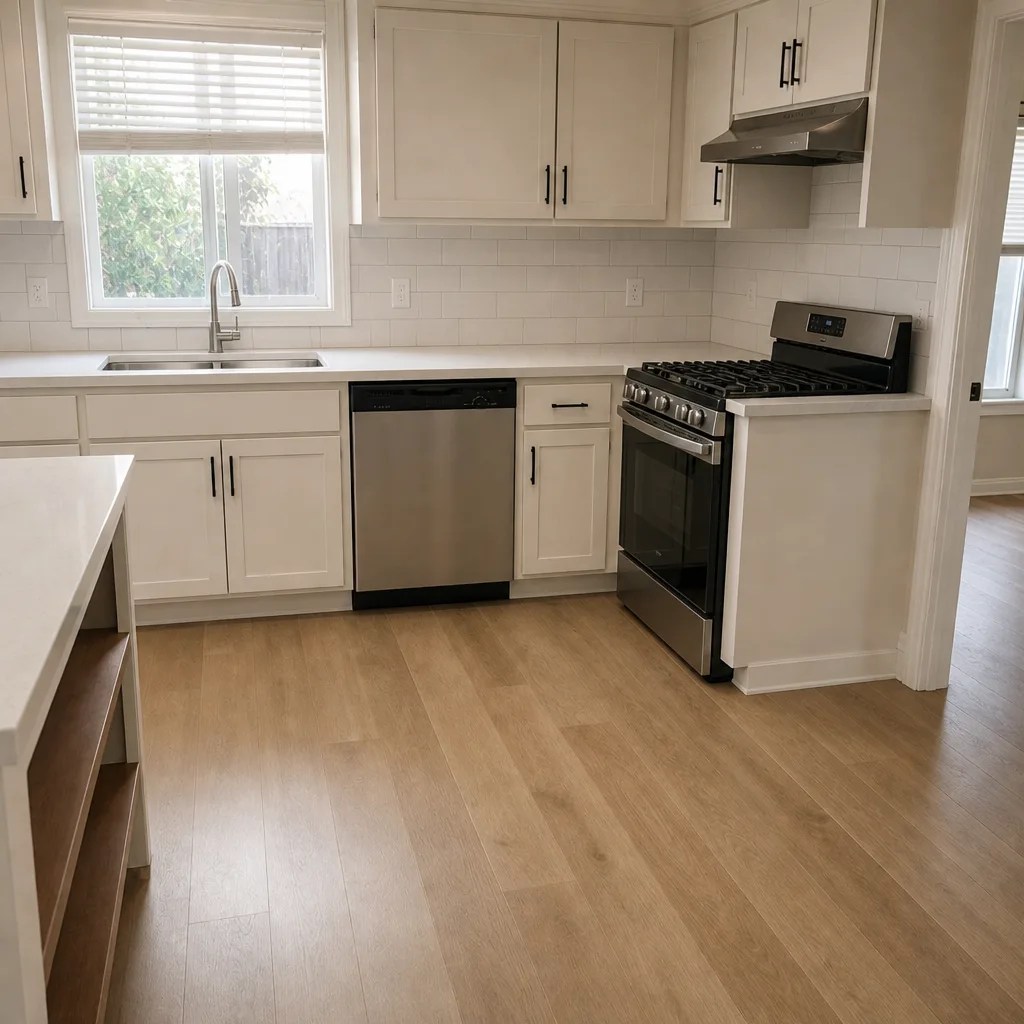
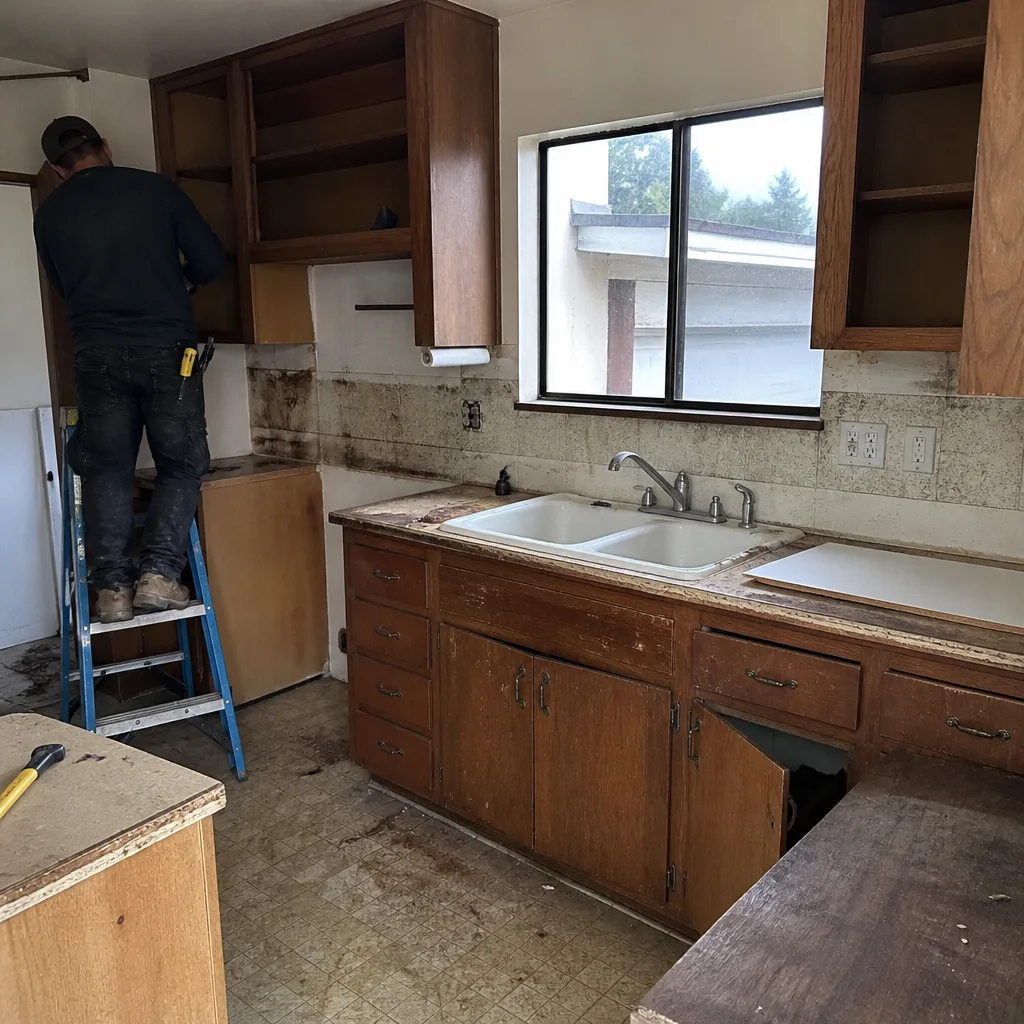
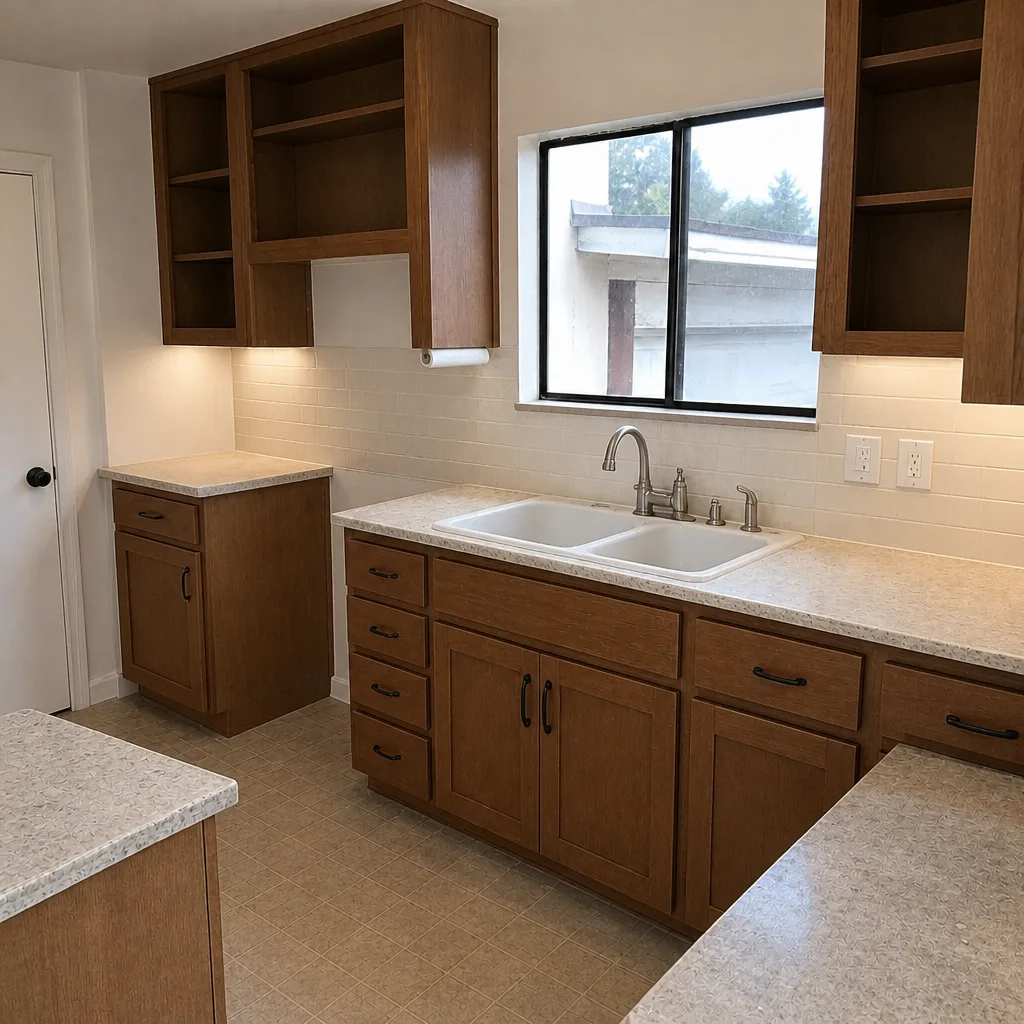
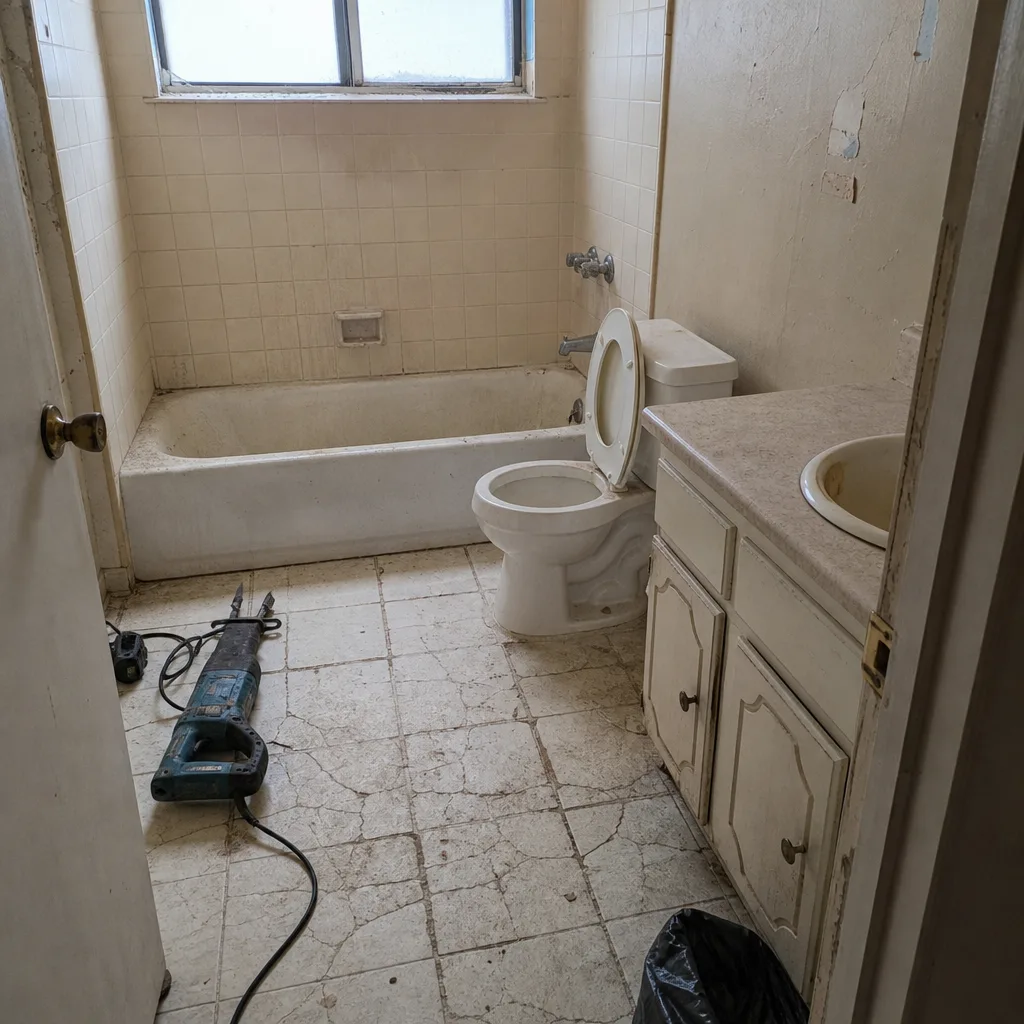
See the difference
 Before
 After
 Before
 After
 Before
 After
What Coto de Caza Homes Specifically Do to This Job
Coto de Caza is a gated, master-planned equestrian and golf community in a high-fire-severity canyon corridor of the Santa Ana foothills, and that changes site prep in ways no coastal Orange County job faces. The architectural review committee and the HOA both weigh in on grading, drainage, and any visible utility work before a permit is even pulled. Because the community sits inside a wildland-urban interface, defensible-space rules and ignition-resistant detailing apply to the ADU itself, and the trench and pad work has to be planned around them. Fall scheduling at the height of Santa Ana wind season draws stricter fire-authority scrutiny than the same job in spring.
The housing stock matters too. Most Coto de Caza homes were built from the late 1980s through the 2000s, with tile roofs, stucco walls, and attached casitas, and many of the larger lots carry barns and corrals. That means the utility infrastructure on the property can be older than the current code assumes, and a sewer lateral or panel from that era needs careful inspection before you commit. If you’re planning the whole build rather than just the site work, the smart move is to pair this stage with the full scope of our Home Additions & ADU in Coto de Caza work so the design, site preparation, and construction stay aligned. We cover the whole Coto de Caza community, and when the trench restoration hits a driveway, pairing it with Paver Driveways in Coto de Caza is a clean way to finish the job right.
Serving Coto de Caza, CA – Our Local Coverage Area
We serve Coto de Caza and nearby communities. Use the map below to see the area we cover. If you’re nearby, we can almost certainly help.
Frequently Asked – ADU Site Prep & Utilities in Coto de Caza
Six to fourteen weeks from staking to final utility inspection, depending on sewer versus septic, trench length, and panel condition. Permit review adds its own timeline and varies with fire-hardening documentation. Call (855) 532-8973 for a schedule matched to your lot.
Yes. Grading, plumbing, electrical, and gas work all require permits, and the utility trench must pass inspection before backfill. In Coto de Caza the work also clears HOA architectural review. Call (855) 532-8973 and we’ll walk you through what gets pulled and when.
Usually yes, and that’s the whole point of doing site prep as its own phase. The ADU ties into the existing sewer and water at a point we select for the best grade, and the original house stays untouched unless its panel or main needs upgrading. Call (855) 532-8973 for an on-site look.
Between $45,000 and $130,000, driven by sewer vs. septic, trench distance, panel capacity, and soil conditions. Call (855) 532-8973 for a written, line-item estimate, free and on site.
Our 730-Day Done Right Promise covers the workmanship. If it isn’t done right, we make it right. Materials carry their own manufacturer warranties, and we’ll spell out which is which in your estimate. Call (855) 532-8973 to schedule a free estimate.
Ready to Price Your Coto de Caza ADU Site Work?
Call (855) 532-8973 to schedule a free on-site estimate for ADU Site Prep & Utilities in Coto de Caza. When you call, a live person picks up, we set a time to walk the lot, and we come back with a written line-item bid that covers excavation, utilities, permits, and restoration. No change-order surprises. Estimates are free.
Written by the team at Groundwork Construction Co.