Free written scope consultation - allowances, timeline, and change-order rules on paper before a single trade is scheduled
ADU Site Prep & Utilities in Mission Viejo: What It Takes and What It Costs
ADU site prep and utilities in Mission Viejo typically runs $45,000 – $130,000 for the site work package: grading and drainage, the utility trench runs, the pad, and the inspections that go with each stage. Timeline is usually 3 – 6 weeks for a straightforward flat lot, longer on a slope-adjacent parcel where retaining and drainage correction come first. Call (855) 532-8973 to schedule a free on-site estimate; we’ll walk the lot with you and put a written line-item number in your hands.
How the Site Work Actually Sequences, Stage by Stage
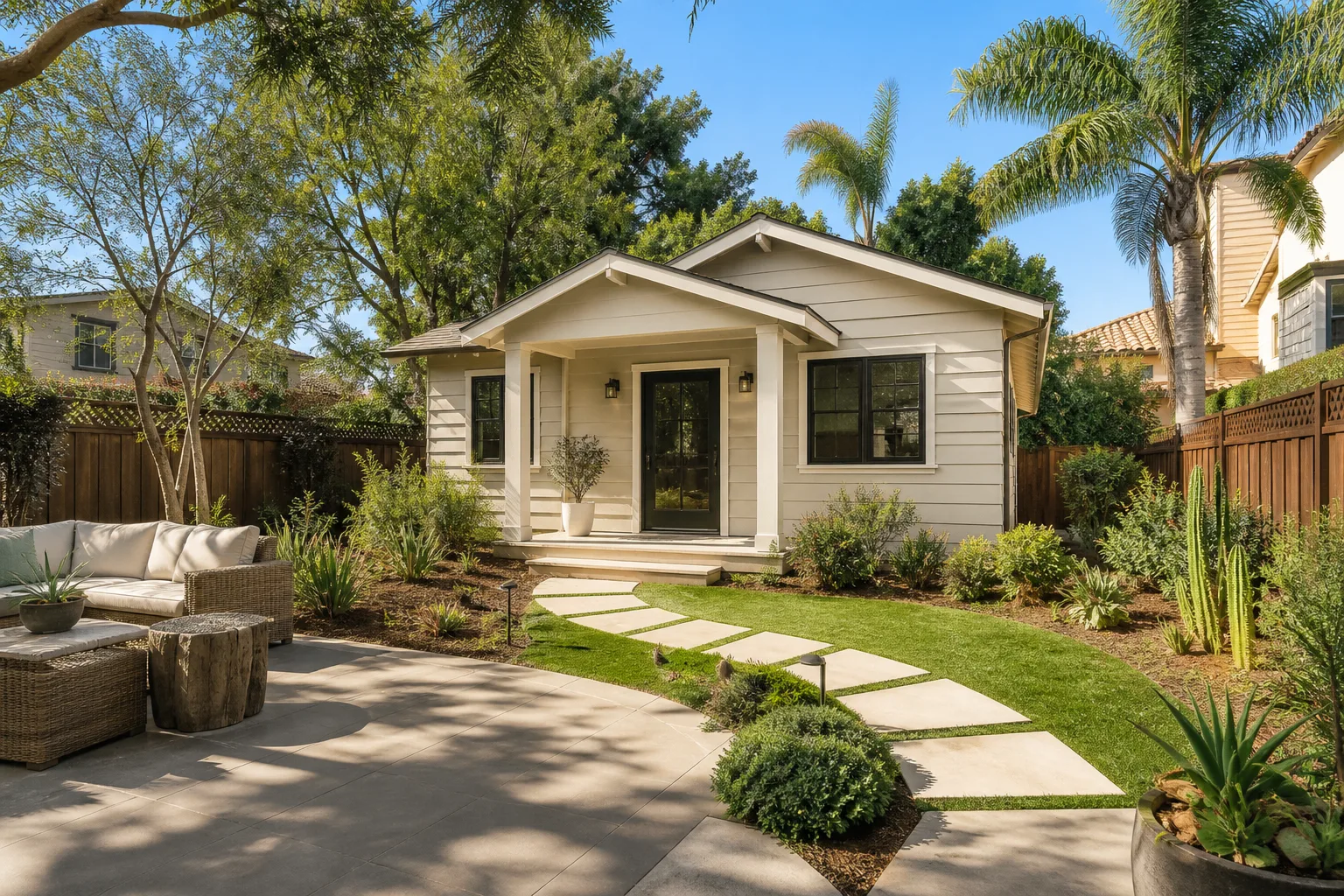
Site prep is the least glamorous and most decisive part of any backyard unit. Get the pad and the utilities wrong and everything downstream inherits the problem. Here’s the order we work in and what you’re deciding at each step.
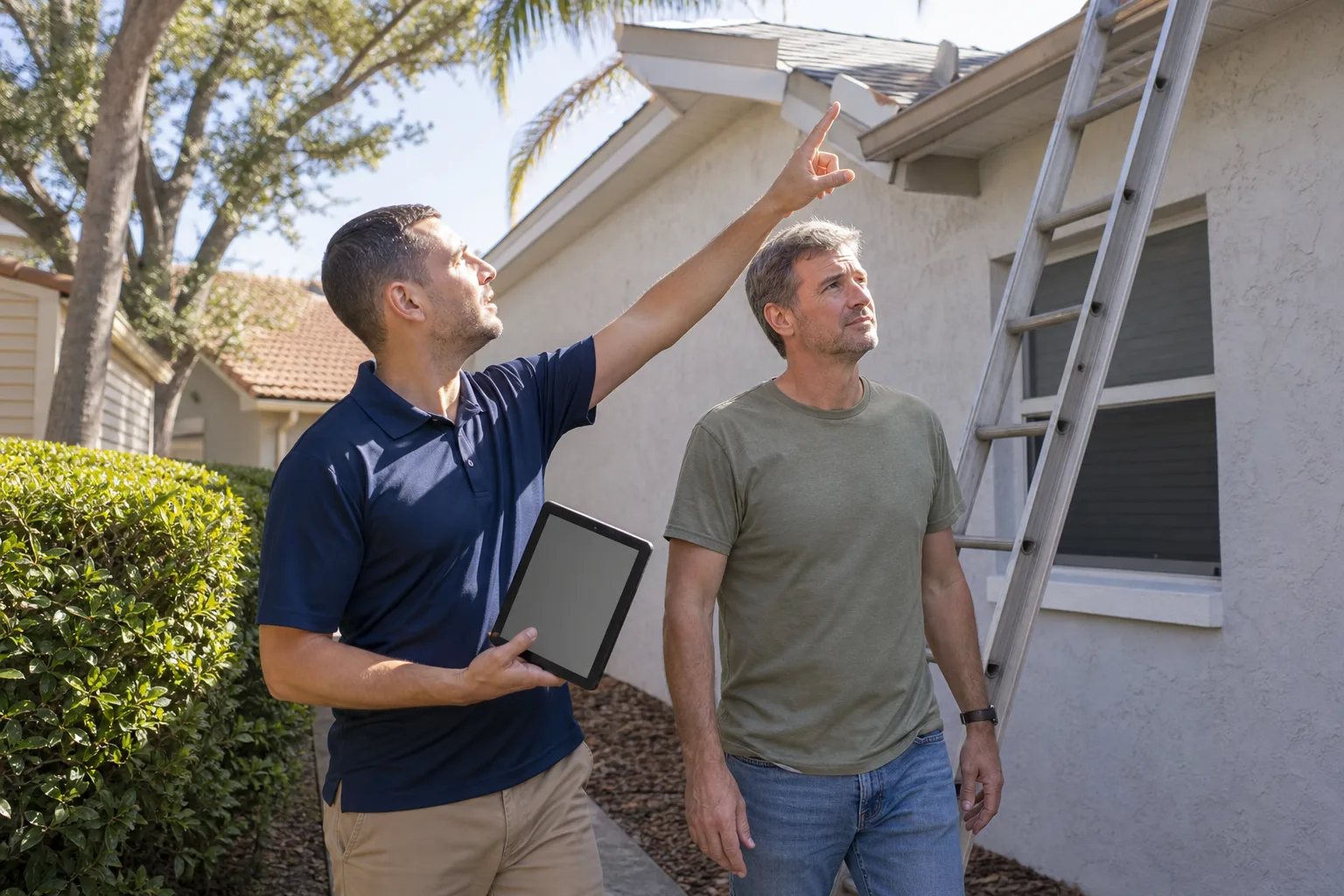
Stage 1: Site walk, survey, and utility locate (days 1 – 3)
We start by locating the main sewer, water, gas, and electrical service on your property and confirming depth and material. On 1966 – 1985 tract homes in Mission Viejo, that often means finding original cast-iron or galvanized lines that are already at end of life. You decide here whether the ADU ties into existing service or needs an upgraded panel and a new lateral. That decision alone can swing the project by five figures, so we get it settled before anyone digs.
Stage 2: Demolition, clearing, and grading (roughly days 4 – 10)
We remove concrete, plantings, and any hardscape in the footprint, then cut and fill to bring the pad to grade. Hillside-adjacent lots along the ridge areas need drainage correction worked into this stage: swales, area drains, and sometimes a low retaining wall to keep water from stacking against the new structure. You approve the drainage plan and wall height before we pour or build.
Stage 3: Utility trenching and rough-in (days 8 – 18, overlaps grading)
This is where the schedule lives or dies. We trench the water, sewer, gas, and electrical runs from the main house to the ADU footprint, set the conduit, and stub everything up. Sewer needs fall; we check slope before backfill because a shallow re-dug trench is a week you don’t get back. You decide fixture locations and the electrical panel layout at this stage, since moving them later means cutting concrete.
Stage 4: Inspection and backfill (days 18 – 24)
Rough plumbing, electrical, and gas get inspected before backfill and the pad pour. We pull the permits and meet the inspector on site. This is the stage that stalls projects for contractors who didn’t plan for it, and it’s the stage we build slack into.
Stage 5: Pad pour, final connections, and site restoration (days 24 – 35)
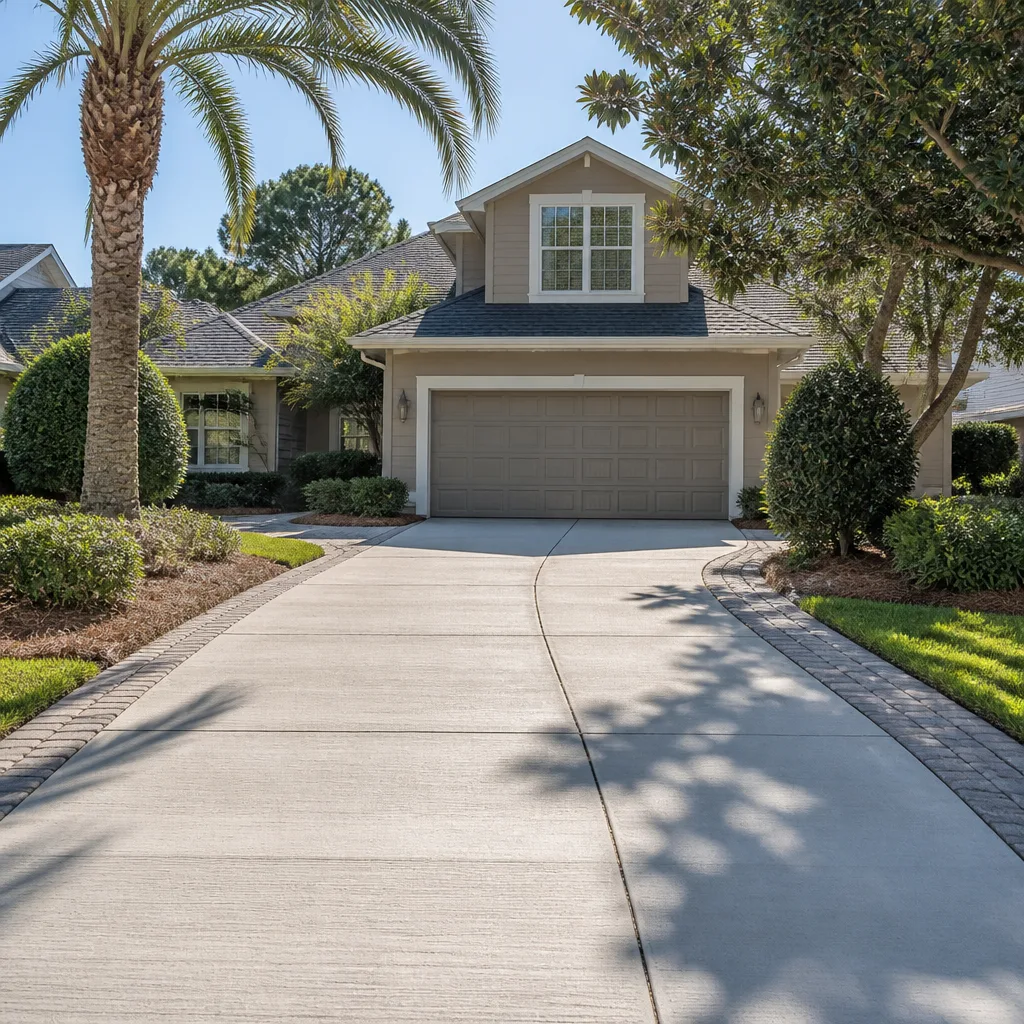
We pour the slab or set the foundation system, make final utility connections, restore the yard, and walk you through the as-built. You get the inspection record and a written summary of what was done. From there the structure itself goes up, and most homeowners pair the concrete flatwork here with our Concrete Driveways & Concrete Work in Mission Viejo so the access path and pad are finished together.
Styles & brands we work with
- Kitchen remodeling
- Bathroom remodeling
- Home additions & ADU
- Roofing
- Windows & doors
- Driveway & pavers
- Fence
The Spec Choices That Move the Number
Site prep is not a single product, so there’s no single answer on materials. These are the forks most Mission Viejo homeowners hit:
- Utility tie-in vs. new service: Tying into the existing panel and lateral is cheaper but only if the existing service has capacity. A 1960s – 70s home often doesn’t. Upgrading the panel and running a new lateral adds real cost but avoids nuisance trips and code problems down the line.
- Standard trench vs. directional boring: Open trenching is straightforward and cheap where you can dig. If the route crosses mature trees, a driveway, or a finished patio, directional boring costs more but saves the hardscape. On tree-heavy lots, boring usually wins on total cost.
- Slab-on-grade vs. raised foundation: Slab is the value pick on flat lots. On a graded or slope-adjacent site, a stem-wall or raised foundation handles grade changes better and keeps the unit out of the drainage path.
- Drainage: surface swale vs. buried system: A graded swale with area drains is the practical choice for most lots. A buried French drain or dry well handles the heavy-rain events better on hillside lots but costs more to install and maintain.
- Grading and retaining: Flat lot, minimal grading. Slope-adjacent lot, expect a retaining wall and engineered drainage, and expect that to be a meaningful slice of the budget.
We don’t sell a package. We look at your lot, your existing service, and what you want the finished unit to do, then quote the spec that fits.
What ADU Site Prep & Utilities Costs in Mission Viejo, CA
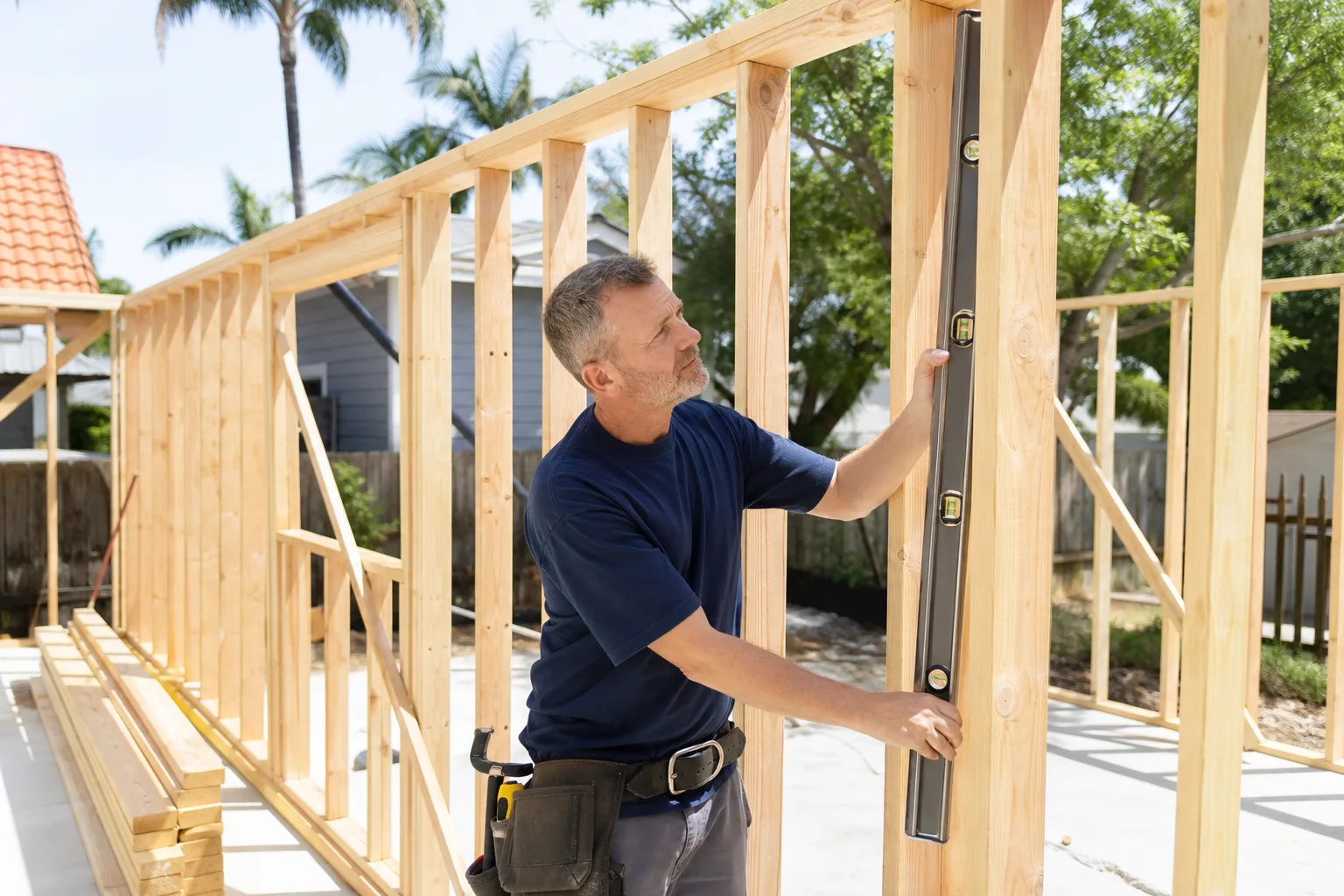
For a typical single-family lot, site prep and utilities run $45,000 – $130,000. That’s the range; here’s what pushes a job to one end or the other.
- Lot condition and grade: A flat rear yard sits at the low end. A sloped or ridge-adjacent parcel with grading and a retaining wall pushes toward the high end.
- Utility distance and condition: Short run to healthy service is cheap. Long runs, or replacing aging cast-iron and galvanized lines on a 1970s home, adds cost.
- Panel and service capacity: If the existing electrical service can’t carry the ADU, an upgrade belongs in the budget.
- Obstructions: Mature trees, finished hardscape, or a driveway in the trench path add cost through boring or restoration.
- Permit and approval scope: Site work tied to architectural review and inspections carries more coordination than a simple flat-lot job.
Your written estimate lists grading, trenching, conduit, connections, inspection coordination, and restoration as line items. Excavation surprises (unknown utilities, rock, or an unrecorded septic) are flagged as allowances, not buried in a lump sum. Upfront pricing means the number you see is the number you pay on the scope we agreed to. The full unit, once site work is done, falls into our Home Additions & ADU in Mission Viejo scope; see that page for the structure side of the build.
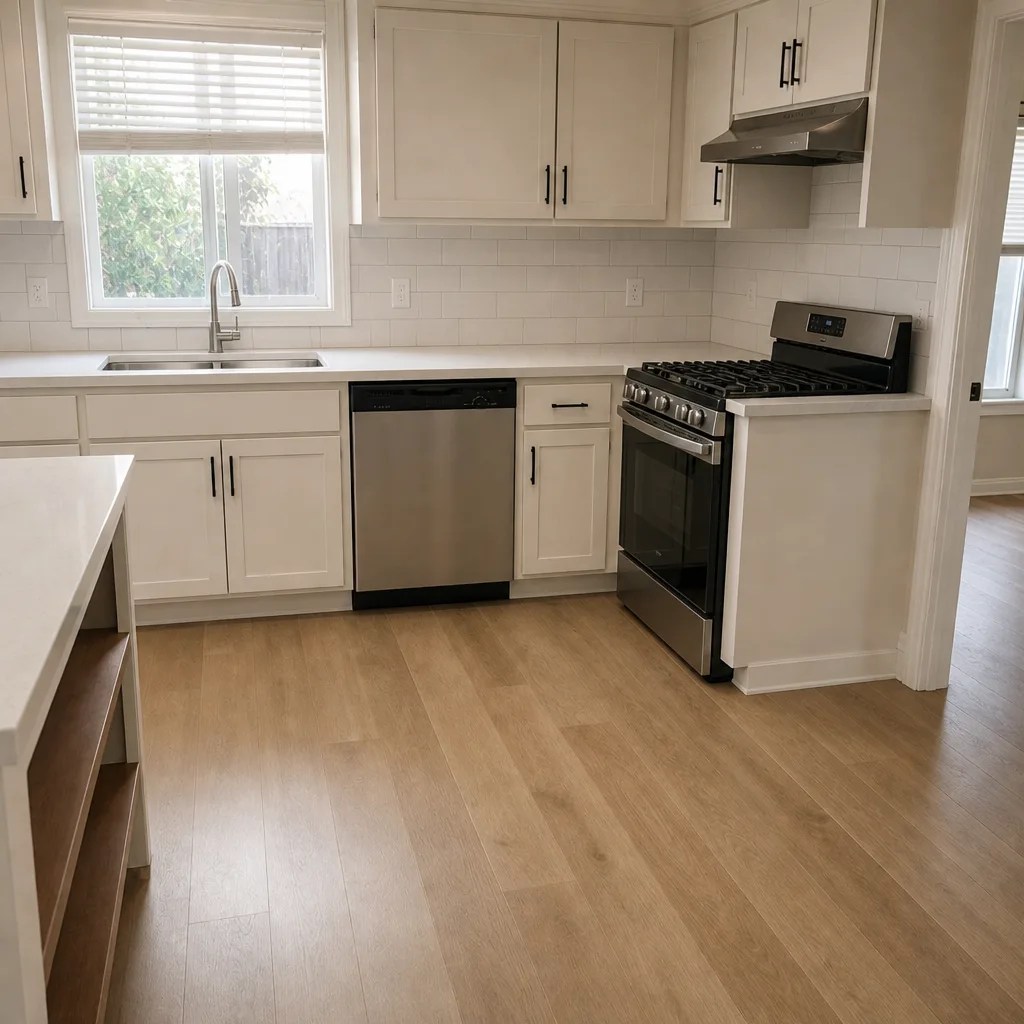
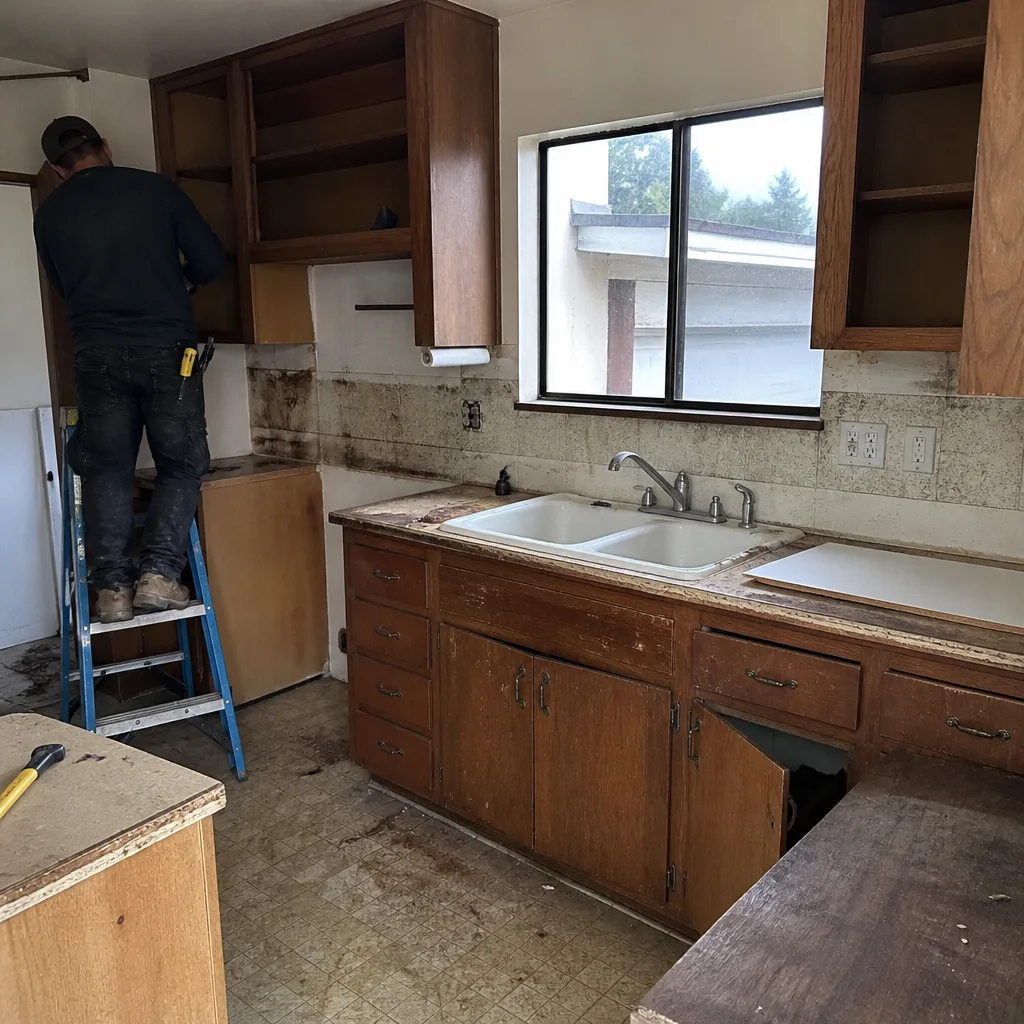
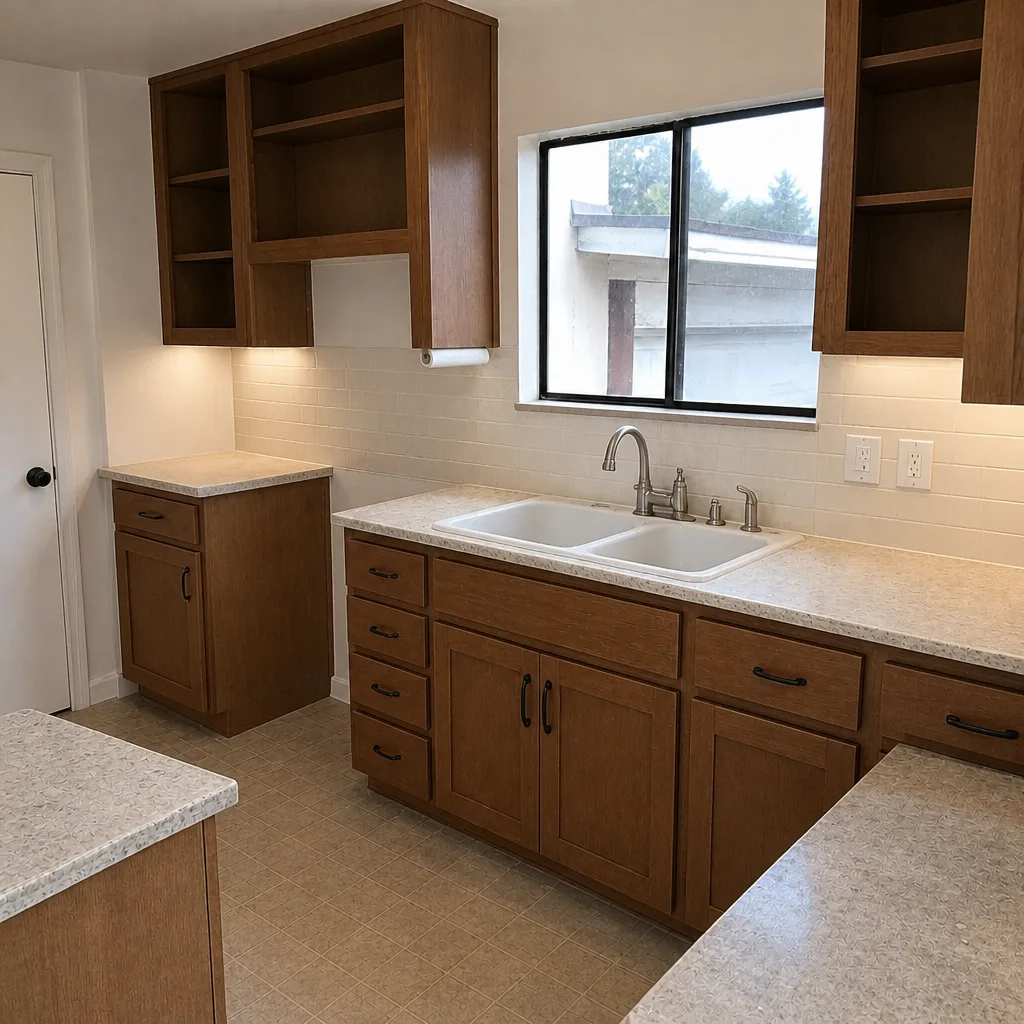
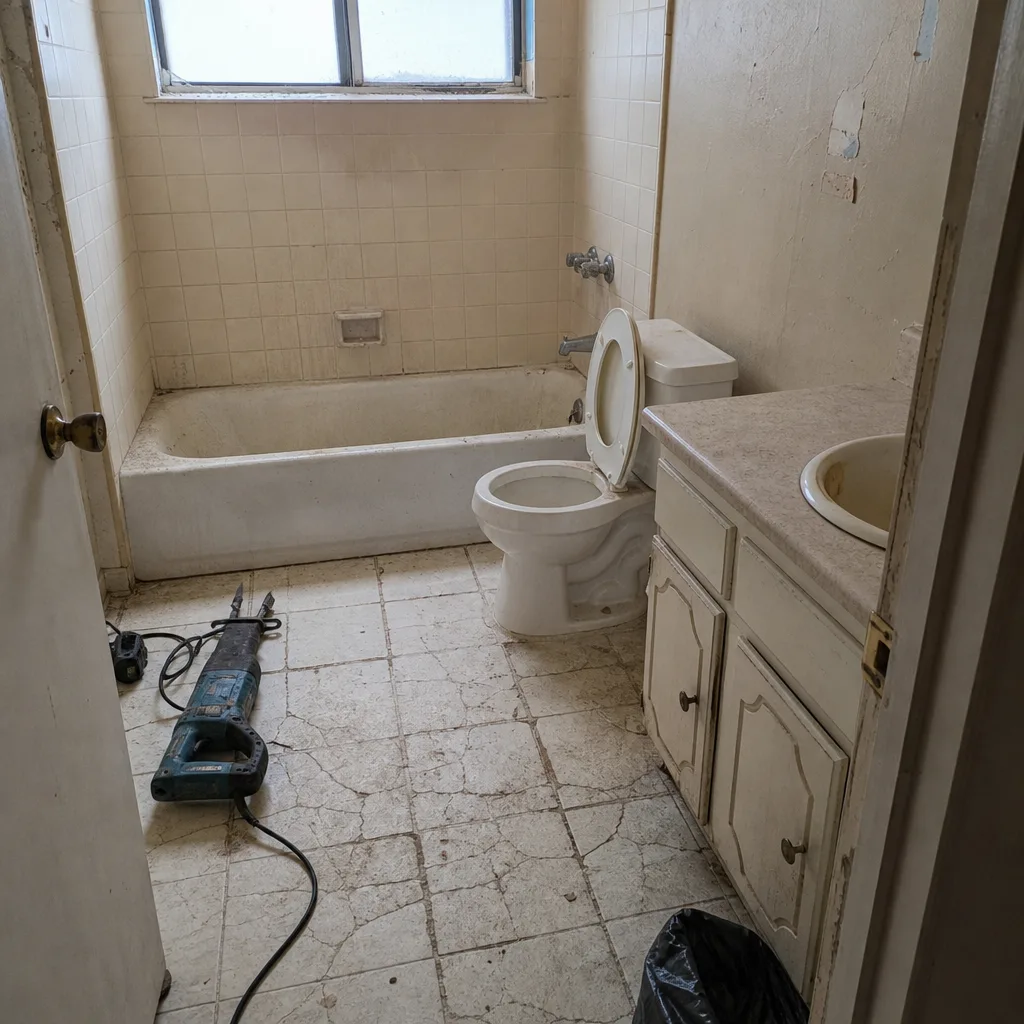
See the difference
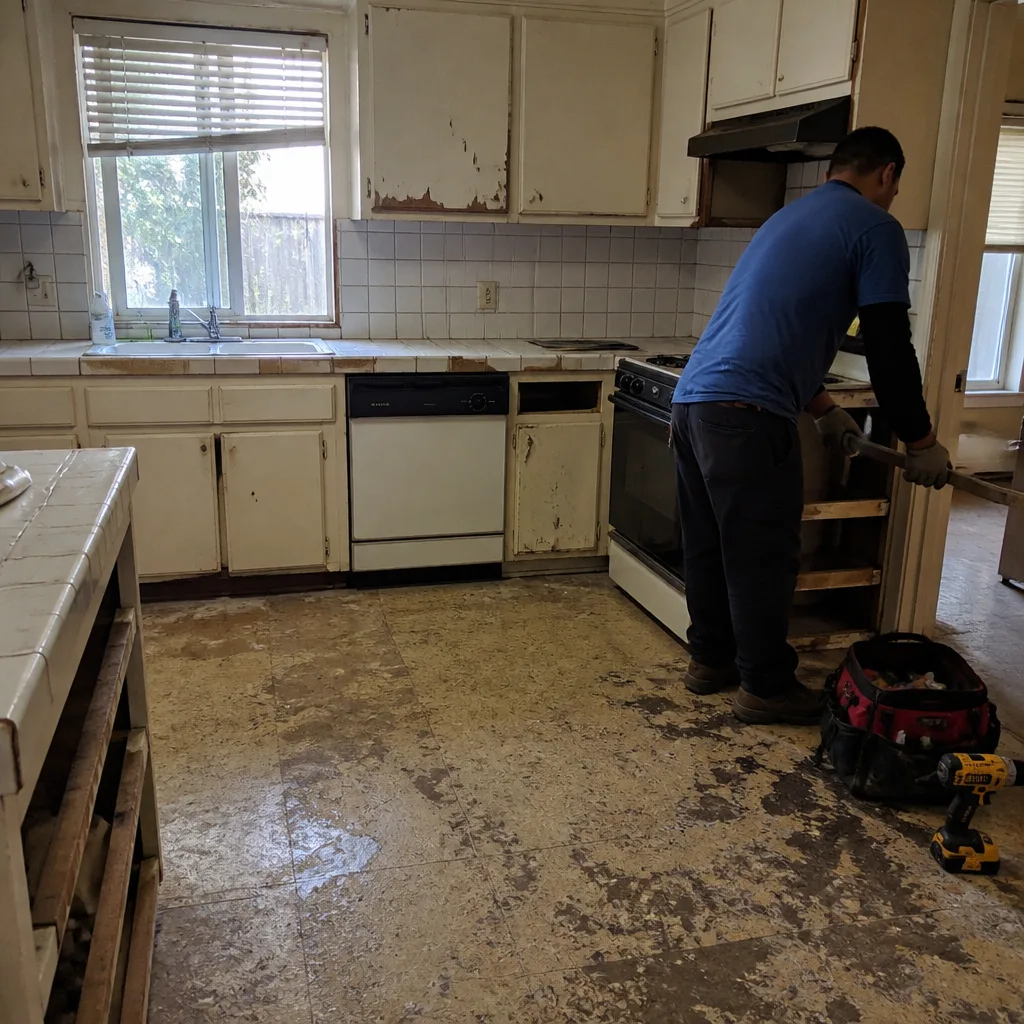 Before
 After
 Before
 After
 Before
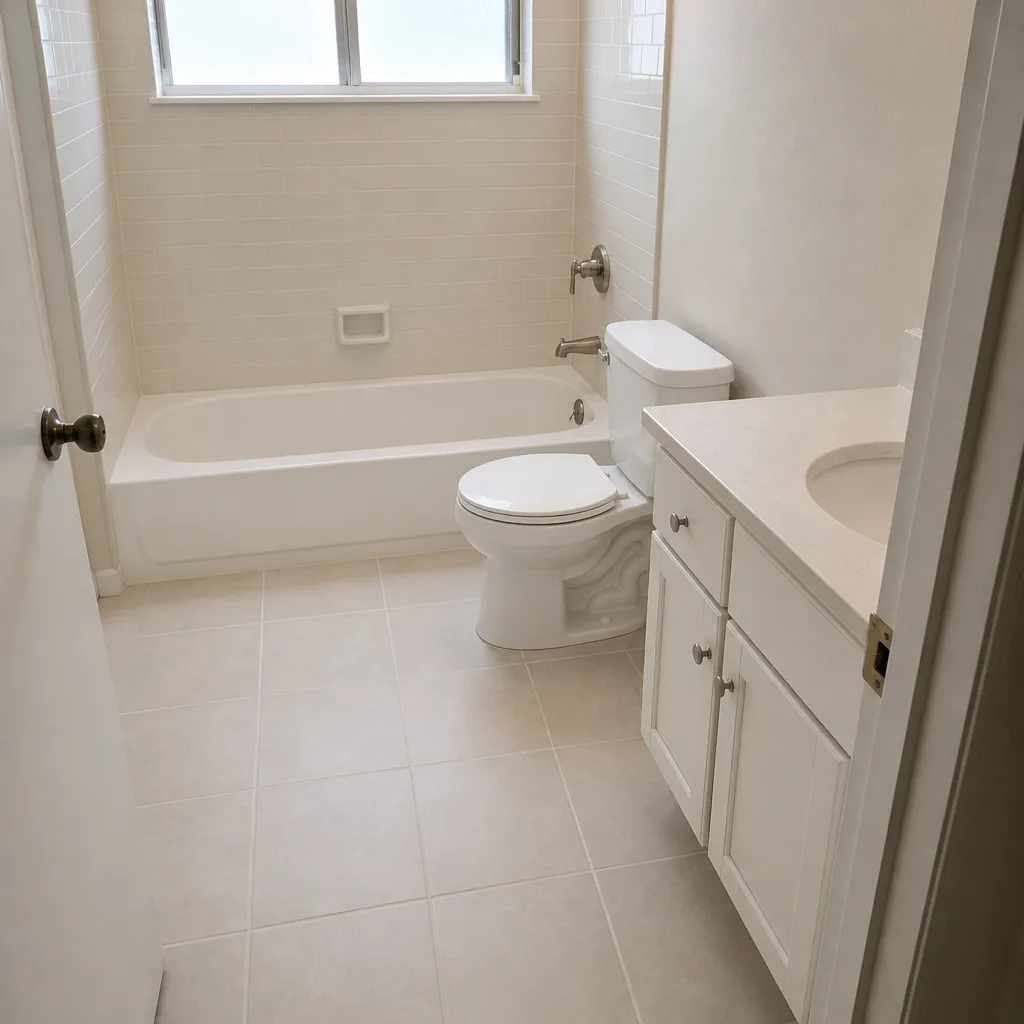 After
What Mission Viejo Homes Specifically Do to This Job
Mission Viejo is one of the original master-planned communities of the 1960s and ’70s, and nearly every home sits under a mandatory Lake Mission Viejo / Mission Viejo Environmental Control Committee architectural review. That changes site prep in a way it doesn’t in most of Orange County: even a utility trench that disturbs a fence line or the visible grade can trigger submittal before a permit is pulled. Contractors who skip the HOA and ECC step routinely see jobs stalled mid-dig. We factor the review into the schedule, not around it.
The housing stock matters too. The homes across 92691, 92690, and 92692 are overwhelmingly tract-built single-family and townhomes from roughly 1966 – 1985, and many still have original single-pane windows and cast-iron or galvanized plumbing at end of life. That aging service is the single most common surprise on an ADU tie-in. And the dry inland climate bakes exterior wood and fascia, so any trench along a fence or structure line means we check for rot while we’re there. On the slope-adjacent lots along the ridge, drainage correction is a real line item, not an upsell.
Serving Mission Viejo, CA – Our Local Coverage Area
We serve Mission Viejo and nearby communities. Use the map below to see the area we cover. If you’re nearby, we can almost certainly help.
Frequently Asked: ADU Site Prep & Utilities in Mission Viejo
A straightforward flat lot runs 3 – 6 weeks from site walk to finished pad and connections. Slope-adjacent lots with retaining and drainage add time, and architectural review coordination can add weeks before excavation starts. Call (855) 532-8973 and we’ll give you a realistic schedule for your specific lot.
Yes. Rough plumbing, electrical, and gas work on an ADU require permits and inspection before backfill, and exterior changes typically also go through the Mission Viejo Environmental Control Committee review. We pull the permits and meet the inspector on site. Call (855) 532-8973 for a free estimate that accounts for the permit scope.
Often, yes. Directional boring can route water, sewer, and conduit under finished hardscape and mature trees, avoiding restoration. It costs more up front but frequently saves money overall on a finished yard. We’ll tell you which approach wins for your lot when we walk it; call (855) 532-8973.
Expect $45,000 – $130,000 depending on grade, utility condition, service capacity, obstructions, and permit scope. A flat lot with healthy service sits near the low end; a graded lot with an electrical upgrade and long trench runs sits near the high end. Call (855) 532-8973 for an exact quote – the estimate is free and line-itemed.
Everything we build is covered by our 730-Day Done Right Promise: if it’s not done right, we make it right. That’s one of the longest workmanship guarantees in residential construction, and it applies to the grading, trenching, and connections on your ADU build. Call (855) 532-8973 to get started.
Get a Straight Number on Your ADU Site Work
We’ll come out to your Mission Viejo property, walk the lot, locate the utilities, and hand you a written line-item estimate for ADU site prep and utilities with the permit and review scope spelled out. Calls are answered by a live person 24/7, and every estimate is free. Call (855) 532-8973 to schedule yours. Learn more about our full Home Additions & ADU work and the Mission Viejo area we cover, and if the driveway needs replacing in the process, homeowners often pair this with our Paver Driveways in Mission Viejo.
Written by the team at Groundwork Construction Co.