
Last updated November 18, 2026






Free written scope consultation - allowances, timeline, and change-order rules on paper before a single trade is scheduled
Construction Warning Signs: A Lake Forest Homeowner’s Reference Guide
A diagonal crack running from the corner of a window frame toward the ceiling isn’t a cosmetic flaw. It’s your foundation telling you something has shifted, and it’s been saying it for months. Most construction failures we get called out to aren’t sudden events. They broadcast warnings through specific, readable signals that Lake Forest homeowners walk past every day because nobody ever told them what to look for. This guide changes that. You’ll learn to read your own home the way a contractor does: distinguishing settling cracks from structural movement, spotting water intrusion in stucco and baseboards, catching soil movement on graded lots before the driveway sinks, and recognizing roof and fascia signals before they become interior damage. Every section gives you a decision framework, not a sales pitch.
Quick Answer
Most serious construction problems in Lake Forest announce themselves months before they become expensive: diagonal or stair-step cracks wider than 1/8 inch, efflorescence on stucco, baseboard staining, sagging fascia, and settled driveway slabs are the most reliable early warnings. Cracks under 1/8 inch that don’t grow are usually cosmetic settling and can go on a monitored watchlist, while any crack that widens, any water staining indoors, or any displacement in flatwork or retaining walls demands a professional evaluation. The framework in this guide tells you which is which, so you call when it matters and watch when it doesn’t.
Styles & brands we work with
- Kitchen remodeling
- Bathroom remodeling
- Home additions & ADU
- Roofing
- Windows & doors
- Driveway & pavers
- Fence
Table of Contents
- How to Read Cracks: Cosmetic Settling vs. Structural Movement
- Water Intrusion Signals in Lake Forest Stucco Homes
- Driveway, Flatwork, and Retaining Wall Warnings on Graded Lots
- Roof and Fascia Signals Visible From the Ground
- The Watchlist vs. Call Now Decision Framework
- Seasonal Patterns: When Lake Forest Homes Fail
- How to Document a Warning Sign Before You Call Anyone
- Common Mistakes to Avoid
- When to Call a Professional
- Frequently Asked Questions
How to Read Cracks: Cosmetic Settling vs. Structural Movement
Every home moves. Concrete cures, wood shrinks, and soil shifts with the seasons, so hairline cracks in drywall and stucco are normal. The question is never “is there a crack?” It’s “what shape is it, how wide is it, and is it growing?” Width is measured in eighths of an inch, and you can check it with an inexpensive feeler gauge or a crack-width comparator from any hardware store. Here’s how to tell the two apart.
Cosmetic settling cracks are typically hairline to 1/16 inch, vertical or horizontal, and appear in consistent spots: above door corners, at drywall seams, or where two different materials meet. They don’t grow after the first year or two and don’t follow a pattern.
Structural movement cracks look different. Watch for these patterns:
- Diagonal cracks running from the corner of a window or door frame toward the ceiling, at roughly 45 degrees. These follow the path of least resistance where stress concentrates.
- Stair-step cracks in brick, block, or stucco that zigzag along the mortar joints. In Lake Forest’s stucco-over-frame homes, this pattern often mirrors what’s happening at the foundation.
- Cracks wider than 1/8 inch, or any crack you can slide a coin into.
- Cracks that are wider at one end than the other, which signals rotation or differential settlement.
- Doors and windows that suddenly stick in a house where they used to close smoothly. That’s often the first sign of frame racking, and it precedes visible cracks.
We’ve seen plenty of Lake Forest homes where a diagonal crack had been repainted over twice before the homeowner called. Paint hides the symptom, not the cause. If a crack returns within a year of patching, that’s your signal that movement is ongoing. Tape a small pencil mark across the crack at both ends with the date, check it in 60 days, and if the gap has opened, treat it as active movement.
Water Intrusion Signals in Lake Forest Stucco Homes
Stucco is the dominant exterior on Lake Forest homes, and it’s a good system when it’s detailed right. But stucco is also a sponge if water gets behind it, and Southern California’s dry-then-wet weather cycle punishes any weak point. The trick is reading the signals before the damage reaches the framing.
Efflorescence is the white, powdery chalky residue you sometimes see on stucco or at the base of a wall. It’s mineral salts pushed to the surface as moisture evaporates. A little on a north-facing wall after a wet winter can be harmless. Efflorescence that keeps returning after you wash it, especially low on the wall or near grade, means water is moving through the stucco repeatedly. That’s a detail failure, usually at a window flashing, a hose bib penetration, or where the stucco meets the roof or a deck ledger.
Baseboard staining is the interior version of the same story. Pull back a corner of carpet or look behind furniture along exterior walls. A dark tide-line on the baseboard, a musty smell, or paint peeling from the bottom up means water is wicking up through the slab or framing. In Lake Forest, this shows up most often on walls facing the prevailing onshore flow and on homes that sit below a slope where drainage concentrates.
Attic rust streaks are the signal homeowners miss most. Get a flashlight and look at the underside of the roof deck and at the nails poking through it. Rusty nail tips, dark streaks on the sheathing, or white chalky staining on the rafters all point to moisture condensing or leaking from above. It can also mean bath fans venting into the attic instead of through the roof, a common code shortcut in older construction. Rust streaks plus a musty attic smell is a call-now situation.
One more local quirk: Lake Forest gets Santa Ana wind events that drive rain sideways into stucco. A wall that handles a normal storm fine can still leak during a wind-driven one. If you only see staining after a Santa Ana storm, that’s still a real defect worth documenting.
Driveway, Flatwork, and Retaining Wall Warnings on Graded Lots
A lot of Lake Forest sits on graded terrain. Cut-and-fill lots are common here, and the fill side of any lot is where soil movement shows up first. Your driveway, walkways, and retaining walls are the most honest instruments on the property. They don’t hide anything, and they move before the house does.
Read them for these patterns:
- Step cracks at the driveway where it meets the garage slab or the apron. A clean line is fine. A line that’s opened wider than 1/4 inch, or where one side has dropped below the other, means the soil under one slab has settled.
- Slabs that have separated from the foundation by more than a hairline. Warm-season fill soil in Lake Forest compacts over the first several years, and a driveway poured without proper compaction lifts away from the house.
- Wavy or sunken driveway surfaces where water pools instead of draining to the street. Standing water on a slab accelerates cracking and drives moisture under the house.
- Retaining walls that lean, bulge, or show horizontal cracks. A wall bulging toward you means the soil behind it is pushing harder than the wall was designed for. This is a call-now item. Walls can fail without much warning once they start moving.
- Drainage swales that have silted in or reversed grade. Water should always move away from the house. If it doesn’t, you’re financing a future foundation repair.
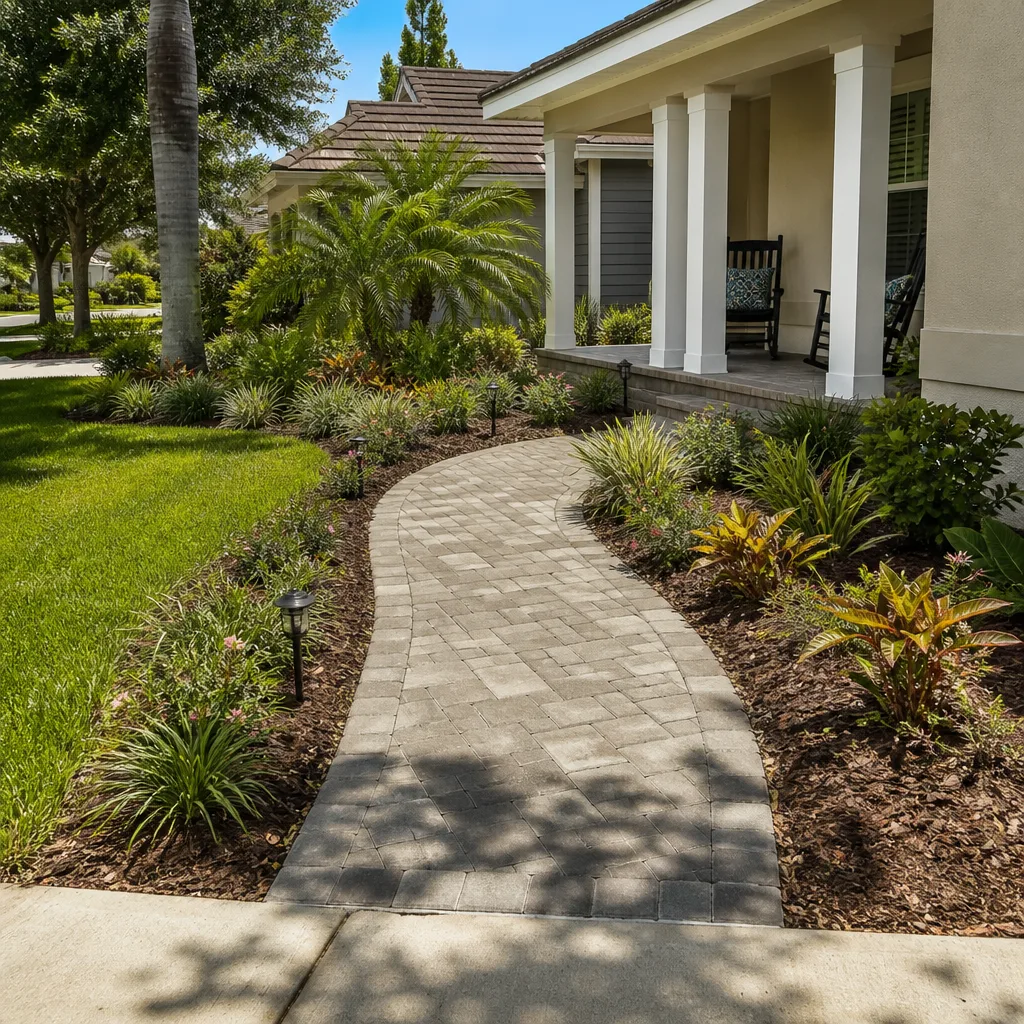
We get asked all the time whether a cracked driveway is worth fixing before it becomes a bigger problem. The honest answer: flatwork is cheap compared to what water does when it finds a path under your slab. If your driveway is failing and pooling water against the garage, replacing it is often cheaper than chasing the moisture later. Our Driveway & Pavers in Lake Forest team can assess whether a repair, a re-grade, or full replacement is the right call, and a paver or properly-sloped slab is less likely to repeat the failure.
Roof and Fascia Signals Visible From the Ground
You don’t need to get on the roof to read it. A slow walk around the house with binoculars tells you more than most people realize, and it’s safer than climbing a ladder. One important note: don’t walk a roof yourself, especially a tile roof or anything two stories or higher. Falls are the number-one source of serious injury on residential construction jobs, and this is exactly the kind of inspection a trained pro does from a ladder and the ridge.
Here’s what to look for from safely on the ground:
- Fascia boards that sag or show a wavy line along the roofline. A straight fascia is normal. A wavy one often points to rotted rafter tails, which means water has been running behind the gutter for a while.
- Gutter edges that pull away from the fascia or appear to be pushed outward. That’s often ice-damming damage elsewhere, but in Lake Forest it’s more commonly gutter spikes loosening because the wood behind them is soft.
- Dark streaks or water lines on the soffit (the underside of the eave). That’s a sign of water getting past the roof edge, often at a poorly flashed wall-to-roof transition.
- Dips or soft spots in the roof plane visible as a sagging shadow. Deck or rafter problems show up as a visible curve where there should be a straight line.
- Missing, lifted, or curling shingles, or tile that’s slid out of alignment. A single lifted tile lets water in for years before the ceiling shows a stain.
- Rusty nails or dark rings around vent and pipe penetrations on top of the roof, visible with binoculars. These are common leak points, and once you see them you’re usually a season or two from interior damage.
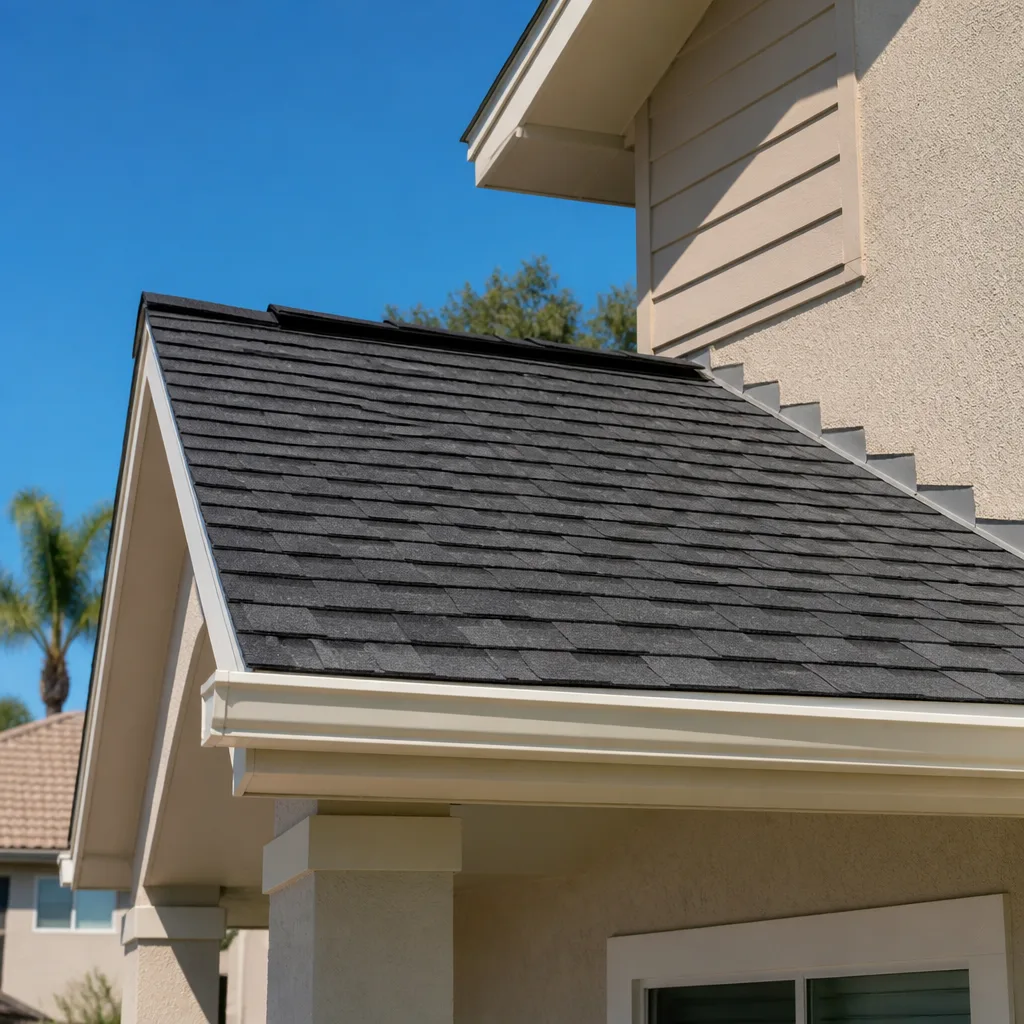
If your roof is newer than fifteen years it may still show early signs of a bad install. We’ve pulled apart roof sections on Lake Forest homes that had shingles rated for decades but only a third of the fasteners the manufacturer required. The best defense is the material and the installation. That’s why the brands we work with include GAF and CertainTeed on roofing and James Hardie on siding and fascia – the products are only as good as what’s behind them. A roof that’s “built to last, backed in writing” is a roof with a warranty behind the workmanship, not just the shingle.
The Watchlist vs. Call Now Decision Framework
The worst thing you can do with warning signs is treat everything as urgent and then ignore it when it becomes real. Here’s the filter we use. It has no upsell agenda; it’s just a triage system.
Monitor:
- Hairline cracks under 1/8 inch that haven’t grown in 12 months
- Efflorescence that washes off and doesn’t return
- A single small shingle or tile issue on an otherwise healthy roof
- Cosmetic drywall cracks above doors in a home under 10 years old
Call within the month:
- Any diagonal or stair-step crack in stucco or block
- Baseboard staining or a persistent musty smell in one area
- Fascia sag or visible dips in the roofline
- Driveway or walkway slabs that have separated from the house
- Efflorescence that keeps returning after washing
Call now:
- A retaining wall leaning, bulging, or showing horizontal cracks
- Water coming into the house during a storm, or active ceiling stains
- A structural crack wider than 1/4 inch or one that’s opened in weeks
- Rust streaks in the attic plus mold or musty odor
- Any crack with displacement – one side higher than the other
Write the date on any sign you’re monitoring. If the same crack or stain looks worse after a rainy season, you’ve got your answer. Document it, then call.
Seasonal Patterns: When Lake Forest Homes Fail
Lake Forest’s climate is forgiving most of the year, but the failures cluster. Understanding the seasonal calendar helps you look at the right time.
Rainy season (typically December through March) drives water intrusion calls. Warm-season rains followed by dry spells create expansion and contraction that opens stucco cracks wider, and the next storm pushes water in. This is the time of year to check efflorescence, baseboard staining, and roof leaks. If your fascia was borderline in the fall, it’ll show staining now.
Late spring and summer is when soil movement shows up as cracks. The ground dries and compacts, and fill soil shifts. This is the season when we get most calls about new diagonal cracks and driveways pulling away from the garage. It’s also when dry conditions reveal flatwork settlement that was hidden by wet soil.
Santa Ana wind events (typically fall and winter) drive rain sideways into walls, kick up debris, and strip shingles. If you only have water intrusion during these events, document it and fix the flashing or stucco crack, not the whole wall.
One key point on timing: most of these are not emergencies, and the right move is a proper evaluation before the next wet or dry cycle hits. That’s a call you make in the quiet season, not during the storm.
How to Document a Warning Sign Before You Call Anyone
Good contractors don’t want a photo of a crack – they want context. If you’ve taken these steps before calling, the diagnosis is faster and the estimate is more accurate. Here’s the routine:
- Measure and photograph. Take a wide shot showing where the crack or stain is, then a close-up with a ruler or coin next to it for scale. Write the date on the photo.
- Trace the growth. Draw a small pencil line across the crack at both ends. In 30 days, check whether the gap has widened. That one step tells any contractor far more than a single visit.
- Log the conditions. Note when the stain appeared, whether it followed a storm, and whether the area smells musty. Water intrusion is a puzzle, and timing is a clue.
- Don’t paint or patch yet. Covering a crack before it’s diagnosed only hides the evidence and can trap moisture. If you must, use painter’s tape on the edges rather than caulk.
- Check the easy things. Make sure downspouts discharge away from the house, that soil slopes away from the foundation, and that attic vents aren’t blocked. These are fixes, not diagnoses, but they buy time.
If you’ve got photos, dates, and a log, our team – or any contractor worth the name – can give you a useful answer on the first call. Our technicians have up to 12 years of experience, and we’ve walked enough Lake Forest homes to know the difference between a settling crack and a real problem within the first five minutes. A well-documented sign lets that expertise work fast.
Common Mistakes to Avoid
- Patching and repainting a crack before you diagnose it. Caulk and paint hide the symptom and trap moisture. If you caulk a leaking stucco crack, you’ve just sealed water behind it. Wait for a diagnosis.
- Treating a single crack as a full foundation failure. One hairline diagonal crack is common and often cosmetic. Panic estimates you the wrong repair. Measure, date, and monitor before you assume the worst.
- Ignoring the driveway as “just concrete.” Our Lake Forest team sees this constantly. A driveway that’s settled or pooling water is pointing at soil movement you can’t see under the house. Fix the flatwork and the slope, and you’ll prevent a bigger repair.
- Walking the roof yourself to check a leak. A two-story roof and a leaning ladder are how weekend projects become hospital visits. Use binoculars from the ground and let a trained professional get up there.
- Hiring the cheapest bid without a written scope. A vague bid means change orders. The low number becomes the high number once work starts. Demand an upfront, written, line-item price – the number you see should be the number you pay.
- Skipping permits for “small” structural work. Replacing a retaining wall, cutting a new opening, or re-roofing all involve code requirements and inspections. Permitted work protects your home’s value when you sell it.
- Waiting until a wet winter to call. Every late-February call is more expensive than a November call. The signs you see in summer are the cheapest and safest time to address them.
See the difference
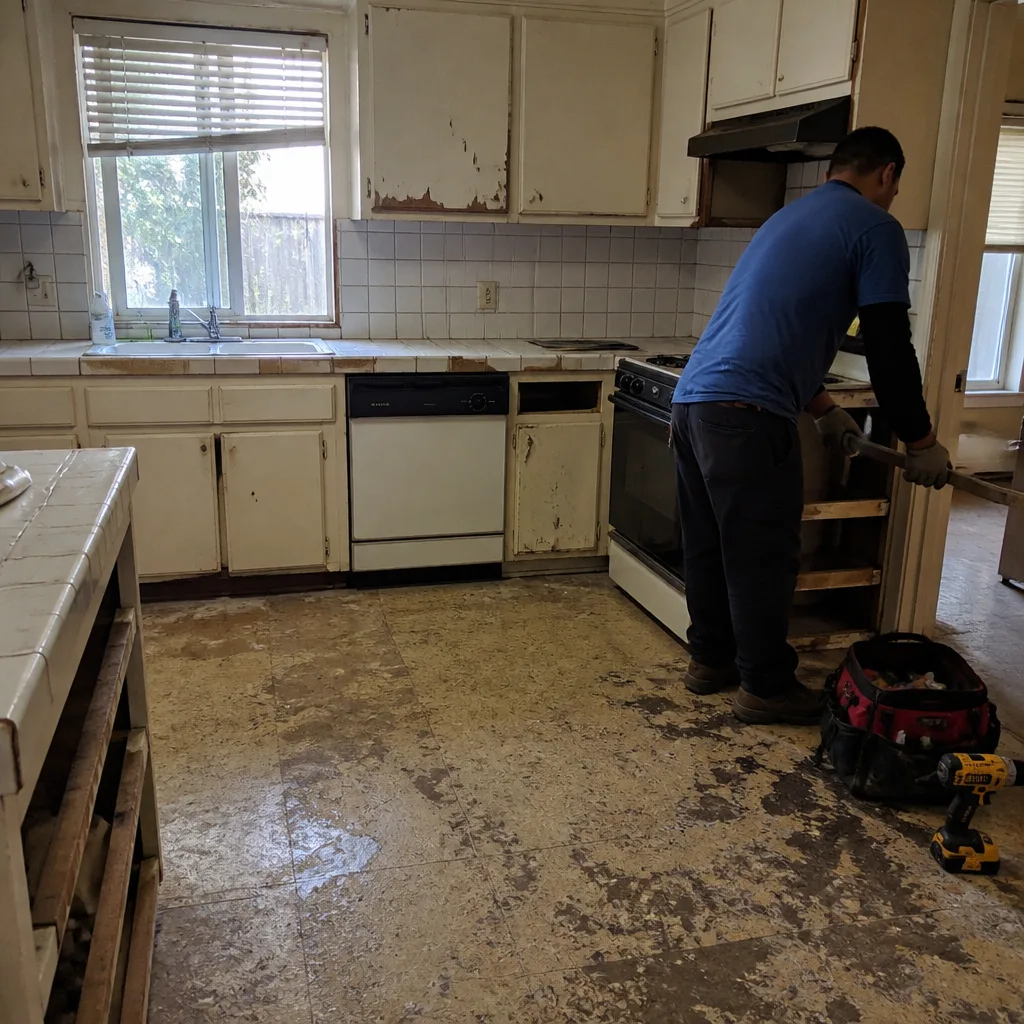 Before
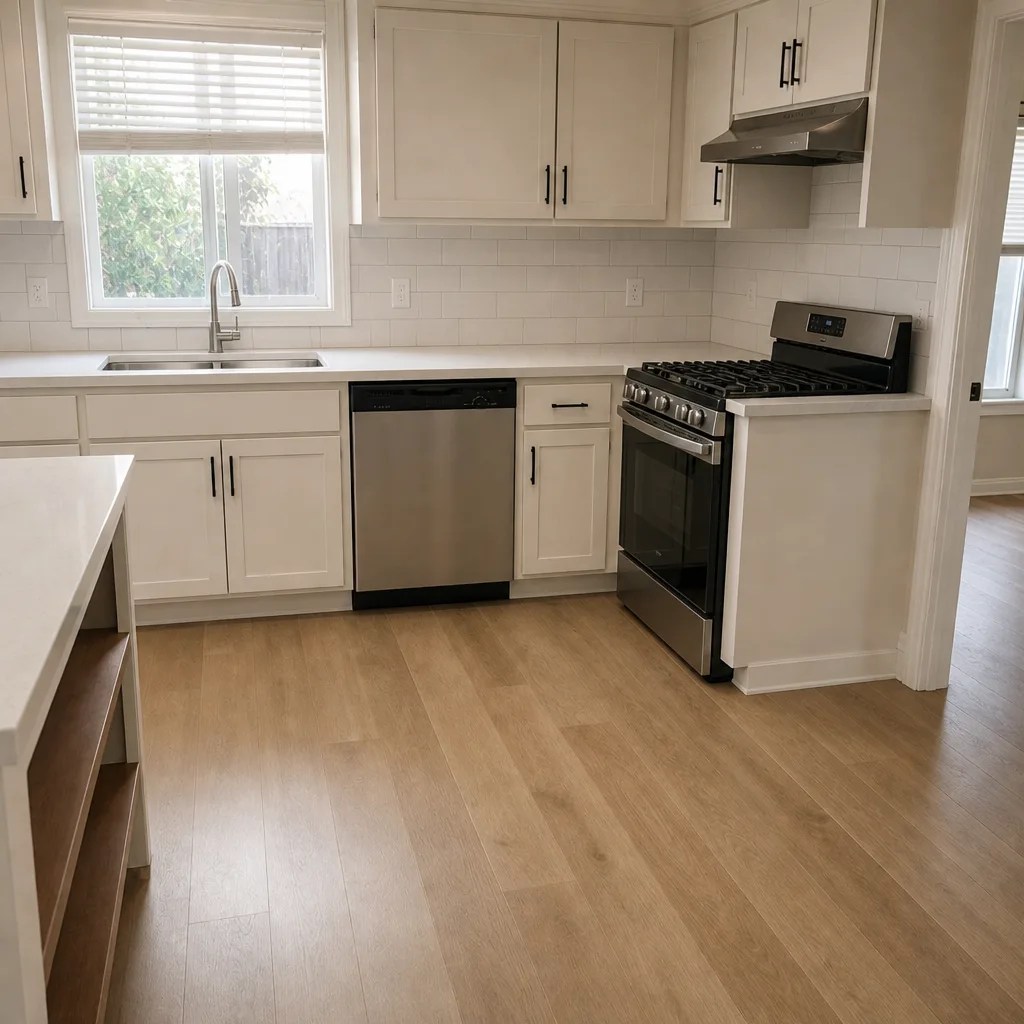 After
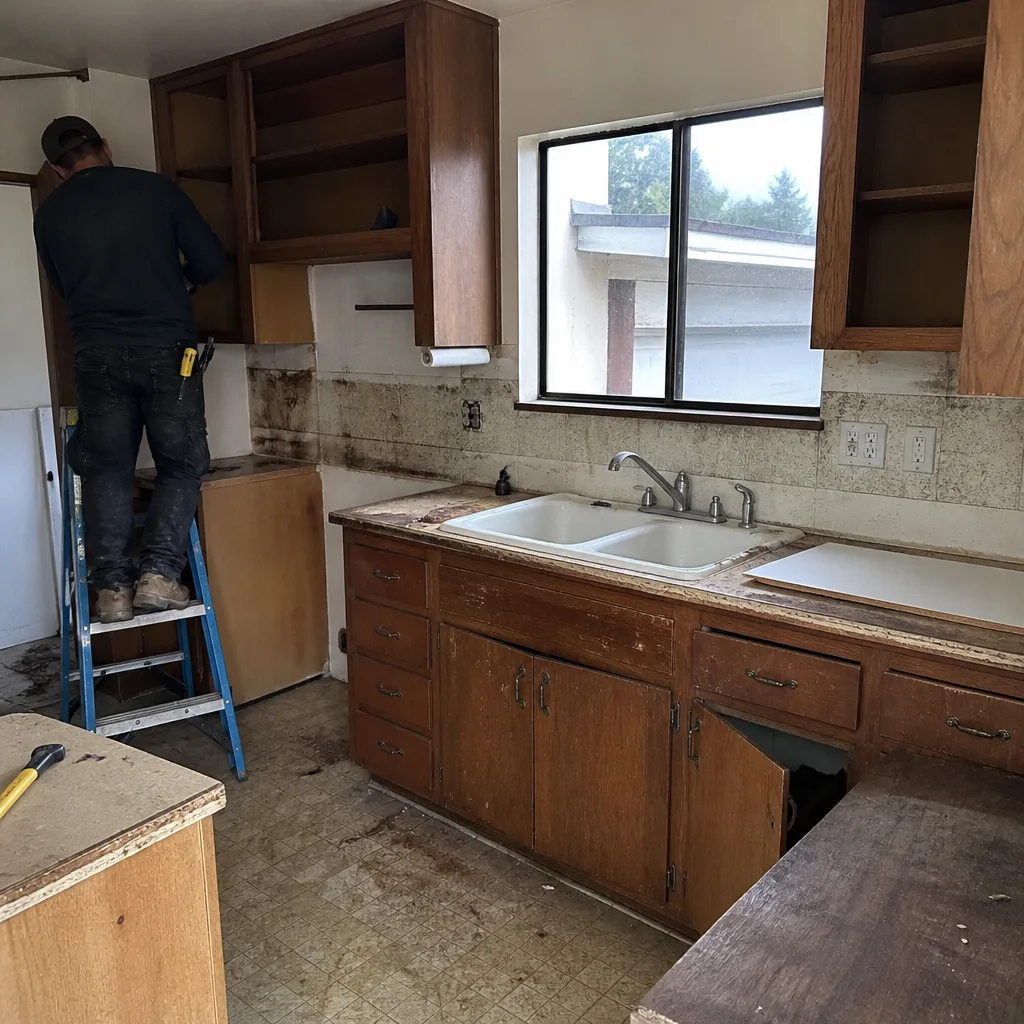 Before
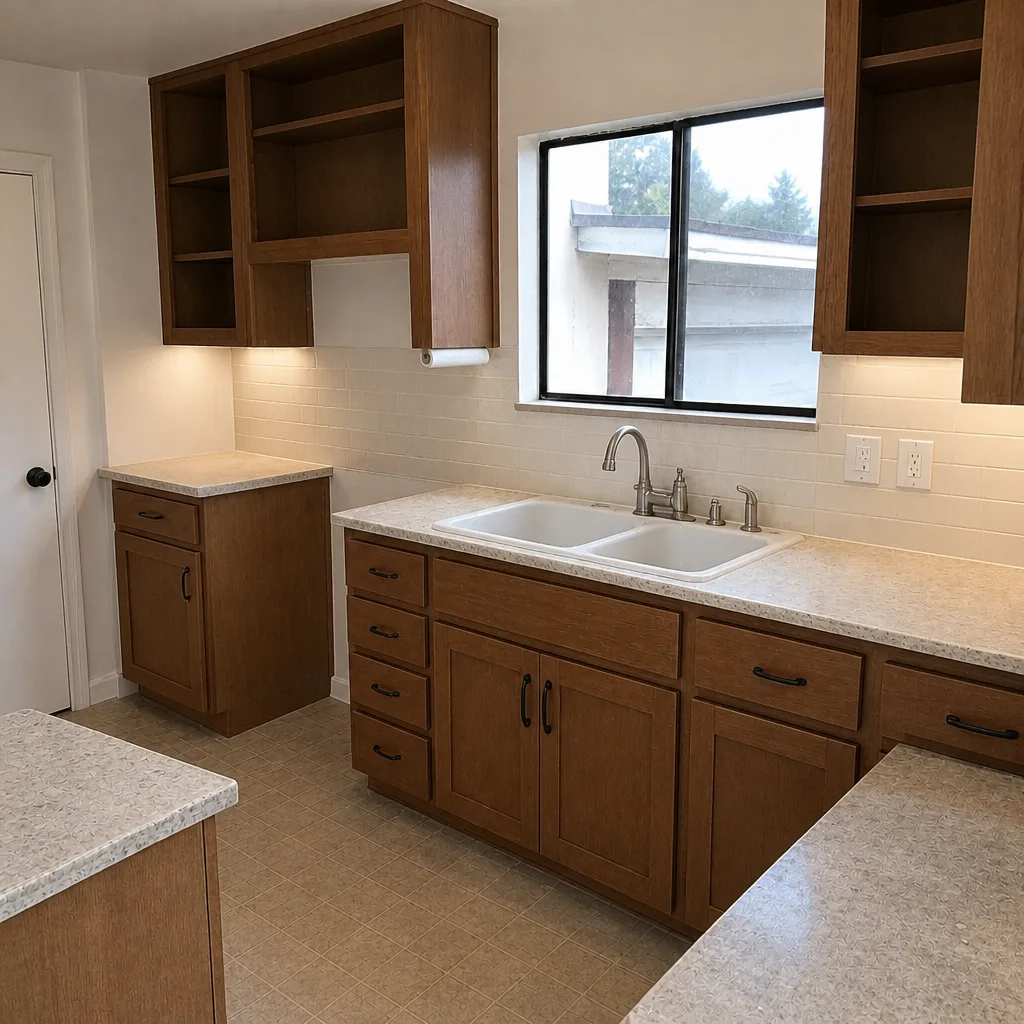 After
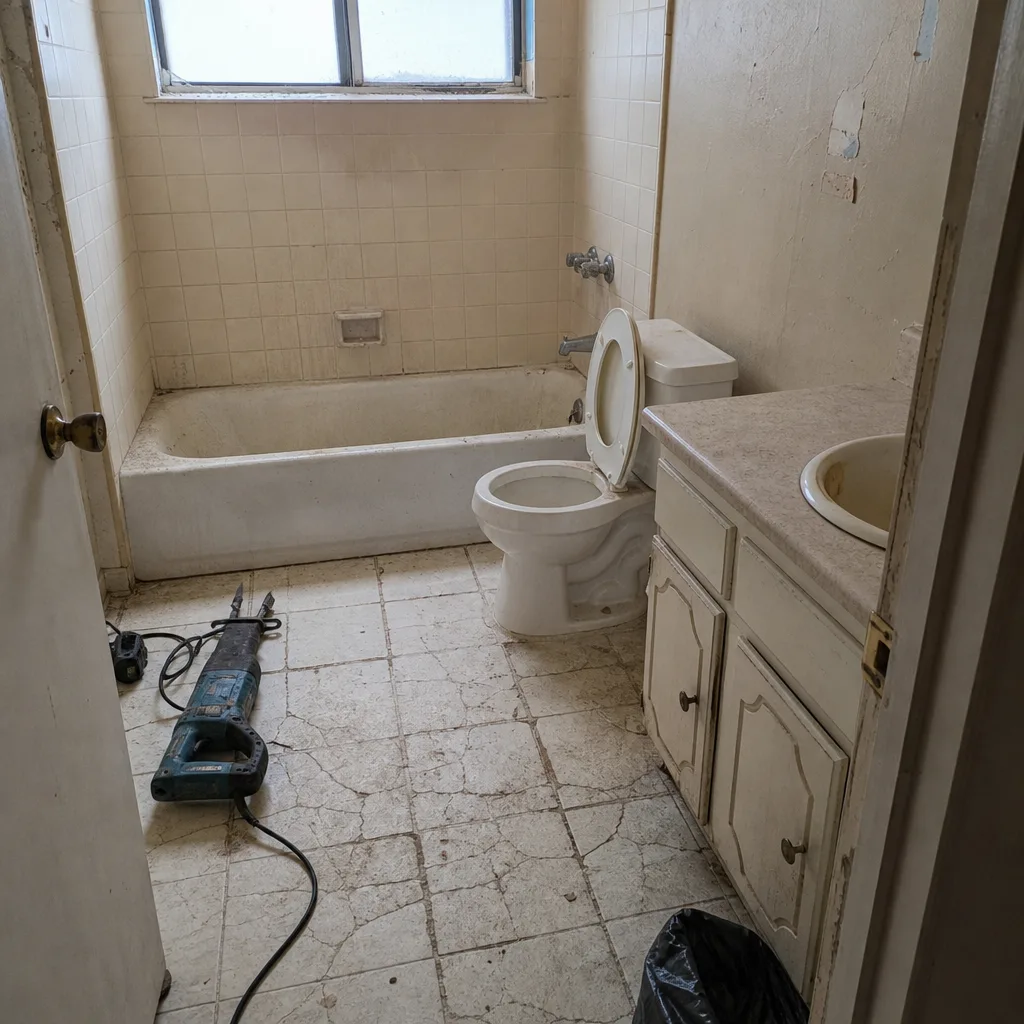 Before
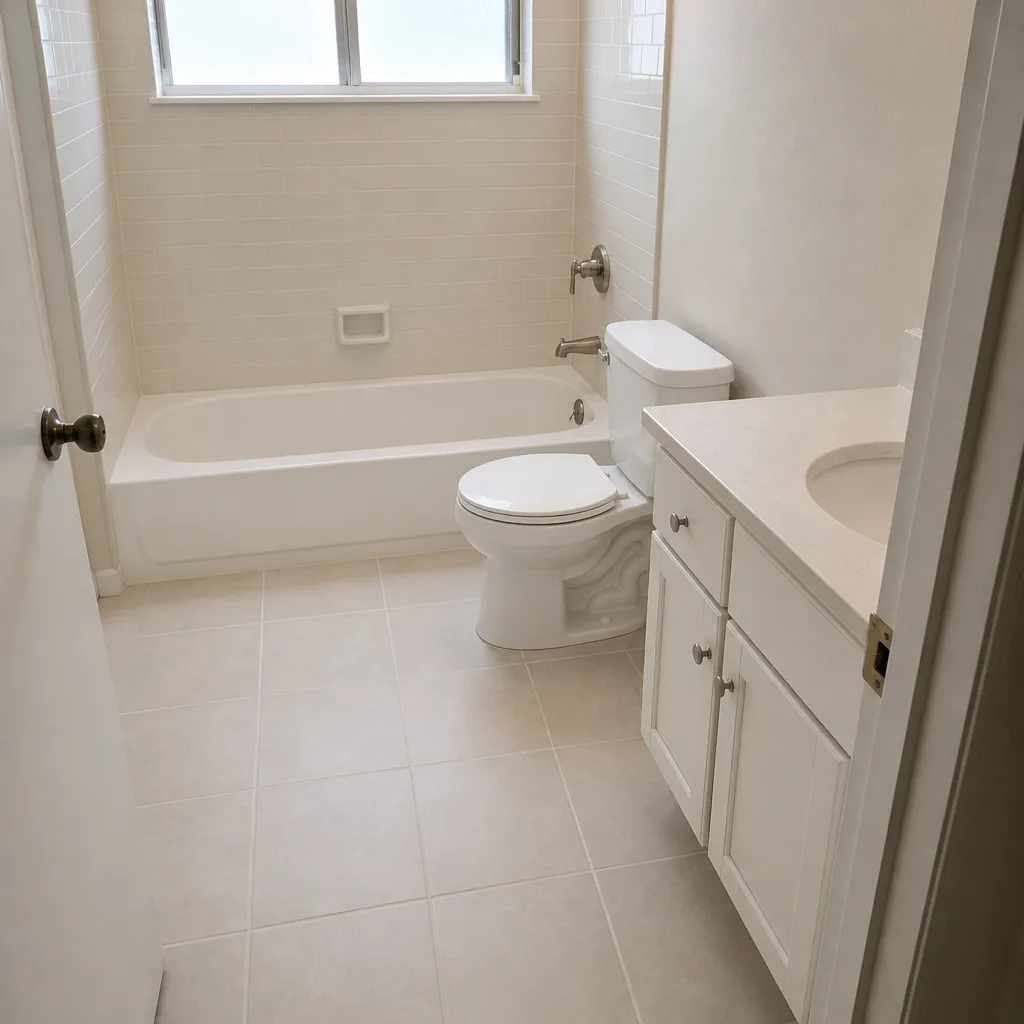 After
When to Call a Professional
You should call a professional the moment any sign on our “Call now” list shows up: a bulging retaining wall, active water intrusion, a structural crack wider than 1/4 inch with displacement, or rust streaks in the attic with a musty smell. Those aren’t watch-and-see items. For the “Call within the month” list – diagonal stucco cracks, baseboard staining, fascia sag, driveway separation – get an evaluation before the next rainy season. And if you’re planning a larger renovation, an addition, or a full exterior update, get a proper assessment first so the new work isn’t built over an unresolved problem. Groundwork Construction Co. of Lake Forest offers free estimates in Lake Forest – call (855) 532-8973. We’ll tell you what’s cosmetic, what’s urgent, and what can honestly wait.
Our work is covered by the 730-Day Done Right Promise – if it’s not done right, we make it right. Calls are answered by a live person 24/7, so you’re never stuck in a voicemail black hole. And every number is backed by real brands, real inspections, and upfront pricing with no change orders. If you’re evaluating a fence, an addition, or a full home addition project, our Fence Installation in Lake Forest and Home Additions & ADU in Lake Forest teams work the same way. Whatever you’re seeing on your property, Groundwork Construction Co. of Lake Forest home is where a straightforward conversation starts.
Frequently Asked Questions
The rule of thumb is 1/8 inch for a monitored crack and 1/4 inch with displacement as a call-now item. Width matters less than pattern and growth: a diagonal or stair-step crack that’s opening over a few months is more concerning than a wider hairline crack that hasn’t changed in years. Measure, date it, and check it in 30 days.
White powder on stucco is efflorescence – mineral salts carried to the surface by moisture. If it washes off and doesn’t return, it’s usually harmless. If it keeps coming back after you wash it, especially low on the wall, it means water is repeatedly moving through the stucco, so get it evaluated. Call (855) 532-8973 for a free estimate.
Yes. A driveway that has separated from the garage or is pooling water usually points to soil movement under the slab, and the same soil movement often affects the foundation. Lake Forest’s graded lots make this more common. Fix the slope and the flatwork before water finds a path under the house.
Yes – any repair touching structure, from a retaining wall to a new opening, gets permitted and inspected. That protects your home’s value and future sale, and we build the inspection timeline into the schedule. It’s a standard part of how we work, not an add-on.
Not always. A musty attic smell can come from a bath fan venting into the attic instead of through the roof, which is a common fix. Combined with rust on nails or dark deck staining, it points to water entering from above. Either way, it’s worth an inspection. Call (855) 532-8973 for a free estimate.
Monitor a hairline crack under 1/8 inch that hasn’t changed for 30 to 60 days with dated pencil marks; that’s usually normal settling. If it widens or a second crack joins it, call. Don’t wait through a whole wet season – every storm that passes with the crack open lets more water in. Call (855) 532-8973 and we’ll tell you if it needs anything.
The Bottom Line
Your home is telling you what it needs months before the repair becomes urgent. The core skills are simple: measure cracks, check for pattern and growth, read efflorescence and baseboard staining, keep an eye on the flatwork and retaining walls, and survey the roof from the ground with binoculars. Use the watchlist-versus-call-now framework so you know which signals deserve a pause and which deserve a call. Document what you find – photos, dates, measurements – and address the middle of the list before the next rainy season. That discipline is the difference between a $400 fix and a $40,000 one.
Contact
If you’ve got a warning sign you’re not sure about, we’d rather tell you it’s fine than let it grow. Groundwork Construction Co. of Lake Forest offers free estimates with a written, line-item scope, upfront pricing with no change orders, and the 730-Day Done Right Promise on the work. Current promos include $1,000 off projects over $10,000, 0% financing for 18 months, and a free project estimate and design consult. Calls are answered by a live person 24/7. Call (855) 532-8973 to schedule your free estimate.
Written by the team at Groundwork Construction Co. of Lake Forest.