Last updated November 18, 2026


Free written scope consultation - allowances, timeline, and change-order rules on paper before a single trade is scheduled
How Long Does Driveway & Pavers Take? Timelines and What to Expect
A 600-square-foot driveway paver project can take anywhere from 5 days to 6 weeks depending on three factors your contractor should disclose upfront but usually doesn’t until something delays the job. The installation itself is rarely the long part. The real schedule is written by site conditions, permit wait times, and material lead times, and those three variables are where most homeowners get blindsided. In this guide, we’ll break down the actual phases of paver work, explain why a compaction settlement check matters more than a pretty surface, and show you how a Lake Forest project gets scheduled from the first phone call to the final sealer cure.
You’ll learn what each phase takes, what can push those phases longer, and the questions to ask before you sign anything. If you want the short version: the crew won’t be in your driveway for six weeks, but the timeline from contract to sealed surface can be. Understanding that gap is the difference between a project that runs on a fair schedule and one that stalls while you’re left guessing.
Quick Answer
Paver installation on a typical residential driveway takes 5 to 10 working days of active construction for most projects, with the surface walkable immediately and traffic-ready after joints are set. But the full timeline from contract signing to sealed surface is usually 2 to 6 weeks once you factor in permits, material lead times, and the mandatory 24-to-48-hour settlement check between the compacted base and the bedding layer. Special-order pavers can add another 2 to 4 weeks, which is why choosing your material early is the single biggest lever you control.
Styles & brands we work with
- Kitchen remodeling
- Bathroom remodeling
- Home additions & ADU
- Roofing
- Windows & doors
- Driveway & pavers
- Fence
Table of Contents
- Phase-by-phase breakdown: what actually happens on a paver job
- Why the 24-48 hour compaction check is non-negotiable
- How Lake Forest permits affect your start date
- Material lead times and early selection decisions
- What Southern California weather actually pauses paver work
- Schedule questions to ask before you sign
- Driveway extras that change the timeline
Phase-by-Phase Breakdown: What Actually Happens on a Paver Job
Here’s the honest version of a paver drive build. Each phase has a realistic duration, and the variance comes from access, soil type, and the size of the job. A straightforward 400-to-600 square-foot driveway on stable soil in a Lake Forest neighborhood like Baker Ranch moves through these phases efficiently. A larger circular drive or a slope push the numbers up.
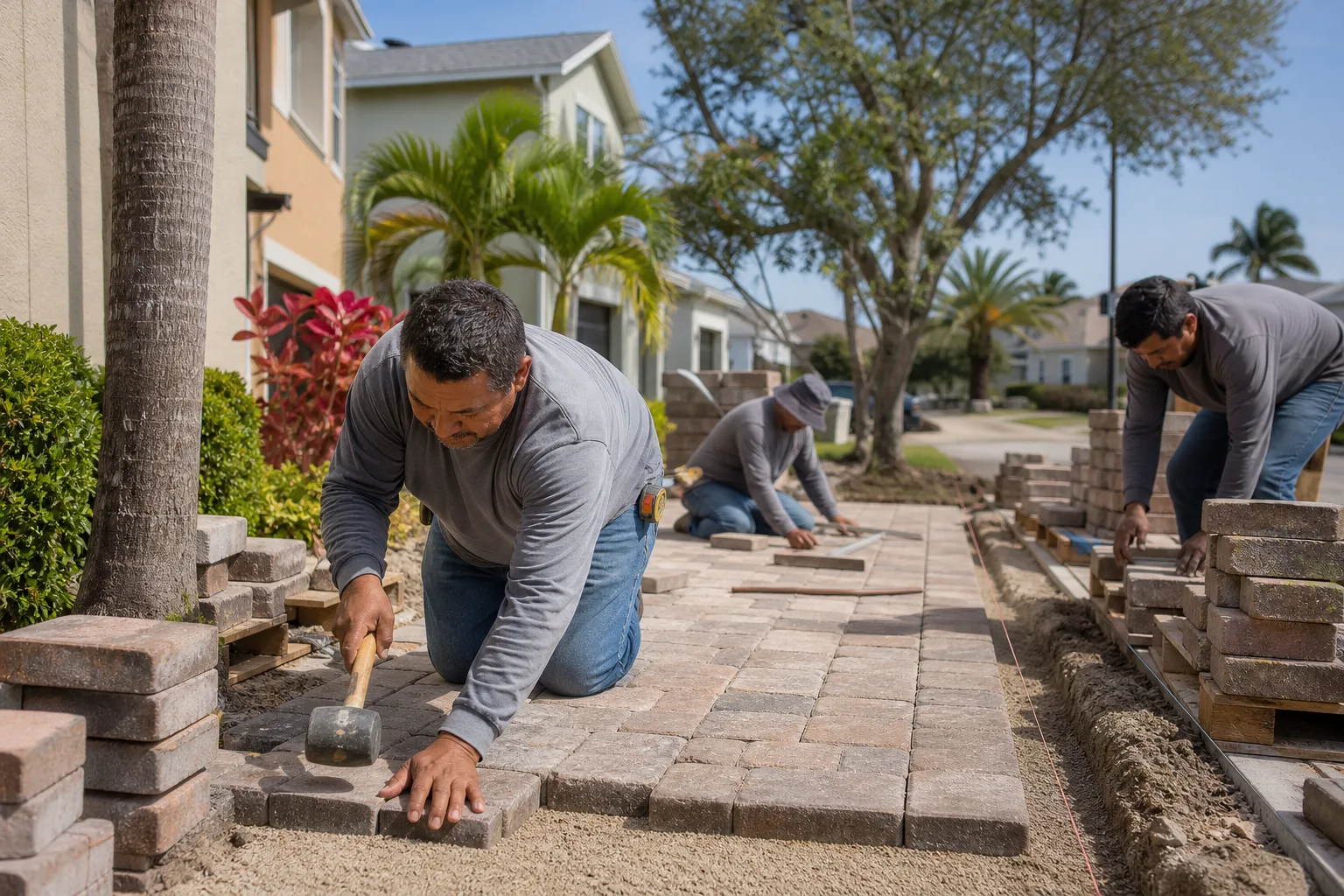
- Demo and excavation (1-2 days). Removing the old surface, whether it’s failing concrete or an existing paver field, takes a day for a standard drive. Excavation to the correct depth for your base is part of the same pass. If the crew finds unstable soil or an undocumented drain line, that’s when a day gets added.
- Base prep and grading (1-2 days). Crushed aggregate goes in lifts and gets graded to shed water away from the house and foundation. Water management is code-driven here, not optional.
- Compaction pass (1 day). A plate compactor works the base to reach the required density. Density is what stops your pavers from settling years later.
- Settlement check (24-48 hours). The base sits. We check it again, look for soft spots, and recompact any low areas before a single paver goes down.
- Bedding sand and screed (same day as paver laying). A thin, uniform sand layer is screeded across the compacted base. This is what lets the pavers seat evenly.
- Paver laying (1-3 days). Laying goes fast for standard patterns and slower for herringbone, custom borders, or intricate cut work.
- Edge restraints (same or next day). A rigid edge holds the field together so the driveway doesn’t spread over years of tire traffic.
- Jointing and sweeping (1 day). Polymeric sand or joint sand goes into the gaps. This is what locks the pavers and stops weeds.
- Sealer cure (24-72 hours). If you’re sealing, the surface should stay dry and traffic-free during cure. Most homeowners skip sealing initially and add it later. That’s fine.
Add it up and most driveways land at 5 to 10 working days of construction. The work you don’t see is the permit prep and material coordination happening before the crew shows up. If you’re also planning fencing or a full landscape refresh, our Fence Installation in Lake Forest team schedules those trades so they don’t collide with your driveway access.
Why the 24-48 Hour Compaction Check Is Non-Negotiable
Here’s the part competitors skip writing about. The base under your driveway has to reach a specific density. That density is not measurable in a five-minute eyeball. It comes from a proper compaction pass, then a rest period where the base shows you what it’s doing. That’s where the 24-to-48-hour settlement check earns its place.
What we see when it’s skipped: pavers that look perfect on day one and start to dip, shift, or pond water within a year. Look for these warning signs on a job site where the base wasn’t checked:
- Wheel ruts in the base. A compacted base should feel like a rock-hard bench. Footprints and tire marks mean density wasn’t reached.
- No visible plate compactor work. Compaction is loud, dusty, and slow. If you never heard or saw it, it likely wasn’t done properly.
- Sand laid the same afternoon as the base. A crew that drops bedding sand within two hours of finishing base prep has eliminated the settlement check entirely.
- Soft soil left in place. If the base fails the check, the correct move is extra base material or excavation to a stable layer, not a quick fix.
The 24-to-48-hour window is also where the crew sees how stable your subgrade really is. In older Lake Forest neighborhoods where driveways have settled, the check often reveals that a soft spot was hiding beneath the old slab. That’s good news caught early. It’s a failed driveway caught late if the check gets skipped. If you’re planning a larger project that could tie into driveway work, our team also handles Home Additions & ADU in Lake Forest and schedules those site visits to avoid driveway access conflicts.
How Lake Forest Permits Affect Your Start Date
Hardscape projects run through city permit processing, and the timeline is genuinely variable. A driveway replacement or new paver drive that changes the footprint, alters drainage, or shifts grading often needs a permit review. That review period is the biggest variable most homeowners don’t budget for.
Here’s how a smart contractor uses that window:
- Submits the permit application immediately after contract signing, not weeks later.
- Prepares and coordinates material orders while the permit is in review.
- Schedules site visits to confirm access, drainage, and utility locations before the crew shows up.
- Keeps the homeowner updated on permit status so the schedule has real dates, not vague “sometime next month.”
If your contractor hands you a contract without discussing the permit path, that’s a flag. Permits exist for good reason. They catch drainage issues that could send water toward the foundation, and they confirm the work matches what your property allows. A contractor who avoids permits to save time is trading your long-term stability for a shorter start date. Our team pulls the permits and passes the inspections on every project. That’s part of how the 730-Day Done Right Promise holds up – if the work isn’t done right, we make it right, and that guarantee starts with doing it correctly from the permit window forward.
Material Lead Times and Early Selection Decisions
Standard concrete pavers in common colors sit in regional supply. You choose a color and pattern, and the material is available in days. Specialty pavers, custom blends, and large-format units are a different story. Those are made to order or pulled from limited stock, and a 2-to-4-week lead time is normal.
The most common timeline killer on a Lake Forest paver project is material selection happening late. Here’s what that looks like: the permit gets issued, the crew is ready, and the homeowner’s custom paver order is still six days out. The job stalls, the crew rotates to another project, and your start date slips again. That’s not a contractor failure. It’s a schedule nobody protected.
How to protect your timeline:
- Pick your paver within the first week of planning. Bring photos and physical samples to the estimate.
- Confirm availability with the supply yard before committing. Our brand partners include Belgard, and we confirm stock and lead times when you pick your material.
- Have a backup option chosen. If the primary paver runs into a supply delay, the backup lets the job keep its slot.
- Order edging, joint sand, and sealer at the same time. Small components cause big delays when they’re forgotten.
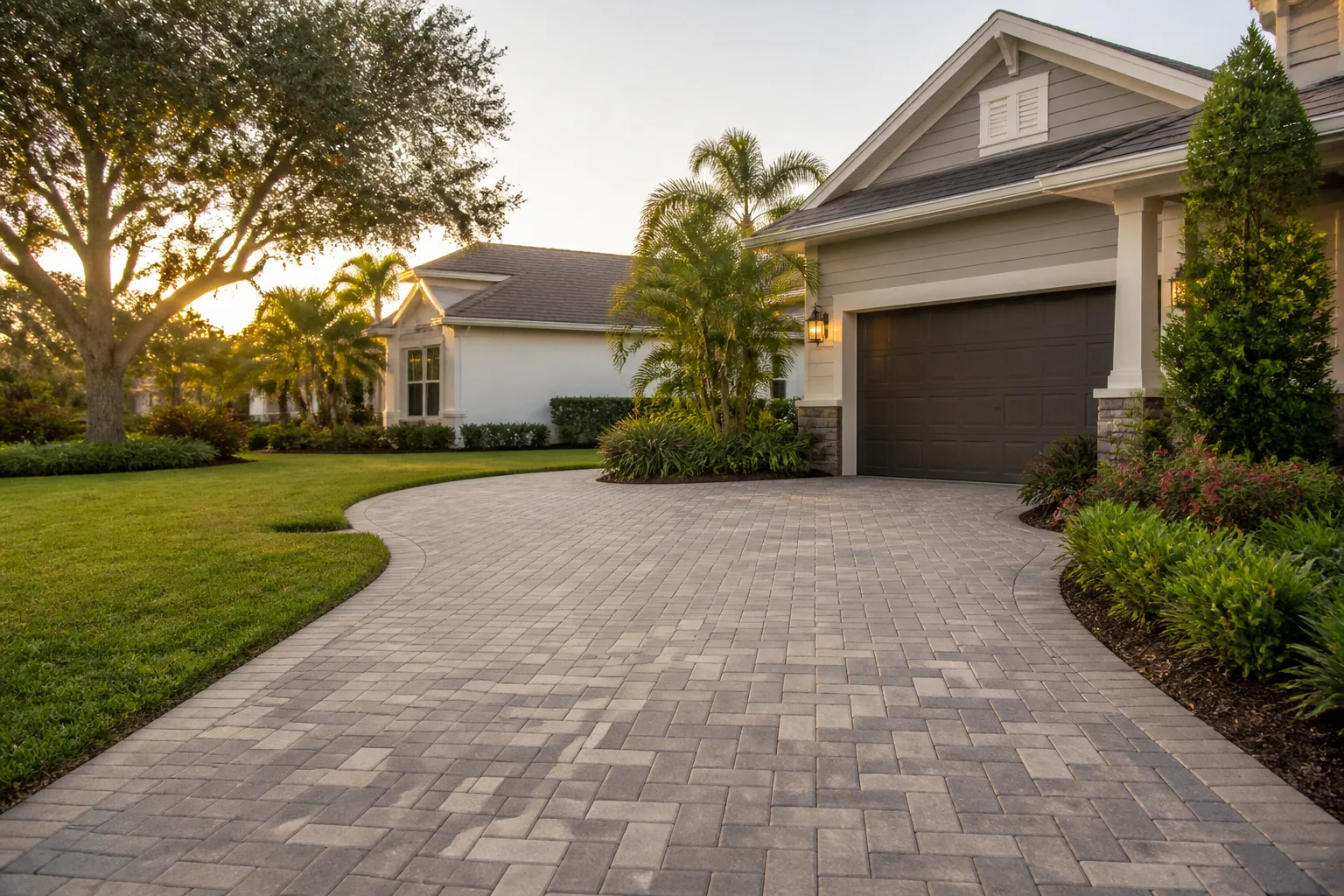
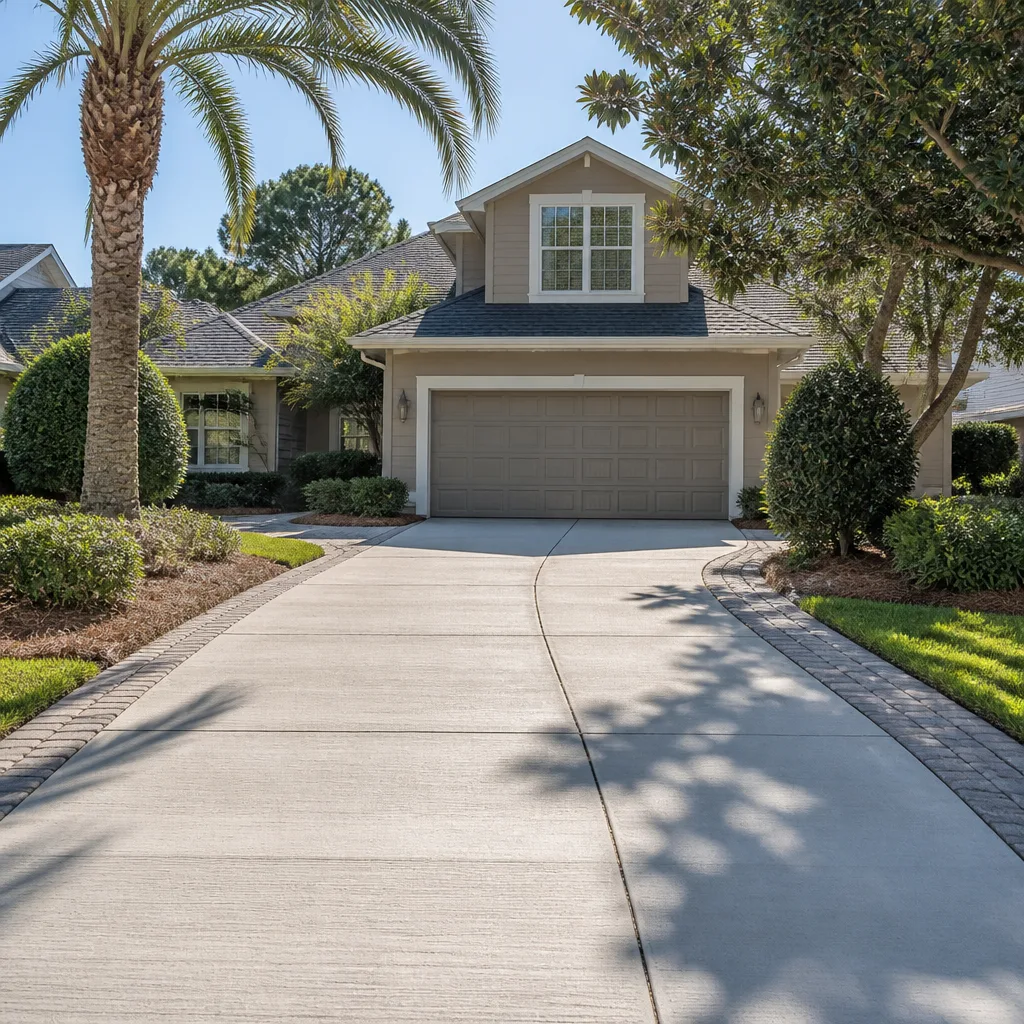
The curbside appeal of a paver driveway is real, and you’ll look at that surface for a decade or more. It’s worth picking the material you actually want. Just pick it early. Our Driveway & Pavers in Lake Forest page walks through the material options we install and the lead times that come with each.
What Southern California Weather Actually Pauses Paver Work
Lake Forest weather is forgiving compared to most of the country. But paver work does have weather limits, and they aren’t just about rain. Here’s what genuinely pauses a job:
Rain. A wet base loses density. If the base is saturated, the crew has to wait for it to dry and recompact. Rain during paver laying interrupts the bed, so a crew that’s halfway through the field risks losing a day or two. In our experience, Lake Forest rain in late winter and early spring is the main scheduling variable for paver projects.
Freezing temperatures. Rare in Lake Forest, but cold snaps can push base prep and cure times longer. Sealer especially needs temperature above the low 50s to cure correctly.
Excessive heat. Hot, dry Santa Ana days accelerate joint sand and sealer cure, which sounds helpful until sealer skins too fast and traps moisture. A pro schedules sealing for the cooler morning hours.
A professional doesn’t pad the timeline for every possible week of bad weather. That’s how an honest 10-day job gets quoted as three weeks. Instead, a good estimator looks at the season and gives you a range with the weather call factored in. Our team schedules work around Southern California weather patterns and adjusts in real time rather than padding the schedule to protect ourselves. Sitting with a written line-item quote and a realistic weather window is the right combination.
Schedule Questions to Ask Before You Sign
The right questions change how a contractor builds a schedule. These are the ones that split a real schedule from an optimistic one:
- “What’s the permit timeline in this part of Lake Forest, and who submits it?” If they don’t know, they’re guessing.
- “What happens if we hit a week of rain during the base phase?” A real answer includes a recompaction plan, not an apology.
- “Is my paver in stock, and can I get it in writing?” “Should be available” is not a schedule.
- “Who’s on the crew, and are they background-checked?” Every technician on a Groundwork team is background-checked and arrives in uniform. Ask any contractor you’re considering the same question.
- “What’s the total working-day count, and how do weekends and permits affect it?” Get working days, not calendar days, so you can compare apples to apples.
Those five questions take five minutes and save weeks. They also tell you something about the contractor’s operation. A contractor who answers them clearly has a system. A contractor who waves them off is figuring it out on your driveway.
One more question worth adding: “What does your written warranty cover on labor?” A workmanship guarantee that runs 730 days is dramatically different from a one-year verbal assurance. Put it in the quote. If you’re comparing against a longer project timeline on a larger build, our Groundwork Construction Co. of Lake Forest home page covers the full range of exterior and interior work we schedule.
Driveway Extras That Change the Timeline
Most paver drives are straightforward. A few additions shift the schedule meaningfully, and it helps to know which ones you’re considering before work starts:
- Curved borders and accent bands. These add cutting and fitting time. A simple border on a 500-square-foot drive adds half a day. An intricate interlock pattern adds more.
- Drainage grates and channel drains. Adding a drainage line means excavation below base level, which adds a day or two. In Lake Forest neighborhoods with tight lot drainage, this is often the right call.
- Driveway aprons and sidewalk intersections. These where work meets the city right-of-way and add permit and coordination time.
- Sealing. The surface needs to cure for 24 to 72 hours after sealing before it can take traffic. Most homeowners choose to seal a year after installation, which keeps the initial timeline clean.
- Retaining walls or steps. If your driveway needs a grade change near the garage or a block step at the threshold, that’s separate work with its own permit and timeline.
If you’re bundling the driveway with other exterior work, we often handle it as a coordinated project. Our crew includes the trades for qualifying paver and site work, plus the surrounding hardscape, so the driveway doesn’t finish while everything around it is still in progress.
Modern ADU and prefab manufacturers add a related wrinkle: if you’re planning a garage conversion or ADU near the driveway, projects from builders like Cover, Dvele, or Mighty Buildings often need a driveway access plan and utility coordination. Site access planning for those builds is one of the reasons the driveway schedule and the ADU schedule should be set together. That’s a conversation our team has before a single paver is ordered.
Common Mistakes to Avoid
- Choosing the paver after the permit is approved. The material lead time is the variable you control, and late selection is the number one cause of stalled paver projects in Lake Forest.
- Skipping the settlement check to save a day. A crew that lays sand directly on a freshly graded base has skipped the 24-to-48-hour window. Look for drops, dips, and ponding within a year.
- Letting a contractor avoid permits on drainage or footprint changes. Unpermitted work falls back on you at resale. Insist on permits and inspections.
- Assuming all paver work is the same. Specialty pavers and custom patterns add lead and labor time. Get the specifics of your product in writing.
- Not asking for a working-day schedule. Calendar-day quotes hide weekends and inspection days. Ask for working days with a start window.
- Choosing the lowest bid without comparing what’s included. A quote that skips edge restraints, joint sand, or proper base depth will finish faster and fail sooner. Compare line items, not just totals.
- Ignoring drainage before work starts. If your current driveway ponds after rain, the new one will too unless the base and drainage are engineered for it. That requires a fix during excavation, not after.
See the difference
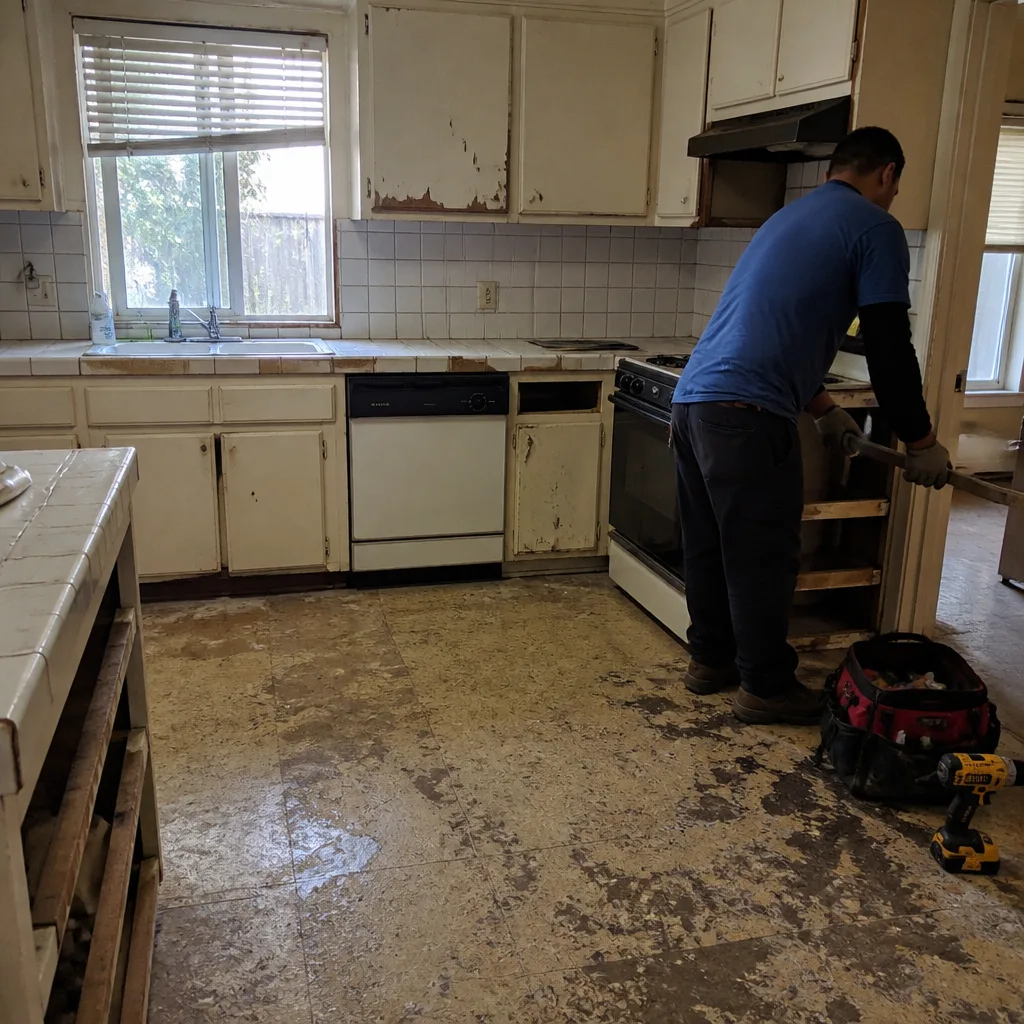 Before
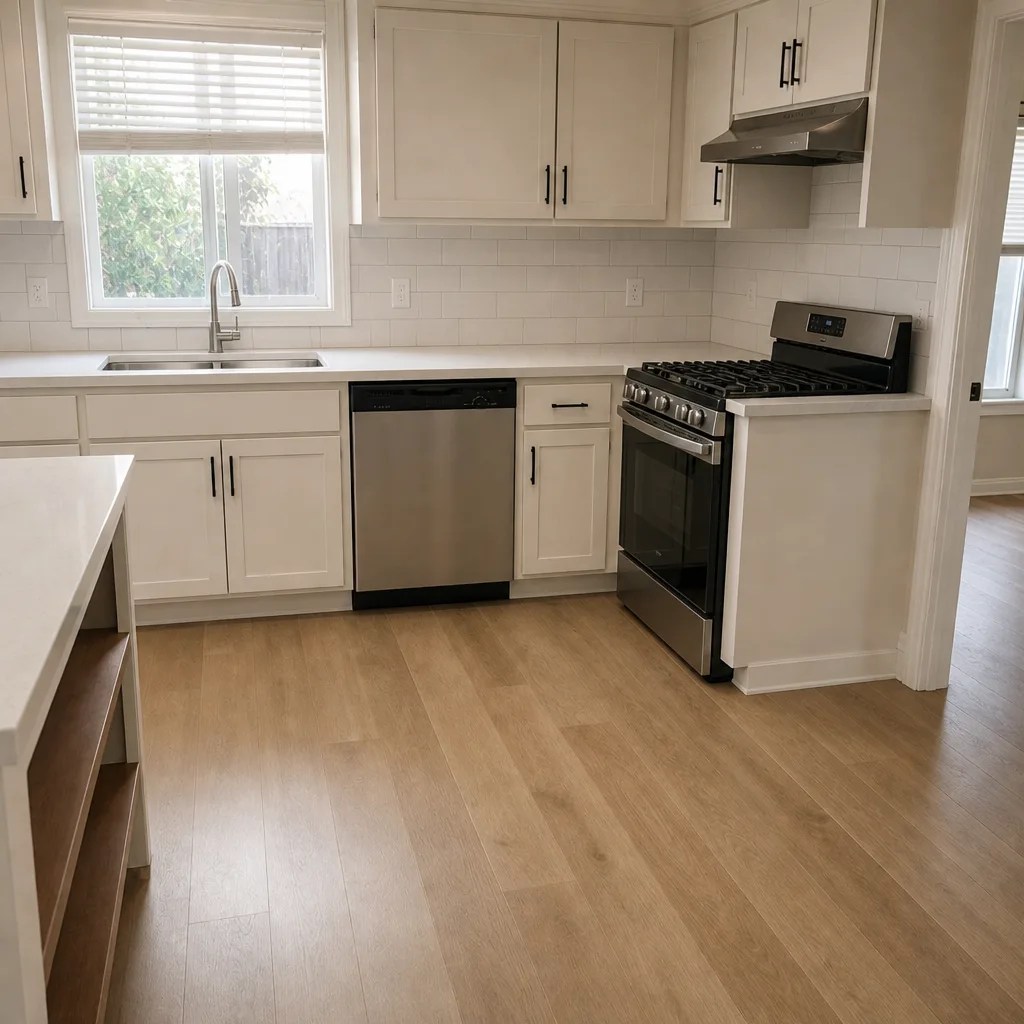 After
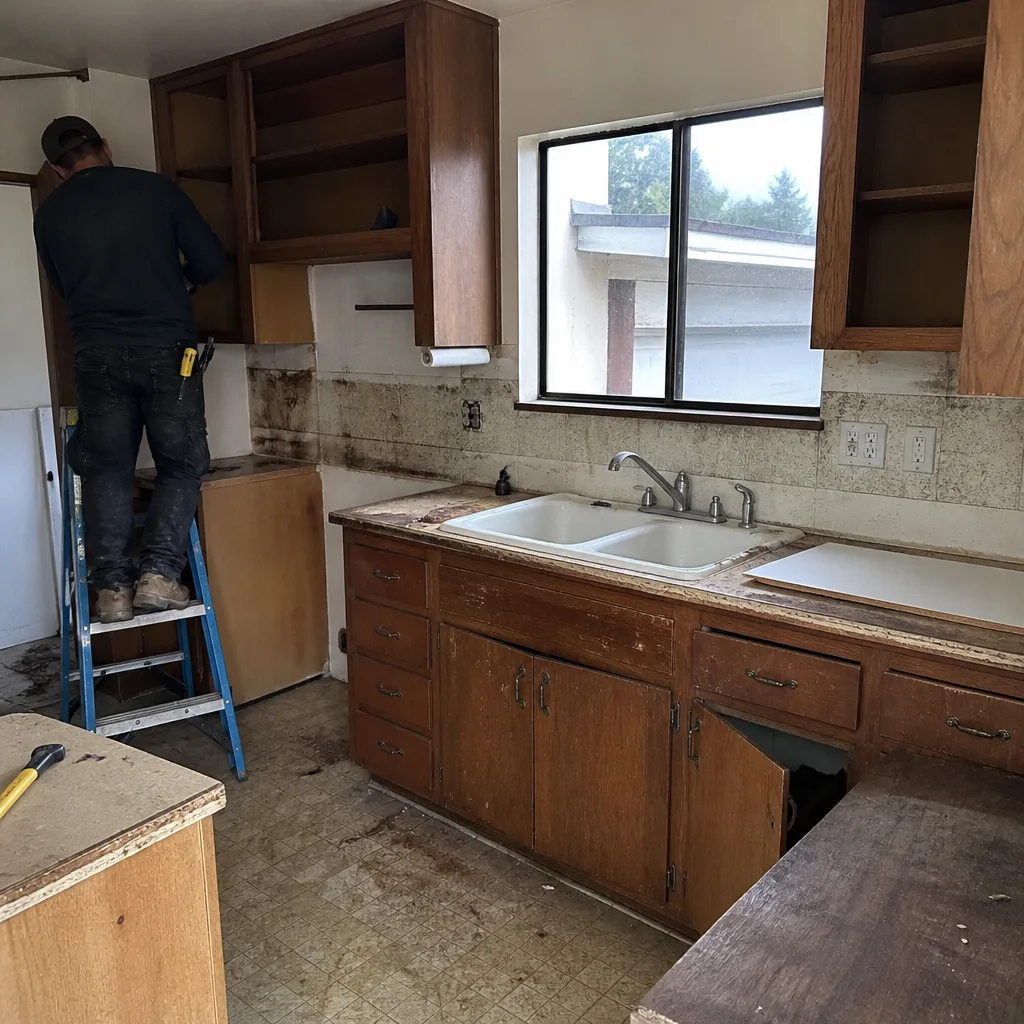 Before
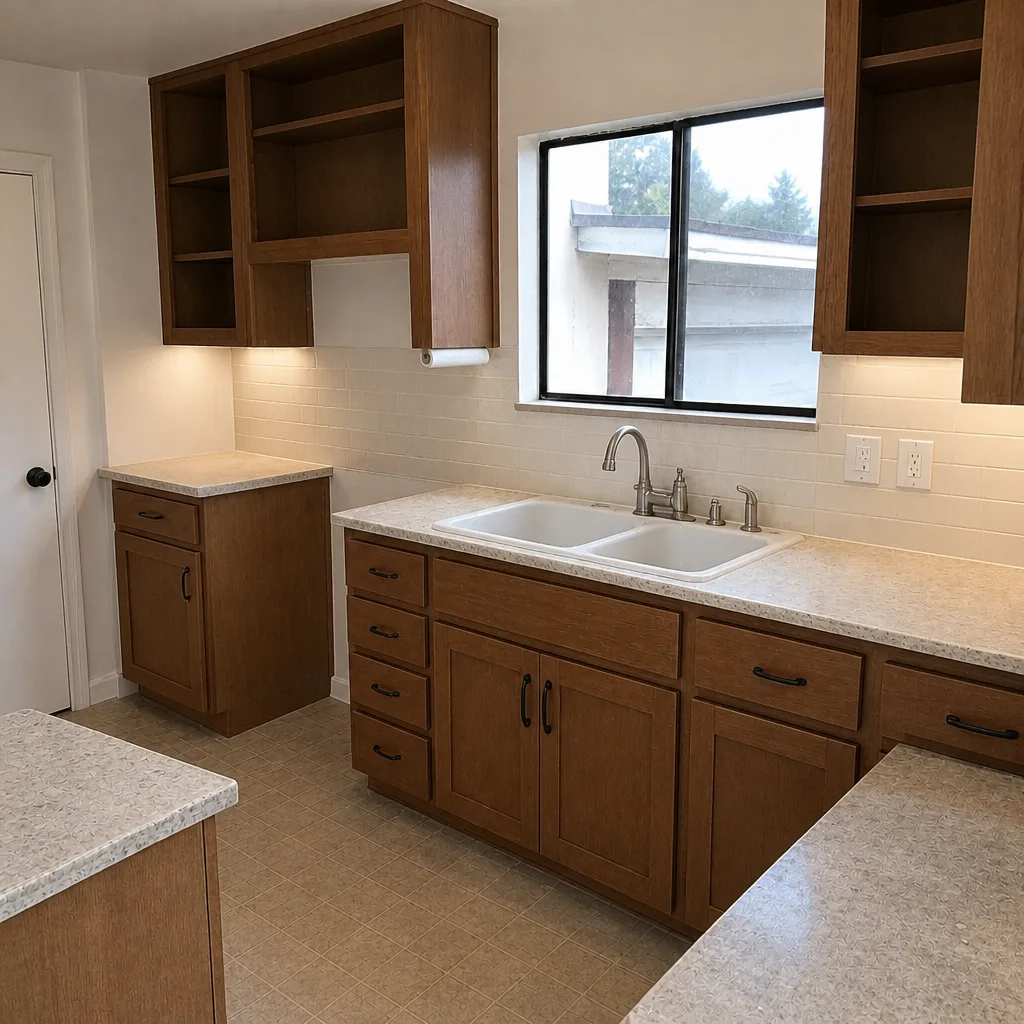 After
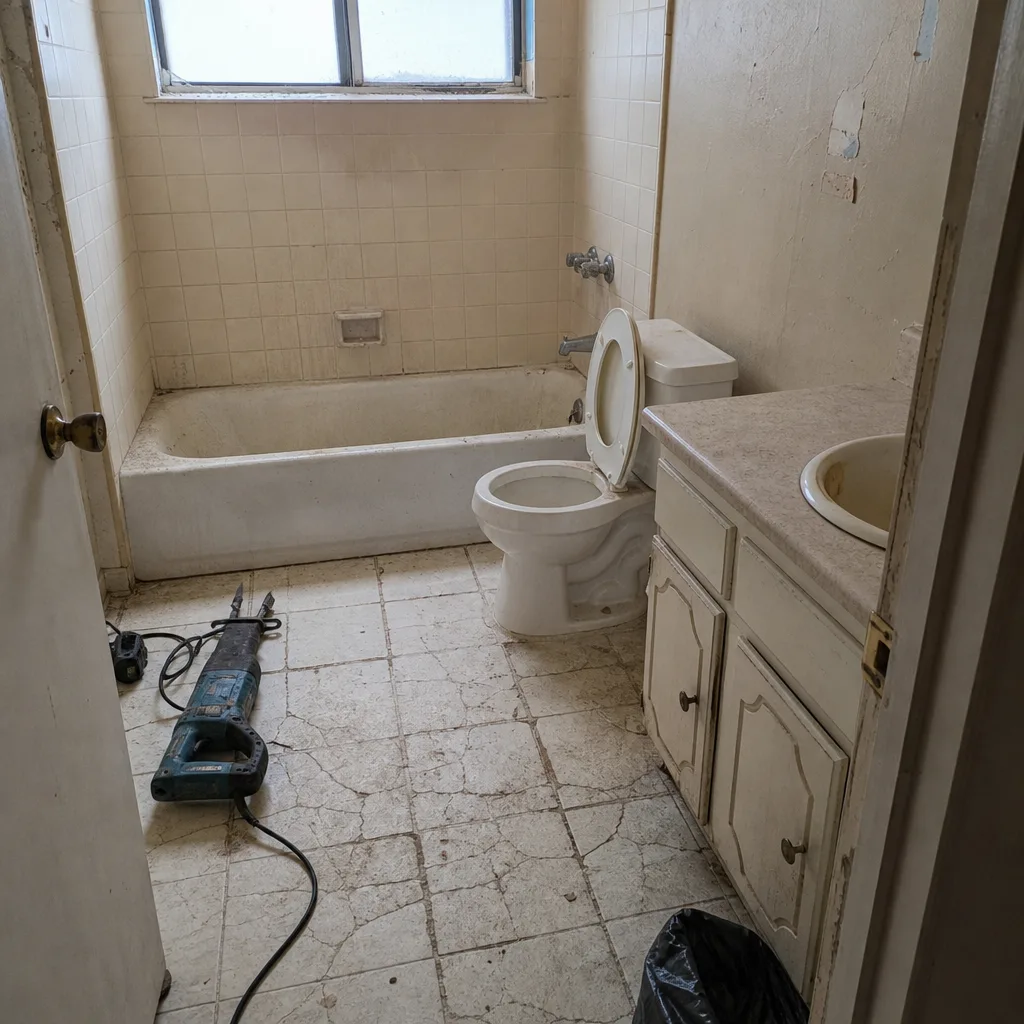 Before
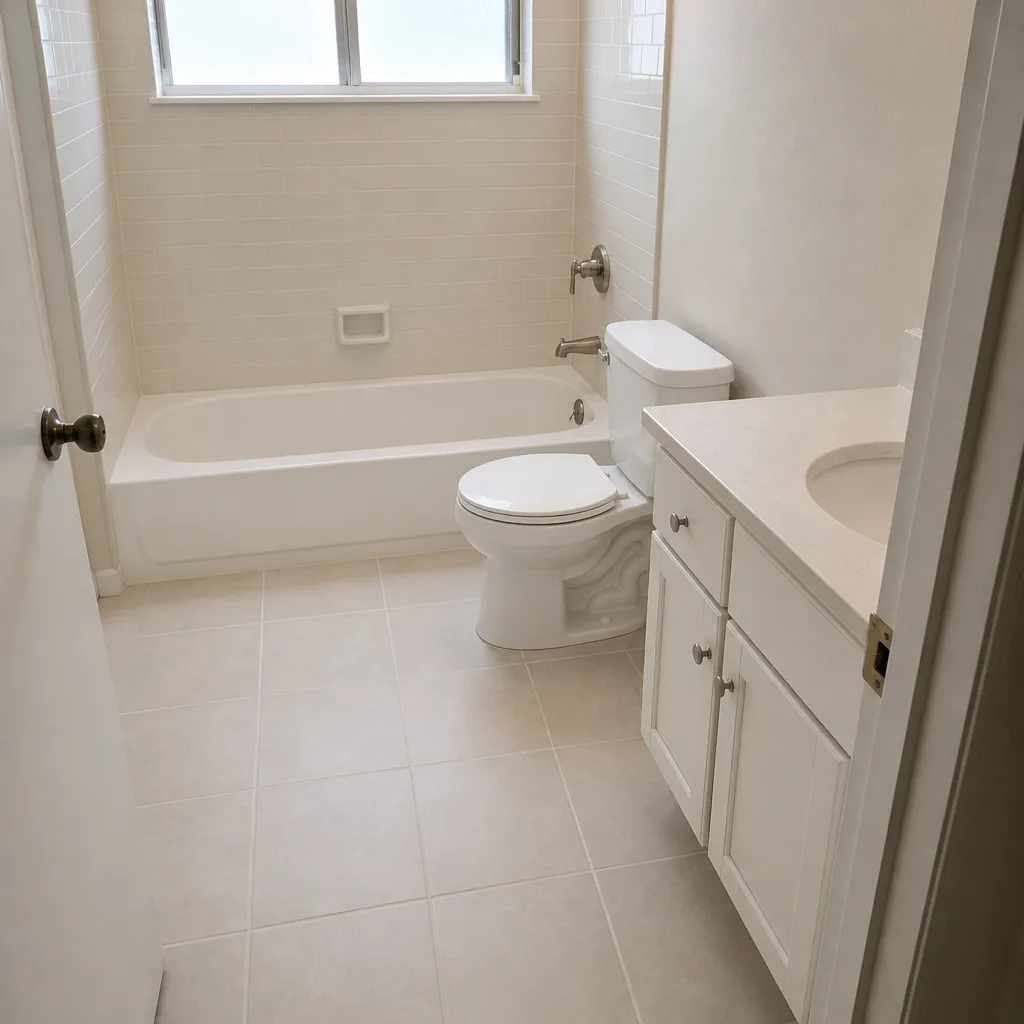 After
When to Call a Professional
Some work is fine to think about, and some shouldn’t be attempted without training. A paver driveway is a foundation-driven project, and the base is where it lives or dies. If your driveway is showing heaves, dips, or standing water, or if your paver field has visible settlement, that’s professional territory. Base excavation and compaction require equipment and measurement, and getting density wrong shows up years later. Electrical, gas, and drainage work near the foundation should always go to a qualified pro. Our team offers free estimates in Lake Forest and can walk you through both the schedule and the scope – call (855) 532-8973 to get started. Estimates are free, and the conversation is no-pressure.
Frequently Asked Questions
Most residential driveways take 5 to 10 working days of active construction. The full timeline from contract to sealed surface is typically 2 to 6 weeks once permits, material lead times, and the 24-to-48-hour settlement check are factored in. Call (855) 532-8973 for an exact timeline on your property. Estimates are free.
Three factors usually explain it: site conditions discovered during excavation, permit processing time, and material lead times on specialty pavers. A contractor with a good schedule talks about all three upfront. If a quote sounds fast, ask what’s not included. Call (855) 532-8973 for a written schedule and line-item quote.
Any project that changes footprint, alters drainage, or shifts grading typically requires a permit and inspection. Straight replacements sometimes don’t. Our team pulls the permits and passes the inspections, and we tell you which category your project falls into. Call (855) 532-8973 for a free estimate.
In rare cases, yes – over sound, well-drained concrete in good condition. In most cases, no. Old concrete fails subtly, drains poorly, and prevents proper base prep. A proper paver installation starts with a base built to depth, which usually means removing the old surface. Call (855) 532-8973 to sort this out for your driveway.
The settlement check is the 24-to-48-hour window after base compaction where the base is inspected for soft spots and recompacted if needed. It’s the step that catches problems before pavers go down. Skipping it is the leading cause of early settling and ponding. Call (855) 532-8973 for a free estimate that includes the settlement check.
Sealing is optional but extends the life of the surface and keeps color rich. Most homeowners seal a year after installation, which keeps the initial timeline clean. If you seal at installation, plan for 24 to 72 hours of cure time before traffic. Call (855) 532-8973 for a free estimate on your project.
The Bottom Line
The timeline on a paver driveway is real, and the honest number is 5 to 10 working days of construction with a 2-to-6-week calendar window once permits, materials, and the settlement check are factored in. The three variables that drive the schedule are site conditions, permit processing, and paver lead times. Choose your material early. Insist on a settlement check. Ask for a working-day schedule and written line-item quote. And if a contractor pads the calendar to protect themselves, ask why. Our team offers a 730-Day Done Right Promise on every project, background-checked technicians, and upfront pricing with no surprises. Groundwork Construction Co. of Lake Forest offers free estimates across Lake Forest – call (855) 532-8973 and we’ll walk you through the schedule phase by phase. We also offer $1,000 off projects over $10,000 and 0% financing for 18 months. Our technicians have up to 12 years of experience, and calls are answered by a live person, 24/7.
Written by the team at Groundwork Construction Co. of Lake Forest.