

Free written scope consultation - allowances, timeline, and change-order rules on paper before a single trade is scheduled
Styles & brands we work with
- Kitchen remodeling
- Bathroom remodeling
- Home additions & ADU
- Roofing
- Windows & doors
- Driveway & pavers
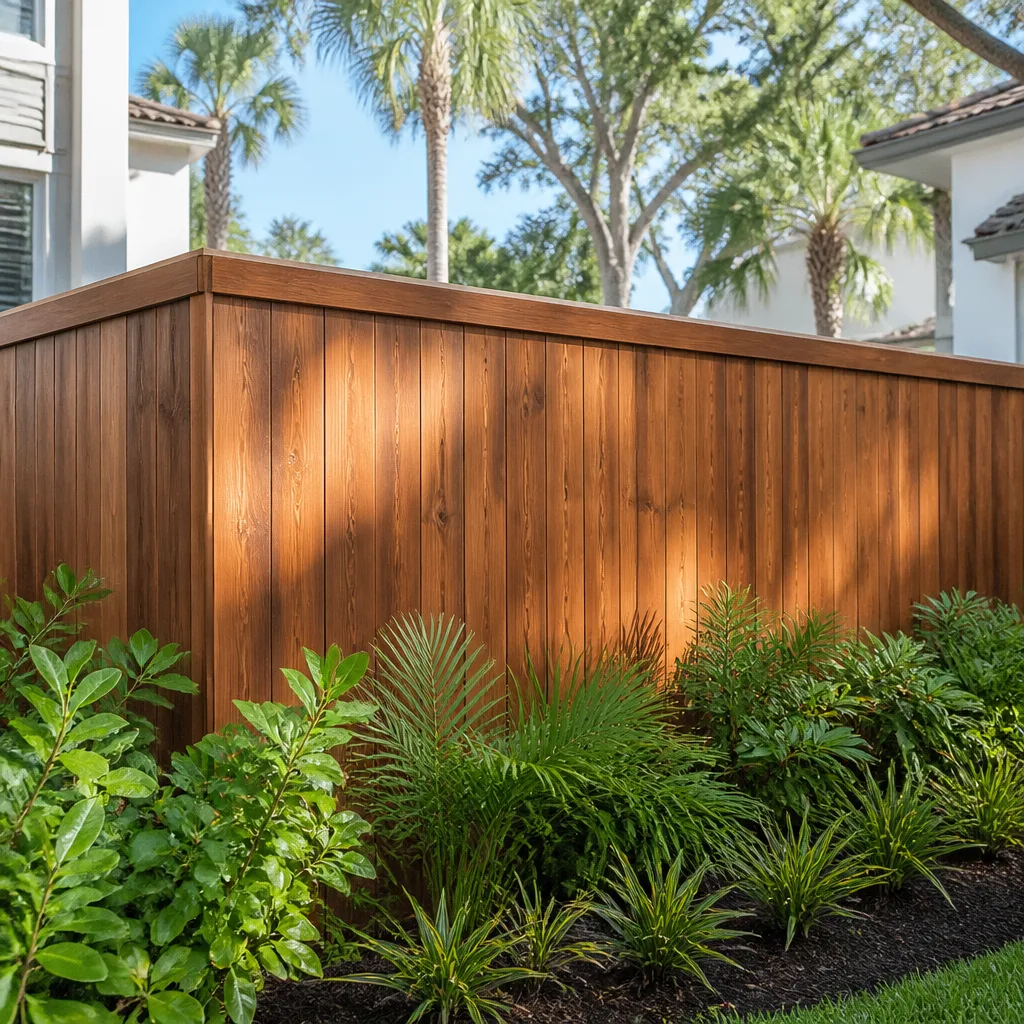
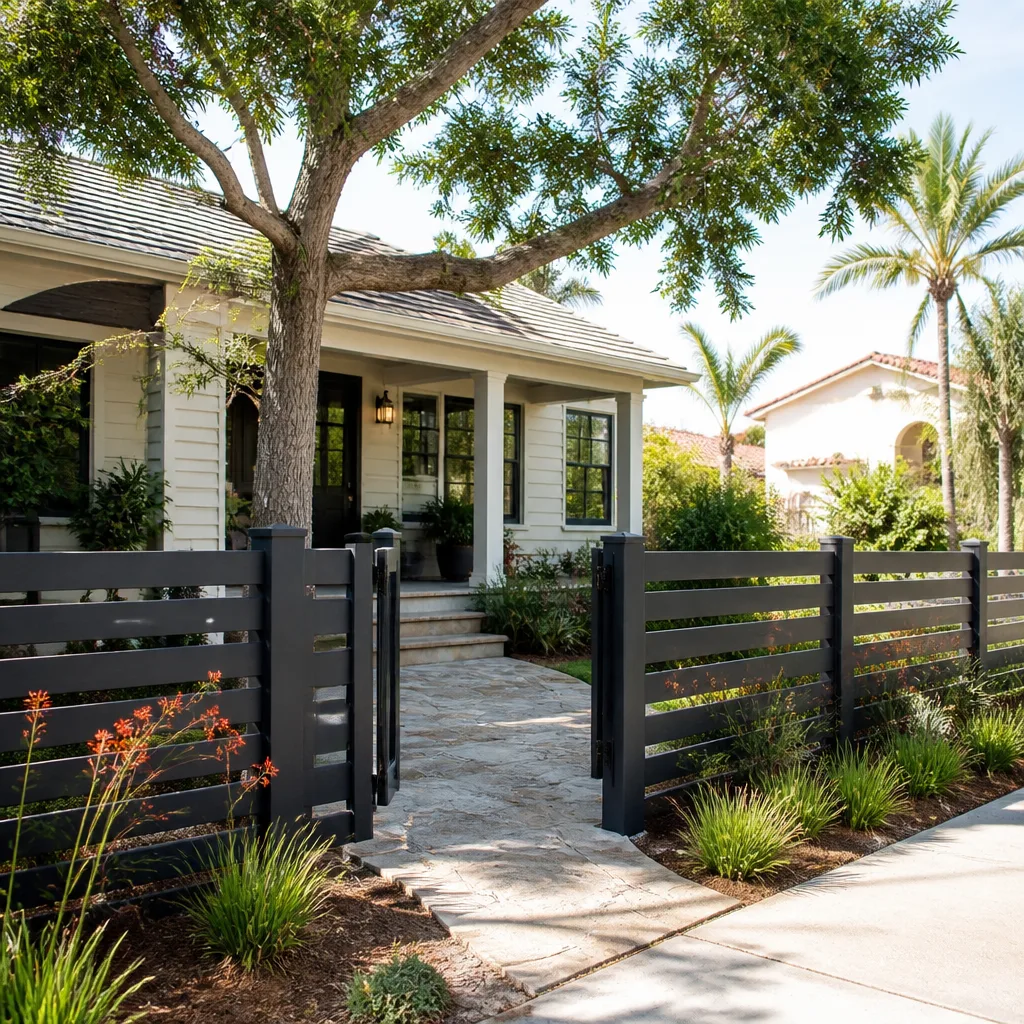
- Fence
See the difference
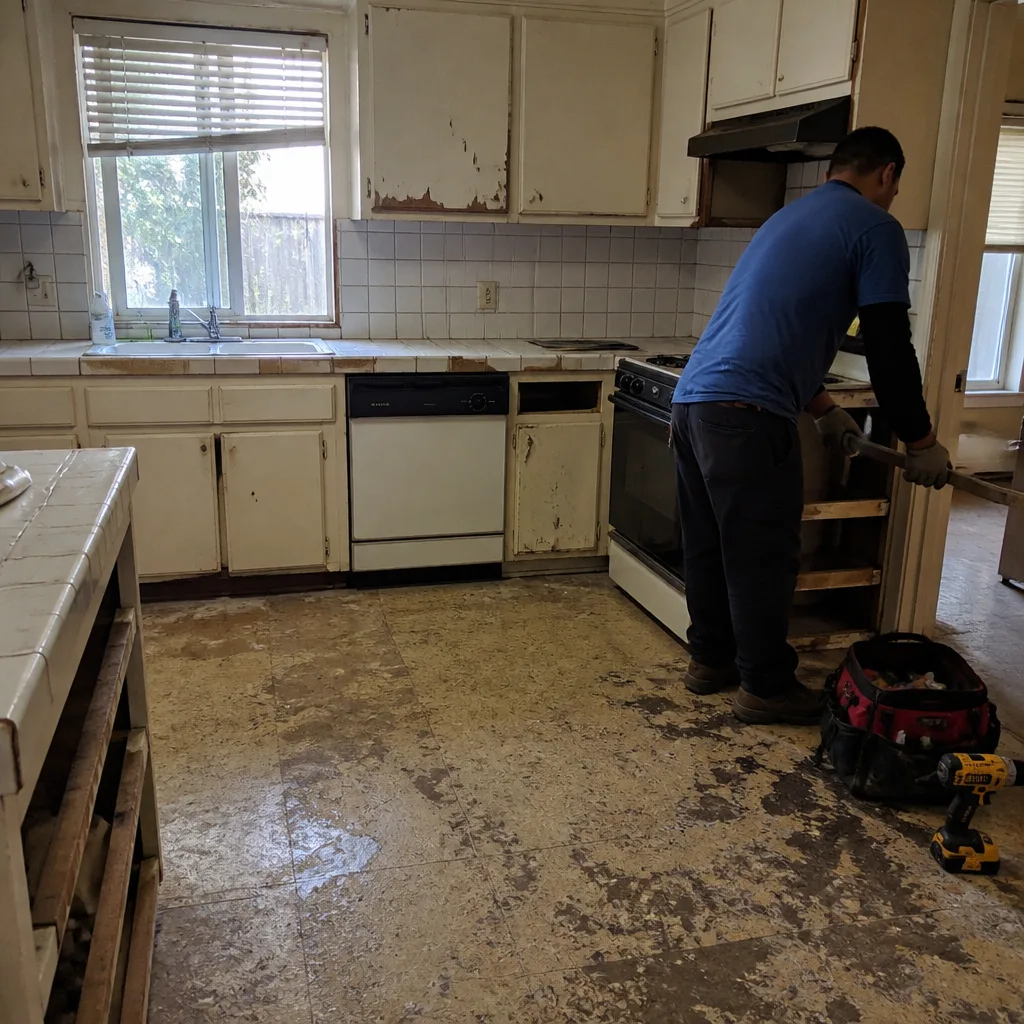 Before
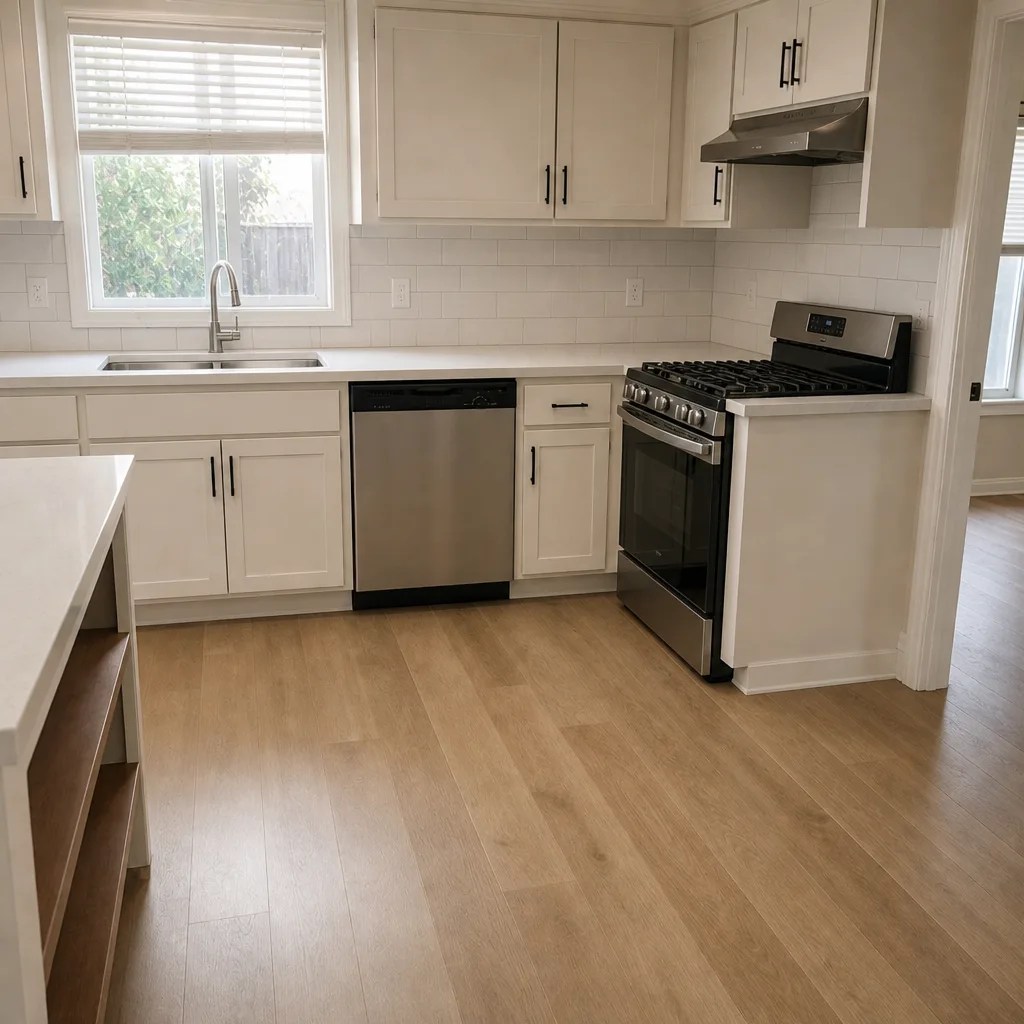 After
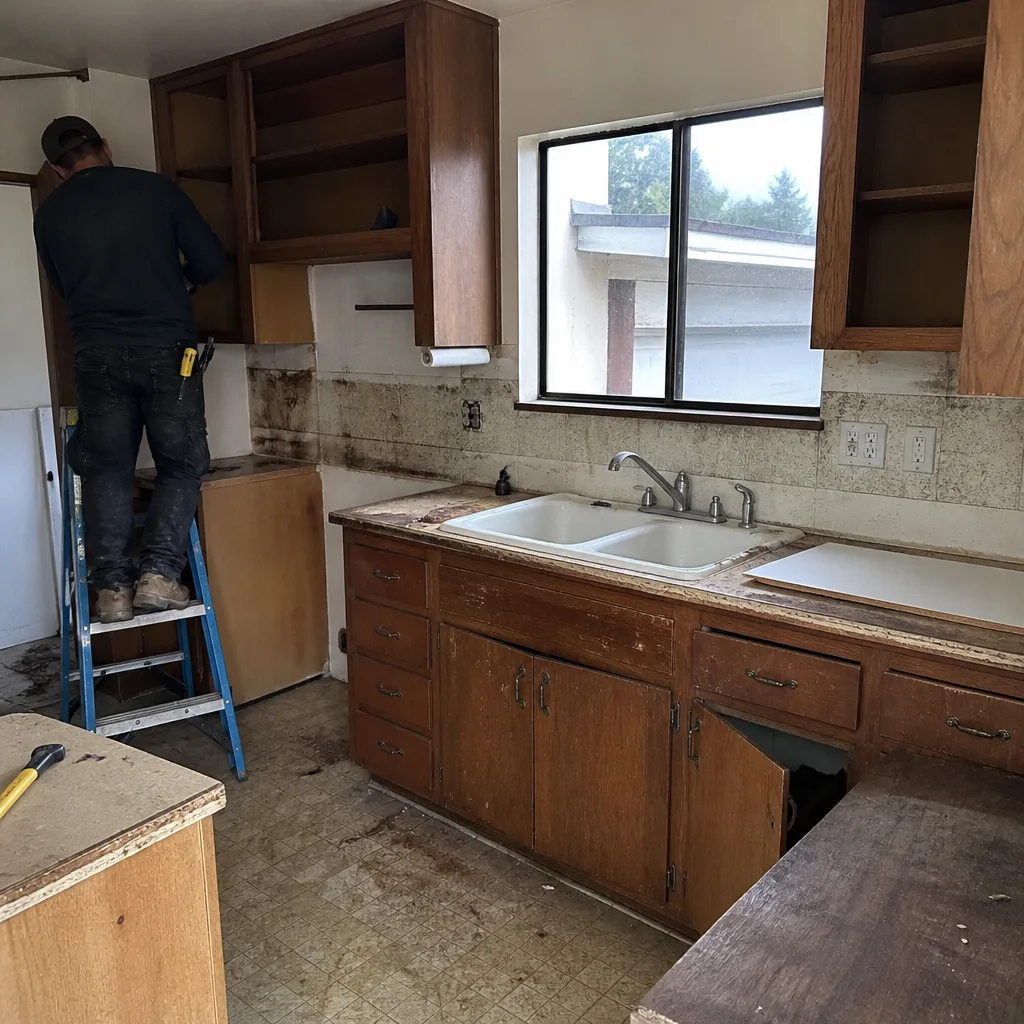 Before
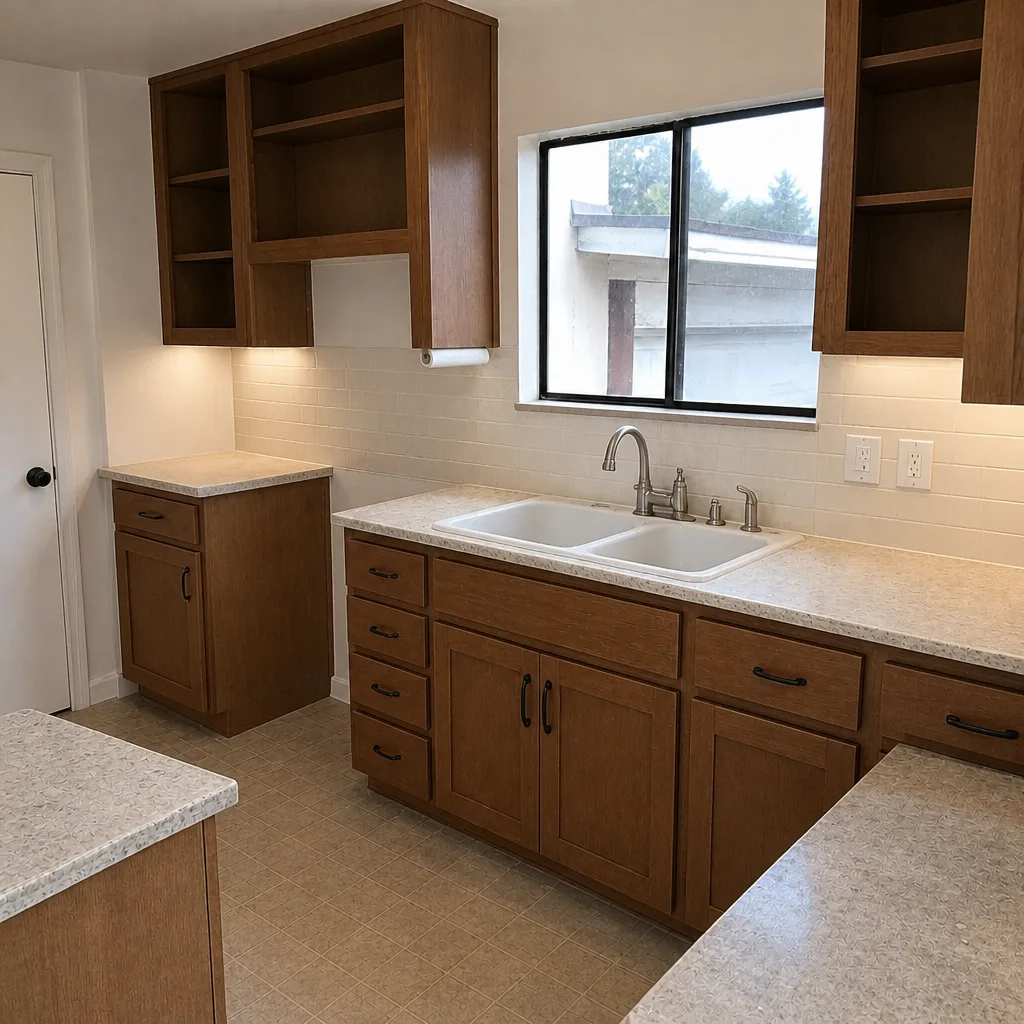 After
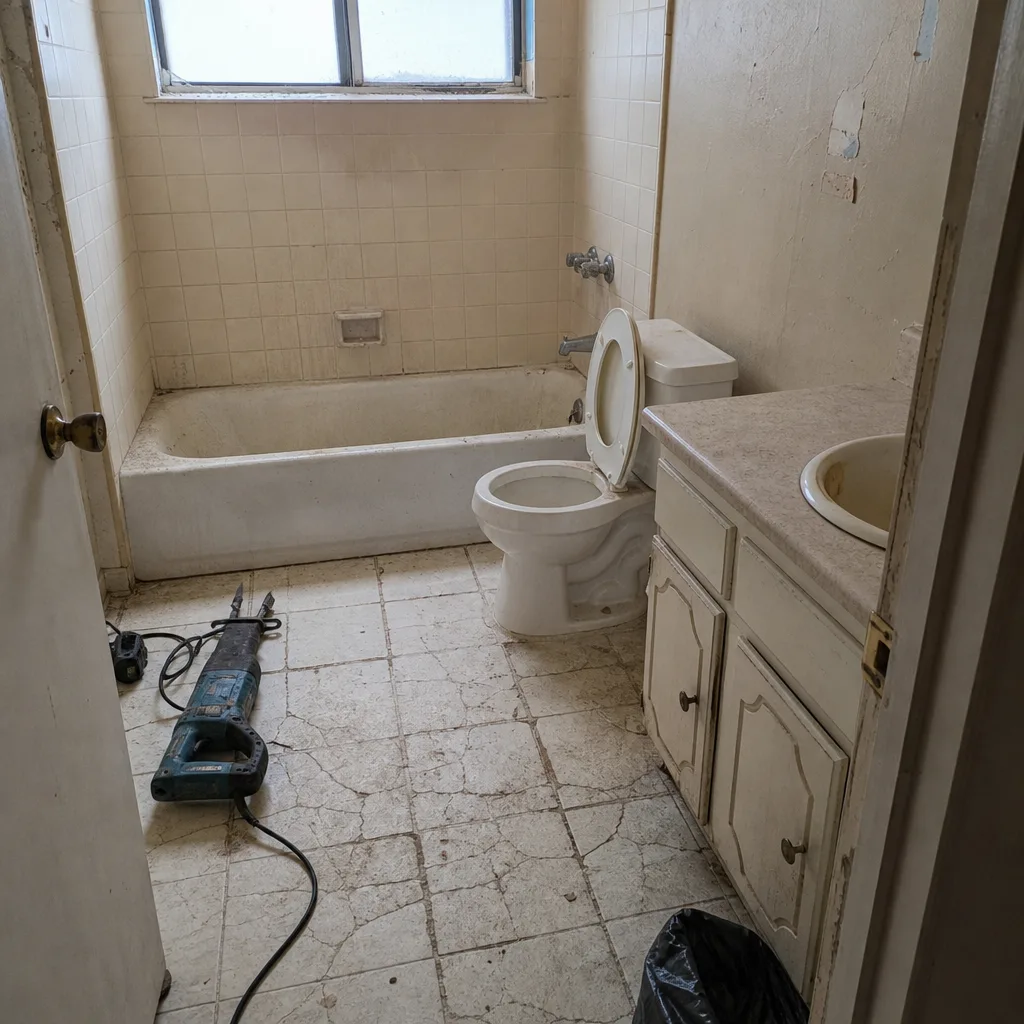 Before
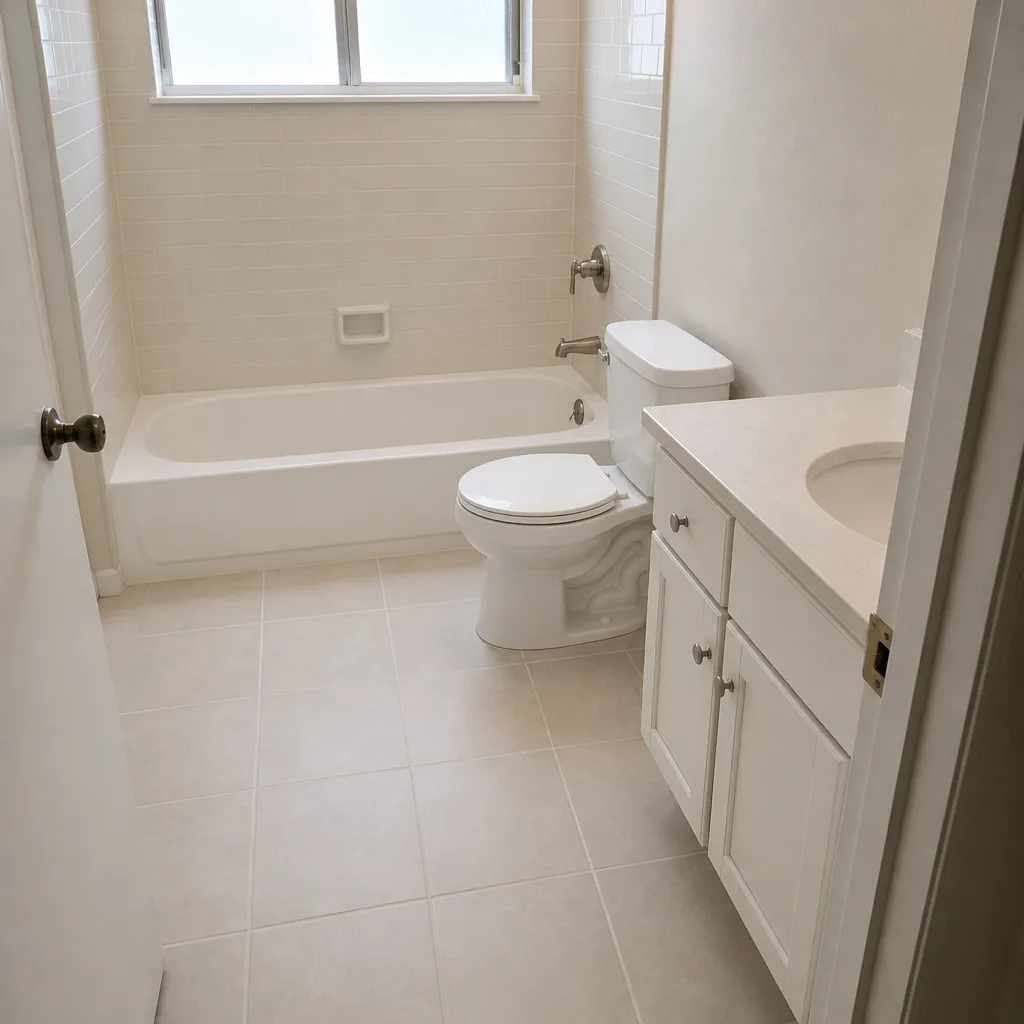 After
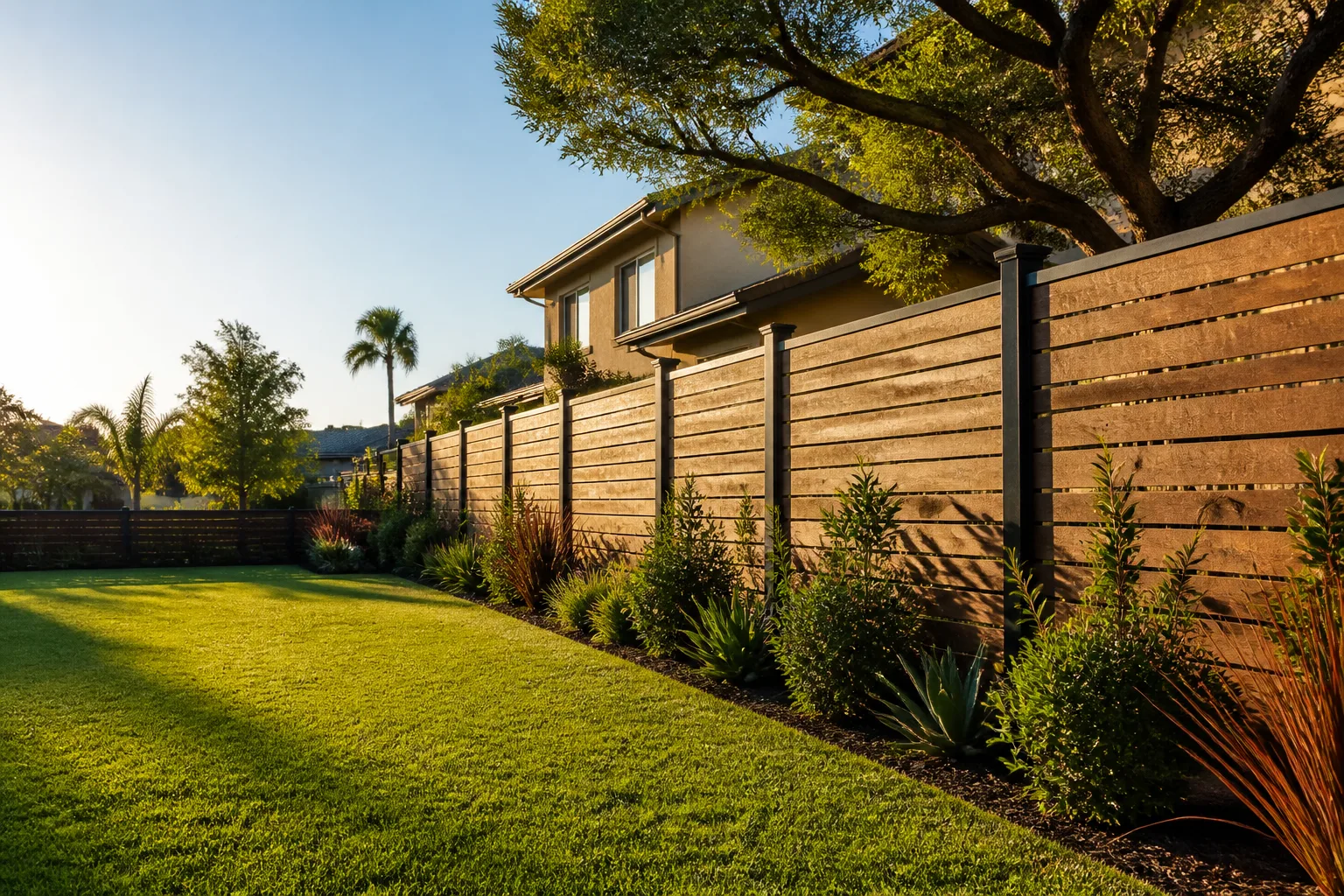
Repair or Replace Fence in Lake Forest, CA: The Two Questions to Answer First
Choose repair unless your fence was built before roughly 2000 and has post bases compromised below grade; in that case, replace. For a Lake Forest fence that’s a 1980s or 1990s tract-home original, repairs are usually a bridge to a replacement you’ll be paying for within about three years anyway. A clear answer takes one afternoon: a quick check of where your HOA architectural guidelines stand today, and a look under the soil line at the post bases. If you’d rather have both handled in one visit, call Groundwork Construction Co. of Lake Forest at (855) 532-8973 and we’ll schedule a no-pressure assessment.
Before you price a single board on an older Lake Forest fence, ask two questions. Does your HOA still approve the material and height you have? And have you checked whether the post bases have corroded below grade? If either answer goes the wrong way, you’re replacing the fence, and finding that out after you’ve paid for repairs is an expensive lesson.
Why the answer isn’t a cost-per-linear-foot calculation
Most fence quotes you’ll find online start and end with price per foot. That math works on a new build. In Lake Forest, where a large share of the housing stock went up between the 1970s and 1990s, a fence that’s still standing is often the original one. It’s weathered decades of hot, dry summers, mild but wet winters, and the occasional Santa Ana wind event pushing through gates and posts. That’s a structural question before it’s a budgeting one.
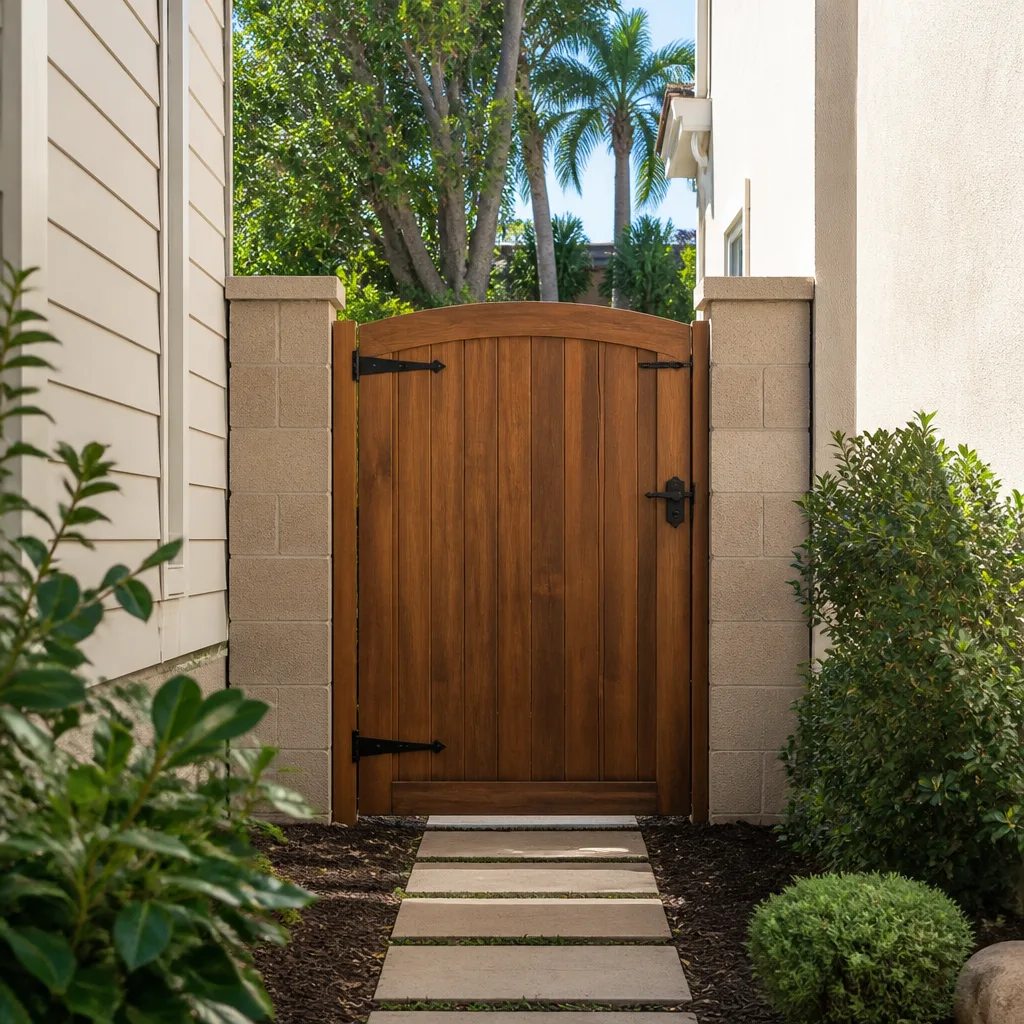
The First Gate: Does Your HOA Still Approve the Fence You Have?
Start here, not with a contractor’s quote. Many Lake Forest fences installed in the 1980s and 1990s were built with materials, heights, or board styles that the local architectural guidelines have since updated. You can repair a fence that’s no longer compliant and end up with an ARC notice that requires you to take it down anyway. That repair money is gone.
What we see on site, and what the guidelines generally look for:
- Height matches the current cap. An approved fence from 1991 may be a few inches taller than what your HOA allows today, especially on shared property lines.
- Material and color are on the current approved list. Stained wood, natural vinyl, and certain aluminum profiles fall in and out of favor with design review boards.
- Style matches the neighborhood. Board-on-board versus privacy pickets, top-cap details, and gate placement can all be reviewed.
- Setback from the slope. Hillside lots in areas like Portola Hills and Foothill Ranch often carry extra rules about fence position relative to graded slopes.
Pull your HOA’s current architectural guideline packet before you decide anything. If your fence no longer matches it, repair stops being a real option and the conversation becomes what to replace it with. That’s the honest version, and it’s the one that saves you money.
The Second Gate: What’s Happening Below Grade at the Post Bases?
A fence that looks repairable above ground can be held up by posts that are done. Lake Forest’s soil has been cycling wet to dry and back for 30-plus years on these lots, and wood posts in direct contact with that cycle rot from the base up. Metal post anchors and brackets corrode in the same moisture band. The rot and the rust are under the soil line, where you can’t see them.
Here’s the operator detail most quotes skip: a visual inspection from standing height tells you almost nothing about post integrity. The base has to be probed, and on older fences a couple of posts should be dug out far enough to actually see the bottom 12 to 18 inches. We do this before we quote repair, because a fence with good boards sitting on failing posts isn’t a repair job. It’s a replacement waiting to fall.
The 25% rule
If more than about 25% of the posts on your run are corroded or rotted below grade, the structural cost of proper repair exceeds what replacement costs on a per-linear-foot basis. You’re not fixing a fence at that point. You’re rebuilding most of it while keeping an old top rail. That’s where repair money goes to die.
So How Do You Actually Decide? A Simple Framework
Two columns, one decision. Match your fence to the evidence.
| Condition | Repair wins if… | Replace wins if… |
|---|---|---|
| Fence age | Under 15 years old | 1980s-1990s tract-home original |
| Post bases | Structurally sound at the base | Any post-base compromise |
| HOA compliance | Matches current guidelines | No longer compliant |
| Damage extent | Isolated to under 20% of the run | Spread across the run or storm-damaged at multiple points |
If you’re on the left column, repair. Fix the damaged section, keep the rest, and schedule a post check again in a few years. If you’re on the right column, replacement is the honest answer. Fence Installation done once is cheaper than two repair bills and a replacement on top of them.
The money conversation, with the numbers
A full vinyl fence replacement on a standard Lake Forest backyard runs $3,500-$9,000. Aluminum replacement runs $4,000-$10,000. A repair on a compliant, younger fence usually sits well under the replacement range, but a repair on an older fence with post issues is where the numbers stop making sense.
Here’s the part that reframes the ROI. Groundwork’s $1,000 off projects over $10,000, paired with 0% financing for 18 months, means a larger replacement can be financed at effectively zero additional monthly cost compared with repeatedly paying for repairs. Instead of three repair visits over three years, you’re paying once for a fence backed in writing. That math is the real decision, and it’s why we lead with the 730-Day Done Right Promise on every fence job: if it’s not done right, we make it right.
What about storms and wind?
Santa Ana wind events are hard on older fences, and they hit hillside neighborhoods like Portola Hills and Foothill Ranch with more force than flatland tracts. When a fence goes down at 6 a.m. after a wind night, you don’t want voicemail. Calls to Groundwork are answered by a live person, 24/7, so you get a real answer on whether it’s an emergency repair or a full replacement, and a site visit scheduled the same day in most cases. That’s the difference between waiting until Monday and knowing by lunch.
What to Look For When You Get a Quote
A quote that only lists price per foot isn’t a quote on your fence. When you’re comparing bids in Lake Forest, check for these:
- A post-base assessment on record. Did the contractor actually probe and dig, or just eyeball it from the yard?
- HOA guideline verification. The bid should confirm your proposed material and height match current HOA standards, not a neighbor’s fence from ten years back.
- Upfront pricing, no surprises. The number you see on the estimate should be the number you pay, with no line items discovered after work starts.
- A written workmanship guarantee. Look for a defined promise with a real length. Vague “satisfaction guaranteed” language isn’t a guarantee.
- Traffic and technician professionalism. Background-checked, uniformed technicians on every job, not a crew that shows up in an unmarked truck and starts working without an introduction.
If you’re also thinking about related exterior work while the crew is out, we handle home improvements from fence to finished addition, including fence installation and home updates. A fence replacement often pairs well with drainage or paver work on the same visit.
FAQs
A full replacement on a standard Lake Forest backyard runs $3,500-$9,000 for vinyl and $4,000-$10,000 for aluminum, while a targeted repair on a younger, HOA-compliant fence usually costs a fraction of that. If more than 25% of your posts are compromised below grade, the repair total can climb into replacement territory on a per-linear-foot basis. Call (855) 532-8973 for an exact quote. Estimates are free.
Yes, if the fence doesn’t match the HOA’s current architectural guidelines, and the repair doesn’t change that. Many Lake Forest HOA guidelines have been updated since the 1980s and 1990s, so a fence that was compliant when it was built may not be today. Verify your current guidelines before you spend on repairs. If you’re unsure, call (855) 532-8973 and we’ll help you sort it out before you commit.
You usually can’t from standing height, because the rot sits under the soil line. A contractor should probe the base of each post and dig out the bottom 12 to 18 inches on a couple of posts to actually see the condition. If you see rot, soft spots, or corroded anchors, the post is failing. Call (855) 532-8973 to schedule a no-pressure assessment, and we’ll confirm it before you decide.
Repair wins in the long run only on a structurally sound, HOA-compliant fence under about 15 years old with damage confined to less than 20% of the run. On a 1980s or 1990s Lake Forest original with any post-base compromise, repeated repairs usually cost more than a single replacement within three years. Groundwork’s $1,000 off projects over $10,000 and 0% financing for 18 months make the replacement math more favorable than it looks. Call (855) 532-8973 to run the numbers on your fence.
If you’d rather have it looked at than guess, Groundwork Construction Co. of Lake Forest offers a no-pressure assessment in Lake Forest - call (855) 532-8973. We’ll check HOA compliance, probe the post bases, and give you a straight answer on repair versus replace. Upfront pricing, no surprises, and a free estimate. Our technicians have up to 12 years of experience on jobs like yours.
Written by the team at Groundwork Construction Co. of Lake Forest, serving Lake Forest, CA.