Free written scope consultation - allowances, timeline, and change-order rules on paper before a single trade is scheduled
Styles & brands we work with
- Kitchen remodeling
- Bathroom remodeling
- Home additions & ADU
- Roofing
- Windows & doors
- Driveway & pavers
- Fence
See the difference
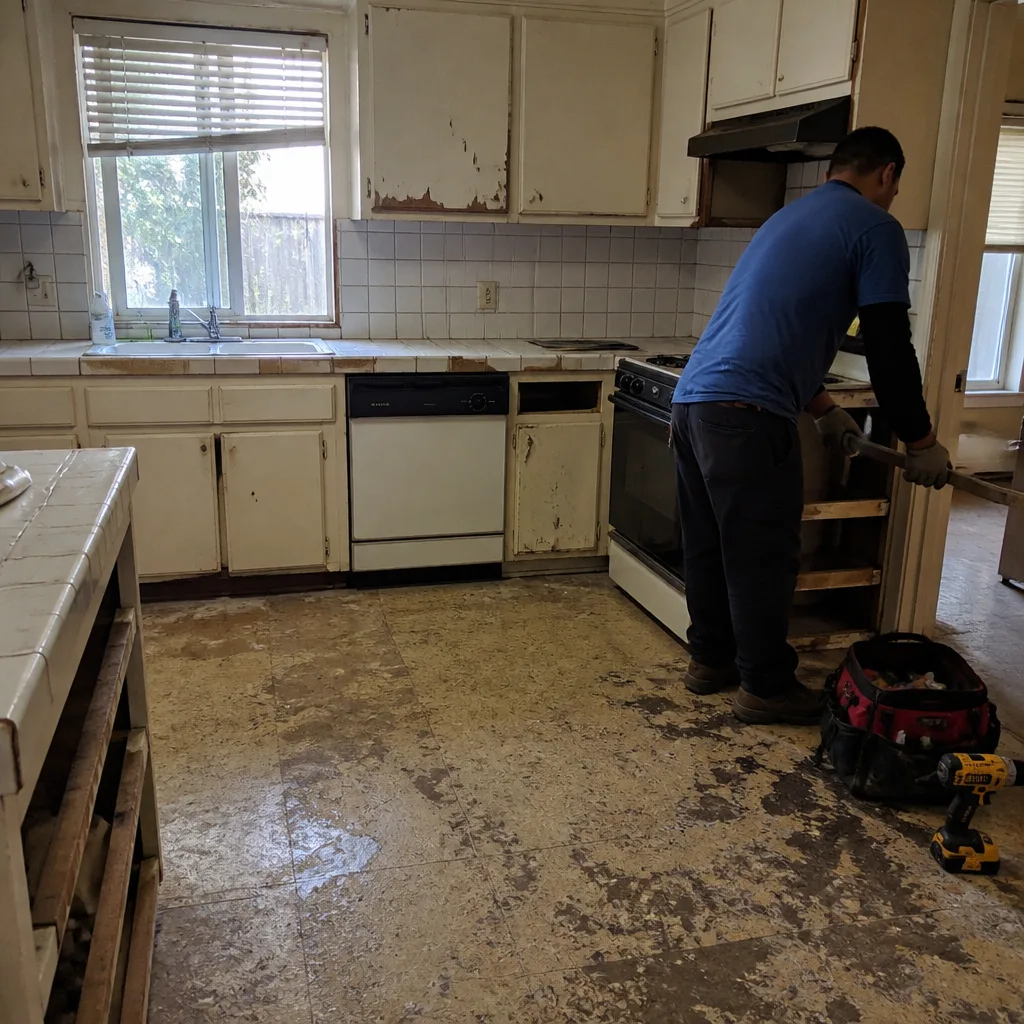 Before
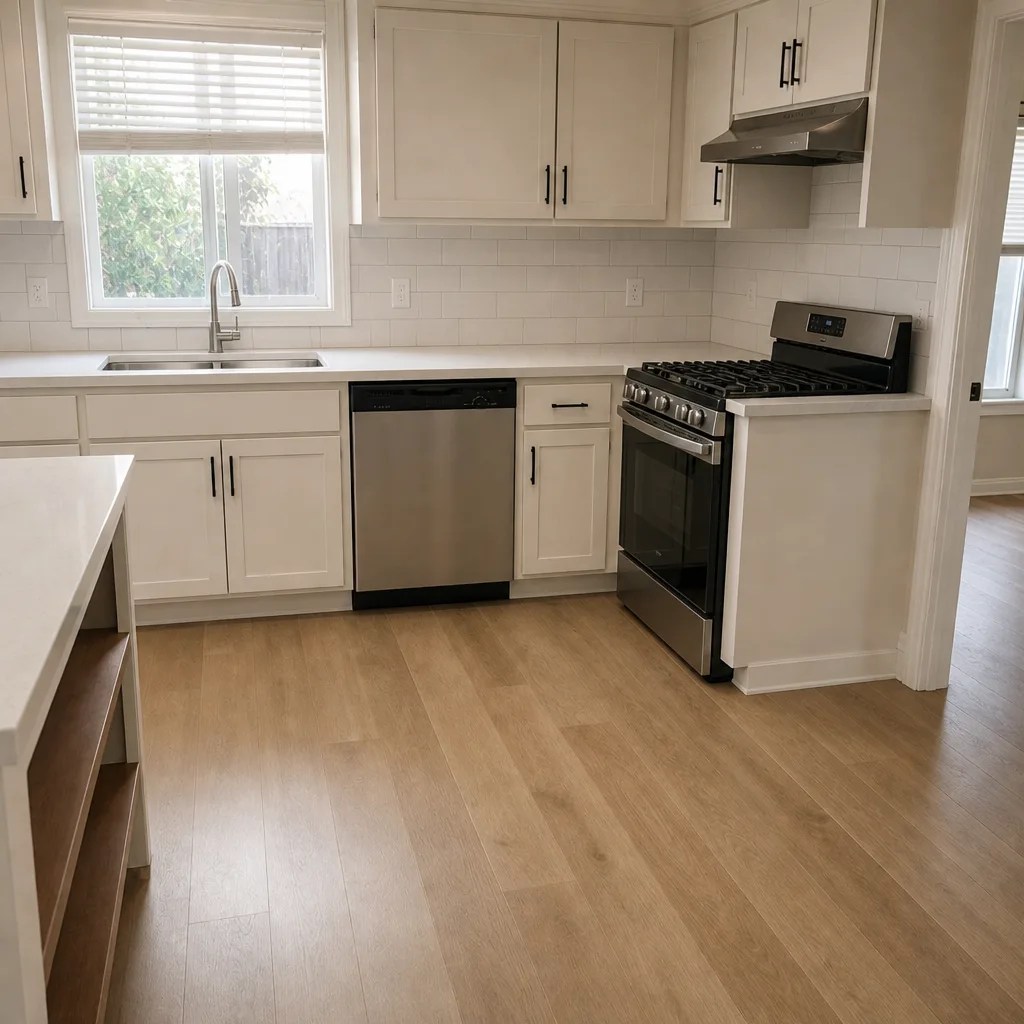 After
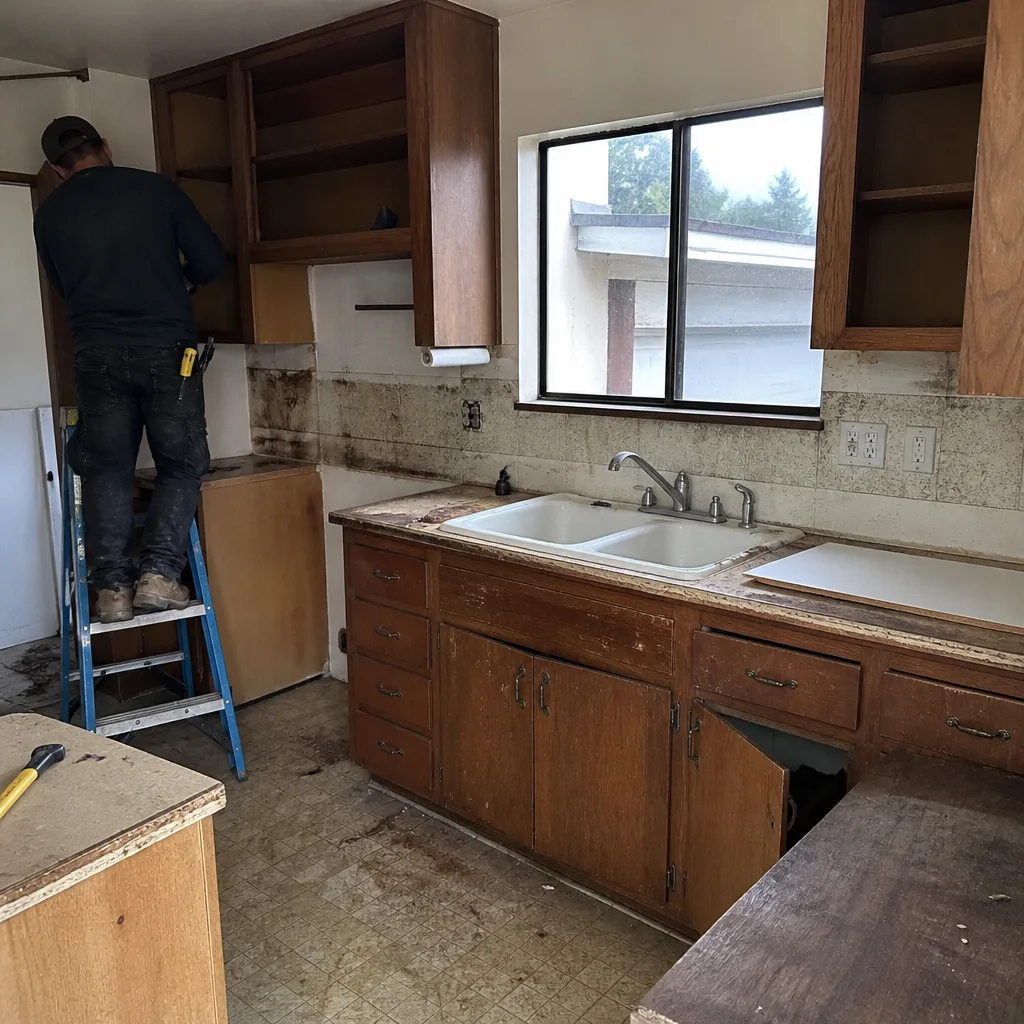 Before
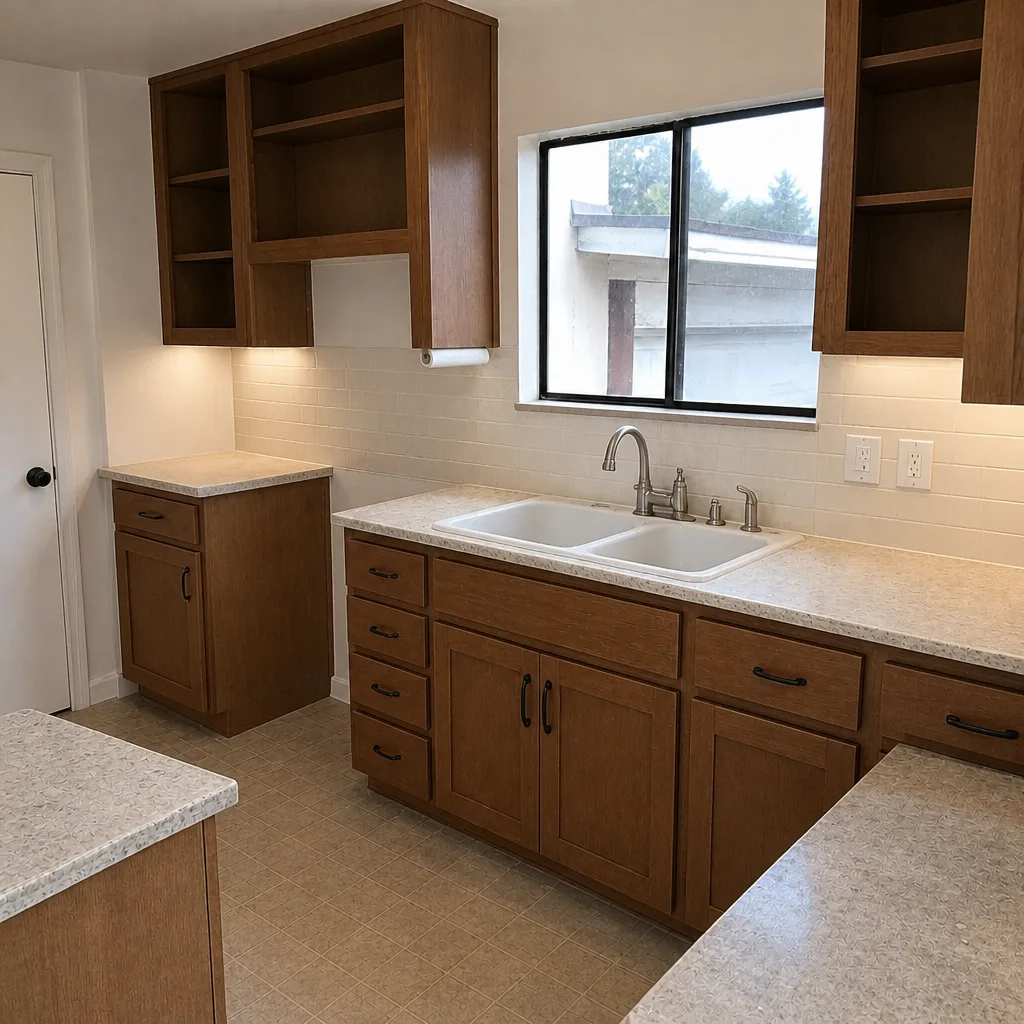 After
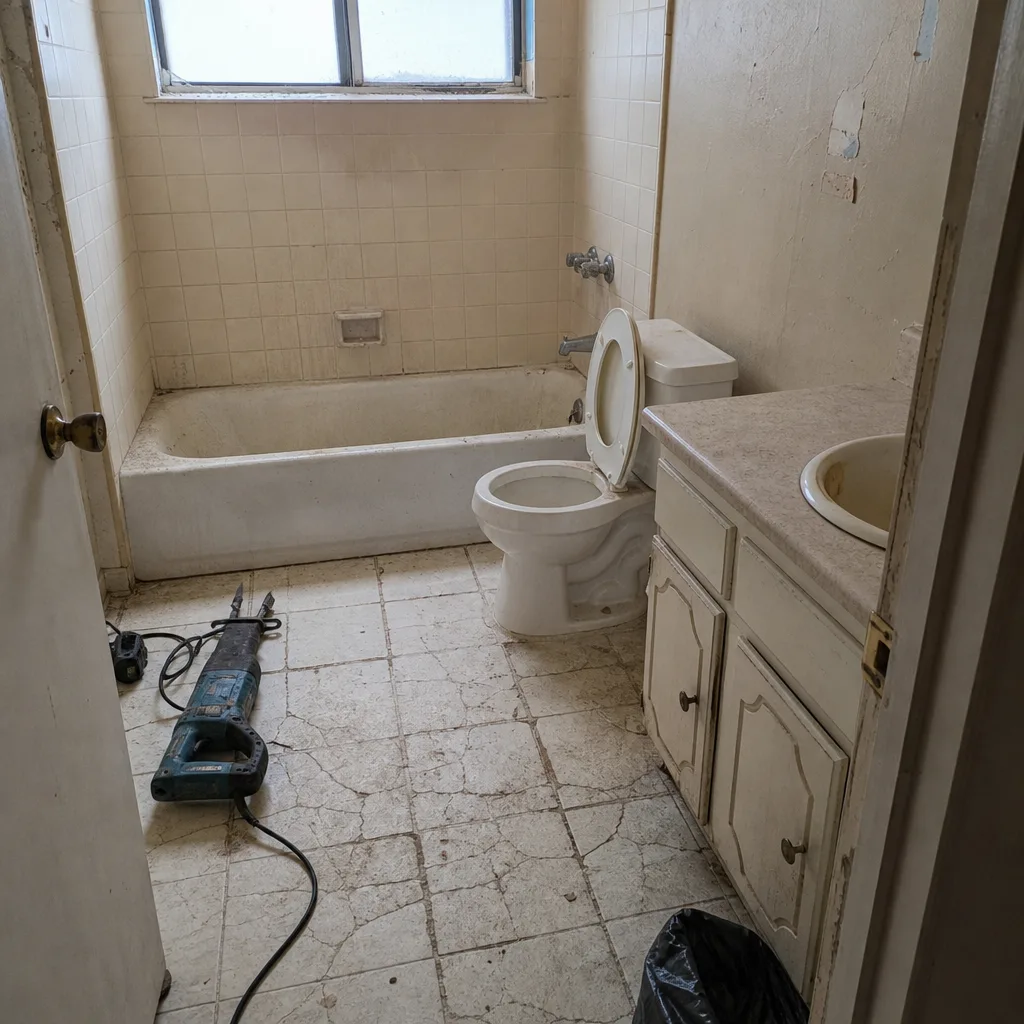 Before
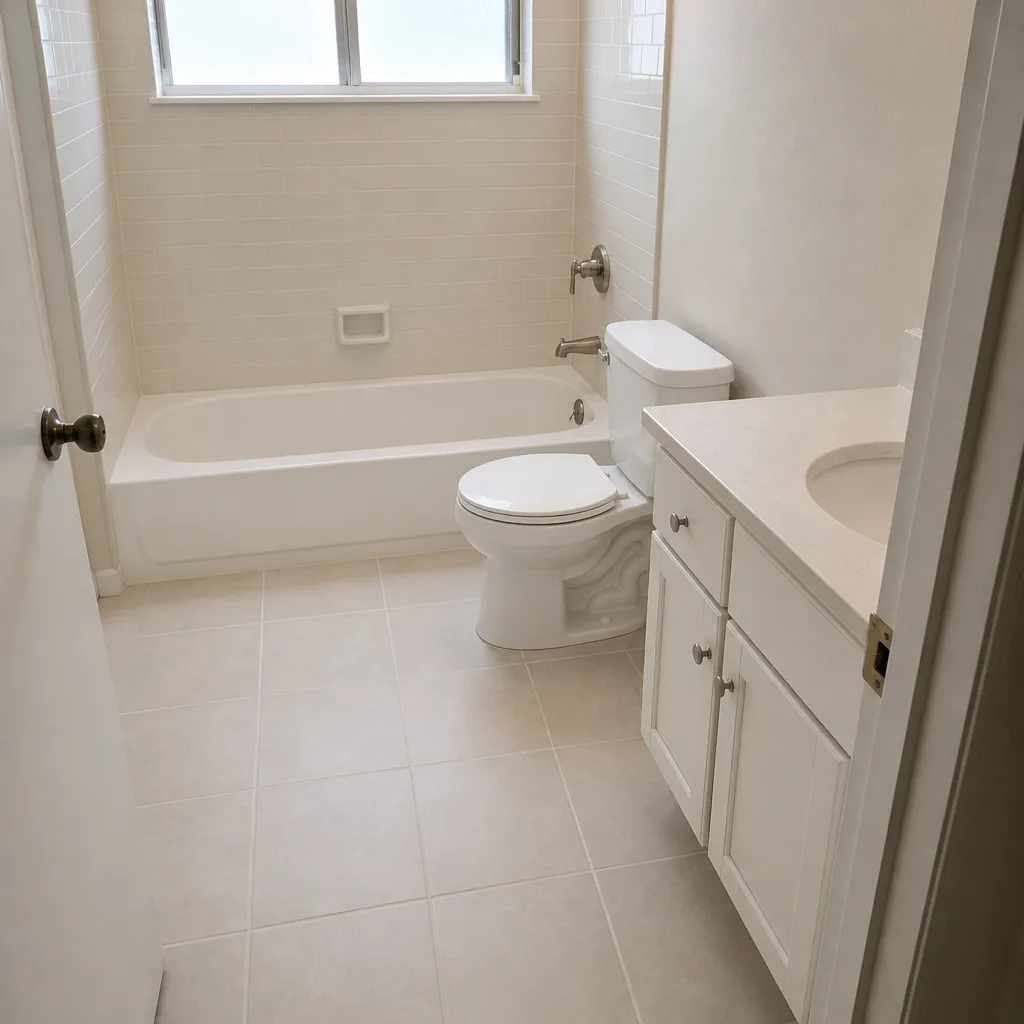 After
Vinyl vs Fiberglass Windows in Lake Forest, CA: Which Holds Up Better Inland?
Choose fiberglass for west- and south-facing windows in Lake Forest; choose vinyl only for north-facing or shaded interior openings where thermal stress stays low. Vinyl wins on upfront price. Fiberglass wins on physics, and in a Lake Forest climate where a frame can swing from 45°F on a January night to 160°F in direct July sun, that gap isn’t theoretical. It shows up in your weatherstripping around year seven. For a straight answer on your specific exposures, call (855) 532-8973. Live person, 24/7.
Why Lake Forest Pushes This Decision Harder Than Most Cities
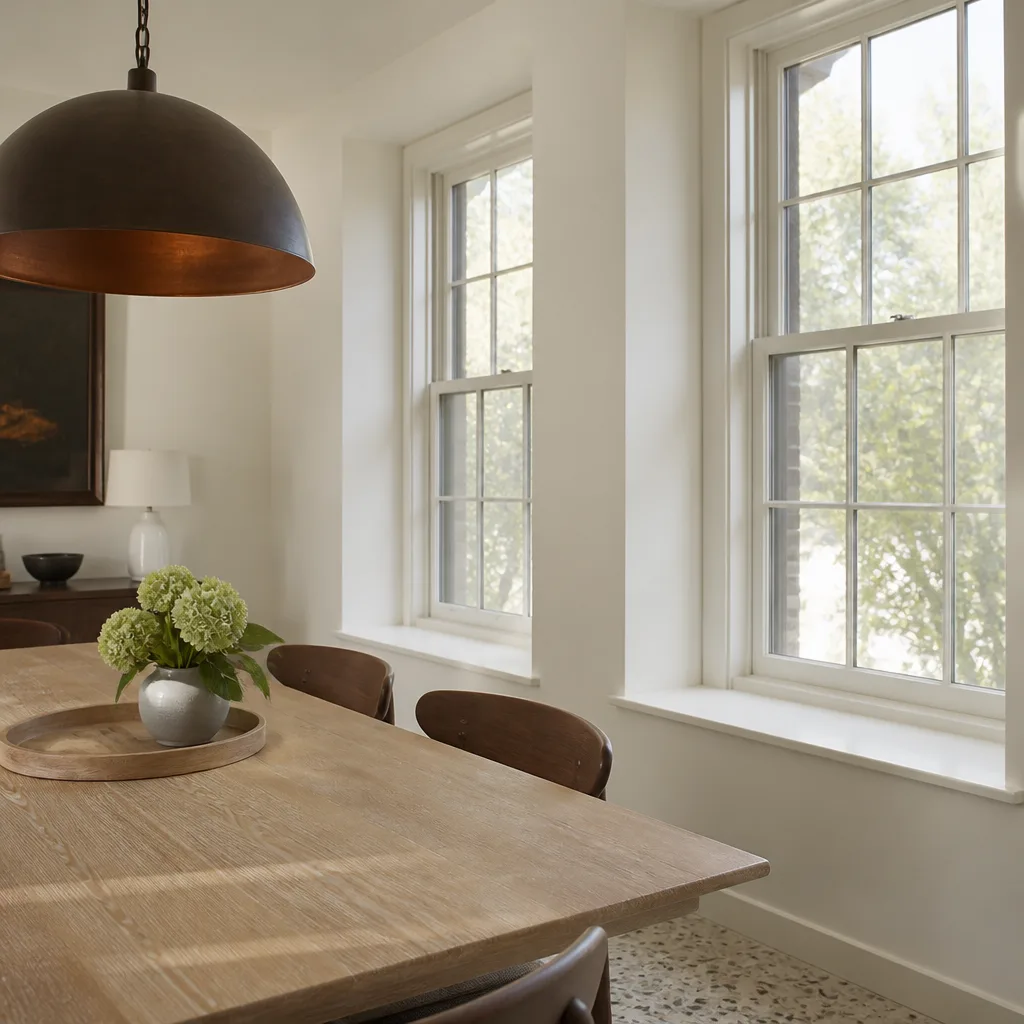
Lake Forest sits in a semi-arid inland pocket of Orange County. Summer heat bakes south- and west-facing glass for hours. Winter nights drop into the forties. Santa Ana winds strip moisture out of seals and push radiant load onto the frame. Along Portola Hills and Foothill Ranch, hillside and graded lots add sun angle and wind exposure that flatland tracts don’t see.
Most of the housing stock here dates to the 1970s through 1990s build-out: tract homes behind HOA architectural review, original aluminum or early vinyl units that are now 30 to 50 years old. When we open a wall in Lake Forest, the frame is usually the second problem behind the glass. Both need attention.
That combination – high UV, big day-night swing, aging original windows – is why the vinyl vs fiberglass question has a real answer here rather than a coin flip.
The Numbers: Thermal Expansion at a 48-Inch Window
Vinyl expands roughly three times more per degree of temperature change than fiberglass. On a 48-inch-wide window swinging from a 45°F January night to a 160°F July surface in direct sun, that’s a temperature delta of about 115°F. Vinyl moves a few tenths of an inch across that window over the year. Fiberglass moves a fraction of that.
A few tenths of an inch sounds small. It isn’t. Every cycle compresses the weatherstripping. Over seven to ten years of Pacific-summer heat cycles, that compression loss is what you feel as a draft, hear as a rattle, and see as a gap where the sash meets the frame.
| Factor | Vinyl | Fiberglass |
|---|---|---|
| Thermal expansion (per °F) | ~3x fiberglass | Baseline |
| Frame movement at 48″ over 115°F swing | A few tenths of an inch | Fraction of vinyl |
| Corner joint | Welded | Mechanically fastened; minimal movement |
| Most common failure in high heat | Weatherstrip compression loss | Glass seal (argon) |
| Color options that hold up to UV | Limited; dark colors deform | Broad; stable finish |
| Typical cost premium over vinyl | Baseline | 15-30% higher |
Which Failure Mode You Should Expect
Each material fails in a predictable way in Lake Forest’s climate.
- Vinyl: weatherstripping compression loss and corner weld stress cracking. The frame cycles so much that the welded corner joints take the load. When the weld hairline cracks, you get a slow leak path.
- Fiberglass: the glass seal – not the frame – is the weak point. Argon gas in dual- and triple-pane units is the first thing to go, usually well past the ten-year mark. Frame integrity is rarely the issue.
The practical takeaway: on a west-facing wall in Lake Forest, fiberglass pushes the eventual failure out by years. On a shaded north wall, vinyl’s movement is small enough that the failure window is close to the same. Your exposures decide.
One operator detail worth knowing: in Lake Forest, we often find fiberglass windows on west- and south-facing walls and vinyl on the shaded north and interior sides of the same house. Mixing materials per exposure gives you fiberglass performance where it counts and vinyl savings where it doesn’t. That’s a legitimate approach.
What to Look For: NFRC Ratings, Title 24, and Brand Choices
Any window sold in Lake Forest needs to meet California Title 24 energy requirements, and the number that proves it is on the NFRC label. Ask for the U-factor and Solar Heat Gain Coefficient (SHGC) in writing. On a west-facing Lake Forest wall, a low SHGC matters as much as the frame material.
Two fiberglass/composite lines we install are worth naming because both carry NFRC ratings and Title 24 compliance documentation: Marvin’s fiberglass Infinity line and Andersen’s composite Renewal line. Both are in our brand portfolio alongside Pella, so you’re choosing quality and fit, not availability.
Fiberglass windows here typically run 15-30% more than comparable vinyl units. A standard whole-home replacement in Lake Forest usually lands in the $4,500-$15,000 range; impact-rated installations run $8,000-$25,000. The premium for fiberglass sits inside that number. See our full Windows & Doors scope for material options and installation detail.
Making the Fiberglass Premium Affordable
What stops most Lake Forest homeowners isn’t the reasoning – it’s the cash hit. On a typical replacement, the fiberglass premium is often a few thousand dollars above vinyl. Two tools close that gap without tapping savings:
- 0% financing for 18 months spreads the upgrade across two full heat cycles, so the window survives the payoff period and then some.
- $1,000 off projects over $10,000 applies to most whole-home window jobs in Lake Forest.
Every installation is covered by our 730-Day Done Right Promise. If it’s not done right, we make it right. That’s backed in writing for both metals, not conditional on material choice.
What About HOAs and Hillside Lots?
Most Lake Forest projects run through HOA architectural review and, in Portola Hills and Foothill Ranch, slope-specific engineering. Fiberglass wins here too, for a reason that has nothing to do with physics: fiberglass takes a broader range of factory finishes that hold up to UV. Dark colors on vinyl invite thermal deformation on Lake Forest’s south exposures. If your HOA specifies a color, fiberglass gives you more compliant options that survive ten summers without fading or warping.
On hillside lots, wind exposure is elevated. Ask your installer about the anchoring specification – not just the frame material – because a correct frame with an under-specified anchor is a failure waiting. This is the kind of thing our Lake Forest service area team knows to check on every job.
Can You Fix a Failing Window Without Full Replacement?
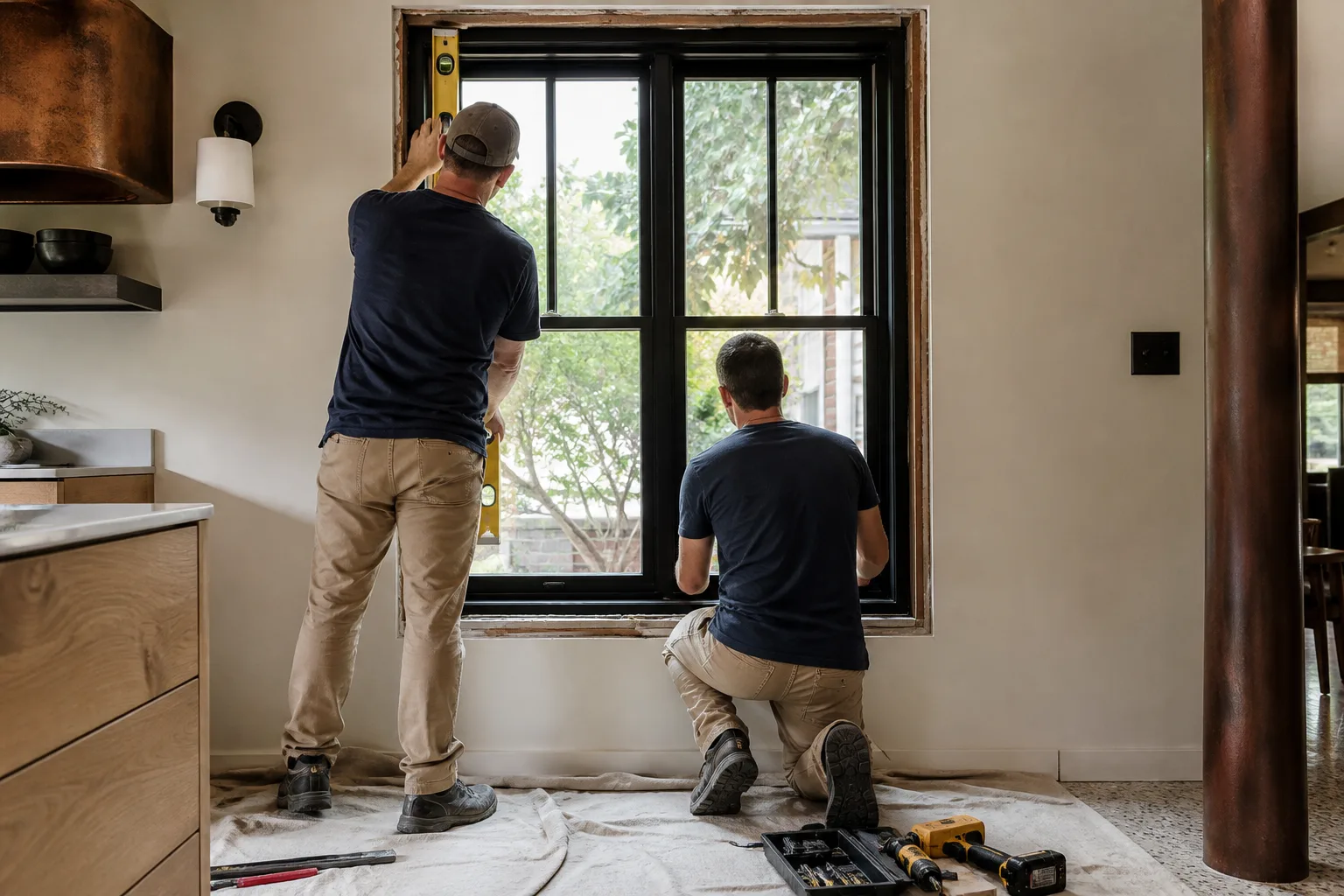
Sometimes. If the frame is sound and the glass seal has failed, glass-only replacement can solve the problem for less than a full unit. If the frame has cycled too far, though, the fix is a new unit – the material keeps moving. Our background-checked, uniformed technicians will tell you which one you’re looking at before we quote. Upfront pricing, no surprises. For a broader look at what we do across the home, start at home.
FAQs About Vinyl vs Fiberglass Windows in Lake Forest
Yes, on west- and south-facing walls. Fiberglass expands roughly three times less than vinyl, which means the frame gaps that push weatherstripping to fail by year seven don’t open as far, and the units last longer. On north-facing or shaded sides of the same house, vinyl remains a sound, lower-cost choice. Call (855) 532-8973 for an exposure-by-exposure walkthrough – the estimate is free.
Fiberglass runs 15-30% more than comparable vinyl units in this market. A standard whole-home replacement here typically lands in the $4,500-$15,000 range; impact-rated runs $8,000-$25,000. The 0% financing for 18 months and $1,000 off projects over $10,000 make the upgrade without draining savings. Call for an exact quote.
Yes. Any replacement in Lake Forest needs to meet California Title 24, and the NFRC label carries the U-factor and SHGC that prove compliance. Both the Marvin Infinity fiberglass line and the Andersen Renewal composite line are installed with the NFRC documentation your permit and inspection will want. Call us for the exact specifications on your address.
Yes. Fiberglass takes factory finishes and profiles that match the original window on most 1970s-1990s tract homes without triggering HOA rejection, and it holds the finish longer on high-UV walls. We’ll confirm the exact profile and finish on a free on-site assessment. Call to get it scheduled.
Get a Straight Answer on Your Windows
If you’d rather have it looked at, Groundwork Construction Co. of Lake Forest offers a no-pressure assessment in Lake Forest – call (855) 532-8973. Every window project is covered by our 730-Day Done Right Promise, with upfront pricing and 0% financing for 18 months on approved terms.
Written by the team at Groundwork Construction Co. of Lake Forest.