Last updated November 18, 2026
Free written scope consultation - allowances, timeline, and change-order rules on paper before a single trade is scheduled
Construction Cost Breakdown: The Lake Forest Homeowner’s Reference for 2026
When a contractor gives you a lump-sum bid with no line items, they’re not protecting their business model – they’re making sure you can’t compare it to anything. That’s the whole trick. An itemized bid invites scrutiny; a round number in bold type does not. Across Orange County, we’ve watched homeowners sign six-figure contracts built on a single sentence and a handshake. This guide does the opposite. It publishes real, itemized cost ranges for the projects Lake Forest homeowners actually commission – concrete flatwork, patio covers, ADUs, retaining walls, driveways – so you walk into any bid conversation with a baseline nobody can talk around. You’ll also learn the line items that get buried, how contracts should protect you from 2026 material volatility, and what a legitimate change order looks like.
Quick Answer
Most residential construction work in Lake Forest in 2026 runs roughly 8% to 15% above the broader California average because Orange County labor rates are among the highest in the state. Concrete flatwork typically lands between $9 and $18 per square foot, driveway installation between $8 and $20 per square foot, patio covers between $8,000 and $35,000 for most residential jobs, retaining walls between $30 and $65 per square foot of face area, and ADU construction between $280 and $450 per square foot depending on finish level and site conditions. Permits, engineering, and inspection fees usually add another 3% to 8% to a project of consequence – and that’s the line most lump-sum bids conveniently leave out.
Styles & brands we work with
- Kitchen remodeling
- Bathroom remodeling
- Home additions & ADU
- Roofing
- Windows & doors
- Driveway & pavers
- Fence
Table of Contents
- Itemized Cost Ranges for the Most Common Lake Forest Projects
- How Orange County Labor Rates Compare to California – and Why It Matters
- The Permit and Inspection Line That Most Estimates Bury
- Material Cost Volatility in 2026: What’s Price-Sensitive and How to Protect Yourself
- What a Legitimate Change Order Looks Like vs. How Overruns Get Engineered
- ADU Construction Costs – The Biggest Line Item on This Guide
- Concrete, Driveways, and Retaining Walls – the Hardscape Numbers
- How to Read Your First Bid Like a Contractor
Itemized Cost Ranges for the Most Common Lake Forest Projects
Here’s the honest number set. These ranges reflect 2026 pricing for residential work in Lake Forest and the immediately surrounding Orange County corridor. They’re not bottom-of-the-barrel bids and they’re not luxury finishes – they’re the working middle where most homeowners actually land.
- Concrete flatwork (walkways, patios, pool decks): $9-$18 per square foot installed, including base prep and standard broom or light-exposed finish. Add $3-$6/sq ft for stamped or stained decorative finishes.
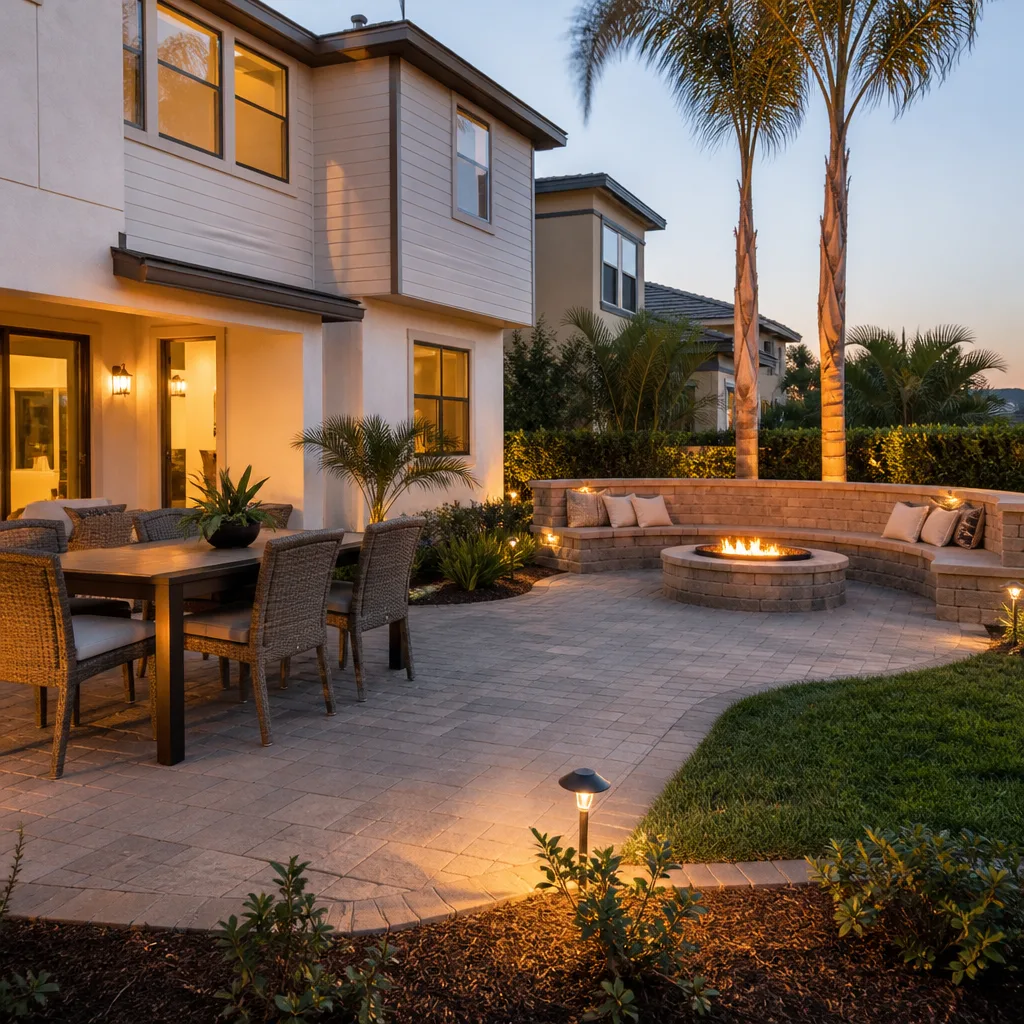
- Driveway installation (concrete): $8-$16 per square foot. Pavers run $14-$24 per square foot installed. See our Driveway & Pavers in Lake Forest guide for the full breakdown by material.
- Patio covers (attached, engineered with permits): $8,000-$35,000 typical, depending on whether it’s an alumawood-style kit or a fully framed, finished, permitted structure with electrical.
- Retaining walls (cast-in-place or block, engineered): $30-$65 per square foot of face area, plus engineering and permitting. Height, drainage, and whether it’s holding back a slope drive this number hard.
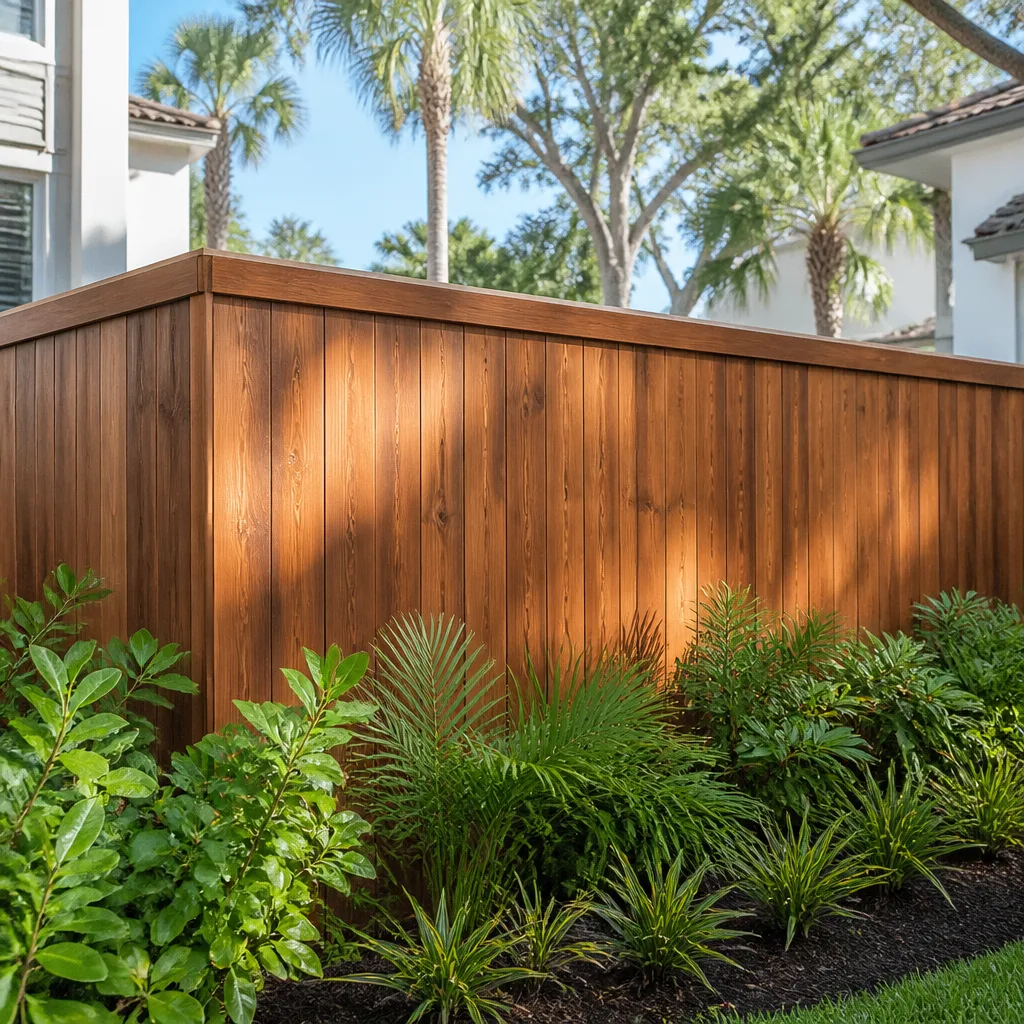
- Fence installation (6-foot wood, standard): $38-$65 per linear foot. See Fence Installation in Lake Forest for privacy, materials, and boundary details specific to our foothill lots.
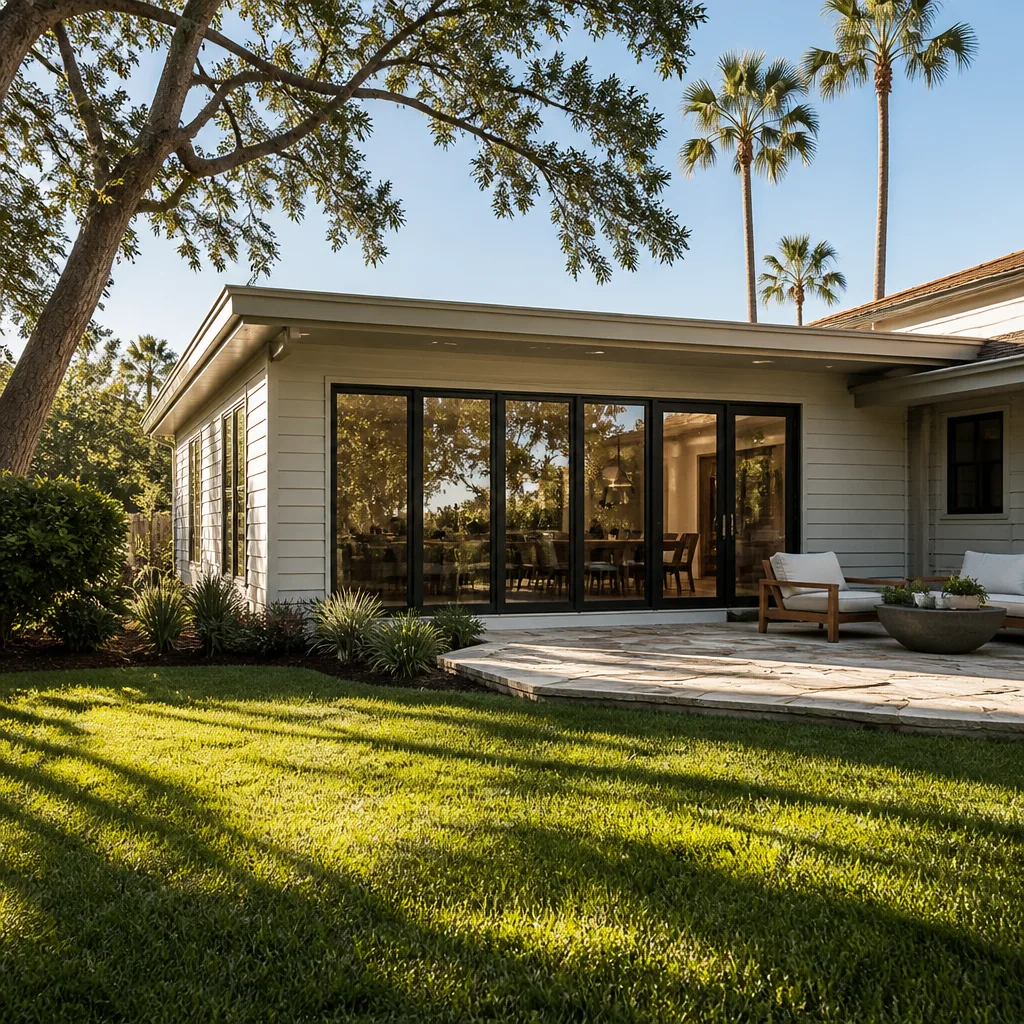
- ADU construction (detached, standard finish): $280-$450 per square foot, all-in including permits. The Home Additions & ADU in Lake Forest page covers the site-by-site variables in detail.
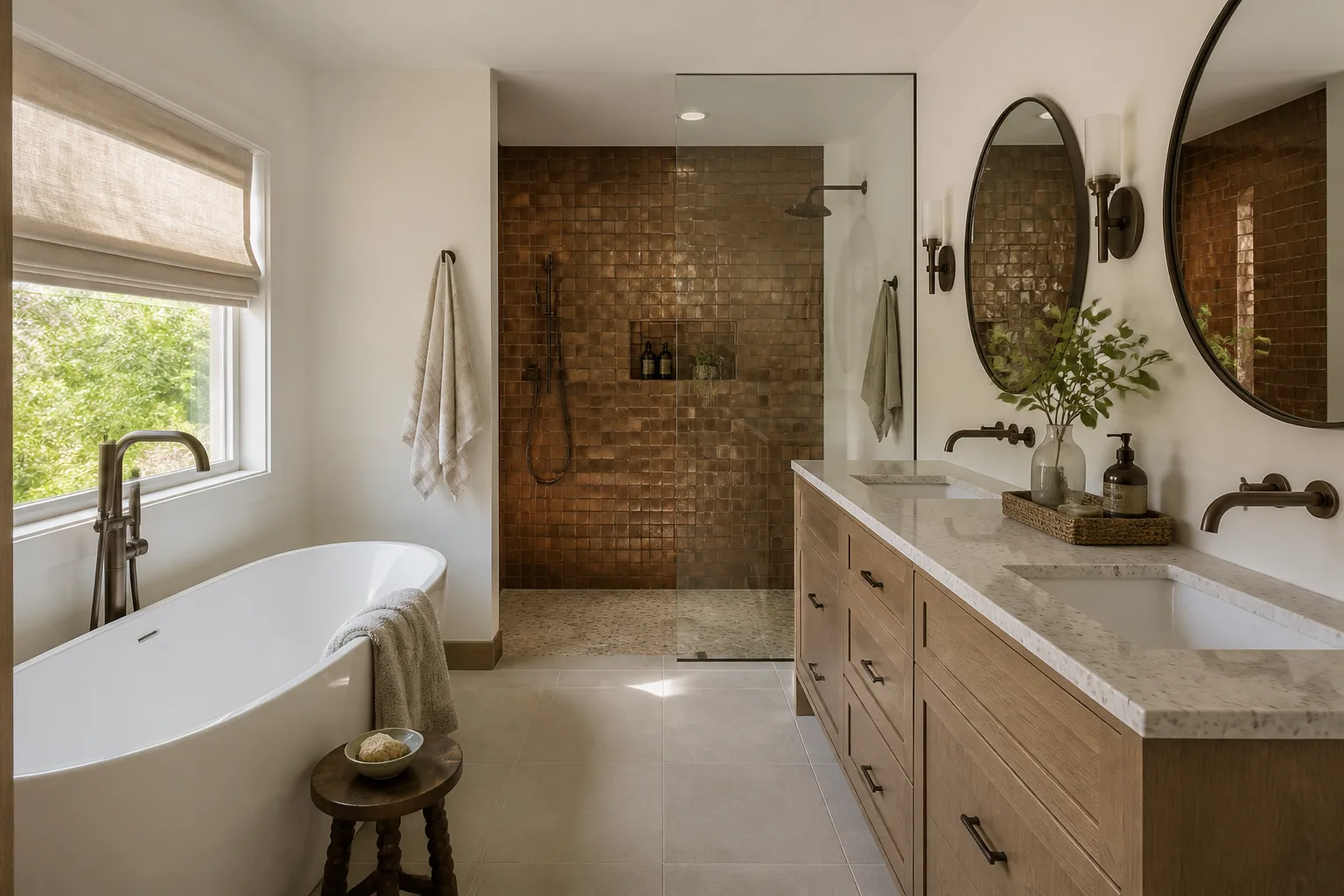
- Kitchen and bath remodel (mid-grade): Kitchens typically $55,000-$110,000; baths $18,000-$45,000. See our full Groundwork Construction Co. of Lake Forest home page for product lines.
Any bid that lands materially below the bottom of these ranges deserves a specific question: what did you leave out? Any bid that lands above the top needs a specific answer: what premium finish or site condition justifies it? A contractor who’s sure of their numbers can explain both in about ninety seconds.
How Orange County Labor Rates Compare to California – and Why It Matters
Orange County runs 8% to 15% above the statewide labor average for residential construction. That’s not a marketing claim – it’s a straightforward reflection of the cost of living here, the cost of getting a licensed crew from where they live to a Lake Forest jobsite in morning traffic, and the fact that skilled trades in this market simply charge more because they can. A finish carpenter who bills $85 per hour in Fresno bills $105 to $125 per hour for the same scope in Lake Forest. An electrician who charges $110 per hour in the Central Valley is $140 to $160 here.
What does that mean for your budget? It means a Lake Forest project that would price at $100,000 in a lower-cost California market prices closer to $110,000 to $115,000 here for identical scope and finish. It also means bids you pull from outside Orange County have a hidden failure mode: crews that aren’t established here either pad the bid to cover their travel, or they don’t know the local inspection rhythms and burn time on corrections. In our experience, the Lake Forest-specific crew that knows how Orange County inspectors actually review is cheaper in the end, even though the labor rate is higher on paper.
Two things follow from that. First, treat labor rate as the least negotiable part of the bid – it reflects real costs, not markup. Second, negotiate scope and finish, not hourly numbers. The crew that says “yes” to a big discount on labor is telling you something about the crew.
The Permit and Inspection Line That Most Estimates Bury
Permits and inspection fees typically run 3% to 8% of total project cost, and they’re the single line item most-likely to be omitted from a lump-sum bid – then billed later as a “pass-through.” We’re not going to publish a full Lake Forest fee schedule (it changes and it depends on scope), but we can tell you the structure. City of Lake Forest building permits are calculated on a valuation-based fee schedule, and for a substantial project you’ll often see plan check, permit issuance, and inspection each billed separately. Add structural engineering, energy compliance documentation (Title 24), and any geotechnical work for walls or foundations, and the soft costs stack up.
Here’s what a legitimately itemized bid should show you:
- Plan check and permit fees as a line item, with a note on whether they’re pass-through or fixed.
- Engineering/design costs, whether included or a separate contract with a licensed engineer.
- Title 24 energy compliance documentation, for anything with conditioned space.
- Inspection coordination – someone has to be onsite when the inspector arrives, and that labor has to live somewhere in the budget.
- An allowance for corrections, because a first-pass inspection with zero corrections is not common and pretending otherwise is dishonest.
- Final sign-off and certificate of occupancy/structure fees, where applicable.
If any of those are missing from a bid, ask where they’re accounted for. If the answer is “we’ll figure that out later,” you’ll be the one figuring it out.
Material Cost Volatility in 2026: What’s Price-Sensitive and How to Protect Yourself
Not all materials move the same way. Some are stable and some will wreck a budget between signing and groundbreaking. Here’s where we tell homeowners to pay attention in 2026:
- Roofing (asphalt shingles, GAF, CertainTeed, Owens Corning): moderately volatile. Oil prices and plant capacity drive this. Roofing bids written more than 60 days before start should have a pricing mechanism built in.
- Lumber and framing: the most volatile category. Twenty percent moves in a quarter are not unusual. Any bid with framing in it should specify a lock-in date or a pricing clause.
- Concrete and cement products: creeping upward, tied to energy costs and regulatory changes in cement production.
- Windows and doors: less volatile on price, more volatile on lead time. A 14-week lead time that stretches to 22 weeks will push your schedule and your holding costs.
- Finish materials (tile, plumbing fixtures, cabinetry): stable in price, wild in availability. That $900 faucet is $900 until it’s on back order for six months.
- Solar and electrical components: policy-driven swings, especially around net metering and equipment supply.
How to structure the contract so you’re not holding the bag: ask for a written materials allowance schedule with unit pricing locked, a clear escalation clause (who pays if costs jump and by how much), a locked-in window for major purchase-order materials like windows and doors, and a written statement about what happens if a material can’t be sourced at the allowance price. Upfront pricing, no surprises, is not a slogan – it’s a contract structure. Every Groundwork Construction Co. project runs on that structure, and it’s the reason we don’t hand over a number we can’t stand behind.
What a Legitimate Change Order Looks Like vs. How Overruns Get Engineered
A change order is a normal part of construction. Something gets found in the wall, something gets upgraded, something moves. What distinguishes a legitimate change order from an engineered overrun is process and timing – not whether one exists.
A legitimate change order is:
- In writing, before the work gets done, with a fixed price for the change and the schedule impact stated.
- Specific about the reason – “unforeseen rot at east wall, per photos attached,” not “additional carpentry.”
- Bidirectional. If scope changes and you save a line item, that line should come off your total, not disappear into the ether.
- Signed by you, not verbalized on a phone call you can’t prove happened.
An engineered overrun looks different. The bid was low, the scope was incomplete, and somewhere in month two you start getting verbal change orders that only go in one direction – up. That’s not bad luck; that’s the business model. The low bid was never the real price, it was the entry point. The way to spot this before signing is to ask: “What’s excluded from this bid?” A contractor who can list their exclusions in detail is telling you they priced what they meant to price.
The 730-Day Done Right Promise exists, in part, because we refuse to use ambiguity as a business strategy. If it’s not done right, we make it right – and that applies to change order disputes as much as it applies to final punch lists.
ADU Construction Costs – The Biggest Line Item on This Guide
A detached ADU in Lake Forest in 2026 typically prices between $280 and $450 per square foot for a standard finish. A 600-square-foot ADU lands around $170,000 to $270,000 all-in; a 1,000-square-foot unit lands between $280,000 and $450,000. That’s the honest range. What moves you up or down inside it:
- Site conditions: flat, accessible lot is the cheap scenario. Slope, drainage that needs to be redirected, or an existing structure that has to come out pushes cost.
- Utility runs: how far the new unit is from the main panel, the water, and the sewer or septic connection. Longer runs, more trenching, higher cost.
- Finish level: builder-grade kitchen and bath drops you toward the bottom of the range; custom tile, upgraded cabinetry, and premium plumbing push above it.
- Fire and life-safety: fire-rated construction, egress requirements, and where applicable, fire sprinklers.
- Engineering and permits: usually $12,000 to $30,000 on a detached ADU, sometimes more depending on lot and scope.
- Whether it’s a pre-fab unit or site-built: prefab can save labor cost on the core structure but adds transport, craning, and finishing-in-the-field costs.
The single biggest cost driver in Lake Forest specifically is lot topography. Our neighborhoods were built into rolling foothills, and a slope lot can add tens of thousands of dollars in grading, retaining, and foundation work that doesn’t exist on a flat one. If you’re considering an ADU on a hillside property in Foothill Ranch, Portola Hills, or the more elevated parts of Baker Ranch, get the geotechnical work done up front and price it before you fall in love with a plan.
Concrete, Driveways, and Retaining Walls – the Hardscape Numbers
Hardscape is where budget conversations go sideways because homeowners haven’t yet internalized that flatwork, driveways, and walls are three completely different trades with three different pricing structures.
Concrete flatwork – walkways, patios, pool decks – prices at $9 to $18 per square foot for a standard finish. That includes demo and haul-off of the old surface if there is one, base prep and compaction, rebar or mesh, and a broom or light-exposed finish. Decorative finishes add $3 to $6 per square foot and up. Control joints are not optional – if a bid doesn’t specify control joint layout, ask why.
Driveways – concrete runs $8 to $16 per square foot, pavers run $14 to $24, and stamped concrete lands between. The spread reflects base prep reality: a driveway that’s being poured over undisturbed native soil with a proper base coat is a cheaper job than one needing deeper excavation and sub-base material. Most Lake Forest driveways in the older neighborhoods need some level of base correction. If a bid doesn’t include base prep, the price is fiction.
Retaining walls – $30 to $65 per square foot of face area. The spread is caused by three things: engineered design (required for most walls over three feet), drainage (a wall without proper drainage is a wall that fails), and whether the wall is holding back a hillside that could eventually want a bigger design than originally sketched. Never let a contractor skip the drainage specification. It’s cheaper to install and more expensive to fix later.
If you want the driveway number specifically tied to your property, our driveway and pavers team will write you a line-item quote that includes base prep, drainage, and edge restraint as separate lines. Free estimate, no pressure to commit.
How to Read Your First Bid Like a Contractor
Your first bid should tell you everything you need to know about the person who wrote it – if you know what to look for. Here’s how we’d read any bid handed to us across a kitchen table:
- Are the permits a line item? If they’re missing, the number is not the real number.
- Is the scope divided by trade (framing, electrical, plumbing, tile, paint)? If it’s one big bundled price with no trade lines, you cannot audit it.
- Are allowances specified with dollar caps? “Tile allowance: $6/sq ft” is a real number; “tile allowance: included” is not.
- Is there a written change order process? Look for the word “written.” If change orders are verbal, you have no protection.
- Is there a warranty stated, and is it in writing? A workmanship guarantee that isn’t written into the contract doesn’t exist.
- Is there a schedule, or a start date at minimum? A bid with no schedule is a bid that will start when the contractor feels like it.
- Are the brands specified? Yes, GAF vs. CertainTeed vs. Owens Corning matters for both durability and warranty transfer. A bid that doesn’t name the product is a bid for the cheapest product that fits the slot.
Two minutes of reading a bid carefully saves two months of arguing about it later. Any contractor who can’t produce a bid that survives these seven checks is telling you something before you’ve paid a dime.
Common Mistakes to Avoid
- Comparing lump sums instead of line items. Two $85,000 bids are not the same bid if one includes permits and base prep and the other doesn’t. Compare the line items or you’re comparing nothing.
- Assuming the lowest bid is the honest one. In our experience, the lowest bid is the most common entry into a change-order trap. The price that catches the job is rarely the price that finishes it.
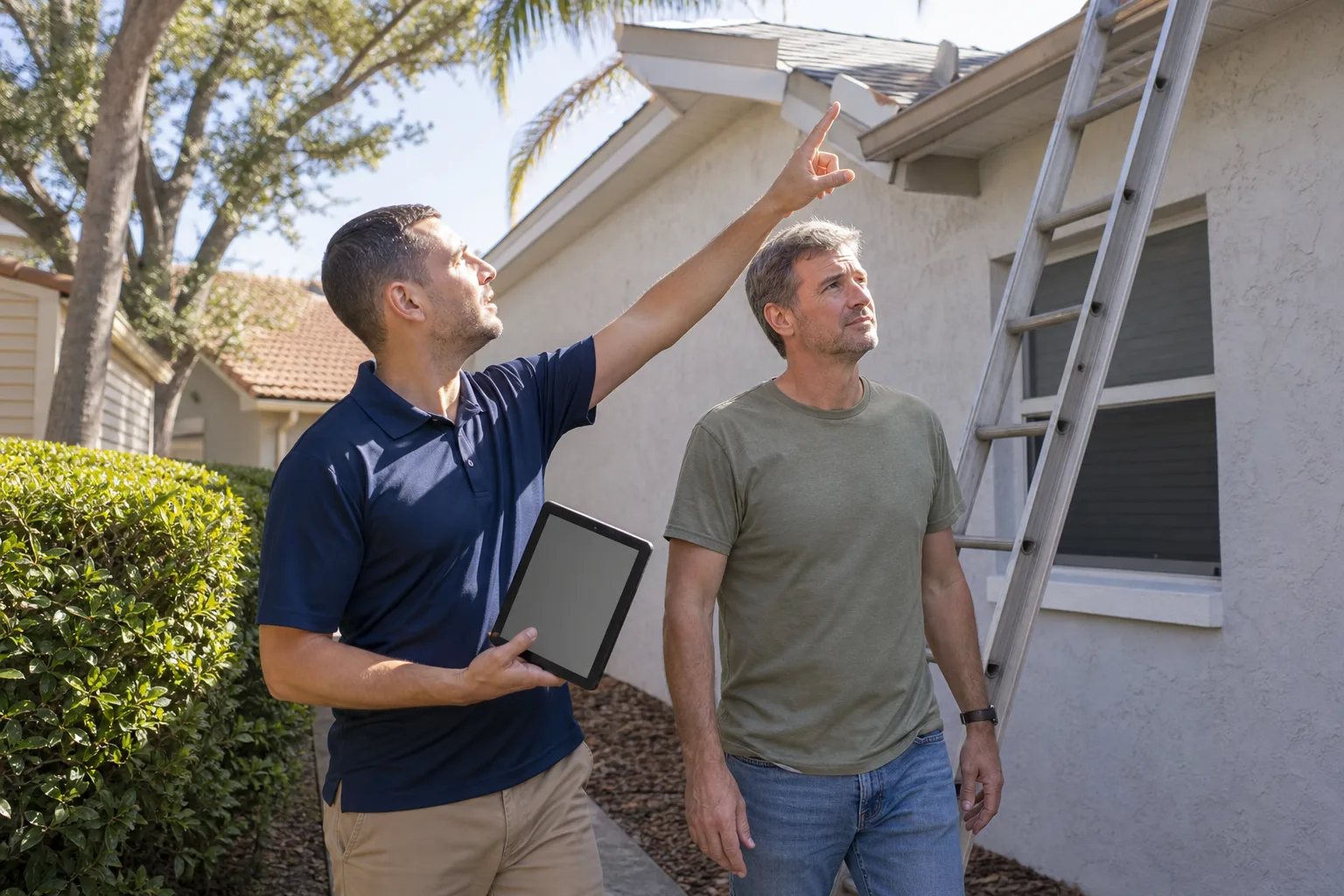
- Skipping the site visit before signing. A bid produced from photos alone is a guess. A real contractor walks the property, looks at the slope, and cheap-talk goes out the window.
- Not asking about permit history on the property. Lake Forest has a lot of homes built in the late 70s through the 90s, and some of them have unpermitted work from prior owners that you’ll inherit. Ask before you bid.
- Locking in a schedule with no material lead-time allowance. Windows and doors in particular are running long lead times. A schedule that doesn’t account for them will slip. A slip you didn’t plan for becomes a change order you didn’t want.
- Signing a contract with no written warranty language. “We stand behind our work” is not a warranty. A stated, written guarantee – with defined coverage and duration – is.
- Ignoring the drainage story on hillside lots. Lake Forest properties in the foothill neighborhoods retain stormwater differently than they do on flat subdivisions. Retrofit drainage after the fact costs two to three times what it costs to install it right the first time.
See the difference
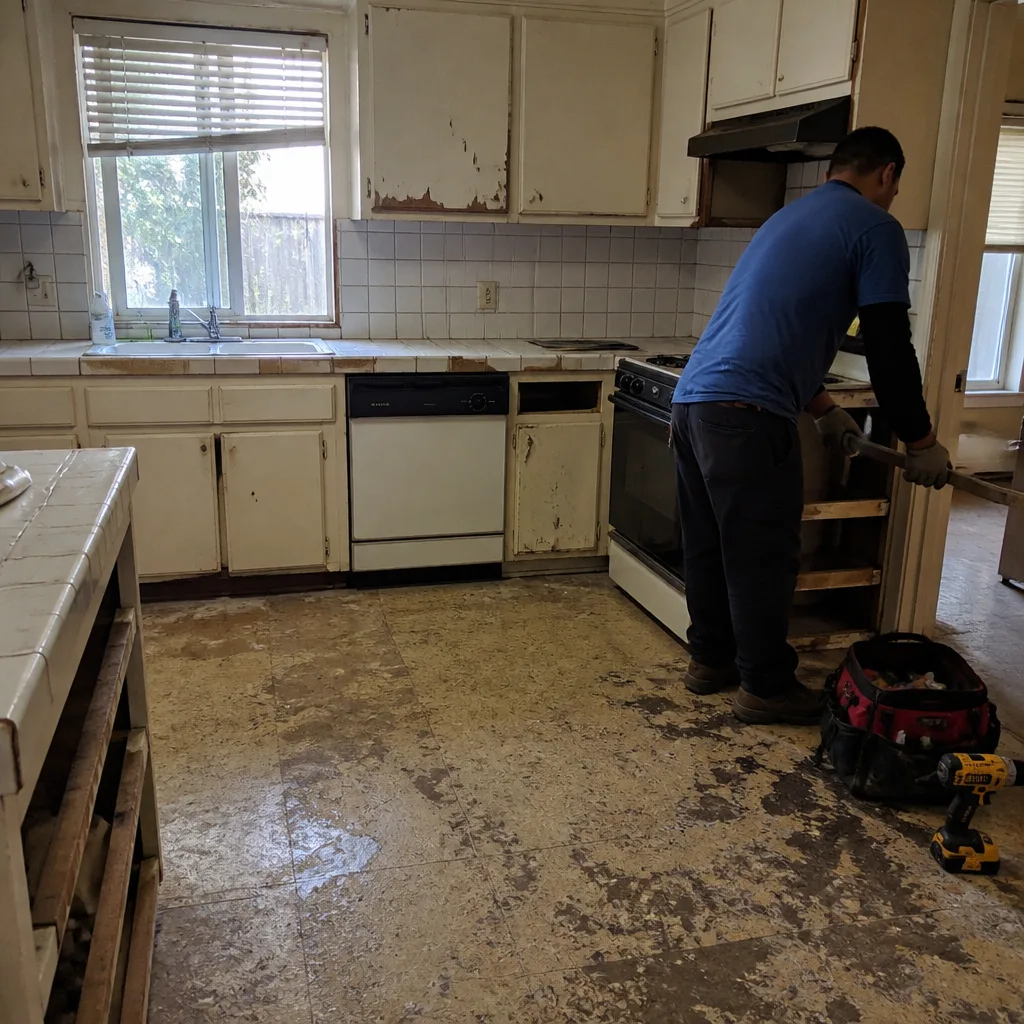 Before
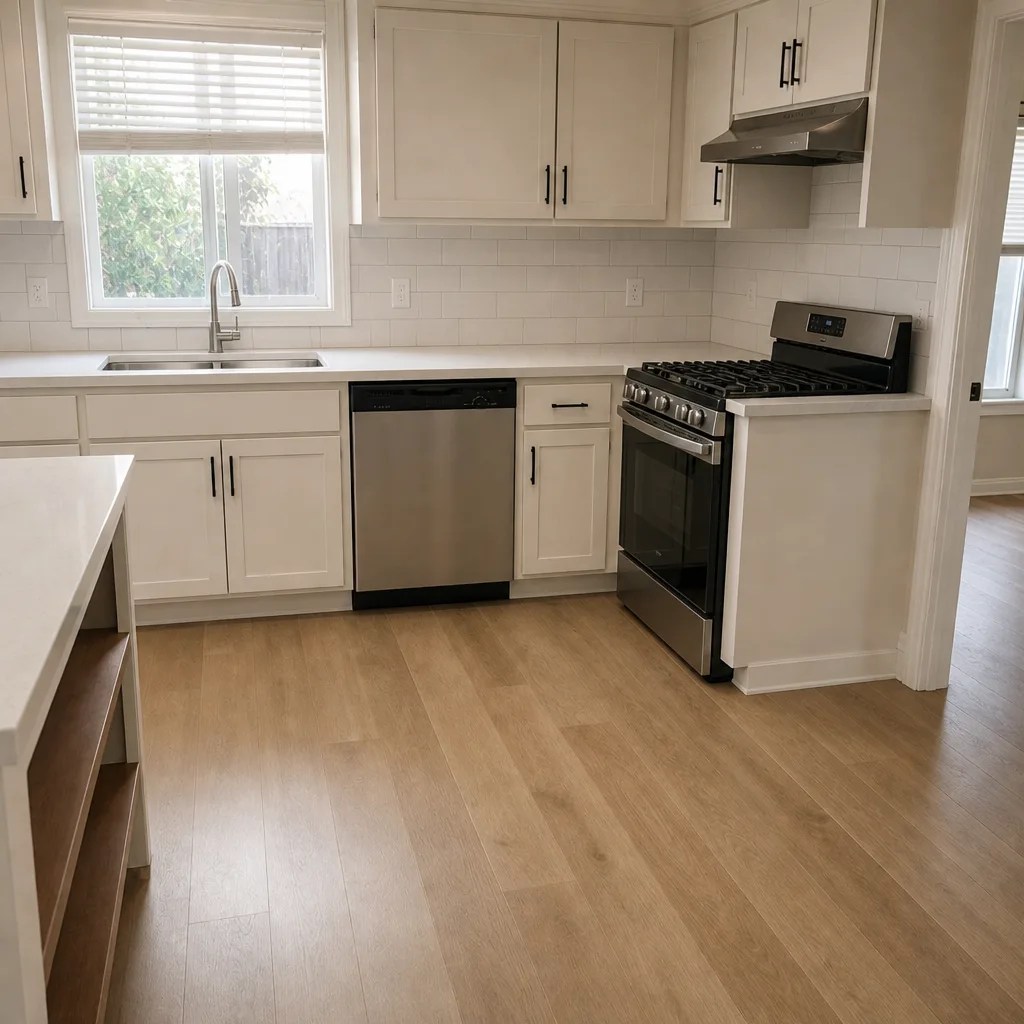 After
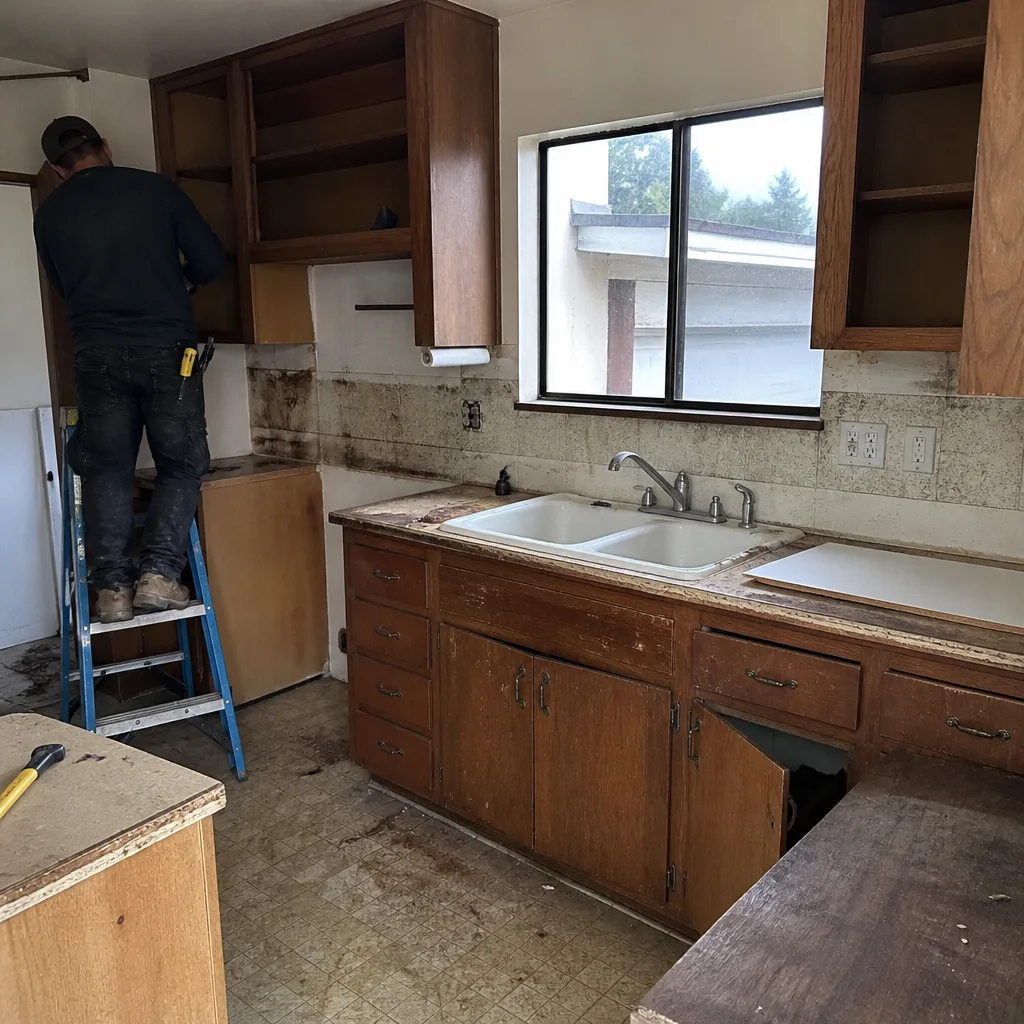 Before
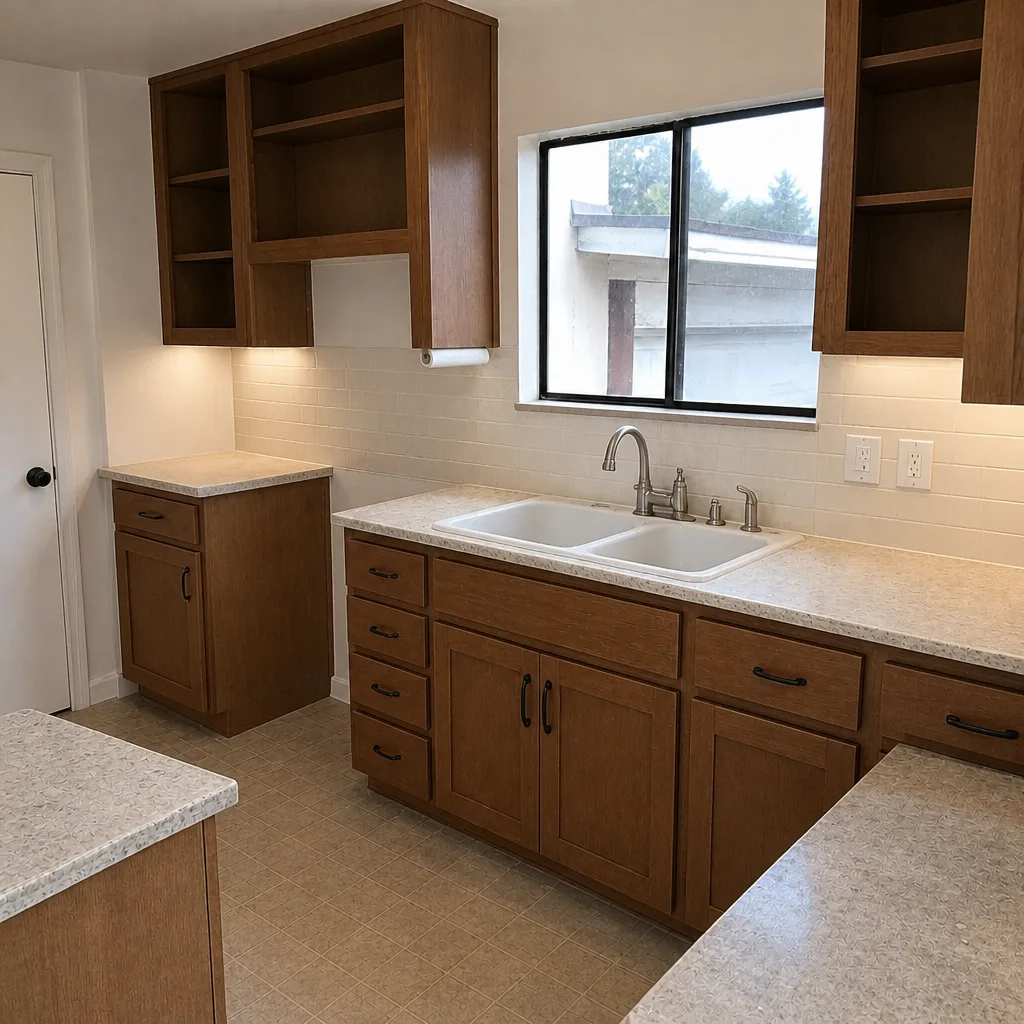 After
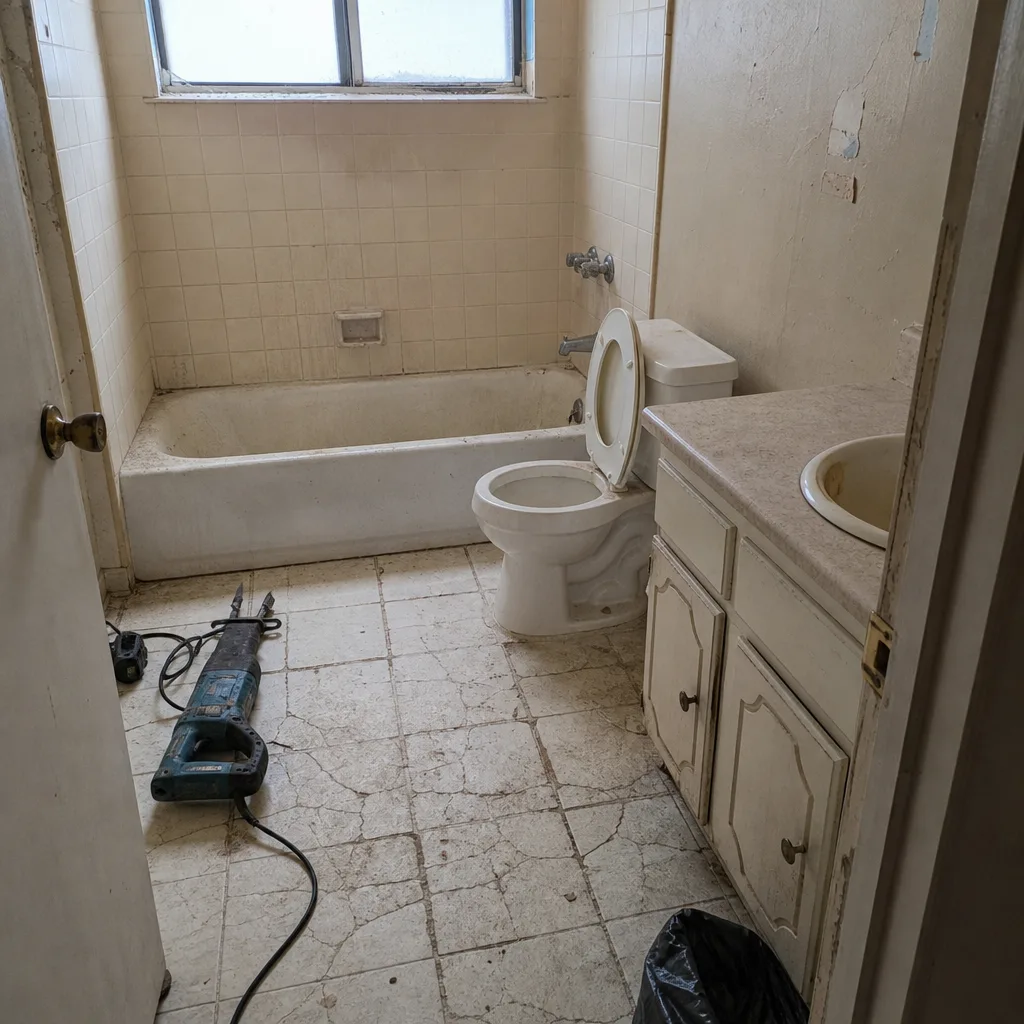 Before
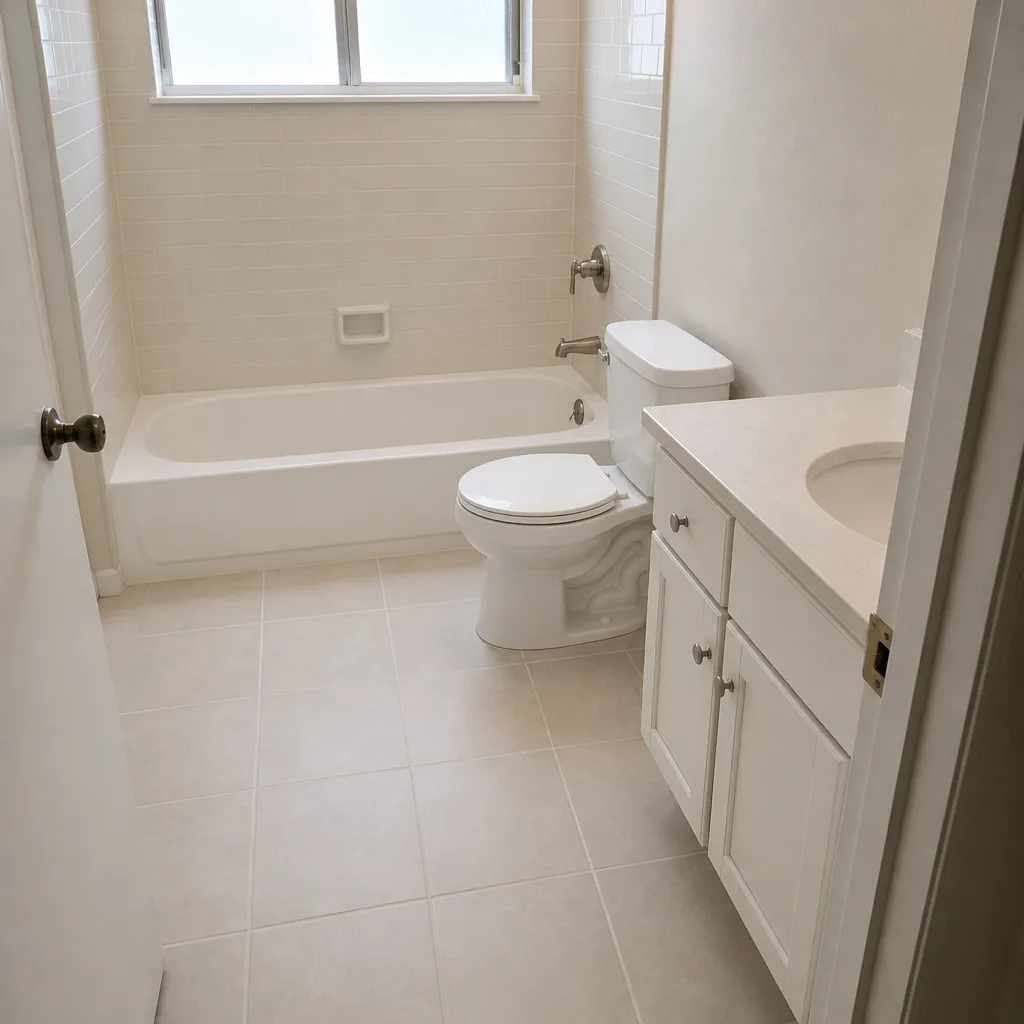 After
When to Call a Professional
Some work should never be DIY, and it’s not because we want the phone call – it’s because the failure mode is injury or a permit problem that surfaces at resale. Structural work (foundation, load-bearing walls, anything that changes the footprint of your home), electrical panel work, gas line work, and any retaining wall that’s holding a slope should be under a licensed professional from start to finish. On hillside lots around Portola Hills and Foothill Ranch, we’ve also seen plenty of “small” projects turn significant once the grading was actually examined. The schedule conversation is easier to have before you’ve opened something up.
Groundwork Construction Co. of Lake Forest offers free estimates in Lake Forest – call (855) 532-8973 to schedule yours. Whether you’re pricing a full ADU or just want a line-item baseline for a driveway, the estimate costs nothing and the numbers are the same ones we use on our own bids.
Frequently Asked Questions
Most projects land in one of these bands: concrete flatwork $9-$18 per square foot, a driveway $8-$20 per square foot, a patio cover $8,000-$35,000, a retaining wall $30-$65 per square foot of face area, an ADU $280-$450 per square foot, a kitchen $55,000-$110,000, and a bathroom $18,000-$45,000. The range inside each band depends on site conditions, finish level, and whether permits and soft costs are bundled. Call (855) 532-8973 for an exact figure specific to your property – estimates are free, itemized, and written.
Orange County labor rates trail the state average by roughly 8% to 15% for residential work, because the cost of living, commute, and license requirements here push crew billing rates up. Identical scope tends to price 10% to 15% higher in Lake Forest than in lower-cost California markets. That’s a real cost structure, not a markup – and the crews that charge it are usually faster to pass inspection and less likely to disappear mid-project.
They should be, and often aren’t in lump-sum bids. Permits, plan check, inspection, engineering, and Title 24 documentation typically add 3% to 8% to a project, and they’re the line most easily left out of a low bid. Always ask for permits to be listed as a line item – if they’re missing, the bid is not the real number. Our itemized quotes always include the permit and inspection lines.
Lock in material pricing at contract signing wherever possible, and get a written escalation clause that says exactly who pays if costs move and by how much. Lumber and roofing shingles are the most volatile categories right now, so ask specifically about the lock-in window for those materials. A contractor who won’t put material pricing in writing is asking you to carry the risk they should be carrying.
A change order is written, priced, and signed before the work happens. A budget overrun is a verbal conversation after the work is already done. Contractors who lowball to win the bid rely on the second – the low price catches the job, and the change orders carry the margin. Ask every contractor you interview to show you their written change order process before you sign.
Check three things before signing: state licensing (verifiable through the CSLB), insurance and bond on file, and a written workmanship warranty with a stated duration. A legitimate contractor will volunteer all three. Groundwork Construction Co. of Lake Forest backs every project with the 730-Day Done Right Promise – if it’s not done right, we make it right – and quotes are itemized and fixed, no change orders unless the change is documented and signed. Call (855) 532-8973 to schedule a free estimate and see the numbers yourself.
The Bottom Line
Vague bids protect contractors. Itemized bids protect you. The numbers in this guide are your baseline – use them to check any Lake Forest bid you receive, to spot the line items that most commonly get buried (permits, engineering, base prep, material escalation), and to ask the questions a legitimate contractor should be able to answer in seconds. Labor here runs 8% to 15% above state average; materials are volatile enough in 2026 that every contract needs a written escalation clause; ADUs and hillside work are the two categories where site conditions can swing the price the most. Walk into your next bid conversation with this baseline and you’ll have the upper hand in the room.
Ready to price your project with itemized, upfront numbers? Groundwork Construction Co. of Lake Forest offers a free project estimate and design consult, $1,000 off projects over $10,000, and 0% financing for 18 months on approved credit. Our team has up to 12 years of experience, every technician is background-checked and arrives in uniform, and someone answers the phone 24/7 because we’re builders, not a voicemail box. Call (855) 532-8973 to schedule your free estimate and to see what the actual line items look like for your Lake Forest project – from foundation to finish line, and built to last, backed in writing.
Written by the team at Groundwork Construction Co. of Lake Forest.