Last updated November 18, 2026

Free written scope consultation - allowances, timeline, and change-order rules on paper before a single trade is scheduled
DIY vs Professional Construction: The Lake Forest Homeowner’s Decision Guide
Here’s the part nobody tells you at the home improvement store: the most expensive DIY project we’ve ever seen in Lake Forest wasn’t a failed tile job or a leaking shower pan. It was a 400 square foot patio cover built without a permit. Everything looked fine for years. Then the house went to escrow, the buyer’s inspector flagged it, and the seller had to either prove it was permitted or knock $30,000 off the price. There was no permit to pull, because pulling one retroactively is a whole separate process. That’s the real DIY vs. hire question in Lake Forest: it isn’t about whether you can swing a hammer. This guide walks through permit exposure, insurance gaps, resale risk, and the projects where DIY genuinely makes sense.
Quick Answer
In Lake Forest, a licensed contractor is legally required for structural, electrical, plumbing, and gas work, plus anything over certain size thresholds like patios, fences, and additions. DIY is genuinely appropriate only for cosmetic, non-structural work such as painting, flooring over sound substrate, and landscaping. For mid-size projects, the permit and liability exposure usually costs more than the professional bid would have, especially at resale.
Styles & brands we work with
- Kitchen remodeling
- Bathroom remodeling
- Home additions & ADU
- Roofing
- Windows & doors
- Driveway & pavers
- Fence
Table of Contents
- Which Projects in California Legally Require a Licensed Contractor
- How Unpermitted DIY Work Affects Your California Homeowner’s Insurance
- Projects Where DIY Is Genuinely Appropriate in Lake Forest
- The Hidden Cost Calculation: DIY vs. Professional Bid
- How to Evaluate Your Own Risk Tolerance Honestly
- What “I’ll Disclose It When I Sell” Actually Exposes You To
- How to Vet a Contractor in Lake Forest
- Lake Forest Permit Reality: Timelines, Fees, and Inspections
Which Projects in California Legally Require a Licensed Contractor
California’s Business and Professions Code is not ambiguous about this. If a project crosses certain lines, a licensed contractor is required regardless of your skill, your confidence, or your intent to stay under the radar. The most common surprise for Lake Forest homeowners is that this applies even to small projects you assumed were exempt.
Here’s the framework that actually matters:
- Structural work: anything that alters load-bearing walls, adds a foundation, or changes roof framing. That includes patio covers, room additions, and most second-story work. A licensed contractor and building permit are required.
- Electrical: any new circuit, panel modification, subpanel, EV charger, or hardwired fixture. Homeowners can swap a light fixture or a receptacle, but anything beyond that requires a licensed electrician.
- Plumbing: anything involving moving or adding a water or drain line, replacing a water heater, or connecting to the sewer requires a licensed plumber. Swapping a faucet is fine. Replacing a section of copper under the slab is not.
- Gas: every gas line connection, appliance hookup, and vent requires a licensed professional. There is no homeowner exemption here for life-safety reasons.
- Projects over a size threshold: fences over 6 feet tall, patio covers, decks over 30 inches above grade, and ADU or addition projects all trigger permit requirements in Lake Forest and most of Orange County.
- Any project valued over $500 in labor and materials combined where the contractor is hired: the $500 rule protects you, not the contractor. Any professional you hire for a job over $500 must be licensed.
The gray zone is where most problems happen. A homeowner replaces a bathroom vanity and, while they’re in there, reroutes a supply line. That’s plumbing. A homeowner builds a freestanding deck to sit on the ground without footings. That’s a structural element, and Orange County inspectors treat it as such. We’ve seen Lake Forest homeowners confidently cross the line without knowing it.
How Unpermitted DIY Work Affects Your California Homeowner’s Insurance
This is the section most homeowners skip, and it’s the one that matters most. Standard California homeowner’s policies, including the HO-3 and HO-5 forms most Lake Forest homes carry, include clauses that allow the insurer to deny or reduce a claim when damage results from work performed outside code or without required permits.
The specific policy language varies, but the pattern is consistent. Insurers cover sudden and accidental damage from covered perils. They do not cover damage that arises from defective workmanship, and many policies add an exclusion for “work performed by the insured.” That means if you install a shower without a proper Schluter waterproofing system, and water works behind the tile into the framing over the next two years, you may file a claim and get denied. The adjuster will ask for receipts, permits, and contractor documentation. Without those, the claim has no legs.
The gap is even bigger for fire and water damage that originates in unpermitted electrical or plumbing work. A panel modification done by a homeowner that later causes an electrical fire can be excluded entirely from coverage because the work itself was not permitted and not inspected. The same applies to a gas line you connected to a new range. If the connection fails and damages the kitchen, the insurer can point to the exclusion and walk away.
In Lake Forest, the exposure runs both directions. Newer construction in neighborhoods like Baker Ranch has tighter modern code compliance, so deviations are easier to flag. Older homes around the original El Toro corridor often already have legacy unpermitted work, which creates its own complications if you’re remodeling. Either way, the policy language is unforgiving: if the work wasn’t permitted, inspected, and documented, your insurer has an out.
Projects Where DIY Is Genuinely Appropriate in Lake Forest
We’re not going to tell you to hire someone for every job. There’s real money to save on projects that don’t touch structure, life safety systems, or permit triggers. Here’s where DIY makes sense in Lake Forest:
- Interior painting: nearly every room, as long as it’s not lead paint remediation and there are no wall repairs that require texture matching you can’t replicate.
- Landscaping and planting: sod, shrubs, drip irrigation on existing supply, mulch, decorative rock. Nothing structural, nothing tied to a permanent hardscape.
- Tile floors over clean, sound substrate: if the concrete slab is level, dry, and crack-free, a homeowner can install porcelain tile with proper thinset and grout. The failure point is almost always substrate prep, so be honest with yourself about that step.
- Cabinet hardware and fixtures: pulling out old pulls and installing new ones, swapping faucets (existing plumbing only), replacing light fixtures, and hanging window treatments.
- Interior trim and baseboards: cutting, priming, and installing baseboards is a legitimate weekend project that saves real money.
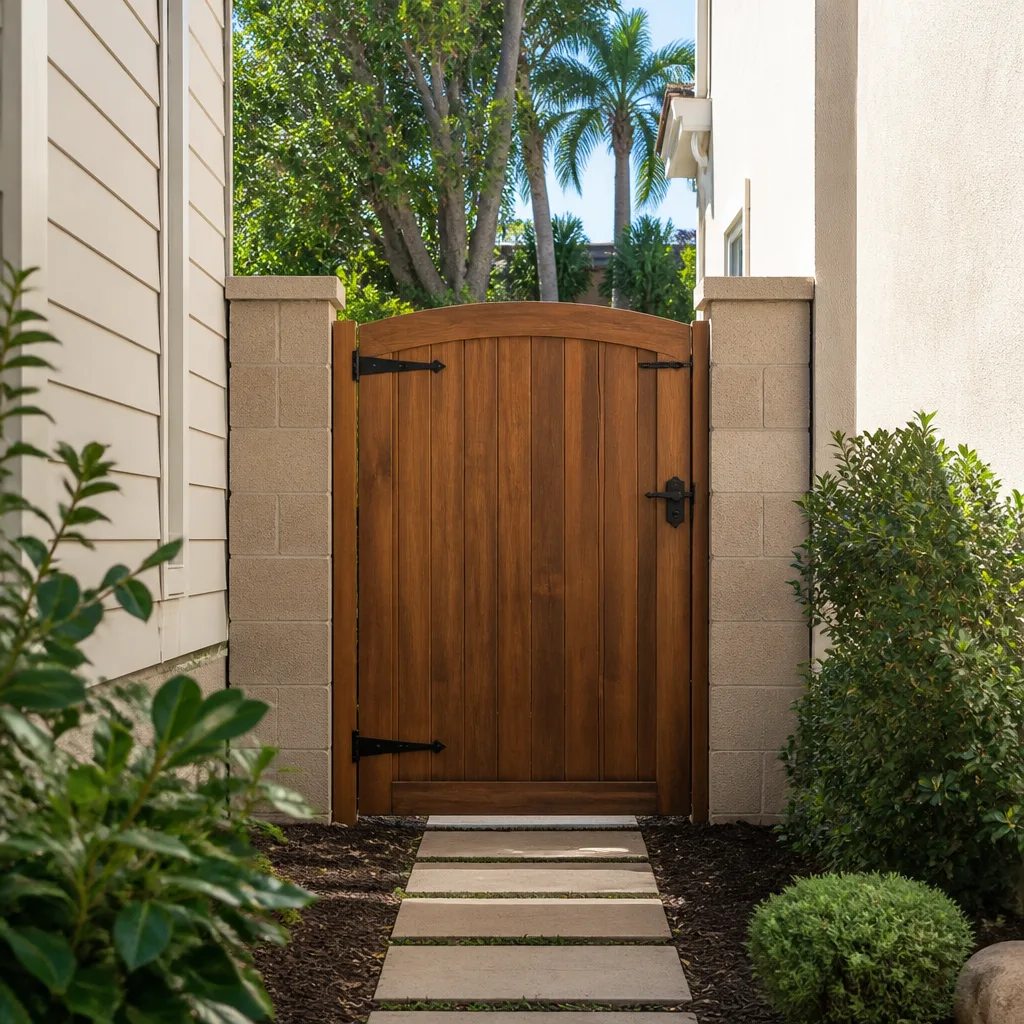
- Fence repair on existing permitted fences: replacing a few pickets or a gate, provided the structure stays intact. For full fence replacement, permitting and neighbor boundary issues make professional work the better path – see our Fence Installation in Lake Forest page for why.
- Pressure washing, gutter cleaning, and exterior cosmetic upkeep: standard maintenance, no permit risk.
Notice the pattern: soft surfaces, cosmetic finishes, existing systems. The moment a project involves opening a wall, moving a hookup, or attaching something permanent to the structure, the calculus changes. In Lake Forest, where homes sit on slabs or raised foundations exposed to seasonal soil movement during the dry-wet cycle, even small structural additions can show cracks and settling if the footings aren’t engineered.
The Hidden Cost Calculation: DIY vs. Professional Bid
Most DIY-vs-hire comparisons only look at the receipt for materials versus the contractor’s quote. That’s the wrong math. The real comparison includes potential remediation, permit retroactivity, resale discount, and insurance gaps. Here’s the framework we recommend Lake Forest homeowners run through before picking up a tile saw.
- DIY project cost: materials + tool rental + your time. Include trips to the hardware store, because there will be at least three.
- Permit retroactivity exposure: if the work needs a permit and doesn’t have one, expect $1,500 to $8,000 in retro-permitting fees, plan redraws, and required inspections. For structural work without permits, add demolition exposure.
- Remediation exposure: if the DIY work fails, you pay to tear it out and start over. Waterproofing failures, framing issues, and roofing installs are the three most common remediation triggers.
- Resale discount: an unpermitted patio, addition, or bathroom typically costs 3 to 10 percent of the affected area’s value in negotiated price reductions at escrow. A $30,000 reduction on a patio is a real number.
- Insurance gap: unquantifiable until something goes wrong, but potentially a full denial of a claim. Assume a worst-case exposure of your policy deductible plus the cost of the damaged work.
- Professional bid: an upfront, line-item number with permits pulled, inspections passed, licensed trades, and a workmanship warranty. In our experience, that bid is often within 30 to 50 percent of the fully loaded DIY cost once you run the math above.
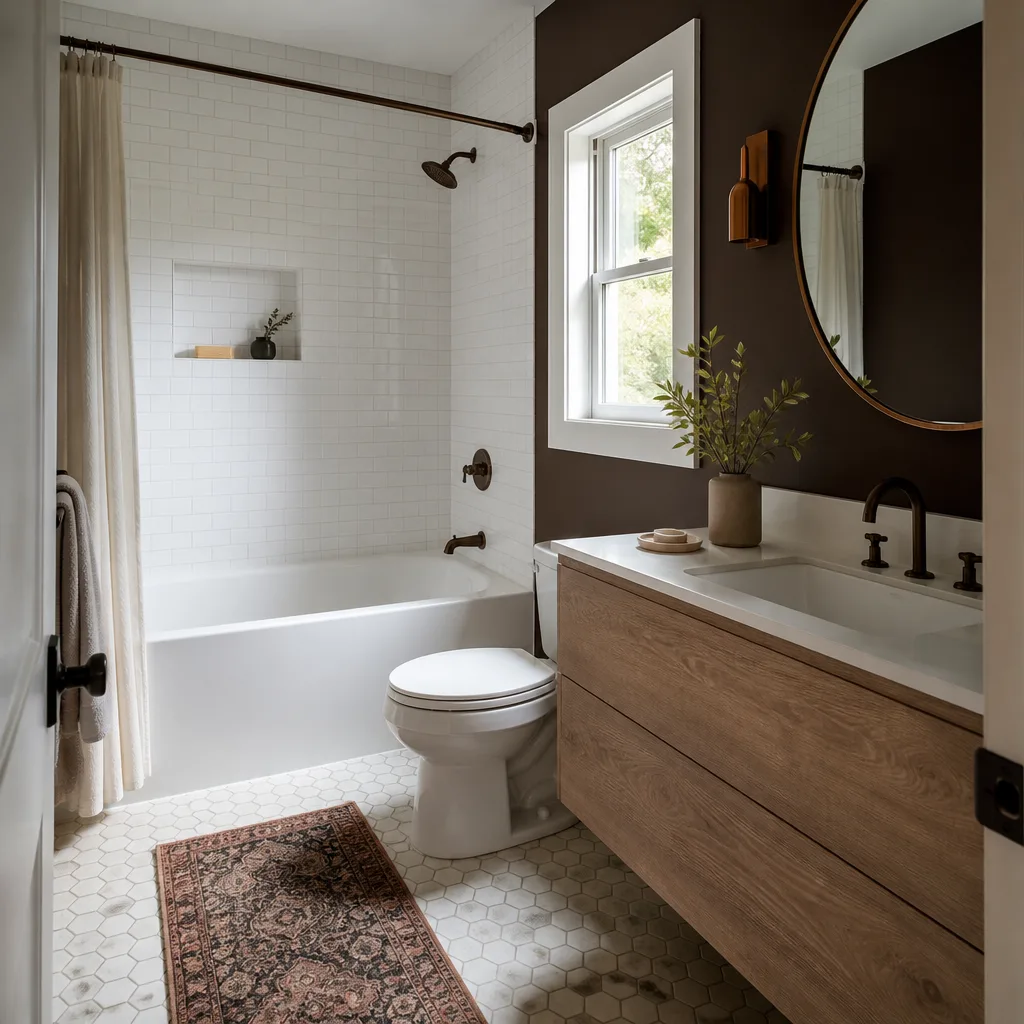
Run a $12,000 bathroom remodel through that framework. DIY with Schluter waterproofing and Toto fixtures might run $6,500 in materials. Shortcut the waterproofing and you’re looking at $8,000 to $14,000 in remediation within three years. Retro-permitting in Lake Forest adds another $2,000. The math stops being close.
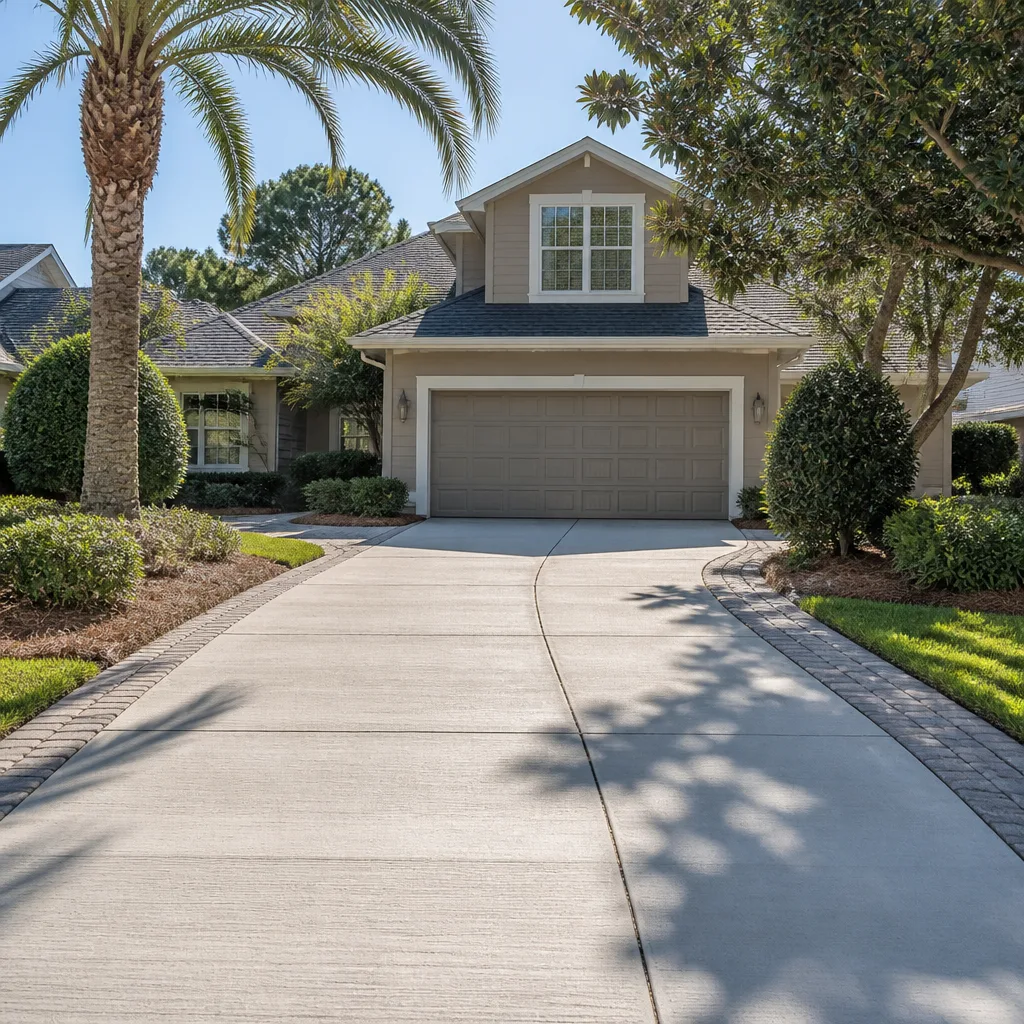
For a Lake Forest driveway or paver project, the cost comparison shifts, because pavers are heavy, base prep determines lifespan, and Belgard systems installed without proper compaction fail within two winters. Our Driveway & Pavers in Lake Forest page explains the base-prep math. It’s not a small detail.
How to Evaluate Your Own Risk Tolerance Honestly
The hardest part of this decision is being honest about what you’ll actually do when the project hits a snag. Most homeowners believe they’ll stop, research, and hire a pro when a problem emerges. In practice, the opposite happens. You’re three weekends in, the wall is open, and the budget is blown. You push forward. That’s where unpermitted, non-compliant work happens.
Here’s how we recommend running your own test:
- Have you done this exact task successfully before? Not a similar task. This exact task, with the same materials, on a similar substrate, at the same scale.
- Will you stop and hire a pro if the project reveals an issue? Honestly. If the answer is “no, I’ll figure it out,” that’s a signal you’re taking structural or life-safety risk you may regret.
- Do you have a plan for permits? If the work requires a permit and you’re not planning to pull one, you’re accepting the resale and insurance exposure. There’s no way around this.
- Can you afford to redo this work in a year? If not, you can’t afford to do it yourself. That’s the rule.
- Is there gas, water, or high-voltage electricity involved anywhere in the project? If so, hire a licensed trade. No exceptions. Gas line DIY is the deadliest mistake we hear homeowners consider.
Lake Forest homes built in the 1970s through 1990s often hide details behind drywall that change the project scope. Knob-and-tube wiring remnants turn up in remodels in older parts of town. Galvanized plumbing shows up behind bathroom walls. Slab cracks in dry-soil areas shift how permits get approved. If your risk tolerance depends on things staying simple, and the house has any age to it, plan for a pro on the structural and systems work.
What “I’ll Disclose It When I Sell” Actually Exposes You To
Here’s what the disclosure strategy actually costs you in California. The Transfer Disclosure Statement (TDS) is a legal document you sign at sale. It requires disclosure of known material defects, including unpermitted work. “I’ll disclose it when I sell” isn’t a plan; it’s a liability transfer to your future self. Here’s the breakdown:
- Buyer’s right to demand cure: a buyer who learns of unpermitted work can demand you permit it, remove it, or reduce the price. The reduction is negotiated, not set by you.
- Buyer’s right to walk: in competitive markets, buyers use unpermitted work as a reason to cancel. In slower markets, it becomes a negotiation lever.
- Lender concerns: unpermitted additions may not appraise for their full square footage. Fannie Mae and FHA guidelines affect how appraisers value unpermitted space. That hits your final number.
- Civil exposure: if you fail to disclose known unpermitted work and the buyer later discovers it, you can be sued for failure to disclose. That’s not a theoretical case; it’s a documented pattern in Orange County.
- Insurance transfer: insurance follows the house. If the buyer’s insurer excludes the unpermitted work, the buyer has a claim against you for the loss in insurability.
The math is simple. Retro-permitting at your cost is almost always cheaper than the escrow reduction. Do it now, or do it at sale, but eventually it gets paid for.
How to Vet a Contractor in Lake Forest
If you’ve decided to hire, the vetting step is where most homeowners under-invest. A few concrete questions separate serious contractors from the rest.
- Verify the license: the CSLB license lookup is free and public. Confirm the license is active, and that the classification matches the work.
- Ask for the workmanship warranty in writing: not a verbal promise. Read what’s excluded. A 730-Day Done Right Promise means the contractor stands behind the craft for two full years. Anything shorter should raise questions.
- Demand a line-item bid: lump-sum quotes hide scope gaps that show up as change orders. A real bid tells you what’s included in each trade, who pulls the permit, and what the inspection schedule looks like.
- Ask which brands they’re using: KraftMaid cabinets and Cambria surfaces signal a higher spec than builder-grade. GAF and CertainTeed shingles on the roof, Andersen or Pella on the windows, Belgard pavers, and Schluter waterproofing in showers all indicate the contractor is buying to spec, not to floor price.
- Confirm who’s actually on the job: if the crew is not background-checked and uniformed, you don’t know who’s in your house. That’s a real question, not a marketing pitch.
- Check that permits are pulled by the contractor: some contractors ask the homeowner to pull the permit. That shifts liability back to you. Don’t accept it.
- Take the estimate seriously: free estimates with a design consult give you room to compare three bids side by side. That’s the whole point.
For larger projects, vetting extends to scheduling, subs, and inspection cadence. Our Home Additions & ADU in Lake Forest page walks through what realistic timelines look like, and staying close to the project helps you catch problems early. Start with the Groundwork Construction Co. of Lake Forest home page for the full scope of what we handle.
Lake Forest Permit Reality: Timelines, Fees, and Inspections
The City of Lake Forest processes permits through its Building and Safety Division, and the timelines homeowners underestimate most are the review phases, not the work. Kitchen remodels with structural changes typically take two to four weeks in plan review. Bathroom remodels without wall changes can move faster. Patio covers, additions, and ADUs run longer, especially if the project triggers setbacks, height variance, or HOA review in HOA-heavy Lake Forest neighborhoods like Foothill Ranch, Portola Hills, and Baker Ranch.
Fees are tied to project valuation, so they scale with the scope. A bathroom remodel can range from $400 to $1,200 in permit fees. A full kitchen with structural modifications runs higher. An ADU runs into the thousands. These are real costs; they’re also the cost of insurability and resale. Passing inspections on framing, rough plumbing, rough electrical, and final are the documentation trail buyers and insurers will ask for. Without them, none of the rest holds.
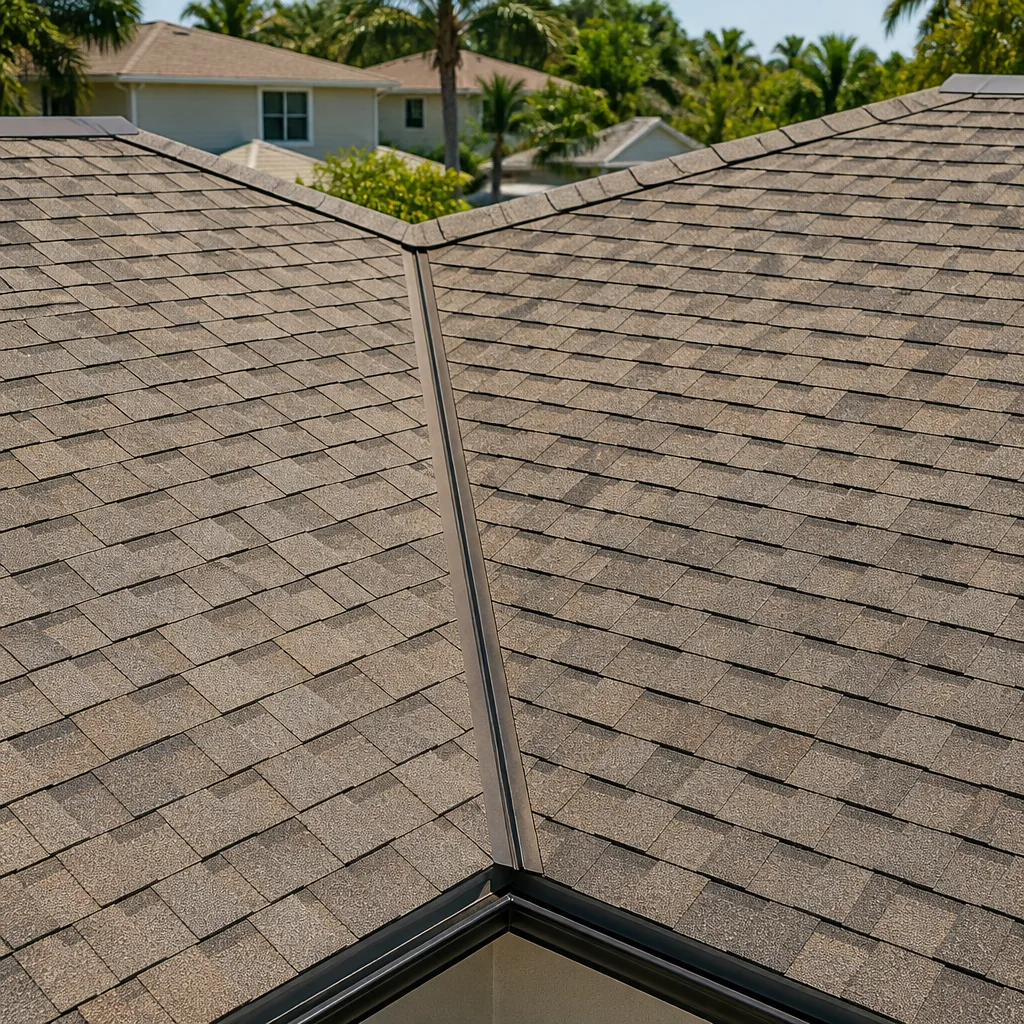
Two Lake Forest specifics that catch homeowners mid-project: hillside properties in Portola Hills and Foothill Ranch often require grading review before plan approval, which adds time. And Orange County’s wildfire-related building requirements in the higher-risk zones affect roofing materials, venting, and exterior details – GAF and CertainTeed both make Class A assemblies that satisfy these requirements, but the spec has to be right from the start. Retrofitting a non-compliant roof is expensive.
Common Mistakes to Avoid
- Assuming permits are for the contractor to worry about. If you pull the permit yourself, you own the compliance exposure. Let a licensed contractor carry it. In Lake Forest, permit ownership also affects your ability to sell the house later.
- Skipping waterproofing in a shower remodel. This is the number one remediation trigger we see in Orange County. Schluter or a proper liquid membrane, installed over cement board with the right slope, is the standard. Skip it and you’ll be tearing the tile out within two years.
- Buying premium fixtures and cutting the install quality. A Toto toilet and Grohe shower valve are only as good as the install behind them. The plumbing rough-in and the waterproofing are the parts that actually fail.
- Trusting a verbal warranty. If workmanship coverage isn’t in writing with a defined duration and clear exclusions, it’s not a warranty. Ask for the document.
- Assuming DIY saves money without accounting for resale. The escrow reduction on unpermitted work frequently exceeds the DIY savings by a wide margin. It’s not a cost you control; it’s a cost the buyer names.
- Using an unlicensed “handyman” for work over $500. Beyond the legal exposure, you have no recourse if something fails. Licensing and insurance are the reason you can enforce a warranty.
- Forgetting the HOA in Lake Forest neighborhoods. Baker Ranch, Foothill Ranch, and Portola Hills all have HOA design review requirements that apply before work begins. Skipping it can force you to undo work after it’s done.
See the difference
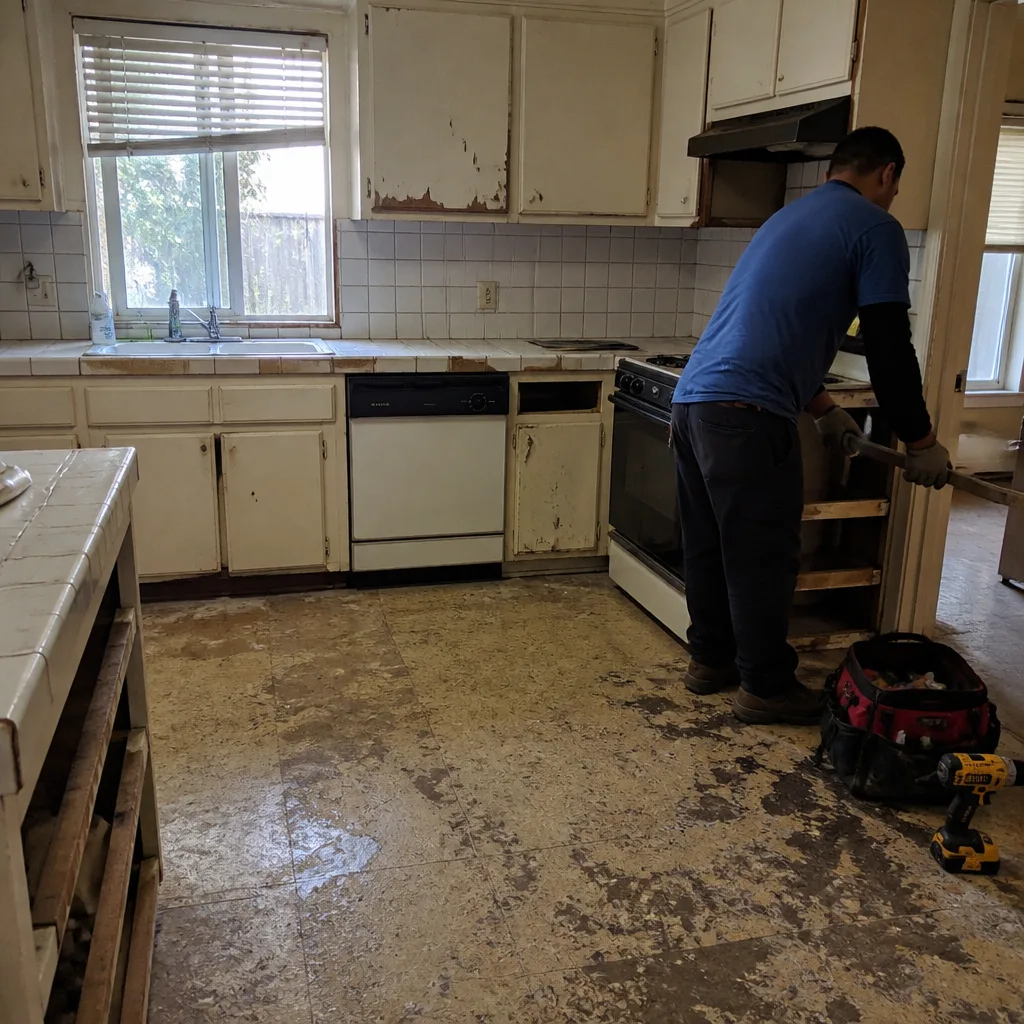 Before
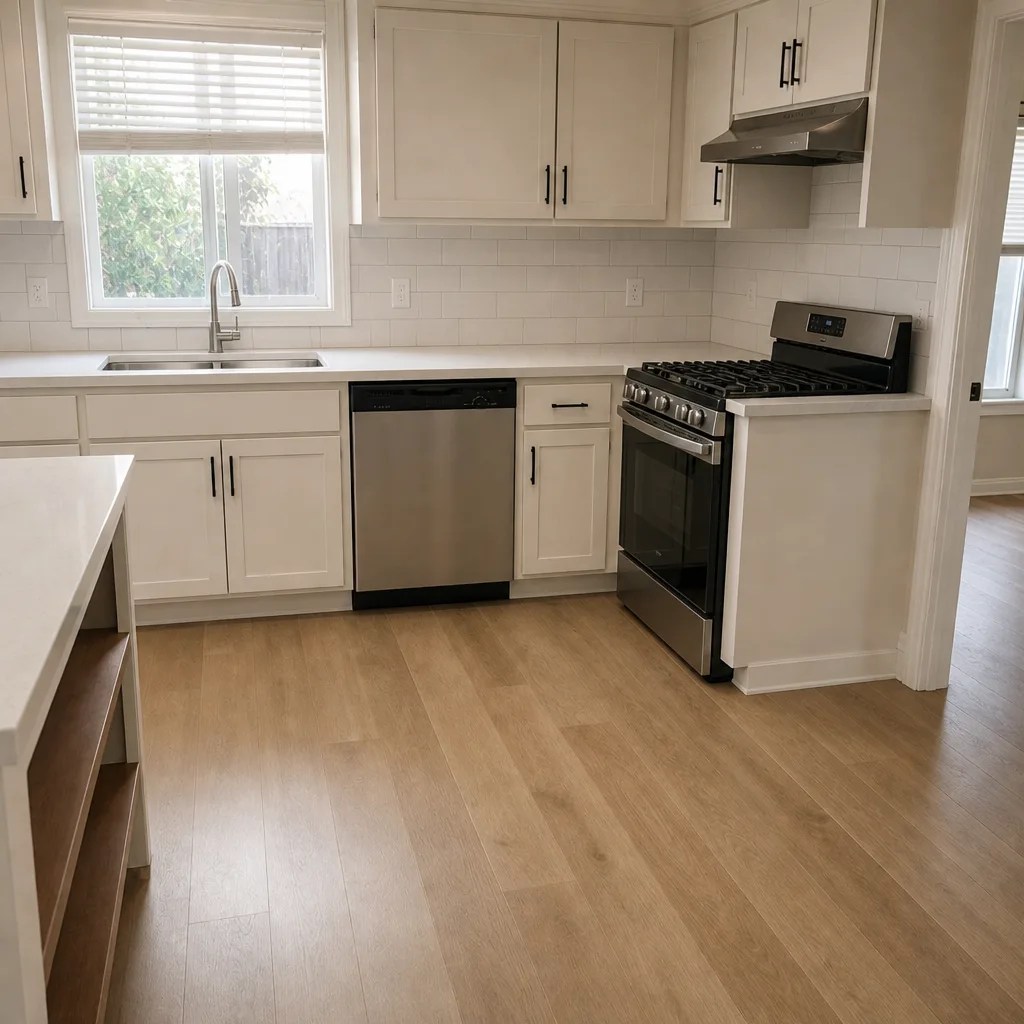 After
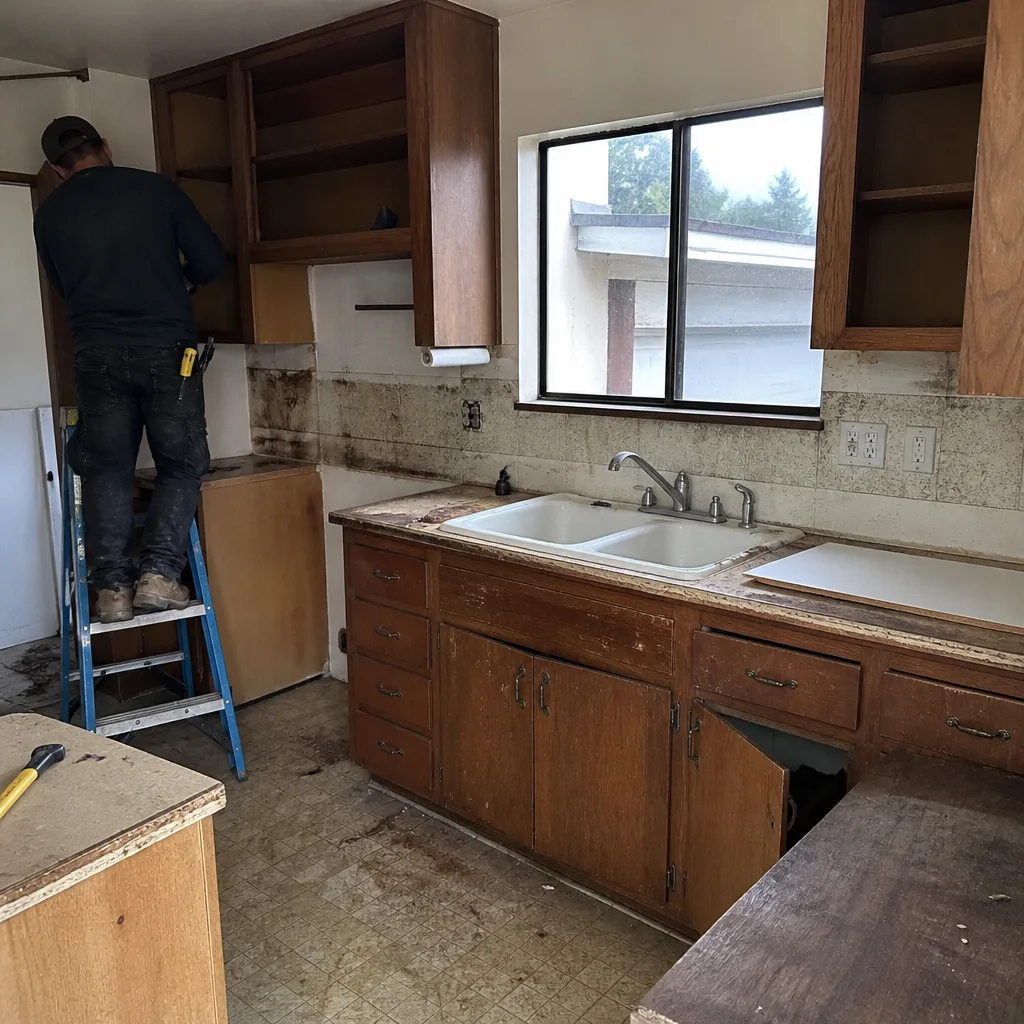 Before
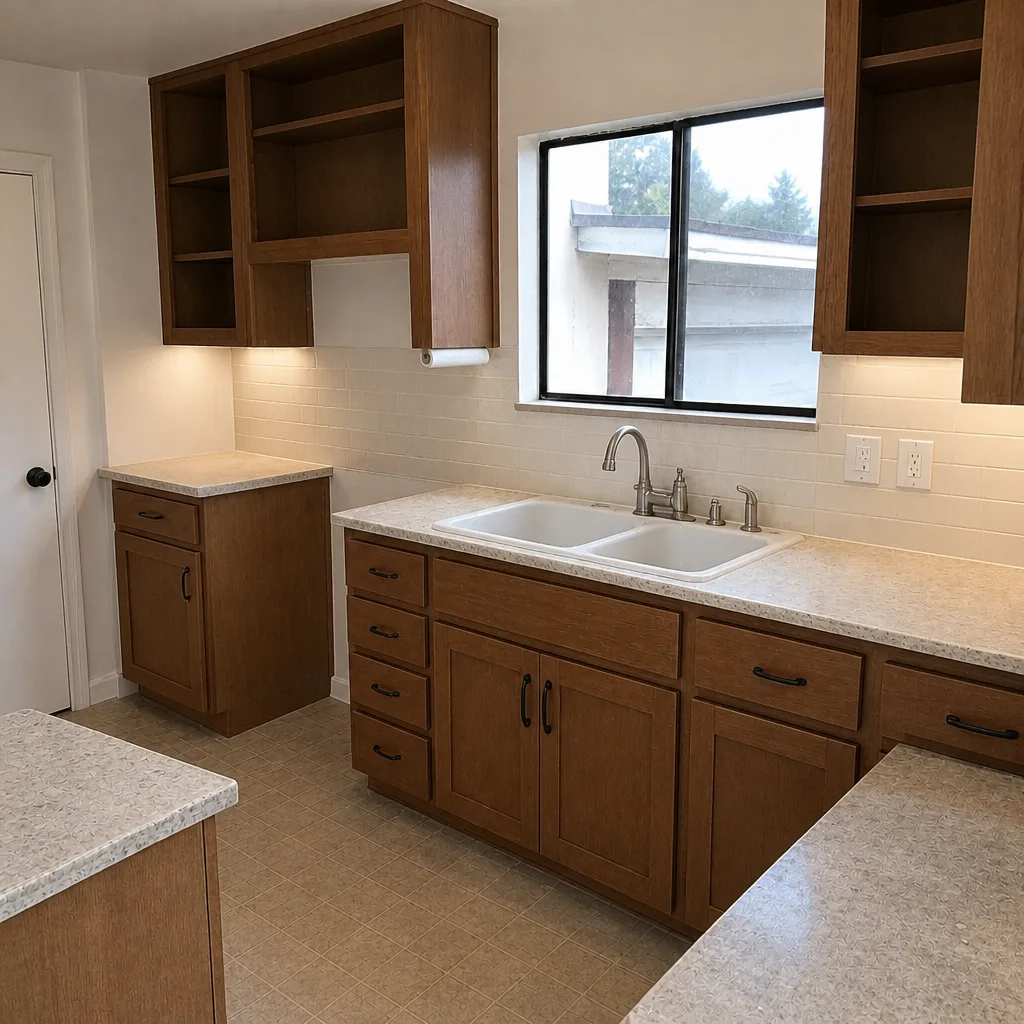 After
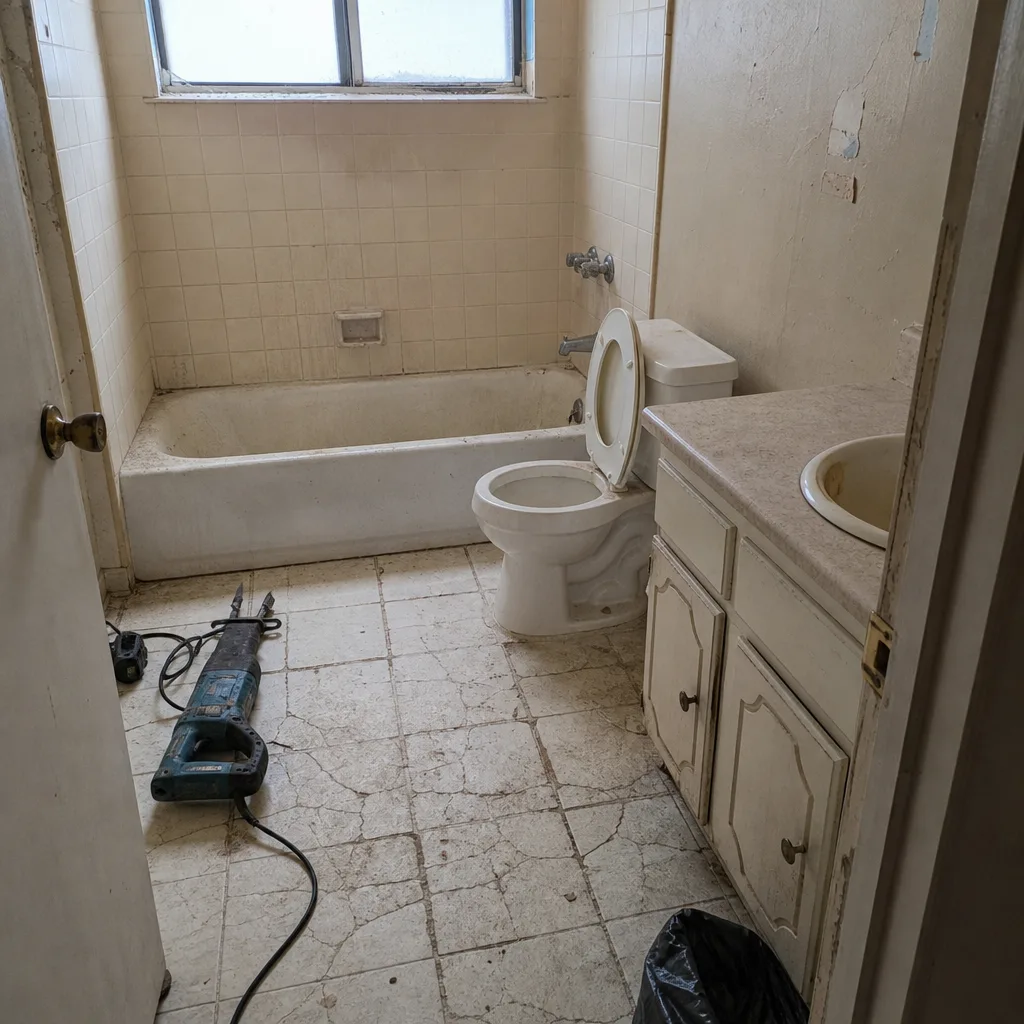 Before
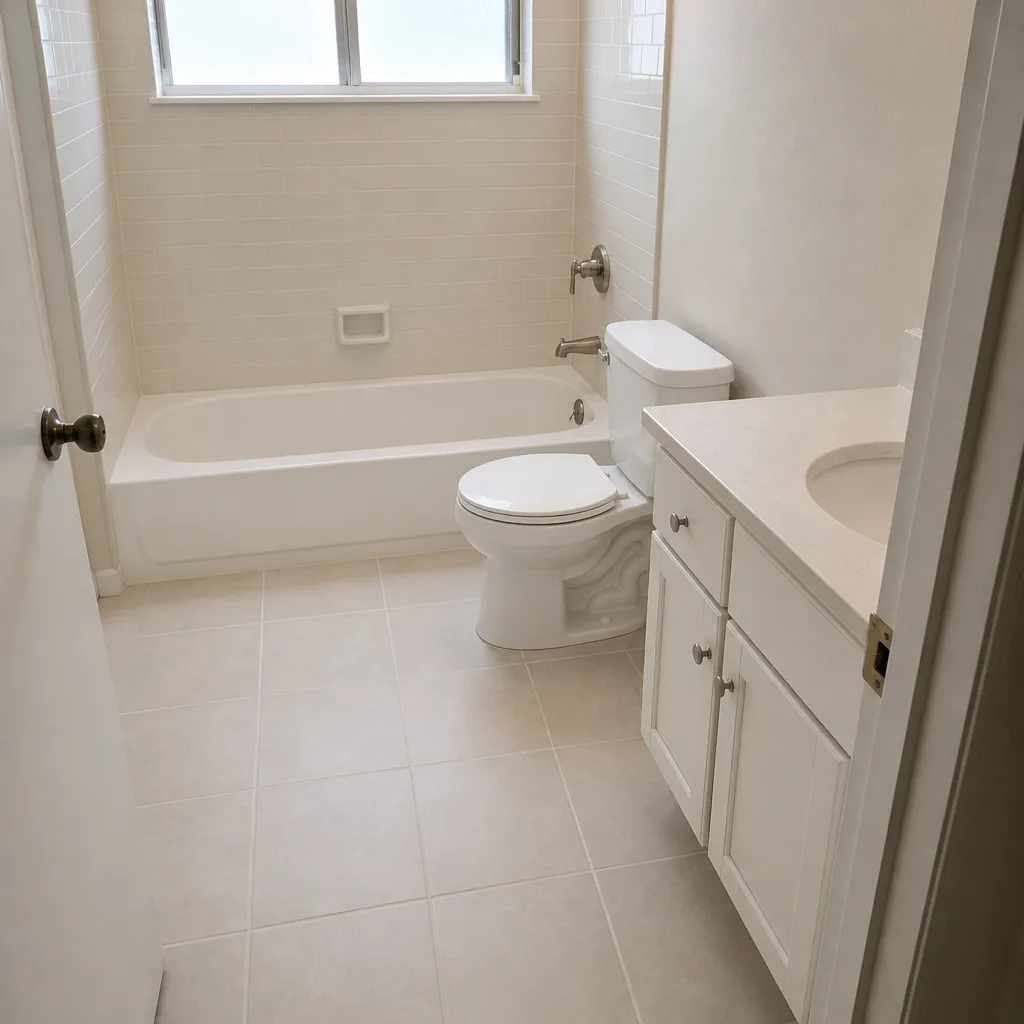 After
When to Call a Professional
Call a licensed professional the moment your project involves any of the following: structural changes, gas lines, electrical panel work, plumbing relocation, roofing, waterproofing in wet areas, permits, or resale risk on a home you plan to sell. Those categories account for most of the $10,000-plus projects we see in Lake Forest. Also call when the scope keeps expanding – a “small bathroom update” that turns into a full gut with a new subfloor is a professional job, and knowing that early saves money. Groundwork Construction Co. of Lake Forest offers free estimates in Lake Forest – call (855) 532-8973. You’ll get a live person, an upfront line-item number, and a written workmanship warranty backed by our 730-Day Done Right Promise.
Frequently Asked Questions

In most cases, yes. Any bathroom remodel that moves plumbing, adds or relocates electrical, changes the layout, or affects walls requires a permit in Lake Forest. Cosmetic updates like paint, fixtures swapped in place, and new flooring over existing substrate generally do not. When in doubt, call the City of Lake Forest Building Division before starting. Call (855) 532-8973 if you’d like a free estimate that includes permit scope in writing.
You’re legally required to disclose known unpermitted work on the Transfer Disclosure Statement, and failing to do so exposes you to a lawsuit. In practice, buyers negotiate a price reduction, demand you permit the work retroactively, or cancel escrow. The typical reduction is 3 to 10 percent of the affected area’s value. Call (855) 532-8973 to price retro-permitting or a professional redo against the escrow math.
Likely not. Most California homeowner’s policies exclude damage that arises from defective workmanship or work performed by the insured without permits and inspections. Electrical fires, plumbing leaks, and waterproofing failures in DIY projects are the most common denial triggers. Call (855) 532-8973 for a free estimate if you’re planning a project that involves systems or structure.
Only on narrow, cosmetic pieces: cabinet hardware, painting, backsplash tile over sound substrate, and light fixture swaps. Cabinet installation, plumbing relocation, electrical work, countertop templating, and any structural modification are all higher-risk and often require permits. Kitchen remodel costs in Lake Forest generally run $35,000 to $95,000 for mid-range projects, and the permit plus warranty coverage is a small fraction of that. Call (855) 532-8973 for a free line-item estimate.
With an upfront line-item bid, no. Change orders should only come from scope changes you approve in writing. If a contractor bids low and finds “surprises” mid-project, that’s a pricing problem, not a discovery problem. Ask for fixed pricing with defined change-order triggers before signing. Call (855) 532-8973 and we’ll walk you through how our written pricing works.
Shower and bathroom waterproofing. Homeowners install Schluter or liquid membrane without the right substrate prep, slope, or overlap detailing, and within a year or two, water is behind the tile and into the framing. Remediation typically runs $8,000 to $14,000, well above the savings. Call (855) 532-8973 for a free estimate before you open the wall.
The Bottom Line
The DIY vs. hire decision in Lake Forest isn’t really about skill. It’s about permit exposure, insurance gaps, and resale impact, and in California, the stakes are high enough that the wrong call on a mid-size project can cost more than the professional bid would have. If the work touches structure, gas, electrical, plumbing, the roof, or a wet area, hire licensed. If it’s paint, landscaping, hardware, or tile over sound substrate, DIY is a legitimate savings. Run the hidden-cost math before you buy materials. When the stakes are meaningful, get a written, line-item bid you can compare side by side. That’s how you make the decision with your eyes open.
Groundwork Construction Co. of Lake Forest offers free estimates across all seven of our service lines, backed by the 730-Day Done Right Promise, upfront pricing with no surprises, and calls answered by a live person 24/7. Our technicians have up to 12 years of experience, and they arrive background-checked and uniformed. Call (855) 532-8973 to schedule your free estimate and design consult today. Financing options include 0% for 18 months and $1,000 off projects over $10,000.
Written by the team at Groundwork Construction Co. of Lake Forest.